It’s the kind of story that sounds like a tall tale whispered through the cypress trees: a massive alligator, swept away by surging floodwaters, managing not just to survive but to thrive—and win the hearts of an entire Louisiana town. In a region where nature and people are forever entwined, this unlikely reptilian runaway became both a symbol of resilience and an unexpected folk hero. Locals share sightings with the excitement of spotting a movie star; social media lights up every time the gator appears. The legend of the “Bayou King,” as he’s affectionately called, isn’t just a story about wildlife—it’s about adaptation, awe, and the unbreakable spirit of Louisiana itself.
The Night the Waters Rose
It was during one of Louisiana’s notorious downpours that the saga began. In the heart of the bayou, swollen rivers spilled over their banks, swallowing roads and creeping into backyards. Amid the chaos, the alligator, once confined to a wildlife sanctuary, found itself swept up in the rushing current. Residents recall the eerie silence broken only by the rain’s relentless drumming and the faint splash of something large moving through the water. The escape went unnoticed at first, lost in the flurry of rescue efforts for stranded pets and livestock. Only later did people realize their neighborhood had gained an unexpected new inhabitant.
A Surprising New Neighbor
The first confirmed sighting came from a fisherman who nearly dropped his bait bucket in shock. He described seeing a “giant shadow sliding between the reeds,” unmistakably larger than the usual bayou gators. News traveled quickly—by word of mouth, then by phone, and finally online. Children started peering through their windows in hopes of catching a glimpse, while parents nervously warned them to keep a safe distance. The alligator, however, seemed unfazed by its newfound fame, gliding through the waters with a calm authority that earned immediate respect.
Becoming the Bayou King
It didn’t take long for the alligator to earn a nickname. “Bayou King” captured both its regal presence and the sense that it somehow ruled its new domain. Local artists painted murals, and T-shirts featuring the gator’s silhouette popped up at the weekly farmers’ market. Tourists began asking for directions, hoping for a chance encounter. The Bayou King became a symbol not just of survival, but of the unexpected ways nature can surprise and delight a community. The town’s identity shifted, with the alligator at the center of a new chapter in its long, watery history.
Alligator Biology: Adaptation in Action
Alligators are some of nature’s most remarkable survivors, perfectly built for life in Louisiana’s wetlands. Their tough, armored skin protects them from predators and injury, while their eyes and nostrils sit atop their heads, allowing them to see and breathe while mostly submerged. The Bayou King’s ability to thrive after such a dramatic escape highlights these evolutionary advantages. Even in turbulent, unfamiliar waters, an alligator’s powerful tail and webbed feet make it a master navigator, able to find food and safety amid chaos. Scientists studying the Bayou King have marveled at how quickly it adapted, finding new hunting grounds and avoiding human conflict.
Floods and Wildlife: The Science Behind the Escape
Floods are a double-edged sword for Louisiana’s wildlife. While they can devastate habitats, they also create new opportunities for animals like alligators to explore and expand their territories. Rising waters break down barriers—both natural and manmade. The Bayou King’s escape is a perfect example: fences and enclosures that once held it became useless in the face of nature’s power. Ecologists point out that such events are becoming more common as climate change increases the frequency of extreme weather. The gator’s journey is a vivid reminder of how closely human communities are linked to the rhythms and risks of the environment.
Spotting the Local Legend
Soon, spotting the Bayou King became a favorite pastime. Residents shared tips on where the gator liked to sunbathe or when it might be seen gliding through the milky morning fog. Some claimed the alligator responded to its nickname, even pausing as if posing for photos. Local wildlife officials, initially concerned, monitored the situation carefully. They placed warning signs near popular fishing spots and reminded everyone to maintain a respectful distance. The alligator, meanwhile, seemed to enjoy the attention, floating lazily in the water as onlookers watched in awe.
The Science of Coexistence
Living alongside a giant alligator is not without its challenges. Wildlife experts held community meetings to educate people on safe practices, emphasizing that alligators, while fascinating, are still wild animals. The Bayou King’s story became a teaching moment—an opportunity to discuss responsible coexistence. Simple rules were established: don’t feed the gator, keep pets indoors, and never attempt to approach for a selfie. These guidelines helped reduce fear and fostered a sense of stewardship, with many residents taking pride in protecting their unusual neighbor.
Environmental Impact and Local Ecosystems
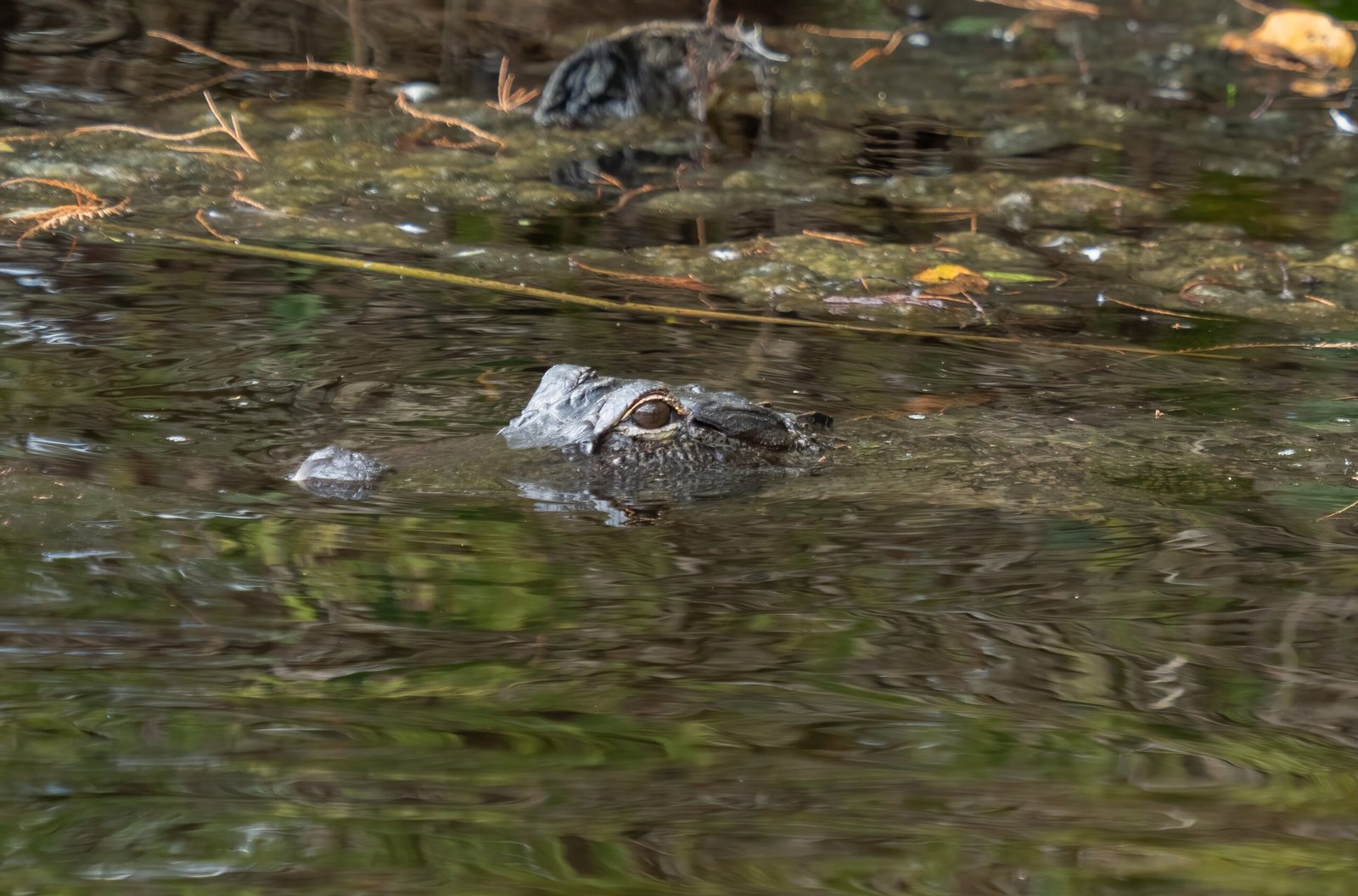
The presence of a large alligator has ripple effects throughout the ecosystem. As a top predator, the Bayou King keeps fish and turtle populations in balance, preventing overgrowth and maintaining the health of the wetland. Ecologists have observed subtle shifts in local wildlife behavior, with prey species adapting to the new threat. The alligator’s activities, from nest building to hunting, create microhabitats that benefit other animals and plants. The town’s wetlands, once seen as mere background, have become a living classroom for understanding nature’s complex web.
From Fear to Fascination: Community Reactions
At first, the gator’s escape sparked anxiety. Parents worried about children playing near the water, and fishermen wondered if their favorite spots were now off-limits. Over time, though, fear gave way to fascination. The Bayou King inspired art, stories, and even a local festival celebrating Louisiana’s wild spirit. The community’s embrace of their giant neighbor reflects a deeper appreciation for the unpredictable beauty of the bayou. As one local put it, “He’s not just an alligator—he’s our alligator.”
Lessons from the Bayou King
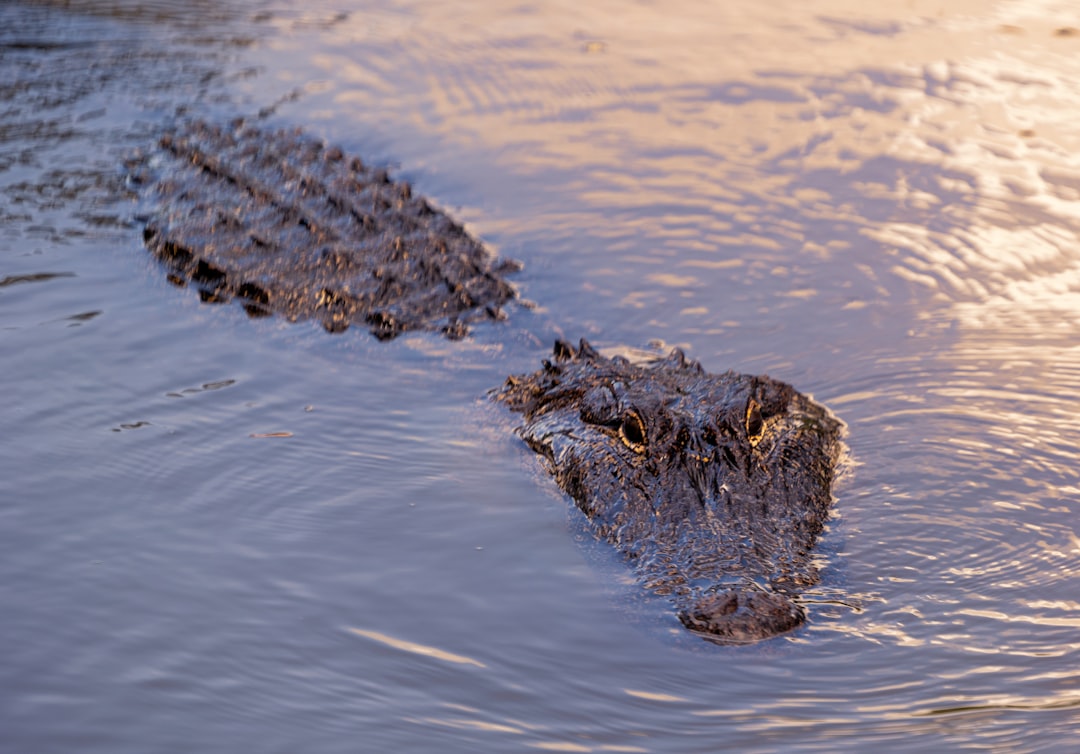
The tale of Louisiana’s celebrity alligator is more than just a quirky local legend. It’s a powerful example of resilience—in both animal and human form. The Bayou King reminds us that nature is always changing, often in ways we can’t control. Adapting to these changes, learning to coexist, and finding wonder in the wild are lessons that extend far beyond the bayou. In a world where floods, storms, and shifting landscapes are becoming more common, the story of one remarkable alligator offers hope, humor, and a renewed sense of connection to the natural world.
What would you do if the Bayou King showed up in your backyard?