Imagine wandering through a dense South American forest, surrounded by leaves of all shapes and shades. Suddenly, you spot a vine… but something isn’t right. Its leaves seem to mimic those of every nearby plant, shifting in form and color as if it’s wearing a disguise for each new host. This isn’t a trick of the light or your imagination—it’s the work of Boquila trifoliolata, a plant so skilled at imitation, it’s left scientists both astonished and perplexed. This is the story of a vine that doesn’t just blend in—it becomes whatever it touches, and its talents stretch the boundaries of what we thought plants could do.
The Master of Botanical Disguise
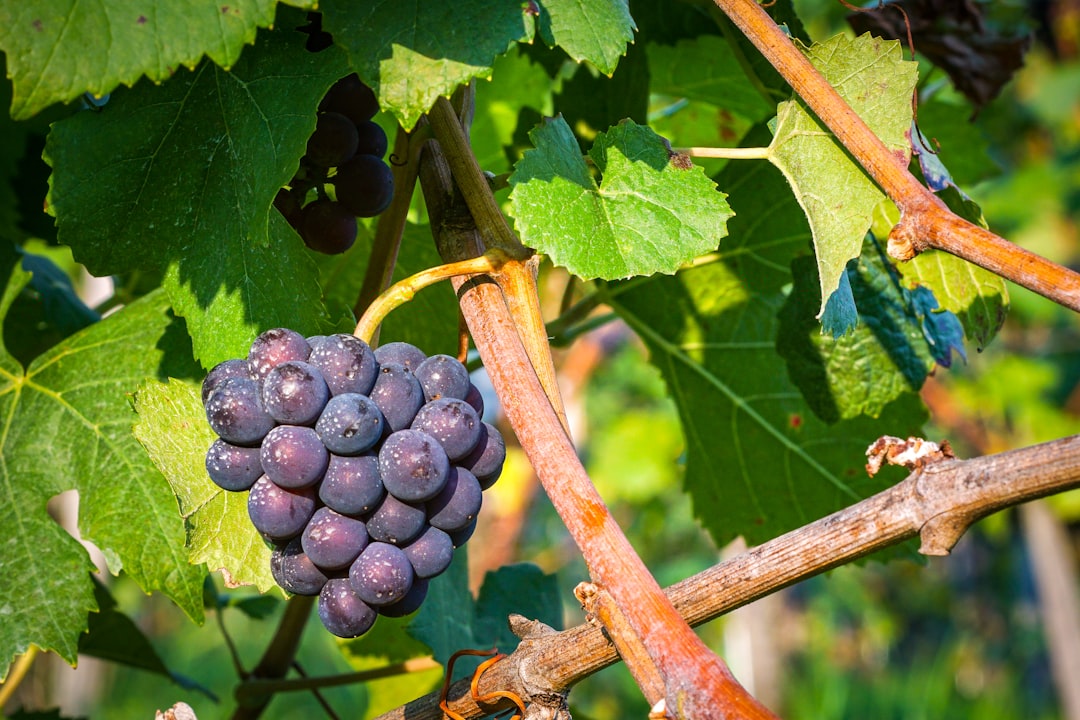
Boquila trifoliolata is a climbing vine native to the temperate rainforests of Chile and Argentina. What sets it apart is its jaw-dropping ability to change the shape, size, and even color of its leaves to closely resemble those of neighboring plants. Unlike a chameleon, which camouflages itself to evade predators, Boquila’s mimicry is all about survival in a world where being noticed can mean being eaten. The vine doesn’t just pick one plant to copy—it can imitate multiple species at once, sometimes displaying a patchwork of leaf shapes along its length. This incredible mimicry isn’t just a party trick; it’s a serious adaptation that keeps Boquila safe from hungry herbivores.
How Does Boquila Copy Its Neighbors?
The way Boquila trifoliolata mimics other plants is still a scientific mystery that sparks heated debate and fascination. Unlike other mimics in the animal kingdom, Boquila has no eyes, no sense of touch, and no brain. Yet it somehow “reads” the leaves around it and transforms its own accordingly. Some researchers believe Boquila may be picking up chemical signals, airborne cues, or even fragments of genetic material from neighboring plants. The exact mechanism remains one of botany’s unsolved puzzles, but one thing is clear: Boquila’s ability to copy is far more sophisticated than simple coincidence.
A Vine That Outsmarts Its Predators
Boquila’s mimicry isn’t just for show—it’s a clever way to avoid being eaten. Many herbivores rely on visual cues to spot their next meal, often seeking out plants with specific leaf shapes or colors. By blending in with a variety of hosts, Boquila confuses these animals, making it much harder to single out the vine for a snack. Studies have shown that Boquila vines nestled among other plants suffer less damage from leaf-eating insects and mammals compared to those growing alone. This copycat strategy is a real-life cloak of invisibility, helping the vine outsmart even the most determined herbivores.
Nature’s Ultimate Identity Thief
Boquila trifoliolata doesn’t just mimic one plant—it can simultaneously copy multiple neighbors, adjusting its leaves as it climbs from one host to another. Picture a single vine sporting oak-shaped leaves on one branch, maple-like leaves on the next, and perhaps mimicking a fern a little further along. This level of plasticity is almost unheard of in the plant world. For Boquila, imitation isn’t just flattery—it’s a matter of survival. This remarkable chameleon-like behavior challenges our very understanding of what plants are capable of and blurs the line between plant and animal strategies.
Scientific Mysteries: How Does It Work?
Despite years of research, no one knows exactly how Boquila trifoliolata achieves its astonishing mimicry. Some scientists speculate that airborne chemicals, known as volatile organic compounds, may be at play. These chemicals could act as signals, allowing Boquila to “sense” nearby plants. Others propose that microscopic particles or even horizontal gene transfer might be involved, though there’s no definitive proof yet. This ongoing mystery keeps botanists coming back, eager to unlock the secrets hidden within the vine’s twisting stems and shifting leaves.
Boquila’s Place in the Ecosystem

In its native forests, Boquila trifoliolata plays a subtle but important role. Its mimicry not only protects itself but may also influence the broader web of life. By reducing herbivore pressure, Boquila could alter the dynamics of plant competition and predator-prey relationships. The vine’s presence may even help shield the plants it mimics, creating a network of mutual benefit. These intricate interactions remind us that nature is far more interconnected—and surprising—than we often realize.
Evolution’s Bold Experiment
The evolution of Boquila’s mimicry is a story of adaptation pushed to the extreme. Over countless generations, vines that could blend in more effectively were more likely to survive and pass on their genes. This relentless natural selection has shaped Boquila into one of the most flexible and cunning plants on Earth. Its ability to change on the fly is a testament to the power of evolution—and a reminder that survival sometimes means breaking all the rules.
Why Boquila Captures the Imagination
There’s something magical about a plant that can become whatever it needs to be. Boquila trifoliolata has inspired artists, writers, and scientists alike with its uncanny mimicry. Its story is a vivid example of nature’s endless creativity—a living lesson in adaptation, problem-solving, and the art of disguise. For anyone who loves the mysteries of the natural world, Boquila is a symbol of how much we still have to learn from the green world around us.
Real-World Encounters: Seeing Boquila in Action
Hiking through the temperate forests of Chile or Argentina, you might stumble upon Boquila without even realizing it. Its leaves blend so seamlessly with those of surrounding plants that it takes a trained eye to spot. Naturalists and botanists often share stories of “aha” moments—when a vine’s shifting appearance suddenly reveals itself. These encounters are not just rare; they’re moments of genuine wonder, a reminder that nature often hides its most incredible secrets in plain sight.
What Boquila Means for Science and Beyond
Boquila trifoliolata challenges the way we think about plants and their capabilities. Its mimicry forces scientists to reconsider everything from plant perception to communication and even the boundaries of intelligence in the plant kingdom. Studying Boquila may one day unlock new insights into plant biology, inspire innovations in camouflage technology, or lead to breakthroughs in understanding how organisms adapt to complex environments. The lessons of this clever vine reach far beyond the rainforest, offering inspiration for science, technology, and our relationship with the natural world.
Boquila trifoliolata is living proof that the plant world is filled with surprises waiting to be discovered. Who knew a humble vine could teach us so much about adaptation, resilience, and the art of becoming something new?