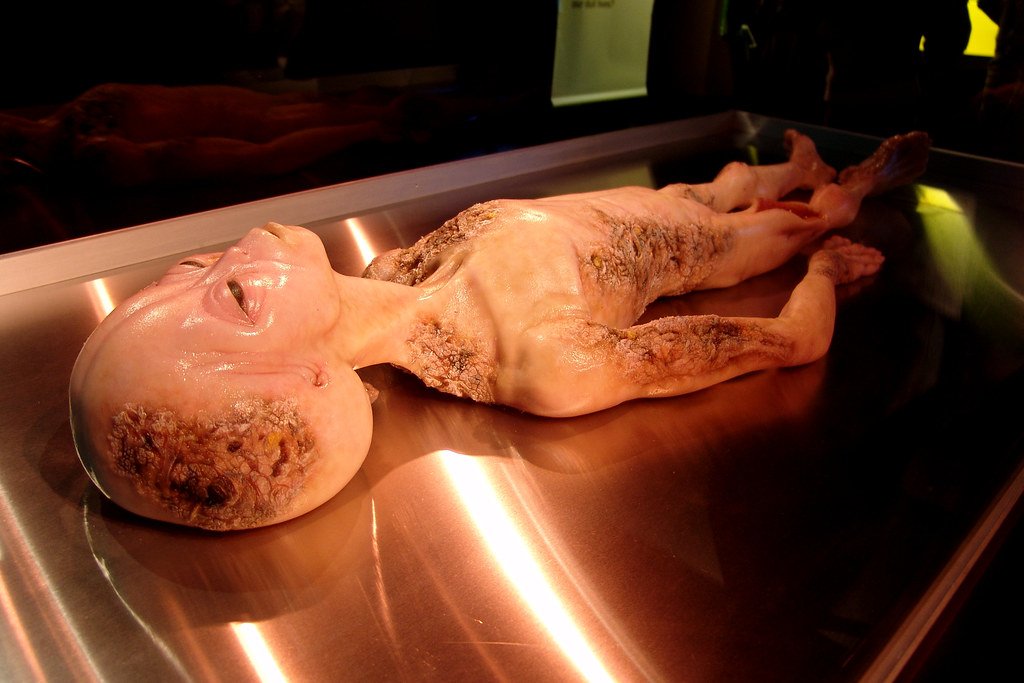
Imagine the first handshake with an alien being—an encounter that could change humanity forever. But what if that moment, long dreamed of by scientists and storytellers alike, spirals into a nightmare? The idea that extraterrestrial life could be not just different, but dangerously toxic to us, is both terrifying and plausible. As we scan the cosmos for company, we must face the chilling reality: the universe may be teeming with life, but not all of it is safe. Could the greatest discovery in human history also become our undoing?
The Alien Biochemistry Problem: More Than Just DNA
On Earth, life is built on familiar blueprints—DNA, proteins, and carbon-based chemistry. But what if alien life is fundamentally different at the most basic level? Scientists speculate that extraterrestrial organisms might use alternative molecules, such as silicon-based structures or even a completely novel genetic code. This radical difference could make their biochemistry incompatible or even hostile to ours. Imagine breathing in alien spores that our immune systems can’t recognize, or touching a substance that triggers violent reactions in our cells. The unknowns are staggering, and remind us that life elsewhere could operate under rules we have never encountered.
Alien Microbes: Invisible Threats Lurking in the Shadows
Microbes are the silent rulers of Earth, shaping ecosystems and even human health in ways we barely understand. Now picture alien microbes—tiny, unseen, and possibly lethal. Just as explorers once brought new diseases to unsuspecting populations, extraterrestrial microorganisms could unleash plagues against which we have zero defense. Their cellular machinery might be unrecognizable, evading our immune responses or even hijacking our biology in ways we can’t imagine. The simplest handshake or breath could spell disaster, echoing the darkest chapters of human history, like the devastation of smallpox among indigenous peoples.
Biochemical Weapons: Nature’s Unintentional Arsenal
Nature is no stranger to chemical warfare. Plants and animals on Earth have evolved potent toxins to defend themselves or hunt prey. Now, think of an alien world where life evolved along different chemical paths, generating substances far deadlier than any Earthly venom. A touch, a taste, or even a whiff could introduce compounds that cripple our nerves, melt tissues, or disrupt vital processes. These toxins wouldn’t need to be deliberate weapons—just natural byproducts of alien metabolism, completely foreign and devastating to us. The prospect is chilling, reminding us that alien life might defend itself in ways we can’t even imagine.
The Immune System’s Worst Nightmare
Our immune system is a marvel, honed over millions of years to battle Earth’s threats. But it’s also fragile, easily confused by foreign invaders. Alien substances might act like super-allergens, triggering violent reactions such as anaphylactic shock or autoimmune attacks. Alternatively, the immune system could simply fail to recognize danger at all, allowing alien pathogens to wreak havoc unchecked. The horrifying truth is that our most trusted defender could either overreact or stand down at the worst possible moment, leaving us vulnerable in ways we have never experienced.
Cross-Contamination: Lessons from Earth’s History

History is littered with cautionary tales of cross-contamination. When Europeans arrived in the Americas, diseases like measles and influenza decimated indigenous populations. Now, imagine the stakes when two worlds collide, each with its own set of microbes and immune responses. The risk of catastrophic outbreaks is real, both for us and for any alien species we encounter. Even tiny amounts of biological material—on a hand, in a breath, or on a spacecraft—could spark unintended epidemics. It’s a sobering reminder that curiosity must be tempered with caution.
Alien Environments: Hostile Habitats and Deadly Chemistry
Even without direct contact, alien environments themselves could be toxic. Think of planets rich in ammonia, methane, or exotic acids. The air could corrode our lungs, the soil might burn our skin, and the water could be laced with unknown poisons. Our senses and tools, designed for Earth, might not detect these dangers until it’s too late. The very act of exploring a new world could expose us to hazards that defy our expectations, making first contact not just risky, but potentially fatal.
Food and Water: The Perils of Alien Consumption

It’s tempting to imagine tasting alien fruits or drinking from extraterrestrial streams, but such acts could be deadly. Alien biochemistry might create molecules that are harmless—or even nutritious—to them, but toxic to us. Our bodies could be unable to break down alien proteins, leading to poisoning or malnutrition. Worse, alien food might contain prion-like agents or other molecular traps that damage our nervous system or organs. This scenario is as horrifying as it is plausible, highlighting how something as simple as a meal could spell disaster.
Unintended Ecological Consequences
Introducing alien life—or even just its byproducts—into Earth’s ecosystems could unleash chaos. Invasive species on Earth often devastate local environments; now scale that up to the cosmic level. Alien microbes could outcompete native bacteria, disrupt food chains, or unleash toxins into the air and water. These changes might be irreversible, transforming Earth into a place hostile to its own inhabitants. The haunting possibility remains: by seeking contact, we could inadvertently doom our own world.
Psychological Effects: Fear, Panic, and Paranoia
The mere idea of toxic alien life is enough to trigger waves of fear and paranoia. Science fiction often explores these themes, depicting societies that spiral into chaos at the hint of alien contamination. In reality, the psychological impact could be just as profound. People might become afraid to leave their homes, distrustful of neighbors, or obsessed with avoiding invisible threats. The societal fallout could be as damaging as any physical toxin, reshaping culture and politics in unpredictable ways.
Protecting Ourselves: The Challenge of Planetary Quarantine
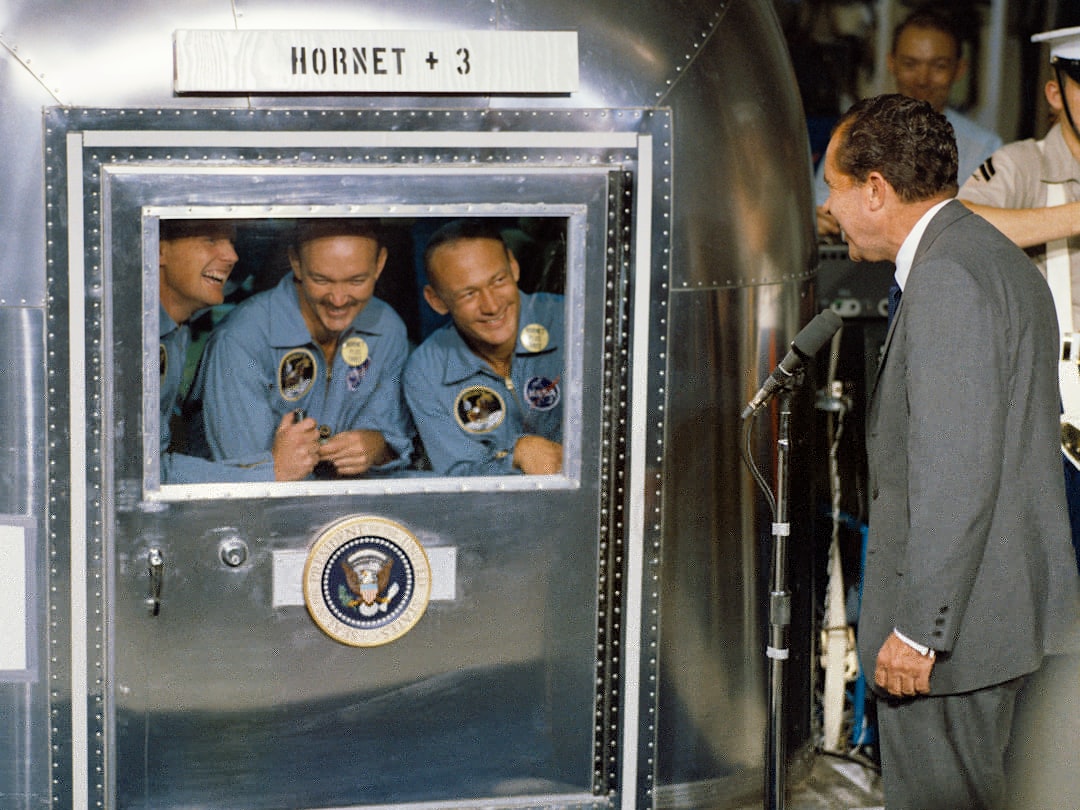
Space agencies already take steps to prevent interplanetary contamination, using sterilization protocols for spacecraft and samples. But as we venture farther, these precautions become harder to enforce. Quarantining entire planets or civilizations is a logistical nightmare. A single mistake—a crack in a spacesuit, a contaminated instrument—could be enough to unleash disaster. The race to develop new technologies, protocols, and international agreements is urgent, but the stakes have never been higher. Our survival could depend on our ability to anticipate the unknown.
The Ethical Dilemma: To Reach Out or Remain Silent?
As we search for life beyond Earth, a haunting question arises: should we seek contact at all? The potential for biological disaster forces us to weigh curiosity against caution. Some scientists argue for a policy of “cosmic silence,” warning that even a well-intentioned greeting could be fatal. Others insist that the rewards of discovery outweigh the risks. The debate is fierce, tapping into our deepest hopes and fears. The answer is not simple, and may shape the destiny of our species.
Reflections on the Unknown: Are We Ready?
Humanity stands at the threshold of a new cosmic age, driven by the hope of not being alone. Yet the specter of toxic alien life looms over every mission, every message sent into the void. Are we prepared for what we might find—or for what might find us? The universe is vast and full of surprises, both wondrous and terrifying. As we gaze up at the stars, the question lingers: will first contact be our greatest triumph, or our gravest mistake?