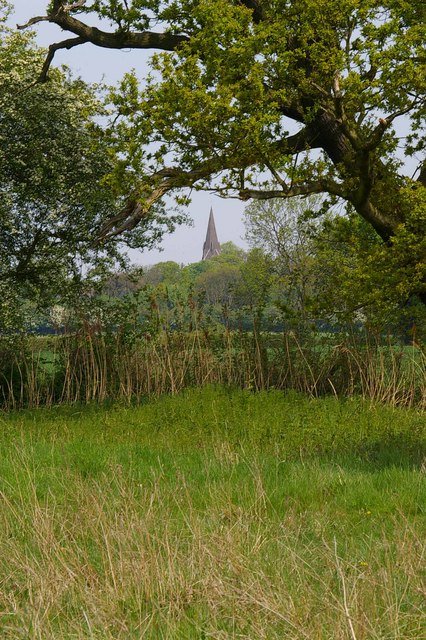
Imagine walking through the rolling green hills of the British countryside and stumbling upon a pride of lions basking in the sun, a group of rhinos grazing by a riverbank, or the eerie laughter of hyenas echoing in the distance. It sounds like something out of a fantasy novel, doesn’t it? Yet, not so long ago in the grand sweep of Earth’s history, these extraordinary creatures roamed right where we now sip tea and walk our dogs. The United Kingdom — so often associated with foxes, badgers, and humble hedgehogs — was once home to a wild menagerie worthy of the African savannah. This is a story of lost giants, shifting climates, and the awe-inspiring resilience of life itself.
Britain’s Wild Past: A Glimpse Into the Ice Ages
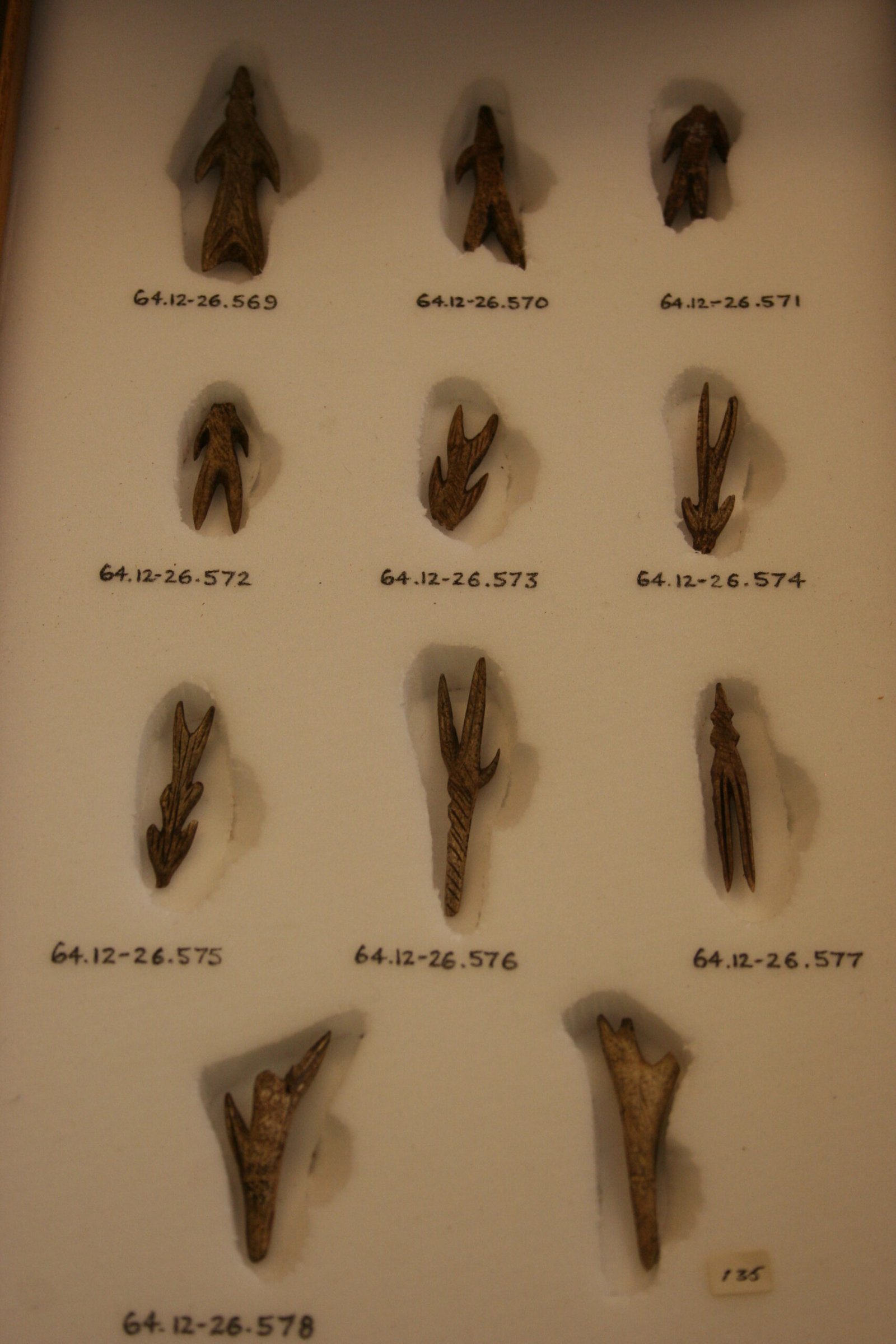
Long before the first stones of Stonehenge were set, Britain was a land of ice and fire — a place shaped by colossal glaciers and the restless movement of continents. During the Pleistocene epoch, which began around 2.6 million years ago, the climate swung wildly between glacial (cold) and interglacial (warmer) periods. In the warmer times, vast grasslands stretched across what is now the UK, making it the perfect home for large mammals. Fossil evidence from caves and riverbeds reveals that lions, hyenas, and even woolly rhinoceroses once thrived here. These ancient landscapes looked nothing like the damp, wooded Britain we know today.
Ice Age Lions: Kings of the European Wild
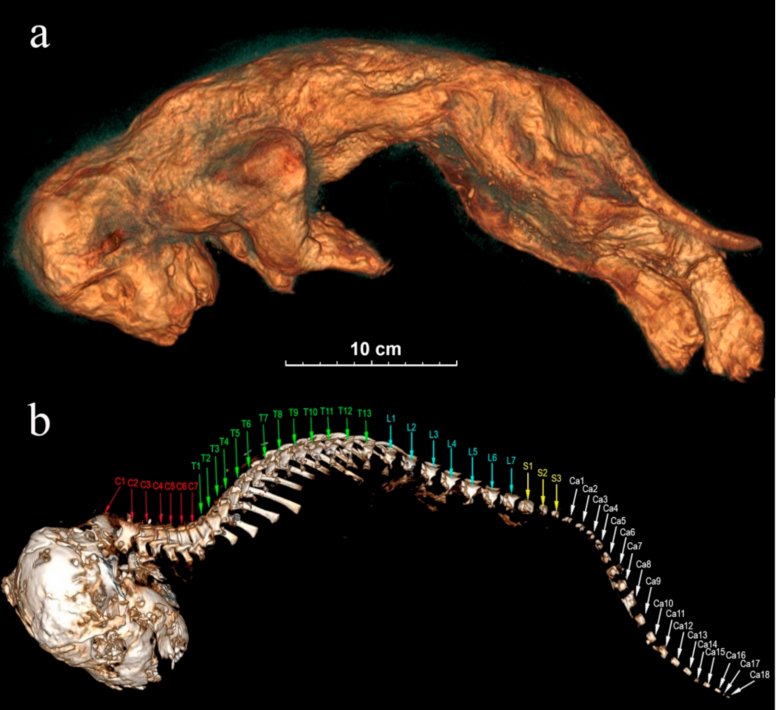
The lions that prowled prehistoric Britain weren’t exactly like the ones we see on nature documentaries today. Known as the Eurasian or cave lion (Panthera spelaea), these magnificent predators were larger than modern African lions and had a reputation as apex hunters. Their bones and teeth have been uncovered in places as far-flung as Devon and Yorkshire, suggesting that they roamed widely across ancient Britain. Imagine the thrill — or terror — of encountering one of these enormous cats while foraging for berries or hunting. Their presence was a testament to the wild abundance of Ice Age Britain.
Hyenas on the Moors: Britain’s Laughing Scavengers
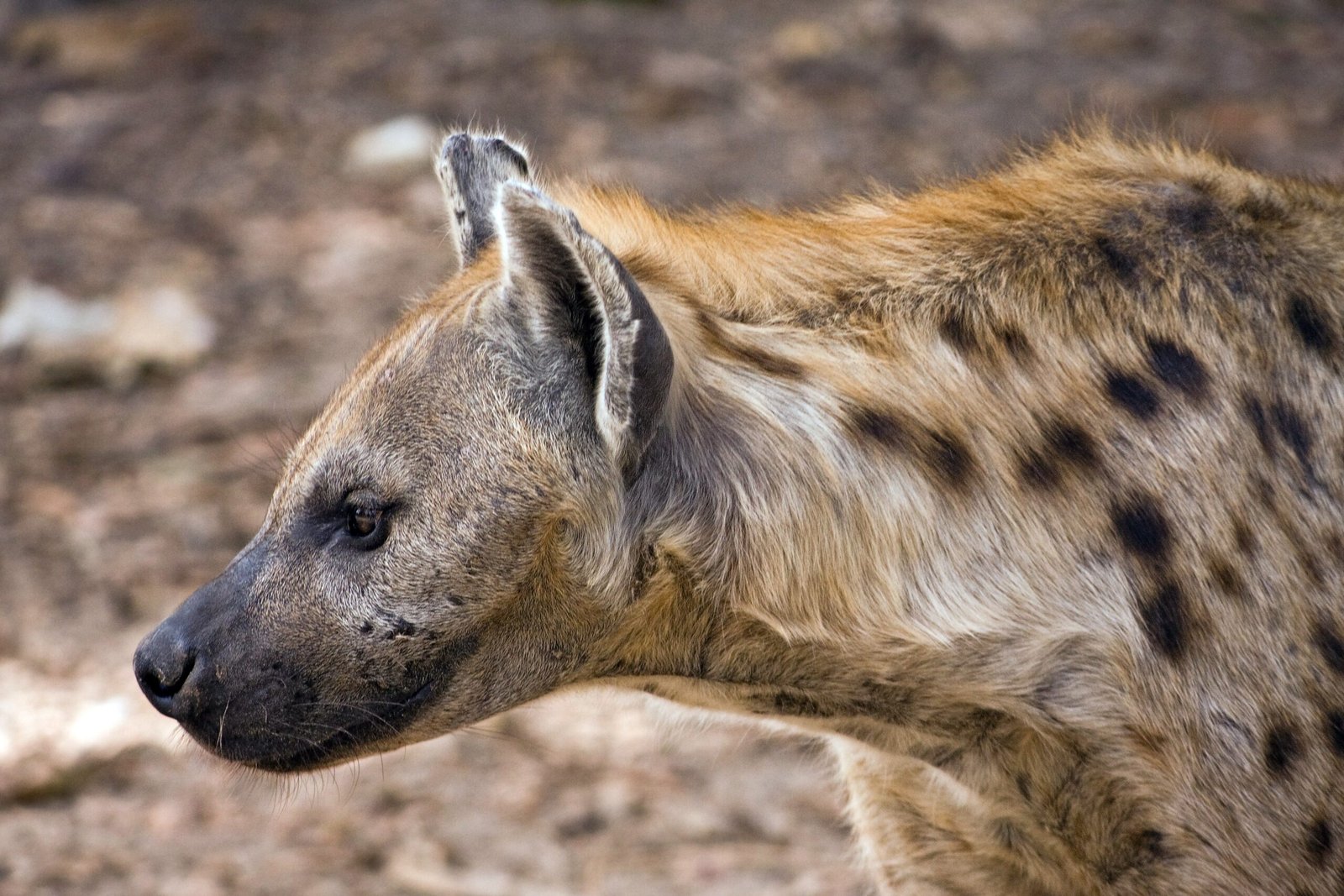
The very idea of hyenas in the UK might sound bizarre, but fossilized remains tell a different story. The spotted hyena (Crocuta crocuta), which today is mostly found in sub-Saharan Africa, once thrived in Britain’s ancient grasslands. These creatures weren’t just scavengers — they were powerful hunters, capable of bringing down prey much larger than themselves. Hyena dens have been discovered in caves such as Kirkdale in Yorkshire, where piles of gnawed bones reveal their grisly feasting habits. Picture the British night pierced by the haunting, maniacal laughter of hyenas — it’s both chilling and strangely fascinating.
Rhinoceroses in the Rain: Britain’s Gentle Giants
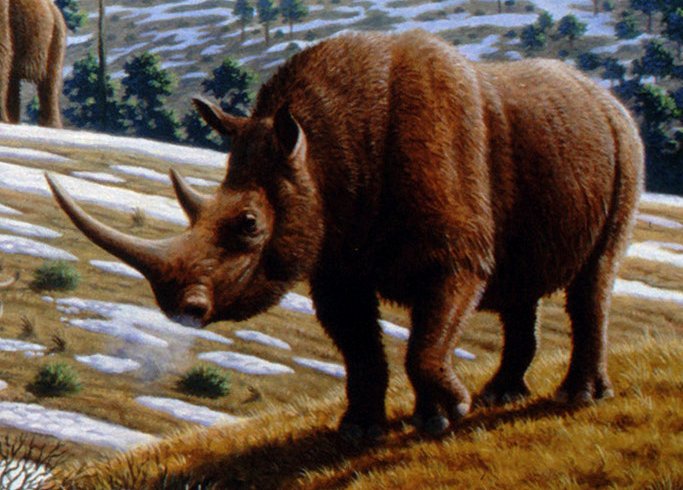
Rhinos in Britain? Absolutely. The woolly rhinoceros (Coelodonta antiquitatis) was a massive, shaggy beast perfectly adapted to the cold, dry conditions of the Ice Age. These animals grazed on grasses and shrubs, their thick fur and massive horns helping them survive the harsh climate. Their bones and even mummified remains have been found across the UK, from the Thames Valley to the North Sea coast. It’s hard to imagine such creatures lumbering through modern British landscapes, but for thousands of years, they were a common sight.
Why Did These Giants Disappear?
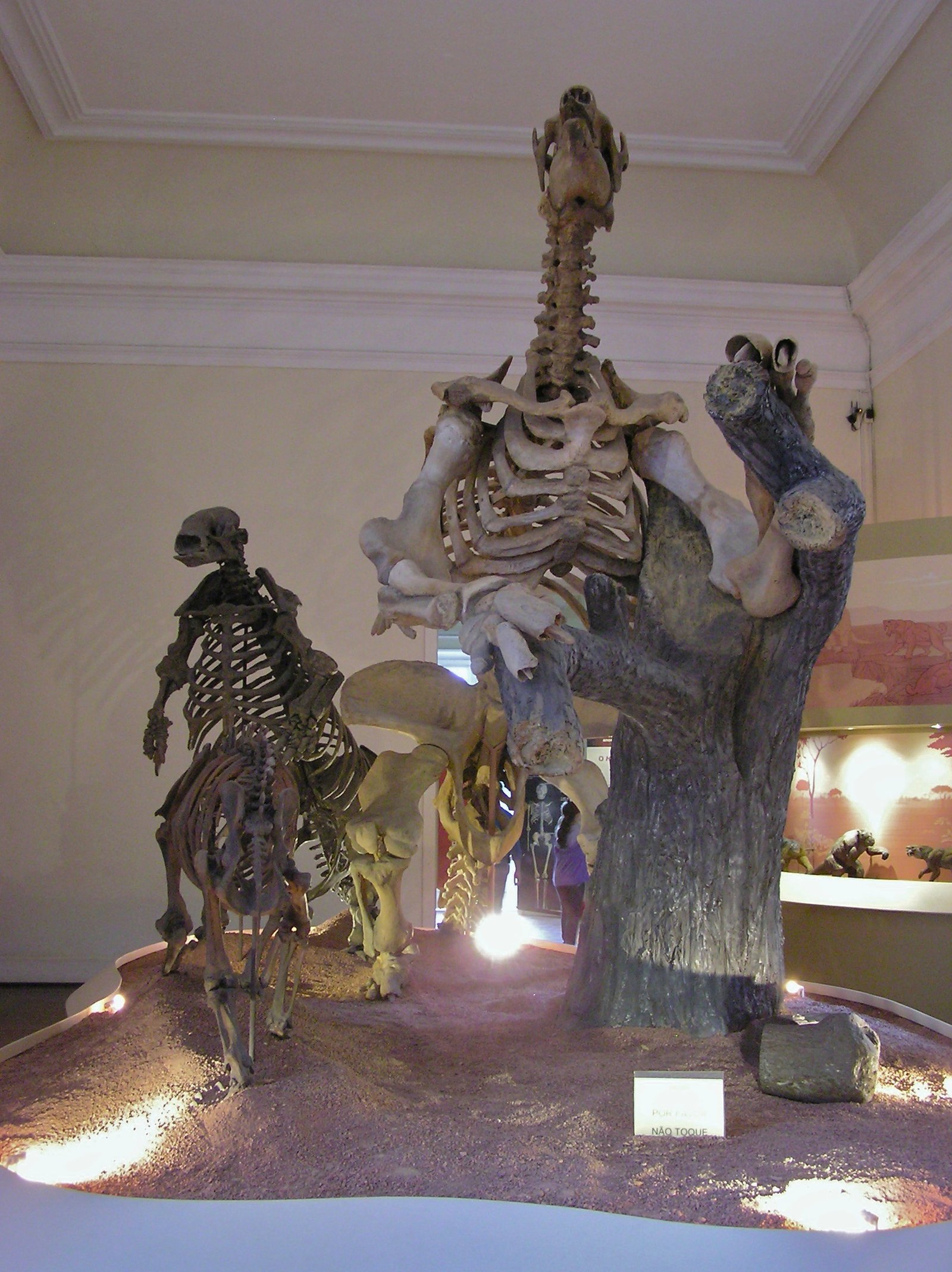
The disappearance of Britain’s big beasts wasn’t the result of a single catastrophic event. Instead, it was a slow unraveling, driven by changing climates and, eventually, the arrival of humans. As the last Ice Age ended around 12,000 years ago, forests began to reclaim the land, making it less suited for big grazing mammals. At the same time, early human hunters put additional pressure on already struggling populations. Large animals like lions, rhinos, and hyenas gradually vanished from the British Isles, leaving only their bones behind as silent witnesses to a wilder time.
The Fossil Record: Clues in Stone and Bone
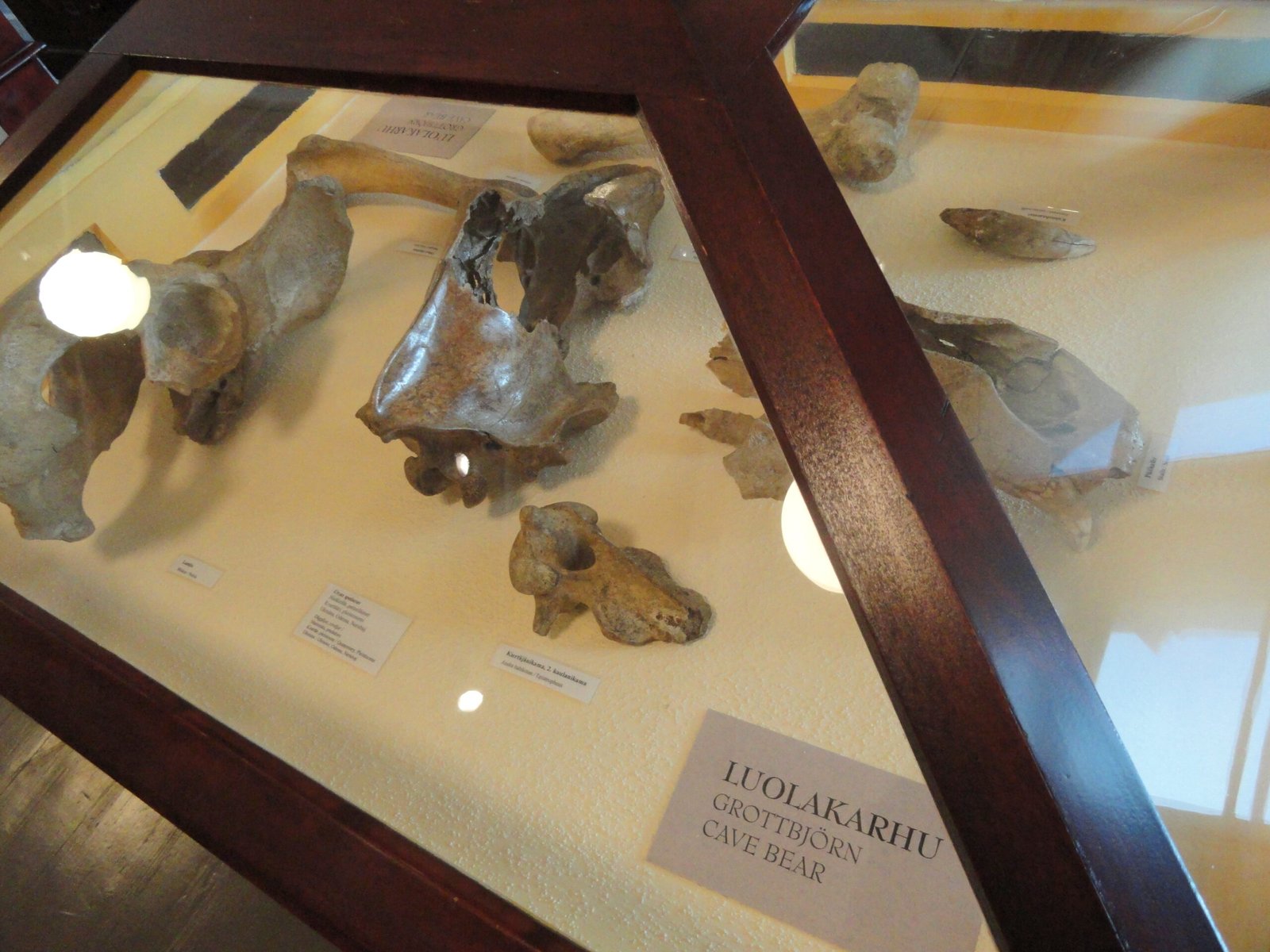
How do we know these animals once roamed Britain? The answer lies in the ground beneath our feet. Over the past two centuries, paleontologists and amateur fossil hunters have unearthed an astonishing array of bones, teeth, and even footprints. Caves like Kent’s Cavern and Wookey Hole have yielded rich deposits of prehistoric remains, including those of lions, hyenas, and rhinos. In some cases, these fossils are so well-preserved that scientists can even study the wear patterns on teeth or the cut marks left by ancient tools. Each discovery adds a new piece to the puzzle of Britain’s lost megafauna.
Britain’s Lost Ecosystem: What Did It Look Like?
Imagine a landscape more like the Serengeti than today’s patchwork of fields and hedgerows. Herds of wild horses, mammoths, and bison grazed alongside woolly rhinos, while predators like lions and hyenas stalked the fringes. Rivers teemed with giant beavers and elk, and dense forests hid bears and wolves. This was an ecosystem of abundance and drama, shaped by fierce competition and the ever-changing climate. The interactions between these animals created a dynamic balance, with each species playing a vital role in the web of life.
Modern Relics: Echoes of the Past in Today’s Wildlife
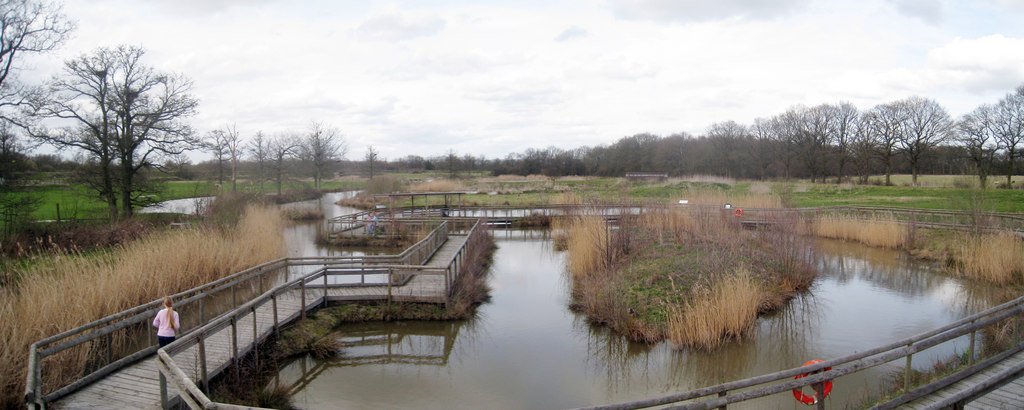
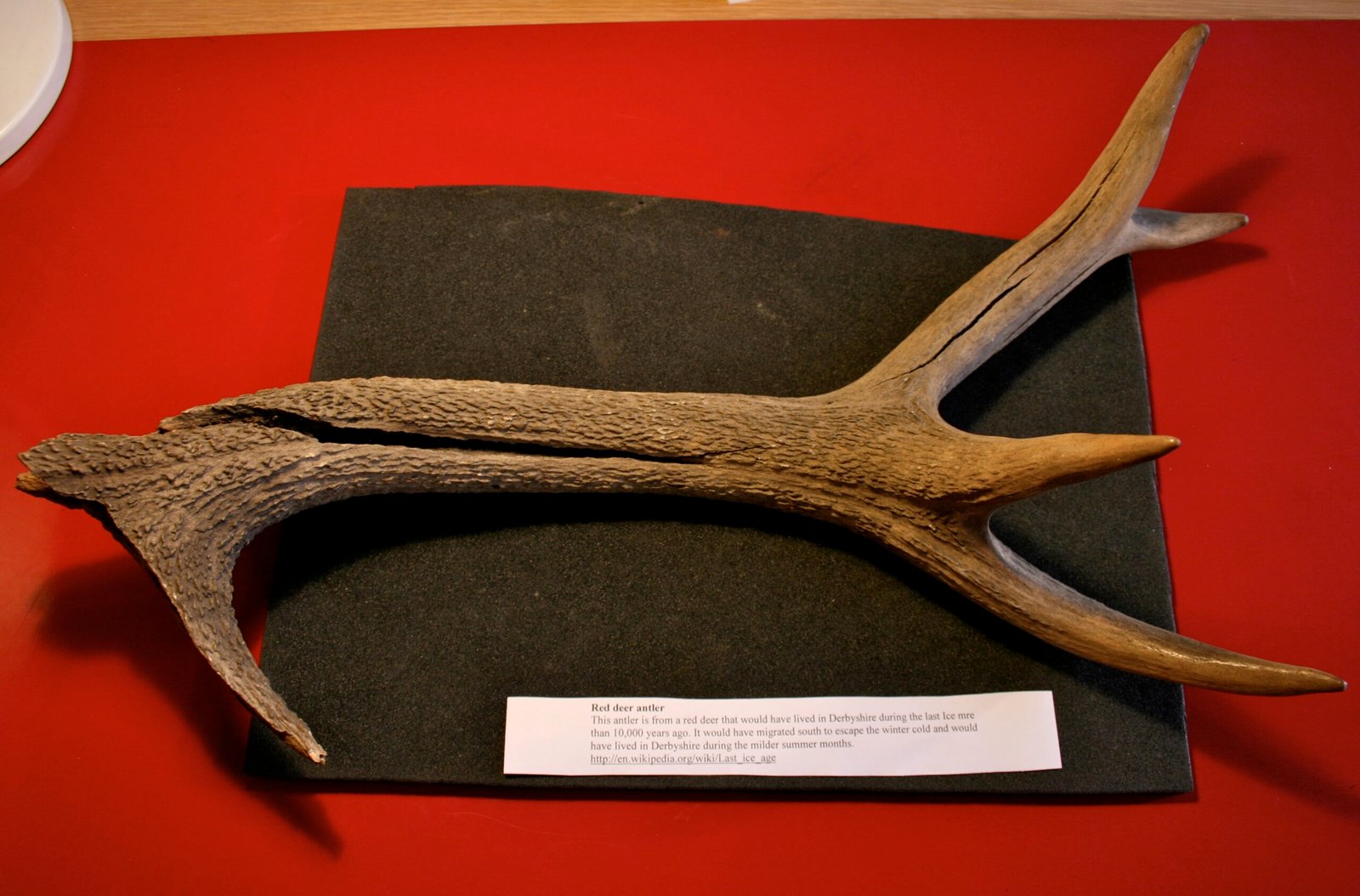
Though the great beasts are gone, some of their relatives survive in Britain’s current fauna. Red deer, foxes, and badgers are distant cousins of the megafauna that once dominated the land. Occasionally, reintroduced species like beavers and wild boar offer a tantalizing glimpse of what was lost. Even the landscapes themselves — the rolling downs, ancient woodlands, and windswept moors — are shaped by millennia of animal activity and natural change. Nature lovers who walk these wild places are, in a way, tracing the footsteps of lions and rhinos.
Climate Change and the Power of Adaptation
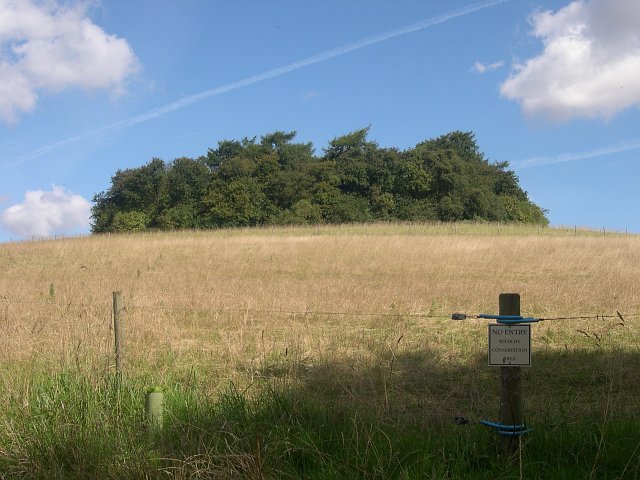
One of the most astonishing lessons from Britain’s prehistoric wildlife is how profoundly climate can shape the fate of animals. As the environment shifted from cold tundra to temperate forest, species either adapted, moved on, or died out. Today, we are once again seeing rapid changes in climate, and the story of Britain’s ancient animals offers a sobering reminder of how quickly ecosystems can transform. Adaptation is a powerful force, but it has its limits — and extinction is forever.
Rewilding: Could Giant Beasts Return?
The idea of bringing back extinct animals, or “rewilding” with modern relatives, has captured imaginations and sparked heated debates. Some conservationists dream of restoring lost landscapes with species like bison or even lions — inspired by the knowledge that these creatures once belonged here. While it’s unlikely that rhinos or hyenas will ever roam the UK again, projects to reintroduce beavers, wildcats, and other native species are underway. These efforts aim to heal damaged ecosystems and reconnect people with their wild heritage.
What Britain’s Wild History Teaches Us Today
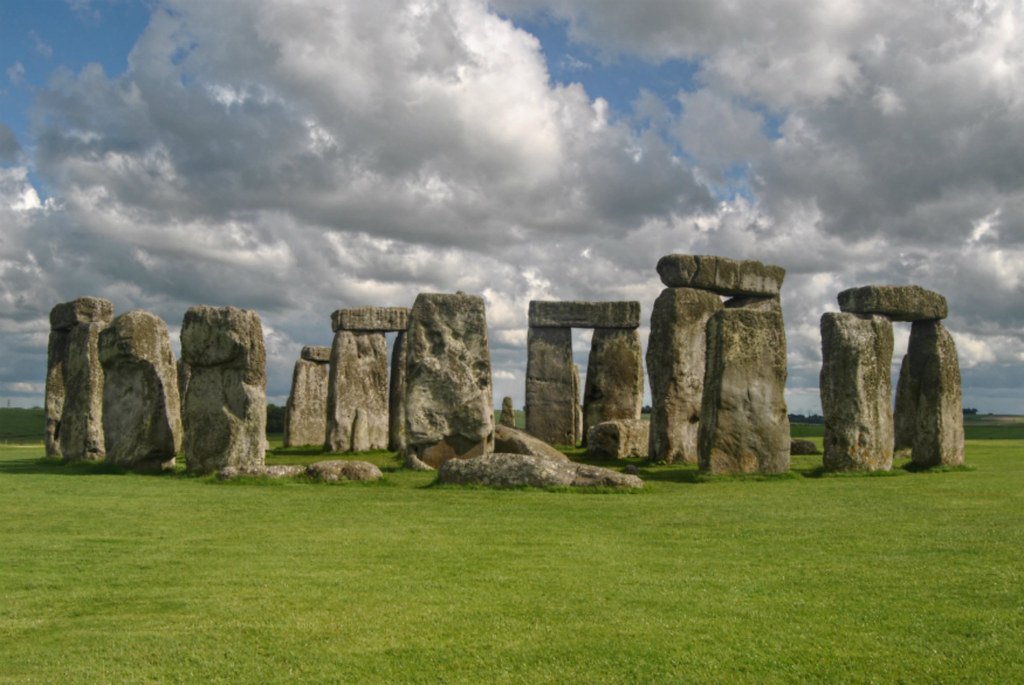
Learning about Britain’s lost lions, hyenas, and rhinos is more than a quirky fact — it’s a powerful reminder of nature’s ability to surprise and inspire. The land beneath our feet holds stories of resilience, adaptation, and sometimes, heartbreaking loss. By understanding this deep history, we gain a new appreciation for the wildlife that still exists and the landscapes that have been shaped by millennia of change. The past is never truly gone; it lingers in the bones, the land, and the wild places of Britain. Would you have ever guessed such wild wonders once called the UK home?