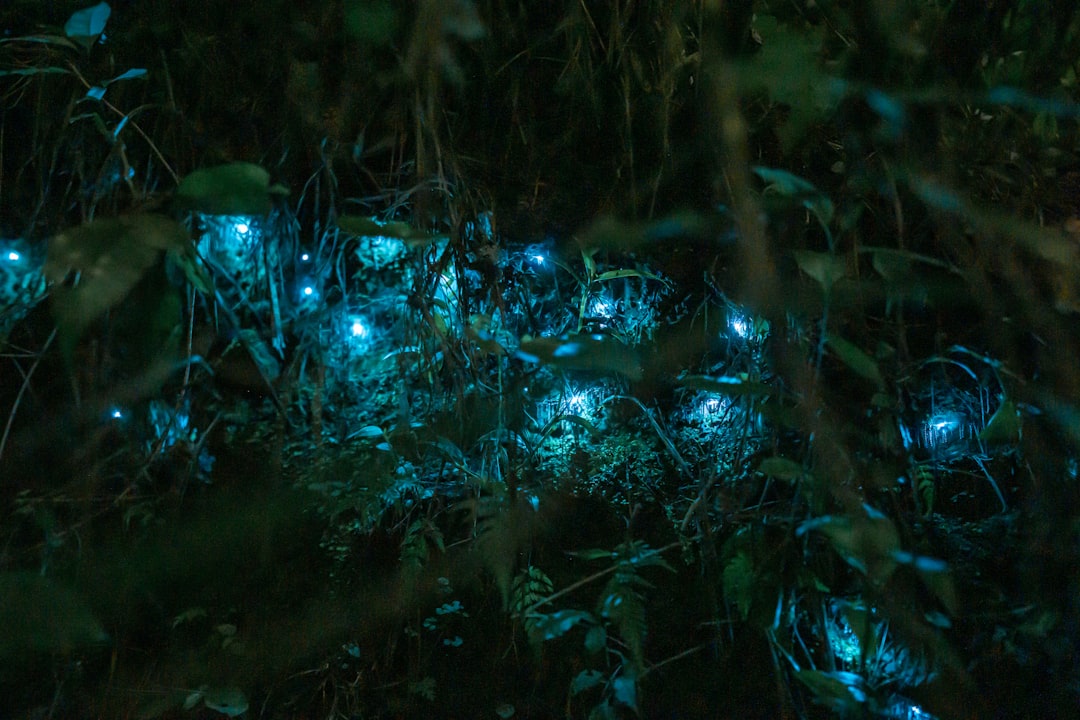
Picture this: a warm summer night in the English countryside, the air tinged with the scent of wildflowers, and the grass sparkling with hundreds of living emerald lights. These tiny, glowing beacons are not figments of fairy tales—they are real, living glowworms, silently illuminating the darkness with their magical radiance. For centuries, these mysterious insects have captured the imagination of poets, scientists, and wanderers, transforming ordinary woodlands into enchanted realms. The glowworm trails of England are more than just a hidden natural wonder; they are a living connection to the intricate marvels of life itself, inviting us to witness nature’s own version of fairy lights.
The Enchantment of Glowworms: What Are They?
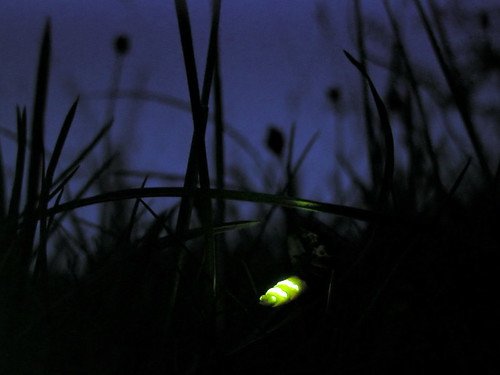
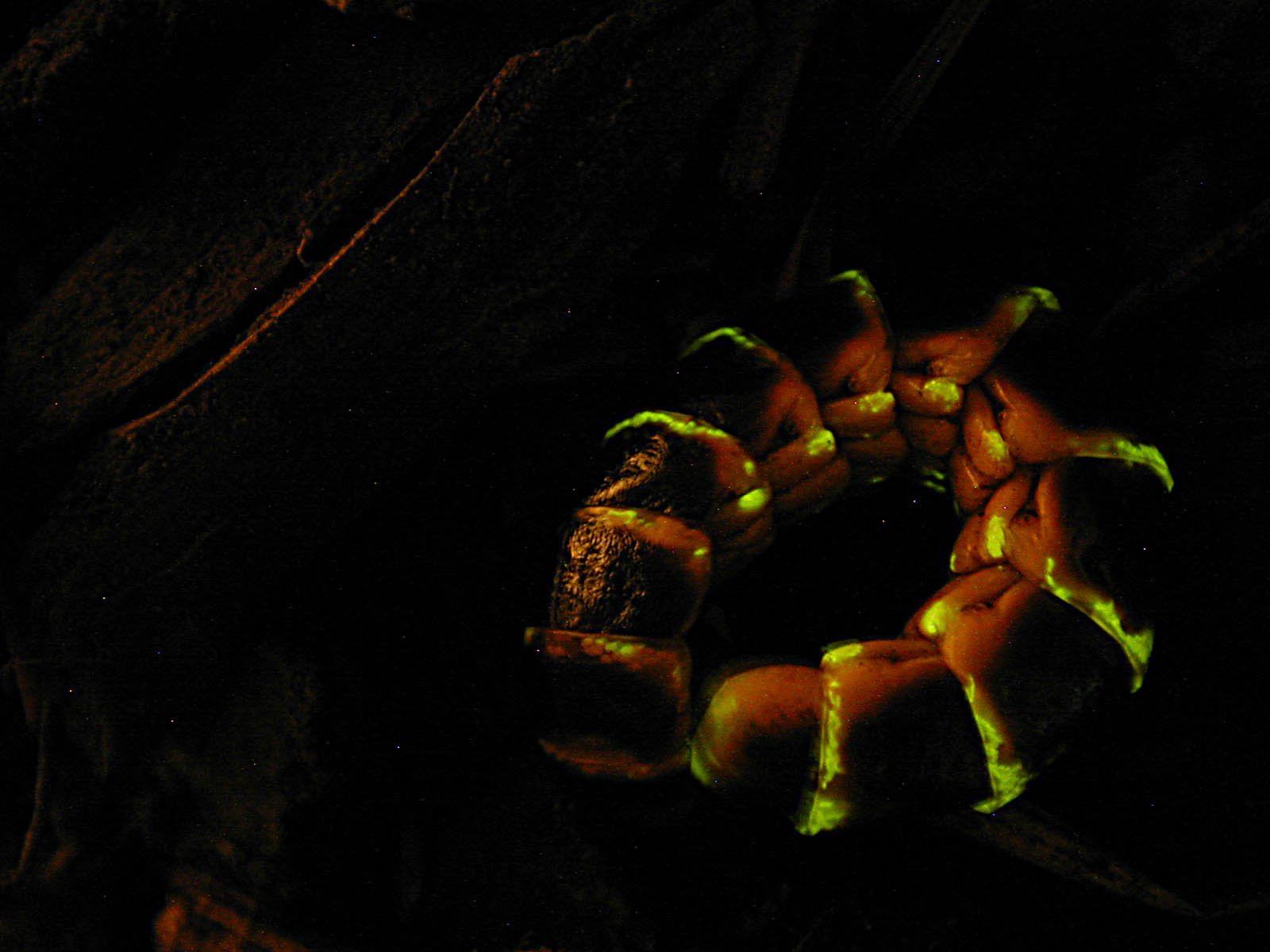
Glowworms are not worms at all, but beetles—specifically, the larvae of the species Lampyris noctiluca. These insects are famous for their ability to produce light, a phenomenon called bioluminescence. Female glowworms remain wingless and spend their lives on or near the ground, glowing brighter than their tiny, flying male counterparts. The soft greenish light they emit is not only beautiful but serves a vital purpose in their lifecycle. Unlike many insects that hide in the shadows, glowworms use their luminescence to attract mates, making their glow both a survival strategy and a romantic signal in the dark. Their presence in an area is often a sign of a healthy, undisturbed environment, adding to the sense of wonder when you find them.
Bioluminescence: Nature’s Living Light Show
The glow emitted by English glowworms is a product of bioluminescence—a chemical reaction that occurs inside their bodies. This marvel of nature involves the enzyme luciferase acting on the molecule luciferin, with oxygen as the catalyst, producing a gentle, unearthly green light. Unlike artificial lights, glowworms’ bioluminescence generates almost no heat, making it incredibly efficient. This phenomenon is not just mesmerizing for humans; it’s a highly evolved adaptation that has fascinated scientists for decades. The light is so pure and soft that it often seems to float above the grass, creating a dreamlike, ethereal atmosphere on summer nights.
The Life Cycle of the Magical Glowworm
The journey of a glowworm begins as an egg, hidden away in moist soil or under leaves. After hatching, the larva spends up to three years hunting and feeding, mostly on snails and slugs. During this time, it grows steadily, storing energy for its transformation. As summer approaches, the larva finally pupates, emerging as an adult that lives only a few short weeks. During this fleeting period, the females emit their brightest glow, signaling to males that flutter through the night in search of a mate. The cycle of life and light repeats, ensuring that the glowworm’s gentle lanterns return each summer to enchant new generations.
Where to Find Glowworm Trails in England
Glowworm trails can be found in some of England’s most picturesque landscapes, from ancient woodlands to rolling chalk downs. Notable hotspots include the South Downs in Sussex, the limestone hills of Derbyshire, and the grassy verges of Norfolk lanes. These locations offer the perfect mix of undisturbed grassland and damp conditions that glowworms love. Local wildlife trusts and nature groups often organize guided walks during peak glowworm season, typically from late June to early August. For those willing to venture out after dusk, the sight of glittering glowworms lighting up hidden corners of the countryside feels like stepping into a living fairy tale.
What Makes the Glowworm’s Light So Special?
Unlike the harsh glare of streetlights, glowworm light is soft, gentle, and just bright enough to catch the human eye in darkness. The wavelength of their greenish glow is perfectly tuned to stand out against natural backgrounds, making it visible for several meters away. Scientists believe the color and intensity are finely balanced to attract mates without drawing the attention of predators. For people experiencing it for the first time, the glow has an almost hypnotic effect, evoking a sense of childlike wonder. It’s no surprise that many consider glowworm spotting a magical, almost spiritual experience—a rare chance to see the world illuminated by life itself.
The Science Behind the Glow: Why Do Glowworms Glow?
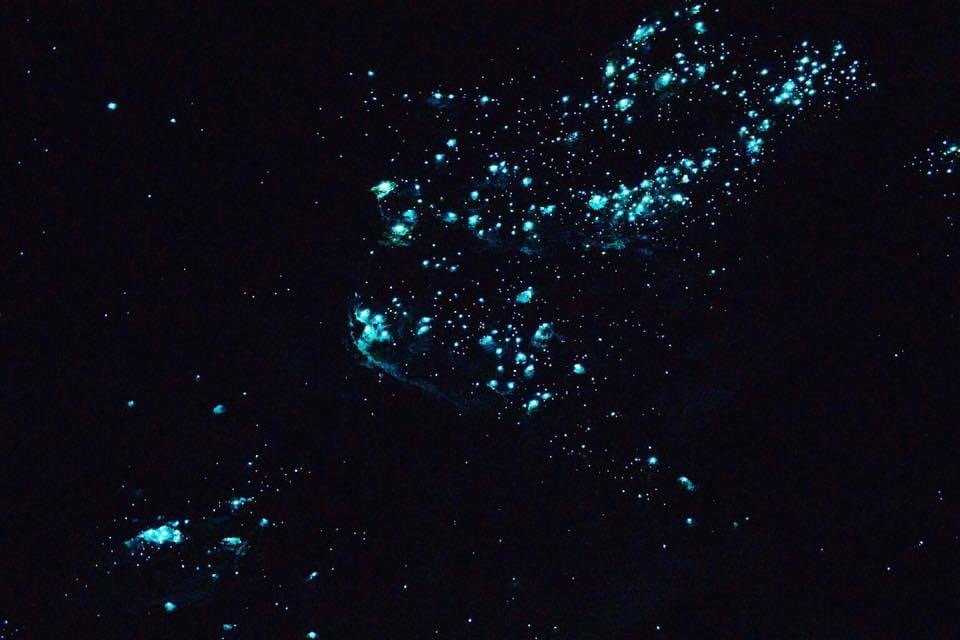
The main function of the glow is communication. Female glowworms, unable to fly, use their light as a beacon to attract the much smaller, flying males. Males, equipped with sensitive eyes, scan the ground for these glowing signals, homing in on the brightest lights. The glow also serves as a warning to would-be predators, signaling that the glowworm might be distasteful or toxic. This dual-purpose adaptation—attracting mates and deterring threats—demonstrates the cleverness of evolution. For scientists, understanding how and why glowworms glow has shed light on broader questions about animal communication and survival.
The Role of Glowworms in English Folklore and Culture
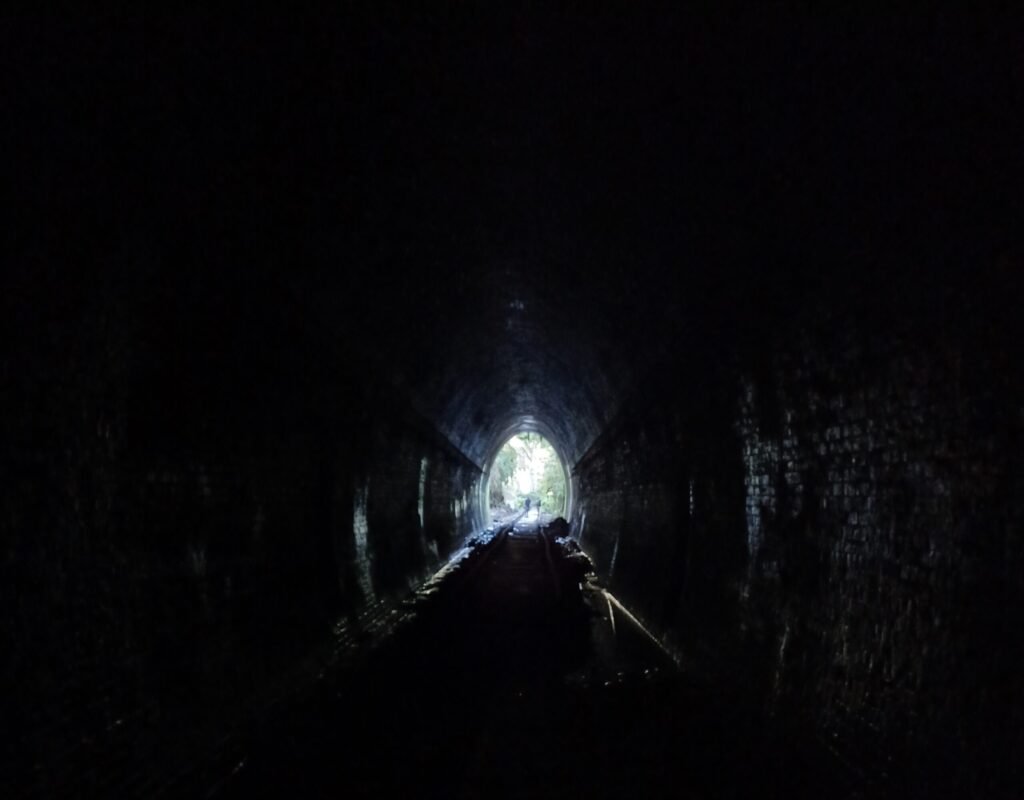
Glowworms have long inspired myths and stories in English culture. In the days before electric lights, their mysterious glow was often attributed to fairies or spirits. Rural communities believed that seeing glowworms was a sign of luck or a good harvest. Poets and writers, including Shakespeare, have referenced the glowworm’s light as a symbol of hope and guidance in darkness. Even today, local legends and children’s stories keep the magic alive, ensuring that the glowworm remains a beloved part of England’s cultural heritage.
Threats Facing the Glowworm: A Fragile Wonder
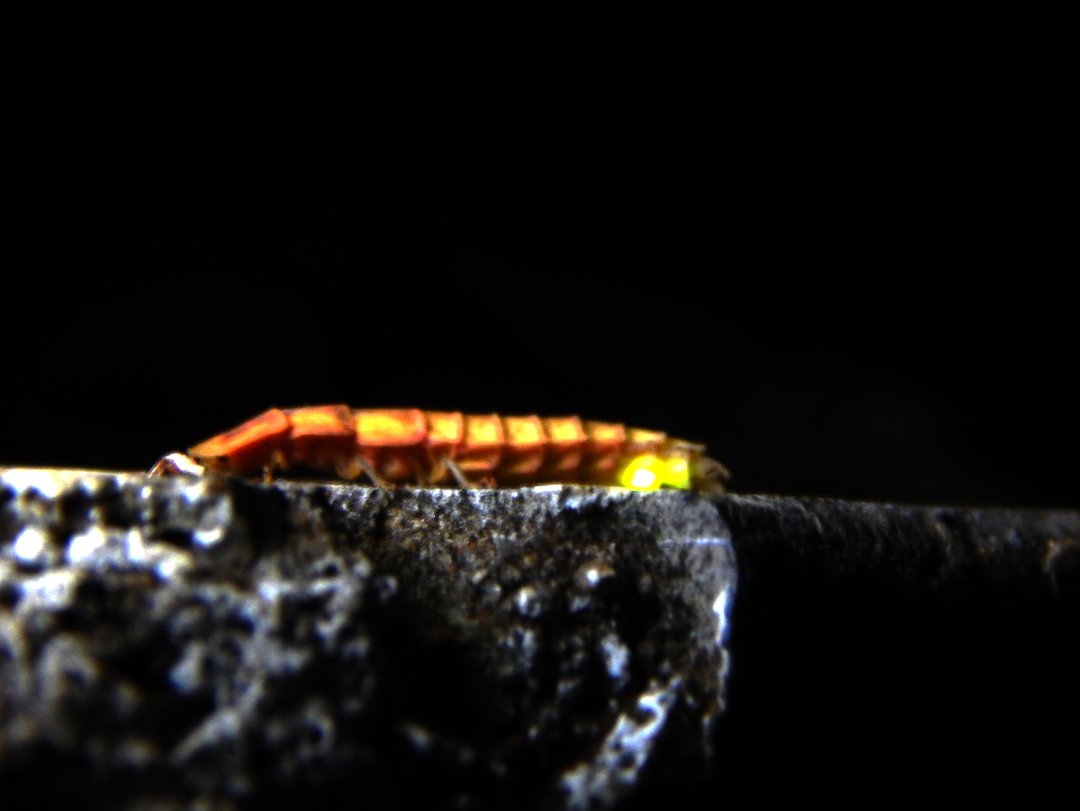
Despite their magical allure, glowworms face serious threats in today’s world. Habitat loss due to intensive agriculture, urban development, and the use of pesticides has reduced the number of suitable sites for glowworms to thrive. Light pollution from towns and roads can drown out the delicate glow, making it harder for males and females to find each other. Climate change, with its unpredictable weather patterns, also poses a risk to their breeding cycles. Without intervention and awareness, the enchanting glowworm trails of England could fade into memory, lost to future generations.
How We Can Help Protect Glowworm Populations
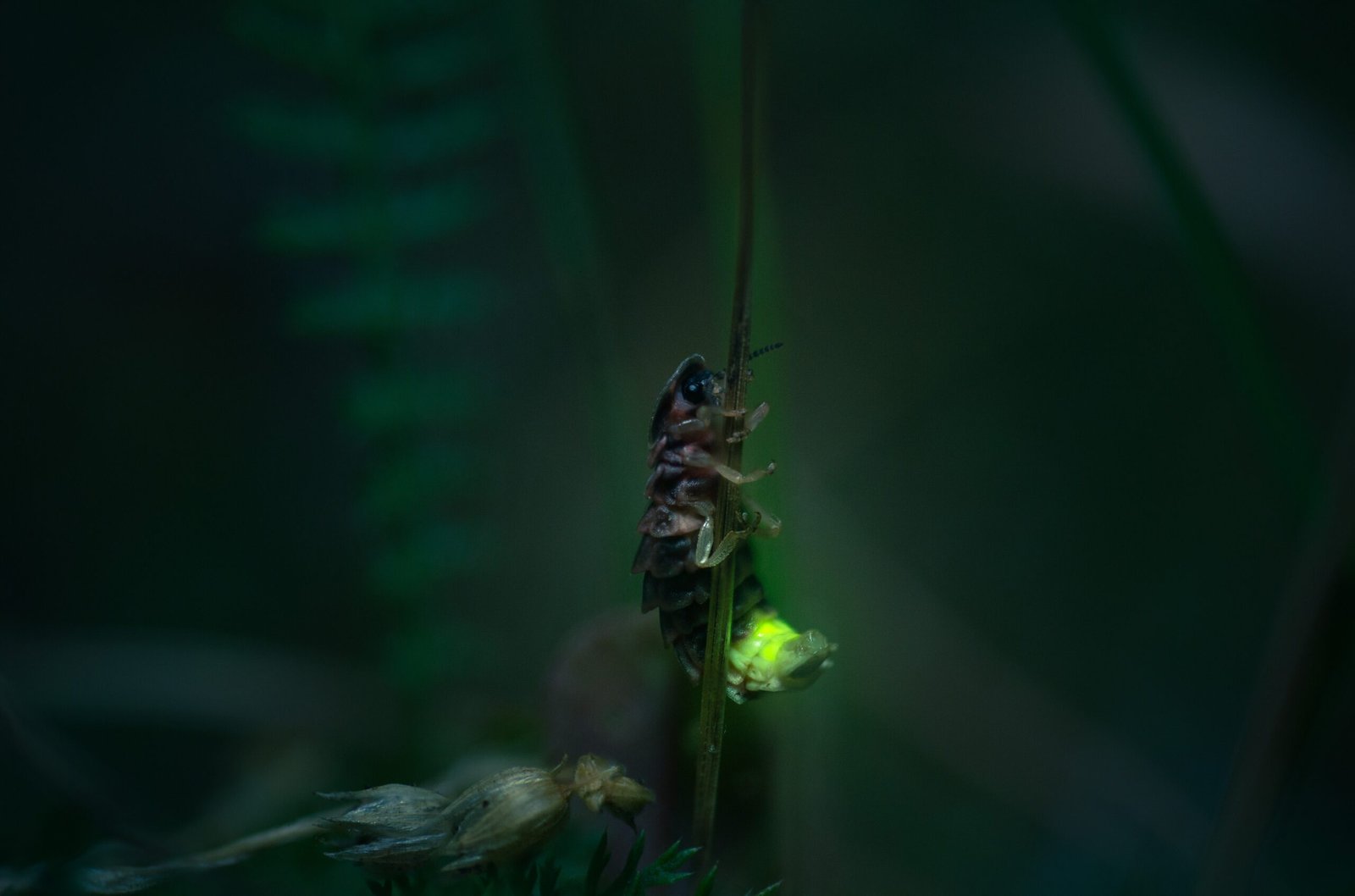
Preserving glowworm habitats is crucial for their survival. Simple actions like leaving grassy verges unmowed, reducing pesticide use, and supporting wildlife-friendly farming can make a big difference. Community-led conservation projects, such as creating “dark corridors” free from artificial lights, help glowworms communicate and reproduce successfully. Citizen science initiatives encourage people to record glowworm sightings, providing valuable data for researchers. By spreading awareness and fostering a sense of stewardship, we can all contribute to keeping England’s glowworm trails alive for years to come.
Experiencing the Magic: Tips for Glowworm Watching
To witness glowworms in their natural habitat, plan a visit during their peak season on warm, moonless nights. Dress warmly and bring a red-filtered torch—ordinary flashlights can disturb glowworms and ruin your night vision. Walk slowly and quietly, keeping to paths to avoid trampling delicate larvae. Patience is key; sometimes the first pinprick of green takes time to appear. When you finally see a glowworm, pause and let the magic sink in. It’s a simple, unforgettable pleasure—proof that nature’s wonders are often found in the quietest corners of the world.
The Future of England’s Glowworm Trails
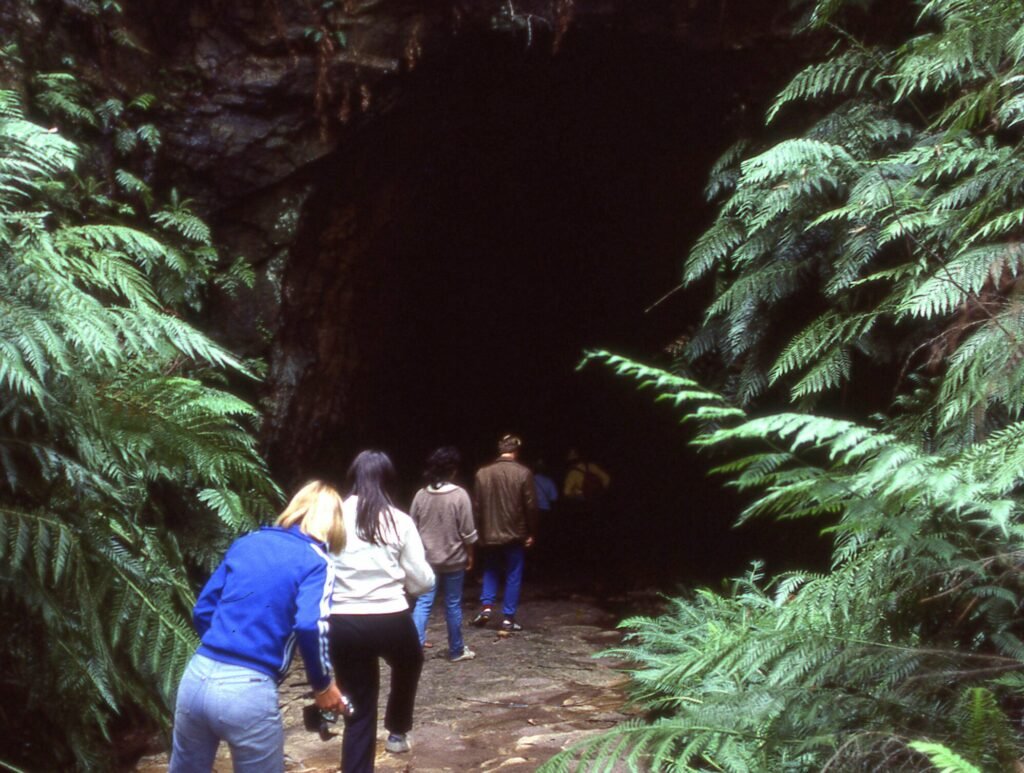
With growing interest in wildlife and the natural world, more people are discovering the joy of glowworm trails. Conservation efforts are gaining momentum, and new generations are learning to cherish this unique species. As technology advances, scientists hope to unlock even more secrets of the glowworm’s light, with potential applications in medicine and sustainable lighting. The continued existence of glowworm trails depends on our willingness to protect them—a shared responsibility and privilege. Will you be among those who seek out the living fairy lights of England and help ensure their glow endures?