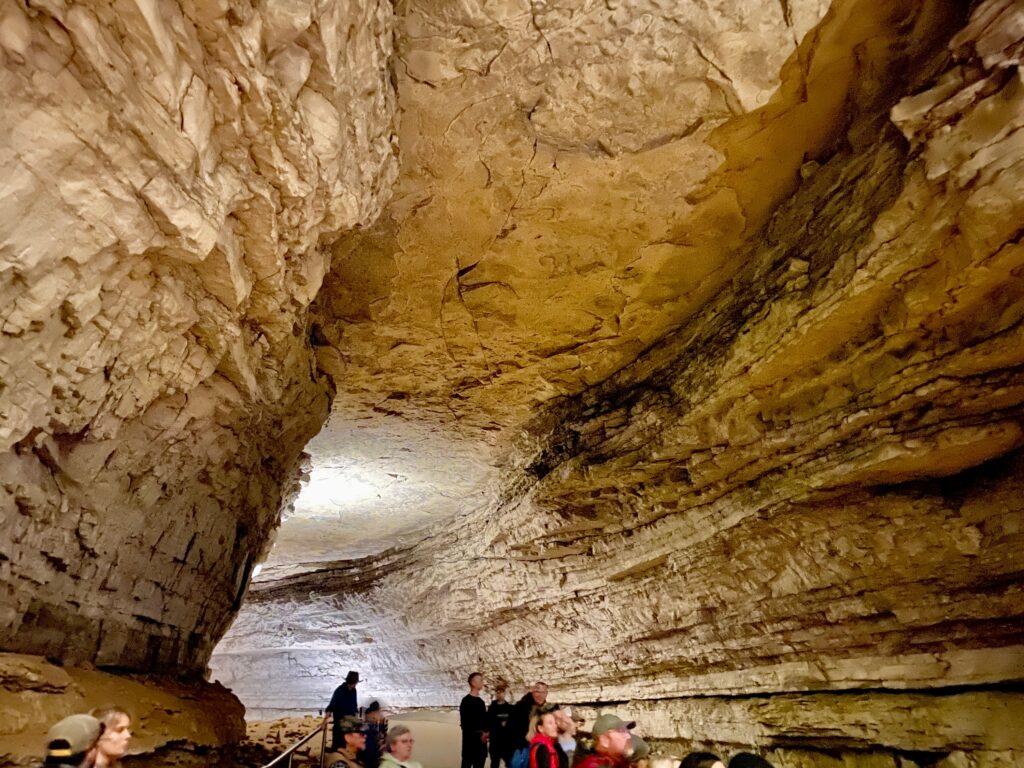
Picture the endless cypress swamps of Louisiana, a world where Spanish echoes blend with the chorus of frogs and the rustle of reeds. Now imagine families, centuries ago, sailing from the sun-soaked Canary Islands into these wild, watery frontiers. Their journey was not just one of geography, but of heart, hope, and survival. The story of the Isleños—descendants of Canary Islanders who settled Louisiana’s bayous—is as surprising as it is inspiring, filled with resilience, adaptation, and a culture unlike any other in North America.
Roots Across the Atlantic: The Canary Islanders’ Departure
In the late 1700s, the Spanish Crown faced the challenge of fortifying its North American territories. To strengthen Louisiana’s defenses and reinforce its culture, Spain recruited families from the Canary Islands, a volcanic archipelago off the coast of Africa. These people, known as Isleños, left behind a familiar life for a land shrouded in mystery. Their decision was driven by dreams of prosperity and a promise of land, but also by necessity—droughts and economic hardship made the offer irresistible for many. The voyage was perilous, stretching across the Atlantic, but the hope for a new beginning kept spirits alive.
Arrival in the Bayou: First Impressions and Early Struggles
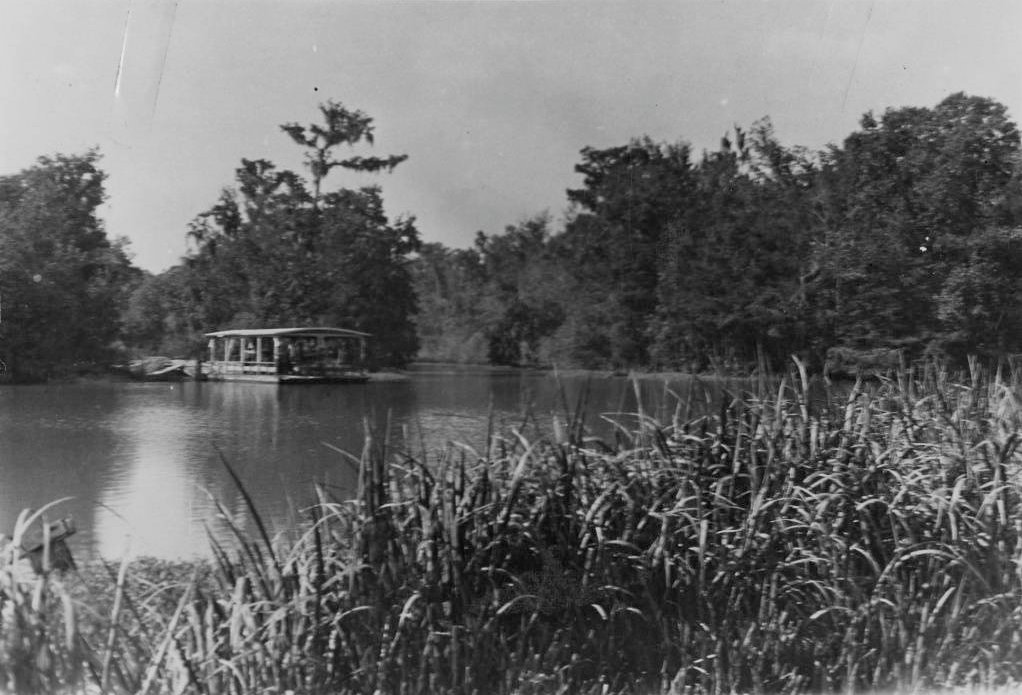
When the Isleños arrived in Louisiana, they were greeted not by bustling cities but by tangled wetlands and unpredictable weather. Adapting to the steamy climate and the relentless mosquitoes proved to be a trial by fire. The swamps, though intimidating, were bursting with life—fish, birds, and alligators—which offered new opportunities and challenges for survival. With determination, the Isleños built homes from cypress and palmetto, carving out small villages like St. Bernard and Galveztown. Their skills in fishing and farming were quickly put to the test as they learned to coexist with both the land and its native inhabitants.
Language, Legacy, and the Sound of Home

One of the most vivid markers of Isleño identity is their language. The Isleños brought with them a unique dialect of Spanish, flavored by centuries of Canary Island culture and later, New World influences. For generations, this dialect echoed through the bayous, a living connection to the Old World. Today, only a handful of fluent speakers remain, but efforts to preserve the language continue. The Isleños’ songs, stories, and oral traditions—often told with humor and wisdom—are cherished threads in the tapestry of Louisiana’s cultural mosaic.
The Natural World: Adaptation and Ingenuity
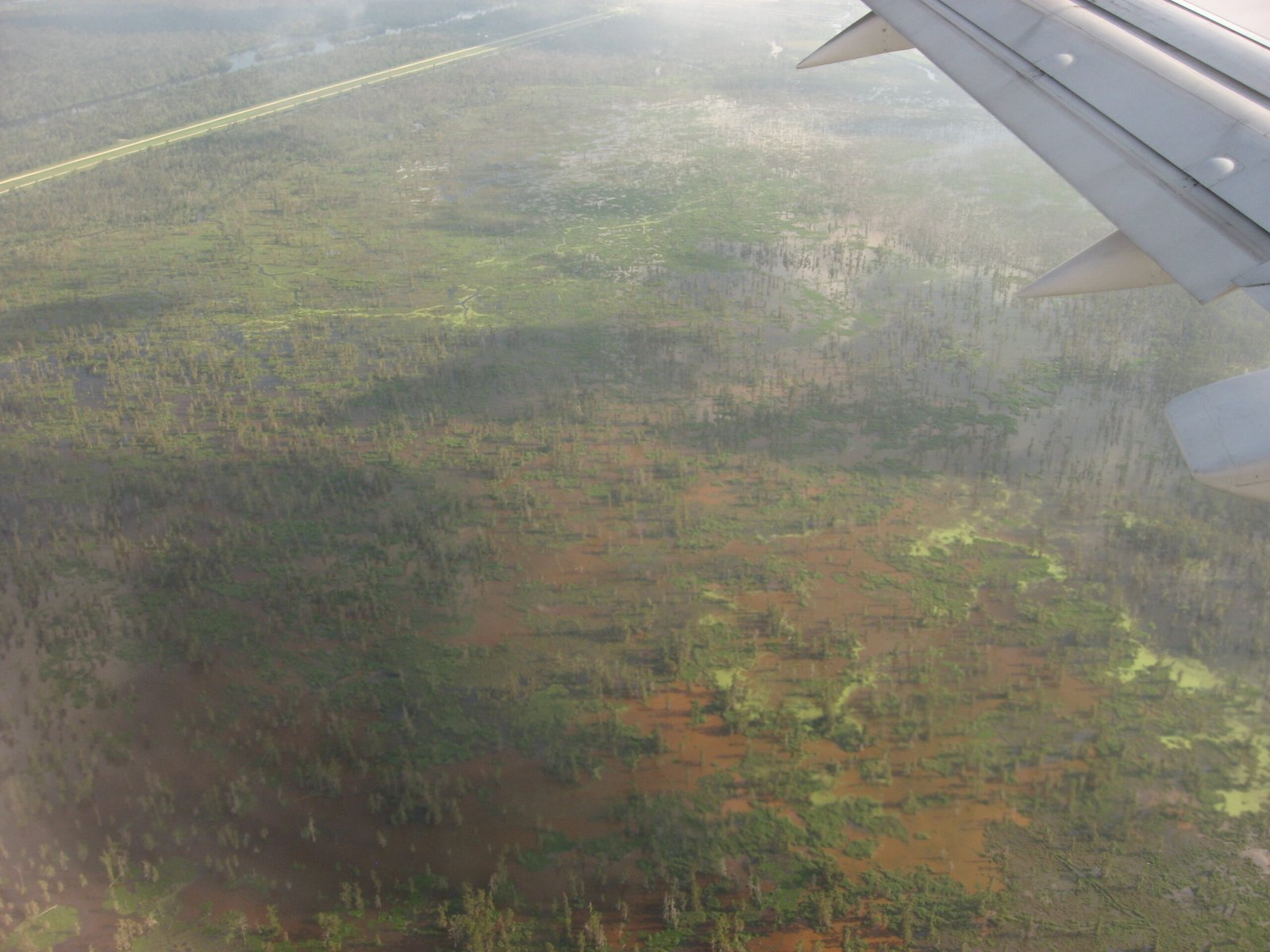
Survival in Louisiana’s wetlands demanded ingenuity. The Isleños quickly became masters of their environment, applying traditional fishing techniques and inventing new ones. They learned to read the tides and the skies, to trap crabs and shrimp, and to cultivate crops suited for the rich but fickle soil. Their diet grew to include crawfish, wild game, and foraged plants, creating a cuisine as lush and unpredictable as the bayou itself. These skills were passed down through generations, ensuring the Isleños’ place as stewards of the wetland’s fragile ecosystems.
Celebrations and Spirituality: Heart of the Community
Festivals and religious rituals have always been central to Isleño life. Catholicism, deeply rooted in their heritage, provided a spiritual anchor in the unpredictable world of the bayou. Celebrations like Fiesta de la Virgen del Rosario and lively folk music gatherings brought the community together, blending Spanish, African, and Cajun influences. The Isleños’ sense of joy, even in the face of hardship, is legendary—every gathering is a testament to their enduring spirit and the importance of community bonds.
Weathering Storms: Resilience in the Face of Disaster
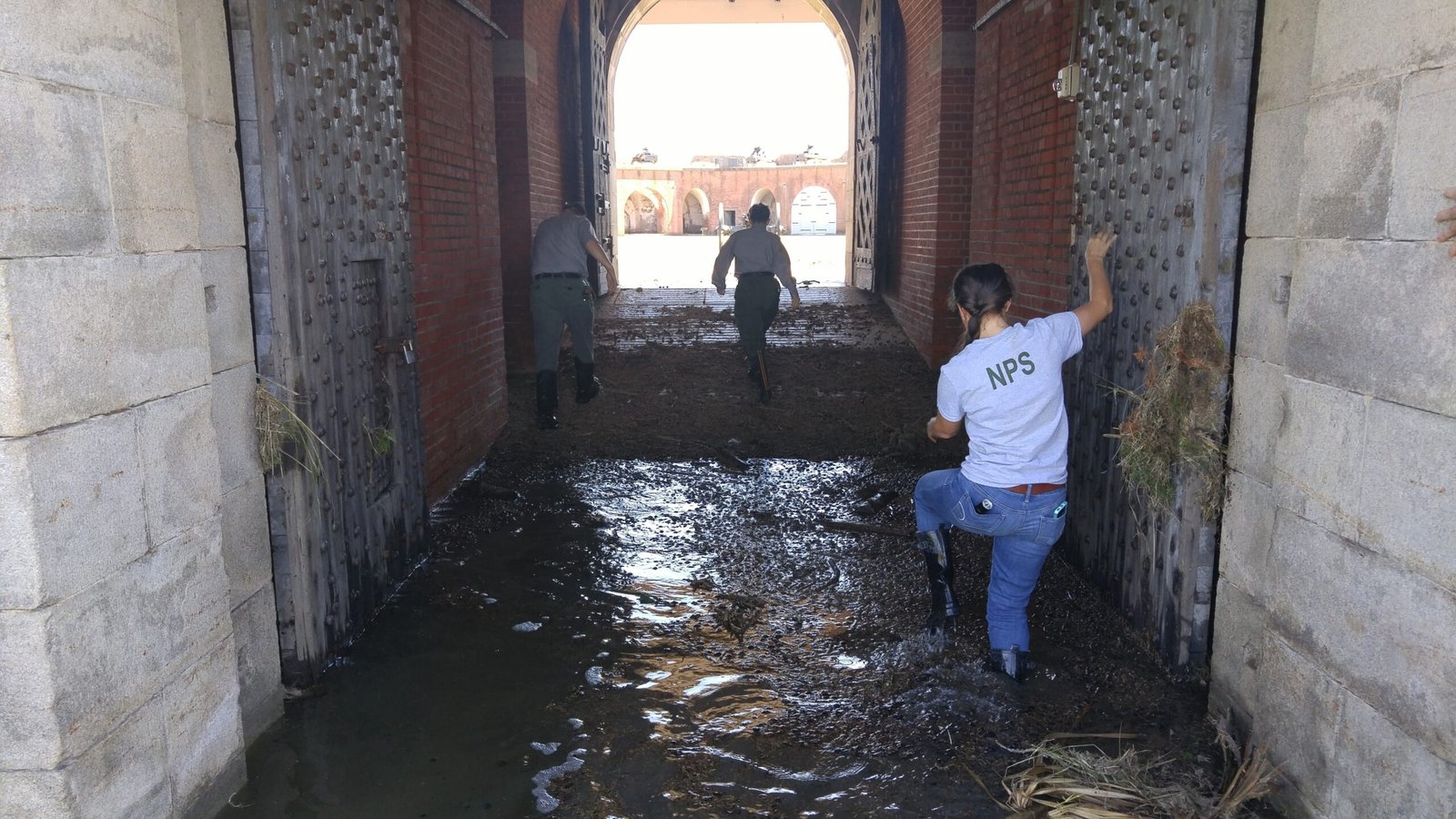
Louisiana’s hurricanes and floods have tested the Isleños time and again. Stories of entire villages submerged or swept away are etched into the collective memory. Yet, each disaster was met with an unyielding will to rebuild. The Isleños’ architecture—a blend of Spanish and local styles—evolved to withstand high waters and howling winds. Their close-knit communities mobilized quickly, sharing resources and labor. This resilience, forged in the crucible of natural disaster, remains a defining trait.
Art, Music, and Storytelling: Expressions of Identity
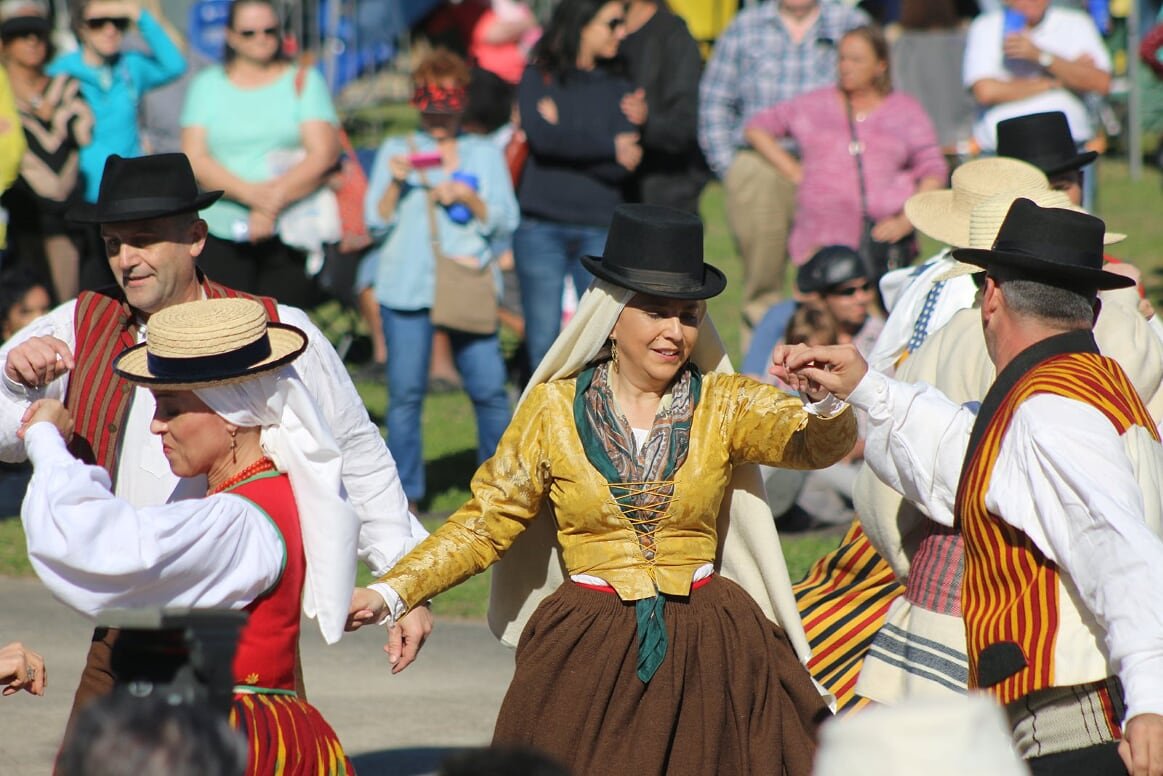
The Isleños are acclaimed for their vibrant artistic expressions. Their music, featuring guitars, castanets, and haunting vocals, resonates with the rhythms of both Spain and Louisiana. Traditional dances like the Isa and the Tajaraste are performed at local festivals, keeping ancient customs alive. Folk art, including intricate woodcarving and colorful textiles, tells stories of migration, faith, and the beauty of the bayou. These creative outlets are not just hobbies—they are lifelines to the past and bridges to future generations.
Family Ties and Social Structure
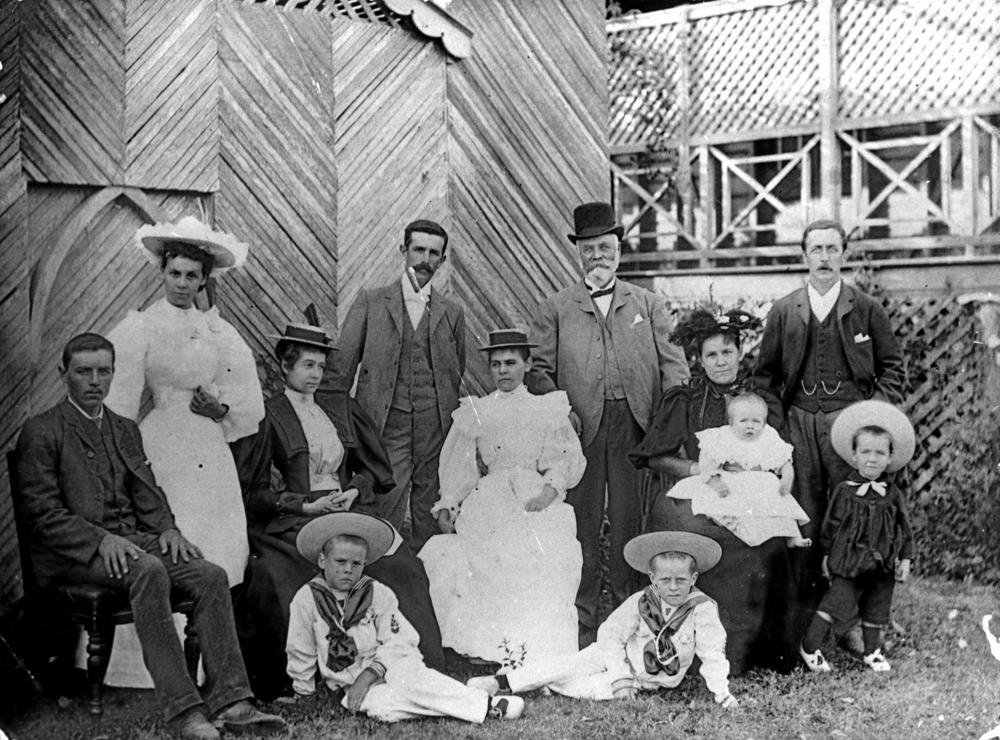
Family remains the cornerstone of Isleño society. Extended families often lived close together, supporting one another through thick and thin. Elders were revered for their wisdom, and children grew up immersed in tradition, learning the old songs and stories alongside practical skills like fishing and farming. Social gatherings, whether for feasts or work, reinforced a strong sense of belonging and identity. The importance placed on kinship helped the Isleños endure isolation and hardship, knitting the community together across centuries.
Modern Challenges: Preservation and Change
The 21st century has brought new trials for the Isleños. Coastal erosion and land loss threaten their historic villages, while economic pressures push younger generations toward urban life. The once-thriving Spanish dialect is at risk of disappearing, and traditions face the danger of being forgotten. However, revitalization efforts are underway—from bilingual education programs to cultural festivals and historical societies. The community’s determination to survive and adapt is as strong as ever, with leaders and elders working to safeguard their rich heritage for the future.
The Isleños Today: A Living Legacy
Today, the Isleños of Louisiana are few in number but mighty in spirit. Their influence can be seen in local cuisine, place names, and the rhythm of life in St. Bernard Parish and beyond. They are storytellers, conservationists, and keepers of ancient wisdom, offering a living link to a unique chapter of American history. For visitors and residents alike, the Isleños represent the enduring power of culture, adaptation, and community in the face of both natural and human-made challenges.
Reflections on Resilience and Identity
The story of the Isleños is a journey of hope, hardship, and heart—a migration that crossed not just oceans, but generations. Their legacy is woven into the wetlands, songs, and stories of Louisiana, a reminder that even in the most unpredictable landscapes, human spirit and culture can thrive. Their resilience teaches us about the power of adaptation, the beauty of tradition, and the importance of community. How many hidden tales like theirs are waiting to be discovered in the world around us?