Have you ever locked eyes with someone across the room and felt a strange, almost electric connection? Or noticed how a subtle glance can say more than words ever could? The truth is, our eyes are much more than windows to the soul—they’re living fossils, quietly revealing the story of our primate ancestry. Every blink, every shade of iris, and even the way light dances across our sclera, all whisper secrets of an evolutionary tale that stretches back millions of years. It’s a story of survival, adaptation, and the intricate dance between predator and prey. Without realizing it, every time you make eye contact, you’re reaching across time, connecting with your ancient primate family tree.
The Mysterious Shape of Human Eyes
Take a look in the mirror and notice the dazzling white part of your eye—called the sclera—contrasting sharply with your colored iris and dark pupil. This design isn’t just for beauty; it’s a vivid marker that sets us apart from nearly every other mammal. Most of our primate cousins, like gorillas and chimpanzees, have much darker sclerae that blend into their irises, making their gaze harder to track. The bright, visible whites of our eyes evolved to broadcast our gaze direction, possibly to aid in silent communication within social groups. Imagine a group of early humans hunting or foraging—knowing exactly where someone is looking could have meant the difference between dinner and disaster.
Eye Contact: A Primate Social Superpower
The ability to follow someone’s gaze, known as gaze following, is a superpower shared with just a handful of other primates. In humans, it goes a step further. We not only notice where others are looking but can use eye contact to share intentions, build trust, or warn of danger. In the wild, a subtle glance could signal a hidden predator or direct attention to a juicy fruit. For our ancestors, these silent signals helped form tight-knit groups and complex societies. If you’ve ever played a game of charades or tried to communicate a secret without speaking, you’ve tapped into this ancient, primal skill.
Color Vision: Decoding Nature’s Palette

Our eyes are tuned to a rainbow of colors, a gift inherited from our fruit-loving primate ancestors. Unlike most mammals, who see mostly in shades of gray, humans and many other primates have trichromatic vision. This means we can detect reds, greens, and blues—a huge advantage when searching for ripe fruit among green leaves. Early primates who could spot that perfect, nutrient-rich berry likely survived to pass on their colorful eyesight. Even today, our attraction to bright, bold colors in food and flowers may be a lingering echo of that evolutionary quest.
Forward-Facing Eyes: The Hunter’s Edge
Ever wonder why our eyes sit at the front of our faces, instead of on the sides like a horse or a rabbit? This forward placement gives us stereoscopic, or 3D, vision—a critical advantage for judging distances. Our primate ancestors spent their lives leaping between tree branches, where a single misjudged jump could spell disaster. The ability to accurately gauge depth and distance made the difference between catching a branch or plummeting to the forest floor. This same trait now helps us drive cars, play sports, and appreciate the beauty of a sunset in stunning detail.
The Language of the Eyes: Silent Communication

Eyes are silent storytellers. Without a single word, they can convey joy, fear, suspicion, or love. This silent language likely began as a way for early primates to coordinate group movements or signal danger without attracting unwanted attention. In humans, the power of eye communication has only grown. A lingering gaze can build intimacy, while a quick glance away can signal discomfort or submission. The next time you sense someone’s mood just by looking into their eyes, remember: you’re decoding a message written in the ancient language of our primate ancestors.
Pupil Size: The Window to Emotion
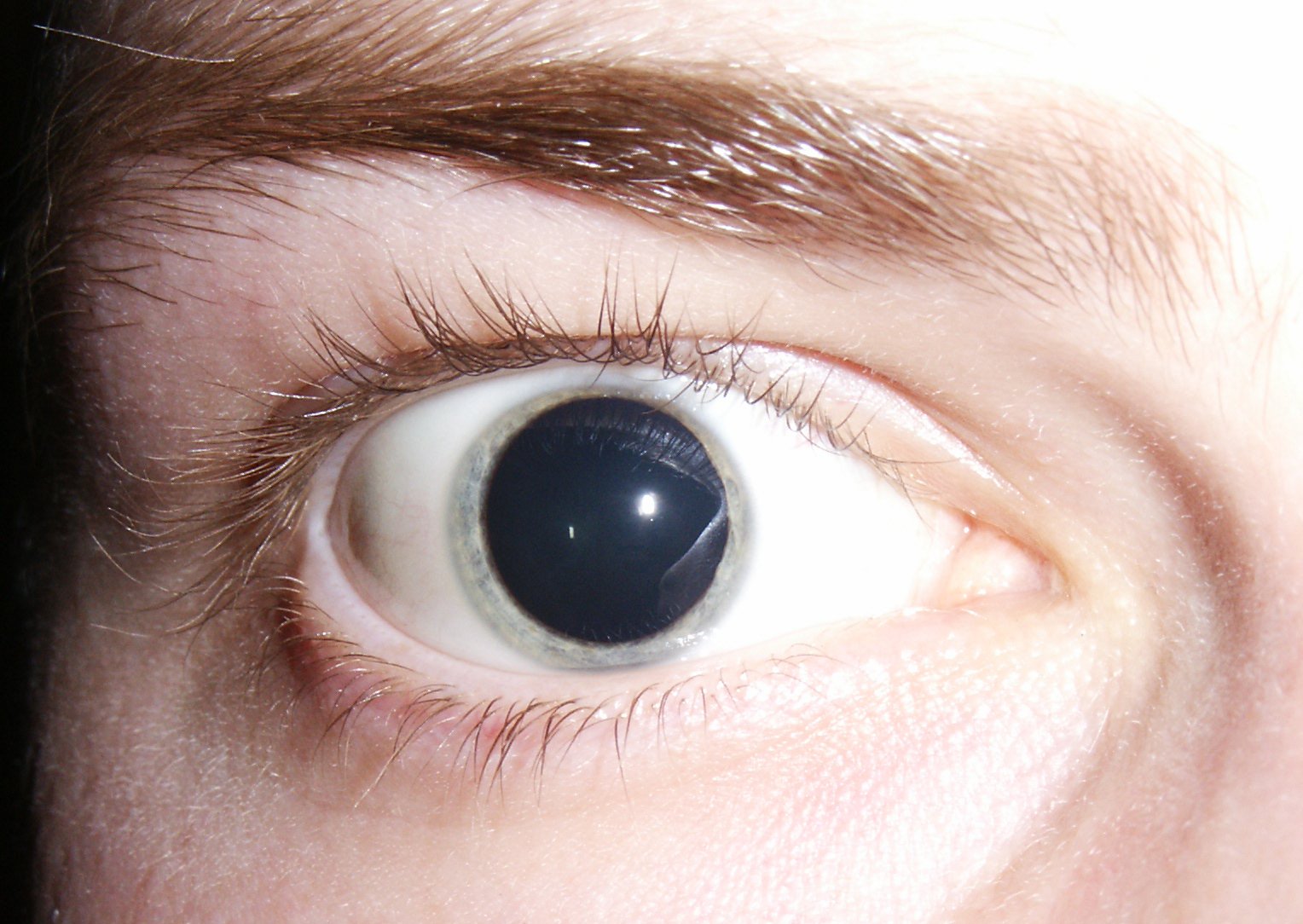
Our pupils are not just mechanical apertures adjusting to light—they’re also emotional barometers. When we feel fear, excitement, or attraction, our pupils widen. This involuntary reaction has deep roots in our evolutionary history. Among primates, sudden changes in pupil size can signal emotional states to others, preparing the group for action or caution. In humans, we still unconsciously read these subtle cues, picking up on someone’s excitement or anxiety just by noticing the size of their pupils. It’s an ancient, primal form of empathy built right into our biology.
Eyes in the Animal Kingdom: A Primate Perspective

Compared to many animals, primate eyes are uniquely expressive. Cats and dogs rely more on scent and sound, while birds of prey have eyes optimized for spotting movement from afar. Primates, by contrast, developed eyes that could read the nuances of social interaction. This focus on visual communication allowed early humans to thrive in complex social groups, building alliances and avoiding conflicts. When you see a friend’s eyes light up with recognition, you’re participating in a tradition millions of years in the making.
Infant Eyes: The Ultimate Attention Grabbers

Have you ever noticed how babies have especially large, round eyes? This isn’t just cute—it’s an evolutionary trick. Those big eyes capture the attention and affection of adults, making it more likely that infants will be cared for and protected. This “baby schema” pulls at our heartstrings, ensuring the survival of the next generation. The emotional impact of a baby’s gaze is so strong that it can lower stress and even trigger nurturing behavior, both in parents and unrelated adults.
Blind Spots and the Limits of Perception
Despite their incredible abilities, our eyes aren’t perfect. Each human eye has a blind spot where the optic nerve connects, creating a tiny gap in our field of vision. Our brains cleverly fill in this missing information, so we rarely notice. This quirk is a reminder of our evolutionary journey—an ancient compromise between the design constraints of biology and the demands of survival. In the dense forests where our primate ancestors lived, a well-camouflaged predator could be hiding just out of sight, making every glance a matter of life and death.
Evolutionary Clues in Modern Eye Disorders

Common eye conditions like nearsightedness or color blindness might seem like flaws, but they’re also evolutionary clues. In environments where close-up work was rare, perfect distance vision was more important. As we shifted to reading and screen use, some of these ancient adaptations became less ideal. Similarly, color blindness persists in some populations because it may have helped our ancestors spot camouflaged predators or prey. Our modern struggles with vision are echoes of the environments that shaped our species.
Eyes and the Future: Beyond Our Primate Heritage

As we peer into the digital age, our ancient eyes are facing new challenges. Hours spent staring at screens, artificial lighting, and virtual reality are reshaping how we see the world. Yet, the fundamental design of our eyes remains rooted in our primate past. Scientists are now studying how our visual system can adapt to these changes and what this means for our future evolution. Even as technology accelerates, the secrets hidden in our eyes continue to offer a living link to our earliest ancestors.
Our eyes are more than just tools for seeing—they are living testaments to our long journey from the treetops to the modern world. Every gaze, every glance, every flash of emotion is a tribute to the primate heritage that lies just beneath the surface. Next time you look in the mirror, ask yourself: what ancient story do your eyes tell?