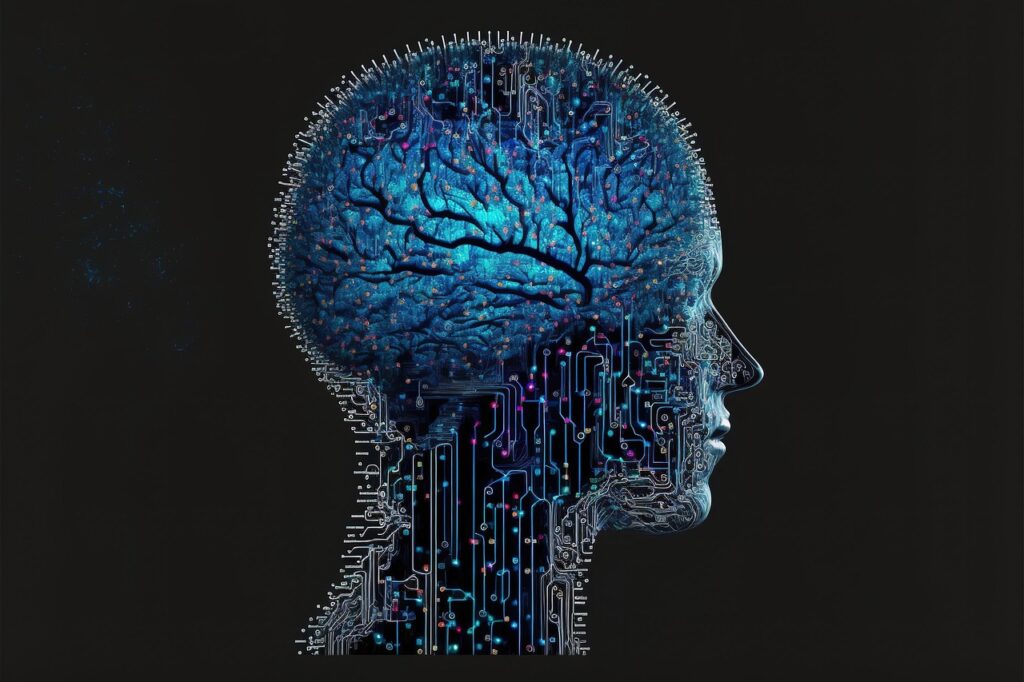
Imagine a creature that can solve puzzles without thinking, remember paths without neurons, and learn from experience without ever having a brain. This isn’t science fiction—it’s the astonishing reality of slime molds. These oozy, shapeshifting organisms have stunned scientists and captivated curious minds for decades. With no nervous system, no eyes, and no central command center, slime molds display behaviors that seem almost intelligent. How is this possible? Step into the mysterious, shimmering world of slime molds and discover how they can navigate mazes, solve problems, and even outsmart some of our best computers—all without a single brain cell.
What Exactly Are Slime Molds?
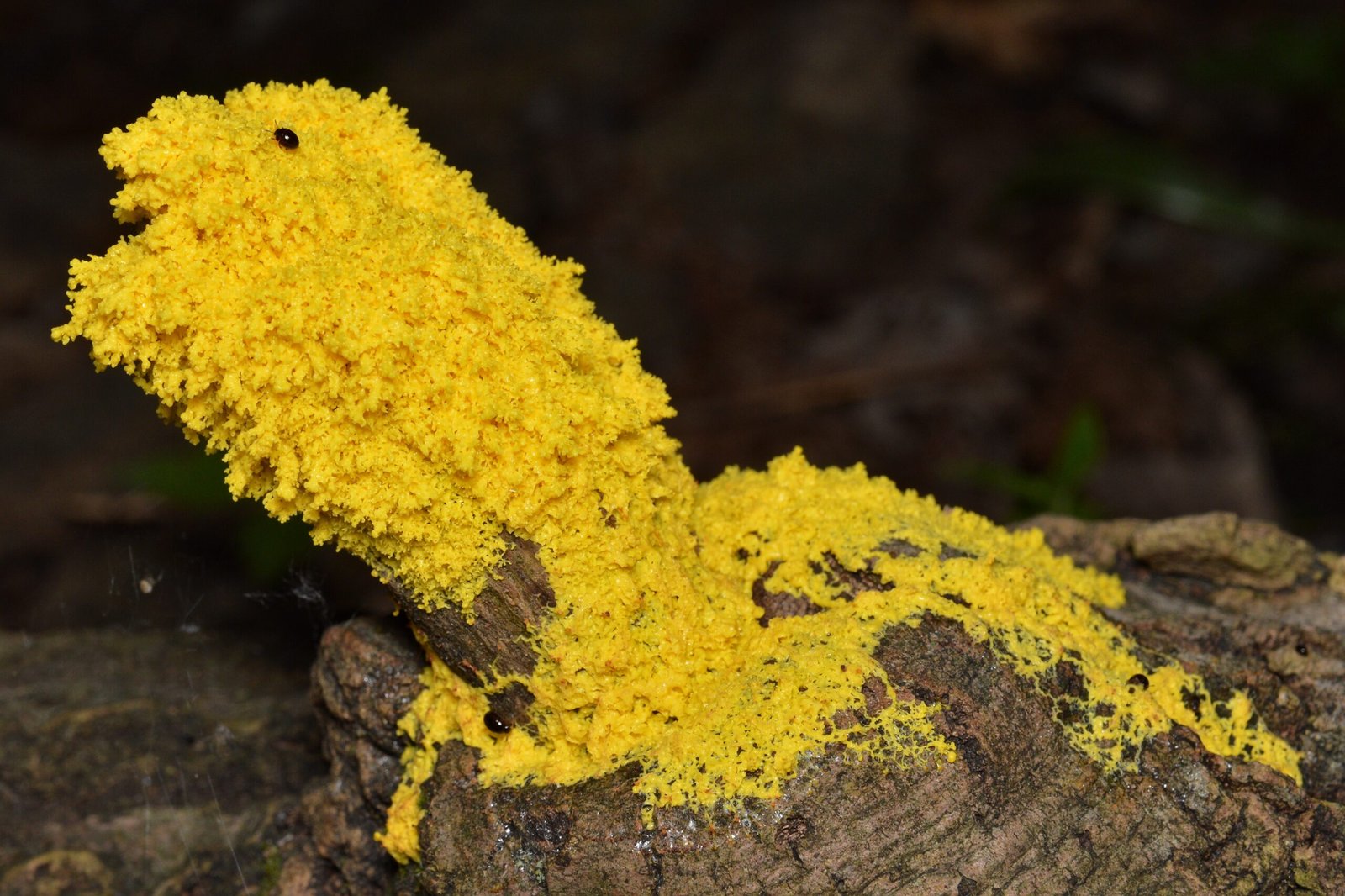
Slime molds are not animals, plants, or fungi, but something in between—a true oddity of nature. They belong to a group called protists and often live in damp forests, creeping along rotting logs and leaf litter. When you first see a slime mold, it might look like a bright yellow blob or a thin, veiny network spreading across the ground. What makes them remarkable is their ability to move and grow in response to their environment, all while existing as a single giant cell with many nuclei. Unlike the creatures we’re used to, they don’t have organs or tissues, yet they can perform actions that seem almost purposeful.
The Maze-Solving Marvel
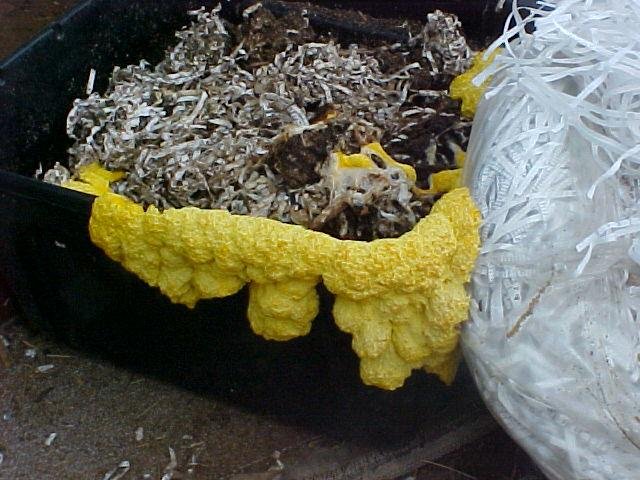
One of the most jaw-dropping discoveries about slime molds is their ability to solve mazes. In a famous experiment, researchers placed a slime mold called Physarum polycephalum at the entrance of a simple maze, with food (usually oat flakes) at the exit. The slime mold sent out tendrils in every direction, exploring the maze. Over time, it retracted from the dead ends and reinforced the path leading directly to the food. What was left was a glistening, efficient trail—nature’s answer to the shortest path problem. These experiments have been repeated worldwide, each time leaving observers amazed at the slime mold’s uncanny problem-solving abilities.
No Brain, No Problem: How Do They Do It?
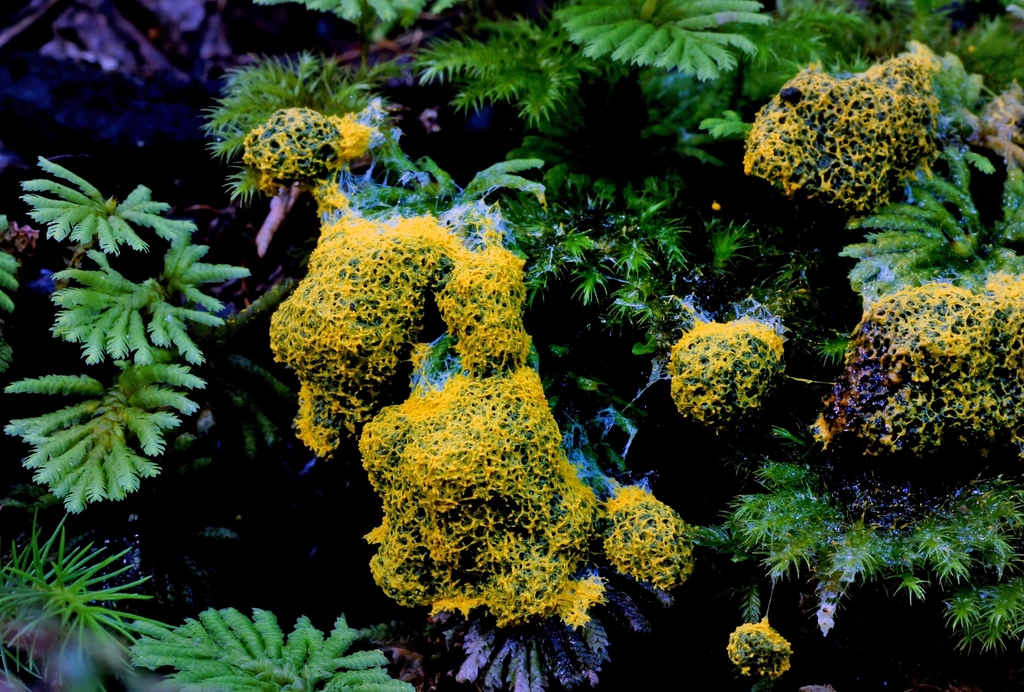
It’s tempting to think that intelligence needs a brain, but slime molds turn that idea upside down. Their “thinking” happens through simple chemical signals and physical feedback. As the slime mold creeps along, it leaves behind a trail of slime. If it encounters its own trail again, it knows not to go that way—almost like remembering where it’s been. This simple feedback loop, repeated millions of times, creates a kind of collective memory. The slime mold’s body acts as both explorer and record-keeper, storing information in the very paths it travels.
Learning Without Neurons
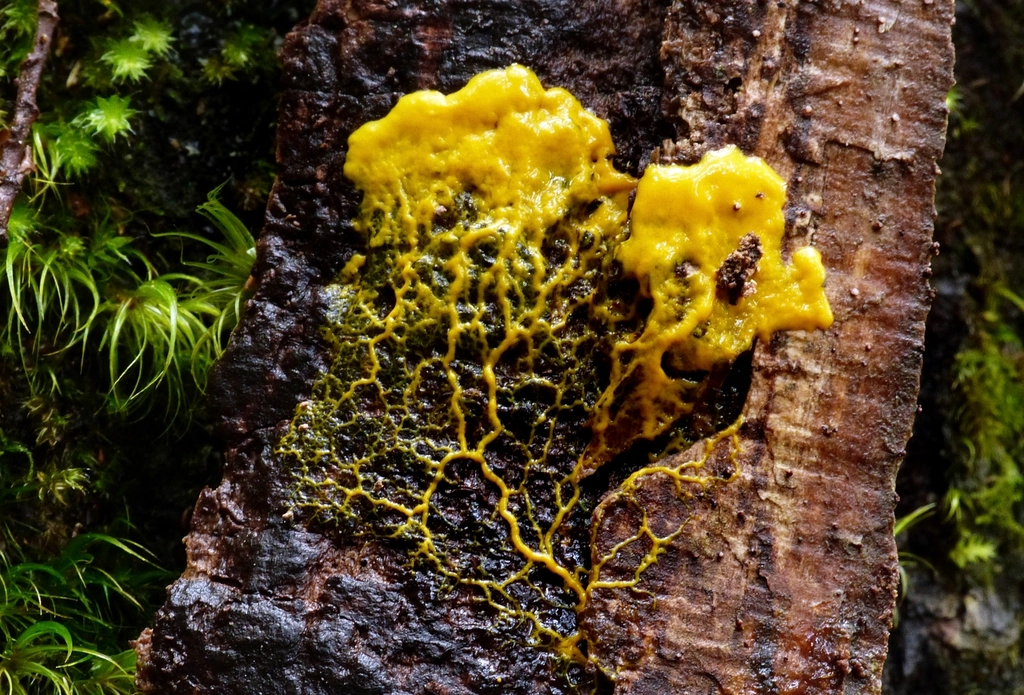
Slime molds don’t just solve mazes—they learn from their experiences. In laboratory tests, slime molds have been shown to “remember” unpleasant conditions, like dry areas or salt, and avoid them in the future. If a slime mold is exposed to a harmful substance and then placed in a similar environment later, it hesitates or changes direction, showing a primitive form of learning. This phenomenon, called habituation, is usually associated with animals that have nervous systems. The fact that slime molds can do it too is both surprising and inspiring.
Communication Through Chemistry
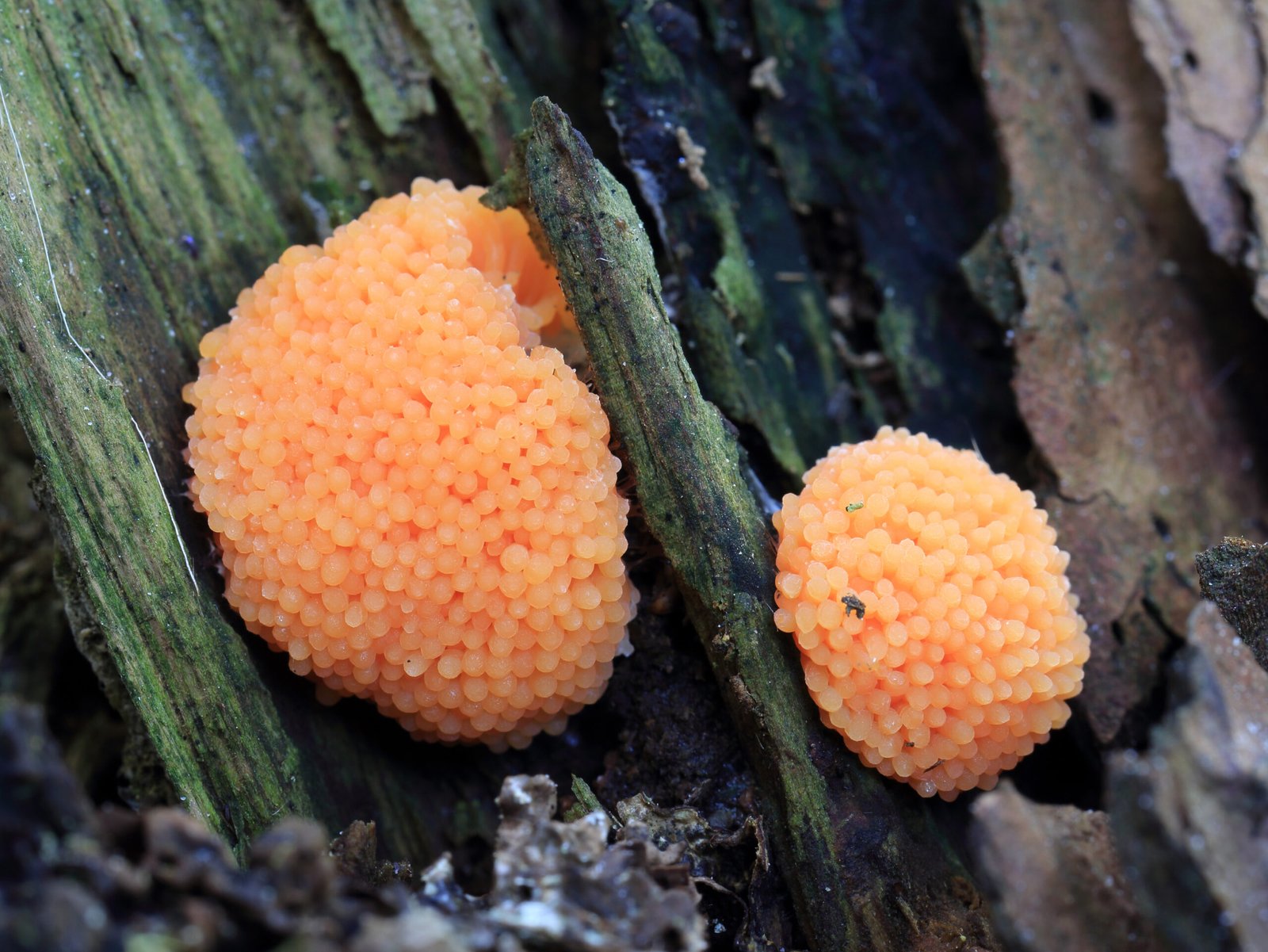
Instead of nerves and synapses, slime molds rely on chemical signaling to coordinate their movements. When searching for food, they release attractant chemicals that guide their flow toward the source. If multiple food sources are present, the slime mold will weigh the options, often choosing the path that offers the best reward for the least effort. It’s a bit like having a built-in GPS that’s constantly recalibrating based on taste and smell. This chemical chatter allows the entire organism to act as a unified whole, despite having no central command.
Adapting to Changing Environments
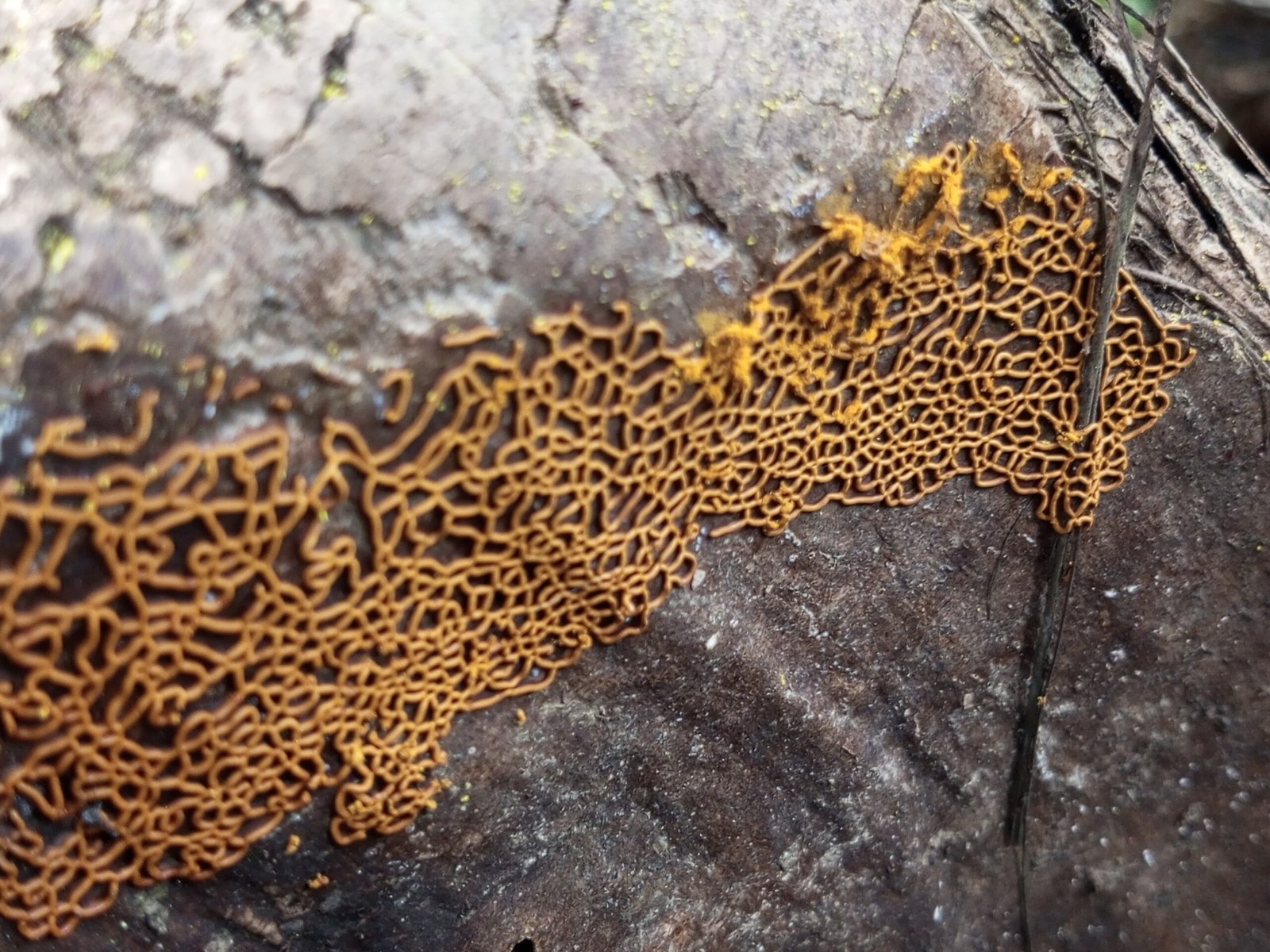
Slime molds are masters of adaptation. If the environment changes—say, a new obstacle appears or a food source moves—the slime mold can quickly reroute itself. It retracts from areas that no longer benefit it and spreads toward better opportunities. This flexibility makes slime molds incredibly resilient. In the wild, they can survive droughts by drying up into a hard, dormant state, only to spring back to life when conditions improve. Their survival strategies have fascinated scientists who study how simple rules can lead to complex, adaptive behavior.
Inspiring Technology and Algorithms
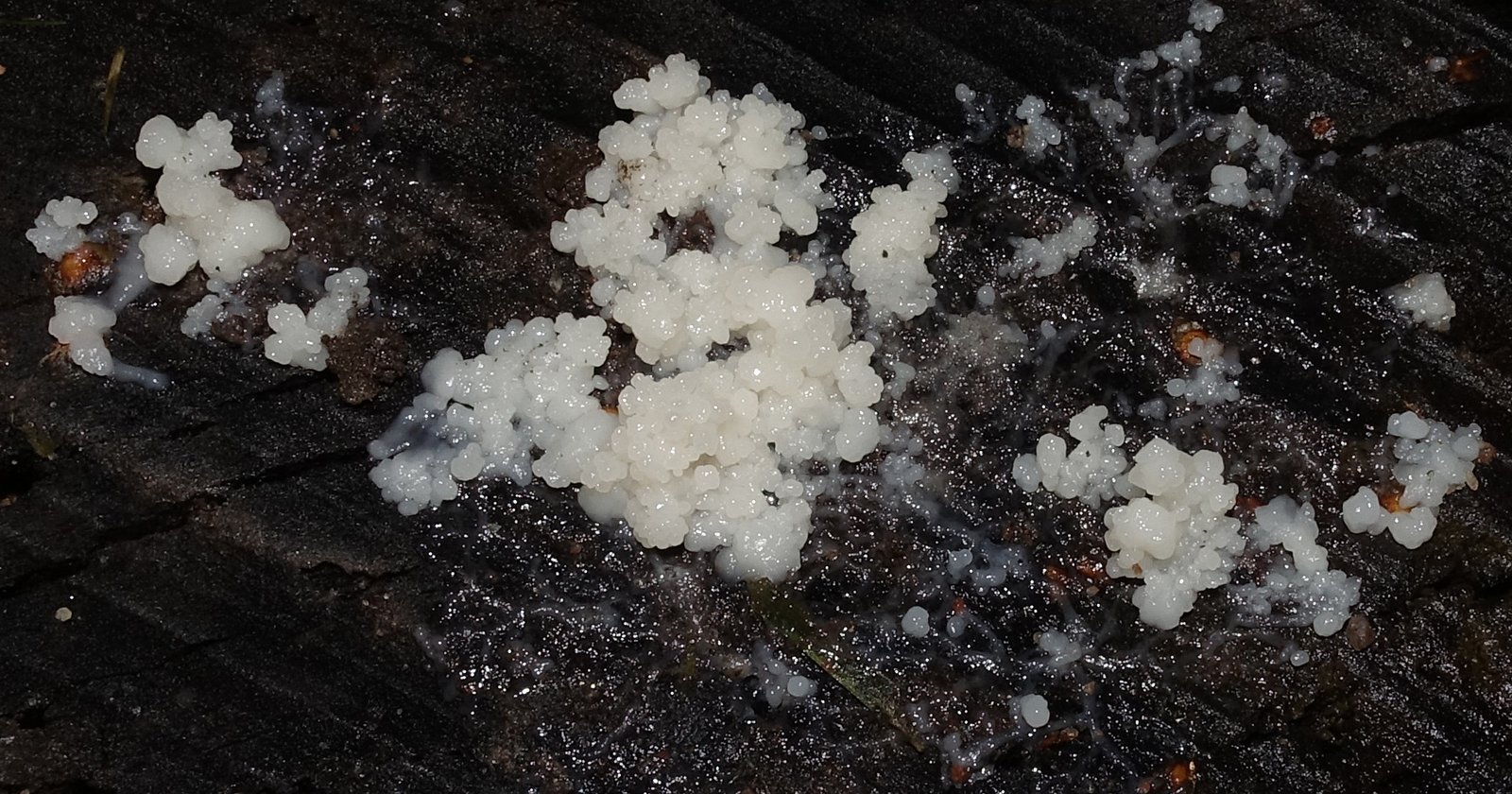
The maze-solving skills of slime molds have inspired engineers and computer scientists. By mimicking the way slime molds find the shortest path, researchers have developed algorithms to optimize networks, like transportation systems or electronic circuits. For example, studies have used slime molds to design more efficient subway routes and even to solve complex mathematical problems. The idea that an organism with no brain can outperform sophisticated computers in certain tasks is both humbling and motivating for those seeking creative solutions.
Slime Molds in the Wild: Nature’s Network Builders
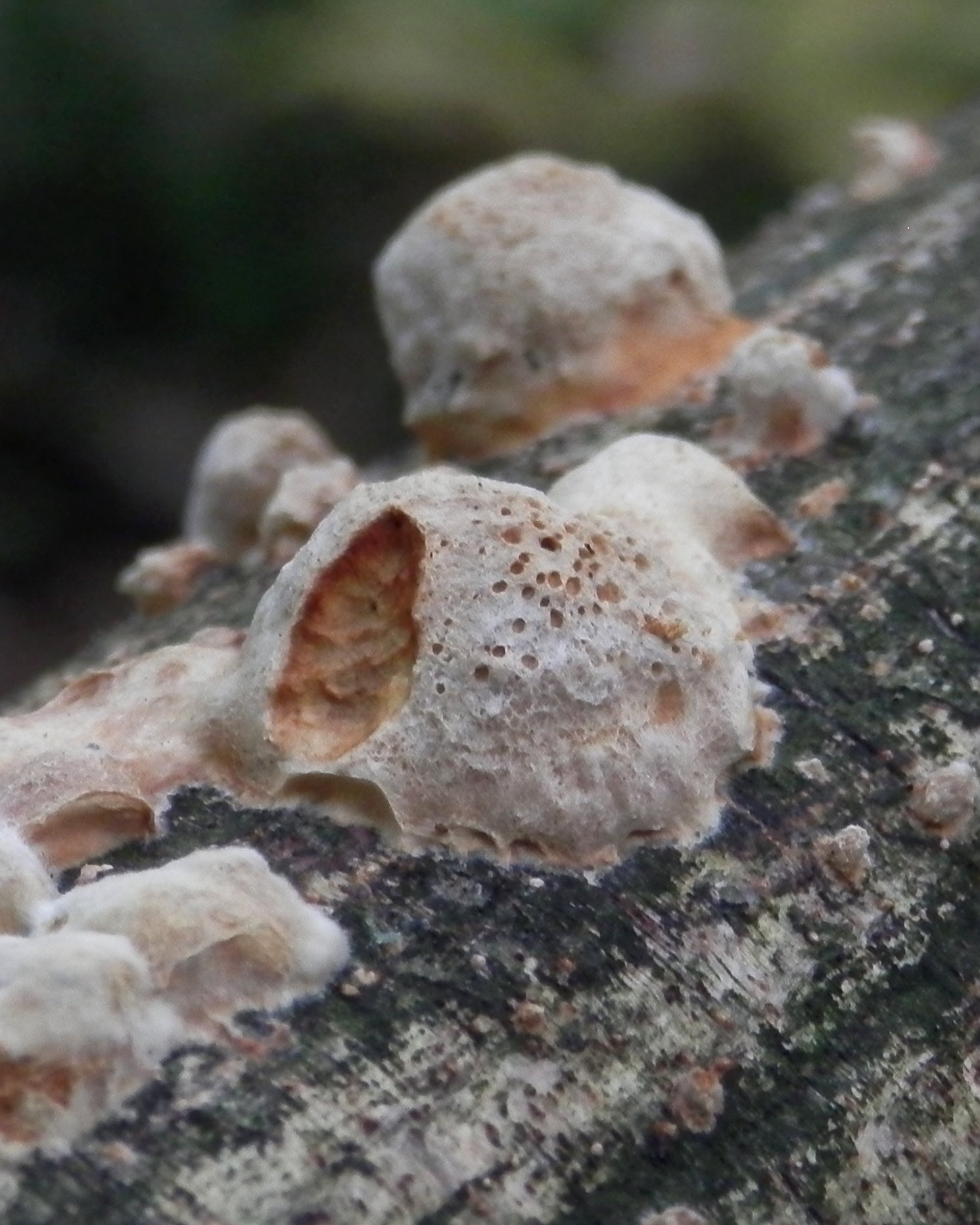
In their natural habitats, slime molds play a crucial role as decomposers. They break down dead plant material, recycling nutrients and supporting the entire ecosystem. But beyond their ecological role, their ability to form networks is especially fascinating. The intricate, vein-like patterns they create are not random—they are optimized for efficiency, minimizing the cost of transporting nutrients while maximizing reach. This behavior mirrors the networks we see in blood vessels, tree roots, and even city streets, suggesting that simple rules can generate complex and beautiful patterns in nature.
The Beauty of Simplicity
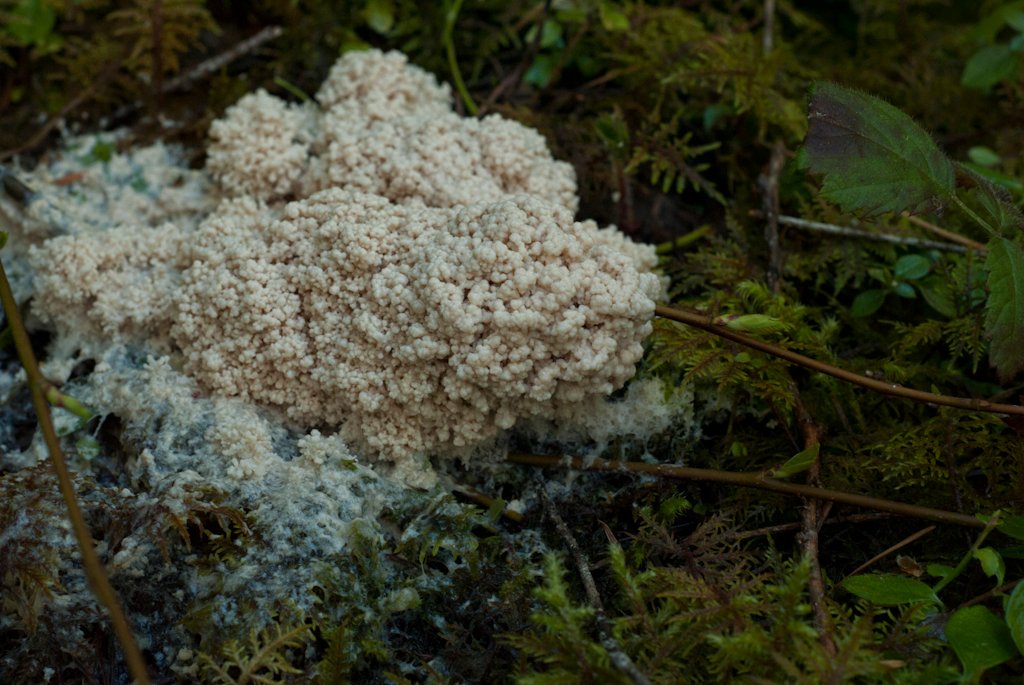
Perhaps what is most captivating about slime molds is their elegant simplicity. Without complex organs or brains, they still manage to navigate, solve problems, and survive in challenging environments. Their actions are guided by straightforward rules, yet the outcomes are remarkably sophisticated. This blurs the line between what we consider intelligent and what is simply clever adaptation. Slime molds remind us that intelligence can come in many forms, and sometimes, less is truly more.
The Future of Slime Mold Research
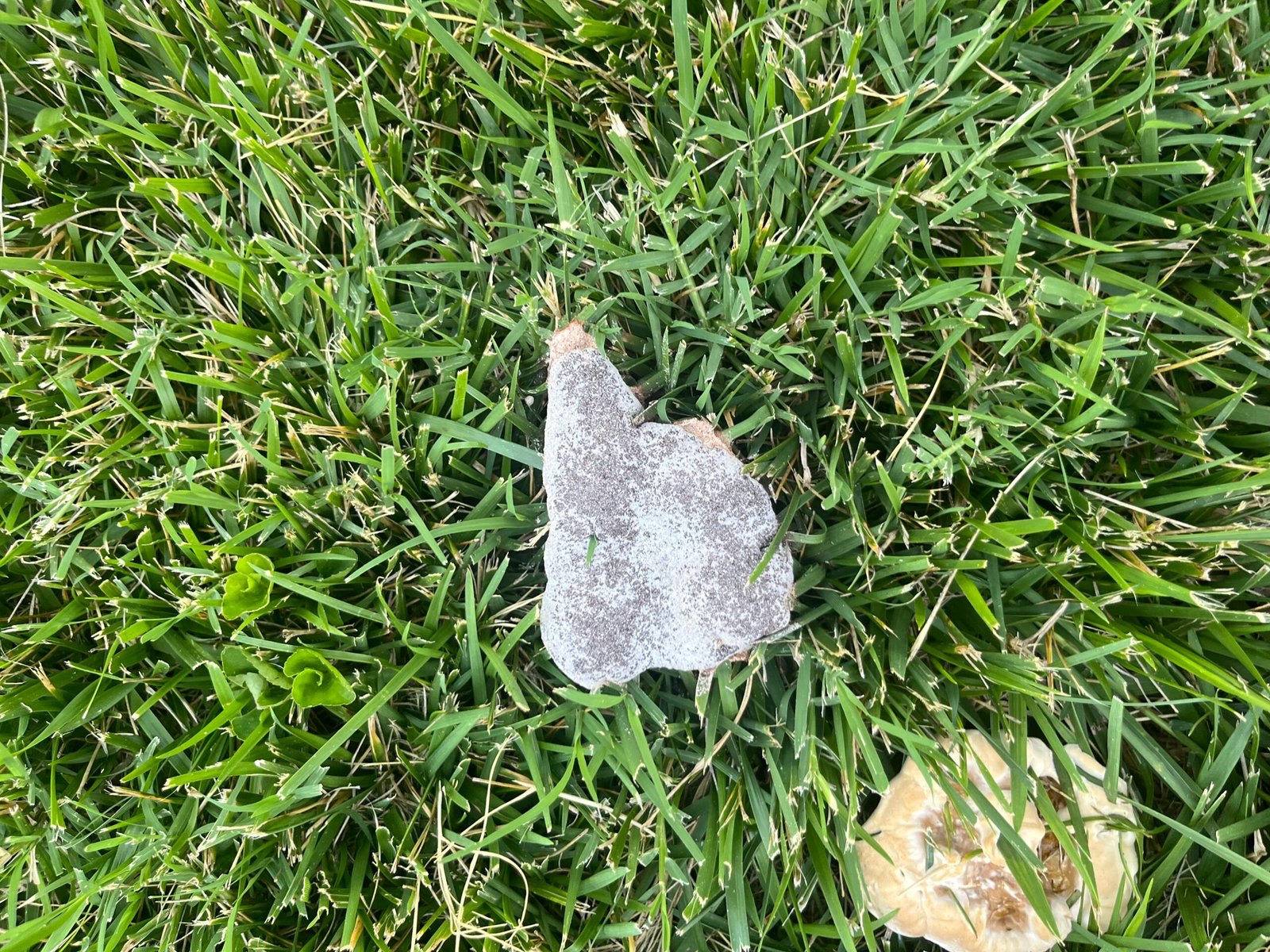
The study of slime molds is far from over. Scientists are still unraveling the secrets behind their memory, learning abilities, and network-building skills. There’s hope that understanding these organisms will lead to breakthroughs in artificial intelligence, robotics, and even medicine. Every new discovery deepens our appreciation for the wonders of life and challenges our assumptions about what it means to be smart. As researchers continue to unlock the mysteries of these brainless problem-solvers, one thing is clear: slime molds have a lot to teach us about thinking outside the box.
A Final Reflection on Brainless Brilliance
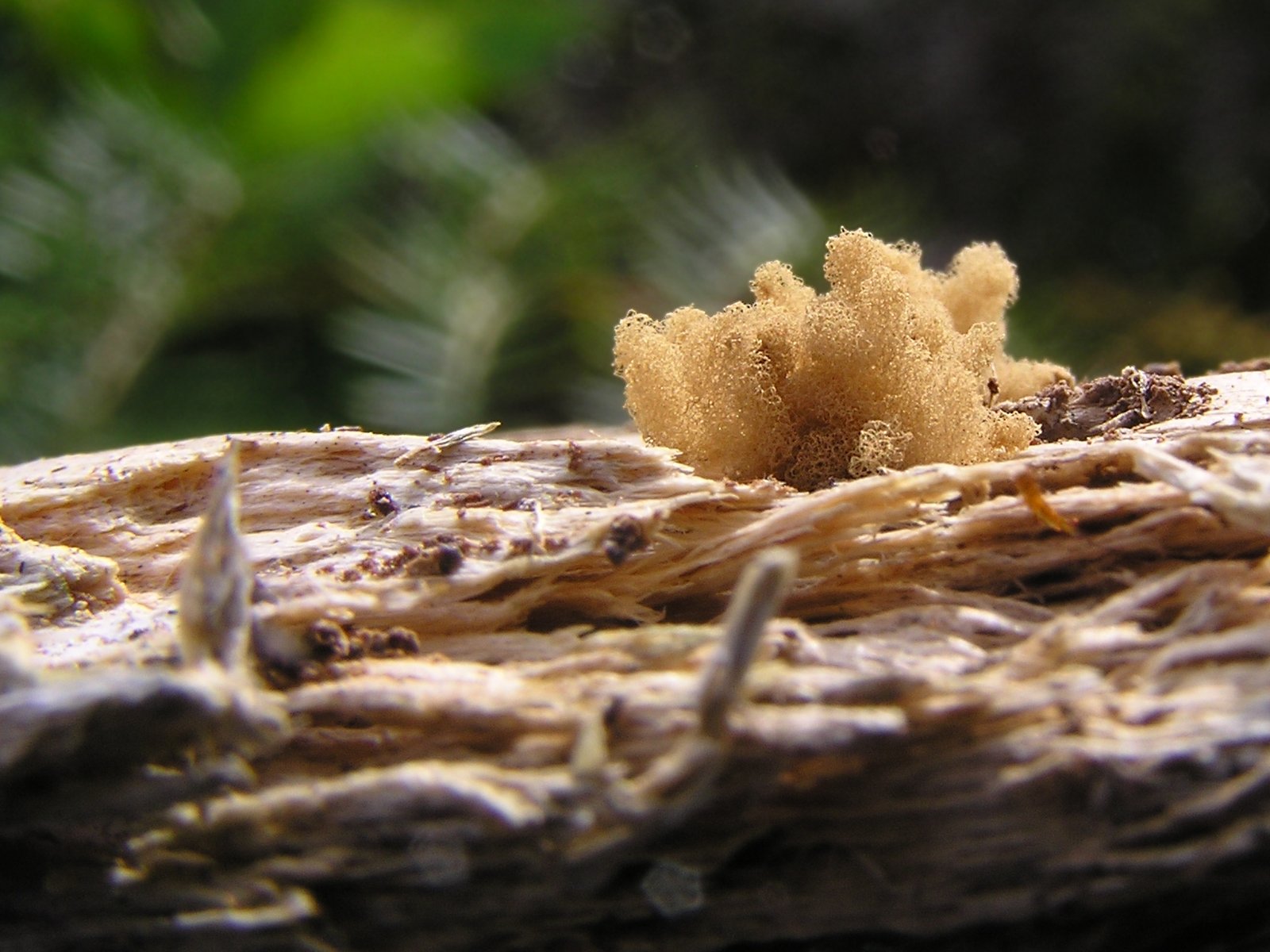
Slime molds force us to rethink everything we know about intelligence, memory, and learning. They are living proof that you don’t need a brain to solve puzzles, adapt to challenges, or even inspire human innovation. The next time you see a patch of goo creeping across a log, remember that you’re witnessing one of nature’s great mysteries in action—a creature that outsmarts mazes and scientists alike, all without a single thought.