Step into the wild heart of Texas, and you’ll find a world where native prairies sway in the wind, painted with the color of wildflowers and alive with the whir of bees and butterflies. These sanctuaries are far more than patches of greenery—they are living museums, bursting with stories of survival and renewal. Have you ever wondered what Texas looked like before highways, neighborhoods, and cities took root? Native plant sanctuaries offer a glimpse into this lost landscape, inviting us to connect with the land in ways both ancient and urgently modern. In a state known for its vastness, these pockets of preserved nature are a testament to resilience, hope, and the power of community to protect what cannot be replaced. Let’s embark on a journey through Texas’s native plant sanctuaries—where prairies, woodlands, and wetlands come alive, and every leaf and petal tells a tale.
The Beauty and Importance of Native Texas Plants

Texas boasts an astonishing diversity of native plants, from the iconic bluebonnet to the sturdy live oak. These plants have evolved side by side with Texas’s unique climate and soils, thriving through drought, wind, and heat that would wither many foreign species. Native plants form the backbone of healthy ecosystems, supporting countless species of birds, mammals, and insects. They require less water and maintenance than non-native varieties, making them not only beautiful but practical for conservation. Walking through a field of native prairie grass feels like stepping back in time, as every stem and blossom has its own role in the grand tapestry of life. The importance of these plants goes beyond aesthetics—they are essential for wildlife, water conservation, and preserving the natural heritage of the state.
How Sanctuaries Protect Biodiversity

Native plant sanctuaries serve as safe havens for rare and threatened species that might otherwise vanish from the landscape. By protecting large areas of undisturbed land, these sanctuaries allow plants and animals to thrive without the pressures of urban development or intensive agriculture. They act as living laboratories, where scientists and students can study natural processes up close. Sanctuaries also function as genetic reservoirs, preserving the diversity needed for plants to adapt to future changes, such as climate shifts or new diseases. When native habitats are lost, so too are the intricate relationships between plants, insects, birds, and mammals. Sanctuaries help ensure that these vital connections endure for generations to come, offering hope in a rapidly changing world.
The Role of Prairie Grasses in Texas Ecosystems

Prairie grasses like big bluestem, little bluestem, and switchgrass once covered vast stretches of Texas, creating habitats for bison, prairie chickens, and countless pollinators. Today, these grasses are the unsung heroes of native sanctuaries. Their deep roots stabilize soil, reduce erosion, and help retain water during dry spells. Prairie grasses also store carbon, playing a quiet but critical role in fighting climate change. In spring, their gentle waves come alive with blooms of coneflowers and Indian paintbrush, transforming the landscape into a living quilt. By protecting and restoring prairie grasses, sanctuaries bring back the rhythms of the wild prairie—where fire, wind, and rain shape a world teeming with life.
Wildflowers: The Colorful Soul of Texas Landscapes

Nothing captures the essence of Texas like fields of wildflowers bursting into bloom after a spring rain. Bluebonnets, Indian blankets, and black-eyed Susans create a mosaic of color that attracts photographers, artists, and nature lovers from around the world. These wildflowers aren’t just beautiful—they provide essential food and shelter for pollinators, songbirds, and small mammals. In native plant sanctuaries, wildflowers are allowed to grow freely, completing their life cycles without interference. Their seeds disperse on the wind, ensuring that new generations will continue to brighten the prairies and meadows. Witnessing a Texas wildflower bloom is a powerful reminder of nature’s resilience and the joy found in even the smallest details.
Pollinator Havens: Saving Bees, Butterflies, and Birds
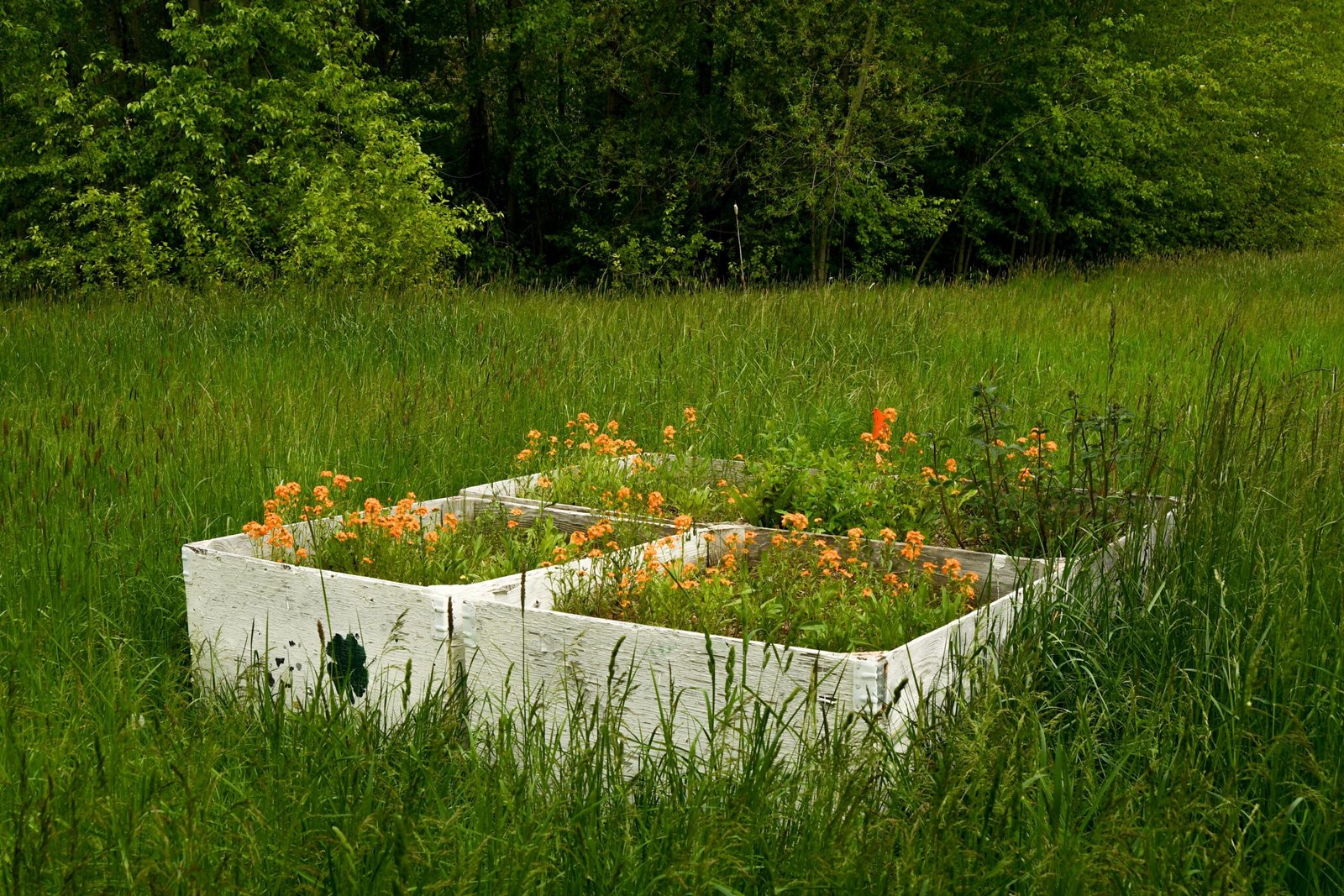
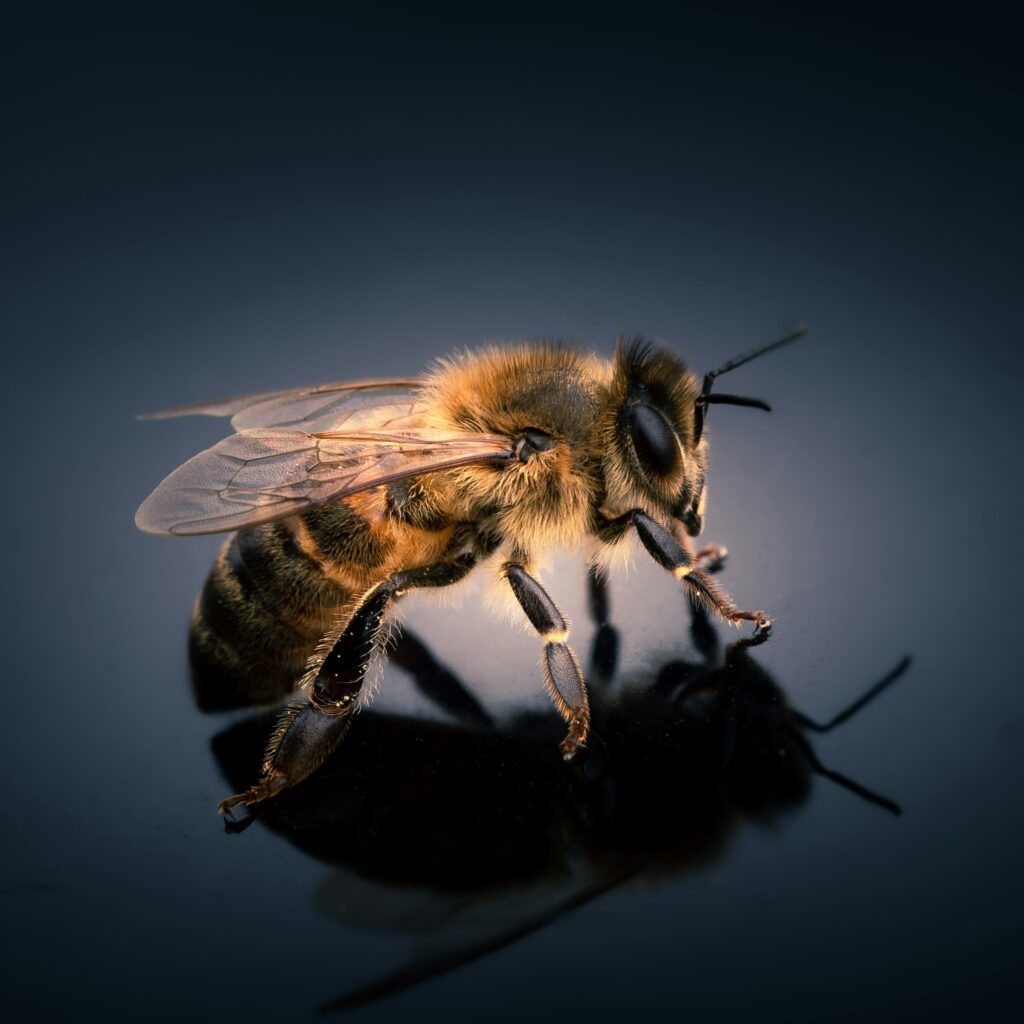
Pollinators are the unsung champions of our food supply and ecosystems, but many species face alarming declines due to habitat loss and pesticides. Texas sanctuaries have become lifelines for these vital creatures. Milkweed patches offer monarch butterflies a place to lay eggs, while native sunflowers feed bees and goldfinches alike. Sanctuary managers often plant special pollinator gardens, packed with nectar-rich flowers to support hummingbirds and native bees throughout the year. Watching a swallowtail butterfly drift from blossom to blossom or listening to the hum of honeybees on a warm afternoon is a simple but profound pleasure. Protecting pollinator havens isn’t just about saving insects—it’s about safeguarding the entire web of life.
Restoring Lost Prairies: Science and Hard Work

Restoring a native prairie in Texas is no simple task—it’s an act of patience, science, and dedication. Decades of plowing, grazing, and invasive species have erased much of the original prairie landscape. Sanctuary workers and volunteers carefully remove non-native plants and sow native seeds collected from local sources. Sometimes, prescribed burns are used to mimic natural fires that once shaped these ecosystems, clearing the way for new growth and controlling woody invaders. Over years, the land slowly returns to its wild roots, as grasses and wildflowers reclaim their ancient home. Each restoration project is a labor of love and a testament to what can be achieved when people work together for nature.
Wetlands and Riparian Sanctuaries: Water’s Lifeline

Texas is not all dry prairie—wetlands and riparian corridors are vital sanctuaries that support a different cast of native plants and animals. Marshes, swamps, and riverbanks are nurseries for frogs, dragonflies, and waterfowl. Here, native reeds and sedges filter water, trap sediment, and create cool refuges for turtles and fish. These wet places act as natural sponges, soaking up stormwater and reducing floods downstream. In a state often battered by drought and flood, protecting wetlands is critical for both people and wildlife. Standing in a riparian sanctuary, surrounded by the sounds of running water and birdsong, you can feel the pulse of life that sustains Texas.
Urban Sanctuaries: Nature Finds a Way

Even in the heart of Texas’s largest cities, native plant sanctuaries provide oases of calm and biodiversity. Small urban prairies and pollinator gardens buzz with life, offering city dwellers a taste of wild Texas. Schoolyards, parks, and even roadside verges are being transformed with native plants, creating stepping stones for wildlife across the urban landscape. These projects often rely on volunteers, neighborhood groups, and schools, showing that anyone can help bring nature back to their community. Urban sanctuaries are proof that you don’t need vast tracts of land to make a difference—every patch of native habitat counts.
Education and Community Engagement in Sanctuaries

Native plant sanctuaries are more than just protected lands—they are powerful classrooms where people of all ages learn about ecology, conservation, and stewardship. Guided walks, workshops, and hands-on restoration days invite visitors to experience nature up close. Children discover the magic of catching grasshoppers, identifying wildflowers, or planting milkweed for monarch butterflies. Community involvement fosters a sense of pride and responsibility, turning casual visitors into passionate advocates for native plants. These educational programs nurture a deeper connection to the land and encourage everyone to take part in conservation efforts.
Challenges Facing Native Plant Sanctuaries

Despite their beauty and importance, native plant sanctuaries face ongoing threats. Invasive species like Johnson grass and giant reed can quickly overwhelm native habitats, crowding out fragile wildflowers and grasses. Urban sprawl and oil exploration continue to nibble away at precious natural areas. Changing weather patterns, from severe droughts to flooding, test the resilience of both plants and sanctuary stewards. Funding for land management and restoration is often scarce, forcing difficult choices about which areas can be protected or restored. Yet, every challenge is met with determination—volunteers and scientists work tirelessly to monitor, manage, and defend these sanctuaries for future generations.
How You Can Support Native Plant Sanctuaries

Anyone can play a role in protecting Texas’s native plant sanctuaries, whether you live in the city or countryside. Volunteering for habitat restoration days, planting native species in your own yard, or supporting local land trusts are all powerful ways to help. Attending educational events or bringing children to visit a sanctuary can spark a lifelong love of nature. Even simple acts, like reducing pesticide use or advocating for green spaces in your community, make a difference. The collective effort of thousands of individuals can help safeguard the wild heart of Texas, ensuring that prairies, wildflowers, and pollinator havens endure for generations.
Native plant sanctuaries in Texas are living treasures—repositories of beauty, diversity, and hope. They remind us that even in a rapidly changing world, it’s possible to restore and protect what matters most. When you walk through a Texas prairie at sunrise, hear the hum of bees in a pollinator garden, or see a child marvel at a patch of bluebonnets, you witness the quiet miracle of nature’s resilience. What role will you play in keeping these wonders alive?