Imagine standing on ground that has witnessed millions of years of Earth’s story unfold—where breathtaking landscapes and ancient mysteries invite us to touch the fabric of time itself. On World Heritage Day, we celebrate places that are more than beautiful; they are windows into the origins of our world. These special sites don’t just tell human tales—they echo with the age-old secrets of the planet, revealing chapters written long before we arrived. Each one invites a sense of wonder, awe, and deep respect for the powerful forces that shaped our home. Let’s journey through five extraordinary World Heritage Sites that let us glimpse Earth’s deepest past and feel the pulse of ancient history beneath our feet.
Grand Canyon National Park: Nature’s Time Capsule
The Grand Canyon is not just a spectacular sight; it is a geologist’s dream, a colossal time capsule cut deep into the heart of Arizona. Its layered rock walls, stretching for over 270 miles, reveal a cross-section of nearly two billion years of Earth’s history. When you peer down into its depths, you’re looking at rocks that formed long before the dinosaurs ever roamed the land. Each layer tells a story—from ancient seas and riverbeds to volcanic eruptions and shifting tectonic plates. The colors themselves, shifting from deep reds to creamy whites and black, evoke a sense of awe that words can barely capture. Scientists flock here to study clues about Earth’s climate and life forms from eons past, and visitors often find themselves awestruck by the sheer scale and silence of this ancient gorge. Standing on the rim, you can almost feel the whisper of time rushing by, a reminder of how small yet connected we are to Earth’s immense history.
Great Barrier Reef: A Living Fossil Garden
Diving below the turquoise surface of Australia’s Great Barrier Reef is like time-traveling into a living relic of Earth’s past. This vibrant underwater world, stretching over 1,400 miles, is the largest coral reef system on the planet. Some of its coral formations date back half a million years, making the reef a living record of evolution and environmental change. The diversity here is staggering: over 1,500 fish species, 400 types of coral, and countless marine creatures thrive in its embrace. Scientists describe the reef as a “rainforest of the sea,” and for good reason—it reveals how life adapts, survives, and flourishes through dramatic shifts in Earth’s climate. Swimming among these ancient corals, you sense the pulse of life that has persisted through ice ages, warm periods, and even modern threats. The Great Barrier Reef is not only a dazzling sight but also a fragile testament to the planet’s resilience—and the urgent need to protect it.
Ngorongoro Conservation Area: Cradle of Humanity
In the sweeping grasslands of Tanzania, the Ngorongoro Conservation Area holds a secret that stirs the soul. Here lies the Ngorongoro Crater, a massive volcanic caldera, but its significance runs even deeper. This landscape is often called the “Cradle of Humanity,” for it harbors some of the oldest fossils of our human ancestors. The discovery of ancient hominin remains at Olduvai Gorge—within the conservation area—opened a window into our evolutionary journey stretching back nearly two million years. Walking this land, you can almost hear the echoes of early humans, see the marks of their simple tools, and imagine the challenges they faced. Scientists come from around the world to study the fossils and tools, piecing together the puzzle of where we came from. It’s humbling to realize that this ancient, wildlife-rich basin is not only a haven for lions, elephants, and rhinos but also the birthplace of humanity itself.
Jiuzhaigou Valley: China’s Pristine Time Traveler
Hidden in the mountains of Sichuan, China, the Jiuzhaigou Valley is a place where time seems to slow and nature’s artistry takes center stage. Its crystal-clear lakes, lush forests, and cascading waterfalls are mesmerizing, but the valley’s geological past is even more astonishing. Formed by ancient glaciers and shaped by centuries of erosion and tectonic activity, Jiuzhaigou’s unique karst landscape showcases the slow but relentless forces that sculpted Earth’s surface. The valley’s mineral-rich waters create pools of startling blue and green, each one a living painting. Fossils found in the area hint at ancient forms of life that once thrived here, providing invaluable clues to scientists about climate shifts and evolution. The region’s pristine beauty is matched only by its rich biodiversity, hosting endangered species like the giant panda. Exploring Jiuzhaigou feels like stepping into a storybook, yet every stream and boulder is evidence of a much deeper, ancient narrative.
Iguaçu National Park: The Power of Water Through the Ages
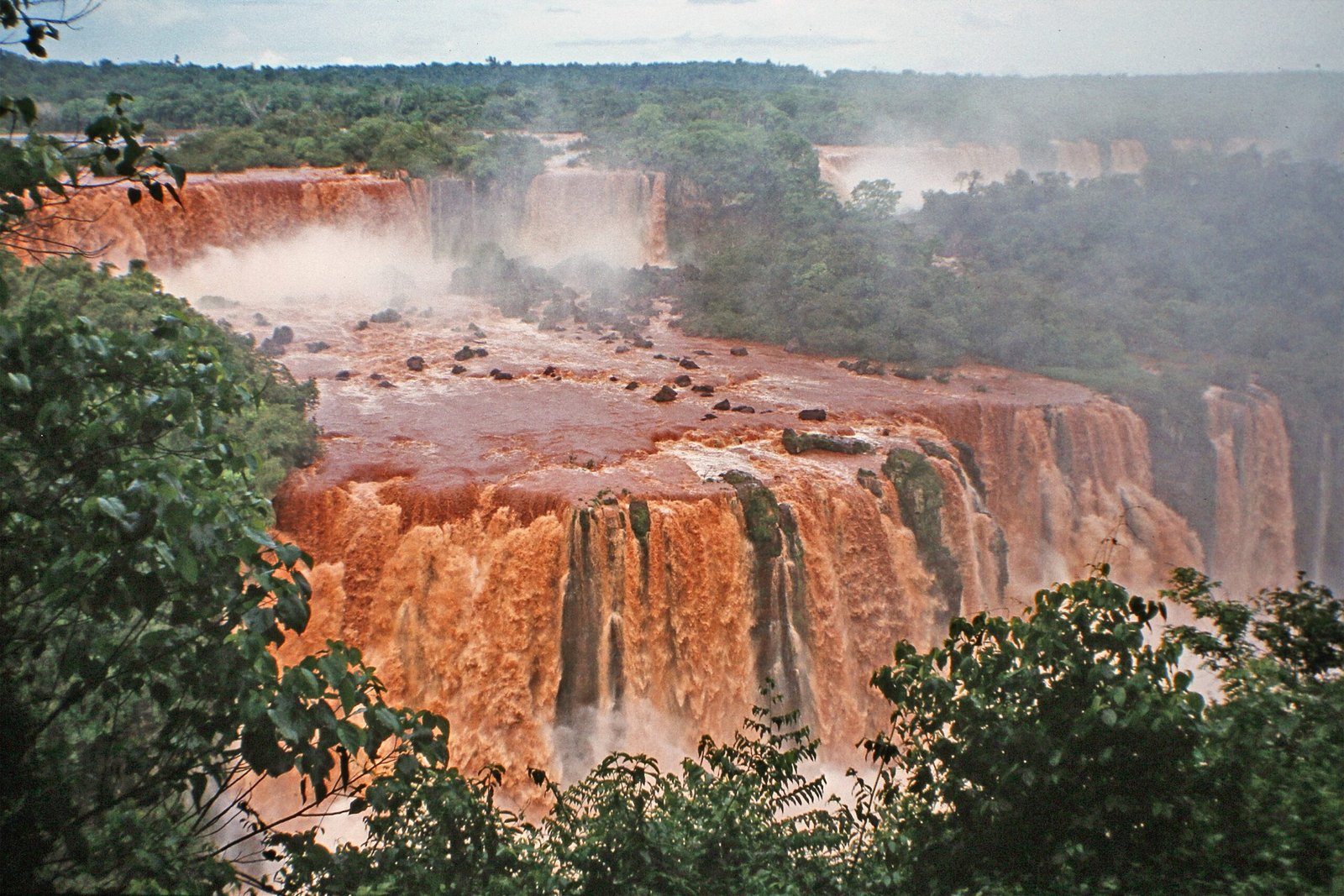
Straddling the border between Brazil and Argentina, Iguaçu National Park is home to one of the world’s most spectacular waterfalls. But beyond the thundering cascades, the park holds a geological story that stretches back hundreds of millions of years. The falls themselves were formed by a dramatic shift in the Earth’s crust, when volcanic activity and erosion combined to carve the majestic cliffs and river channels. The subtropical rainforest surrounding Iguaçu teems with life, much of it unchanged for millennia—giant anteaters, jaguars, and toucans all shelter in its ancient shadows. Walking along the misty trails, it’s easy to feel the raw power of nature and to imagine how this landscape was shaped by the slow but unstoppable march of geological time. The park’s biodiversity and geological wonders make it a living classroom, reminding us that Earth’s past is always present, flowing like water through our world.
What These Sites Teach Us About Earth’s Story
Visiting these World Heritage Sites is more than just a journey across continents—it’s a journey through time itself. Each place reveals a different chapter of Earth’s saga, from the fiery birth of continents to the slow dance of evolution. The Grand Canyon shows us the relentless force of erosion and the slow layering of ages; the Great Barrier Reef pulses with the story of life’s creativity and resilience. Ngorongoro unveils our own origins, while Jiuzhaigou and Iguaçu highlight the mysterious interplay between water, rock, and life. These sites teach us that our world is alive, ancient, and constantly evolving—a reminder to cherish and protect these windows into deep time for future generations.
The Emotional Impact of Walking Through Deep Time
Standing in these places, you can’t help but feel a sense of humility and awe. There’s something deeply moving about seeing evidence of ancient creatures, watching sunlight dance on rocks older than humanity, or hearing the thunder of waterfalls shaped by forces beyond imagination. It’s easy to forget, in our fast-paced lives, that the world has been changing, growing, and renewing itself long before we arrived. These sites stir a connection to something larger than ourselves—a sense of belonging to a story that started long ago and will continue long after we’re gone. This emotional resonance is what makes World Heritage Day truly special: it’s a chance to pause, reflect, and feel gratitude for the remarkable planet we call home.
Preserving the Echoes of the Past
Many of these sites face threats from climate change, tourism, and human development. The Great Barrier Reef is being challenged by warming seas, the Grand Canyon by drought and overuse, and Ngorongoro by expanding settlements. Preserving these wonders isn’t just about protecting beautiful places; it’s about safeguarding the archives of Earth’s memory. Scientists, governments, and local communities are working together to find solutions, but everyone can play a role—even simple choices like responsible travel and supporting conservation efforts make a difference. When we protect these sites, we protect our own story and the legacy we leave for those who come after us.
A Call to Wonder and Responsibility
World Heritage Day isn’t just a celebration—it’s an invitation. An invitation to marvel at the grandeur of our planet, to learn from its ancient lessons, and to take responsibility for its future. As we gaze into the depths of the Grand Canyon or dive among the corals of the Great Barrier Reef, we are reminded of how precious and fragile these places are. Each site is a living museum, a testament to the wonders Earth has to offer and the mysteries still waiting to be uncovered. By cherishing and protecting these sites, we honor not just the past, but the future as well.
What story will you help shape for the next generation?