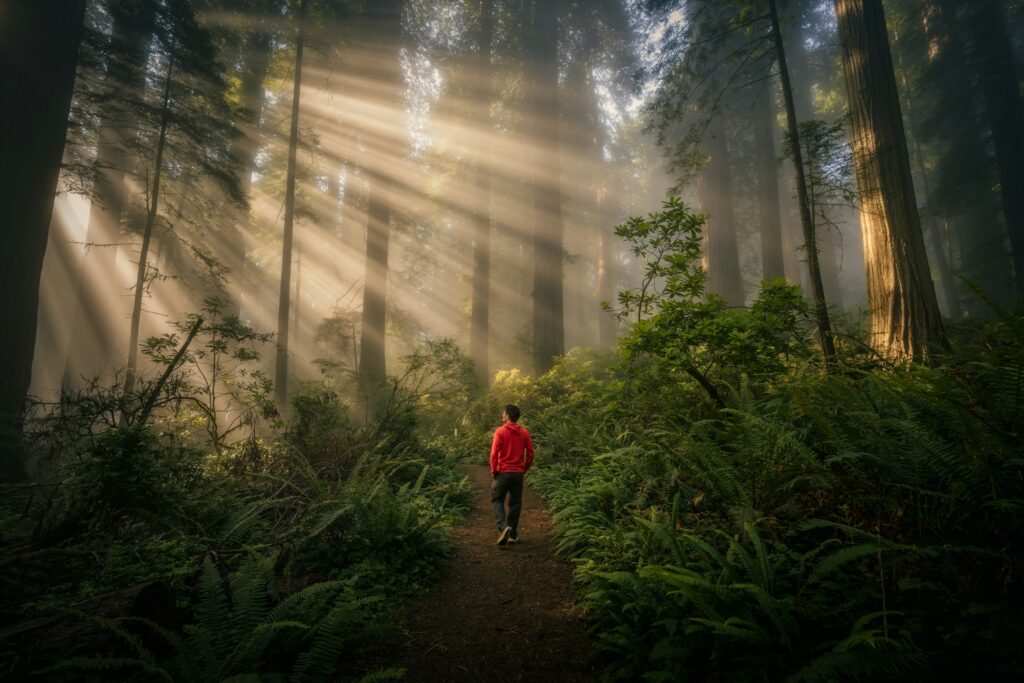
From billion-squirrel marches to Arctic hares running ultramarathons, animal migrations are vanishing but scientists say it’s not too late to act.
The Squirrel Armies of Yesteryear
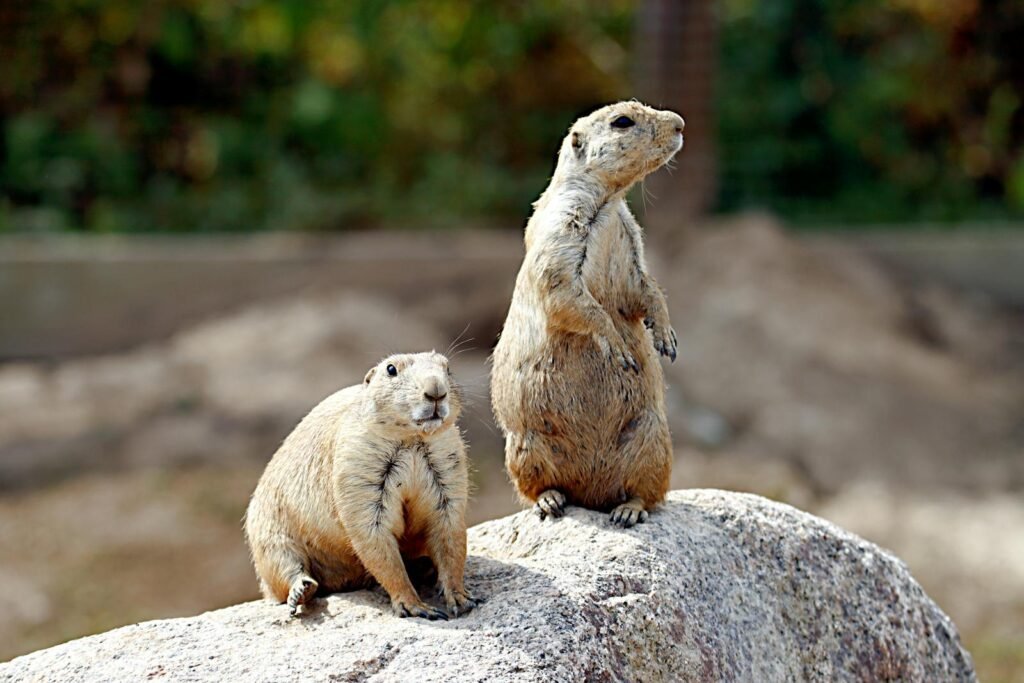
Picture this: New York, 1856. A tsunami of gray fur floods the landscape 500 million squirrels marching shoulder-to-shoulder across state lines, devouring every acorn in their path. Naturalists described these “emigrations” as rodent locust plagues, with columns stretching 150 miles long.
Why it stopped:
- Deforestation: 90% of Eastern US forests were cleared by 1900.
- Highways & subdivisions: Today’s squirrels hit a “habitat wall” after 0.5 miles.
- The last great march: Final sightings occurred in the 1960s.
“They’re like canaries in a coal mine,” says squirrel expert John Koprowski. “When even squirrels can’t move, ecosystems are broken.”
Climate Change vs. the Arctic Hare Ultramarathon
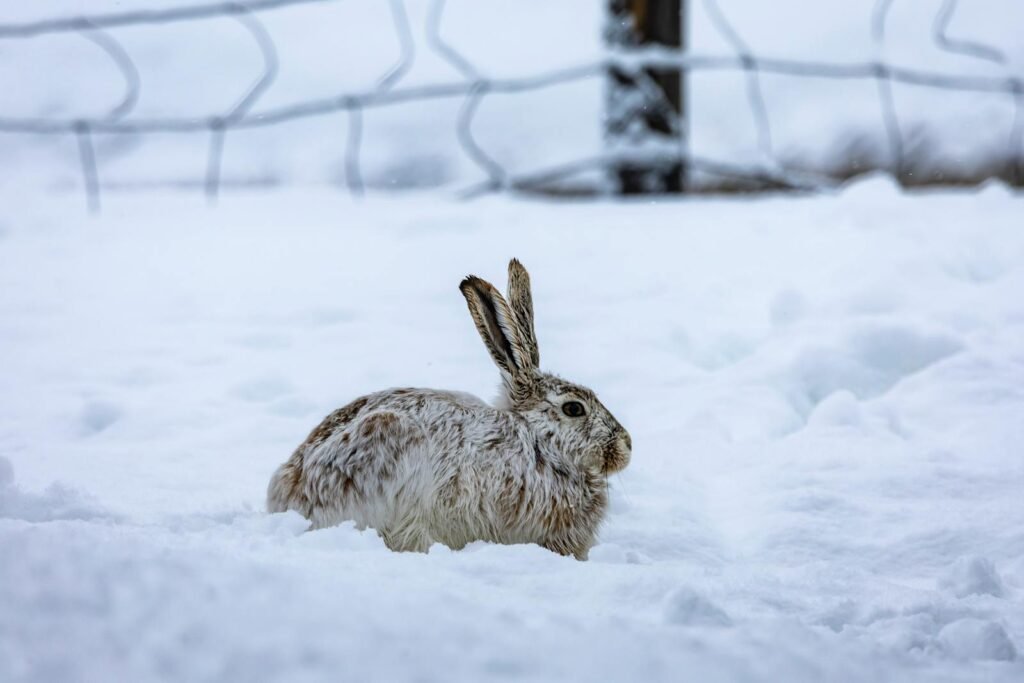
In 2019, scientists made a shocking discovery: Arctic hares, those fluffy balls of winter camouflage were secretly running 200-mile marathons across the tundra to escape -40°F winters.
The catch:
- Their routes rely on predictable snowmelt patterns now disrupted by warming.
- Stopover “pit stops” (critical rest areas) are vanishing under oil drills and roads.
- Satellite data shows migrations shortening by 12% per decade.
“They’re the Forrest Gumps of the animal kingdom,” says researcher Ludovic Landry-Ducharme. “But even they can’t outrun climate change.”
Newts on Walkabout: A 7-Year Teenage Rebellion
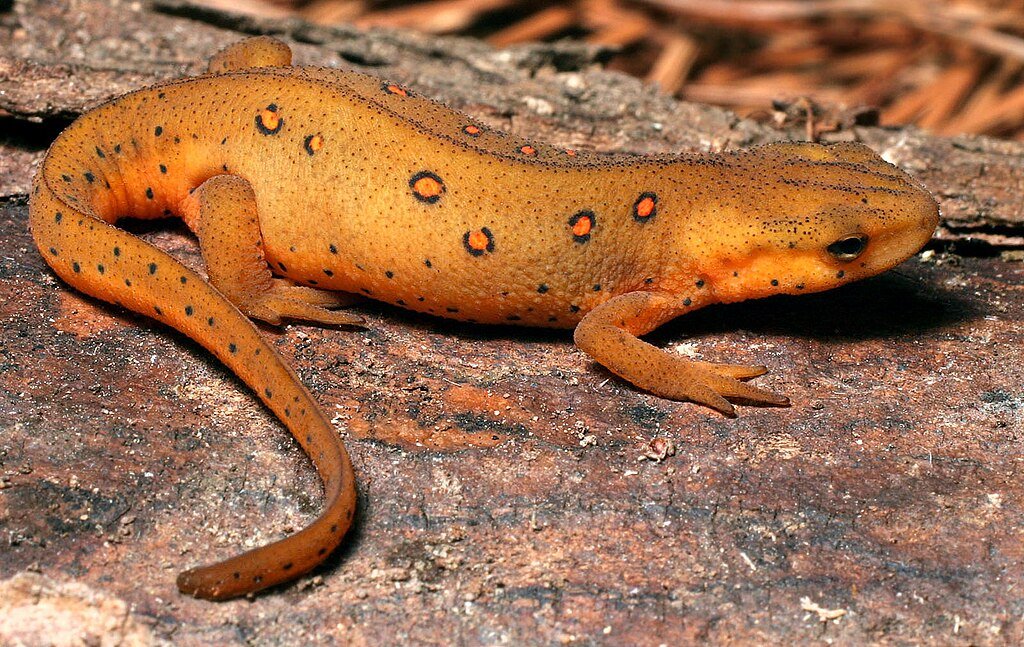
Meet the eastern newt, an amphibian with a wanderlust phase that puts human gap years to shame. After morphing from tadpoles, they spend 2–7 years hiking cross-country (at a blistering 0.1 mph) before settling down.
Modern threats:
- Roadkill: A single highway wipes out 70% of migrating newts in some areas.
- Drought: Drying forests force dangerous detours.
- “Island effect”: Isolated populations lead to genetic bottlenecks.
“They’re basically teen salamanders backpacking through Europe,” says herpetologist JJ Apodaca. “Except their hostels are collapsing.”
The UN’s Dire Warning: 44% of Migratory Species in Decline
A 2024 United Nations report dropped a bombshell: nearly half of migratory animals are dwindling due to:
- Habitat fragmentation (farms, cities, fences)
- Overhunting & pollution
- Climate chaos shifting food/water sources
Most at risk:
- Caribou: Herds shrunk 56% since 1980s.
- Monarch butterflies: Down 90% since 1990.
- Saiga antelope: 200,000 died in 2015 from a heat-linked bacteria.
“Migration isn’t a luxury, it’s life support,” says UN lead author Amy Fraenkel. “Cut the routes, and species collapse.”
Hope on the Horizon: Wildlife Crossings & Biden’s 30×30 Plan
From salamander tunnels to Wyoming’s pronghorn overpasses, engineers are stitching habitats back together:
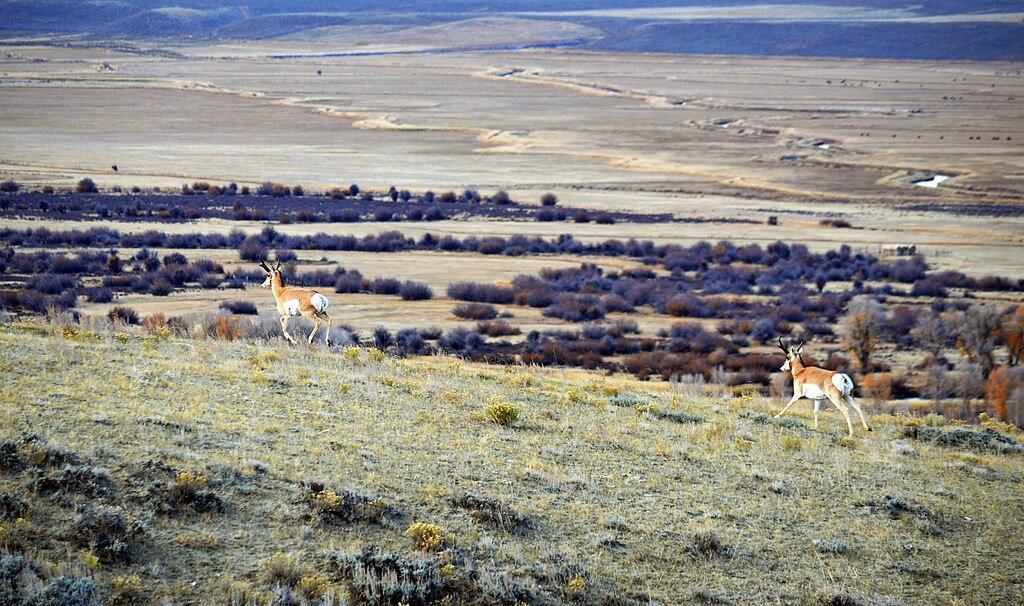
Success stories:
- Banff National Park: 24 wildlife bridges reduced roadkill by 80%.
- Massachusetts: Culverts saved 10,000 migrating amphibians annually.
- Biden’s 30×30 Initiative: Aims to protect migration corridors on 30% of US land by 2030.
“It’s like building sidewalks for animals,” says conservationist Matt Kauffman. “Simple fixes with massive payoffs.”
Could the Squirrel Armies Return?
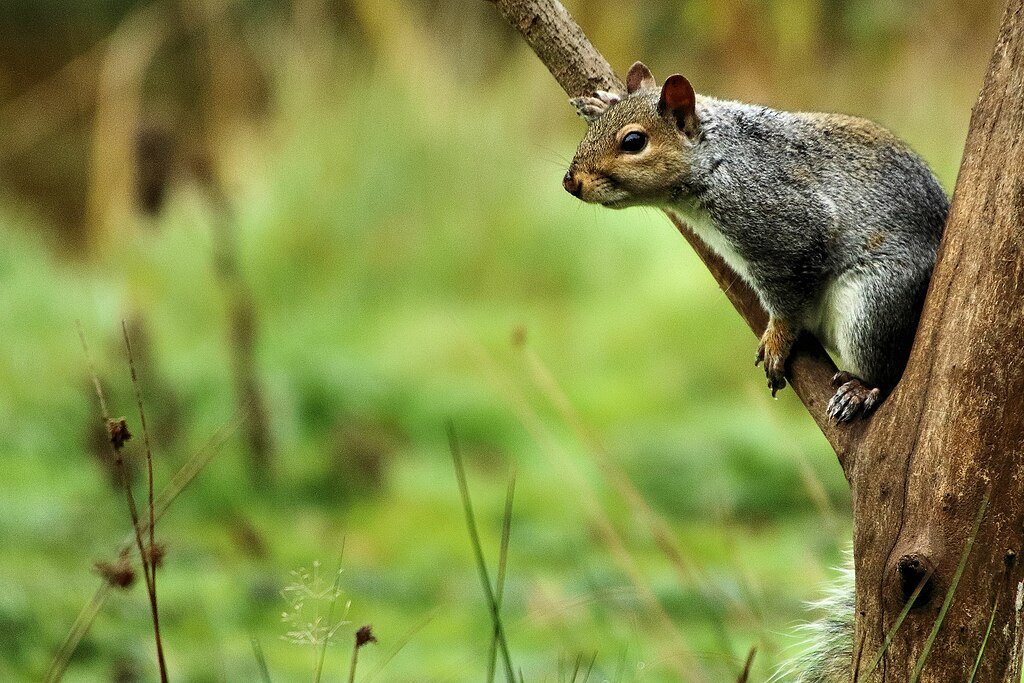
While billion-strong rodent migrations are likely gone forever, scientists insist other species can rebound if we:
✅ Link protected areas with green corridors.
✅ Slow climate change to stabilize seasonal cues.
✅ Fund crossings at roadkill hotspots.
“Migrations are Earth’s oldest drama,” says Koprowski. “The curtain hasn’t fallen yet but we’re writing the final act now.”
Sources:
Vox: The Fragmentation of Migration |
UN Migratory Species Report 2024
Suhail Ahmed is a passionate digital professional and nature enthusiast with over 8 years of experience in content strategy, SEO, web development, and digital operations. Alongside his freelance journey, Suhail actively contributes to nature and wildlife platforms like Discover Wildlife, where he channels his curiosity for the planet into engaging, educational storytelling.
With a strong background in managing digital ecosystems — from ecommerce stores and WordPress websites to social media and automation — Suhail merges technical precision with creative insight. His content reflects a rare balance: SEO-friendly yet deeply human, data-informed yet emotionally resonant.
Driven by a love for discovery and storytelling, Suhail believes in using digital platforms to amplify causes that matter — especially those protecting Earth’s biodiversity and inspiring sustainable living. Whether he’s managing online projects or crafting wildlife content, his goal remains the same: to inform, inspire, and leave a positive digital footprint.