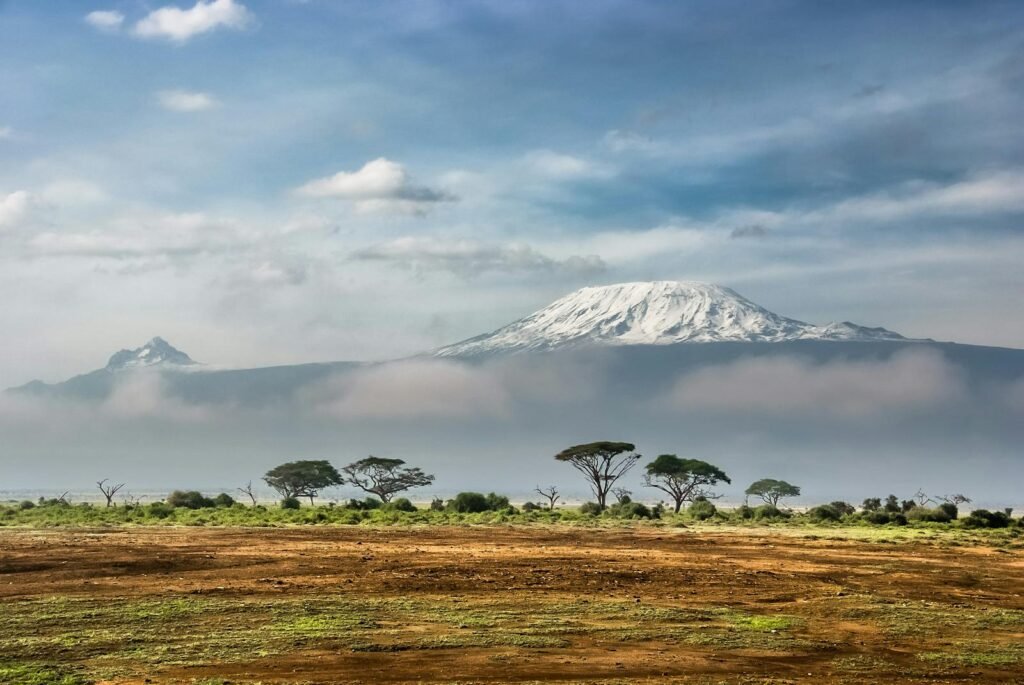

Mount Kilimanjaro, the majestic crown of Africa, has long been a symbol of natural wonder. However, a shocking transformation is taking place at its summit. The once vast glaciers, which have crowned Kilimanjaro for centuries, are rapidly disappearing. This isn’t just a geographic curiosity; it’s a stark reminder of the profound changes our planet is undergoing. But why is this happening? What forces are at play that are causing this alarming melt? Let’s delve into this captivating mystery.
The Majestic Ice Cap of Kilimanjaro
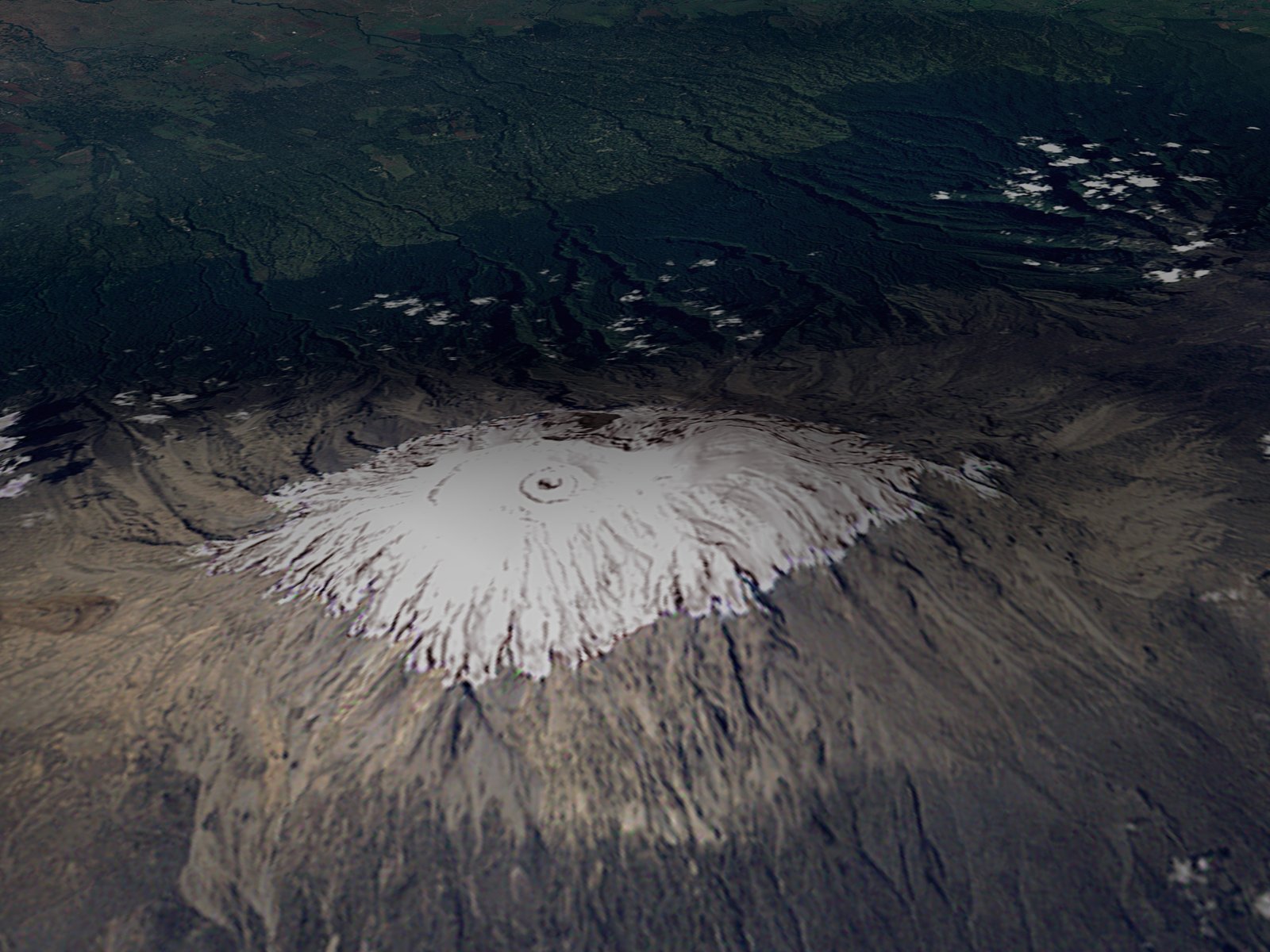
Mount Kilimanjaro, standing tall at 5,895 meters, isn’t just the highest peak in Africa; it’s a natural marvel. Its ice cap has been a subject of fascination for explorers and scientists alike. Historically, the glaciers have blanketed the summit, creating a striking image against the African sky. These glaciers are not just ice; they are a record of the Earth’s climatic history, preserving information about past atmospheric conditions. Like pages in an ancient book, they tell tales of climate patterns and environmental changes over millennia.
A Century of Change
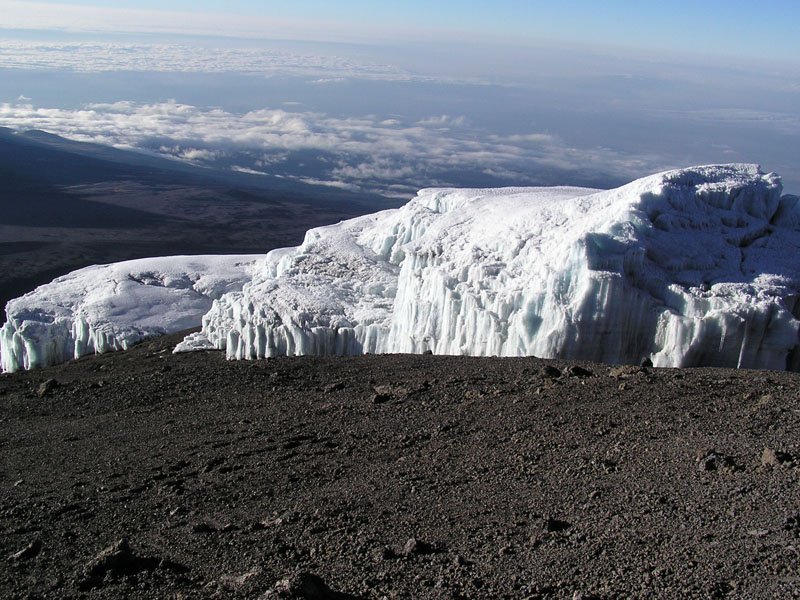
In the early 20th century, Kilimanjaro’s glaciers covered a significant portion of the summit. However, over the past century, this icy expanse has shrunk dramatically. By some estimates, more than 80% of the ice cap has vanished since 1912. This rapid change is not just a statistical anomaly; it’s a visual testament to the shifting climate. The speed of this melting is unprecedented and raises concerns about the future of Kilimanjaro’s glaciers. The mountain, once a beacon of icy permanence, is now a symbol of fragility.
Global Warming: The Culprit
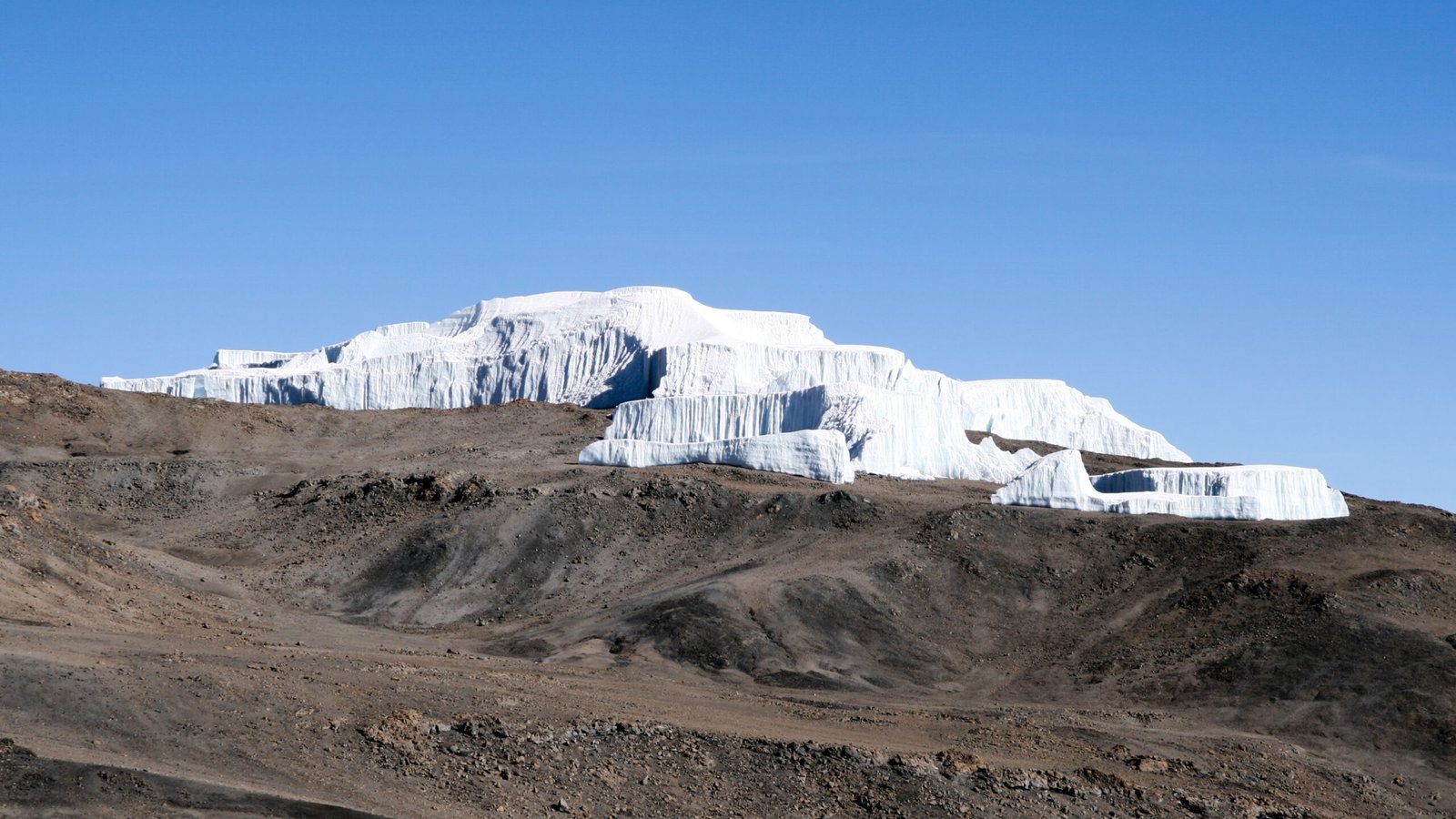
The primary driver behind the melting of Kilimanjaro’s glaciers is global warming. Rising temperatures have disrupted the delicate balance that maintained these ice formations. As the planet warms, the snowfalls that once replenished the glaciers have diminished, leading to their gradual decline. This isn’t just a local phenomenon; it’s part of a larger pattern seen in glaciers worldwide. The warming climate is altering ecosystems, affecting weather patterns, and reshaping landscapes across the globe.
Deforestation and Its Impact
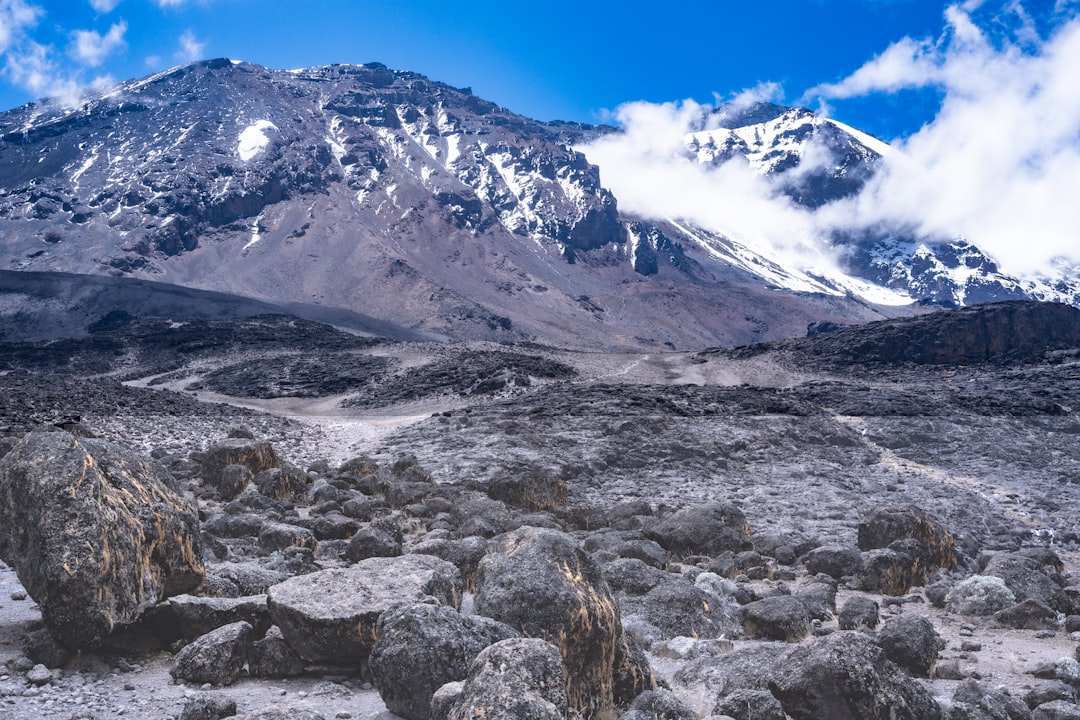
While global warming is a major factor, deforestation around Kilimanjaro also plays a crucial role. The forests surrounding the mountain act as a natural barrier, influencing local weather patterns and precipitation. Deforestation disrupts these patterns, reducing the moisture that reaches the summit. Without the protective embrace of the forest, the glaciers are left vulnerable. This local environmental change compounds the effects of global warming, accelerating the melting process.
The Role of Precipitation
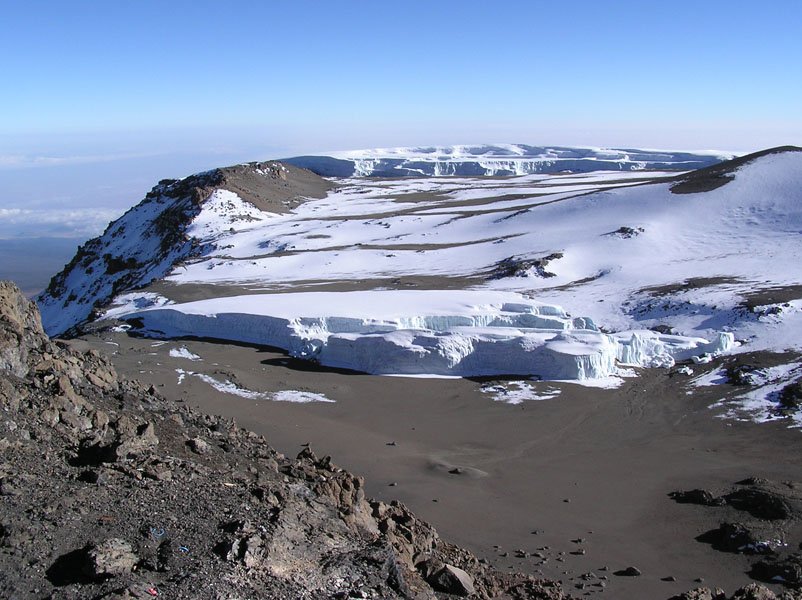
Precipitation is vital for the survival of Kilimanjaro’s glaciers. However, changes in weather patterns have led to decreased snowfall, which is essential for replenishing the ice. The mountain’s unique position near the equator means that even small changes in precipitation can have significant impacts. As snowfall dwindles, the glaciers receive less of the fresh snow needed to sustain them, leading to further retreat. This delicate balance between precipitation and melting is being disrupted, with dire consequences for the glaciers.
Scientific Investigations and Findings
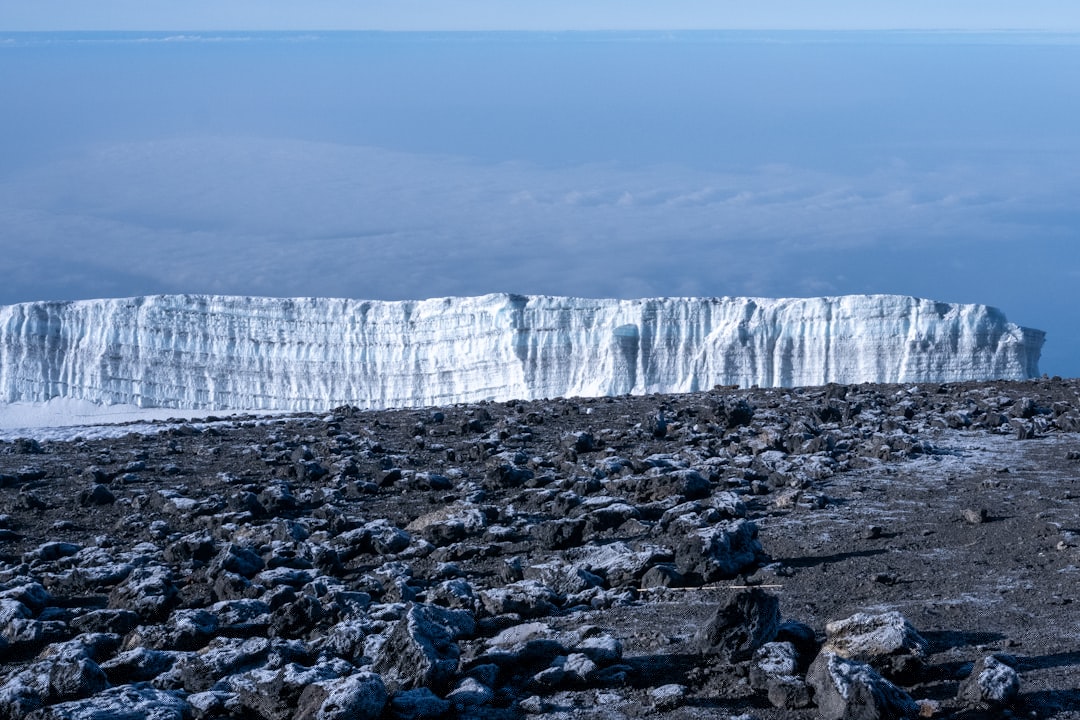
Scientists have been closely monitoring Kilimanjaro’s glaciers, employing advanced techniques to understand the changes occurring. Satellite imagery, climate models, and on-site measurements provide insights into the dynamics of the ice melt. These studies reveal a complex interplay of factors, with temperature increases and reduced precipitation being the primary drivers. The data collected is crucial for predicting future changes and formulating strategies to mitigate the impacts of glacier loss.
Implications for Local Communities
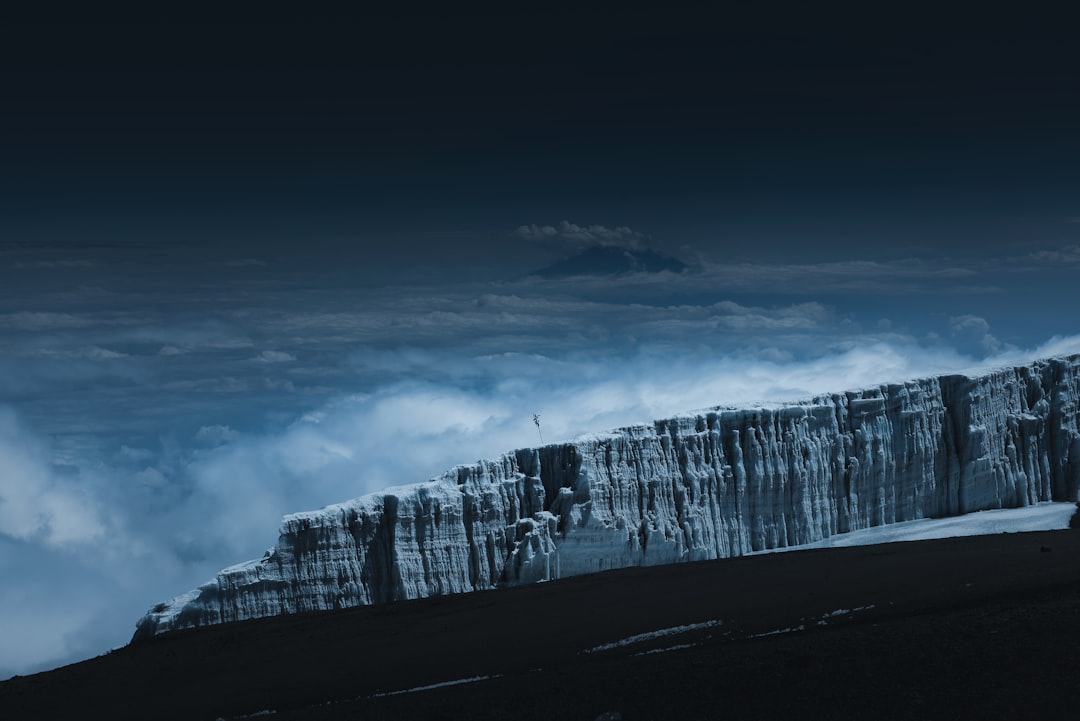
The melting glaciers have significant implications for the communities living around Kilimanjaro. These ice caps are a vital water source, feeding rivers and sustaining agriculture. As the glaciers shrink, water availability becomes more uncertain, threatening livelihoods and food security. The local economy, heavily reliant on agriculture and tourism, faces challenges as the natural landscape transforms. The loss of glaciers is not just an environmental issue; it’s a socio-economic one that affects thousands of lives.
Tourism and the Changing Landscape
Tourism is a major industry in the Kilimanjaro region, with thousands of visitors drawn to the mountain each year. The disappearing glaciers alter the iconic landscape, potentially affecting tourism appeal. While the mountain remains a popular destination, the loss of its icy crown could diminish its allure. Tour operators and local businesses must adapt to these changes, finding new ways to attract visitors while preserving the natural beauty of the area.
Conservation Efforts and Challenges
Efforts to conserve Kilimanjaro’s glaciers face numerous challenges. Addressing global warming requires international cooperation, while local initiatives aim to combat deforestation and promote sustainable land use. Conservationists work tirelessly to raise awareness and implement strategies that protect the mountain’s natural resources. However, the scale of the problem demands comprehensive solutions that address both local and global factors. The path forward involves balancing environmental preservation with the needs of local communities.
The Future of Kilimanjaro’s Glaciers
The future of Kilimanjaro’s glaciers hangs in the balance. Without significant changes in global climate policies and local environmental practices, these ice formations may vanish within decades. This potential loss serves as a poignant reminder of the broader impacts of climate change. The story of Kilimanjaro’s glaciers is a call to action, urging us to reconsider our relationship with the planet. As we ponder the fate of these lost glaciers, we must ask ourselves: What can we do to preserve the natural wonders of our world for future generations?