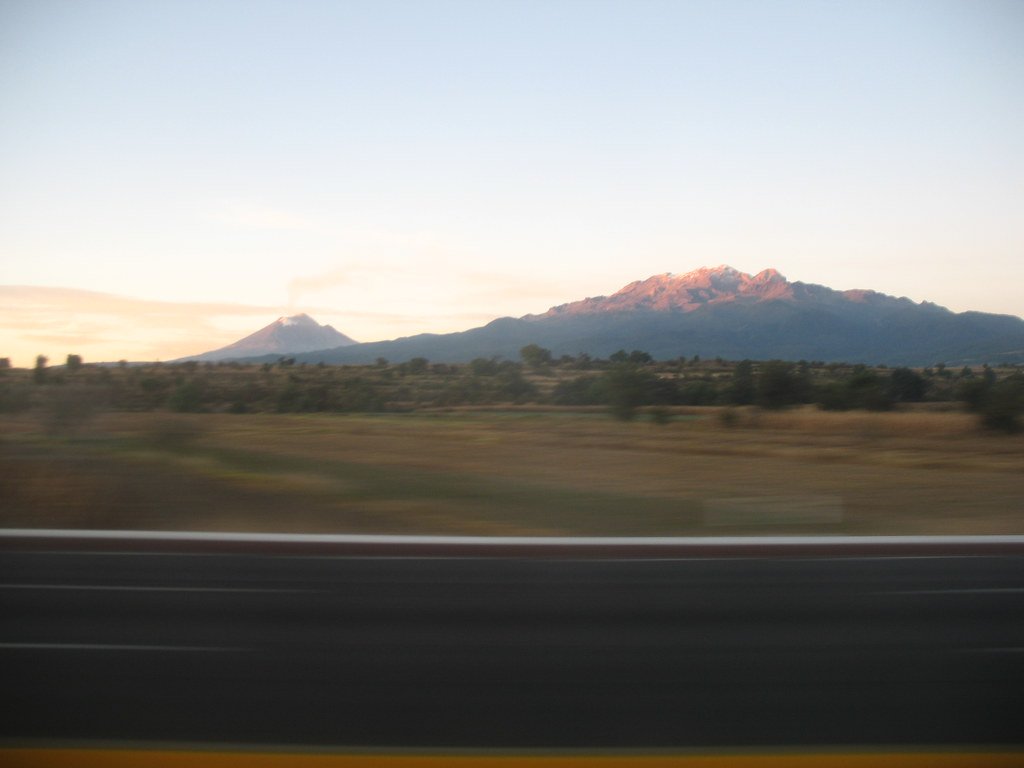
Have you ever stood at the edge of a giant, feeling the ground beneath you tremble as if it were alive? In Mexico, the mighty Popocatépetl is one such giant that continues to captivate and terrify with its fiery displays. This active volcano, often referred to as “El Popo” by locals, is a testament to Earth’s dynamic nature. With its towering presence and unpredictable eruptions, it serves as a constant reminder of the powerful forces shaping our planet. But what makes Popocatépetl and its fellow active giants so fascinating? Let’s delve into the science and stories behind these volcanic marvels.
The Mighty Popocatépetl: A Beacon of Power
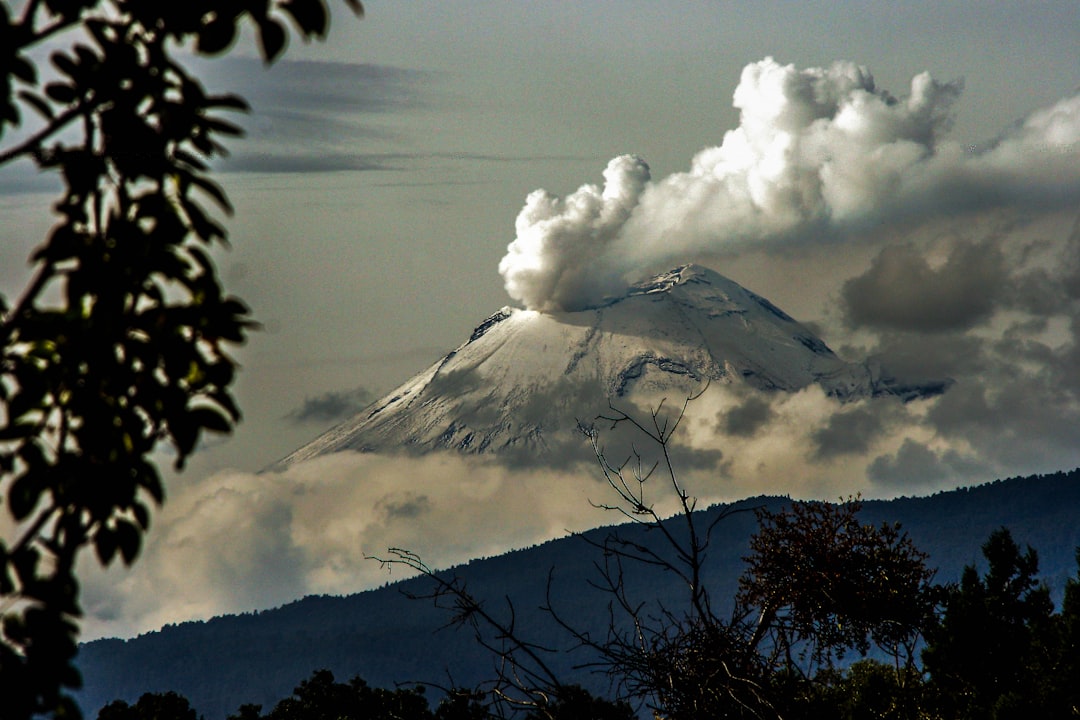
Popocatépetl is not just a mountain; it’s a living, breathing entity that commands respect. Standing at over 5,400 meters, it is the second-highest peak in Mexico, offering a breathtaking view of the surrounding landscape. Its name, derived from the Nahuatl language, means “Smoking Mountain,” a fitting description given its frequent emissions of ash and steam. The volcano’s eruptions are both awe-inspiring and dangerous, forcing nearby communities to remain vigilant. Despite its volatile nature, Popocatépetl has become a symbol of resilience and strength, embodying the spirit of the land it rises from.
A Volcano’s Anatomy: Understanding the Basics
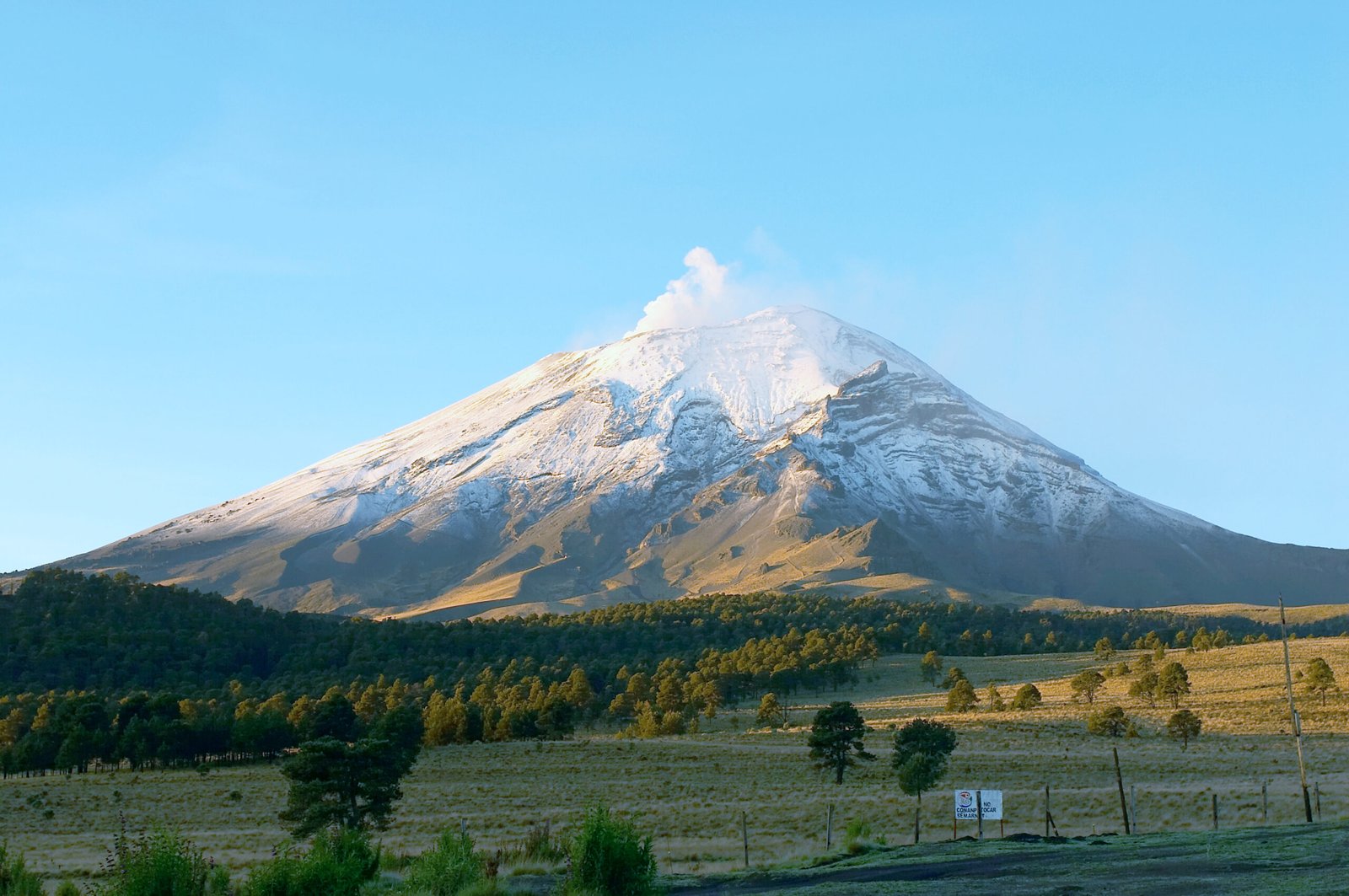
To truly appreciate the power of Popocatépetl, it’s essential to understand what makes a volcano tick. At its core, a volcano is a rupture in the Earth’s crust that allows molten rock, gases, and ash to escape from below the surface. This process is driven by the intense heat and pressure found deep within the Earth’s mantle. When the pressure becomes too great, an eruption occurs, releasing a mix of lava, ash, and volcanic gases. The shape and size of a volcano are determined by the type of magma it produces and the frequency of its eruptions. Popocatépetl, with its stratovolcano structure, is known for its explosive eruptions, characterized by towering ash plumes and pyroclastic flows.
The Science of Eruptions: Predicting the Unpredictable
Predicting volcanic eruptions is a complex and challenging task, akin to forecasting the weather. Scientists rely on a variety of tools and techniques to monitor volcanic activity, including seismographs, gas analyzers, and satellite imagery. Seismographs detect the subtle tremors that often precede an eruption, while gas analyzers measure the levels of sulfur dioxide and other volcanic gases released into the atmosphere. Satellite imagery provides a bird’s-eye view of the volcano, allowing scientists to track changes in its shape and size. Despite these advanced tools, predicting the exact timing and magnitude of an eruption remains elusive, reminding us of nature’s inherent unpredictability.
Living in the Shadow: Communities and Adaptation

For those living near Popocatépetl, the volcano is both a source of awe and anxiety. Communities in the surrounding areas have learned to adapt to the ever-present threat of eruptions, developing strategies to minimize risk and ensure safety. Evacuation plans are in place, and residents are educated on how to respond in the event of an eruption. The government and local authorities work closely with scientists to monitor the volcano and provide timely warnings. This collaborative effort has helped to reduce the impact of eruptions on human life, demonstrating the resilience and resourcefulness of those who call the region home.
Volcanic Landscapes: Beauty in Destruction
While eruptions can be destructive, they also play a vital role in shaping the landscape. The lava flows and ash deposits left behind create fertile soil, supporting diverse ecosystems and agriculture. The rugged terrain and unique geological features formed by volcanic activity attract tourists and adventurers from around the world, eager to explore the dramatic landscapes. In this way, Popocatépetl and its fellow volcanoes contribute to the natural beauty and biodiversity of the region, offering a stark contrast to their fearsome eruptions.
Environmental Impact: The Dual Nature of Volcanoes
Volcanoes like Popocatépetl have a dual impact on the environment, both destructive and beneficial. On one hand, eruptions can devastate ecosystems, destroying habitats and altering landscapes. The release of volcanic gases, particularly sulfur dioxide, can contribute to air pollution and climate change. On the other hand, volcanic activity is a natural part of Earth’s processes, playing a crucial role in recycling nutrients and shaping the planet’s surface. The ash and minerals released during eruptions enrich the soil, promoting plant growth and supporting agriculture. This delicate balance highlights the complex relationship between volcanoes and the environment.
Cultural Significance: Myths and Legends
Popocatépetl is steeped in cultural significance, with its presence woven into the myths and legends of the region. According to Aztec mythology, Popocatépetl was once a warrior who fell in love with a princess named Iztaccíhuatl. When she died of grief, the gods transformed them into mountains, with Popocatépetl standing watch over his beloved. This romantic tale has endured through the centuries, symbolizing eternal love and devotion. The volcano’s cultural importance extends beyond mythology, influencing art, literature, and music, and serving as a source of inspiration for generations.
Scientific Research: Unlocking Volcano Mysteries
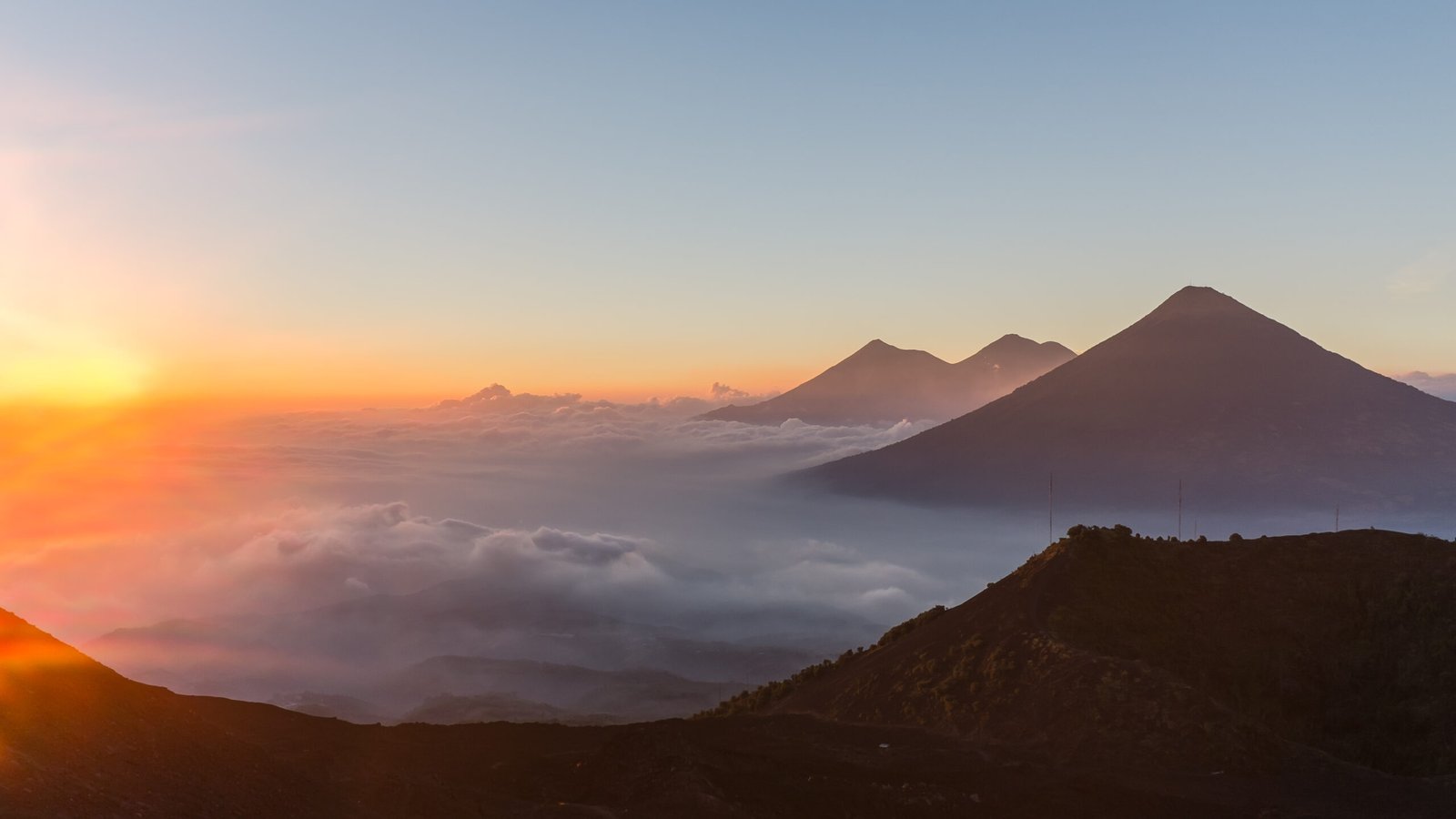
The study of volcanoes like Popocatépetl is a dynamic field of research, with scientists striving to unlock the mysteries of these geological giants. By analyzing volcanic rocks, gases, and seismic activity, researchers gain insights into the processes driving eruptions and the potential for future activity. This knowledge is crucial for improving eruption prediction and developing effective risk management strategies. The collaboration between scientists, governments, and local communities is essential for advancing our understanding of volcanoes and ensuring the safety of those living in their shadow.
Future Challenges: Preparing for the Unforeseen
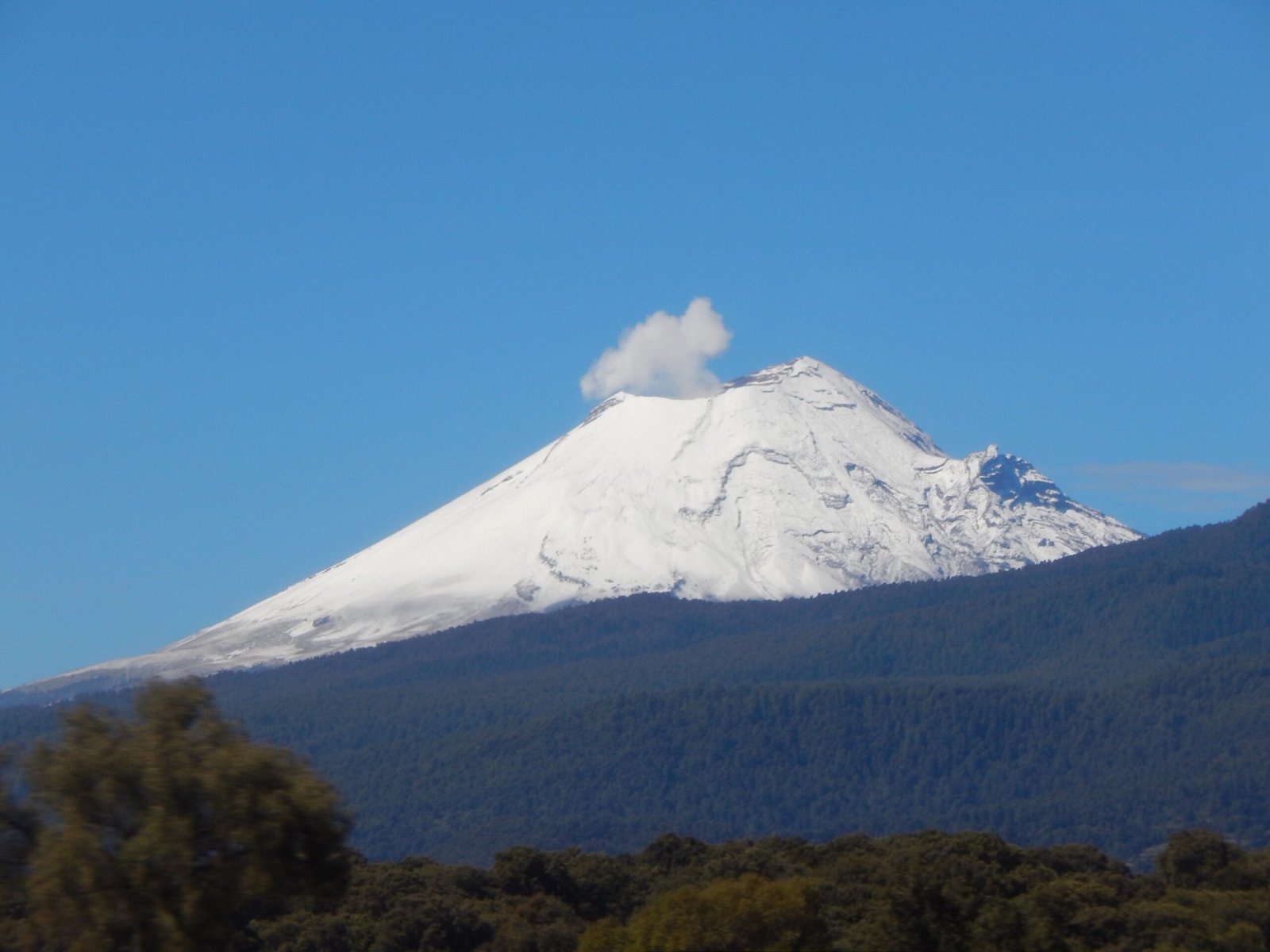
As our understanding of volcanoes continues to evolve, so too do the challenges we face in managing their impact. Climate change, population growth, and urbanization are all factors that can exacerbate the risks associated with volcanic activity. Developing innovative technologies and strategies to monitor and mitigate these risks is a priority for scientists and policymakers alike. By fostering collaboration and investing in research, we can better prepare for the unforeseen challenges posed by active volcanoes like Popocatépetl, ensuring a safer and more resilient future.
Popocatépetl and its fellow active volcanoes are powerful reminders of the Earth’s dynamic nature. Their eruptions, while awe-inspiring, pose significant challenges to the communities living in their vicinity. Through scientific research, cultural understanding, and proactive risk management, we can navigate these challenges and coexist with these fiery giants. The story of Popocatépetl is one of resilience, adaptation, and the enduring spirit of those who call its shadow home.