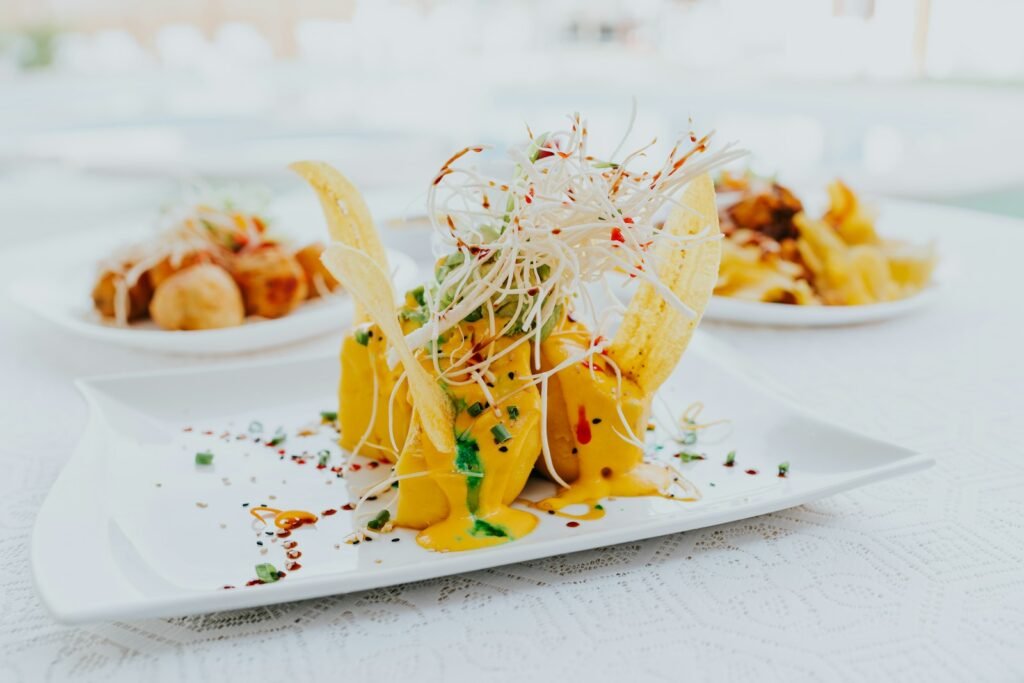
Imagine sitting at a dinner table, heart pounding with anticipation, knowing that the meal before you could be your last. This isn’t a scene from a thriller movie, but a reality for those who dare to indulge in the fugu fish, a delicacy that holds both allure and danger in its delicate flesh. Why would anyone risk their life for a meal? The answer lies in a complex blend of tradition, thrill, and the human desire to conquer the unknown.
The Allure of Fugu: A Culinary Adventure
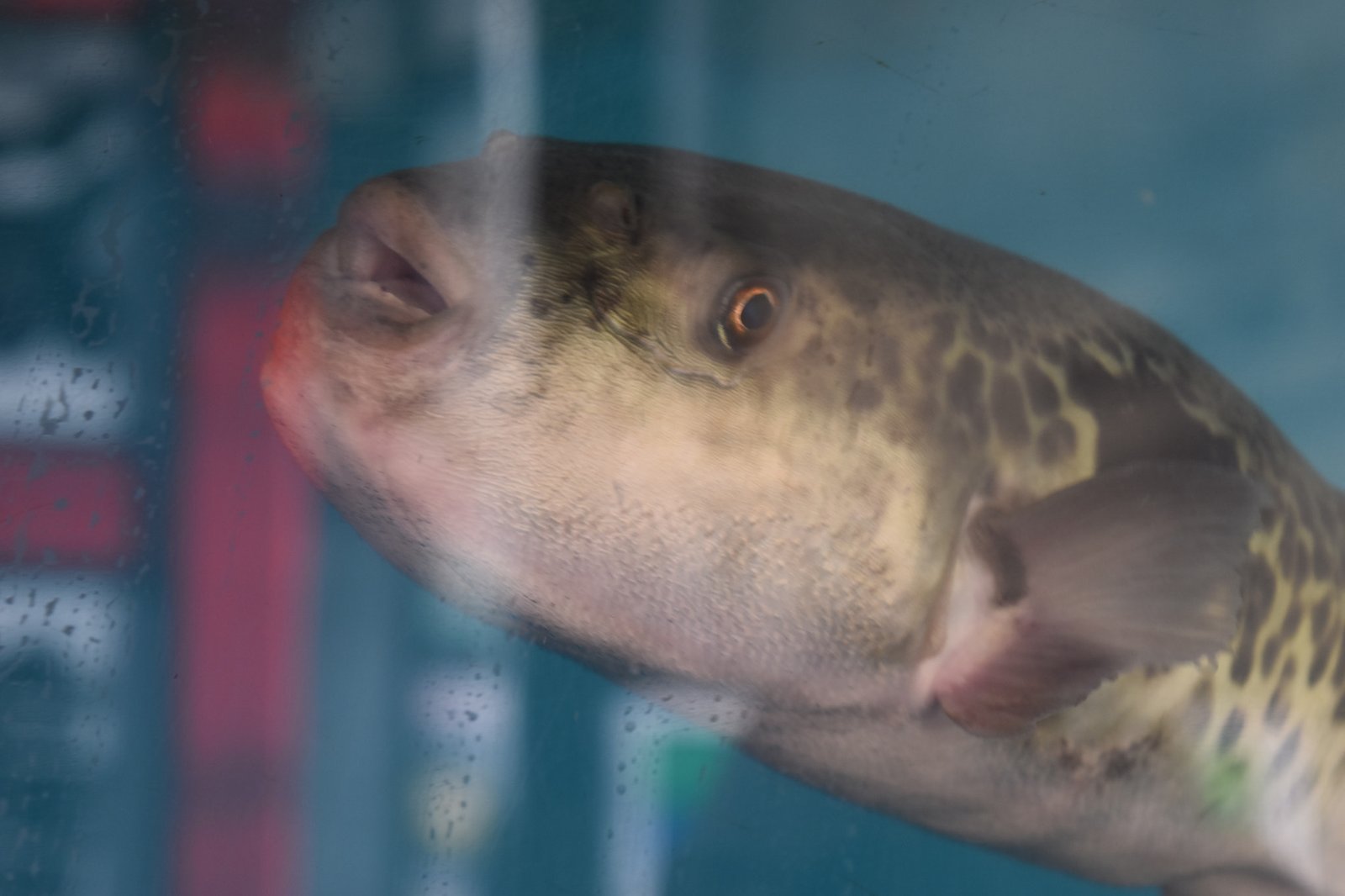
For many, the fugu fish represents the ultimate culinary adventure. Unlike any other dish, eating fugu is a dance with danger, a test of trust in the chef’s skill. The fish, known for its delicate flavor and unique texture, is a rare treat that only a few dare to try. The allure of fugu lies not just in its taste but in the thrill of consuming something that could be deadly if prepared incorrectly. It’s a meal that engages all the senses, leaving diners with an unforgettable experience.
The Science Behind the Poison
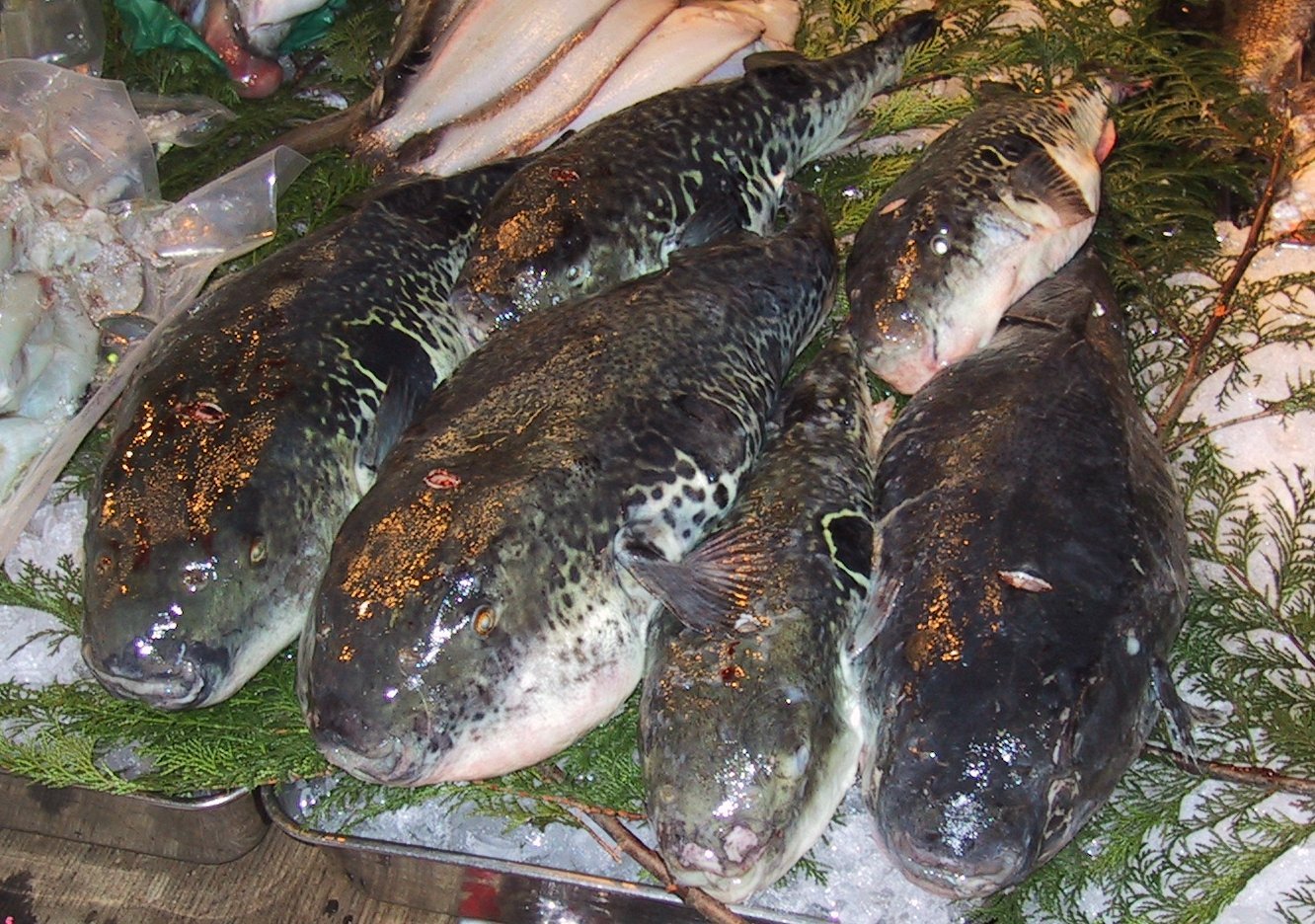
At the heart of fugu’s danger is tetrodotoxin, a potent poison found in the fish’s liver, ovaries, and skin. This neurotoxin is 1,200 times more lethal than cyanide, with no known antidote. It works by blocking sodium channels in the nervous system, leading to paralysis and, in severe cases, death. Despite its deadly nature, the presence of tetrodotoxin is precisely what makes fugu so intriguing. It’s a reminder of nature’s power, a testament to the delicate balance between life and death.
The Art of Preparation: A Chef’s Mastery

Preparing fugu is not for the faint-hearted; it requires years of rigorous training and a deep understanding of the fish’s anatomy. In Japan, chefs must undergo a strict licensing process to ensure they can safely serve fugu. The preparation is an art form, with chefs meticulously removing the toxic parts while preserving the fish’s flavor. This meticulous process is both a science and an art, reflecting the chef’s mastery and the cultural significance of fugu in Japanese cuisine.
Cultural Significance: Tradition and Ritual
Fugu is more than just a meal; it is a symbol of Japanese tradition and ritual. Consuming fugu is often seen as a rite of passage, a way to connect with a rich cultural heritage. It’s a dish that has been enjoyed for centuries, with its roots deeply embedded in Japanese history. The ritual of eating fugu is a celebration of life, a moment of reflection on the fragility and beauty of existence. For many, it’s an opportunity to engage with a tradition that transcends the ordinary.
The Thrill of the Risk: A Psychological Perspective
The decision to eat fugu is not just about taste; it’s about the thrill of risk-taking. Psychologically, humans are drawn to experiences that push boundaries and challenge norms. Eating fugu taps into this innate desire for adventure and excitement. It’s a conscious decision to embrace the unknown, to flirt with danger in a controlled environment. This thrill-seeking behavior is a fundamental aspect of human nature, driving people to seek out experiences that make them feel truly alive.
The Global Fascination with Fugu
While fugu is a Japanese delicacy, its reputation has spread worldwide, captivating food enthusiasts and thrill-seekers alike. The global fascination with fugu is fueled by its rarity and the stories of those who have dared to try it. Despite strict regulations, fugu has found its way to international markets, where it is often seen as a luxury item. This global interest highlights the universal appeal of fugu, a testament to its status as one of the world’s most intriguing dishes.
Regulations and Safety Measures
Given the risks associated with fugu, strict regulations are in place to ensure its safe consumption. In Japan, only licensed chefs are allowed to prepare and serve fugu, a measure that has significantly reduced the number of fugu-related incidents. These safety measures are essential in maintaining the delicate balance between enjoying fugu and ensuring public safety. The regulations highlight the importance of expertise and caution in handling this deadly delicacy, emphasizing the need for responsible consumption.
The Ethical Considerations of Eating Fugu

The decision to eat fugu also raises ethical questions about the consumption of potentially dangerous foods. Is it responsible to indulge in a dish that poses such a high risk? These ethical considerations are an integral part of the fugu experience, prompting diners to reflect on their choices and the implications of their actions. It’s a reminder of the responsibilities that come with culinary exploration, urging individuals to weigh the risks and rewards of their dining decisions.
The Future of Fugu: Innovation and Sustainability
As culinary techniques evolve, so too does the preparation of fugu. Innovations in food science have led to the development of farm-raised fugu, which contains lower levels of tetrodotoxin. This advancement offers a safer alternative for those seeking the thrill of fugu without the associated risks. The future of fugu lies in balancing tradition with innovation, ensuring that this delicacy can be enjoyed responsibly and sustainably for generations to come.
A Final Thought: The Enduring Mystery of Fugu
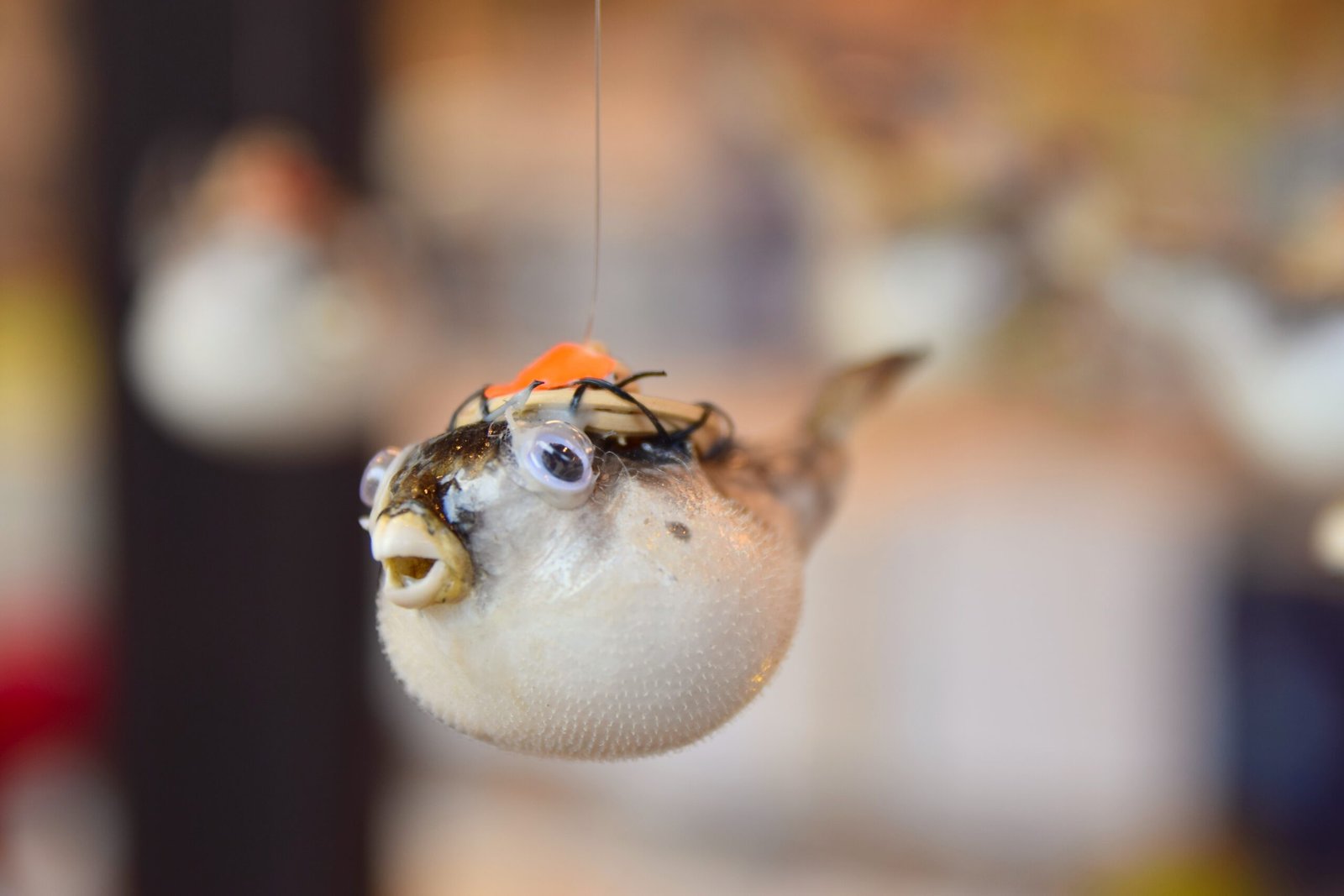
The fugu fish remains one of the culinary world’s greatest mysteries, a dish that captivates and confounds in equal measure. Its allure lies in its complexity, a delicate interplay between danger and delight. For those who dare to try it, fugu offers an experience like no other, a moment of introspection and adventure. As you ponder the mystery of fugu, ask yourself: Would you take the plunge into this deadly delicacy?