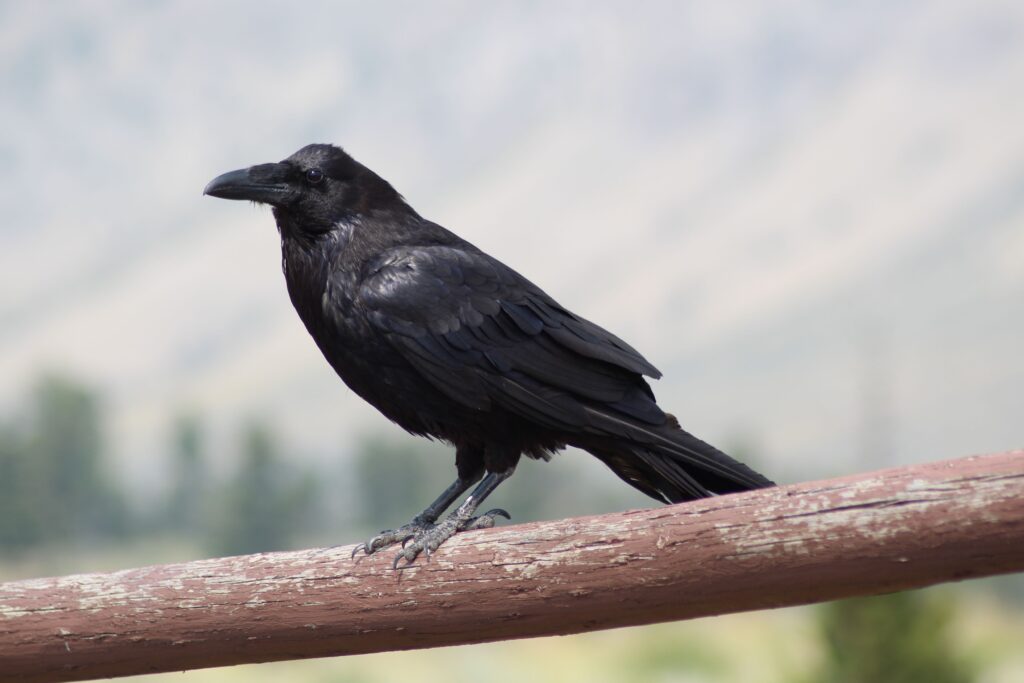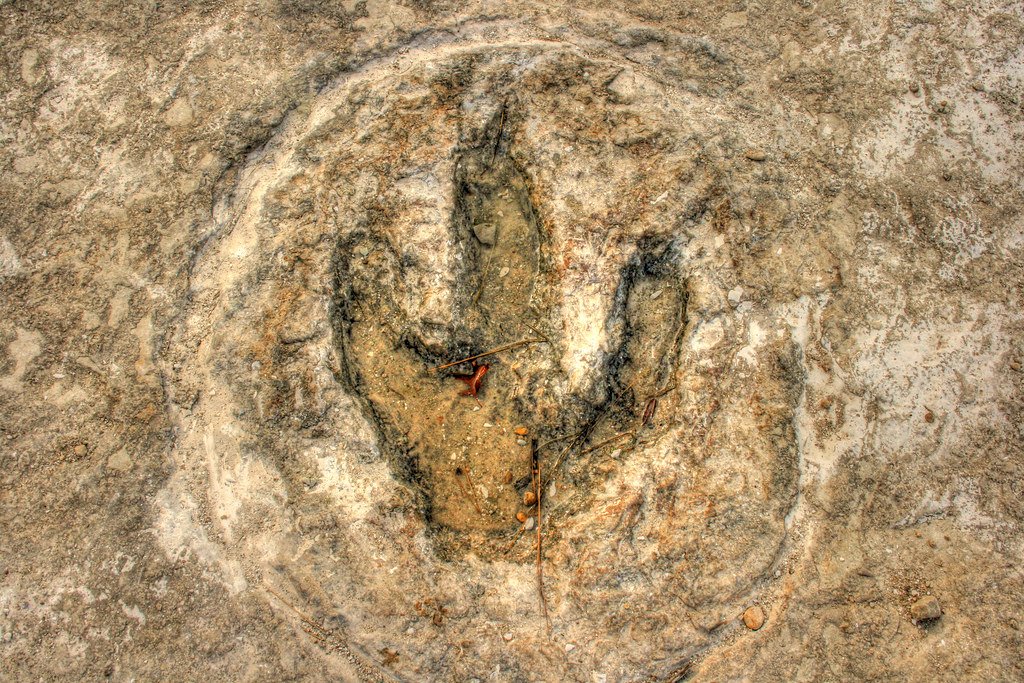

On a sun-kissed morning in the heart of Queensland, Australia, the Lark Quarry Conservation Park stands as a silent witness to a remarkable moment from the distant past. This site, seemingly unremarkable at first glance, is home to one of the most extraordinary paleontological finds—a fossilized dinosaur stampede. This event captures the imagination, transporting us back to when these magnificent creatures roamed the earth. The footprints, frozen in stone, tell a story of a prehistoric chase, offering a window into a world that existed millions of years ago.
The Discovery of Lark Quarry
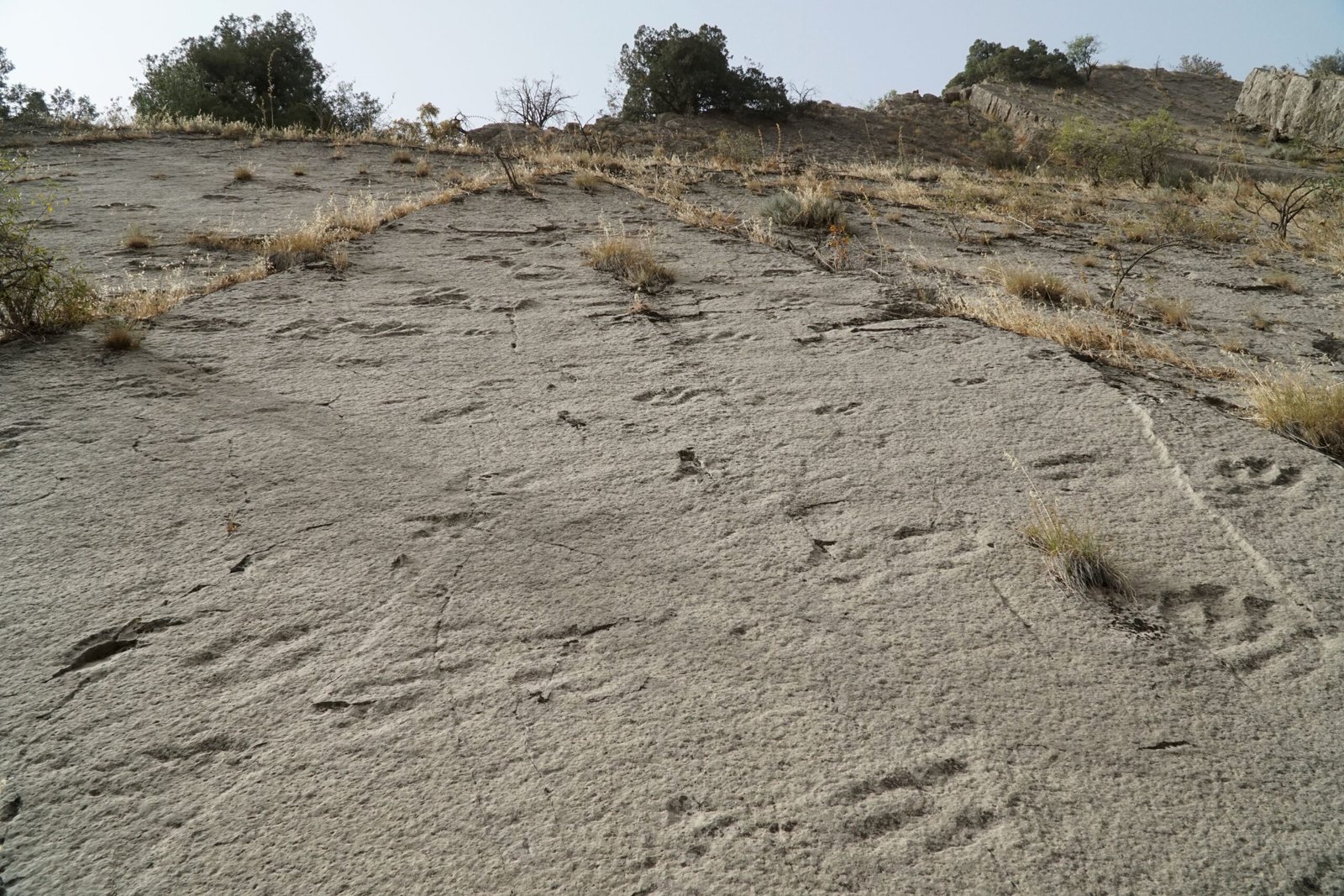
The story of Lark Quarry began in the early 1970s when a team of paleontologists stumbled upon a vast stretch of sandstone imprinted with dinosaur tracks. Initially, the site appeared as an ordinary rock bed, but upon closer inspection, it revealed a breathtaking tapestry of footprints. These impressions, numbering in the thousands, were left behind by various dinosaurs, with each track telling its own story. The discovery sparked a wave of excitement among scientists and laymen alike, as it was the first evidence of a dinosaur stampede ever found. This remarkable find offered an unprecedented glimpse into the dynamics of dinosaur behavior.
Interpreting the Tracks
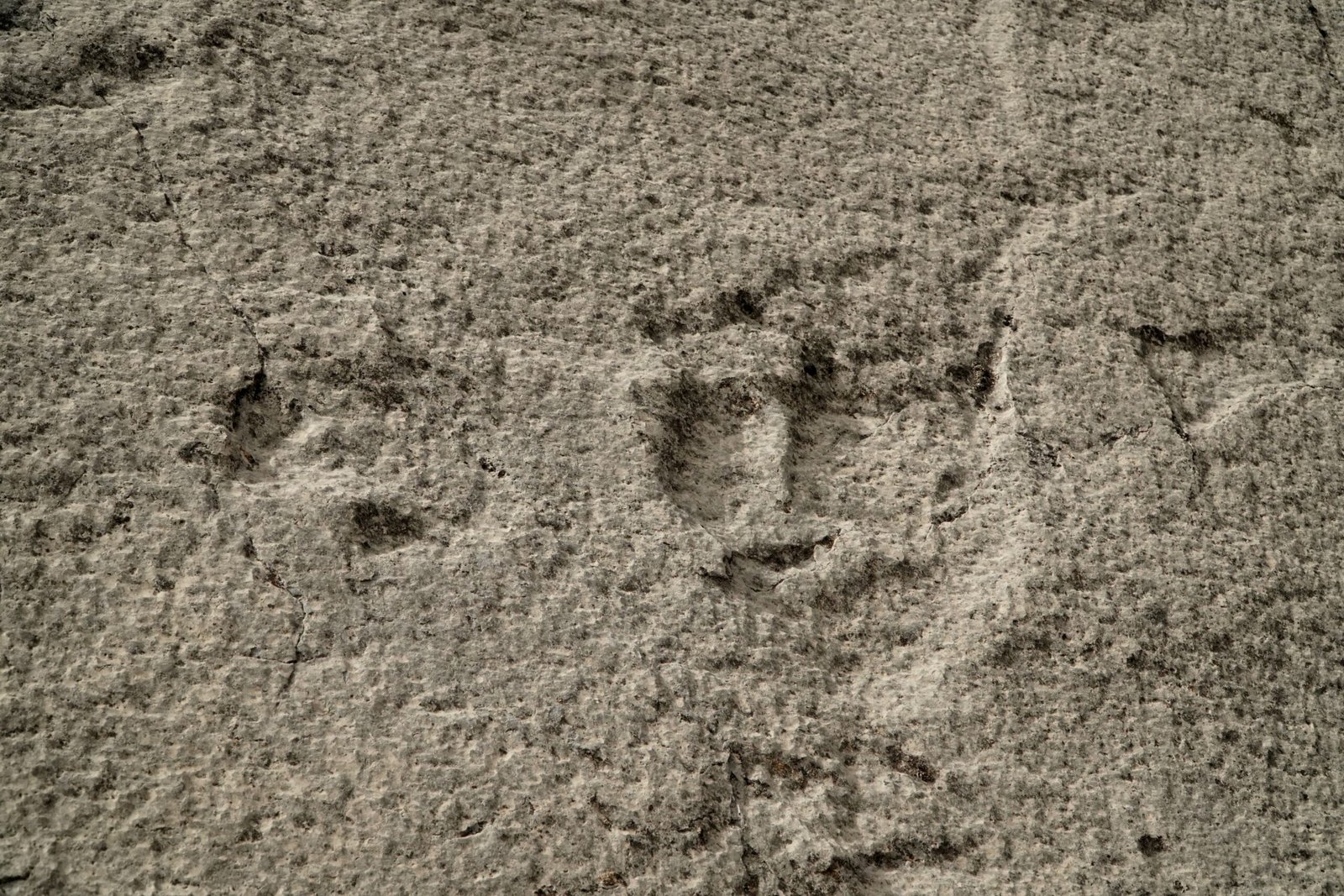
Interpreting the tracks at Lark Quarry required a keen eye and a deep understanding of dinosaur anatomy. The site contained over 3,300 individual footprints, ranging in size from just a few centimeters to over a meter in length. These tracks were left by at least three different types of dinosaurs, including small bipedal theropods and larger ornithopods. The orientation and spacing of the tracks suggested a rapid, chaotic movement, leading paleontologists to hypothesize that the dinosaurs were fleeing from a predator. This interpretation painted a vivid picture of a high-stakes chase, frozen in time.
The Predator in Pursuit
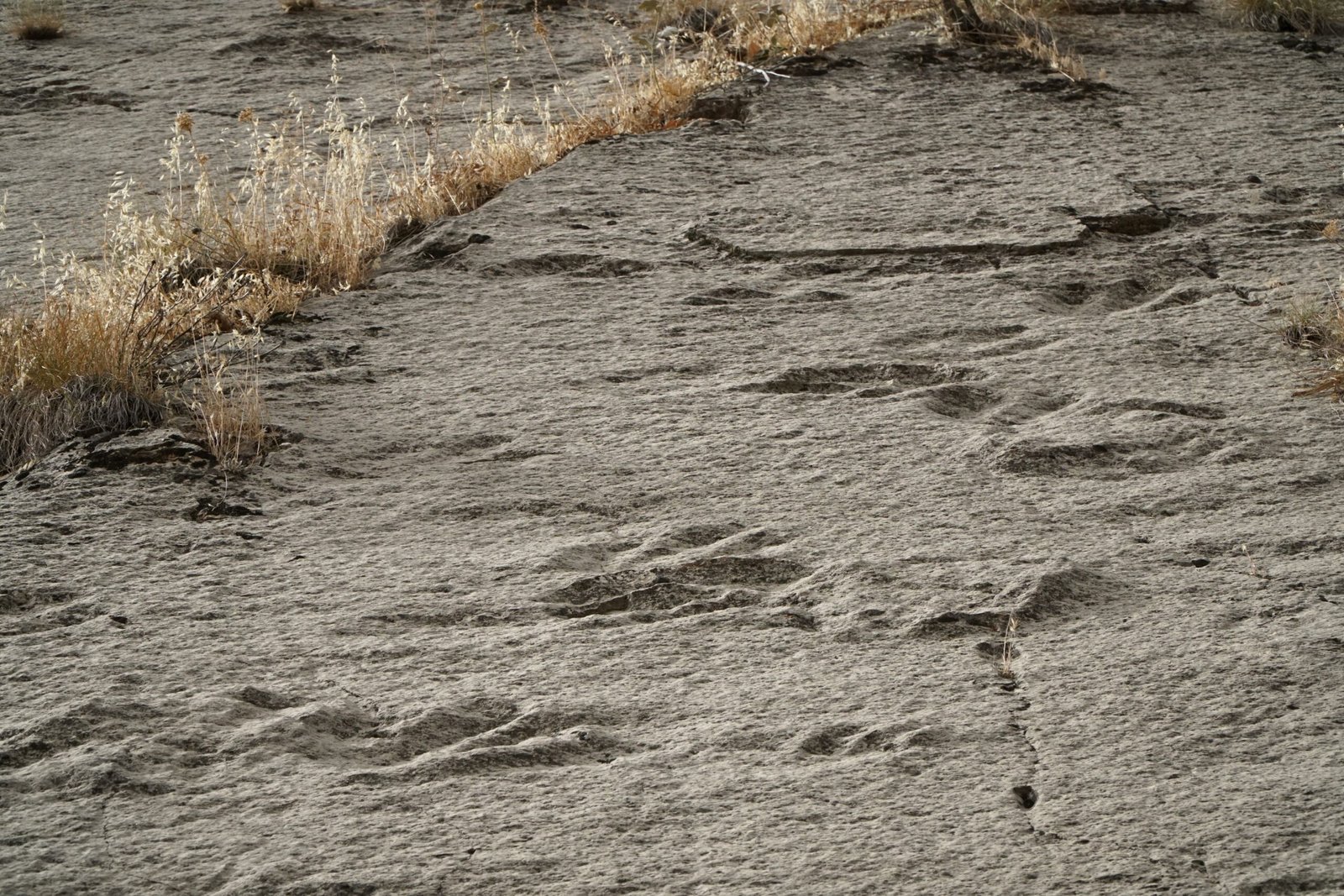
The identity of the predator that triggered the stampede remains a topic of debate among scientists. Some researchers speculate that the theropod footprints belonged to a large carnivorous dinosaur, possibly akin to a small Tyrannosaurus. This hypothesis is bolstered by the presence of larger, three-toed tracks that intersect the smaller ones, suggesting a predator in pursuit. The notion of a fearsome predator chasing its prey across the ancient landscape adds an element of drama to the story, capturing the imagination of those who study these ancient creatures.
The Environment of Lark Quarry
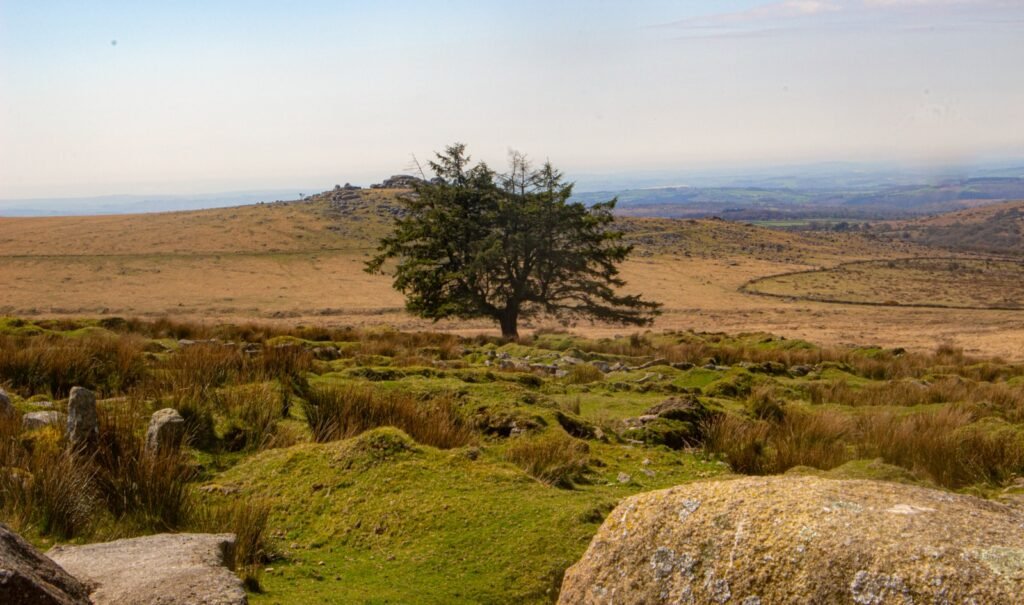
The environment of Lark Quarry during the time of the stampede was vastly different from the arid landscape we see today. Millions of years ago, this region was a lush floodplain, teeming with life. The area was crisscrossed by rivers and streams, providing a rich habitat for a diverse array of dinosaur species. The abundance of water and vegetation created an ideal setting for these creatures to thrive, and it is within this vibrant ecosystem that the dramatic chase unfolded. Understanding the environmental context helps us appreciate the dynamics of the prehistoric world.
Preservation of the Tracks
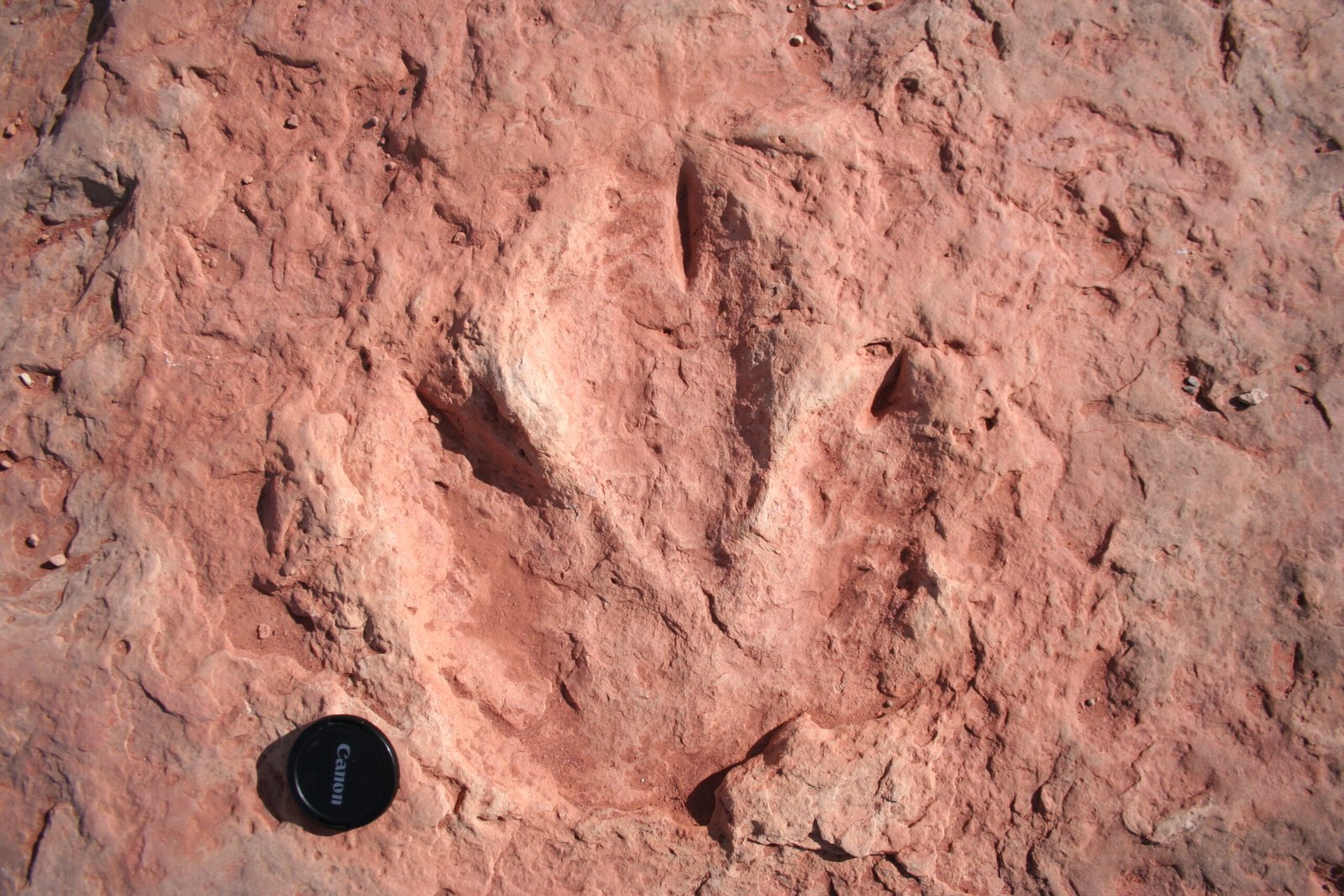
The preservation of the tracks at Lark Quarry is nothing short of miraculous. Shortly after the stampede, a layer of fine sediment covered the footprints, protecting them from erosion and the elements. Over millions of years, geological processes transformed the sediment into stone, capturing the tracks in exquisite detail. This natural preservation process provides scientists with a rare opportunity to study dinosaur behavior with an unprecedented level of accuracy. The tracks offer a glimpse into the daily lives of these ancient creatures, allowing us to piece together their story.
The Significance of Lark Quarry
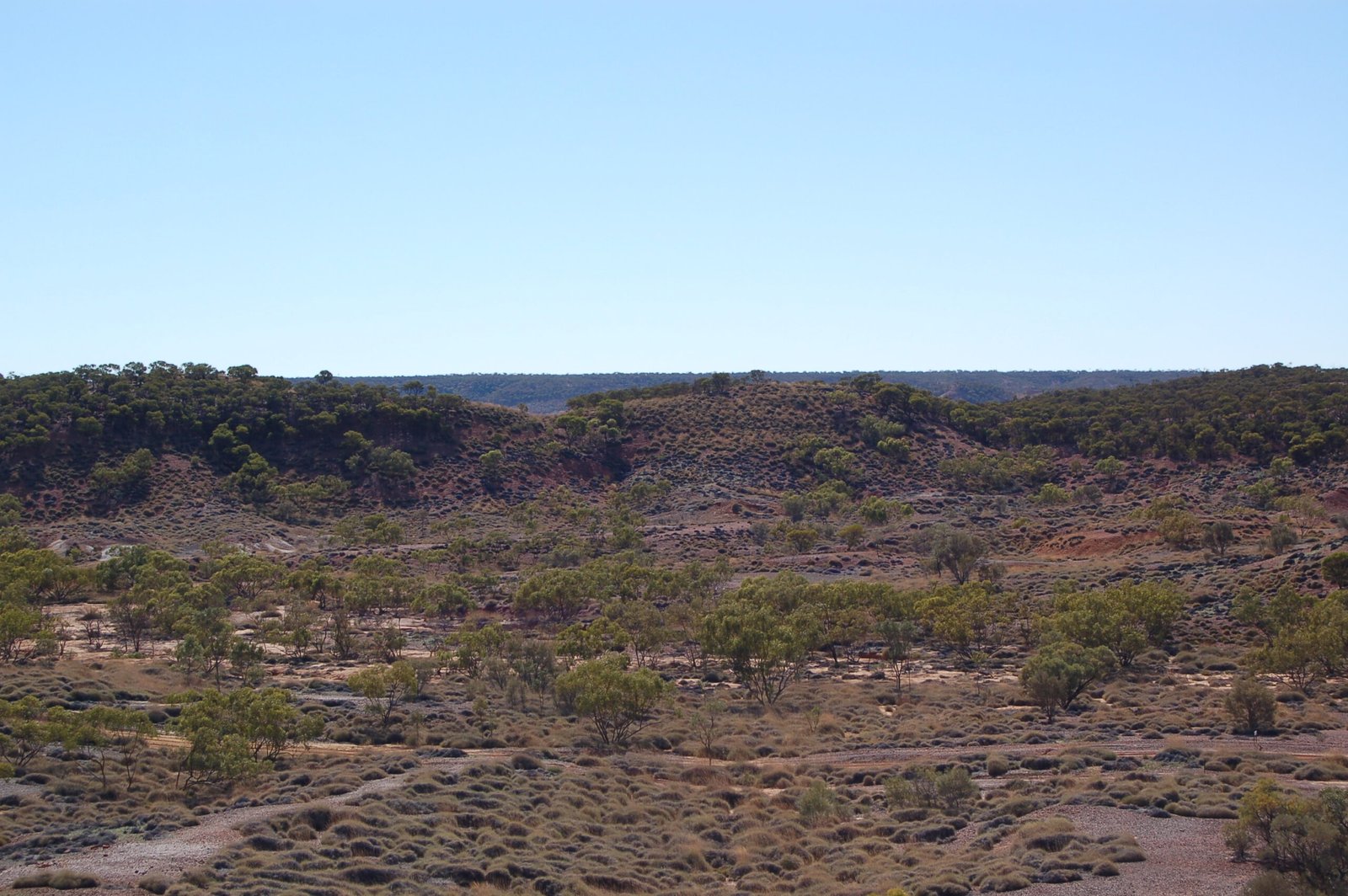
The significance of Lark Quarry extends beyond the scientific community. The site serves as a tangible connection to a world long gone, sparking curiosity and wonder in all who visit. It offers an unparalleled educational experience, allowing people of all ages to engage with the history of our planet in a meaningful way. The stampede site is a testament to the power of nature and the resilience of life, reminding us of the ever-changing landscape of the earth. It stands as a symbol of our ongoing quest to uncover the mysteries of the past.
Challenges in Studying the Site
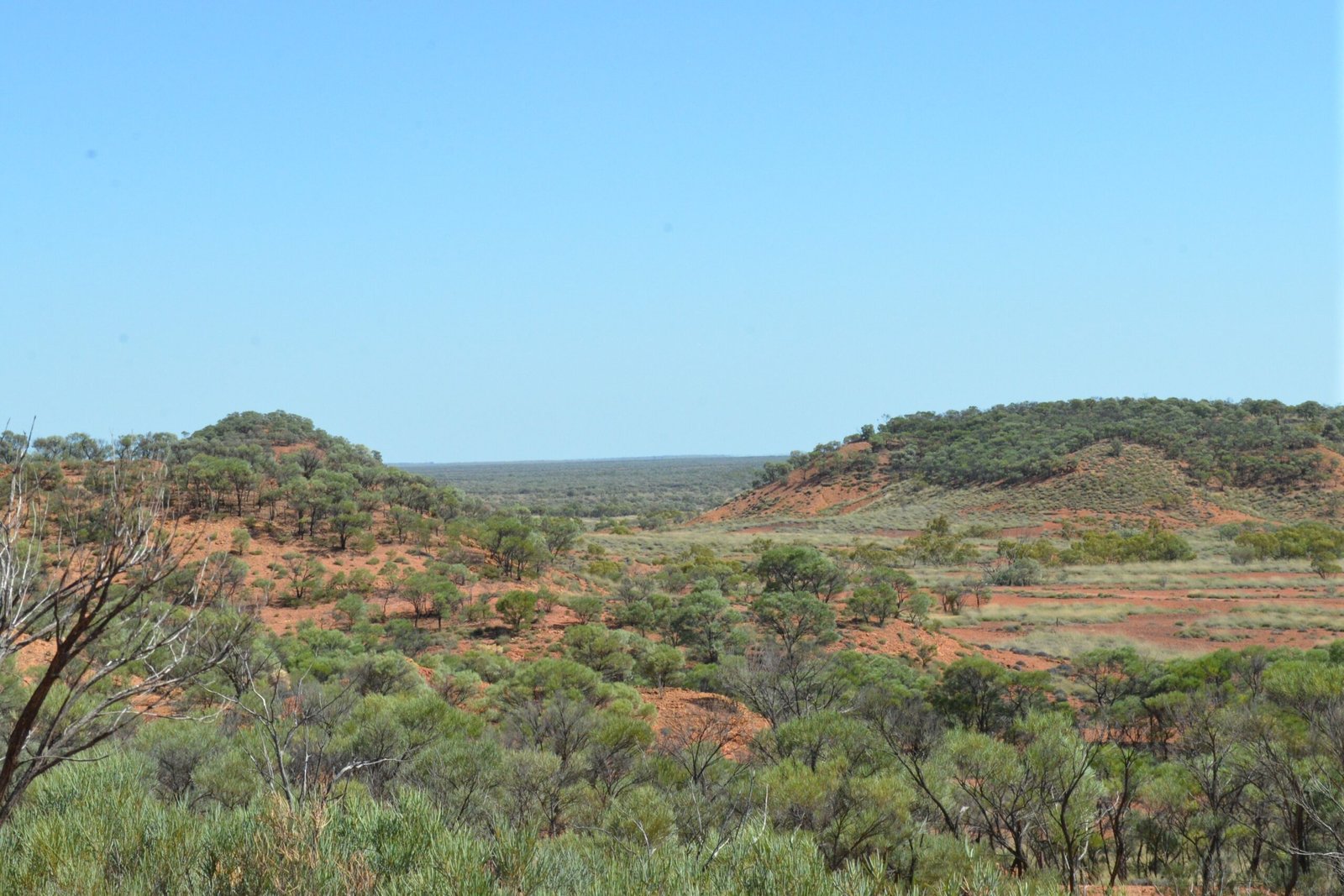
Studying the Lark Quarry site presents several challenges for paleontologists. The remote location and harsh climate can make fieldwork difficult, requiring careful planning and preparation. Additionally, interpreting the tracks requires a meticulous approach, as even small errors can lead to significant misinterpretations. Despite these challenges, researchers are committed to unlocking the secrets of the site, driven by a passion for discovery. The ongoing study of Lark Quarry continues to yield new insights, contributing to our understanding of the prehistoric world.
Public Engagement and Education
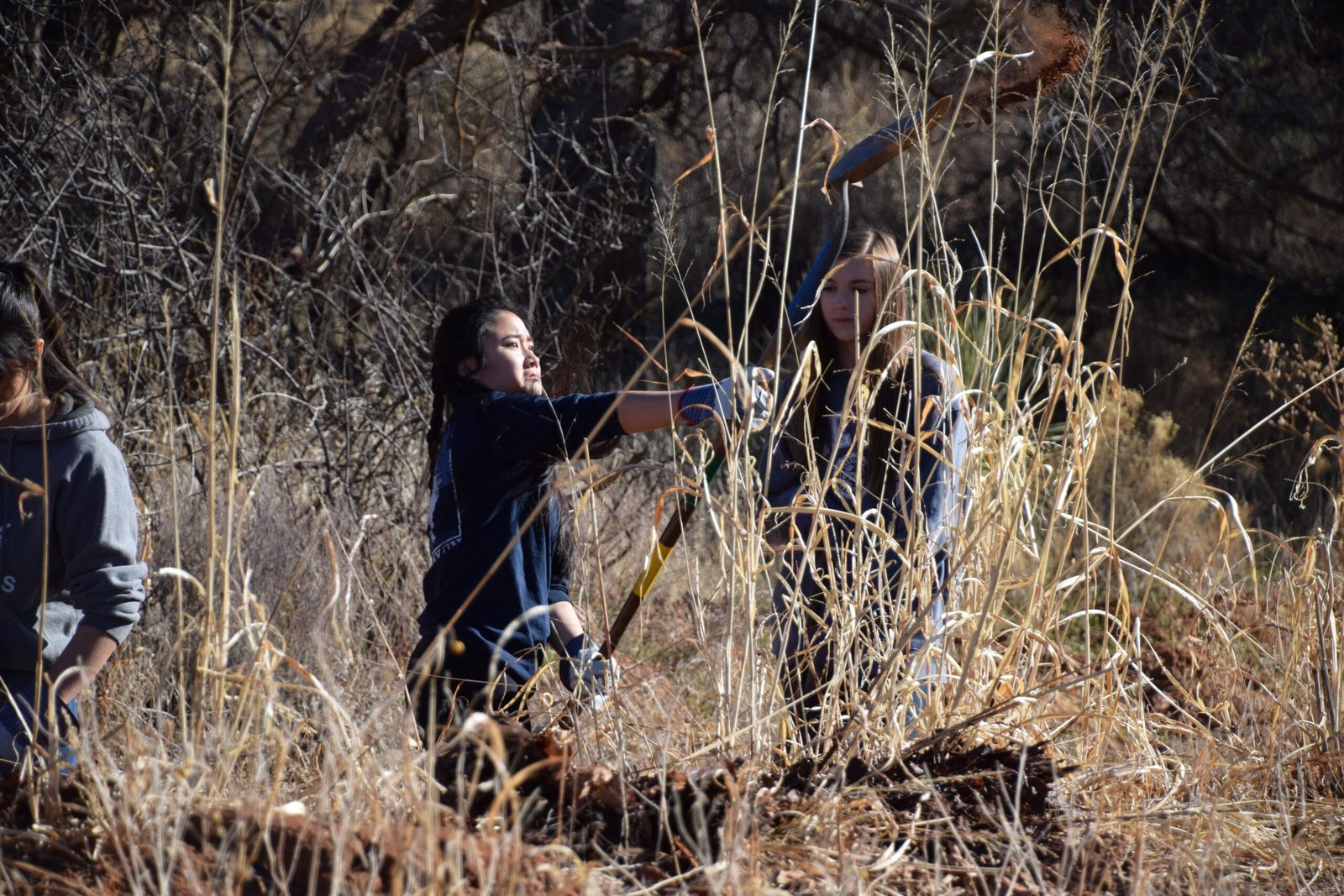
Public engagement and education are central to the mission of the Lark Quarry Conservation Park. The site offers guided tours, interpretive displays, and educational programs designed to inspire and inform visitors. By fostering a connection to our planet’s history, the park aims to cultivate a sense of stewardship and appreciation for the natural world. The stories told at Lark Quarry resonate with people from all walks of life, highlighting the importance of preserving our shared heritage. Through education, the park hopes to inspire future generations of scientists and explorers.
Preserving Lark Quarry for Future Generations
Efforts to preserve Lark Quarry are ongoing, with conservation measures in place to protect the site from damage and degradation. The delicate nature of the tracks requires careful management to ensure their longevity. Collaborative efforts between government agencies, scientists, and local communities play a crucial role in safeguarding this invaluable resource. Preservation initiatives aim to balance public access with conservation, ensuring that the site remains a source of wonder and discovery for generations to come. The commitment to preservation reflects a broader responsibility to protect our planet’s natural and cultural heritage.
The Legacy of Lark Quarry
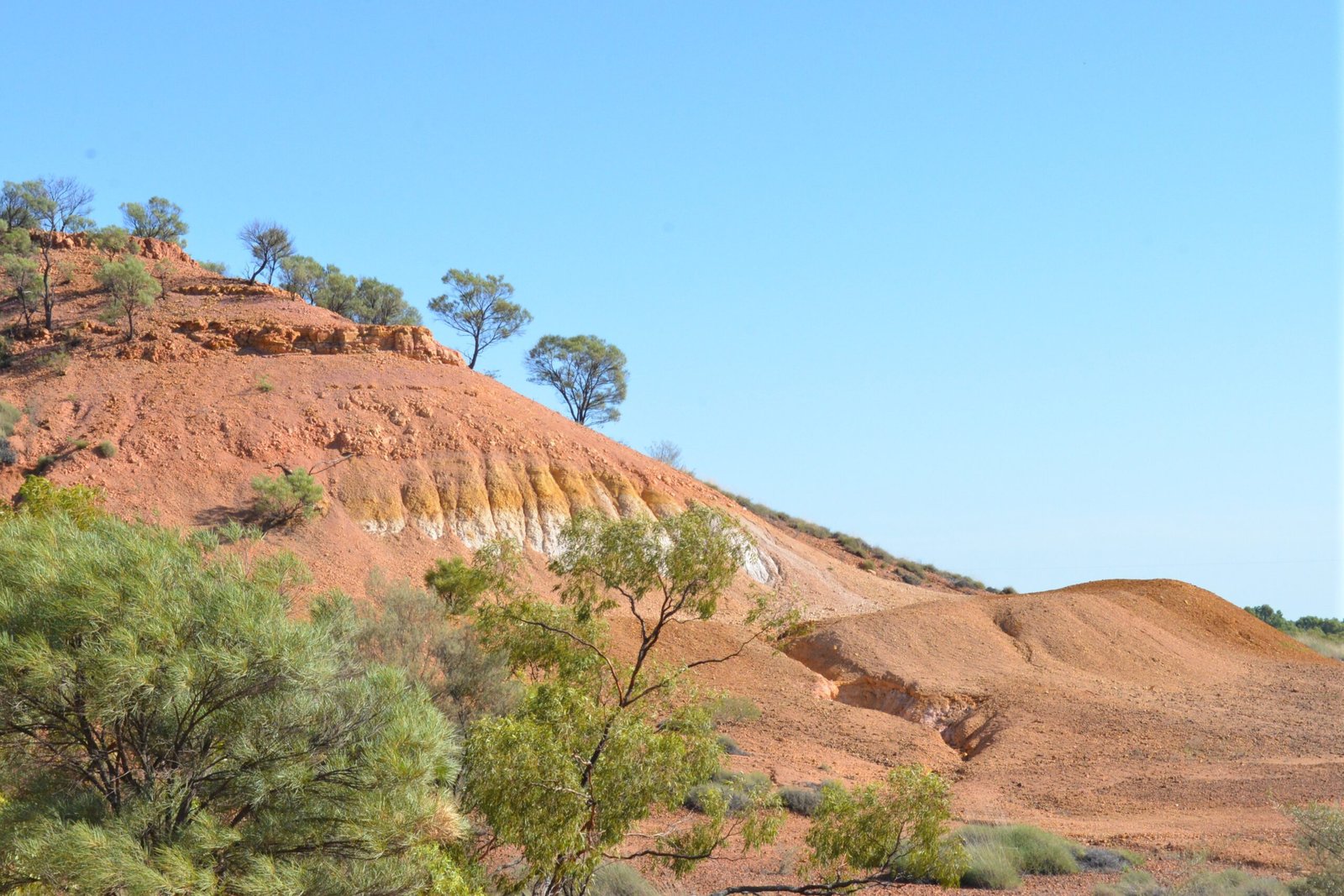
The legacy of Lark Quarry extends far beyond its physical footprint. It serves as a powerful reminder of the dynamism and complexity of life on earth, offering a glimpse into a world that existed long before humans walked the planet. The site inspires a sense of awe and wonder, encouraging us to reflect on our place in the natural world. As we continue to uncover the secrets of Lark Quarry, we are reminded of the importance of preserving our planet’s history for future generations. The story of the dinosaur stampede is a testament to the enduring legacy of life on earth.