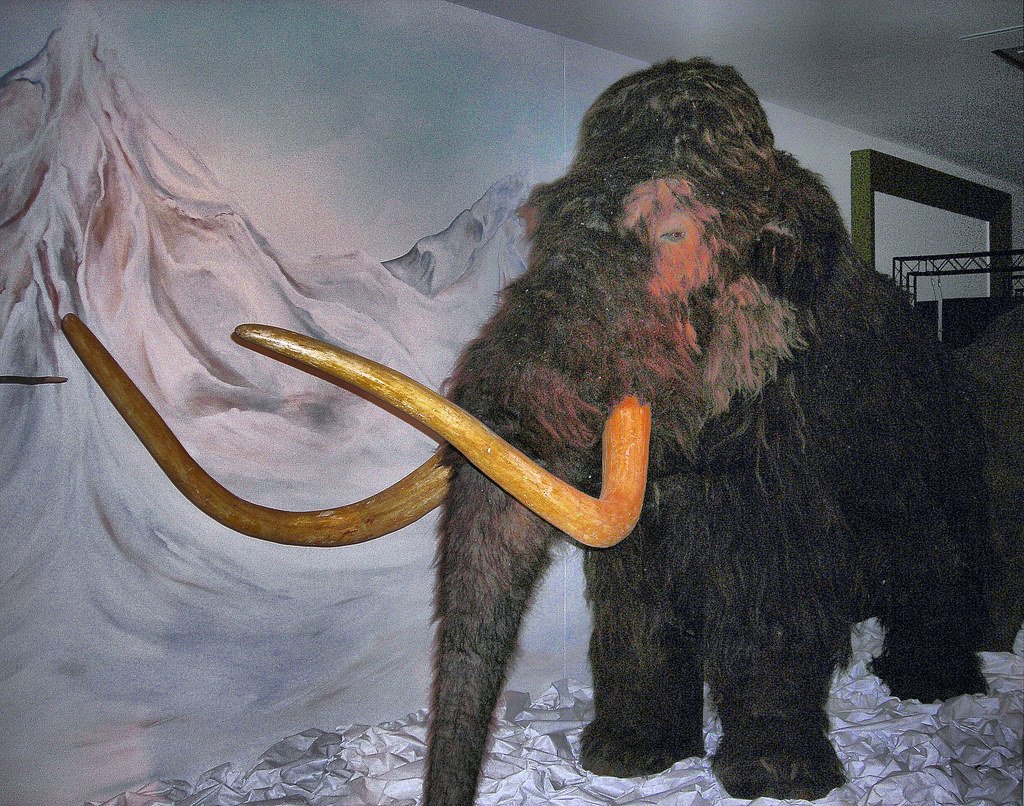

Once upon a time, the vast landscapes of California were home to majestic mammoths, roaming freely across the terrain. These colossal creatures, with their towering presence and sweeping tusks, were the giants of the Ice Age, captivating the imaginations of those who study them today. As we delve into the fascinating history of these lost herds, we uncover not only the secrets of their existence but also the mysteries surrounding their eventual disappearance. Journey with us as we explore the wondrous world of the mammoths that once called California home.
The Majestic Mammoths: Giants of the Ice Age
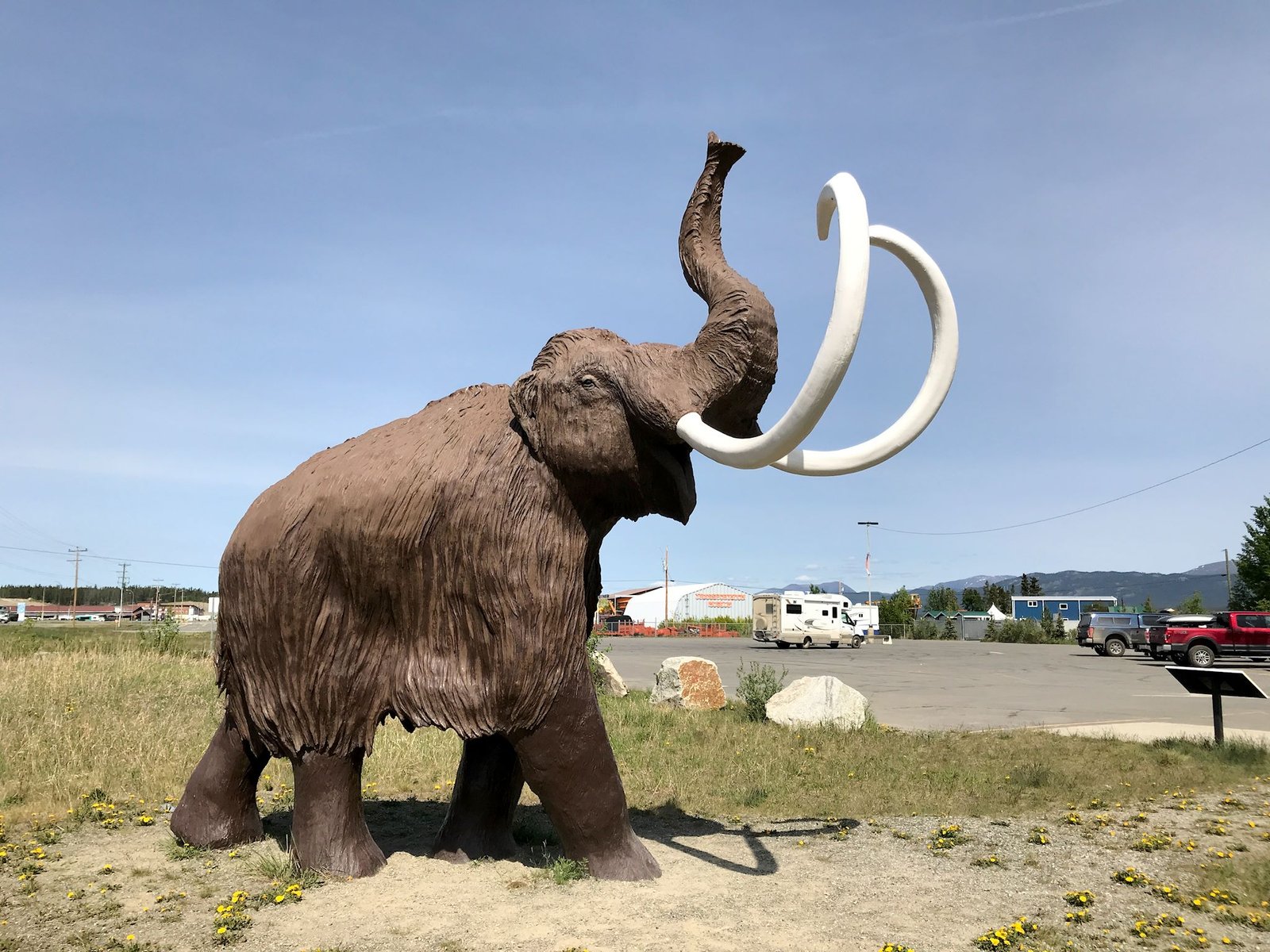
Mammoths, belonging to the family Elephantidae, were some of the most iconic creatures of the Pleistocene epoch. Imagine a creature similar to today’s elephants but much larger, with long, curved tusks and a thick, shaggy coat designed to withstand the icy conditions. These giants, standing up to 14 feet tall, roamed the Earth alongside other megafauna, such as saber-toothed cats and giant ground sloths. Their sheer size and unique adaptations made them a subject of endless fascination for scientists and historians alike. The mammoths’ story is not just one of survival but of thriving in a world that was vastly different from the one we know today.
California’s Prehistoric Landscape: A Mammoth Paradise

During the Pleistocene, California’s environment was a perfect sanctuary for mammoths. The region’s diverse habitats, from sprawling grasslands to lush forests, provided ample resources to sustain these herbivorous giants. With an abundance of vegetation, mammoths could graze freely, ensuring their survival and growth. The state’s varied climate, with its cooler temperatures, also played a significant role in making it an ideal home for these creatures. As we imagine the landscapes of prehistoric California, it’s easy to picture herds of mammoths moving majestically across the land, leaving an indelible mark on the ecosystem.
Unraveling the Evidence: Fossil Discoveries
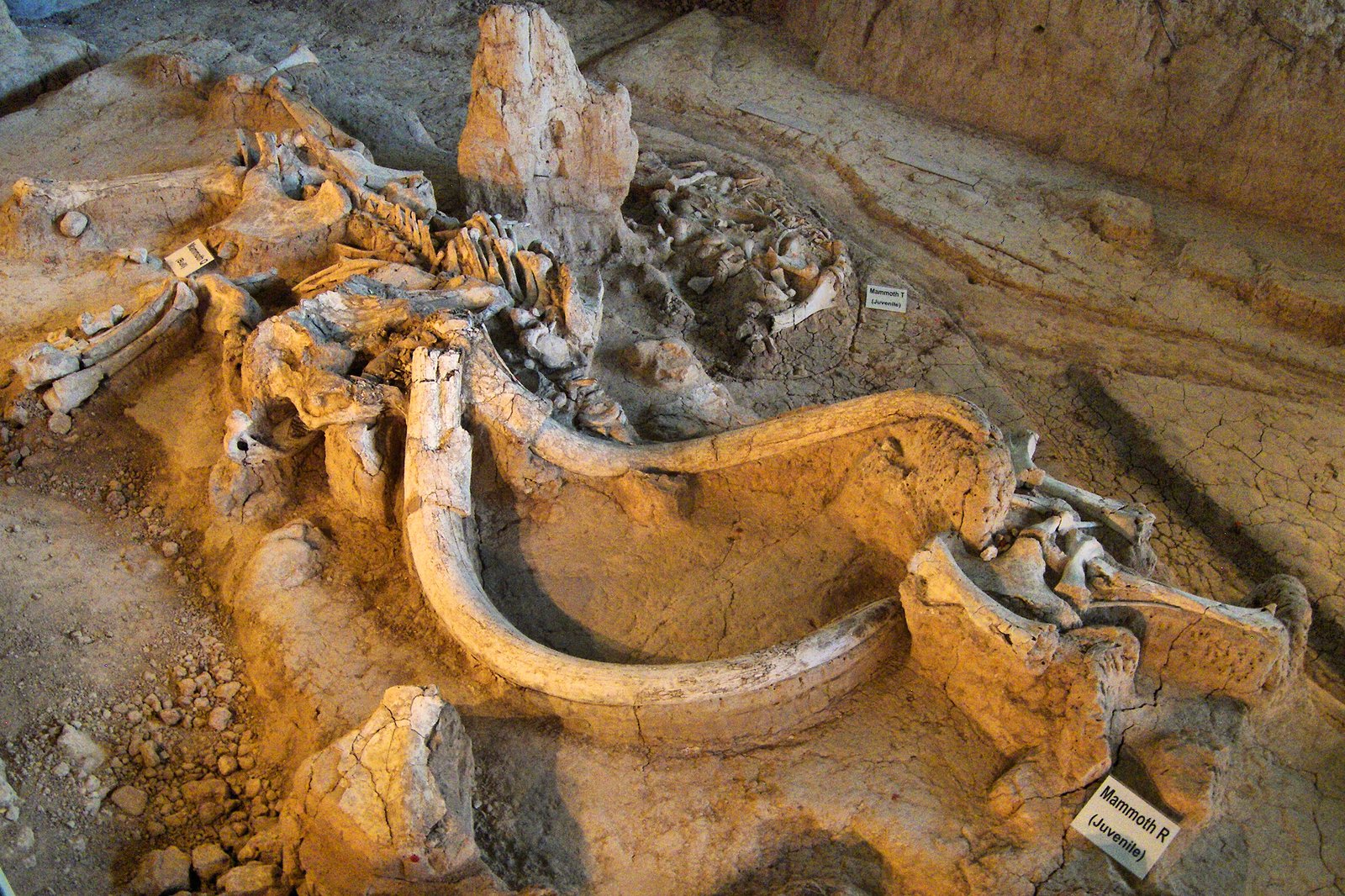
Fossil evidence is critical in piecing together the lives of these ancient giants. In California, numerous sites have yielded mammoth remains, each providing valuable insights into their existence and behavior. From the famous La Brea Tar Pits, where bones are preserved in asphalt, to the various sedimentary deposits scattered across the state, these fossils serve as time capsules from an era long past. Each discovery, whether it’s a tusk or a tooth, helps build a clearer picture of how mammoths lived, interacted, and ultimately disappeared. These findings are not just remnants of the past but keys to understanding a once-thriving ecosystem.
The Mystery of Disappearance: What Happened to the Mammoths?
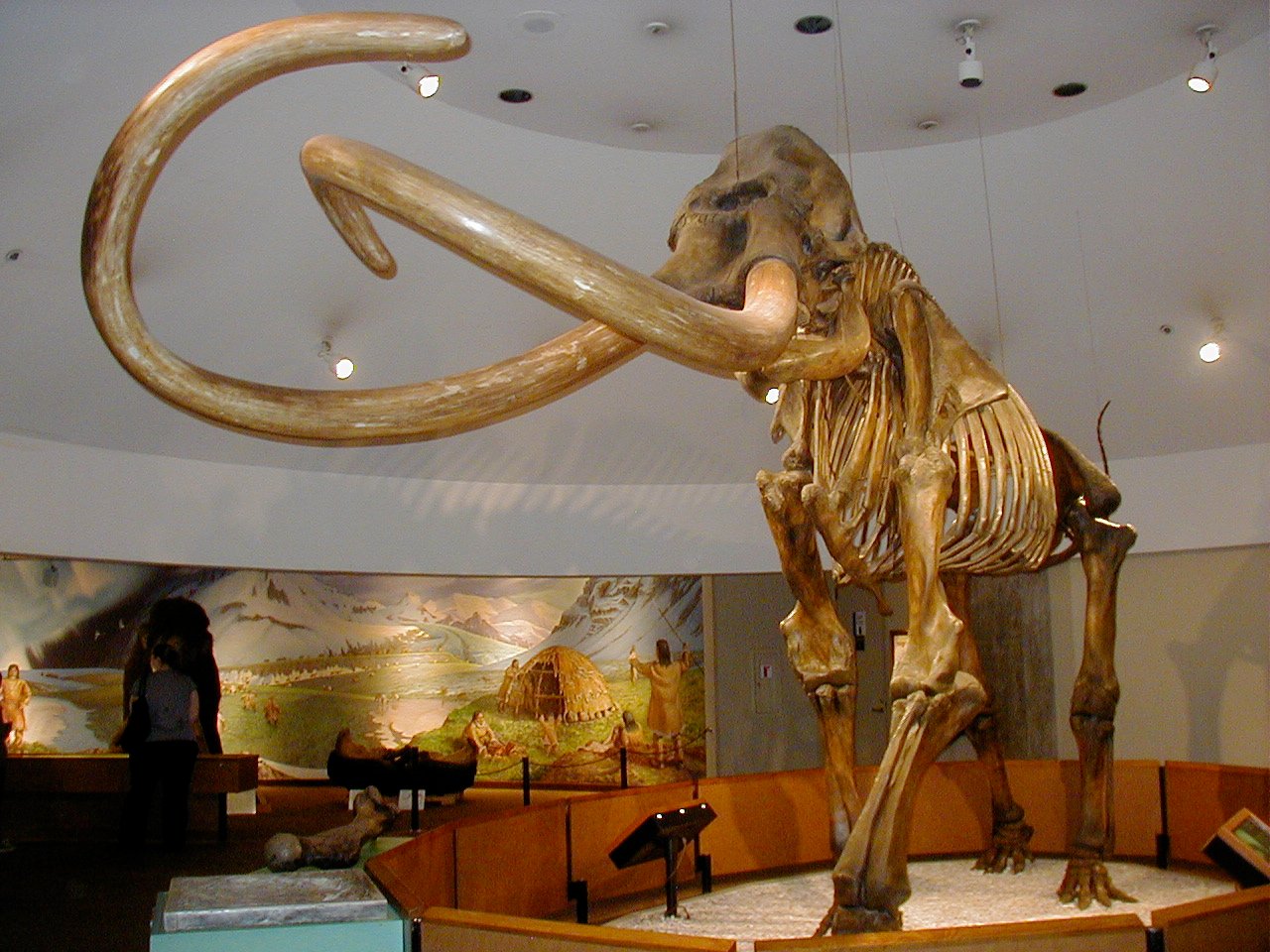
The sudden disappearance of mammoths from California remains one of the great mysteries of natural history. Several theories have been proposed to explain this enigma, ranging from climate change to human intervention. As the Ice Age ended, the warming climate might have led to habitat loss, making it difficult for mammoths to find the food and resources they needed. Additionally, the arrival of humans in North America introduced new challenges for these creatures. Hunting by early humans, combined with environmental changes, could have contributed to the decline of mammoth populations. Despite numerous studies, the exact cause of their extinction is still debated among scientists today.
Climate Change: A Double-Edged Sword
The Pleistocene epoch was marked by dramatic climate fluctuations, which played a crucial role in shaping the fate of mammoths. As glaciers receded and temperatures rose, the landscapes that mammoths once thrived in began to transform. Grasslands gave way to forests, altering the availability of food and resources. These environmental changes posed significant challenges to mammoth populations, forcing them to adapt or perish. While some species managed to survive these shifts, others, like the mammoths, struggled to cope with the rapid pace of change. The impact of climate on these creatures serves as a powerful reminder of nature’s unpredictability and the delicate balance of ecosystems.
Human Interaction: Friend or Foe?

The arrival of humans in North America marked a turning point in the history of mammoths. Early humans, skilled hunters equipped with advanced tools, began to interact with these giants in ways that would alter their fate. While some suggest that humans played a role in the mammoths’ extinction through overhunting, others argue that their impact was minimal compared to environmental changes. Evidence of mammoth hunting has been discovered at various archaeological sites, indicating that these creatures were an essential part of the human diet and culture. The relationship between humans and mammoths is a complex one, reflecting the intricate dynamics of coexistence and survival.
The Legacy of the Mammoths: Echoes in Modern Times

Though mammoths have long since vanished from the Earth, their legacy continues to resonate in modern times. These ancient giants have left an indelible mark on our culture, inspiring myths, legends, and scientific inquiry. The study of mammoths provides valuable insights into the processes of evolution, adaptation, and extinction, offering lessons that are relevant to today’s conservation efforts. As we face our own environmental challenges, the story of the mammoths serves as a poignant reminder of the fragility of life and the importance of preserving the natural world for future generations.
Bringing Giants Back: The Quest for De-Extinction

In recent years, advances in genetic technology have sparked interest in the possibility of bringing mammoths back to life. Scientists are exploring the concept of de-extinction, using preserved DNA to potentially resurrect these ancient giants. While the ethical and ecological implications of such endeavors are hotly debated, the prospect of seeing mammoths roam the Earth once more captivates the imagination. This ambitious pursuit raises critical questions about the role of humans in shaping the natural world and the potential consequences of altering the course of evolution. The dream of de-extinction challenges us to consider the boundaries of science and the responsibilities that come with such power.
The Call to Action: Preserving Our Natural Heritage
As we reflect on the lost mammoth herds of California, we are reminded of the importance of preserving our planet’s rich biodiversity. The lessons learned from the past can guide us in safeguarding the future, ensuring that the wonders of the natural world are not lost to time. By supporting conservation efforts, promoting sustainable practices, and fostering a deeper understanding of our environment, we can honor the legacy of the mammoths and protect the ecosystems that sustain life. The story of these ancient giants is a call to action, urging us to cherish and preserve the natural heritage that connects us all.