When we think of the animal kingdom, images of majestic predators on the hunt or industrious creatures building intricate homes often come to mind. However, not all animals are in a constant state of motion. Some have mastered the art of laziness, thriving in their ecosystems while doing the bare minimum. These animals have adapted to their environments in ways that allow them to conserve energy and still survive. Their seemingly laid-back lifestyles are both fascinating and bewildering, providing us with insights into the diversity of life on Earth.
Sloths: Masters of Slow Living
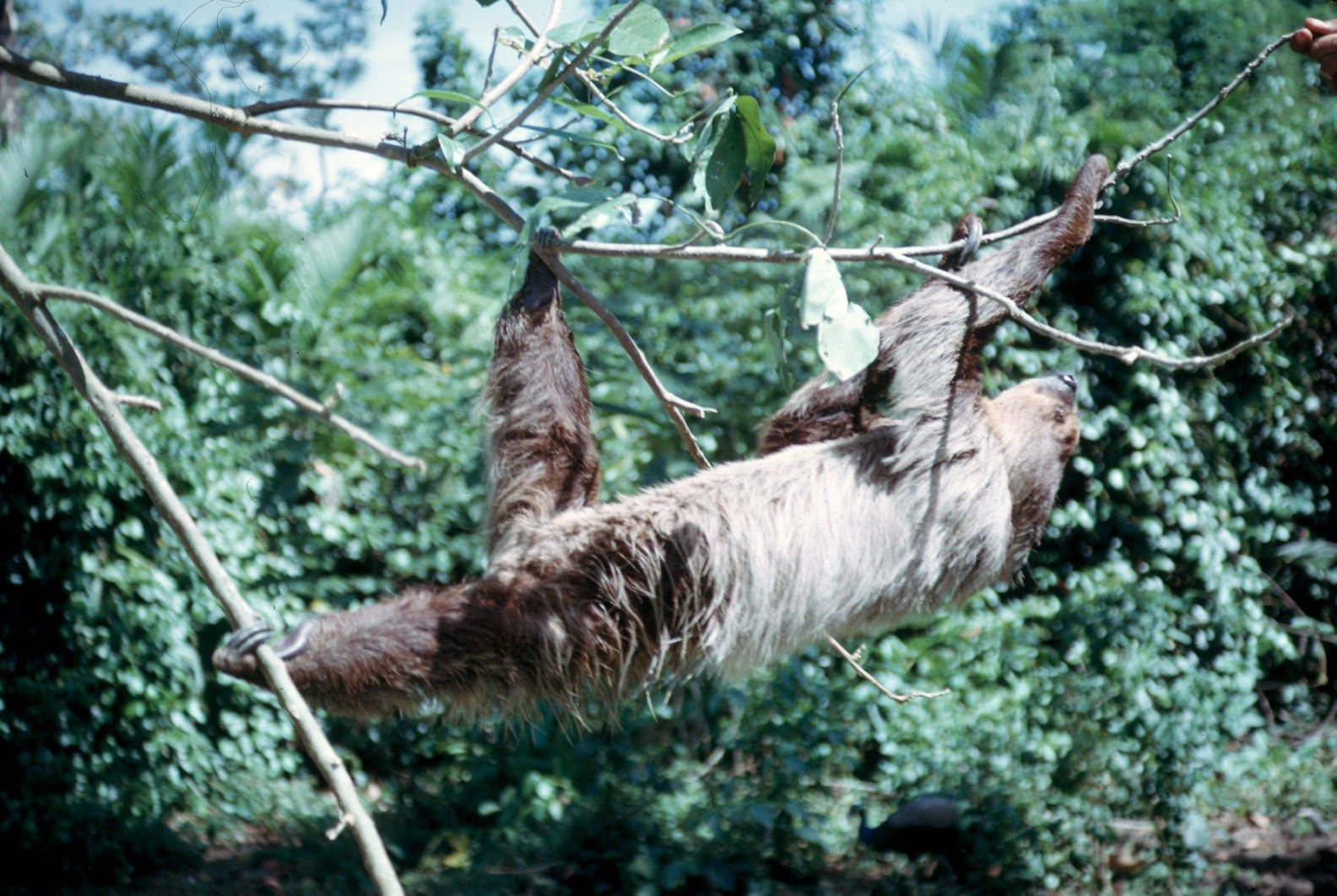
Sloths are perhaps the most iconic representation of laziness in the animal world. Native to the tropical rainforests of Central and South America, these tree-dwelling mammals spend the majority of their lives hanging upside down in the trees. Sloths are known for their incredibly slow metabolism, which means they only need to eat leaves and fruit to sustain themselves. Their slow movement is an evolutionary adaptation to avoid detection by predators, such as jaguars and eagles. Remarkably, sloths can sleep for up to 15 to 20 hours a day, making them true connoisseurs of rest.
Koalas: The Sleepy Eucalyptus Lovers
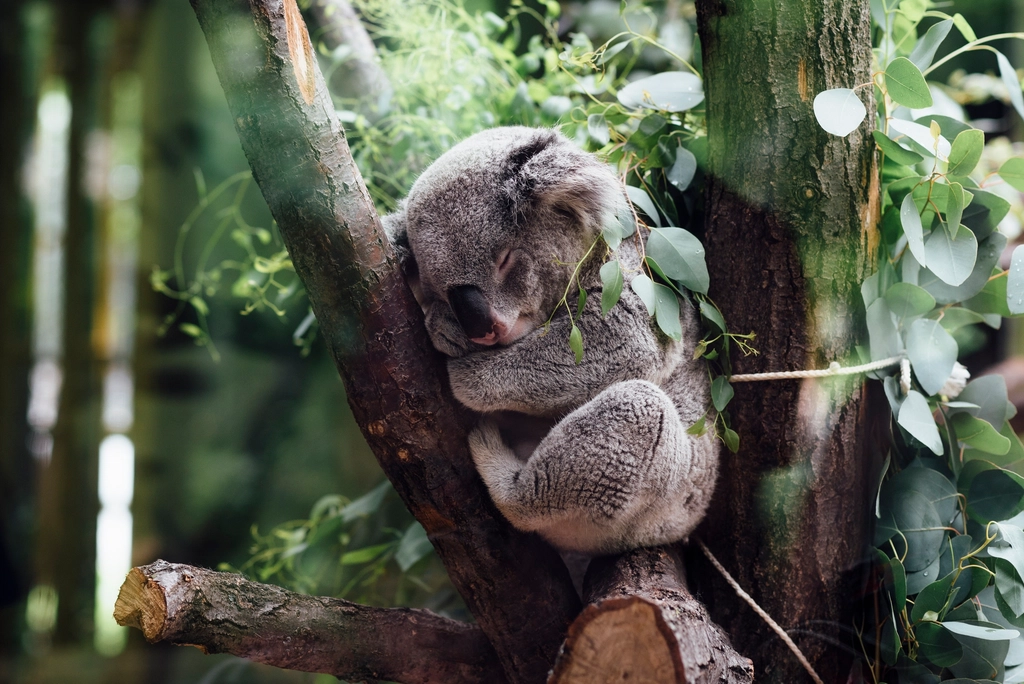
Koalas are another example of animals that have perfected the art of taking it easy. Found in the eucalyptus forests of Australia, these marsupials spend about 18 to 22 hours a day sleeping. The reason for their excessive sleep is their diet, which consists mainly of eucalyptus leaves that are low in nutrition and difficult to digest. To conserve energy, koalas have developed a sedentary lifestyle, limiting their movement to the bare essentials. Despite their lethargic nature, koalas have adapted to their environment in a way that allows them to thrive.
Lions: The Kings of Napping

While lions are often portrayed as fierce and active predators, they actually spend a significant amount of time resting. A lion’s life in the wild is characterized by long periods of inactivity, with these big cats sleeping or resting for up to 20 hours a day. This behavior is primarily due to their hunting strategy, which requires bursts of intense energy followed by recovery time. By conserving their energy during the hottest parts of the day, lions can hunt effectively when the temperature drops. This balance of rest and activity ensures their success as apex predators.
Giant Pandas: Bamboo-Munching Experts

Giant pandas are known for their leisurely eating habits and relaxed lifestyle. Native to the mountainous regions of China, these bears have a diet that consists almost entirely of bamboo. Despite being classified as carnivores, pandas have adapted to a herbivorous diet, which requires them to consume large quantities of bamboo to meet their energy needs. As a result, pandas spend up to 14 hours a day eating and the rest of their time resting or sleeping. This efficient use of energy allows them to survive in their unique habitat.
Opossums: Nature’s Sleepy Survivors
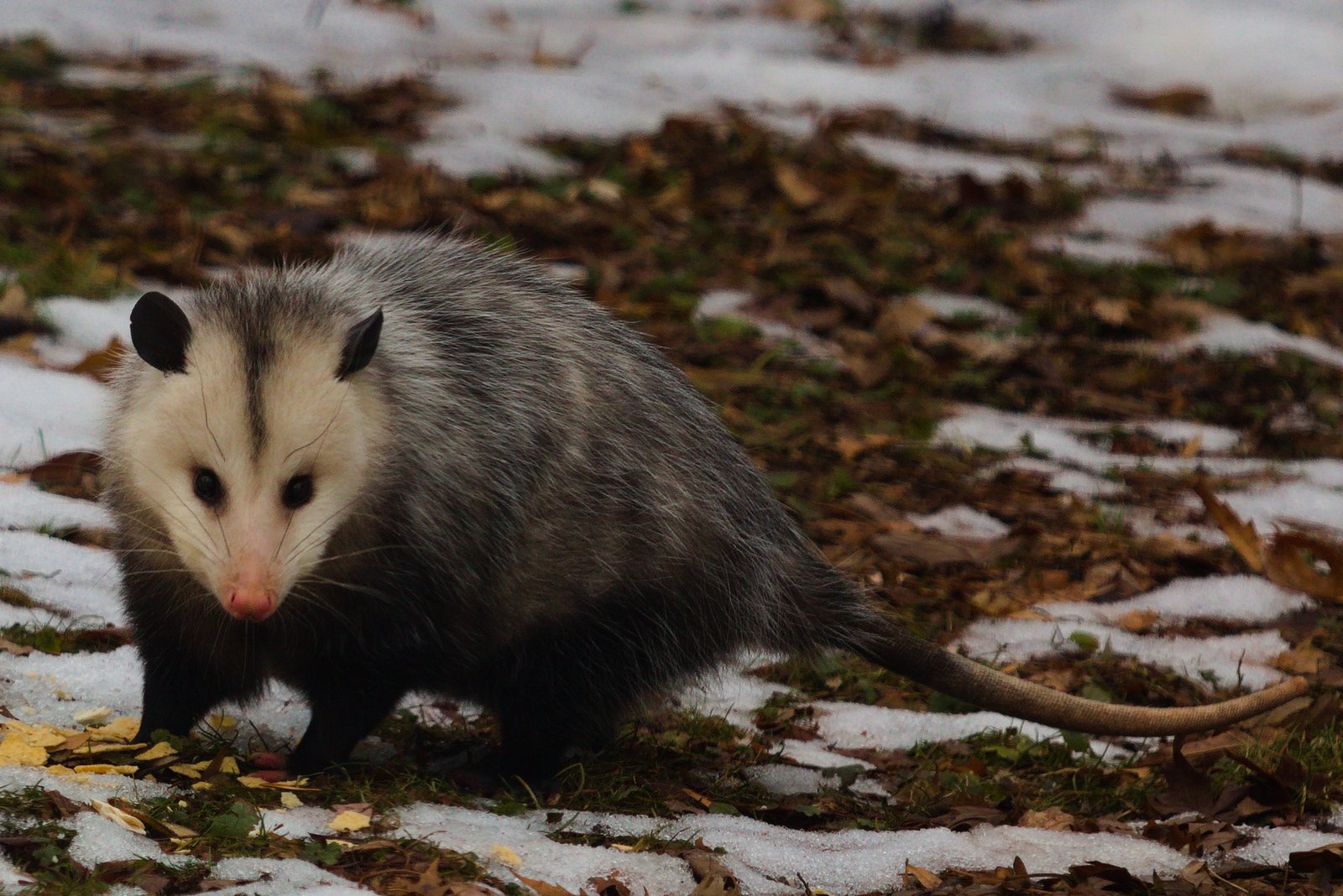
Opossums are often underestimated when it comes to their survival strategies. These nocturnal marsupials are found in the Americas and are known for their ability to “play dead” when threatened by predators. However, opossums also have a reputation for being lazy, as they spend a considerable amount of time resting in their dens. Their diet is opportunistic, consisting of fruits, insects, and small animals, allowing them to conserve energy for essential activities. This adaptability and energy-efficient lifestyle make opossums highly resilient creatures.
Brown Bats: The Sleepy Night Fliers

Brown bats are fascinating examples of animals that balance activity with ample rest. These small mammals are primarily active at night, when they hunt flying insects using echolocation. During the day, brown bats retreat to their roosts, where they sleep for up to 20 hours. This long rest period is crucial for their survival, as it allows them to conserve energy for their nighttime activities. Their ability to thrive while engaging in minimal activity highlights the importance of rest in their life cycle.
Armadillos: The Burrowing Nappers
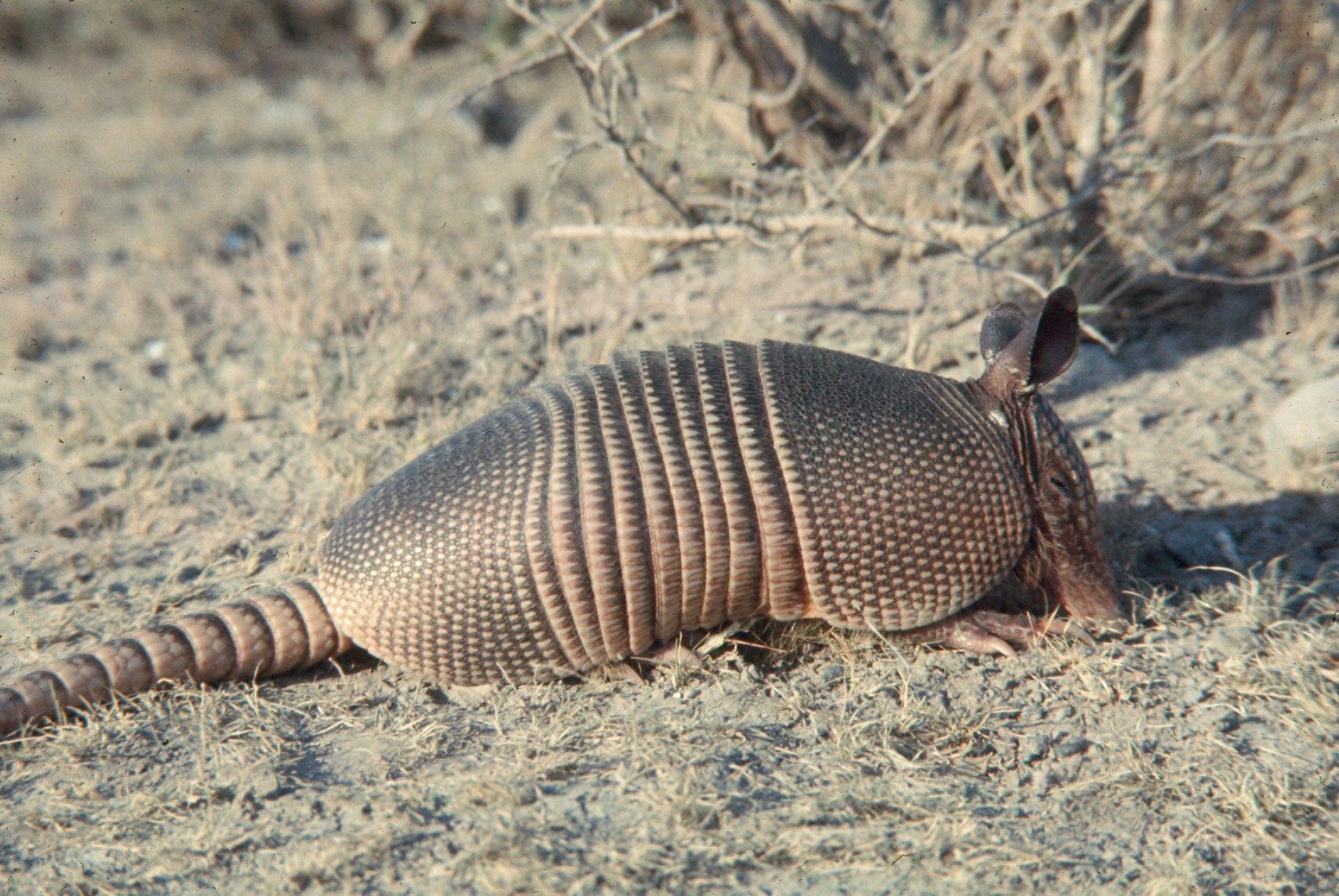
Armadillos are unique creatures known for their armored shells and burrowing habits. Found in the Americas, these animals are primarily nocturnal and spend a significant portion of their lives underground. Armadillos sleep for up to 16 hours a day in their burrows, emerging at night to forage for insects and small invertebrates. Their burrowing lifestyle provides protection from predators and extreme temperatures, allowing them to conserve energy. This combination of rest and resourcefulness is key to their survival.
Galápagos Tortoises: The Gentle Giants

Galápagos tortoises are among the longest-living animals on Earth, with some individuals reaching over 100 years of age. These gentle giants are known for their slow movements and relaxed nature, spending most of their time basking in the sun or slowly grazing on vegetation. Their slow metabolism allows them to survive on a diet of low-nutrient plants and rest for extended periods. This laid-back lifestyle, combined with their impressive longevity, makes them iconic symbols of endurance and adaptation.
Sea Cucumbers: The Ocean’s Couch Potatoes

Sea cucumbers are marine animals that reside on the ocean floor, where they feed on detritus and organic matter. These creatures are known for their sedentary lifestyle, as they move very little and rely on water currents to bring food to them. Sea cucumbers play a vital role in their ecosystem by recycling nutrients and maintaining the health of the ocean floor. Their ability to thrive with minimal movement highlights the diversity of survival strategies in the animal kingdom.
Conclusion: Embracing the Art of Laziness

The laziest animals in the world have mastered the delicate balance between energy conservation and survival. Through unique adaptations and behaviors, these creatures demonstrate that there is no one-size-fits-all approach to thriving in nature. From the slow-moving sloth to the energy-efficient sea cucumber, each animal has its own way of getting away with doing “absolutely nothing.” Their lifestyles remind us of the importance of rest and adaptation in the natural world, offering valuable lessons for our own lives.