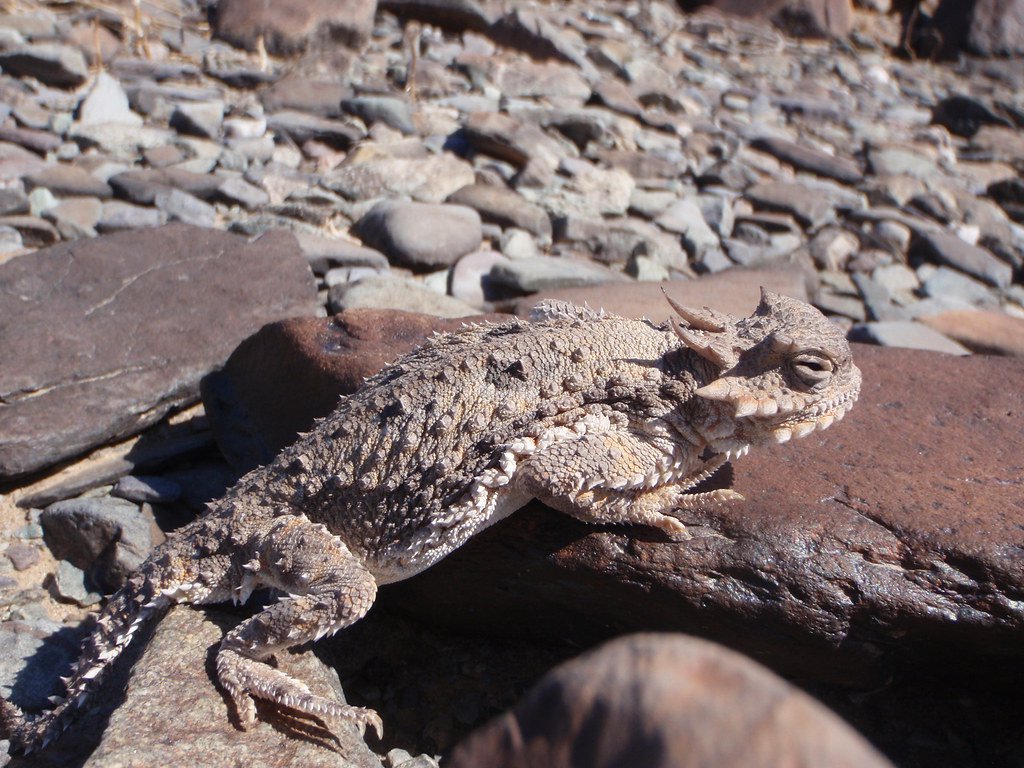

The world of nature is filled with extraordinary creatures, each with unique survival strategies. Among them, the horned lizard stands out for its astonishing defense mechanism – it can shoot blood from its eyes. This remarkable ability has fascinated scientists and nature enthusiasts alike, sparking curiosity and wonder. The horned lizard, often found in arid regions of North America, showcases how evolution equips species with tools to thrive in challenging environments. This article delves into the fascinating life of the horned lizard and explores the science behind its peculiar defense tactic.
A Closer Look at the Horned Lizard
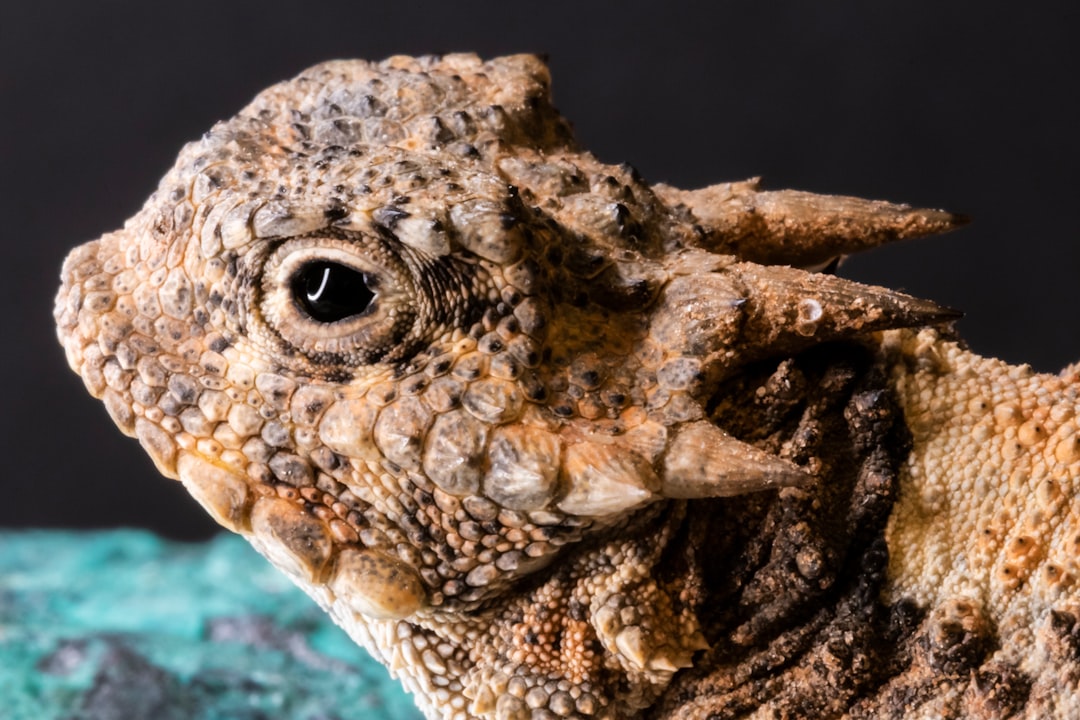
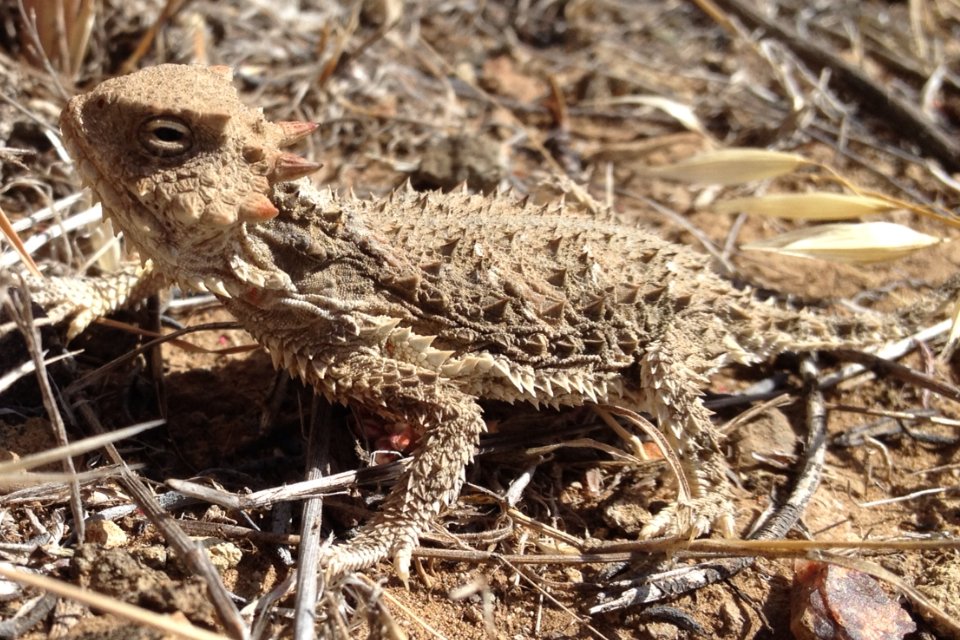
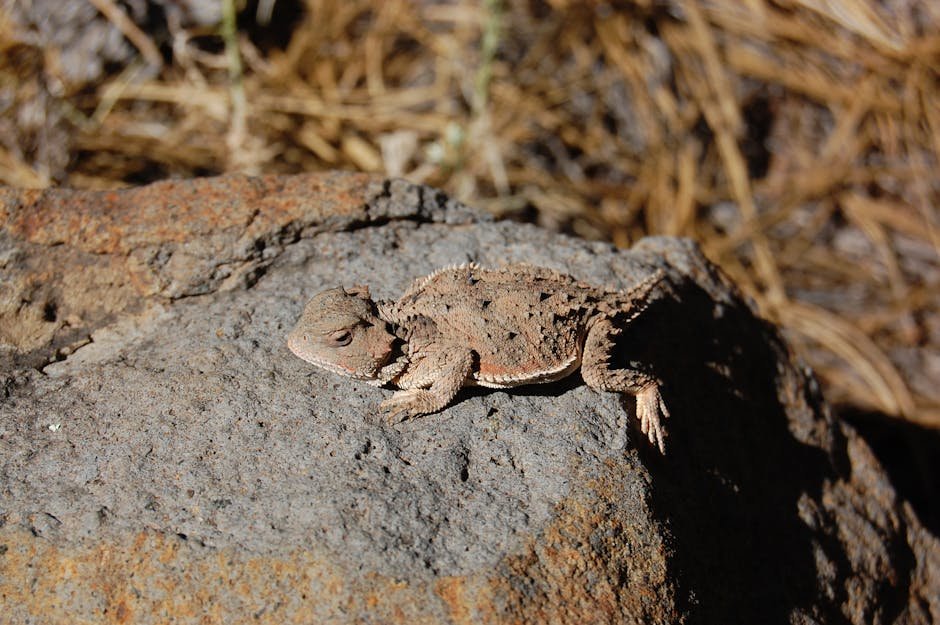
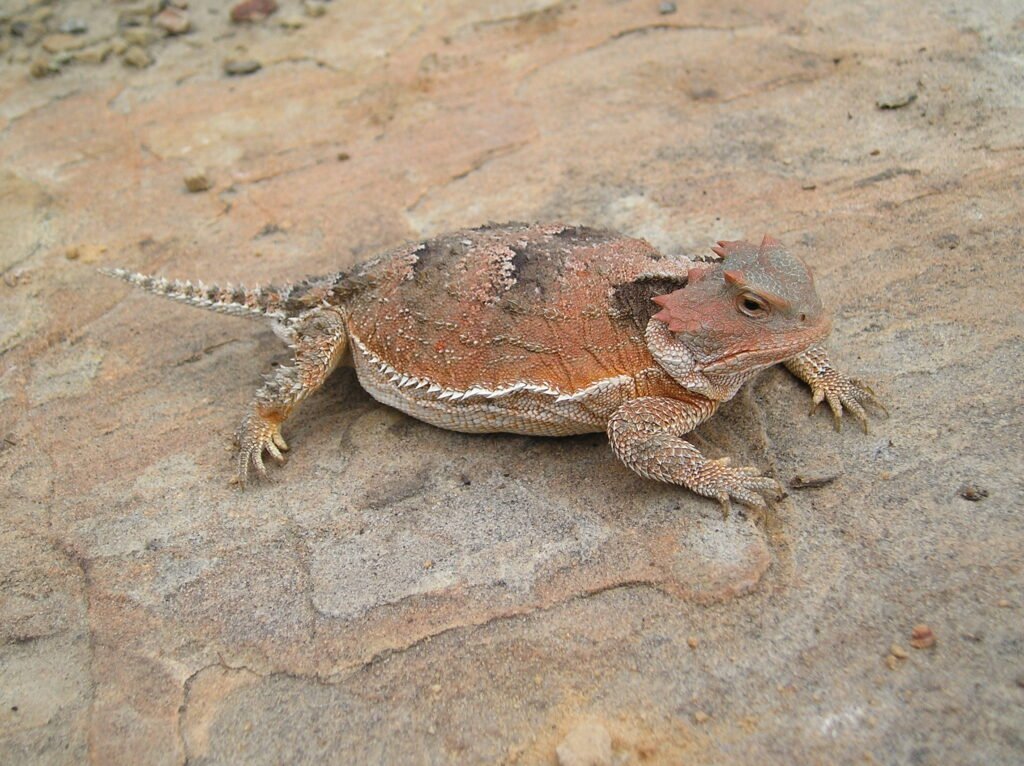
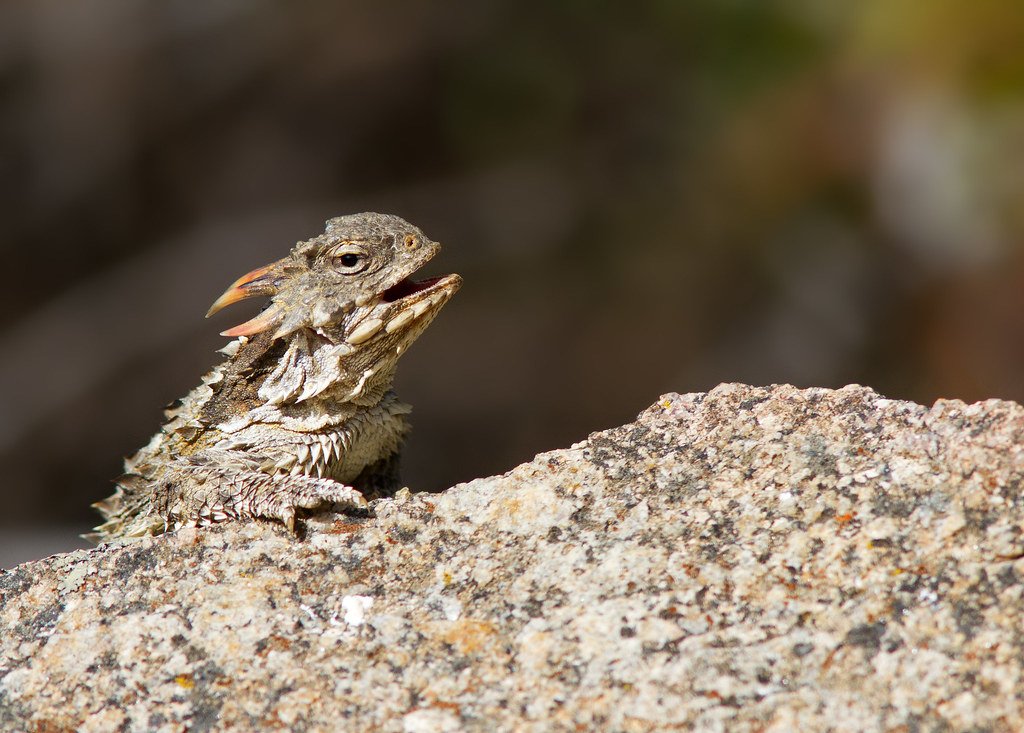
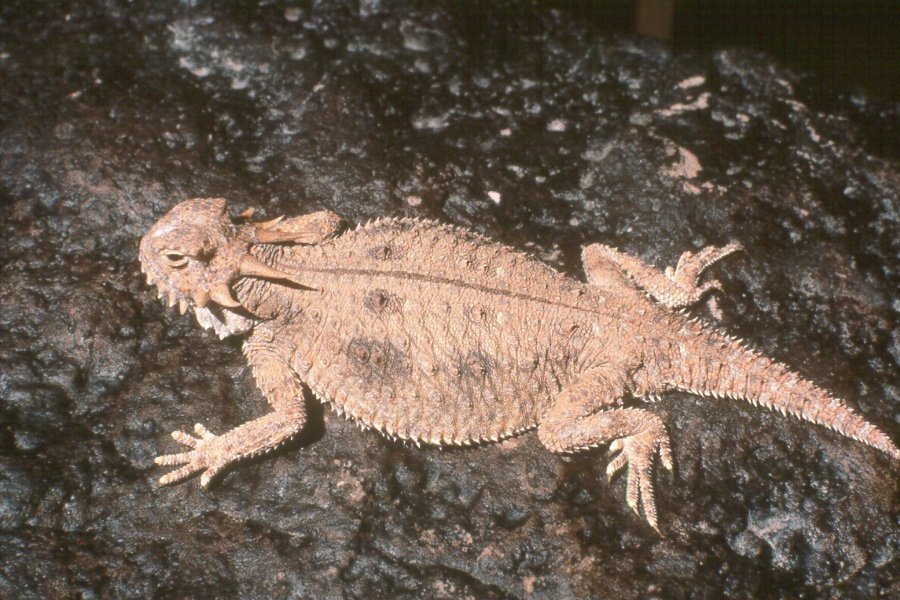
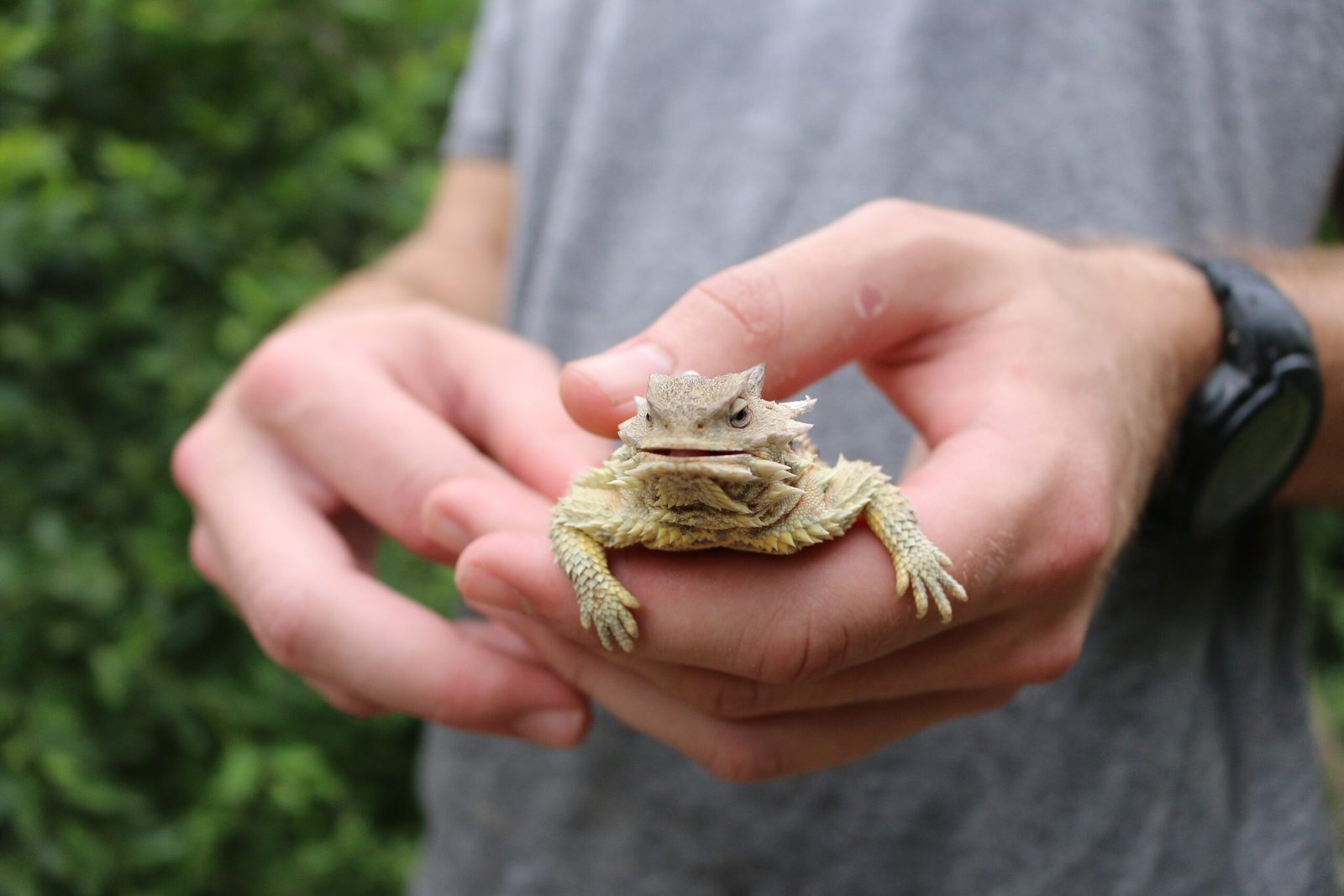
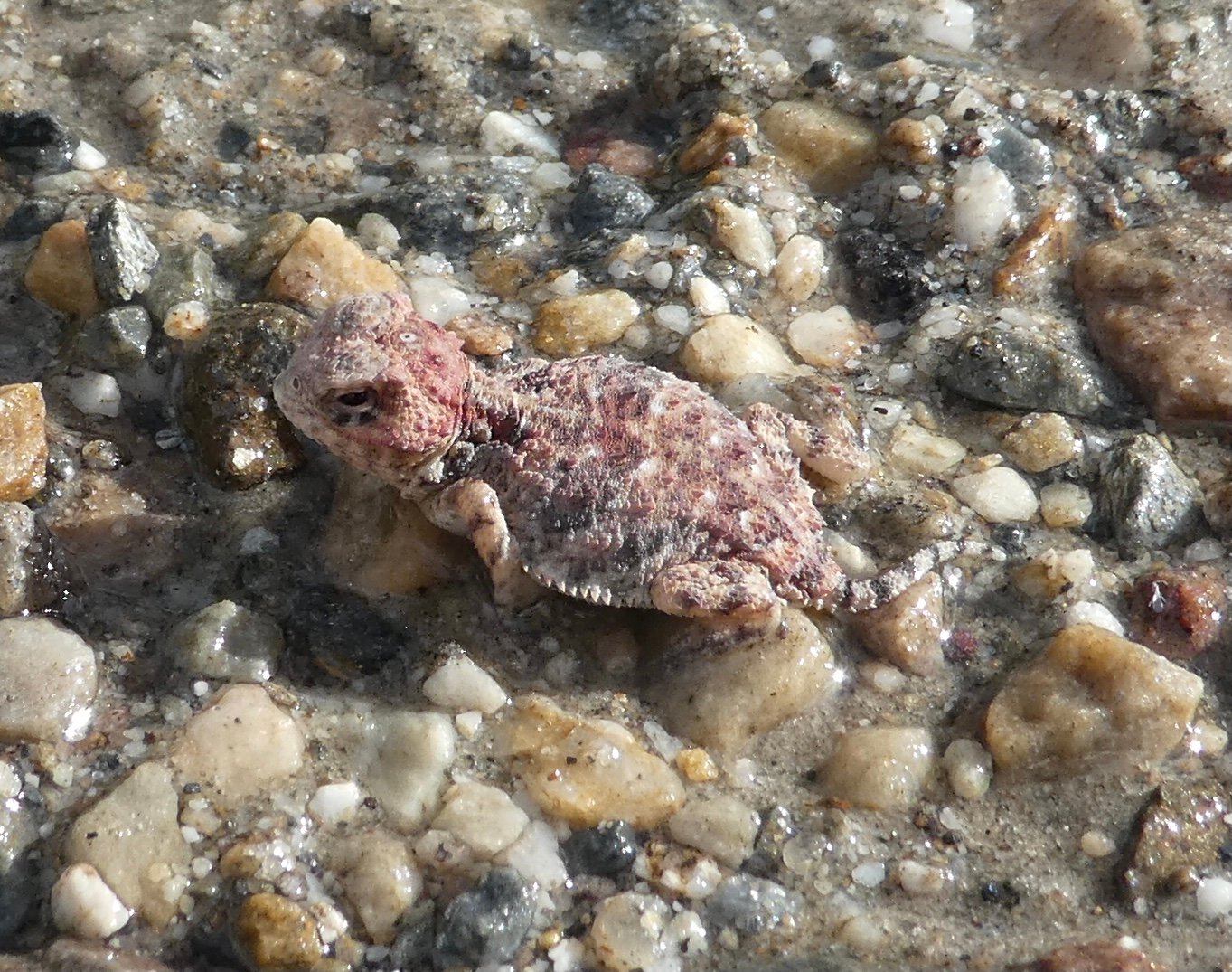
The horned lizard, often nicknamed the “horny toad,” is not a toad at all. It is a true lizard, part of the genus Phrynosoma. These creatures are well-adapted to desert life, with flattened bodies that help them blend into their surroundings. Their coloration ranges from sandy browns to grays, further enhancing their camouflage. The lizard’s body is adorned with spiky scales and horns, which serve as a deterrent to predators. Despite their fierce appearance, horned lizards lead a relatively sedentary lifestyle, often basking in the sun to regulate their body temperature.
The Science Behind Blood-Squirting
The horned lizard’s ability to shoot blood from its eyes is a defense mechanism that leaves many predators baffled. This process, known as autohemorrhaging, involves the lizard rupturing tiny blood vessels in its eyes to release a stream of blood. The blood can travel up to five feet, serving as a deterrent to would-be attackers. Scientists believe that the blood contains compounds that taste unpleasant to predators, such as canids, deterring them from making a meal of the lizard. This unique adaptation is a vivid example of how evolution can lead to unexpected survival strategies.
The Evolutionary Journey
Evolution has played a pivotal role in shaping the horned lizard’s defense mechanisms. Over millions of years, these lizards have developed features that enhance their survival in harsh environments. The blood-squirting ability likely evolved as an effective last-resort defense against predators. While camouflage and spiny armor offer initial protection, the ability to shoot blood provides an additional layer of security. This evolutionary strategy highlights the importance of adaptability in the natural world, where only the most resourceful species thrive.
Understanding the Lizard’s Diet
Horned lizards have a specialized diet that primarily consists of ants. They are particularly fond of harvester ants, which are abundant in their arid habitats. The lizards have a sticky tongue that aids in capturing these small insects. Their diet is a critical factor in their survival, as it influences their energy levels and overall health. Interestingly, the ants they consume contain formic acid, which the lizards can detoxify, showcasing another aspect of their remarkable adaptability.
The Role of Camouflage
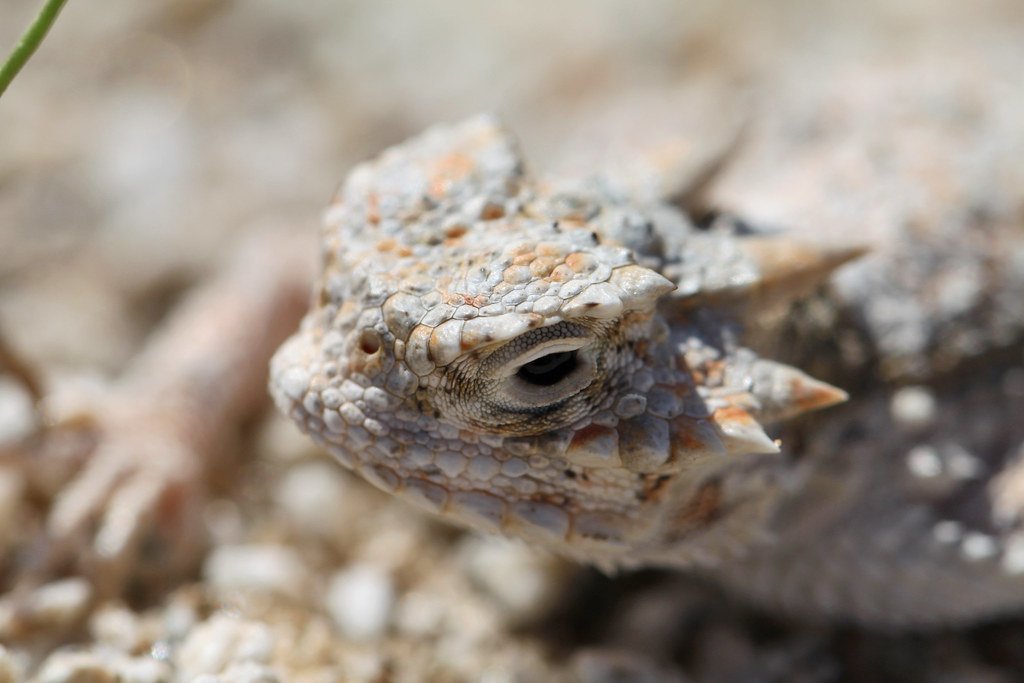
Camouflage is a crucial aspect of the horned lizard’s survival strategy. Their sand-colored bodies allow them to blend seamlessly into their desert surroundings, making them nearly invisible to predators. This ability to disappear into the landscape is vital in avoiding detection. The lizards often remain motionless when threatened, relying on their camouflage to go unnoticed. This strategy, combined with their blood-squirting ability, makes them a formidable challenge for predators.
Predators and Threats
Despite their impressive defenses, horned lizards face a range of natural predators. Coyotes, birds of prey, and snakes are among the most common threats. These predators have developed their tactics to overcome the lizard’s defenses. For instance, some birds have learned to flip the lizards over to avoid the blood-squirting eyes. However, the lizard’s ability to adapt and innovate continues to give it an edge in the wild.
Conservation Concerns
The horned lizard’s unique adaptations do not make it immune to the challenges posed by human activity. Habitat destruction, climate change, and the introduction of invasive species have all contributed to a decline in some horned lizard populations. Conservation efforts are underway to protect these fascinating creatures and their habitats. By understanding their ecological role and the threats they face, we can take steps to ensure their continued survival.
The Cultural Significance
The horned lizard holds a special place in various cultures and folklore. Native American tribes often regard the lizard as a symbol of protection and strength. Its resilience and unique adaptations have inspired stories and legends passed down through generations. The lizard’s presence in art, literature, and mythology reflects its enduring impact on human imagination and its role as a symbol of nature’s wonder.
The Lizard’s Place in the Ecosystem
Horned lizards play a vital role in their ecosystems, contributing to the balance of insect populations. By consuming large quantities of ants, they help regulate these insect communities, preventing potential overpopulation. Their presence also supports the food web, as they serve as prey for larger animals. Understanding the interconnectedness of ecosystems underscores the importance of preserving species like the horned lizard, which contributes to the overall health and harmony of their habitats.
A Call to Action
The horned lizard’s story is one of resilience, adaptation, and survival. Its unique defense mechanism serves as a reminder of the incredible diversity of life on Earth. As we continue to learn about these fascinating creatures, we are reminded of our responsibility to protect and preserve the natural world. By supporting conservation efforts and raising awareness about the challenges facing species like the horned lizard, we can ensure that future generations will have the opportunity to marvel at the wonders of nature.