As the Earth continues to warm, a silent revolution is stirring within the natural world. Species are not merely passive observers of their changing environment; they are active participants in their survival. The idea that some creatures are engineering their own evolutionary paths to adapt to climate change is both fascinating and inspiring. This phenomenon is a testament to the resilience and ingenuity of life on Earth, a reminder that adaptation is a fundamental aspect of survival.
The Climate Change Challenge
Climate change presents a formidable challenge to all forms of life. Rising temperatures, shifting weather patterns, and changing habitats are forcing species to adapt quickly or face extinction. For many organisms, these changes happen faster than the natural evolutionary processes can keep up. However, some species have found ways to engineer their own evolution, speeding up their adaptation to survive in this new world. This self-directed evolution may involve changes in behavior, diet, or even physical characteristics.
Adaptive Behavior: The First Line of Defense

Many species are altering their behaviors to cope with environmental changes. For example, some birds are changing their migration patterns, arriving earlier or later than usual to avoid harsh weather conditions. Similarly, certain fish species are moving to cooler waters as oceans warm. These behavioral changes are often the first step in a longer evolutionary process, giving these species a better chance to survive and reproduce under the new conditions.
Dietary Changes: A New Menu for Survival

As habitats shift, so do the availability of traditional food sources. Some species are adapting by altering their diets. The polar bear, for instance, has been observed eating more bird eggs and seal carcasses as sea ice diminishes and seals become scarcer. Such dietary flexibility is crucial for survival, allowing species to exploit new food sources and thrive in changing environments. Over time, these dietary adaptations can lead to evolutionary changes in physiology and digestive capabilities.
Physical Adaptations: Evolving Bodies
In some cases, climate change is driving physical changes in species. For example, certain lizards have developed larger toe pads, enabling them to climb more effectively in their altered habitats. Similarly, some plants are evolving to have deeper root systems to access water in drier conditions. These physical adaptations often occur over many generations, highlighting the dynamic nature of evolution in response to environmental pressures.
Genetic Shifts: The Blueprint of Change
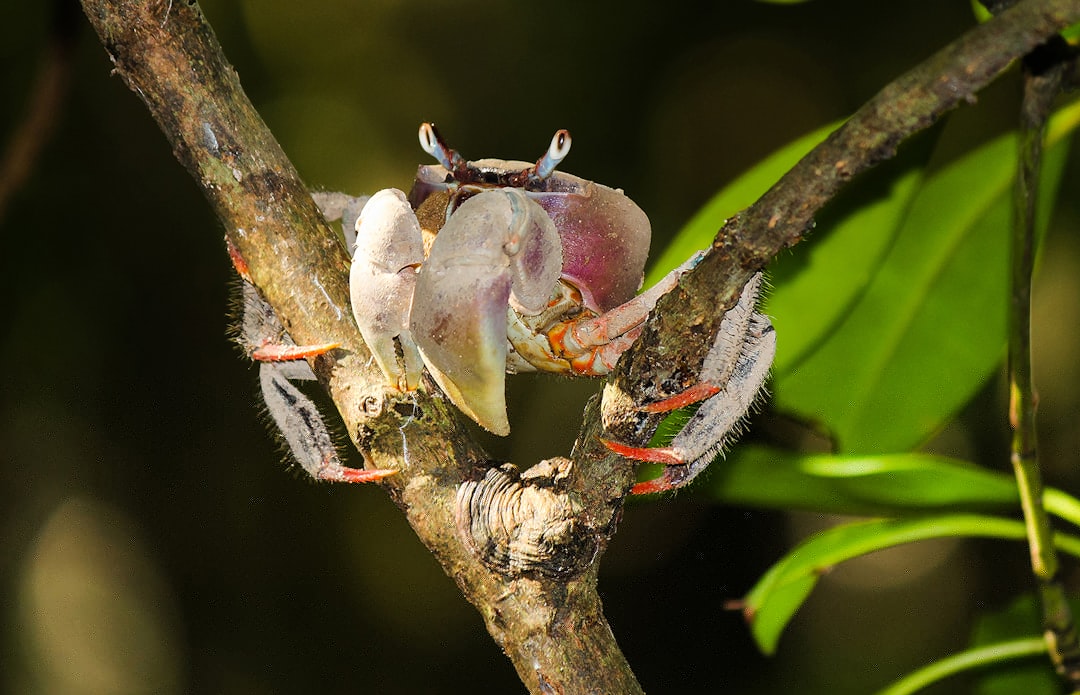
At the core of evolutionary adaptation lies genetic change. Some species are experiencing rapid genetic shifts, allowing them to adapt more quickly to their environments. For instance, the fruit fly has shown remarkable genetic plasticity, with certain populations evolving resistance to temperature extremes. These genetic adaptations can be passed down through generations, ensuring the survival of the species in an ever-changing climate.
Symbiotic Relationships: Teamwork in Nature
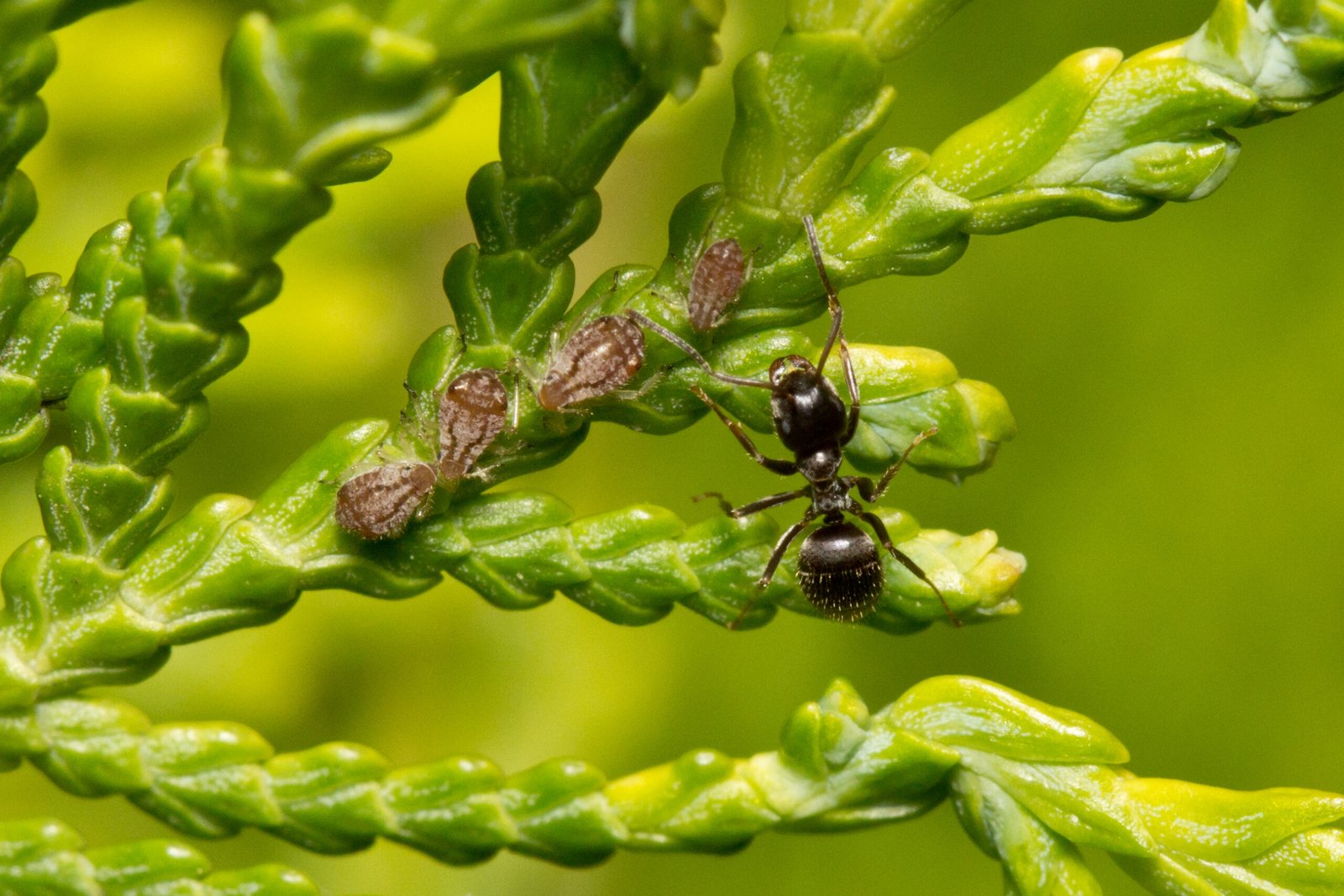
Collaboration is another strategy that some species employ to survive. Symbiotic relationships, where two species benefit from each other, can be key to thriving in a changing climate. For example, certain plants have developed partnerships with fungi to enhance nutrient absorption in poor soils. These relationships can provide mutual benefits, helping both species to adapt to the new environmental realities.
Human Influence: The Double-Edged Sword

Human activity has greatly influenced the speed and direction of climate change, but it also plays a role in species adaptation. Conservation efforts, such as creating wildlife corridors and protecting critical habitats, can support the natural evolutionary processes. However, human actions can also hinder adaptation by destroying habitats and introducing invasive species. Balancing our impact on the natural world is essential for allowing species the opportunity to engineer their own evolution.
Case Study: The Resilient Coral Reefs
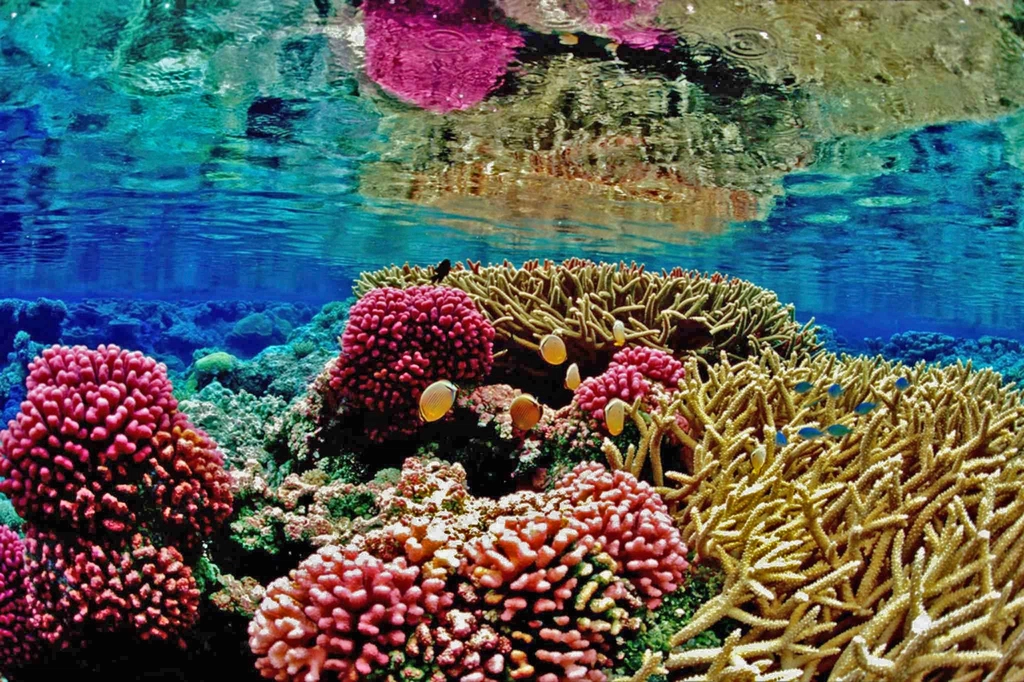
Coral reefs are one of the most affected ecosystems by climate change, yet they offer a glimpse into the potential for self-engineered evolution. Some coral species have been found to host algae that are more tolerant to higher temperatures, a change that has helped them survive bleaching events. This adaptation highlights the potential for symbiotic relationships to aid in evolutionary change, offering hope for the future of these vital ecosystems.
The Role of Technology in Understanding Evolution

Advancements in technology are providing scientists with new tools to study evolutionary processes in real-time. Genetic sequencing, for example, allows researchers to observe changes in DNA that correspond with environmental adaptations. These technological insights are crucial for understanding how species are engineering their evolution, offering valuable information for conservation efforts and policy-making.
The Future of Evolution in a Changing World
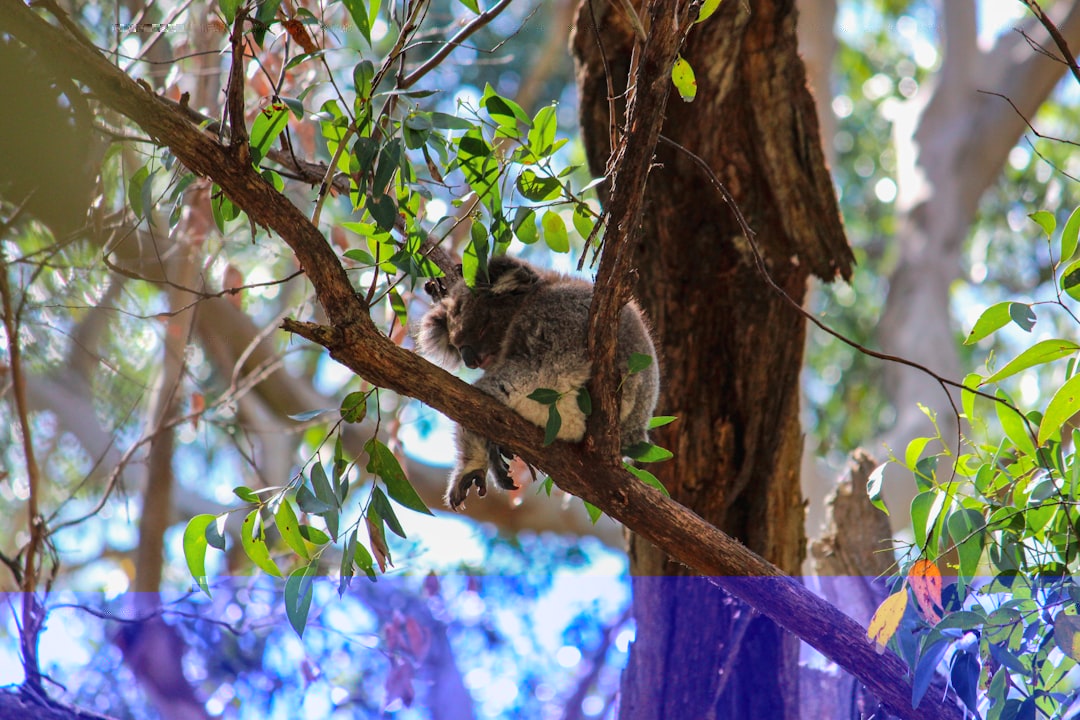
As climate change continues to reshape our planet, the ability of species to engineer their own evolution will become increasingly important. While some species will undoubtedly struggle, others will thrive by adapting in innovative ways. The story of life on Earth is one of change and resilience, and the current era is no exception. Observing these evolutionary changes offers a unique window into the adaptability of life, providing lessons that are both sobering and inspiring.
In these challenging times, the natural world reminds us of the power of adaptation and resilience. As species engineer their own evolution to survive climate change, they inspire us to consider our own roles in shaping the future of our planet.