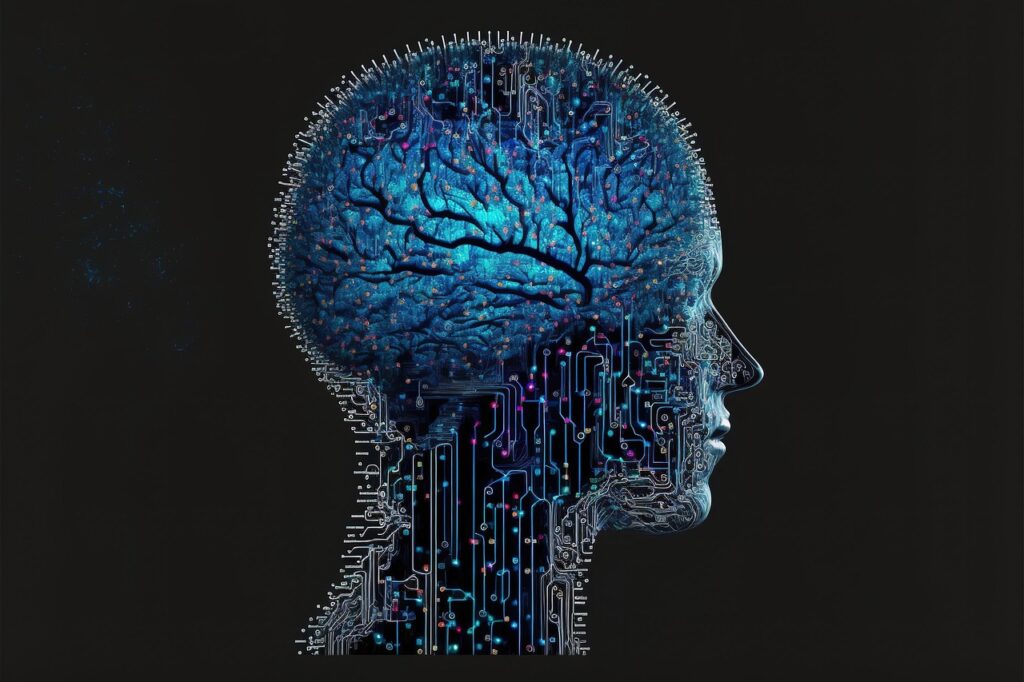
In a world where technology often steals the spotlight, sometimes nature has its own surprises to offer. Picture a tiny colony of bacteria, not much larger than a speck of dust, embarking on a journey through a complex labyrinth. It sounds like a scene from a science fiction movie, but it’s happening right now in laboratories around the globe. Scientists have discovered an ingenious way to teach bacteria to solve mazes, much like a computer would. This breakthrough not only challenges our understanding of intelligence but also opens new doors in the world of bio-computing.
The Curious Case of Bacteria: Nature’s Problem Solvers
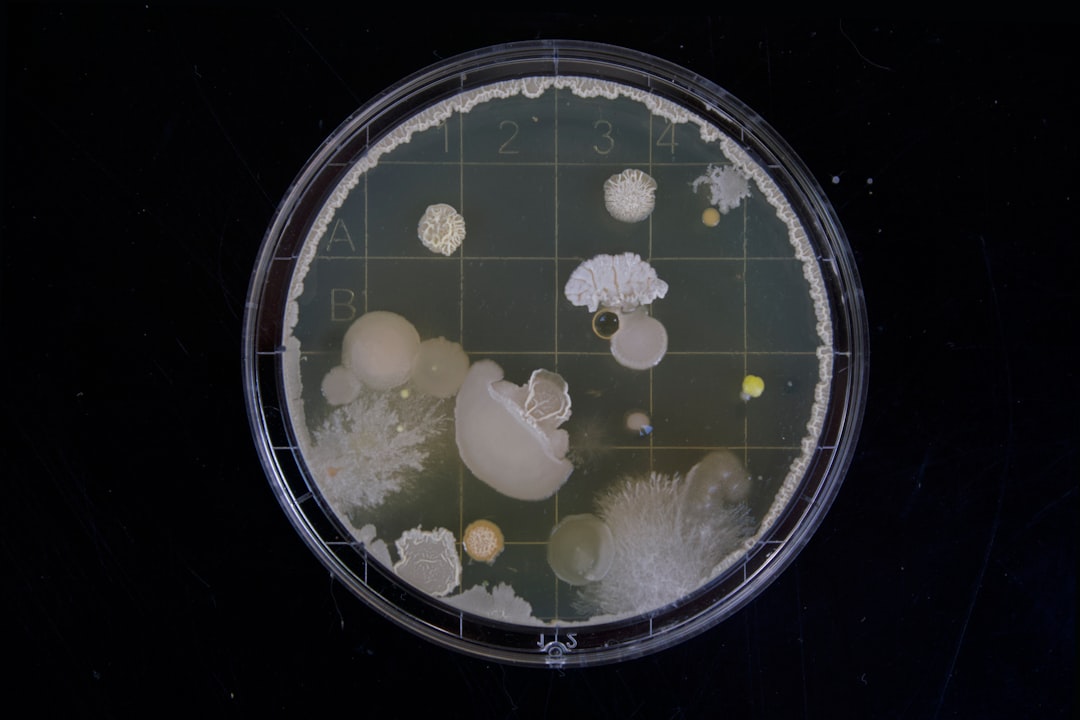
Bacteria are often seen as simple organisms with limited capabilities. However, their ability to adapt and survive in various environments has intrigued scientists for generations. These microscopic beings have unique problem-solving skills that are now being harnessed to solve puzzles that would typically require sophisticated algorithms. By observing bacteria in action, researchers have uncovered their innate ability to navigate complex structures, much like a human would navigate a maze. This revelation has sparked a wave of excitement in the scientific community, highlighting the untapped potential of these tiny organisms.
The Science Behind Bacterial Intelligence
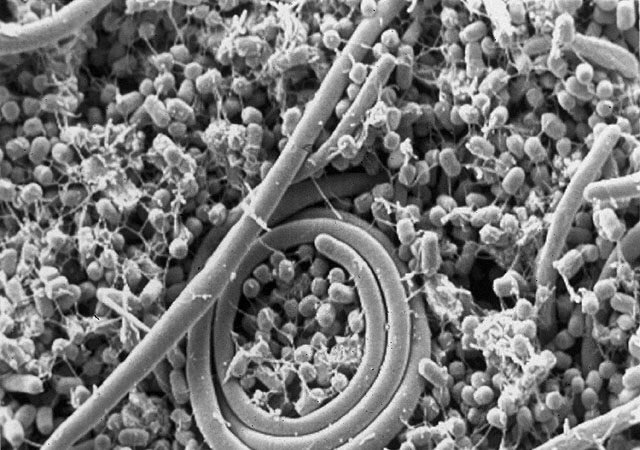
Bacteria communicate and process information through a network of chemical signals. This form of communication, known as quorum sensing, allows them to share information about their environment and make collective decisions. When placed in a maze, bacteria use these signals to explore pathways, remember previous routes, and eventually find the most efficient path to their target. This behavior mimics how a computer processes information, using algorithms to solve problems. Scientists have been able to manipulate these signals, essentially programming bacteria to act like living computers.
Creating the Maze: A Laboratory Experiment

Designing a maze for bacteria is not as simple as it sounds. Researchers must carefully construct the labyrinth to ensure it challenges the bacteria while providing the necessary conditions for survival. These mazes are often created using agar, a gelatinous substance that supports bacterial growth. Within this maze, researchers introduce nutrients at specific points, encouraging the bacteria to seek out these resources. By adjusting the maze’s complexity, scientists can observe how bacteria adapt to new challenges, offering insights into their problem-solving strategies.
Learning from Nature: Bio-Inspired Algorithms
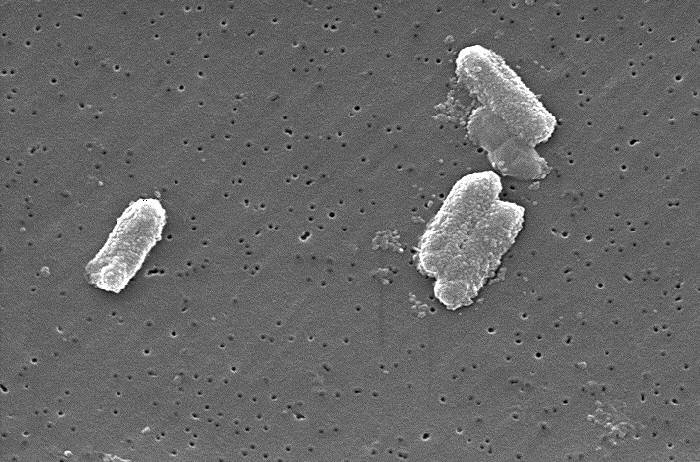
The understanding of bacterial maze-solving has inspired the development of bio-inspired algorithms. These algorithms are designed to mimic the behavior of bacteria, offering a more efficient way to solve complex problems. In the world of computing, these algorithms are used to optimize networks, improve data processing, and enhance artificial intelligence. By learning from nature, scientists can create systems that are not only more efficient but also more resilient, capable of adapting to changes much like bacteria in a maze.
The Implications for Medicine and Technology

The ability to program bacteria opens up exciting opportunities in both medicine and technology. In medicine, bacteria could be engineered to target specific pathogens, offering a new approach to treating infections. In technology, bacteria-based systems could revolutionize data storage, providing a sustainable alternative to traditional computing methods. The intersection of biology and technology presents a frontier where the possibilities are endless, and the potential for innovation is vast.
Challenges and Ethical Considerations
While the potential applications of bacteria in computing are promising, there are significant challenges to overcome. The complexity of programming living organisms requires a deep understanding of their biology and behavior. Additionally, ethical considerations must be addressed, ensuring that the use of bacteria in technology does not harm the environment or disrupt ecosystems. Scientists are committed to navigating these challenges responsibly, balancing innovation with ethical integrity.
The Future of Bio-Computing

As research progresses, the future of bio-computing looks bright. Scientists are exploring new ways to harness the power of bacteria, pushing the boundaries of what is possible. The integration of living organisms into technological systems could lead to breakthroughs in sustainability, efficiency, and adaptability. As we continue to learn from nature, the line between biology and technology becomes increasingly blurred, paving the way for a future where living computers are not just a possibility, but a reality.
Real-World Applications: Beyond the Maze
The principles learned from bacteria solving mazes are being applied to real-world scenarios. For instance, these principles are being used to optimize supply chain logistics, improve traffic flow in urban areas, and even enhance the efficiency of power grids. By applying the problem-solving strategies of bacteria to these challenges, we can create systems that are more adaptive and efficient, ultimately leading to improved outcomes in various industries.
Conclusion: A New Perspective on Intelligence
The discovery that bacteria can solve mazes like computers offers a new perspective on intelligence and problem-solving. It challenges our understanding of what it means to be intelligent and opens our eyes to the potential of nature’s smallest creatures. As we continue to explore the capabilities of bacteria, we may find that these tiny organisms hold the key to unlocking new technologies and solving some of the world’s most pressing problems. In this dance between biology and technology, the possibilities are as endless as the mazes themselves.