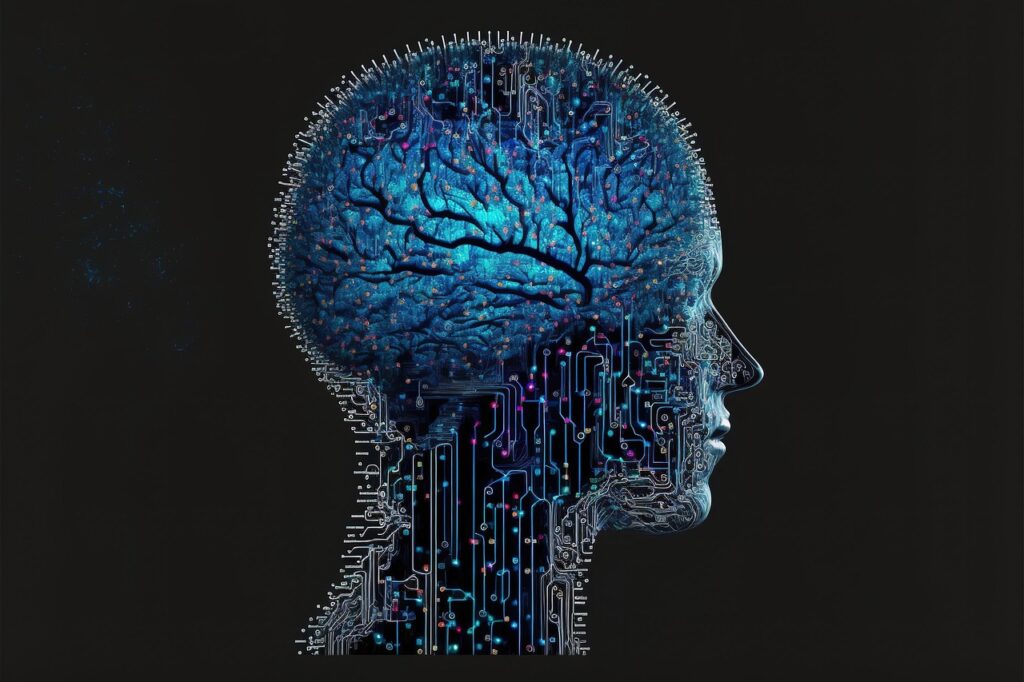
Mars has long captured the imagination of scientists and dreamers alike. With its rusty red surface and mysterious atmosphere, it beckons as a potential new home for humanity. The idea of terraforming Mars – transforming it into an Earth-like planet – has been a topic of intrigue and speculation for decades. But recent discoveries in the field of microbiology have added a fascinating twist to this narrative. Could tiny, almost invisible organisms be the key to making Mars habitable? Let’s delve into the world of these mysterious microbes and explore their potential role in shaping the future of our planetary neighbor.
The Concept of Terraforming Mars

Terraforming is the process of altering a planet’s environment to make it suitable for human life. On Mars, this means changing the atmosphere, temperature, surface topography, and ecology. The concept isn’t new; science fiction writers have been exploring it for years. However, turning this vision into reality is a formidable challenge. The thin atmosphere of Mars, composed primarily of carbon dioxide, lacks the necessary pressure and oxygen for human survival. Additionally, its surface is a barren wasteland, devoid of liquid water and organic material. Despite these hurdles, the idea of using microbial life to initiate the terraforming process is gaining traction.
Microbes: Nature’s Tiny Engineers
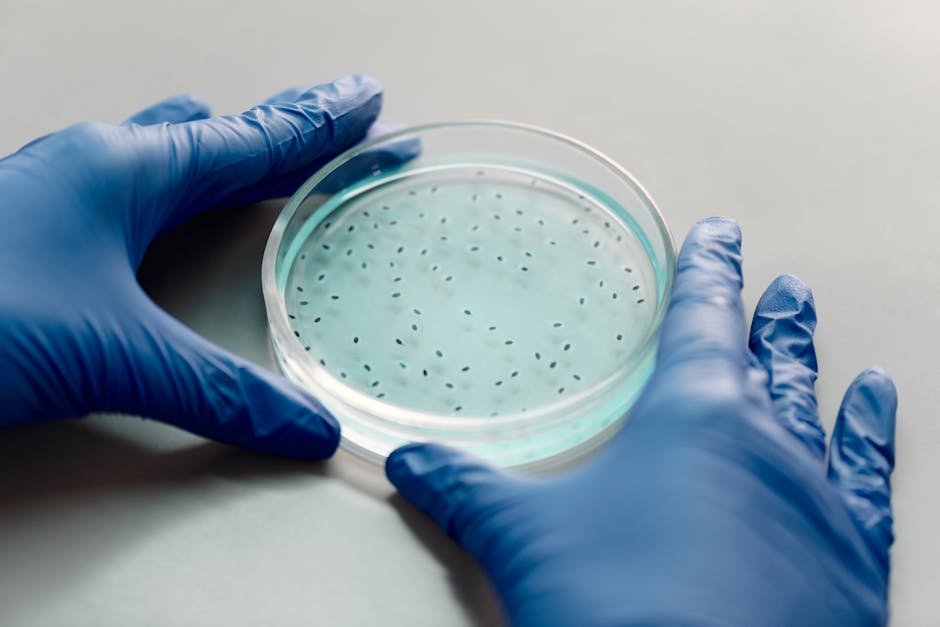
Microbes are microscopic organisms that exist all around us, from the depths of the ocean to the highest mountain peaks. They are incredibly diverse and resilient, capable of surviving in extreme conditions. On Earth, microbes play a crucial role in maintaining ecosystems, breaking down organic matter, and even producing oxygen. This makes them ideal candidates for terraforming Mars. Imagine a group of tiny engineers working tirelessly to transform barren soil into fertile ground or to introduce oxygen into a carbon-heavy atmosphere. These little powerhouses could be the unsung heroes of planetary transformation.
Lessons from Earth’s Extremophiles
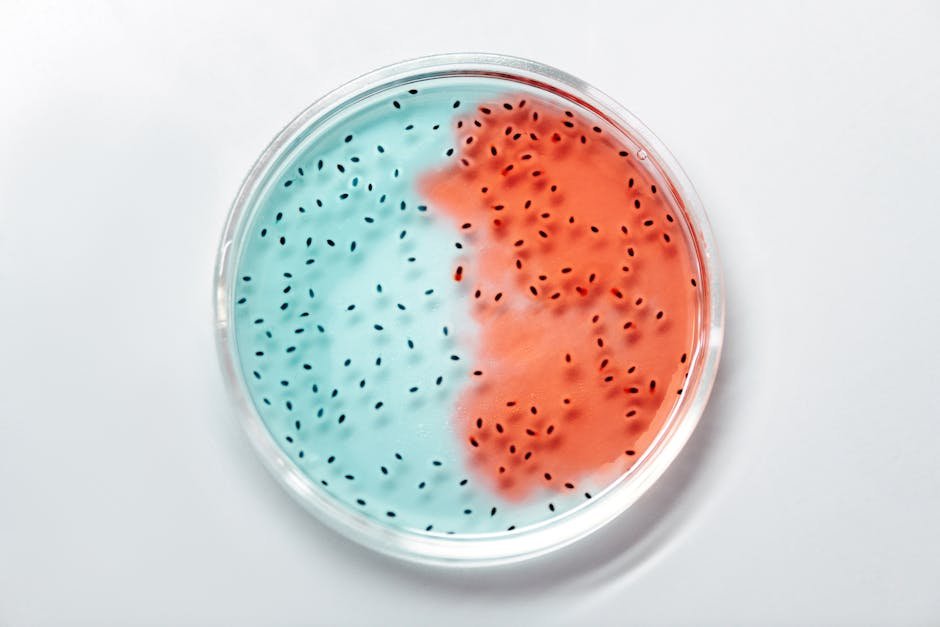
Extremophiles are a type of microbe that thrives in conditions once thought uninhabitable, such as boiling hot springs, acidic lakes, and radioactive environments. Studying these organisms on Earth provides valuable insights into how life might survive on Mars. For example, certain bacteria can withstand high levels of radiation, a feature that would be essential for surviving the harsh Martian surface. By understanding how extremophiles adapt and thrive, scientists can devise strategies to employ similar microbes on Mars, harnessing their unique abilities to kickstart the terraforming process.
The Role of Cyanobacteria
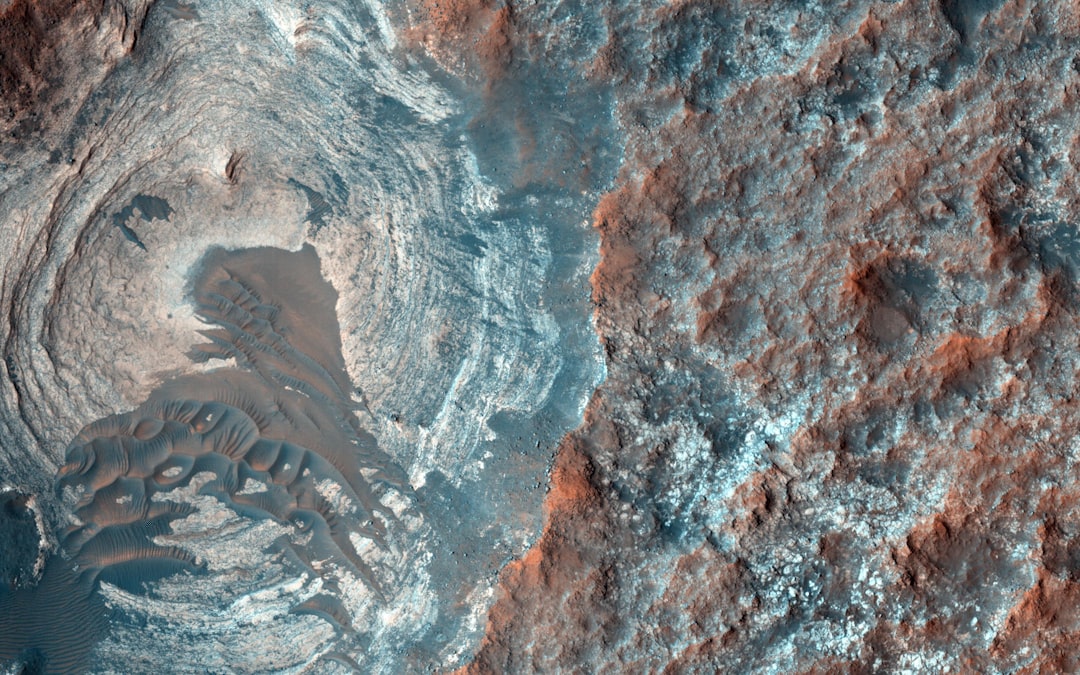
Cyanobacteria are often heralded as one of the most promising candidates for terraforming Mars. These photosynthetic organisms are capable of converting carbon dioxide into oxygen while producing organic compounds. On Earth, they were pivotal in shaping our planet’s atmosphere billions of years ago, leading to the Great Oxygenation Event. On Mars, cyanobacteria could perform a similar function, slowly increasing oxygen levels and creating conditions more amenable to human life. Their ability to extract nutrients from rocks and minerals also makes them ideal for breaking down the Martian regolith and enriching the soil.
Challenges and Considerations
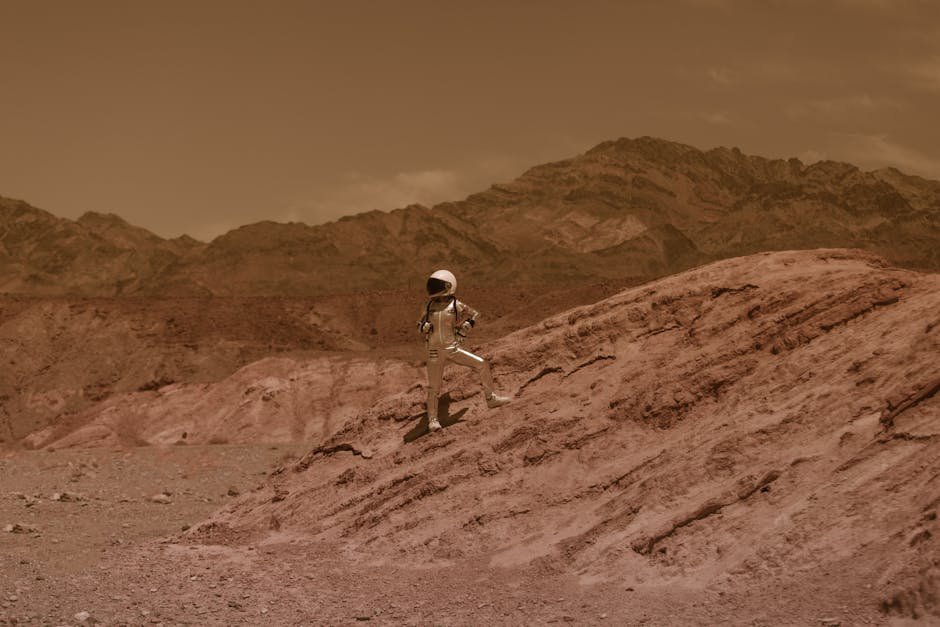
Despite the potential, using microbes to terraform Mars is not without challenges. The Martian environment is harsh and unforgiving, with extreme temperatures, high radiation levels, and a lack of liquid water. Any microbial introduction would need to be carefully managed to ensure survival and efficacy. Moreover, ethical considerations must be addressed. Introducing Earth-based life forms to Mars could disrupt any existing Martian ecosystems and complicate the search for indigenous life. Balancing these concerns with the desire to terraform will require thoughtful planning and international collaboration.
Current Research and Experiments
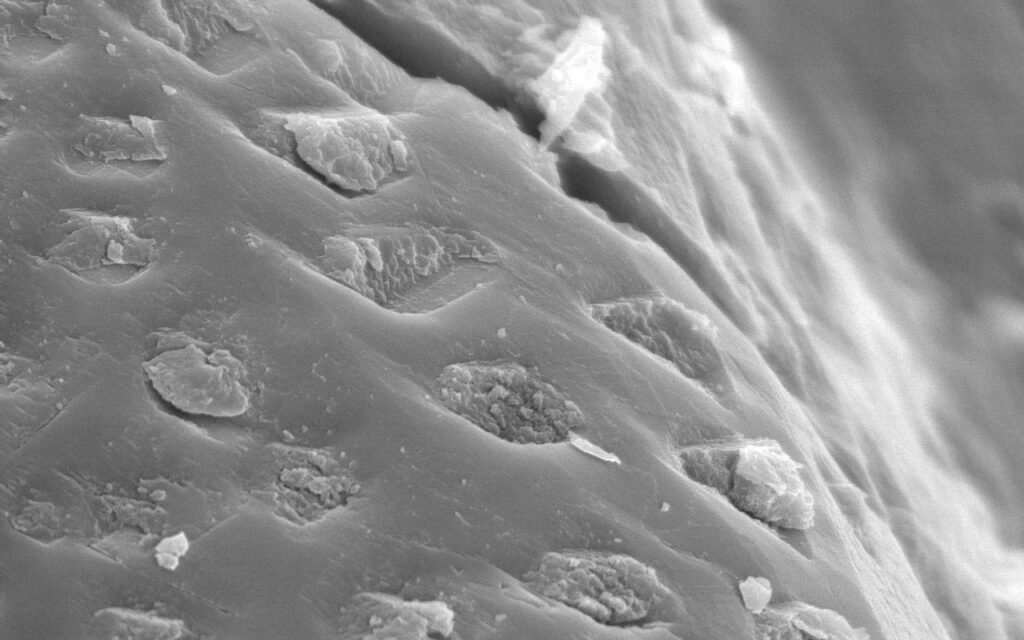
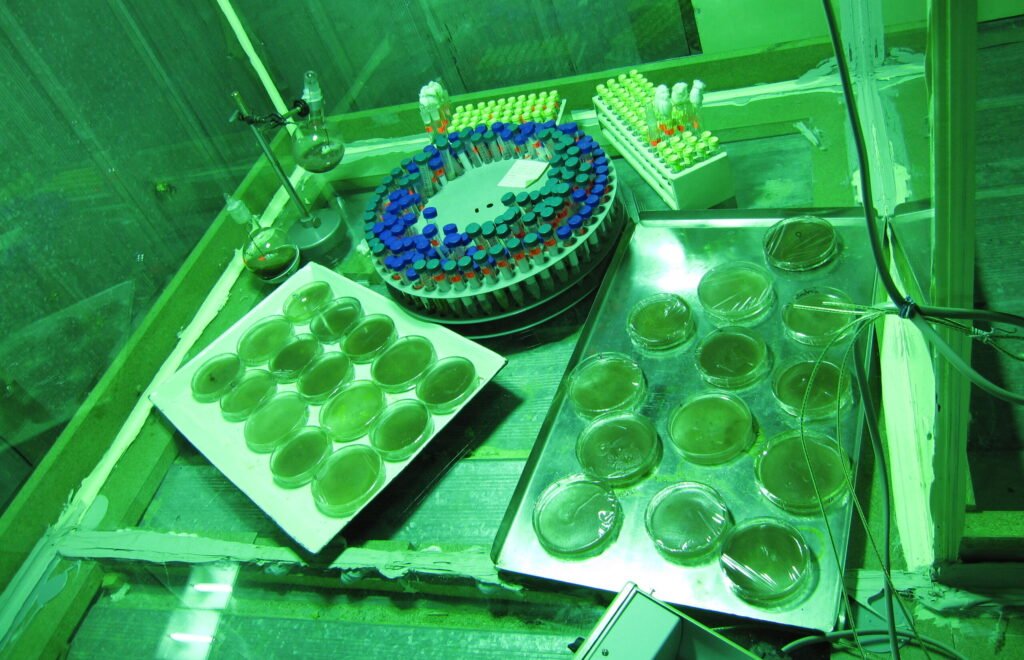
Scientists around the world are conducting experiments to explore the feasibility of using microbes for Martian terraforming. In laboratories, researchers simulate Martian conditions to test the resilience and adaptability of various microorganisms. Experiments have shown that some microbes can survive and even thrive under low-pressure, high-radiation environments similar to those found on Mars. Additionally, field tests in extreme environments on Earth, such as the Arctic and Antarctic, provide valuable data on microbial behavior in conditions analogous to the Martian surface.
Potential Environmental Impact
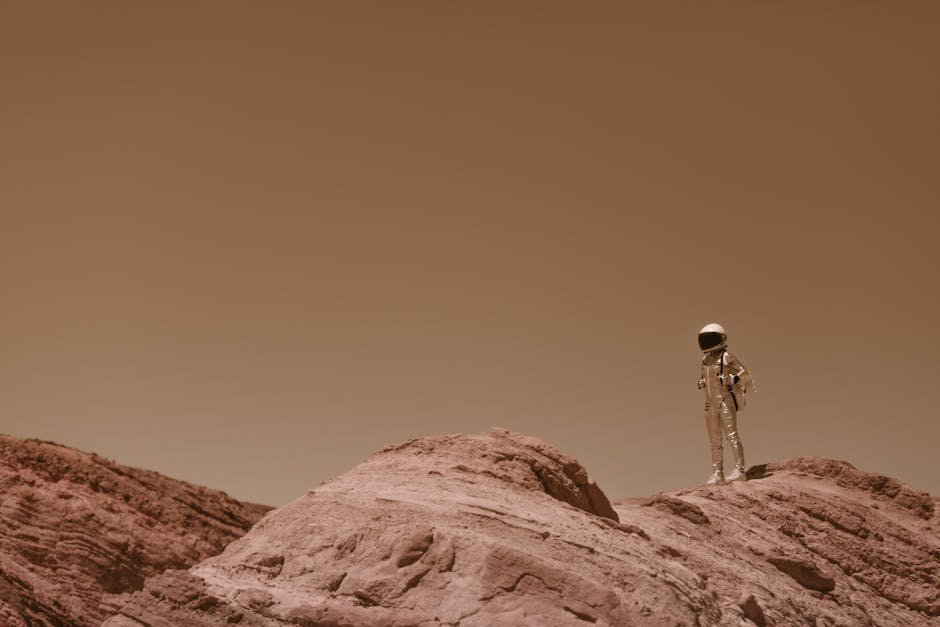
The introduction of microbes to Mars could have profound environmental implications. By breaking down the regolith and releasing essential nutrients, microbes could pave the way for more complex life forms. Over time, this might lead to the development of a rudimentary ecosystem, complete with soil, plants, and eventually, larger organisms. However, the process would be gradual, taking centuries or even millennia to achieve significant changes. It’s a long-term vision that requires patience and perseverance, but the potential rewards are immense.
Ethical Implications and Planetary Protection
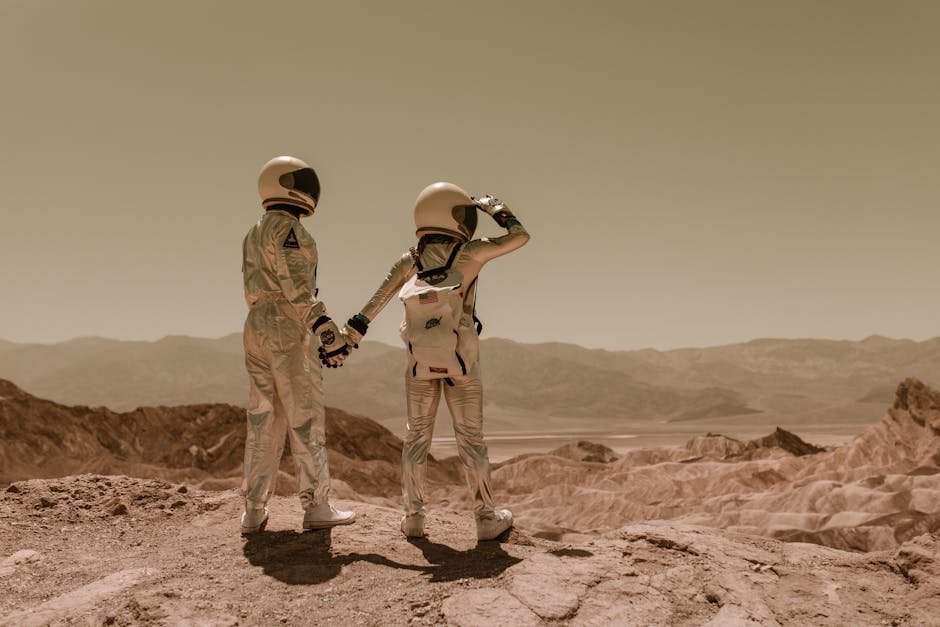
The prospect of altering another planet raises significant ethical questions. There is a responsibility to protect Mars as a pristine environment and to respect any potential indigenous life forms. The principles of planetary protection emphasize the importance of preventing biological contamination, both from Earth to Mars and vice versa. As we explore the possibility of terraforming, these ethical considerations must be at the forefront of planning and decision-making processes. It’s a delicate balance between exploration, preservation, and the desire to expand humanity’s reach into the cosmos.
Future Prospects and Vision
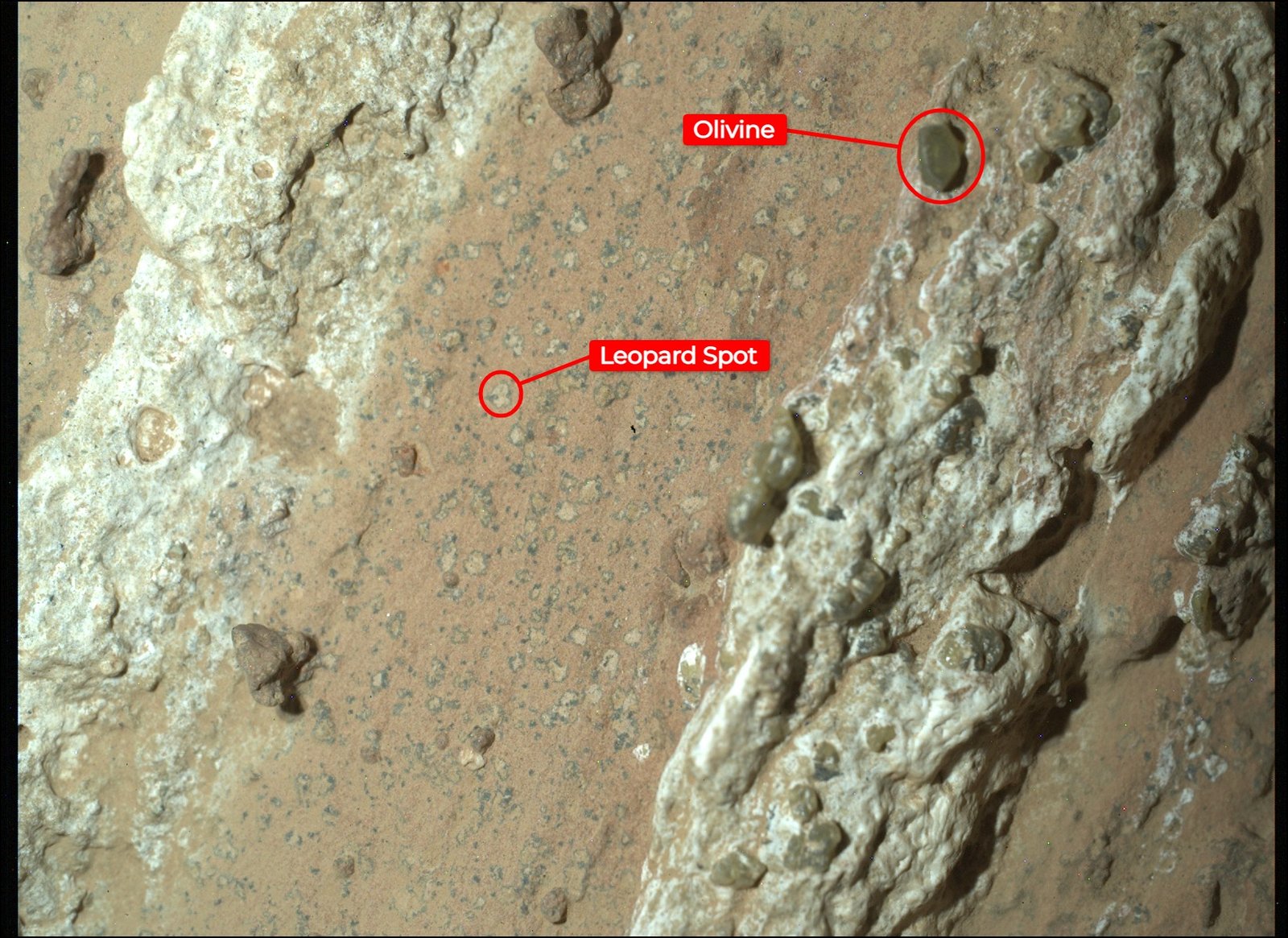
The vision of a terraformed Mars is both inspiring and daunting. While the challenges are immense, the potential benefits for humanity are equally significant. A habitable Mars could serve as a new frontier for exploration, a backup location for humanity in case of Earthly catastrophes, and a stepping stone to further exploration of the solar system. Microbes, with their incredible adaptability and transformative capabilities, could be the key to unlocking this vision. As research progresses, the dream of a green, thriving Mars moves closer to reality.
Conclusion
The mysterious microbes that could one day terraform Mars offer a captivating glimpse into the future of space exploration and planetary science. These tiny organisms, often overlooked in the grand scheme of things, hold the potential to transform a barren world into a living, breathing planet. While challenges remain, the continued study of microbes and their capabilities provides hope for those dreaming of a Martian transformation. As we stand on the cusp of a new era in space exploration, the role of these microscopic pioneers will be pivotal, guiding us towards a future where Mars may one day be a second home for humanity.