Imagine a world where the building blocks of life are manipulated to infiltrate the digital world. This is not the plot of a science fiction novel but a reality that researchers have delved into. In a groundbreaking experiment, scientists have embedded malware into DNA, showcasing a futuristic intersection of biology and technology. This daring feat is a testament to human ingenuity and a cautionary tale of the potential risks that come with it. Let’s explore this intriguing blend of biology, computer science, and cybersecurity.
The Unlikely Intersection of DNA and Technology
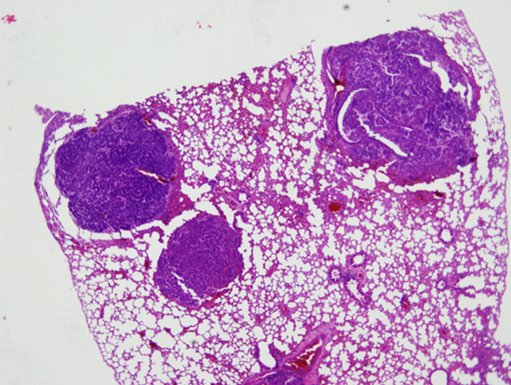
At first glance, DNA and computers seem worlds apart. DNA is the organic code that dictates the biological makeup of every living organism, while computers operate on binary code, a language of 0s and 1s. However, both share the fundamental principle of encoding information. Scientists discovered that DNA, with its unique sequence of four chemical bases—adenine, guanine, cytosine, and thymine—can be manipulated to store digital data. This revelation opened up a new frontier, where the biological code could potentially interact with and influence digital technology.
The Experiment that Brought Science Fiction to Life
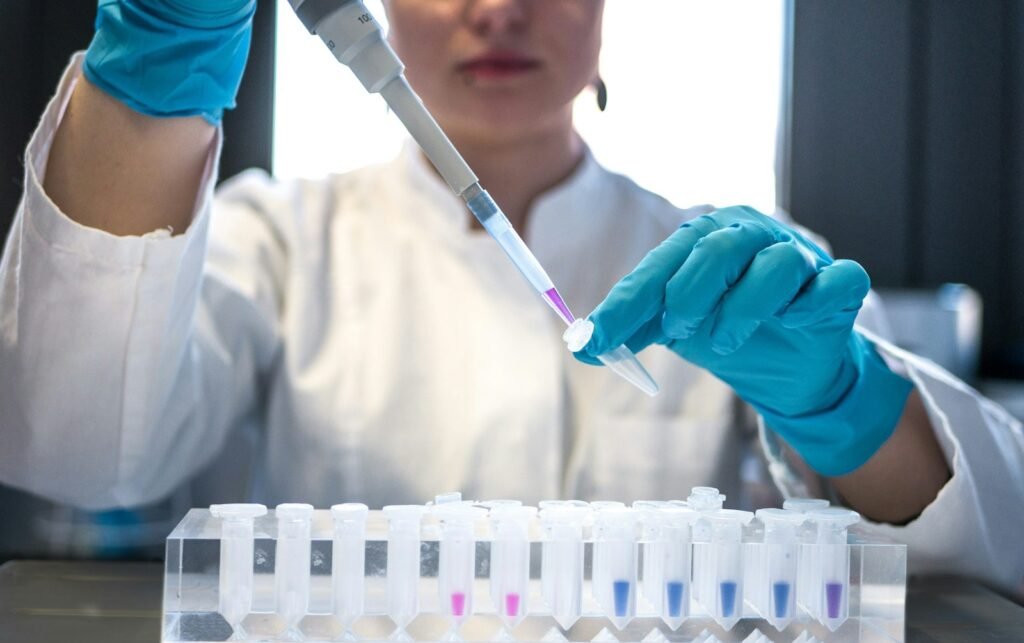
In 2017, a team of researchers from the University of Washington embarked on an audacious experiment. They successfully embedded a strand of DNA with malware, a type of malicious software, and used it to attack a computer. When the DNA was sequenced and analyzed by the computer, the malware was decoded and executed, compromising the system. This experiment was not only a proof of concept but a striking demonstration of the vulnerabilities that exist at the intersection of biology and technology.
How DNA Sequencing Opens Doors to Cyber Threats

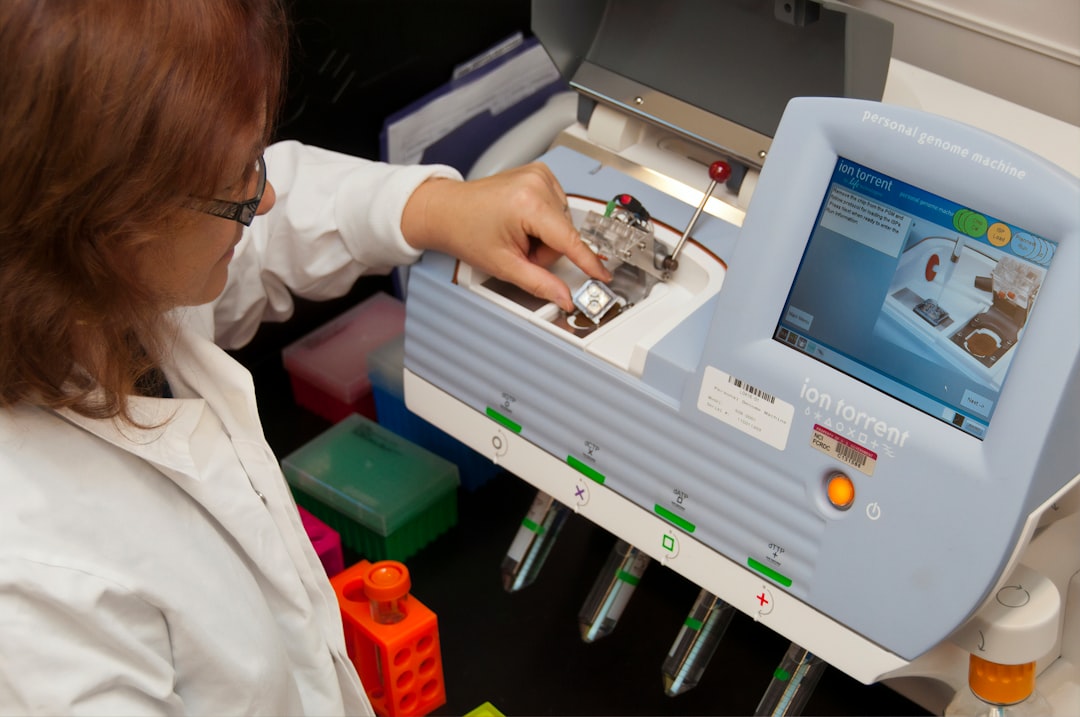
DNA sequencing is a process that decodes the genetic information in DNA into a digital format. Scientists use sophisticated machines to read and interpret these sequences. In the experiment, researchers manipulated the DNA sequence to contain malicious code. When the sequencing machine processed this DNA, it inadvertently executed the malware embedded within. This method highlights a potential cybersecurity risk, as DNA sequencing becomes more prevalent in medical and forensic fields.
The Implications for Cybersecurity

The notion of malware embedded in DNA raises significant cybersecurity concerns. As sequencing technology advances and becomes more accessible, the potential for misuse grows. The experiment serves as a wake-up call for the cybersecurity industry to consider biological data as a potential vector for digital attacks. Defending against such threats requires innovative strategies and a multidisciplinary approach, combining expertise from biology, computer science, and cybersecurity.
Ethical Considerations and the Role of Scientists
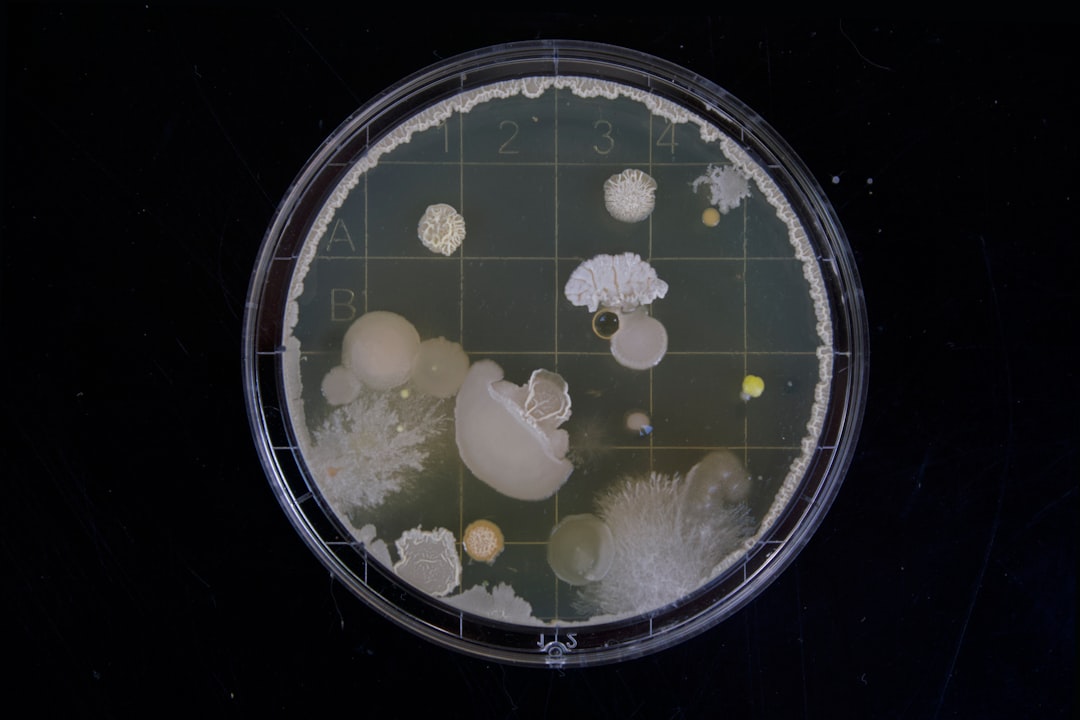
With great power comes great responsibility. The ability to embed malware in DNA poses ethical questions about the potential misuse of such technology. Scientists must tread carefully, balancing innovation with ethical responsibility. The experiment underscores the need for strict ethical guidelines and regulations to prevent the exploitation of this technology for malicious purposes.
The Future of Biological Hacking
As fascinating as it is frightening, the concept of biological hacking is still in its infancy. The potential for DNA to interact with digital systems opens new avenues for research and innovation. However, it also poses new challenges that must be addressed to prevent misuse. The future may see DNA being used for secure data storage or even in the development of new cybersecurity technologies, but vigilance and foresight are essential to navigate these uncharted waters safely.
Real-World Applications Beyond Cybersecurity

Beyond the realm of cybersecurity, the ability to encode digital information into DNA has exciting applications. Scientists are exploring the use of DNA as a medium for long-term data storage, due to its incredible density and durability. Unlike traditional storage methods that degrade over time, DNA can preserve information for thousands of years. This could revolutionize how we store and access data, providing a sustainable solution for the growing demands of the digital age.
A Cautionary Tale for the Digital Age

The experiment serves as a cautionary tale for the digital age, reminding us of the unintended consequences that can arise from technological advancements. As we continue to push the boundaries of what is possible, it is crucial to anticipate and mitigate potential risks. The fusion of biology and technology holds immense potential, but it also demands a careful and considered approach to ensure that it benefits humanity without compromising security.
Engaging the Public and Raising Awareness

Public awareness and understanding of the implications of embedding malware in DNA are crucial. By educating the public, we can foster informed discussions about the ethical, legal, and social implications of such technology. Engaging with the broader community will help ensure that technological advancements are aligned with societal values and priorities, fostering a future where innovation is guided by ethical considerations.
The Continuing Evolution of Technology and Biology

As technology continues to evolve, the line between biology and digital systems becomes increasingly blurred. The experiment is a glimpse into a future where these fields converge in unexpected ways. While the potential benefits are vast, the risks cannot be ignored. As we navigate this brave new world, collaboration between scientists, ethicists, and policymakers will be essential to harness the power of this technology responsibly.