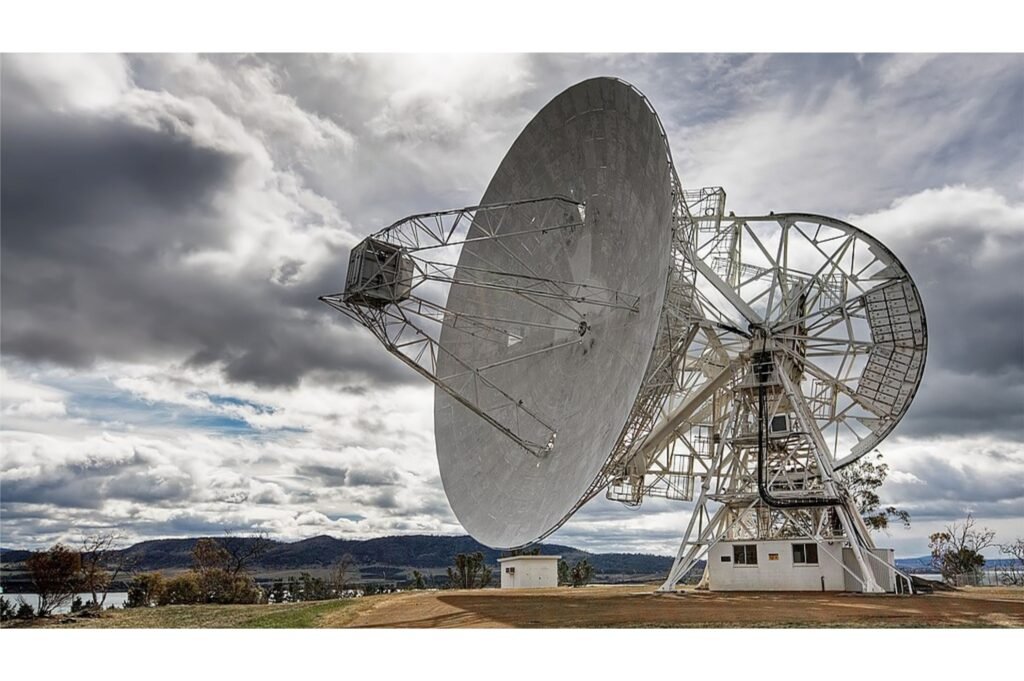

Nestled in the heart of Australia, the Parks Radio Telescope stands as an emblem of human curiosity and scientific ambition. This iconic dish, affectionately known as “The Dish,” has been at the forefront of astronomical research since its inception. Its primary mission is both awe-inspiring and mysterious: to search for signs of extraterrestrial life. As one of the world’s most powerful radio telescopes, it has played an integral role in our quest to determine whether we are alone in the universe. Through precise detections and innovative techniques, it continues to fuel the imagination of scientists and the public alike.
The Legacy of the Parks Radio Telescope
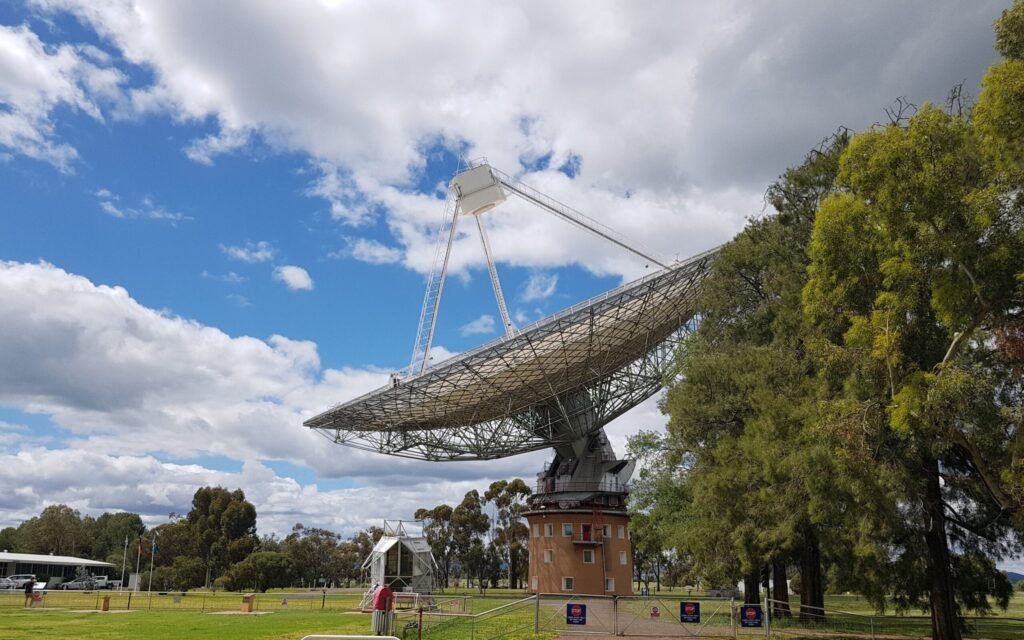
The Parks Radio Telescope, located in New South Wales, Australia, was completed in 1961 and quickly became a cornerstone of radio astronomy. This impressive structure measures 64 meters in diameter and is equipped with cutting-edge technology designed to capture faint radio waves from the farthest reaches of space. Over the decades, it has contributed to countless discoveries, including aiding in the Apollo moon landings by relaying live television footage. Its legacy as a pioneer in space exploration is unmatched, and its role in the search for alien life is a testament to its enduring significance.
How Radio Telescopes Search for Alien Life
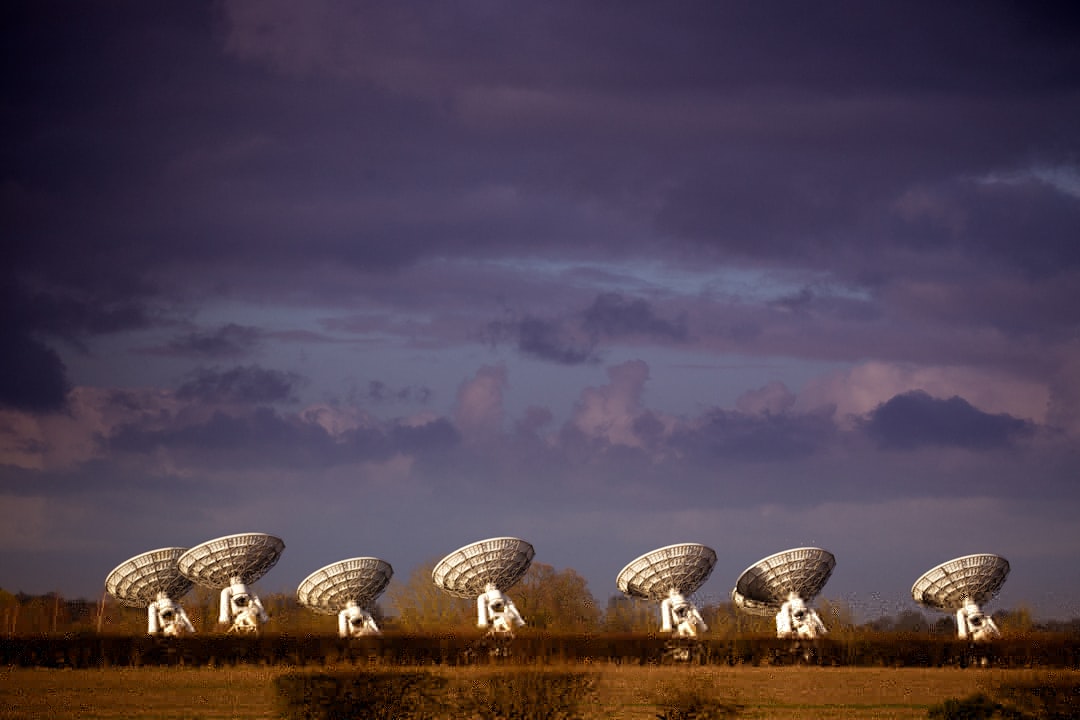
Radio telescopes like the Parks Radio Telescope are adept at picking up radio waves emitted by celestial bodies. These waves can offer clues about the composition, distance, and movement of objects in space. In the search for extraterrestrial intelligence (SETI), scientists hone in on specific frequencies that might indicate the presence of life. By scanning the skies for unusual signals or patterns, researchers hope to find evidence of advanced civilizations. This method relies on the assumption that intelligent beings, much like humans, would use technology that emits radio waves.
Why Australia is the Perfect Location
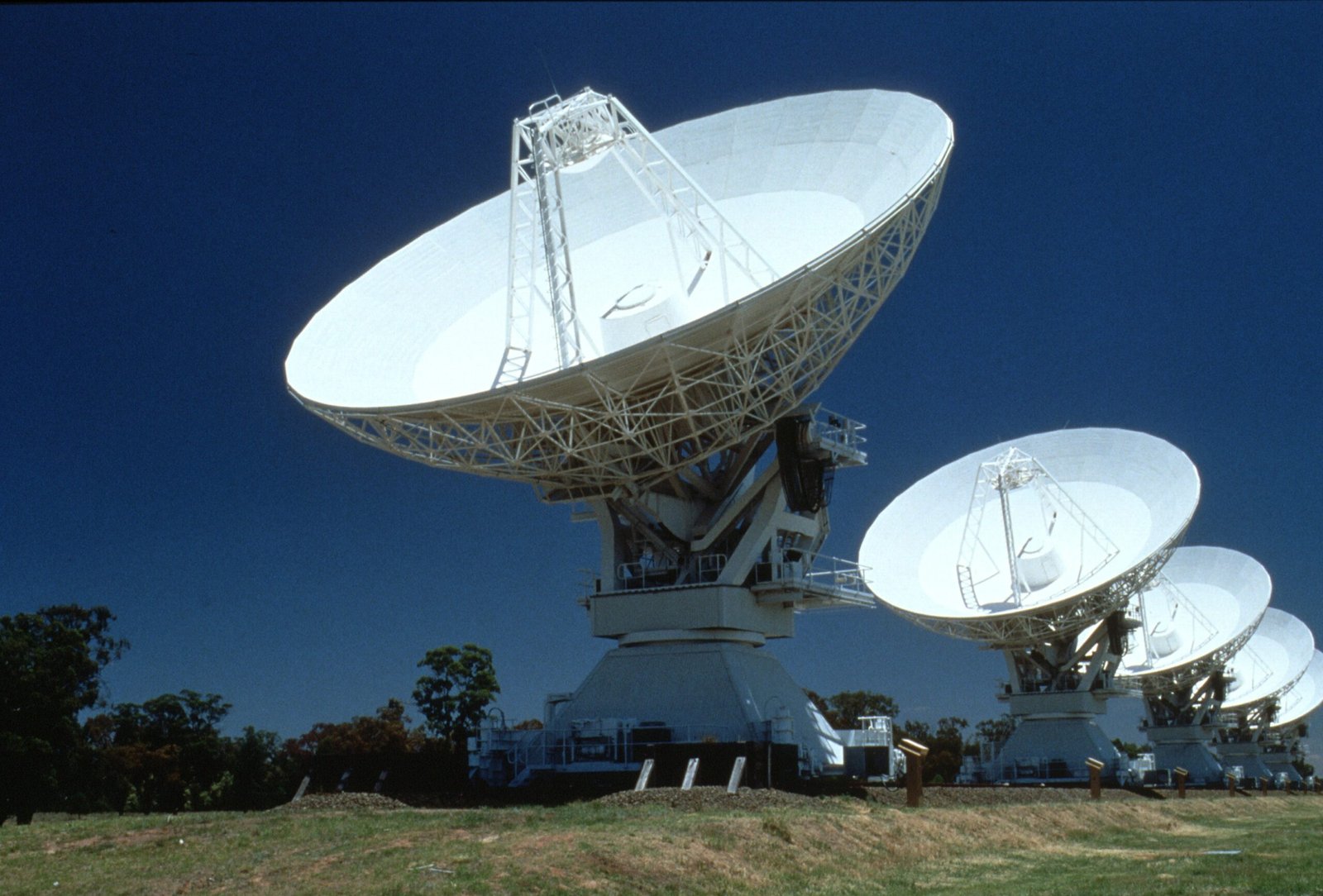
Australia’s unique geographic and atmospheric conditions make it an ideal location for radio astronomy. The country’s vast, unpopulated areas provide minimal radio interference, allowing telescopes to detect the faintest signals from space. Additionally, the Southern Hemisphere offers a distinct vantage point, giving astronomers access to parts of the sky not visible from the Northern Hemisphere. This strategic advantage allows the Parks Radio Telescope to scan a broader expanse of the universe, increasing the chances of identifying extraterrestrial communications.
Notable Discoveries from the Parks Radio Telescope
Throughout its history, the Parks Radio Telescope has been instrumental in numerous groundbreaking discoveries. It played a pivotal role in confirming the existence of pulsars, which are rapidly rotating neutron stars that emit beams of radiation. These discoveries have deepened our understanding of the cosmos and provided invaluable data for the scientific community. The telescope’s ability to detect subtle anomalies in radio waves has set the stage for identifying potential signs of alien life, showcasing its unparalleled capabilities.
The Role of Technology in the Search

Advancements in technology have revolutionized the search for extraterrestrial life. The Parks Radio Telescope is equipped with state-of-the-art receivers and data processing systems that enhance its sensitivity and accuracy. These technological innovations allow scientists to analyze vast amounts of data in real-time, increasing the likelihood of detecting extraterrestrial signals. The integration of artificial intelligence and machine learning further aids in sifting through complex datasets, identifying patterns that might indicate intelligent life.
International Collaborations and Partnerships

The search for alien life is a global endeavor, and the Parks Radio Telescope is part of a broader network of international collaborations. By partnering with other observatories and research institutions, scientists can share data, resources, and expertise. This collaborative approach maximizes the potential for discovery, as it allows for cross-verification of findings and the pooling of knowledge. The global scientific community’s shared goal of uncovering the mysteries of the universe underscores the importance of these partnerships.
Challenges and Limitations in the Search

Despite the remarkable capabilities of the Parks Radio Telescope, the search for extraterrestrial life is fraught with challenges. One of the primary obstacles is distinguishing between natural cosmic phenomena and potential alien signals. The vastness of space also means that signals can take years, if not decades, to reach Earth. Additionally, the assumption that extraterrestrial beings use technology similar to ours may limit the scope of the search. Overcoming these challenges requires ongoing innovation and perseverance.
The Impact on Public Imagination
The quest to find alien life has captured the imagination of people worldwide. The idea that we might not be alone in the universe is both thrilling and humbling. The Parks Radio Telescope, with its storied history and cutting-edge research, serves as a symbol of human curiosity and the relentless pursuit of knowledge. Its endeavors inspire countless individuals to look to the stars and ponder the possibilities that lie beyond our planet. This fascination fuels interest in science, technology, engineering, and mathematics (STEM) fields, encouraging future generations to explore the unknown.
Future Prospects and Developments
As technology continues to evolve, so too does our approach to searching for alien life. The Parks Radio Telescope remains at the forefront of these developments, with upgrades and enhancements planned to further its capabilities. New instruments and techniques promise to refine the search, increasing the chances of detecting extraterrestrial signals. The future holds exciting possibilities, and the Parks Radio Telescope will undoubtedly play a pivotal role in shaping our understanding of the cosmos.
Conclusion: The Endless Quest for Knowledge
The search for alien life is a testament to humanity’s insatiable curiosity and desire to understand our place in the universe. The Parks Radio Telescope stands as a beacon of hope and innovation, leading the charge in this cosmic quest. As we continue to explore the depths of space, the possibility of discovering extraterrestrial life remains a tantalizing prospect. With each scan of the sky, we inch closer to answering one of humanity’s most profound questions: Are we alone?