Imagine a world where the mere act of thinking could send an email, open a webpage, or even control a robot. This is not the plot of a futuristic sci-fi movie but a reality that is steadily unfolding. Brain-computer interfaces (BCIs) have made this possible. By embedding tiny chips in the brain, researchers are paving the way for humans to control computers and devices through sheer thought. This fascinating technology combines neuroscience and computer science, breaking barriers we once thought insurmountable.
The Science Behind Brain-Computer Interfaces
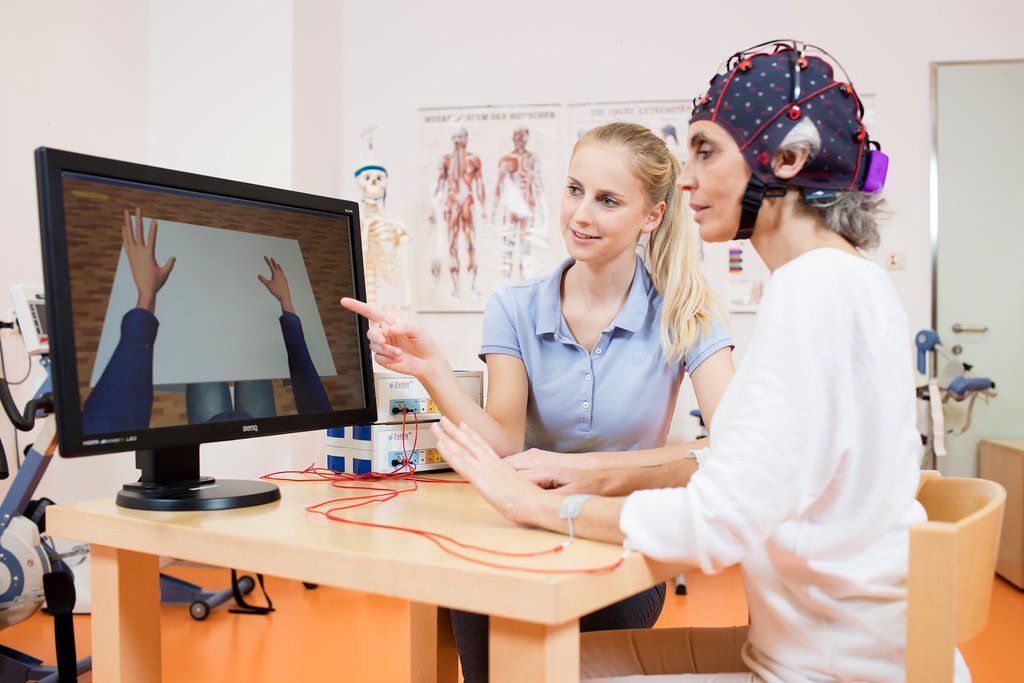
At the heart of this technology is the brain chip, a marvel of modern science. BCIs work by detecting electrical signals from the brain, which are then translated into commands that a computer can understand. The brain is a complex network of neurons that communicate through electrical impulses. These impulses are picked up by the chip, which acts like a translator between the brain’s language and computer code. It’s like having a personal interpreter that converts your thoughts into actions in the digital world.
How Brain Chips Are Implanted
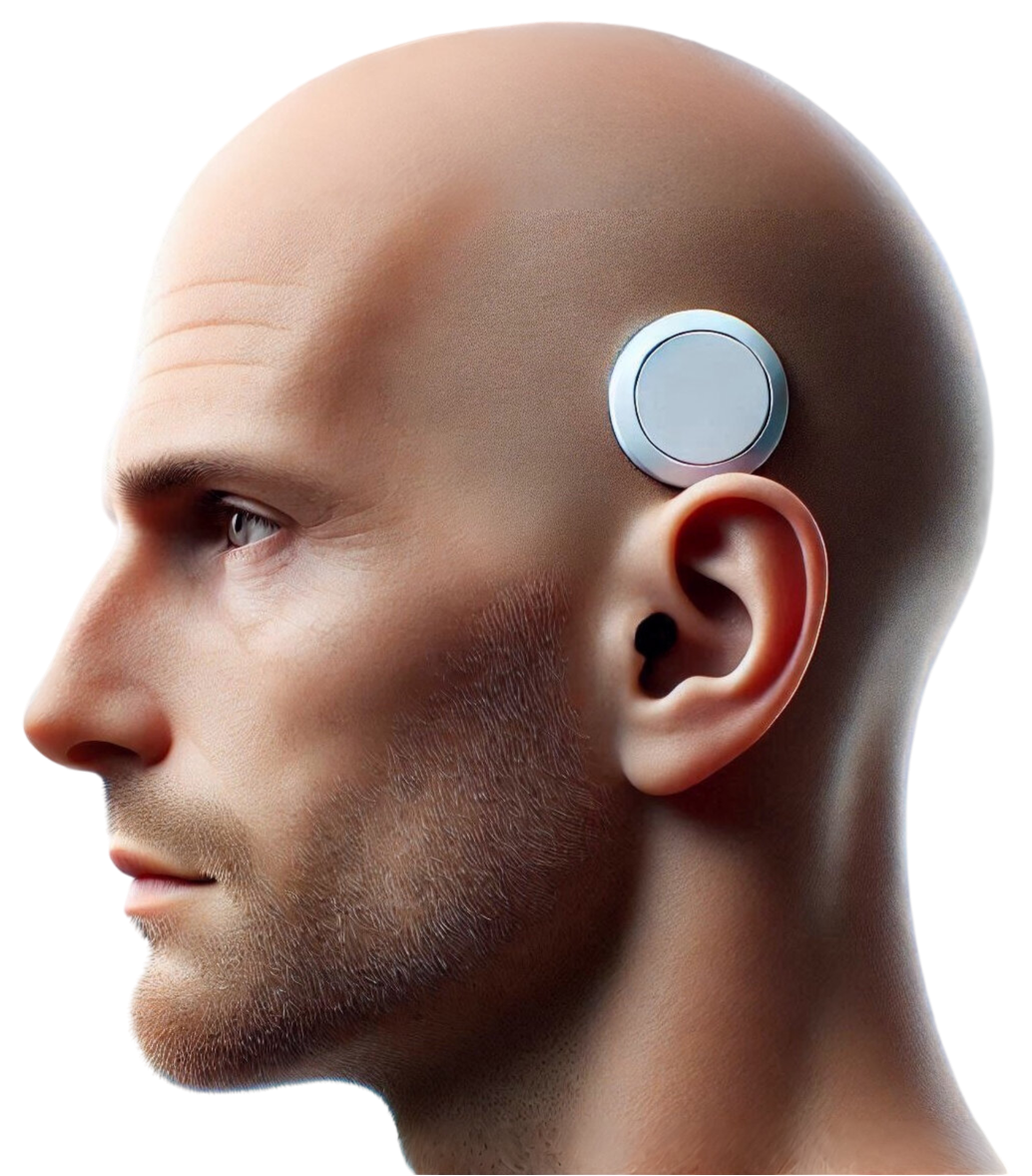
The process of implanting a brain chip is as intricate as the technology itself. Surgeons use advanced imaging techniques to determine the best spot in the brain to place the chip. Once identified, the chip is carefully implanted, ensuring minimal disruption to brain function. The procedure requires precision and expertise, akin to threading a needle in a haystack. Post-surgery, patients undergo training to learn how to use the chip effectively, much like learning to play a musical instrument.
Applications in Medicine
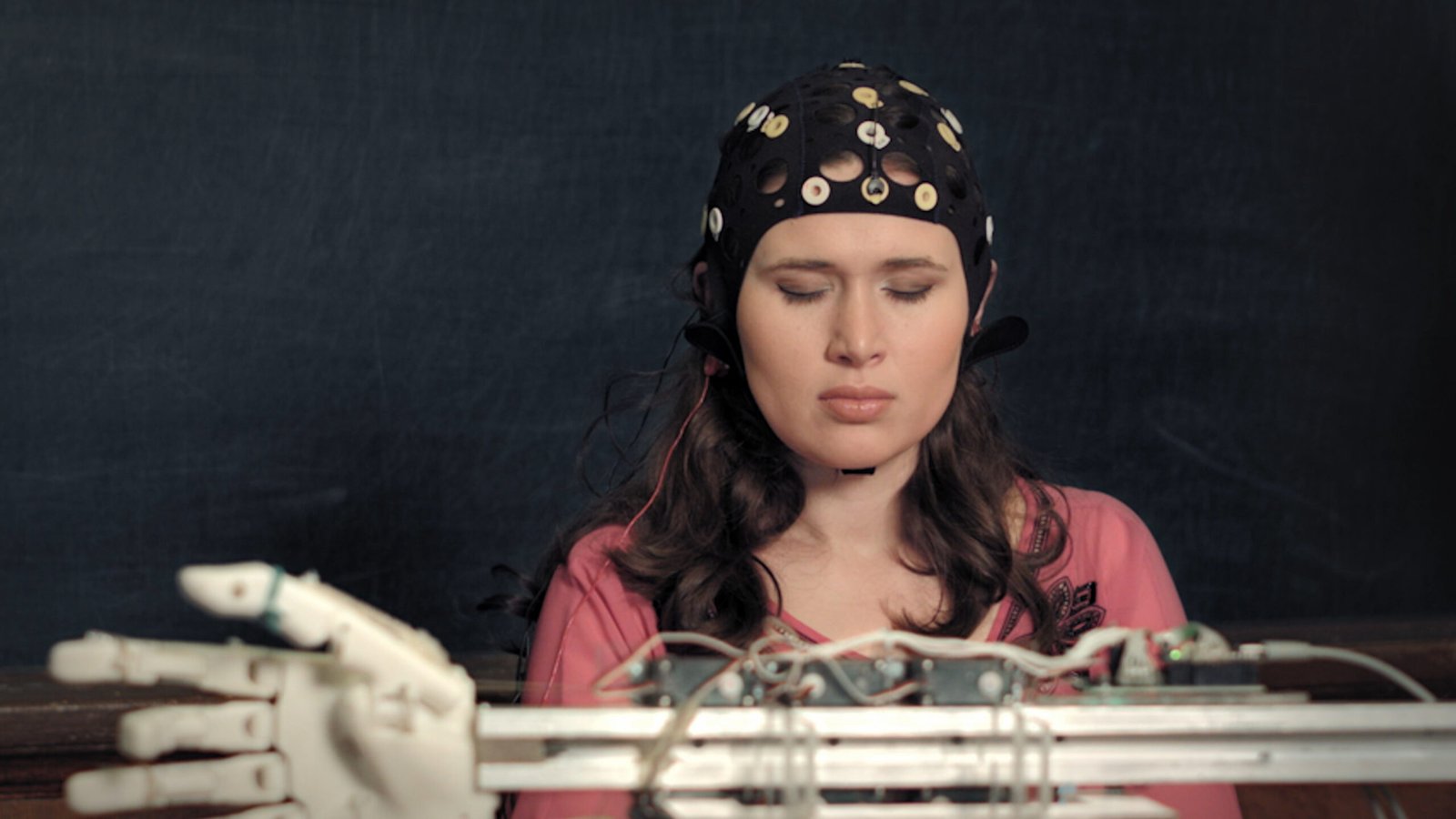
One of the most promising applications of BCIs is in the field of medicine. For individuals with paralysis or motor impairments, brain chips offer a new lease on life. They can control prosthetic limbs or even communicate through computers without the need for physical movement. Imagine a person with ALS (Amyotrophic lateral sclerosis) typing a message just by thinking about it. This technology gives them a voice, a tool to interact with the world that was previously out of reach.
Enhancing Human Capabilities

Beyond medical applications, BCIs hold potential for enhancing human capabilities. Imagine controlling a drone with your mind or interacting with virtual reality environments without any physical controllers. This technology opens up possibilities that extend far beyond our current understanding of human-computer interaction. It’s like upgrading the human experience, providing a seamless interface between thought and action that was once the domain of science fiction.
Challenges and Ethical Considerations
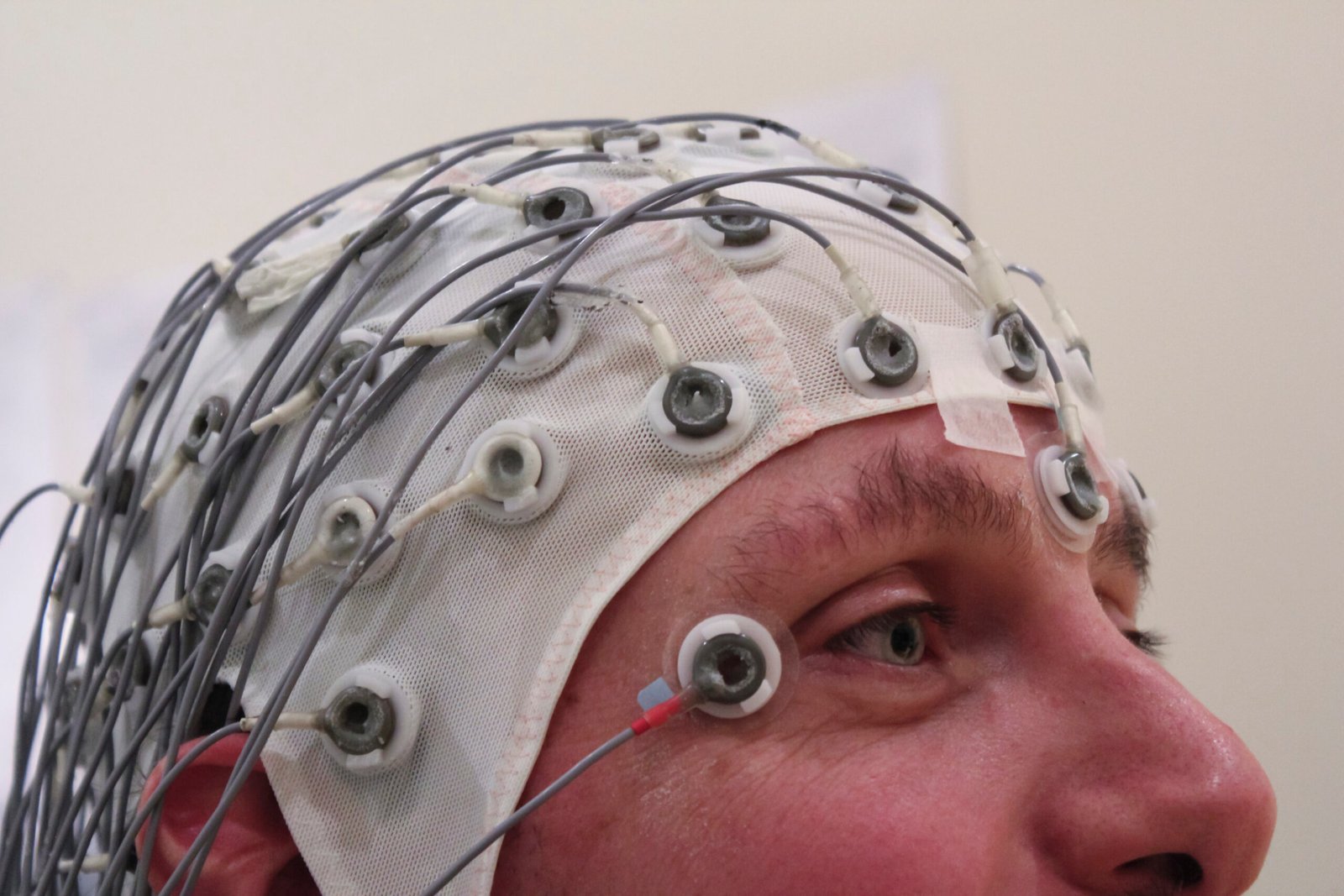
Despite its promise, brain chip technology faces significant challenges and ethical dilemmas. Privacy concerns are paramount; after all, these chips have access to our most personal thoughts. There’s also the risk of hacking, where malicious entities could potentially manipulate or access sensitive data. As with any powerful technology, ethical guidelines and robust security measures are essential to prevent misuse and ensure that the technology benefits humanity as a whole.
Real-World Examples
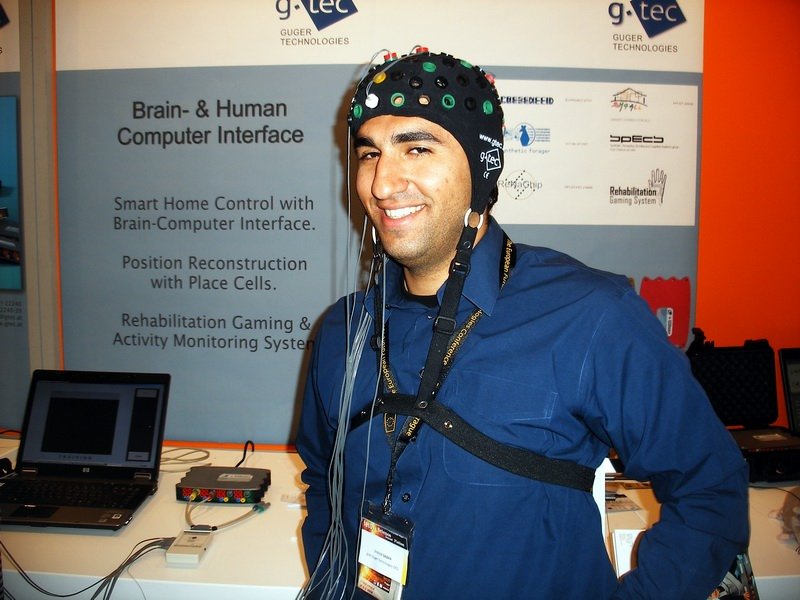
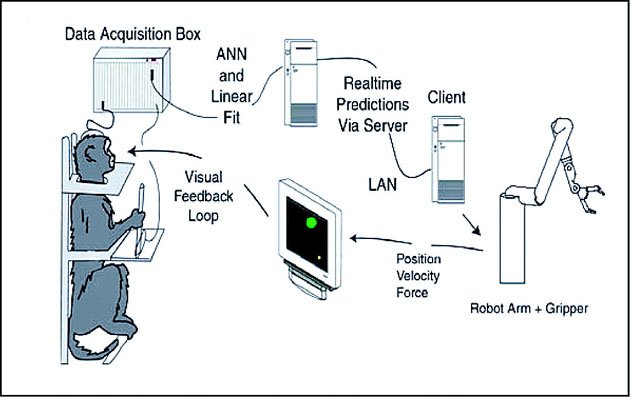
There are already real-world examples of brain chips in action. Neuralink, spearheaded by Elon Musk, is one of the companies at the forefront of this innovation. They have demonstrated monkeys playing video games using only their thoughts, showcasing the potential of BCI technology. Such demonstrations not only prove the viability of brain chips but also inspire further research and development. It’s like witnessing the dawn of a new era where technology and biology converge in unprecedented ways.
The Role of Artificial Intelligence
Artificial intelligence (AI) plays a crucial role in the functioning of BCIs. Machine learning algorithms help translate brain signals into meaningful commands, improving accuracy and efficiency. AI acts as the brain chip’s best friend, constantly learning and adapting to better understand an individual’s unique brain patterns. This symbiotic relationship between AI and BCIs enhances the technology’s potential, making it more accessible and effective for users.
Future Prospects and Developments
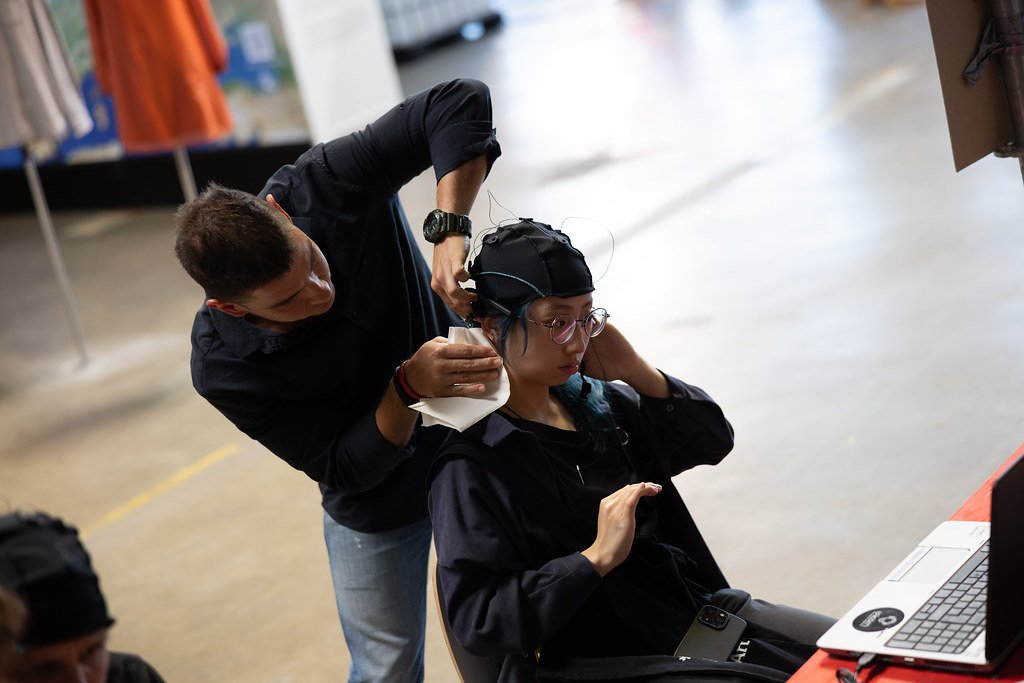
The future of brain chips is as boundless as the human imagination. Researchers are exploring ways to make the technology more affordable and accessible, aiming for a day when BCIs become as common as smartphones. There’s potential for integration with other technologies, creating a network of interconnected devices that respond to our thoughts. The possibilities are endless, and as research progresses, we may soon see brain chips as an integral part of daily life, much like the internet or electricity.
Impact on Society
The widespread adoption of brain chips could have profound impacts on society. It could bridge the digital divide, offering individuals with disabilities unprecedented access to technology. On a broader scale, it could redefine how we interact with machines, making technology more intuitive and responsive. However, this also raises questions about societal norms and the definition of human capability. As we integrate more with technology, we must consider the implications on identity, privacy, and the human experience.
Conclusion: A New Frontier
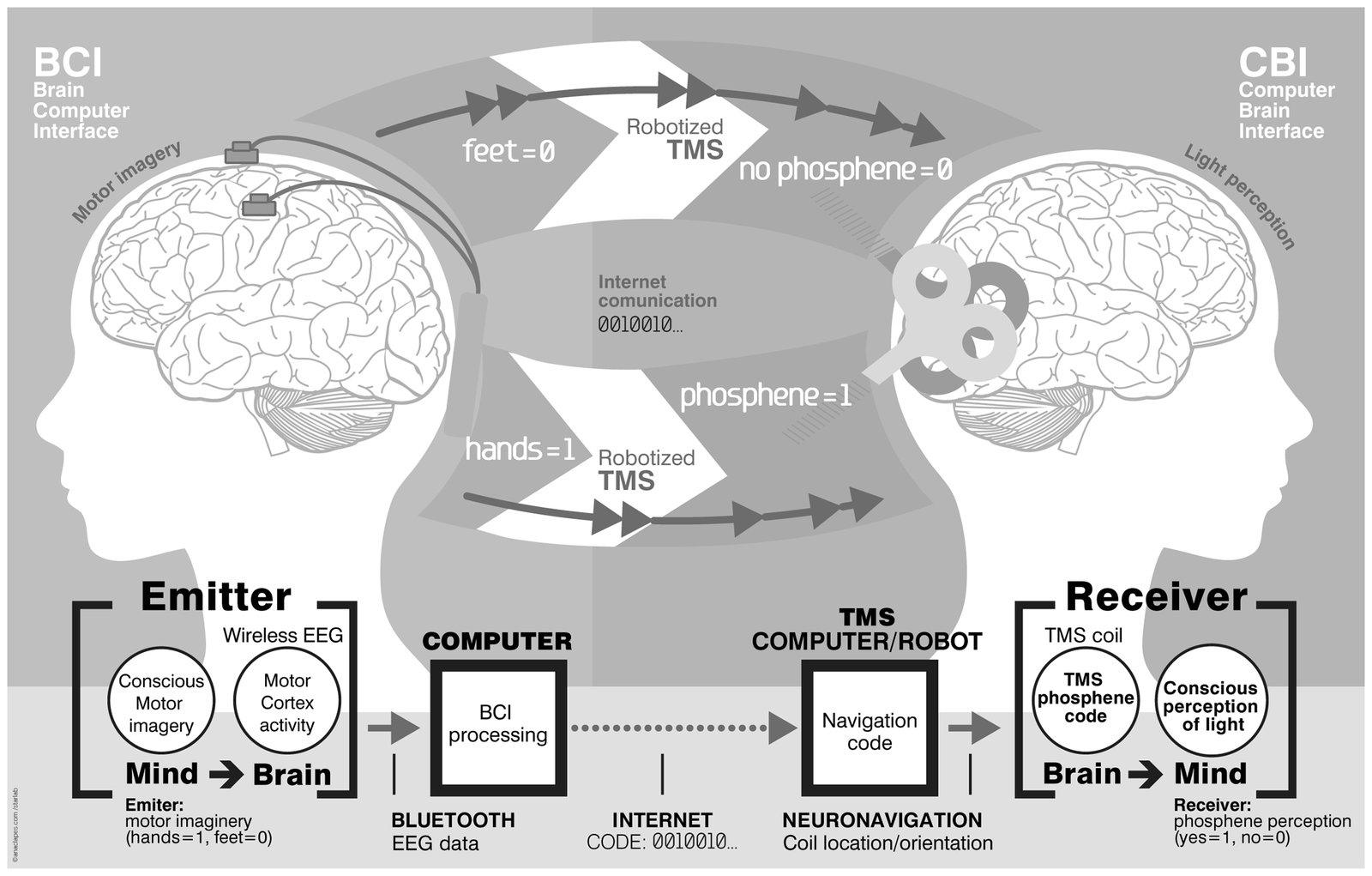
In conclusion, the brain chip that lets people control computers with their thoughts represents a new frontier in human-machine interaction. It challenges our understanding of what it means to be human and how we interact with technology. As we stand on the precipice of this new era, it is crucial to navigate this landscape with caution, ensuring that the advancements serve humanity positively. The journey ahead is as exciting as it is uncertain, with the potential to transform lives and redefine our relationship with technology.