The Outer Banks, a string of barrier islands off the coast of North Carolina, is home to one of nature’s most enchanting mysteries: the wild horses. These horses, often referred to as “banker horses,” have roamed the sandy shores for centuries, captivating the hearts and minds of those who encounter them. Their presence is more than just a picturesque scene; it is a testament to resilience, adaptation, and the enduring spirit of survival. But how have these ancient herds managed to thrive for so long in such a challenging environment?
The Mysterious Origins of Outer Banks Horses
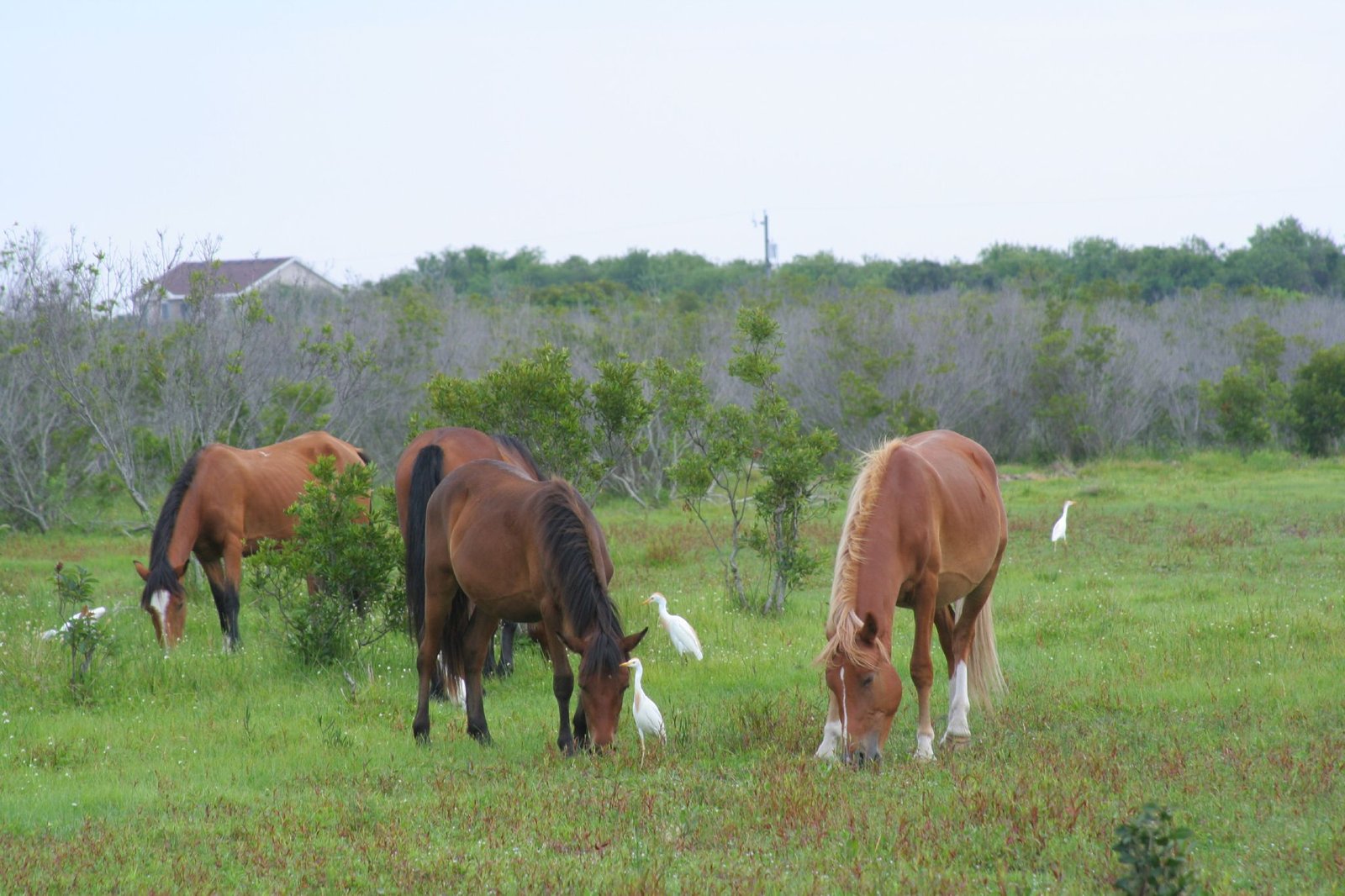
The origins of the wild horses of the Outer Banks are shrouded in mystery and legend. Some believe they are descendants of Spanish mustangs that swam ashore from shipwrecked galleons in the 16th century. Others suggest they were brought by early European settlers who abandoned them. Regardless of their beginnings, these horses have become a symbol of the untamed spirit of the land. The mystery surrounding their origins only adds to the allure of these majestic creatures, prompting visitors and researchers alike to ponder their storied past.
Adaptation to a Harsh Environment
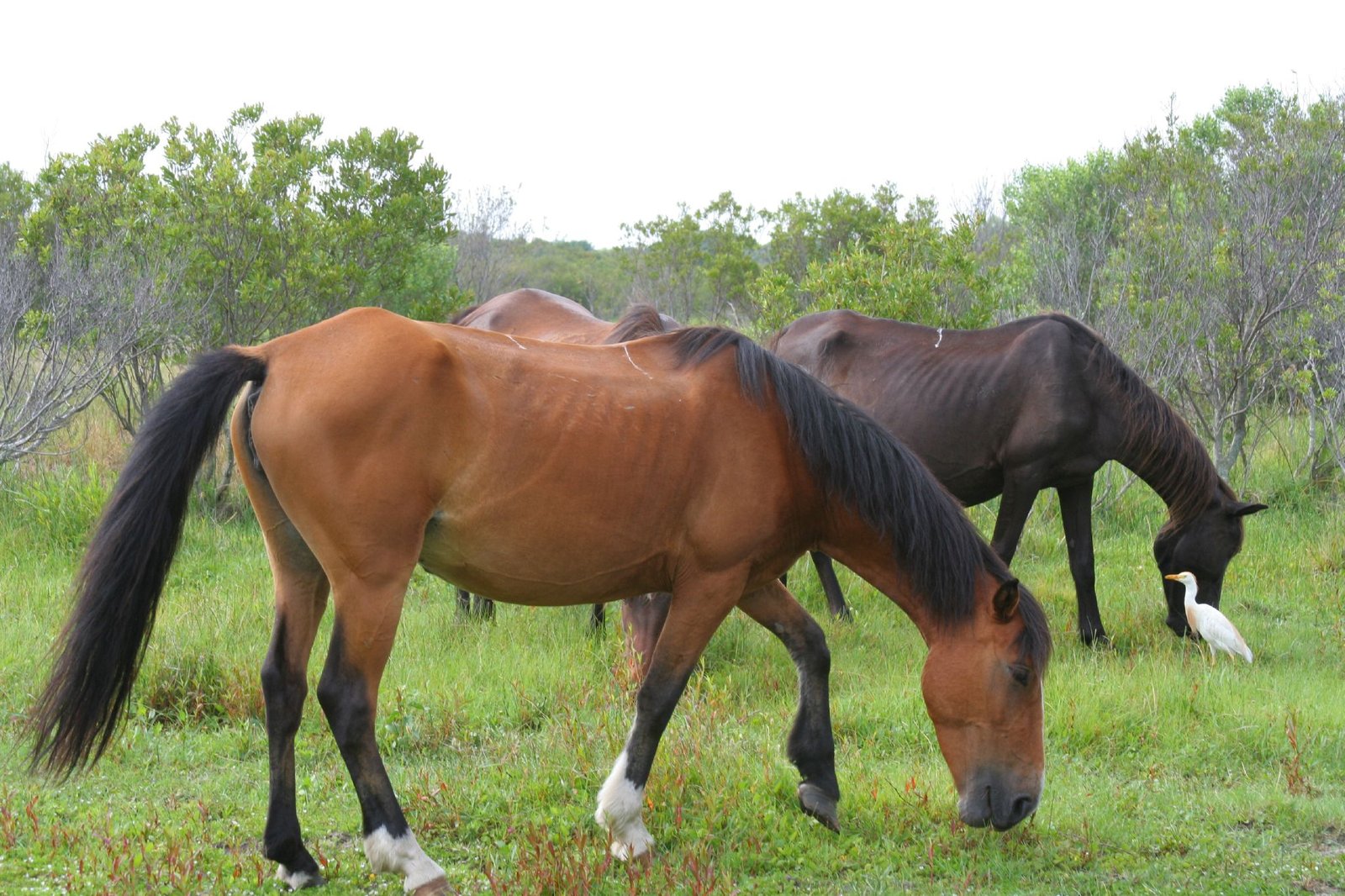
The Outer Banks is not an easy place to call home. With its sandy terrain, limited fresh water, and exposure to harsh weather, survival requires adaptability. The wild horses have developed unique traits to thrive in this environment. Their diet consists mainly of salt marsh grasses and sea oats, which are abundant on the islands. They have also learned to dig for fresh water in the sand, showcasing their remarkable ability to adapt. This adaptability is a key factor in their survival, allowing them to live in balance with the challenging ecosystem of the Outer Banks.
Social Structure and Herd Dynamics
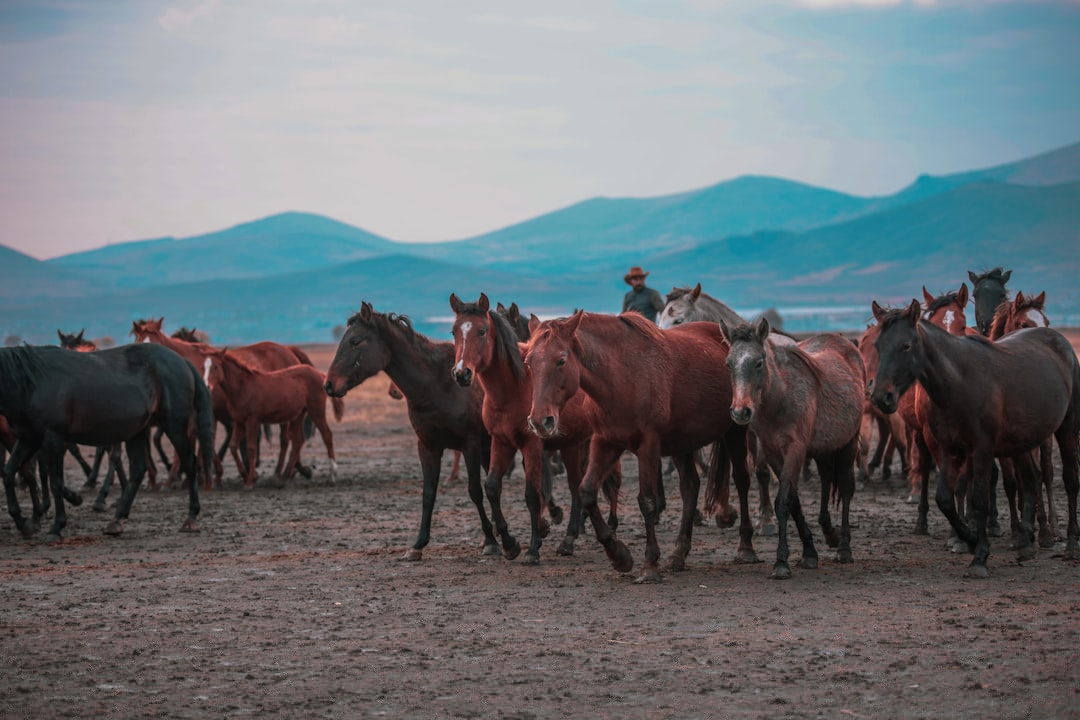
The social structure of the wild horse herds is both fascinating and complex. Typically, a herd consists of a lead stallion, several mares, and their offspring. The stallion is responsible for the protection and leadership of the group. Within the herd, a social hierarchy exists, with dominant mares often taking charge of guiding the herd to food and water. This social organization ensures the safety and well-being of the group, demonstrating a sophisticated level of social behavior that contributes to their survival.
Challenges from Human Encroachment
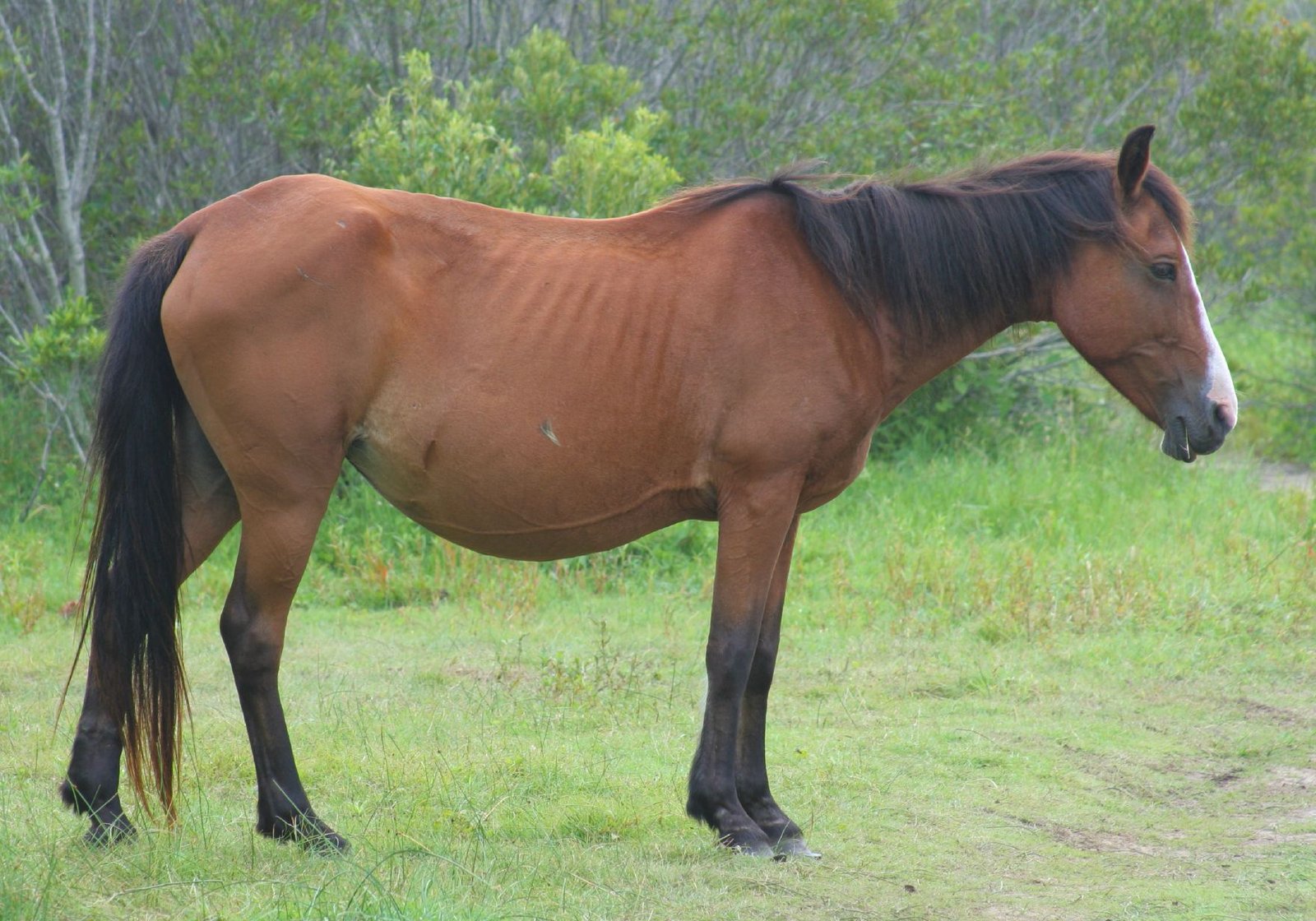
As the Outer Banks becomes an increasingly popular tourist destination, the wild horses face new challenges. Human encroachment threatens their habitat, with development and roadways fragmenting the land they roam. The presence of humans also introduces risks, such as the potential for accidents and the temptation for visitors to feed or approach the horses, which can disrupt their natural behavior. Conservation efforts are crucial to ensure that these ancient herds continue to thrive amidst the pressures of modern civilization.
Conservation Efforts and Management
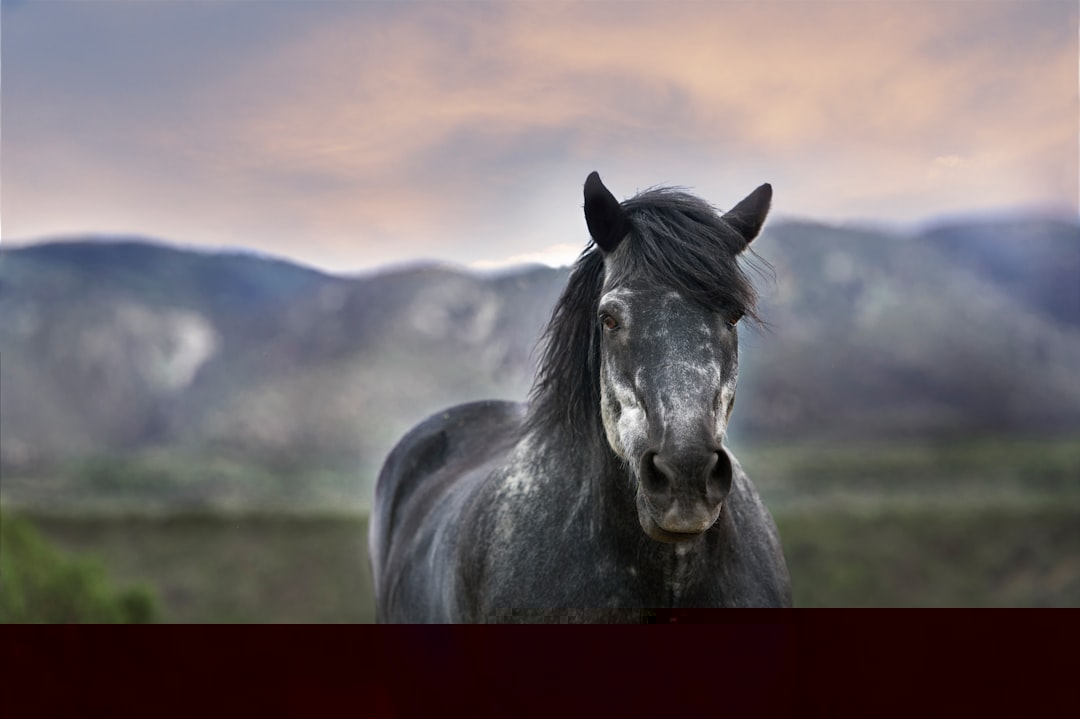
To protect the wild horses, several organizations and local authorities have implemented conservation and management strategies. These efforts include monitoring the health of the herds, maintaining genetic diversity, and managing the population to prevent overgrazing. Fencing has been installed in some areas to keep horses away from busy roads, reducing the risk of accidents. Public education campaigns also play a vital role in raising awareness about the importance of preserving these horses and respecting their natural habitat.
The Role of Genetics in Survival
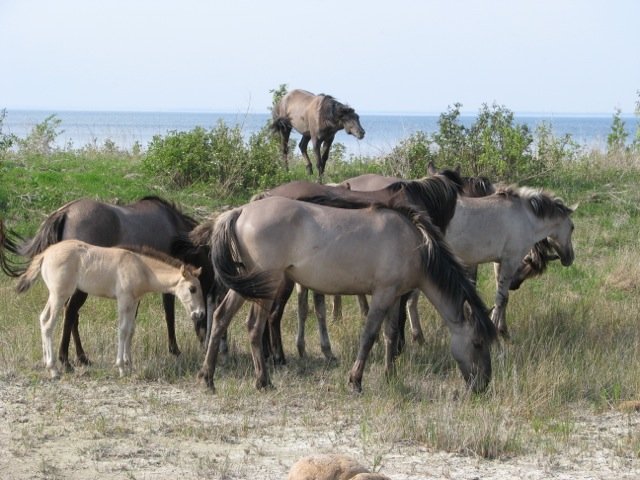
Genetics plays a significant role in the survival of the wild horses. Researchers have conducted genetic studies to understand the ancestry of the herds and assess their genetic diversity. Maintaining a healthy gene pool is essential to avoid inbreeding and ensure the long-term viability of the population. These studies have revealed that the Outer Banks horses have a unique genetic makeup, reflecting their historical lineage and adaptations to the environment. This genetic diversity is a crucial component of their resilience and ability to withstand environmental changes.
Natural Predators and Threats
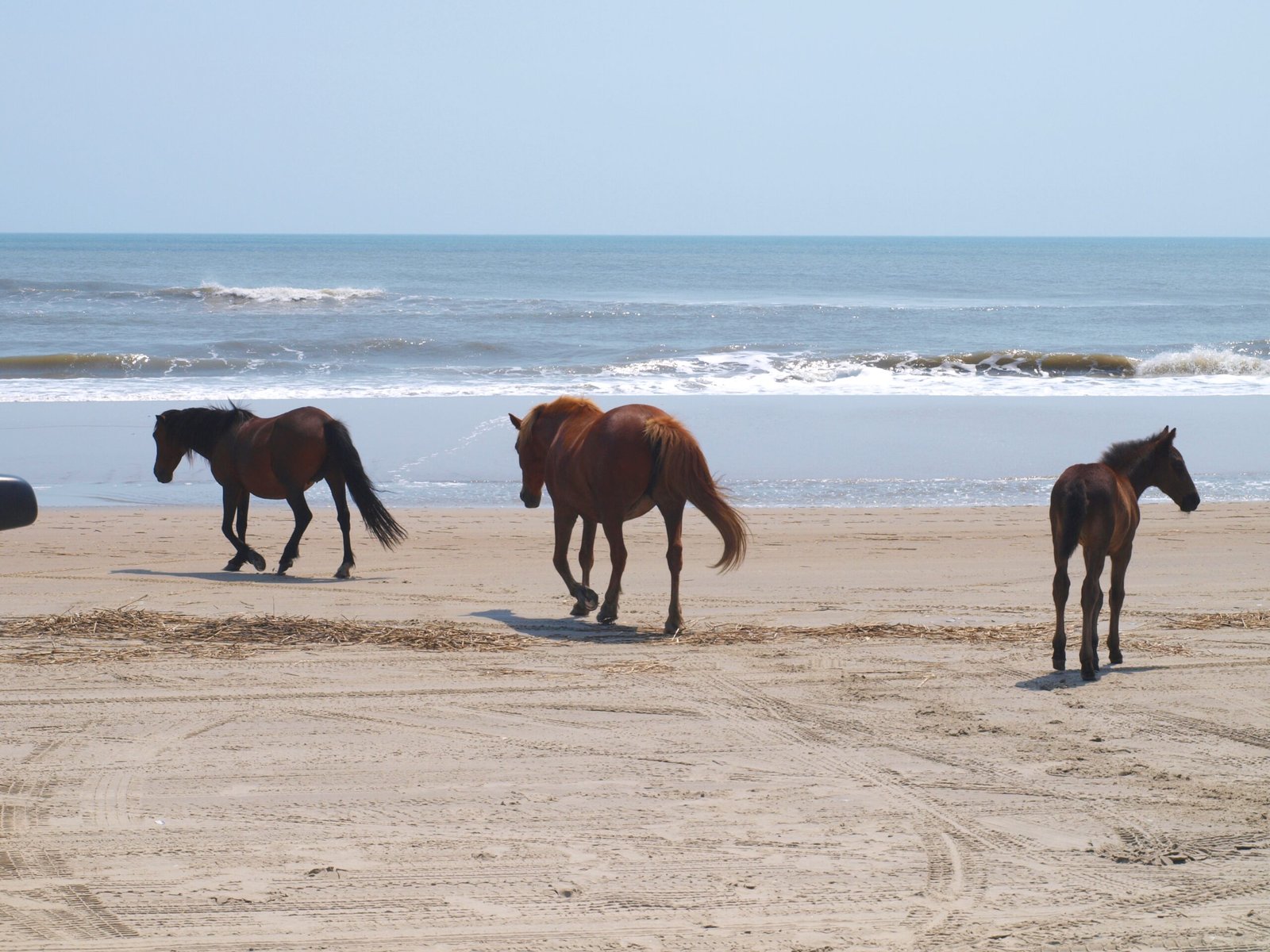
In the wild, predators and natural threats are a constant concern. However, the Outer Banks horses have relatively few natural predators, with the main threats coming from environmental factors such as hurricanes and storms. These natural events can devastate the landscape, affecting the availability of food and water. Despite these challenges, the horses have demonstrated remarkable resilience, using their instincts and social structure to navigate the perils of their environment.
The Cultural Significance of Wild Horses
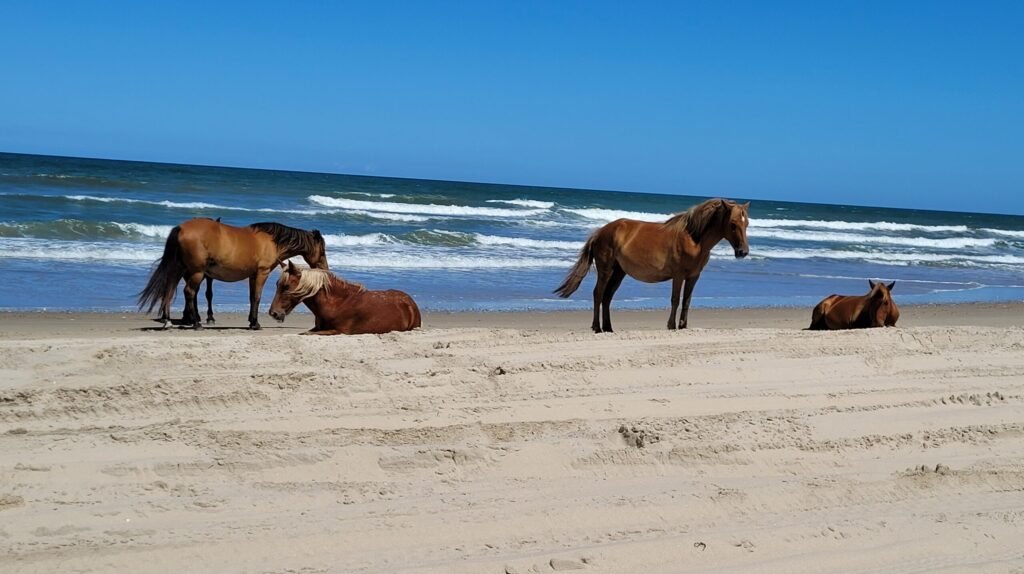
The wild horses of the Outer Banks hold cultural significance for the local communities and visitors alike. They are a living connection to the past, embodying the history and spirit of the region. Many local traditions and stories have been built around these horses, and they are celebrated as an integral part of the Outer Banks’ identity. Their presence enriches the cultural tapestry of the area, serving as a reminder of the enduring bond between humans and nature.
Ecotourism and the Horses’ Future
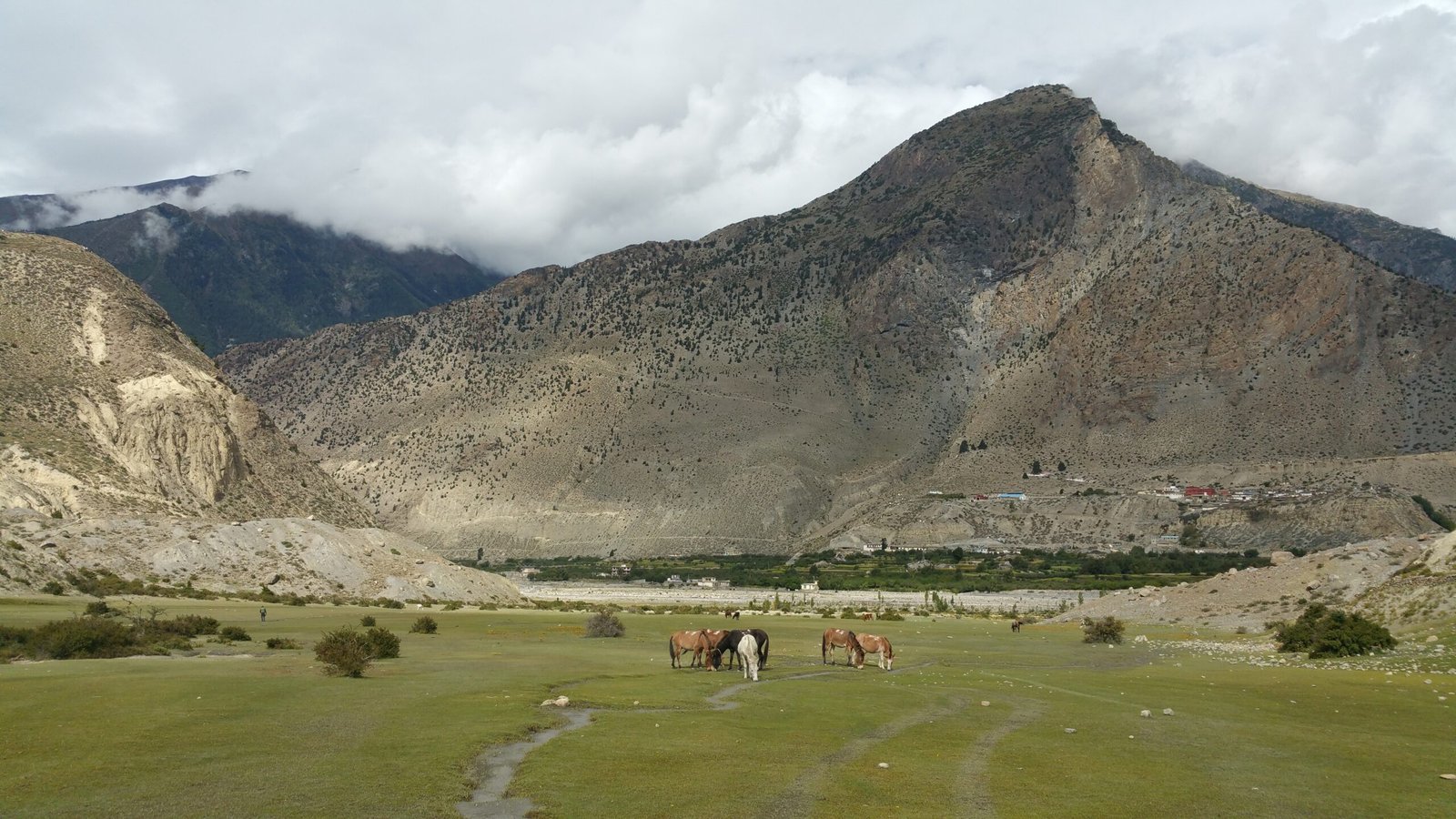
Ecotourism has emerged as a way to balance human interest with the preservation of the wild horses. Guided tours and responsible tourism practices allow people to experience the beauty of these animals without disturbing their natural habitat. By promoting ecotourism, local communities can support conservation efforts while providing economic benefits. The future of the wild horses depends on finding a harmonious coexistence between humans and nature, ensuring that these ancient herds continue to roam the Outer Banks for generations to come.
Lessons from the Wild Horses
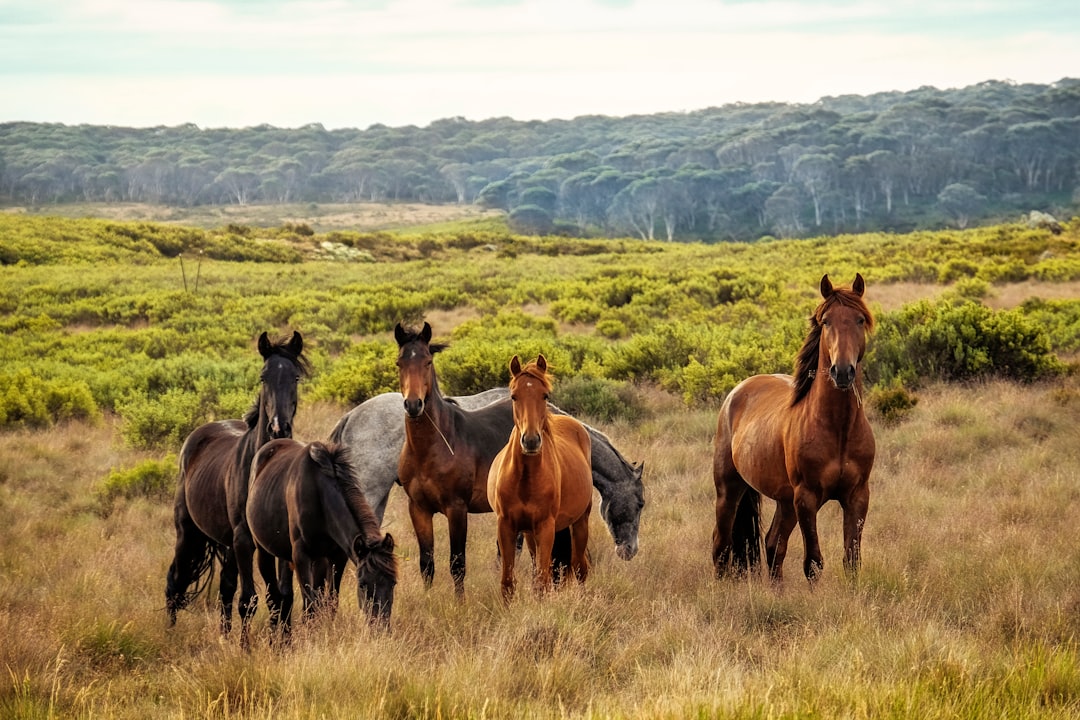
The story of the wild horses of the Outer Banks is a testament to resilience and adaptation. Their ability to survive and thrive in a challenging environment offers valuable lessons for us all. In a world facing environmental challenges, the horses remind us of the importance of preserving natural habitats and respecting the delicate balance of ecosystems. Their survival is a powerful symbol of hope and a call to action to protect the natural world for future generations.