
If you have ever stared at the night sky and felt that quiet tug of mystery, quantum mechanics is basically that feeling turned into physics. It takes everything you think you know about reality, flips it on its head, and then calmly tells you this is how the universe really works under the surface. You do not need a PhD to appreciate it; you just need a bit of curiosity and a willingness to let go of everyday intuition.
In this article, you are going to walk through seven of the wildest, most fascinating ideas from quantum mechanics, in plain language. You will see how particles can be waves, how things can be linked across galaxies, and why simply looking at something can change what it does. Along the way, you will notice that the microscopic world does not just live in textbooks; it quietly powers your technology, shapes chemistry and biology, and even forces you to rethink what you mean by reality.
1. Wave–Particle Duality: When One Thing Is Two Things
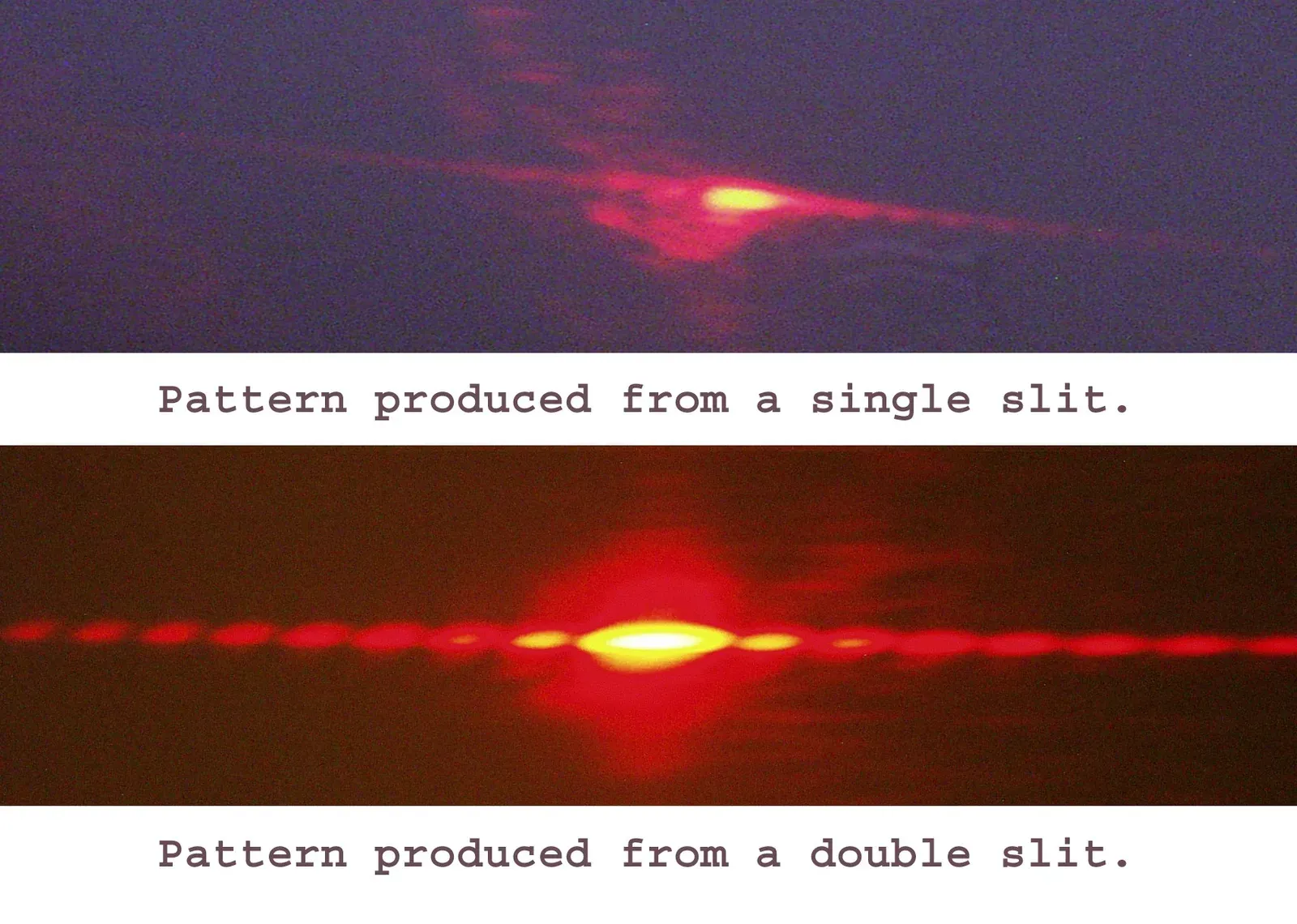
Imagine if you could be both a solid person and a cloud of mist at the same time, depending on who is looking at you and how. That is roughly what happens with electrons, photons, and other tiny bits of matter: sometimes they act like particles, sometimes like waves, and you only see one side at a time. When you send single particles through a double-slit experiment, they land like tiny dots on a screen, yet over time they build an interference pattern that screams wave behavior.
What this means for you is that the universe is not made of simple little billiard balls, even if that picture is comforting. Instead, you are dealing with objects that spread out, interfere, and overlap like ripples on a pond, yet still deliver sharp, localized hits when measured. In daily life, you do not notice this because for big objects like you, the wave side is unbelievably tiny and smeared out. But at the quantum scale, this dual nature is not a weird exception; it is the rule, and it forces you to accept that how you choose to look at something partly defines what you see.
2. Superposition: Being in Many States at Once
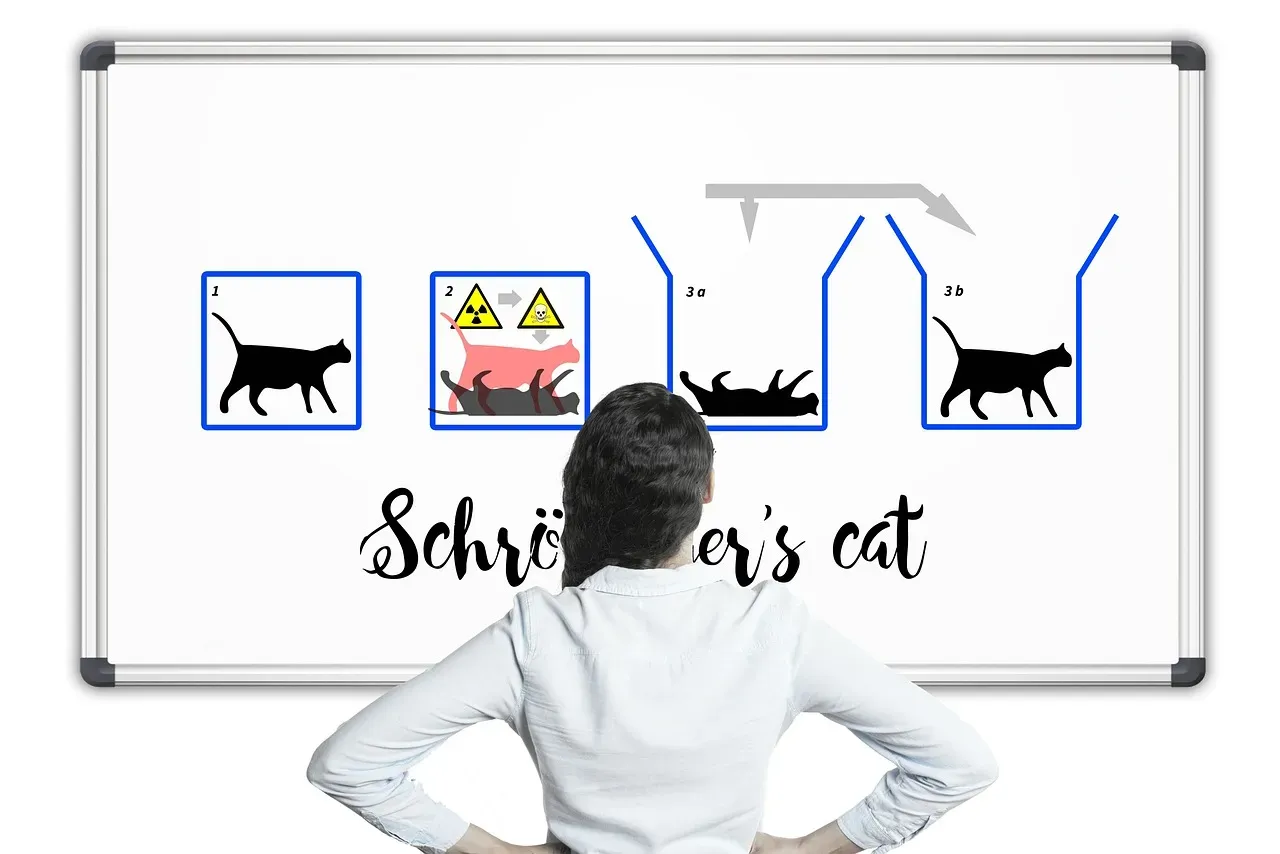
Now picture yourself standing at a crossroads, needing to choose left or right. In quantum mechanics, a particle in that situation does not pick a path until it absolutely has to; instead, it takes all available paths at once in a blended state called a superposition. You can think of it like a musical chord: each note is a possible outcome, and the chord is the superposition of them all playing together before one note is finally selected when you measure.
When you hear people talk about a quantum bit (a qubit) being both zero and one at the same time, this is what they mean. Until you check, the system is described by a mix of possibilities, and the math lets you calculate the odds of each final result. What trips you up is that your everyday brain is wired for either–or, while the quantum world is happily living in both–and. Superposition is not just a philosophical curiosity; it is exactly what future quantum computers want to harness to explore many options in parallel instead of one after another.
3. Quantum Entanglement: Spooky Connections Across Space
Entanglement is where quantum mechanics really starts to feel like science fiction. When two particles become entangled, you can no longer describe one without referencing the other, even if you drag them to opposite ends of the universe. The instant you measure one, you gain information about the other, in a way that defies any simple story of hidden instructions travelling slower than light.
From your perspective, it is like having two coins that always land on opposite sides, no matter how far apart they are, with no way to explain it using normal shared randomness. Experiments keep confirming that quantum correlations are stronger than anything classical physics allows, and that reality at this scale does not fit into tidy local stories. You are forced to accept that the deep structure of nature is more like an invisible web than a collection of isolated pieces. Technology is already reaching in here: quantum cryptography and quantum networks aim to use entanglement as a resource, turning this strange link into practical tools.
4. The Uncertainty Principle: Limits Built into Nature
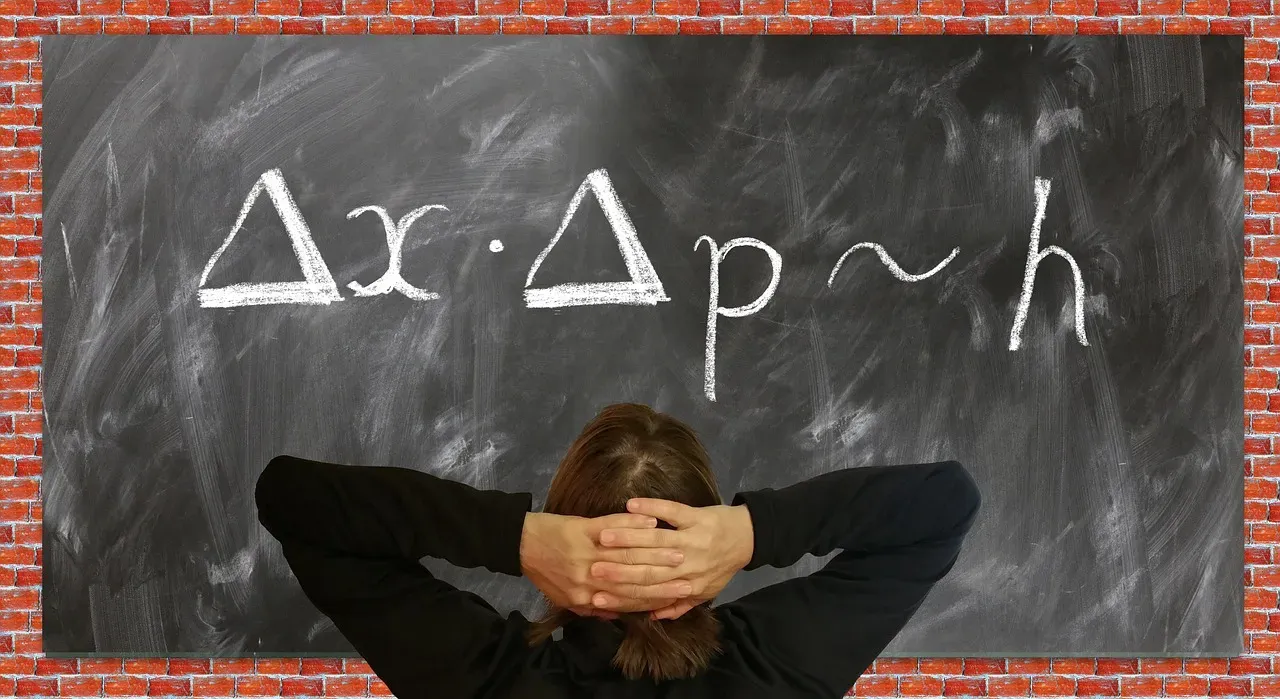
If you like the idea that with better tools you could know everything about a system, quantum mechanics has some disappointing news. The uncertainty principle tells you there are pairs of properties, like position and momentum, that you simply cannot pin down precisely at the same time, no matter how clever your experiment is. This is not about being clumsy or having bad instruments; it is a hard limit woven into the way the quantum world is built.
A helpful way to picture it is to imagine trying to take a razor-sharp snapshot of a hummingbird’s wings while also measuring exactly how fast they are moving. The more you freeze the motion in your photo, the less you know about the motion itself, and vice versa. At the quantum level, this trade-off is fundamental and expressed in precise mathematical form. For you, the key lesson is that uncertainty is not always a sign of ignorance or laziness; sometimes, it is a basic feature of reality. Quantum mechanics forces you to replace the fantasy of perfect knowledge with a more honest picture based on probabilities and limits.
5. Quantum Tunneling: Passing Through the Impossible
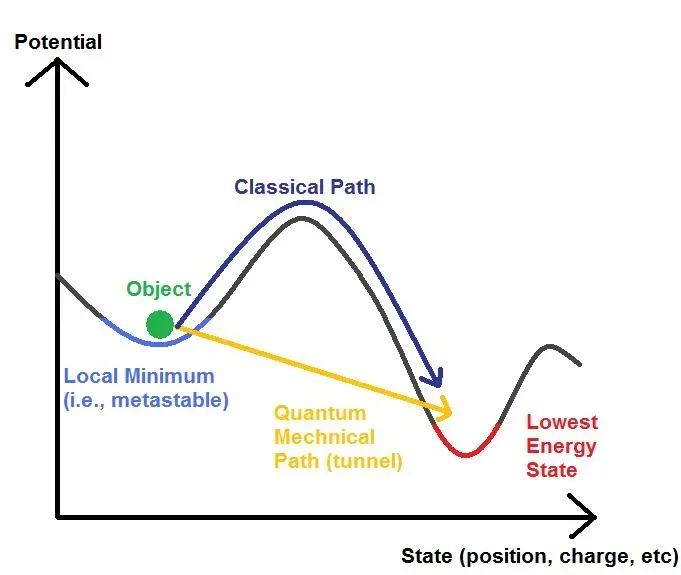
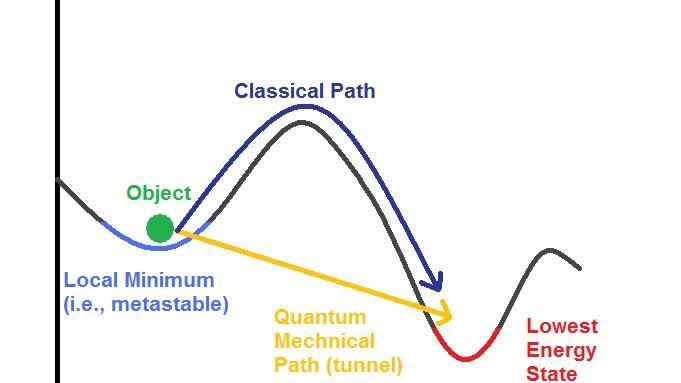
Quantum tunneling is what happens when a particle shows a complete disregard for barriers that would stop it in classical physics. If you roll a ball toward a hill that is higher than the ball’s energy, it will roll back; there is just not enough oomph to get over. But at the quantum scale, particles behave like smeared-out waves, and there is a small but real chance that part of that wave sneaks through to the other side, leaving the particle there as if it passed straight through a wall.
This sounds like a cheat code for nature, yet it is absolutely real and measurable, and you rely on it more than you realize. Quantum tunneling is crucial in nuclear fusion in stars, where particles overcome repulsive forces they should not classically beat, helping power the sun you see every day. It also shows up in modern electronics, like tunnel diodes and scanning tunneling microscopes that let you map surfaces atom by atom. When you appreciate tunneling, you see that the universe sometimes gets where it needs to go not by breaking rules, but by following deeper quantum rules you do not usually see.
6. The Measurement Problem: Does Reality Need You to Look?
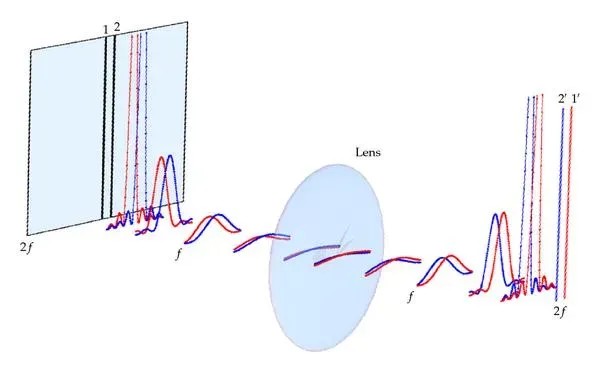
One of the most unsettling questions in quantum mechanics is what exactly happens when you measure something. Before you look, a system lives in a superposition of possibilities; after you look, you only ever see one definite outcome. The standard mathematical recipe tells you how to jump from the fuzzy before to the sharp after, but it does not tell you what physically causes that jump, or whether it even makes sense to talk about properties existing before you check.
For you, this raises deeply personal questions: does the act of observation play a special role in shaping reality, or are you just revealing one branch of a larger structure that was always there? Different interpretations of quantum mechanics give you very different stories, from multiple parallel outcomes to hidden variables to decoherence through interaction with the environment. None of them has yet won a clear, universally accepted victory. The measurement problem reminds you that, even in a theory that predicts experiments astonishingly well, the line between what is and what you see remains strangely blurry.
7. Quantum Vacuum and Zero-Point Energy: Empty Space Is Not Empty
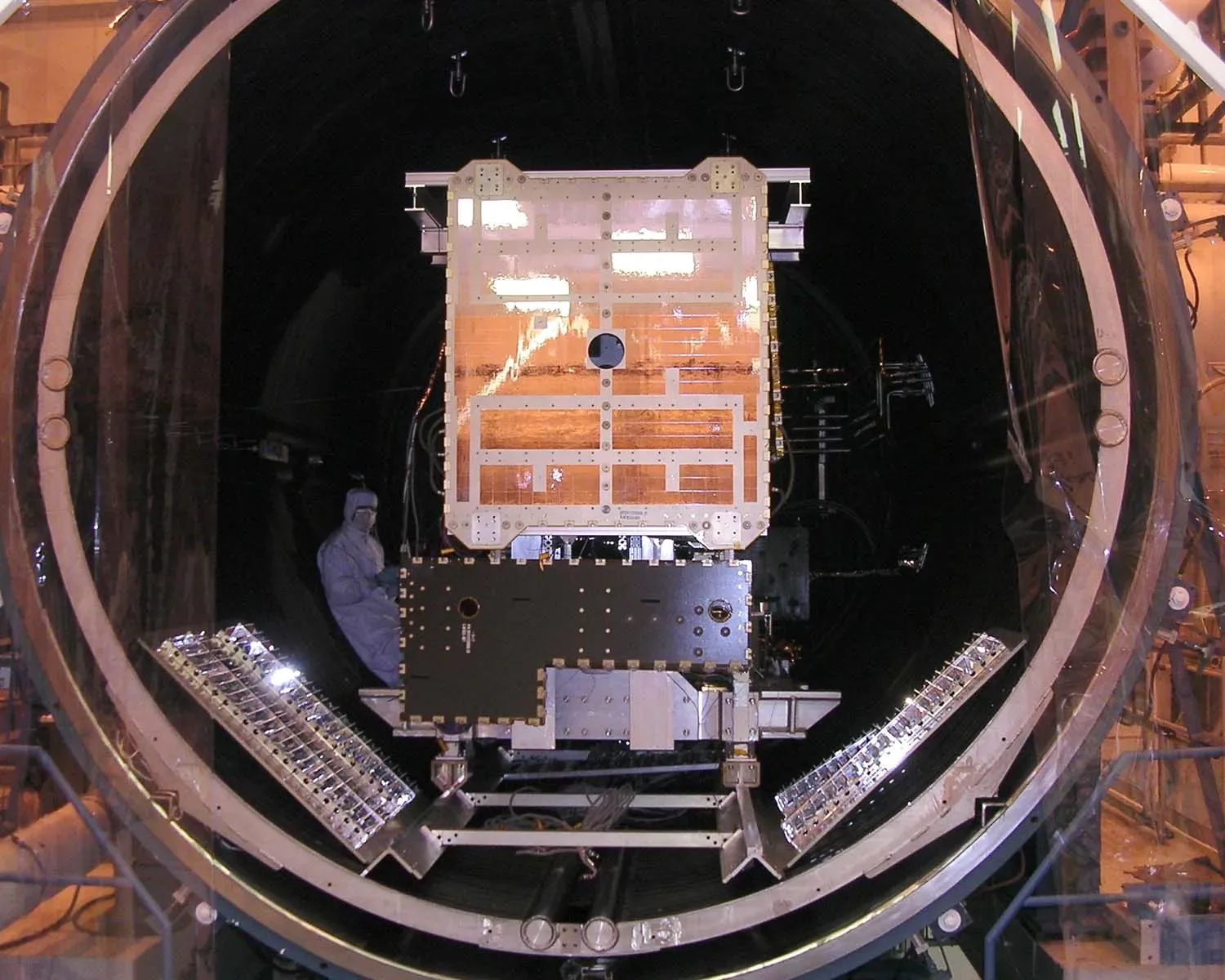
When you imagine empty space, you probably picture a blank, quiet nothingness. Quantum mechanics tells you that even in its lowest energy state, the vacuum is buzzing with activity. Fields fluctuate, virtual particles pop in and out on tiny time scales, and what you call “nothing” turns out to be a seething background of restless energy. This zero‑point energy is not a science-fiction term; it shows up in subtle but measurable effects.
One famous example is that two very closely spaced metal plates in a vacuum experience a tiny force drawing them together, because the quantum fluctuations between them are restricted compared with those outside. On cosmic scales, something like vacuum energy might be tied to the accelerated expansion of the universe you see in observations of distant galaxies. For you, the philosophical punchline is powerful: even the most barren space is not truly empty, and the fabric of the universe is more like a living ocean than a dead void. You move through this quantum sea every moment, whether you notice it or not.
Quantum mechanics can feel like a series of riddles that refuse to give you a single neat answer, but that is also what makes it so compelling. You have seen how particles can be waves, how systems can sit in many states at once, and how nature builds hard uncertainty, spooky connections, and restless vacuum energy into its core. None of this is science fiction; it quietly underpins lasers, semiconductors, magnetic imaging, and the future of quantum computers that may reshape technology in your lifetime.
If you take one thing away, let it be this: your everyday intuition, shaped by slow-moving objects and familiar scales, is only a thin slice of what reality is capable of. The quantum world does not ask for your permission to be strange; it simply is, and you get the privilege of trying to understand it. Now that you have walked through these seven concepts, which one most changes the way you see the world around you?