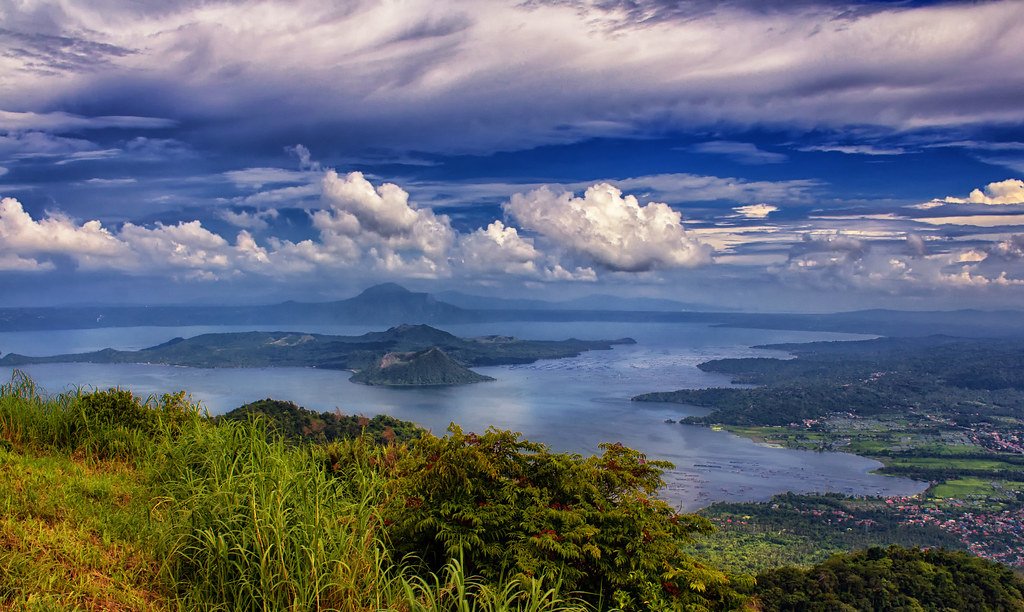
The Philippines, an archipelago rich with biodiversity, is embarking on an ambitious journey to conserve 30% of its land and seas by 2030. This initiative is not just a promise but a beacon of hope for global biodiversity. With over 7,000 islands, the country is home to a myriad of ecosystems, each teeming with life, from lush rainforests to vibrant coral reefs. This conservation plan reflects the nation’s commitment to preserving its natural heritage for future generations. As climate change and habitat destruction threaten these ecosystems, the Philippines’ strategy serves as a blueprint for other nations. The plan, while challenging, is a testament to the power of collective action in safeguarding our planet’s future.
A Nation Rich in Biodiversity
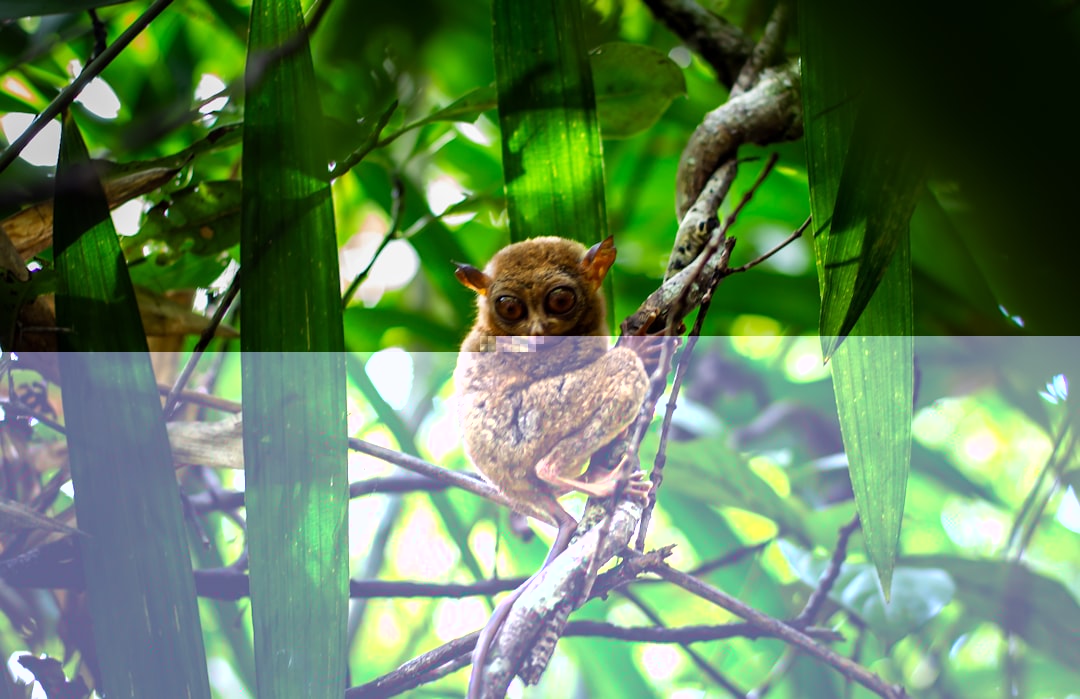
The Philippines is renowned for its unparalleled biodiversity. It is one of the 17 megadiverse countries, housing a significant portion of Earth’s species. The archipelago’s unique geographic location contributes to its rich biodiversity, with species found nowhere else on the planet. From the majestic Philippine eagle soaring in the skies to the vibrant clownfish swimming among coral reefs, the nation’s wildlife is a testament to nature’s wonders. However, this biodiversity is under threat due to human activities and environmental changes. Preserving such a rich tapestry of life is not only vital for the Philippines but for global ecological balance.
The Urgency of Conservation

The need for conservation in the Philippines is pressing. Rapid urbanization, deforestation, and pollution have taken a toll on the nation’s natural resources. As the population grows, so does the demand for land and resources, often at the expense of the environment. The degradation of habitats not only threatens wildlife but also jeopardizes the livelihoods of millions who depend on these ecosystems. The Philippines’ conservation plan is a response to these challenges, aiming to protect vital ecosystems and ensure sustainable development. By conserving 30% of its land and seas, the nation aims to curb biodiversity loss and promote ecological resilience.
Marine Conservation: A Dive into the Deep
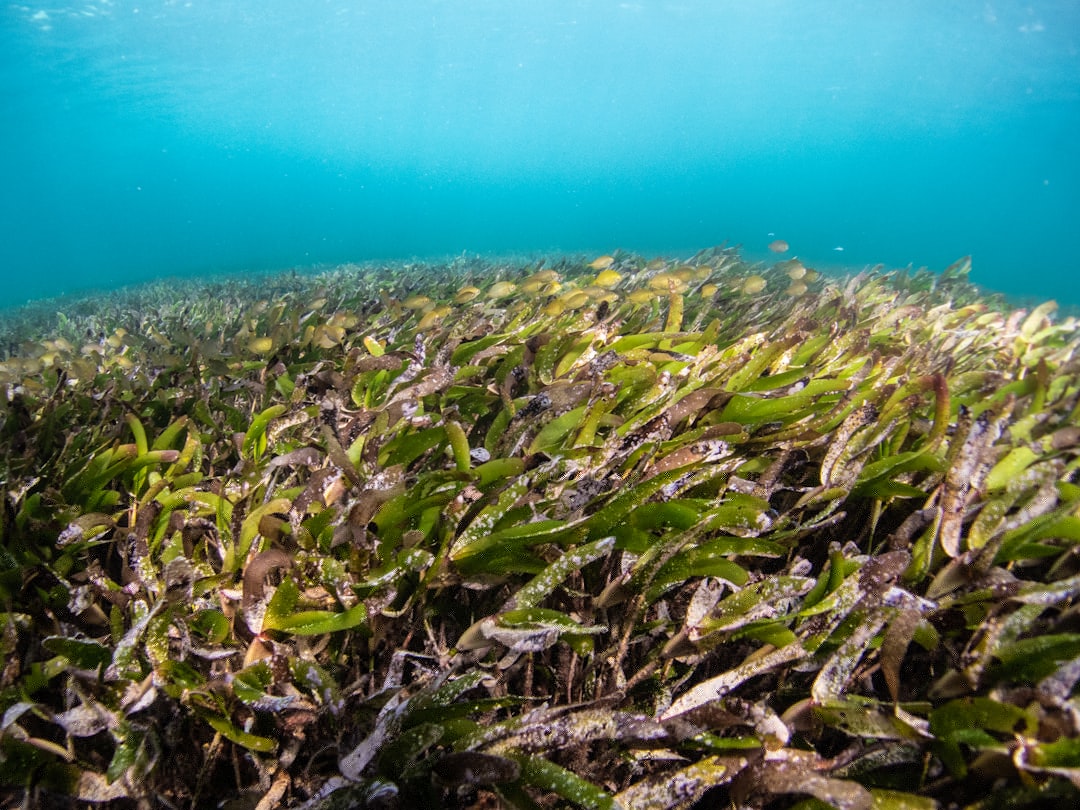
The Philippines’ seas are a treasure trove of marine life, boasting over 500 species of coral and 2,000 species of fish. The Coral Triangle, often dubbed the “Amazon of the Seas,” is a marine area in the western Pacific Ocean that includes the waters of the Philippines. It is a crucial area for marine biodiversity and supports millions of people through fisheries and tourism. However, overfishing, coral bleaching, and pollution pose significant threats to these waters. The conservation plan emphasizes the protection of marine sanctuaries and the sustainable management of fisheries. By safeguarding these marine ecosystems, the Philippines ensures the health of its seas for generations to come.
Forests: The Lungs of the Nation
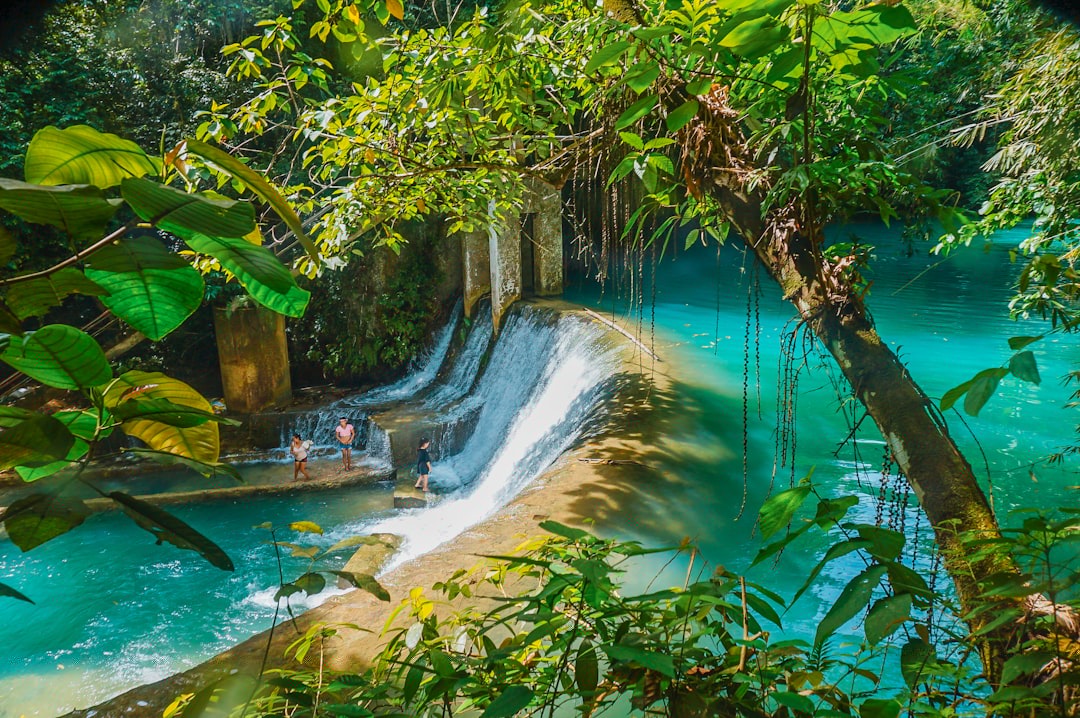
Forests in the Philippines play a crucial role in carbon sequestration, biodiversity, and the regulation of water cycles. These green expanses are home to countless species, including the critically endangered Philippine tamaraw and the majestic Philippine eagle. Deforestation, however, remains a significant issue, driven by illegal logging, agriculture, and infrastructure development. The conservation plan aims to reforest degraded areas and protect existing forests through community-based initiatives. By involving local communities, the plan not only conserves natural habitats but also provides livelihoods and fosters environmental stewardship.
Community Involvement: A Collaborative Effort

Community involvement is at the heart of the Philippines’ conservation strategy. Recognizing that local communities are the stewards of their environment, the plan emphasizes participatory approaches to conservation. Indigenous peoples and local communities possess invaluable traditional knowledge and practices that are integral to sustainable resource management. By empowering these communities, the conservation plan fosters a sense of ownership and responsibility. Community-driven conservation initiatives range from forest restoration projects to marine protected areas, ensuring that conservation efforts are inclusive and effective.
Policy Framework: Setting the Stage for Success
A robust policy framework is essential for the success of the Philippines’ conservation plan. The government has enacted various laws and regulations to protect the environment and promote sustainable development. These include the National Integrated Protected Areas System Act, which establishes protected areas, and the Wildlife Resources Conservation and Protection Act, which safeguards endangered species. The conservation plan builds on these legal foundations, ensuring that policies are effectively implemented and enforced. By aligning national policies with international conservation goals, the Philippines sets a precedent for global environmental stewardship.
Challenges on the Road to Conservation

The path to conserving 30% of the Philippines’ land and seas is fraught with challenges. Limited resources, conflicting interests, and climate change pose significant hurdles. Financial constraints often limit the scope and effectiveness of conservation initiatives. Additionally, balancing development and conservation goals requires careful planning and negotiation. Climate change exacerbates these challenges, with rising temperatures and extreme weather events threatening ecosystems. Despite these obstacles, the Philippines remains committed to its conservation goals, recognizing that the benefits far outweigh the costs.
Innovative Approaches to Conservation
Innovation plays a crucial role in the Philippines’ conservation efforts. From satellite technology used to monitor deforestation to community-based ecotourism initiatives, the nation is harnessing technology and creativity to tackle conservation challenges. Citizen science projects, where locals contribute to biodiversity monitoring, foster community engagement and awareness. The use of drones for monitoring marine protected areas enhances surveillance and enforcement. These innovative approaches not only improve conservation outcomes but also inspire other nations to adopt similar strategies.
The Global Significance of the Conservation Plan
The Philippines’ conservation plan holds significant global implications. As a biodiversity hotspot, the nation’s efforts contribute to achieving international conservation targets, such as the Convention on Biological Diversity’s Aichi Targets. The plan serves as a model for other countries, demonstrating that ambitious conservation goals are achievable with commitment and collaboration. By protecting its natural heritage, the Philippines contributes to global ecological stability and resilience. The plan underscores the interconnectedness of ecosystems and the collective responsibility to safeguard our planet’s future.
A Call to Action for a Sustainable Future

The Philippines’ ambitious conservation plan is a clarion call for a sustainable future. It challenges individuals, communities, and nations to take meaningful action in preserving the natural world. As stewards of the environment, we must recognize the intrinsic value of biodiversity and the vital role it plays in our lives. The conservation plan inspires hope and action, reminding us that we have the power to shape a sustainable future. By supporting conservation efforts, we contribute to a legacy of environmental stewardship, ensuring that future generations inherit a thriving planet.