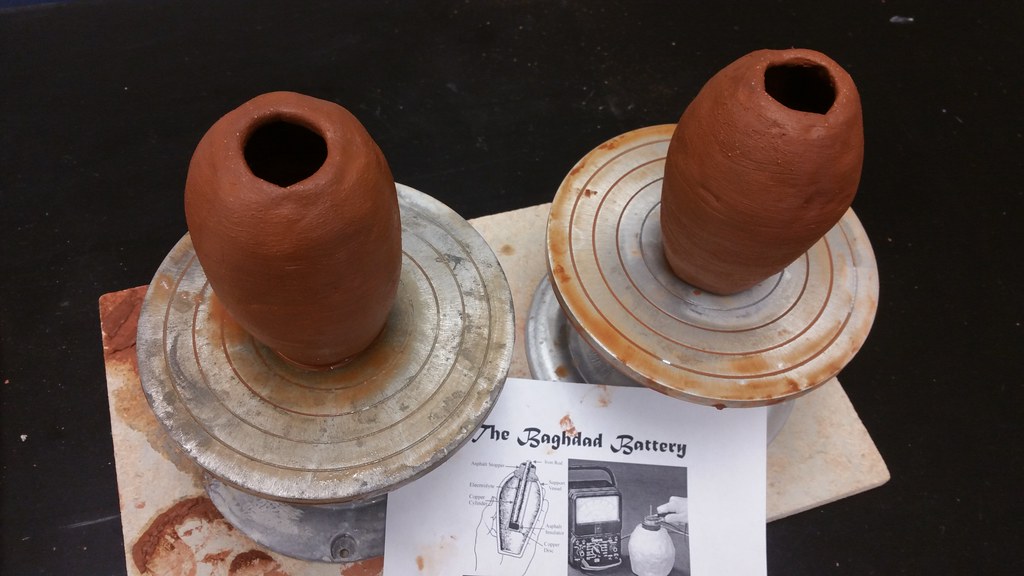
Everyone assumes the “ancient battery” story begins and ends with one clay jar found near Baghdad. It doesn’t. Dig into archaeology reports, museum storage logs, and decades-old field notes, and a strange pattern keeps surfacing: objects that look eerily like electrical cells, buried thousands of years before anyone was supposed to know what electricity even was.
Wire some of these things up today and they actually work. Replicas spark. Current flows. Thin layers of metal transfer from one surface to another. And yet not a single reconstruction has ever proven what the original object was actually built to do. Real power sources hiding in plain sight, or ritual clay that just happens to behave like a battery once a modern hobbyist gets curious? Here’s what thirteen of these stubborn artifacts reveal – and why the gap between “it can work” and “it did work” has never closed.
#13 – The Classic Baghdad Battery That Started the Obsession
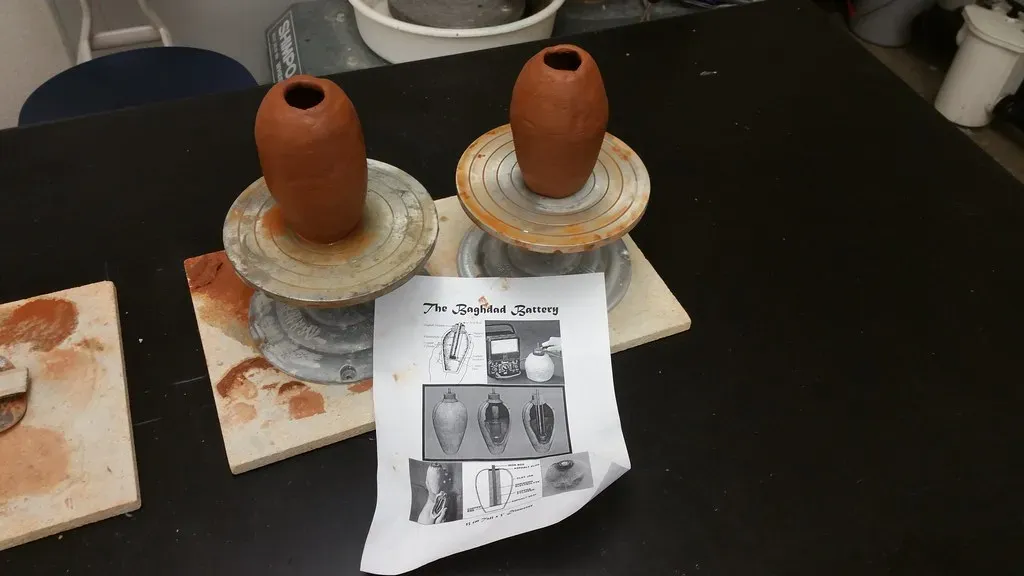
This is the artifact that launched a thousand “ancient electricity” videos – and almost as many academic eye-rolls. Found near modern Baghdad, it’s a small clay jar holding a copper cylinder and an iron rod, and the moment you see the old drawings, it looks uncannily like a primitive galvanic cell. Fill it with an acidic liquid, and yes, replica versions generate a small voltage. That single experiment made headlines back in the 1930s and never really left pop culture.
But archaeologists keep pointing to the same hole in the story: no ancient text from that region or era mentions power storage, wires, or anything that clearly needed electricity. The original excavation context was poorly recorded, which quietly drives serious researchers up the wall. There’s no matching network of lamps, tools, or wiring in the same layer – just the jar itself, sitting there like a Rorschach test for our modern tech obsession.
Fast Facts
- In 1938, Wilhelm König, then the director of the National Museum of Iraq, first proposed the galvanic-cell theory.
- It is generally accepted that the Wilhelm König Battery was found in what is now the locality of Khujut Rabu in the Iraqi capital of Baghdad.
- The artifact consists of a ceramic pot about 140 mm tall, a copper tube created from a rolled copper sheet, and an iron rod centrally positioned within the copper tube.
- The style of the pottery is Sasanian (224–640), centuries later than the original Parthian guess.
#12 – The Khujut Rabu Cluster: When “One-Off” Becomes a Pattern
One artifact can be dismissed as a fluke. A cluster is harder to wave away. At Khujut Rabu, often cited as the original Baghdad Battery findspot, multiple similar jars and copper cylinders were reportedly recovered together, though only a handful ever made it into museums or formal reports. Wire replicas of these jars together and they can produce enough current to tingle skin or lay down a thin layer of plated metal.
That’s genuinely impressive, but it doesn’t answer the obvious question: why would anyone in Parthian or Sassanian Iraq need a string of weak, high-maintenance cells in the first place? Supporters float ideas like electroplating jewelry, mild therapeutic shocks, or staged religious “miracles.” Critics fire back that there’s zero unambiguous residue analysis proving deliberate electrolyte use – no dried vinegar, no clear wine sediment, just guesswork wearing a lab coat.
#11 – The Seleucia Jars That Look Right but Test Wrong
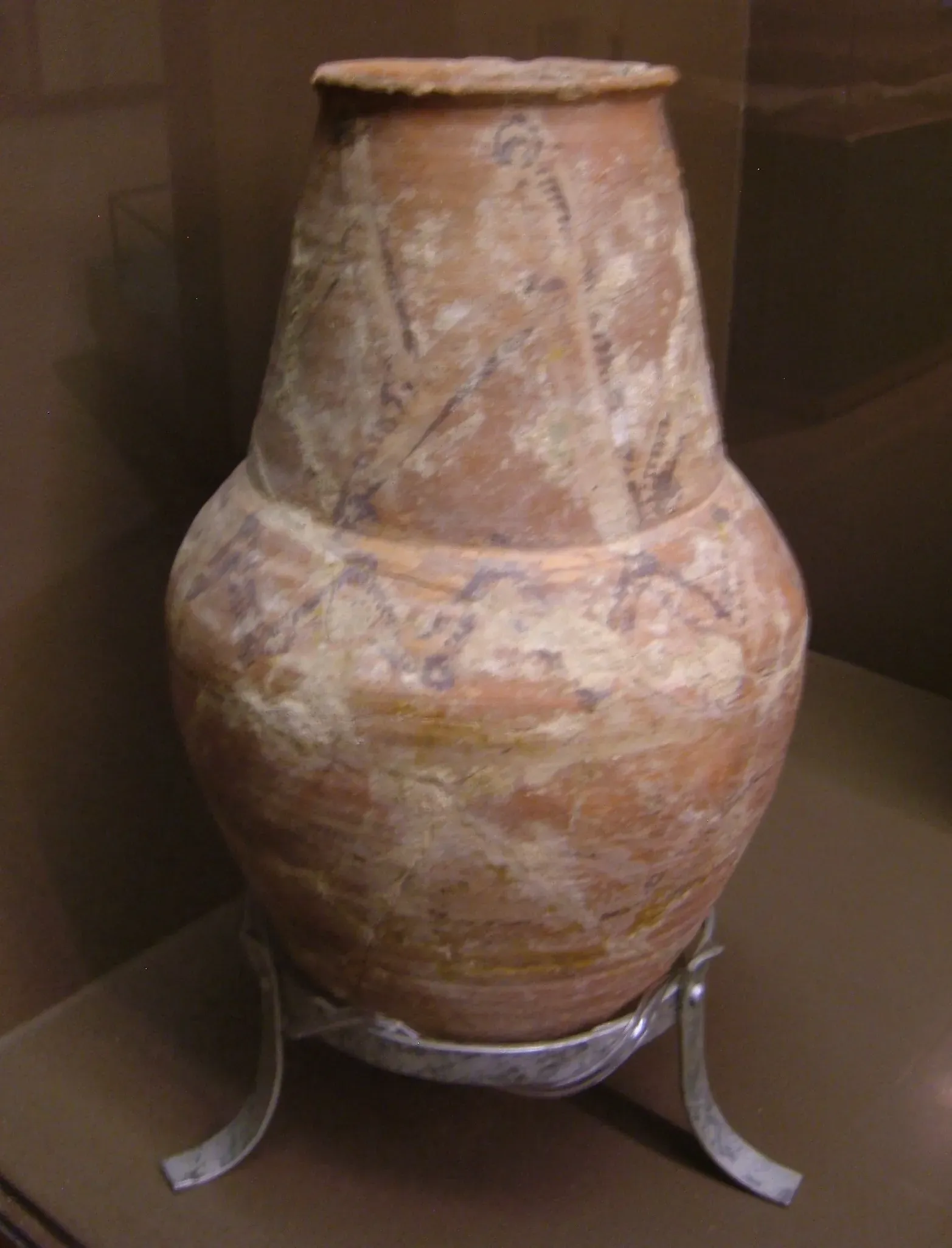
Some lesser-known jars from Seleucia on the Tigris complicate the picture even further. At first glance they check the same boxes as the Baghdad jar: ceramic container, metal components, a sealed top. Enthusiasts rushed to call them “Baghdad Battery cousins” almost on sight.
But when conservators and materials scientists actually opened them up, most showed no consistent battery-like structure at all – no central rod, no purposeful insulation, nothing that screams “electrical design.” They’re general-purpose vessels that can be forced into a battery role by modern tinkerers, which raises an uncomfortable question: if almost any metal-lined jar can be retrofitted into a “battery” replica, how many of our star candidates are simply victims of confirmation bias? A vessel that can be made to act like a cell in 2026 is not proof it was meant to in 200 BCE.
They are a one-off. As far as we know, nobody else has found anything like these.
Dr. Paul Craddock, British Museum
#10 – The Controversial “Electroplated” Parthian Jewelry

If any artifact should settle this debate once and for all, it’s the jewelry supposedly plated using those famous jars. It doesn’t. For decades, photos of gold-looking Parthian and Sassanian trinkets have circulated with claims that micro-analysis proves electric electroplating centuries before Volta ever picked up a wire.
In reality, most published lab work finds techniques consistent with mechanical gilding – gold foils, mercury amalgamation, fire-gilding – all achievable without a single volt. Conservators repeating these tests routinely find tool marks and layer structures typical of non-electrical methods, even though a stubborn minority insist some surface profiles could still fit low-current plating. “Could” isn’t “must,” and ironically, the better our microscopy gets, the more the old, boring explanations keep holding up.
#9 – The Mysterious Copper Tubes From Ctesiphon
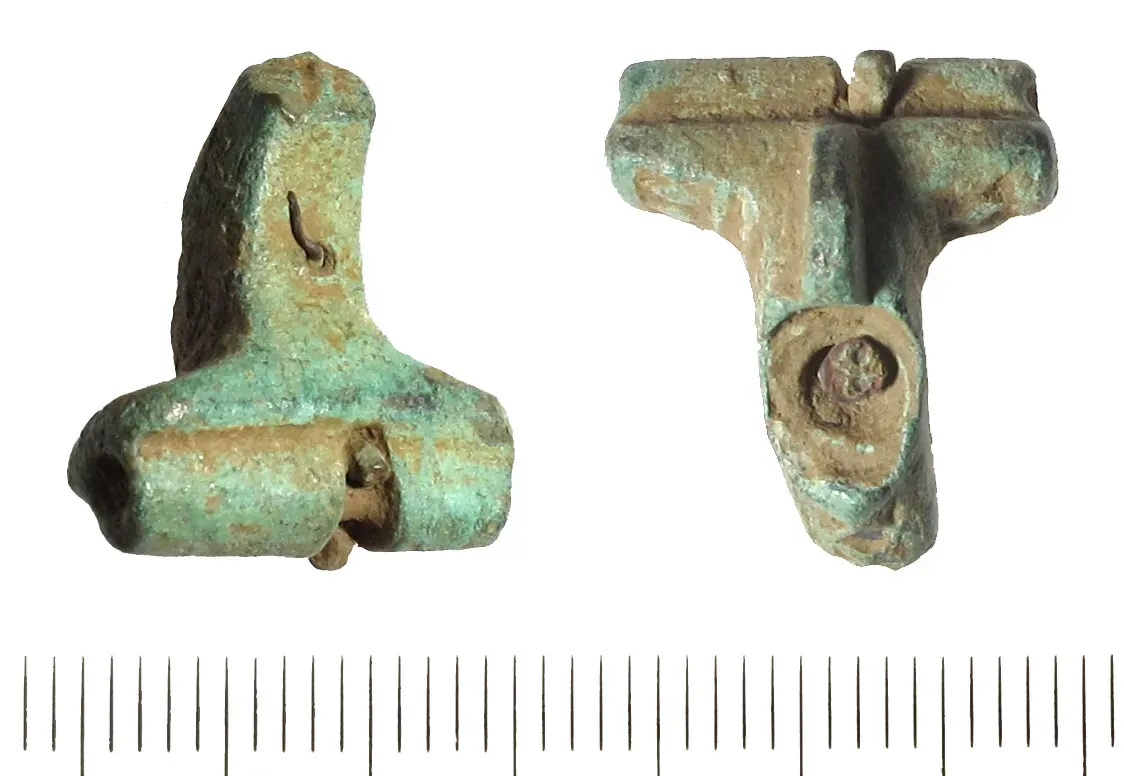
Ctesiphon, once a major imperial city, has yielded neat cylindrical copper tubes, sometimes capped or crimped, found in ordinary architectural and workshop contexts. Online, they’re regularly billed as “battery parts” pulled straight from the ruins of empires. In professional excavation reports, they’re logged as fittings, dowels, or structural elements – nothing electrical assumed.
Reassemble similar tubes with rods and acidic solutions in a modern lab, and yes, you get a primitive cell – but only after redesigning the artifact to make it work. That’s the pattern that keeps repeating: we ask “could this be a battery if we add X and Y?” instead of asking what the people who actually made it were doing. With no associated wiring, no consistent jar pairing, and no controlled corrosion pattern, the Ctesiphon tubes stay exactly what they look like – ancient copper parts, full stop.
#8 – The Roman “Lightning Jars” of Vindolanda
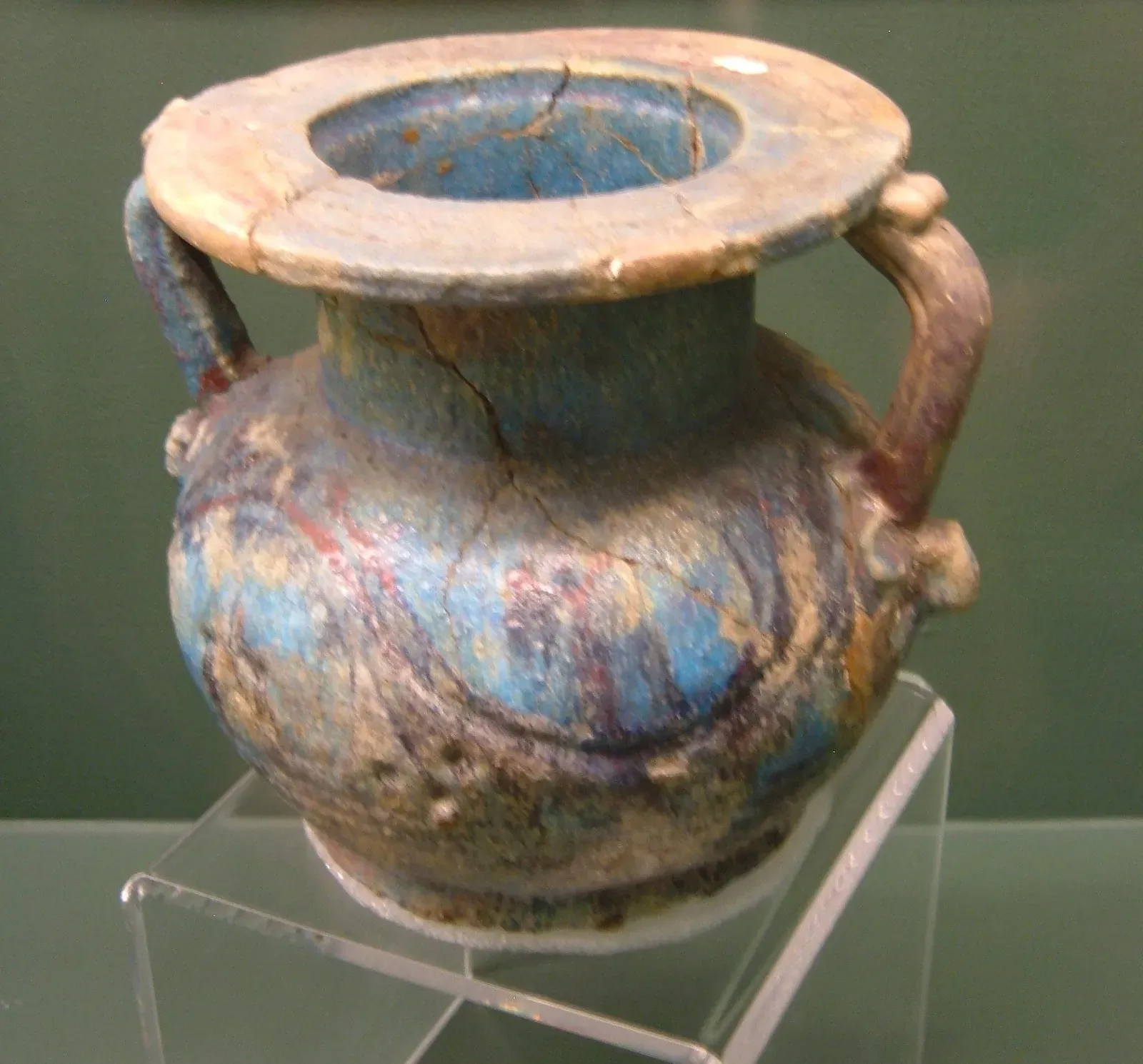
Roman Britain rarely shows up in battery theories, but a few finds from the Vindolanda fort raise odd questions anyway. Archaeologists there uncovered small sealed containers holding metallic bits and blackened, possibly organic residue. Fringe writers jumped on these as “Roman shock generators,” arguing that brine, iron, and copper packed together could mimic a wet cell.
Lab reconstructions tell a duller story: these jars behave more like corroded storage pots than intentional electrical devices, and the residues usually point to inks, ointments, or pigments. Romans were fascinated by static electricity – rubbing amber, playing with magnetism – so the temptation to imagine tinkerers along Hadrian’s Wall is real. But the science shows no consistent internal design and none of the standardization you’d expect from a working gadget. If these were real devices, where are the instructions, or the copies?
Worth Knowing
- The word “electricity” ultimately traces back to elektron, the Greek word for amber – a material ancient thinkers loved to rub for its static “spark.”
- Greeks and Romans documented magnetism through lodestones long before anyone framed it as a form of electrical current.
- Electric fish, like the torpedo ray, were used therapeutically in the ancient Mediterranean for pain relief – a genuine, well-documented source of “shock” experience.
- None of this curiosity about static charge or magnetism ever produced a written description of a storable, reusable electrical device.
#7 – The Ptolemaic “Temple Cells” Theory in Egypt
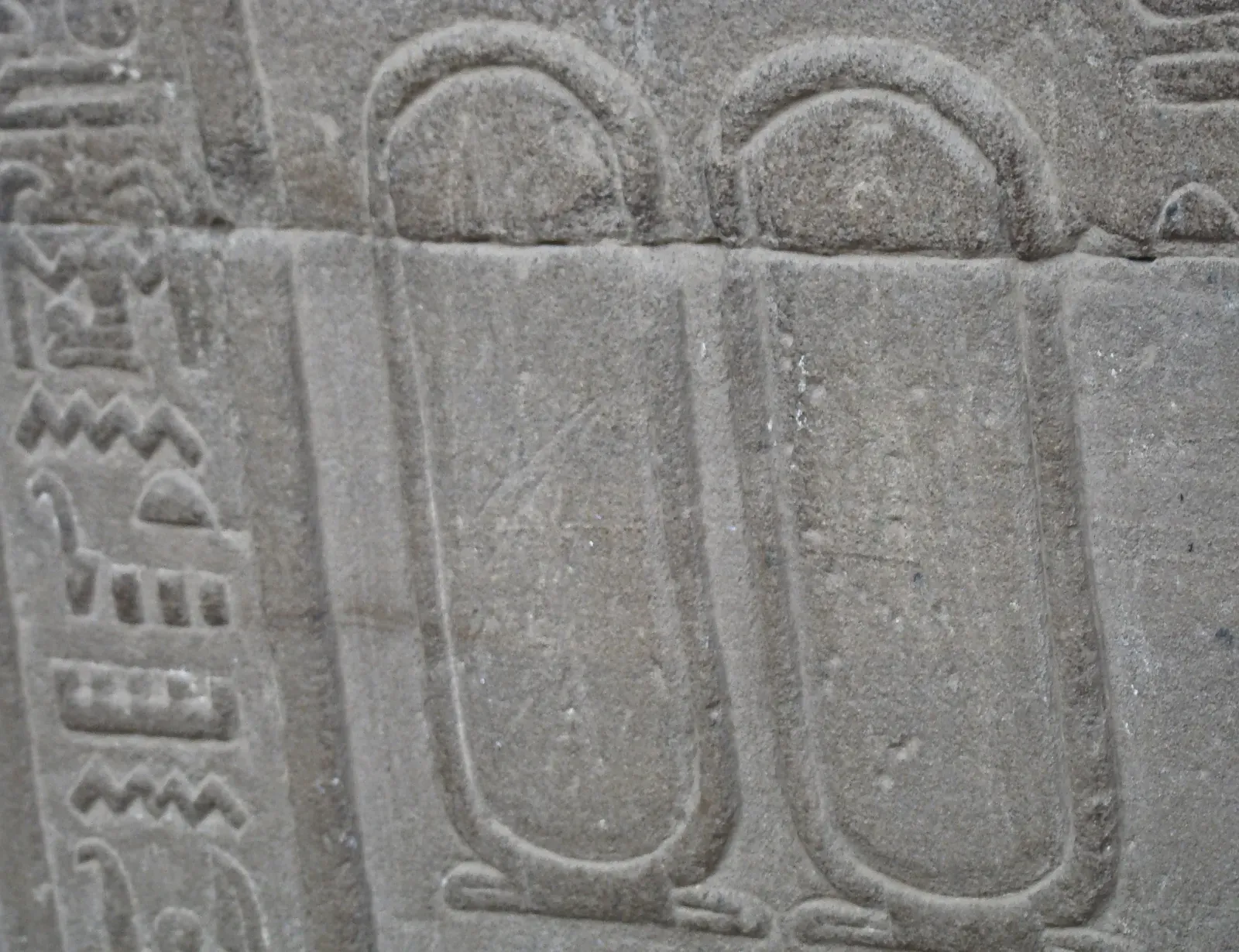
Ancient Egypt built some of the most advanced temples on Earth, so naturally someone suggested hidden power sources behind it. A popular theory claims small stone or ceramic chambers in Ptolemaic temples once held stacks of metal plates and electrolytes, functioning as fixed “temple batteries” to power rituals or illuminate images of the gods.
Reconstructions confirm you can tuck Volta-style stacks into those recesses and make them run. The catch: nobody has ever actually found such stacks in situ. No corroded plates, no trace electrolytes, no dedicated conduits – just empty niches that make far more sense as offering spaces or storage. It’s a textbook case of the shape of a void doing all the narrative work, and without physical evidence inside those cavities, “temple cells” stay speculative stage props, not established technology.
#6 – The Pyramids’ Copper Fittings That Refuse to Behave
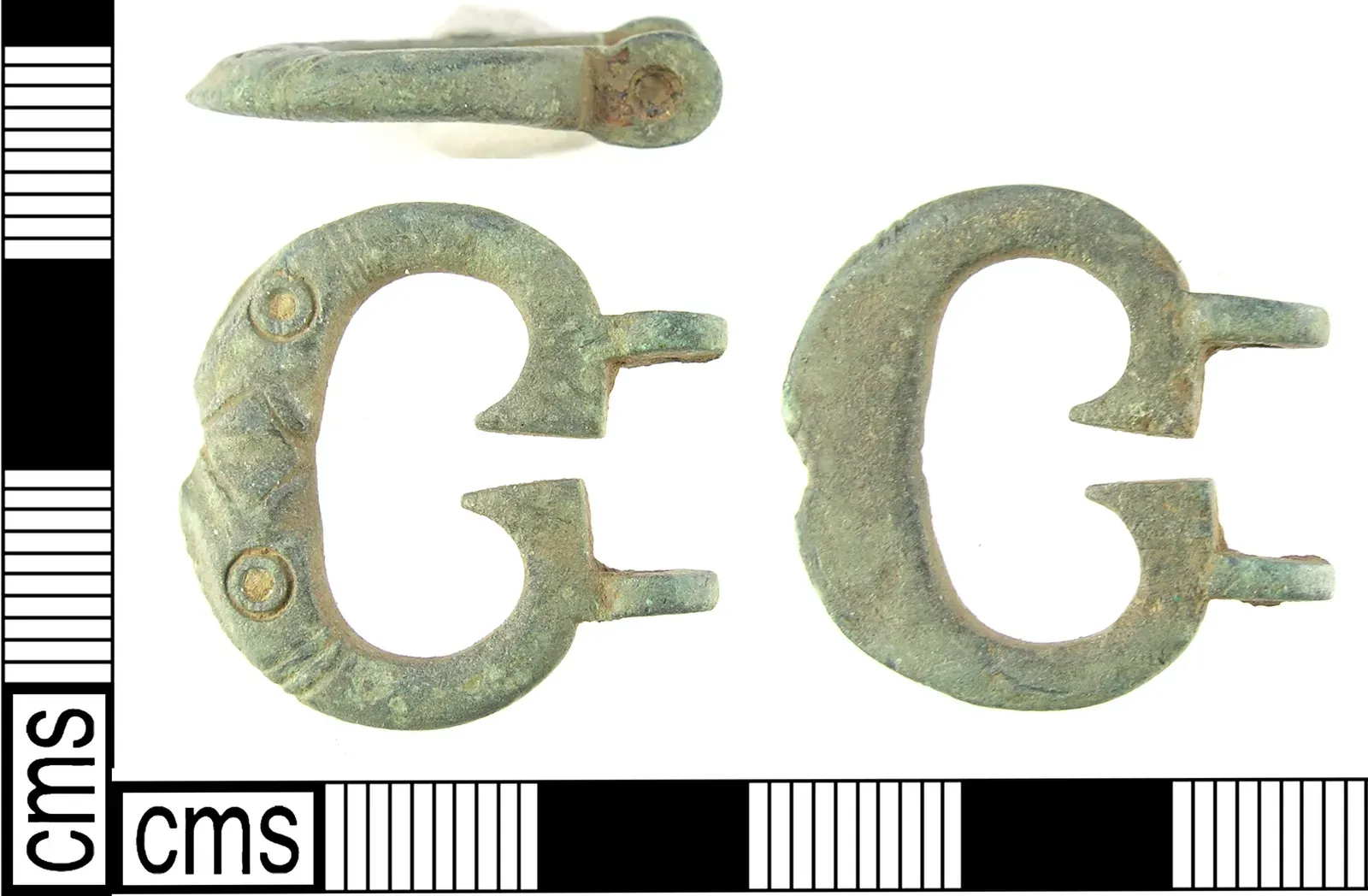
Some copper components found in Egyptian pyramids and tombs have been drafted into the battery narrative almost by default. Put copper, stone, and damp air together for long enough and you get corrosion and mild electrochemical gradients – which is exactly the excuse some theorists needed to argue that copper-lined channels or basins were “giant batteries” drawing power from groundwater.
Studies of the actual fittings show corrosion consistent with long-term structural exposure, not deliberate cyclic charging and discharging. They’re doing exactly what construction hardware does after several thousand years underground. An ancient engineer may well have noticed the odd tingle from wet copper and stone, but noticing a quirk isn’t the same as engineering around it – there’s no regular plate spacing, no insulating layers, no repair cycles. Plumbing and reinforcement still explain it best.
#5 – The Greco-Roman Medical Vessels Linked to “Electric Therapy”
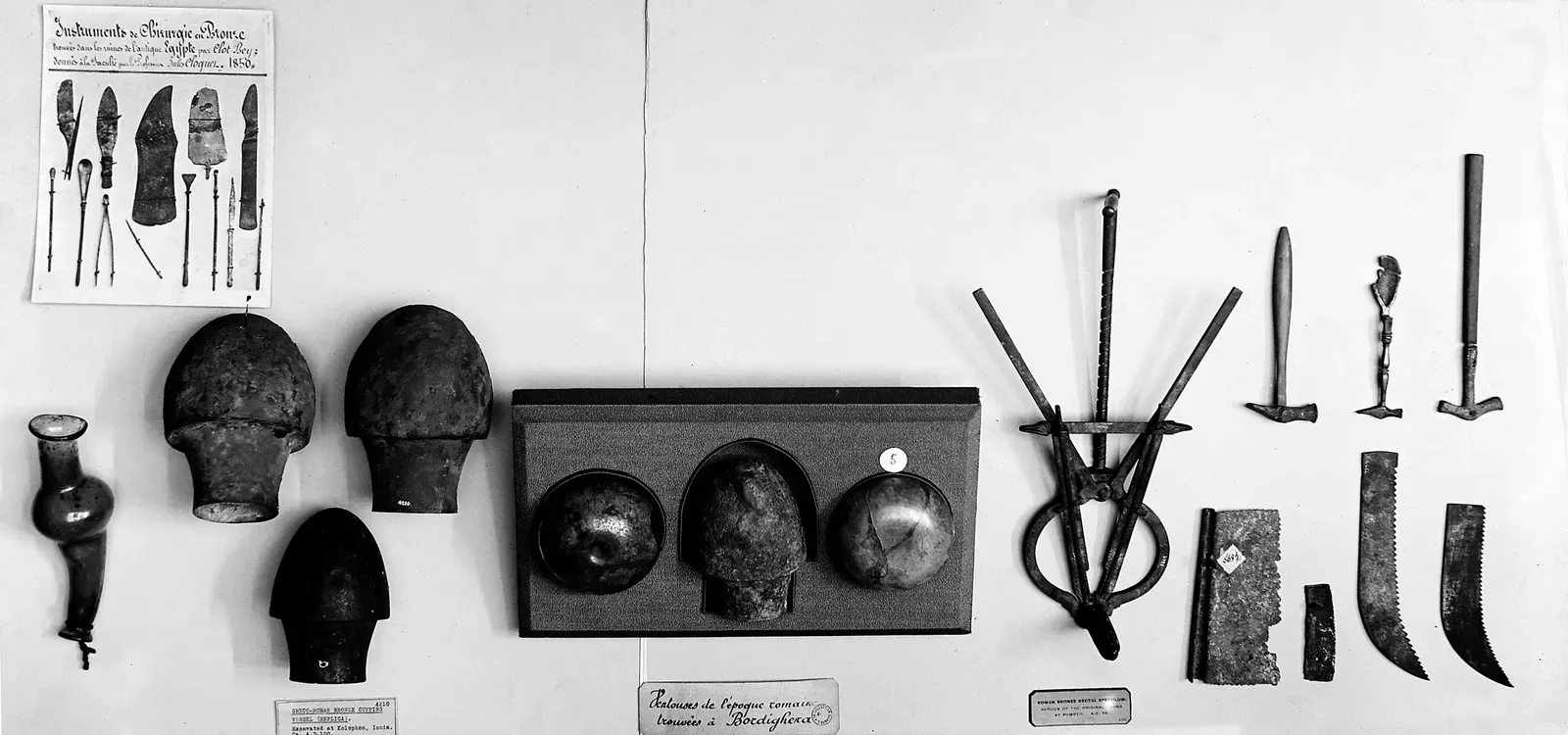
If any field had a reason to invent small, controllable shocks, it was ancient medicine. Greco-Roman texts describe using electric fish for pain relief and “rebalancing the humors,” which naturally led people to wonder whether certain metal-lined medical cups or ointment vessels were primitive batteries – a tamer alternative to wrestling with an angry eel.
In replications, combining these cups with electrodes and acidic herbal brews does produce a weak current. But the archaeological and textual record doesn’t connect the dots that neatly: the cups show wear from heating, scraping, and mixing, not from repeated sealing and refilling with corrosive liquid. Medical writers of the time gushed at length about electric fish and never once mention a jar that shocks on demand. That silence says a lot – if you’d invented a reusable “thunder cup,” why keep raving about the eels instead?
#4 – The Alleged Mesoamerican “Clay Cells” That Fall Apart Under Scrutiny

New World “ancient batteries” are even more controversial – and even more fragile once you look closely. Some Mesoamerican ceramic vessels have been nominated as battery candidates because they contain metallic inclusions, bitumen seals, and segmented interiors. Drop in copper and iron, add acidic juice, and modern experimenters get a tiny voltage every time.
Detailed studies usually trace the original metal traces back to pigments, accidental contamination, or later repairs – not deliberate electrodes. Specialists in the region are blunt about it: there is no independent evidence that Mesoamerican societies used controlled electricity, no associated wires, no electroplated artifacts, no iconography suggesting a power device of any kind. When your whole case rests on “a pot can be hacked into a weak battery,” you’re demonstrating 19th-century physics, not pre-Columbian engineering.
#3 – The Indus Valley “Sealed Pods” and Modern Imagination
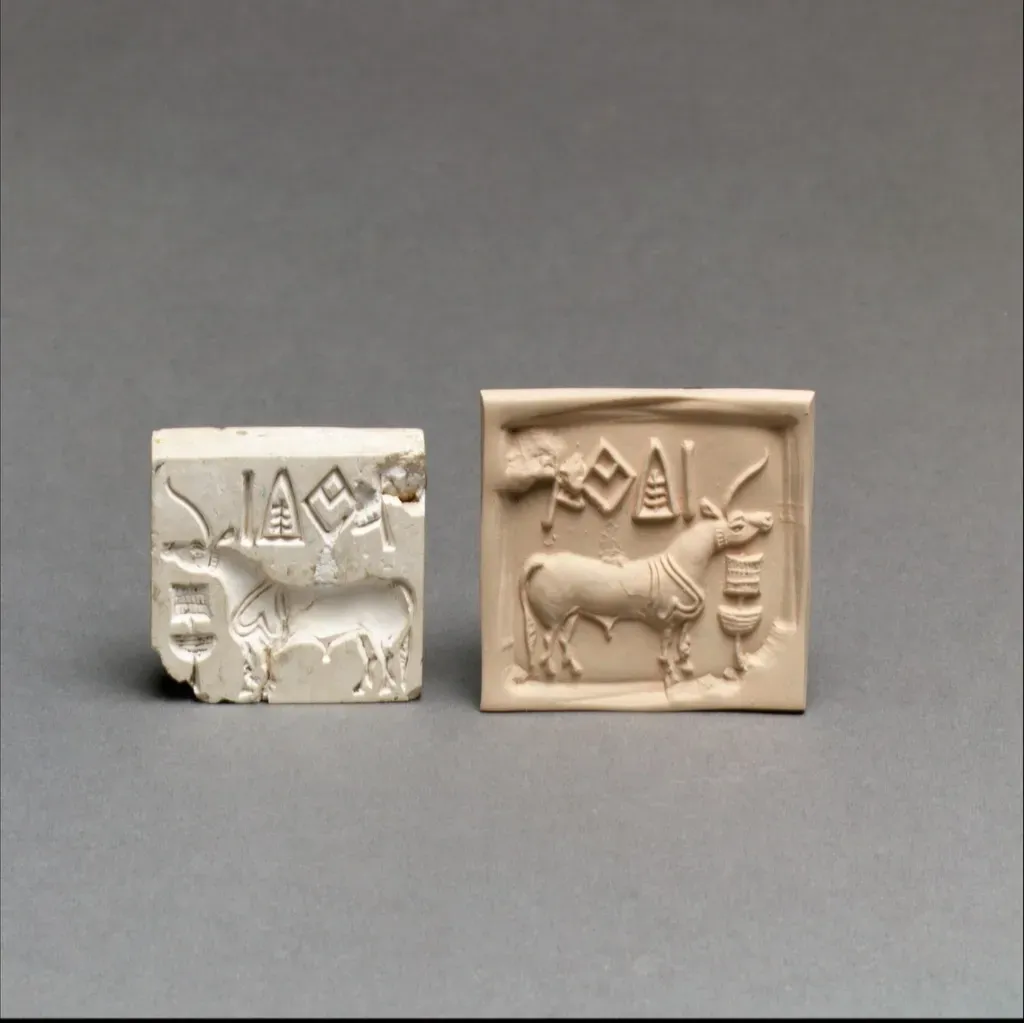
The Indus Valley Civilization left behind countless enigmatic objects, including sealed ceramic “pods” with thick walls, internal partitions, and traces of metal or bitumen. On paper, that’s ideal raw material for the “ancient battery” crowd to run with.
In practice, lab analysis of residues tends to find organic remains consistent with food, scent, or ritual substances – not electrolytes built for repeated use. Most of these pods make far more sense as containers for something precious or perishable than as finicky devices needing constant refilling. The deeper problem is that we still can’t read the Indus script, so nearly any interpretation gets projected onto these objects. Some people see batteries, others see incense burners; without texts, the only real anchor is lab data, and it keeps landing on non-electrical answers.
#2 – The Hellenistic “Layered Discs” That Could Be Anything
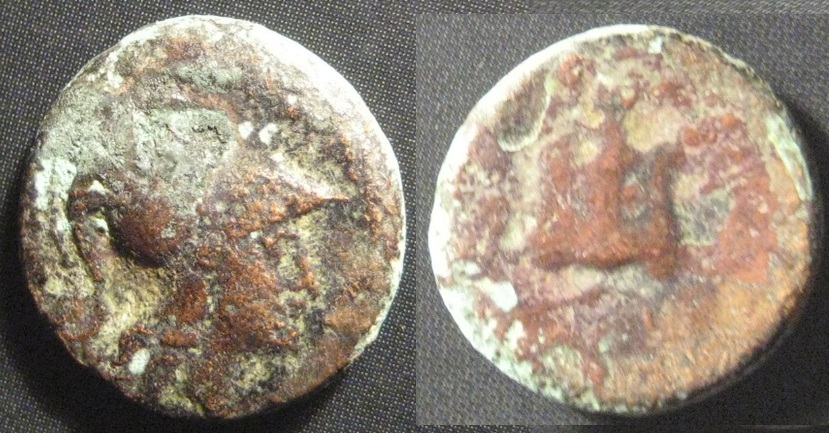
Stacks of metal discs from Hellenistic sites occasionally get drafted into the lost-tech narrative. Arrange them today and, with a splash of vinegar, you can build something that looks suspiciously like a Voltaic pile. The problem is the original finds weren’t discovered in neat stacks with insulators between them, and many of the metals are too corroded or irregular to show any deliberate alternation.
Plenty of these discs actually come from workshop debris, votive deposits, or broken-up coin hoards. When materials scientists examine the wear and manufacturing traces, they usually find casting, hammering, or decorative tooling consistent with jewelry or fittings – not a power source. Some experimental archaeologists will admit, almost sheepishly, that you can turn nearly any mixed-metal junk pile into a feeble cell if you try hard enough. That doesn’t retroactively make it a power plant.
#1 – The “Unknown Purpose” Jar Assemblies That Won’t Go Away
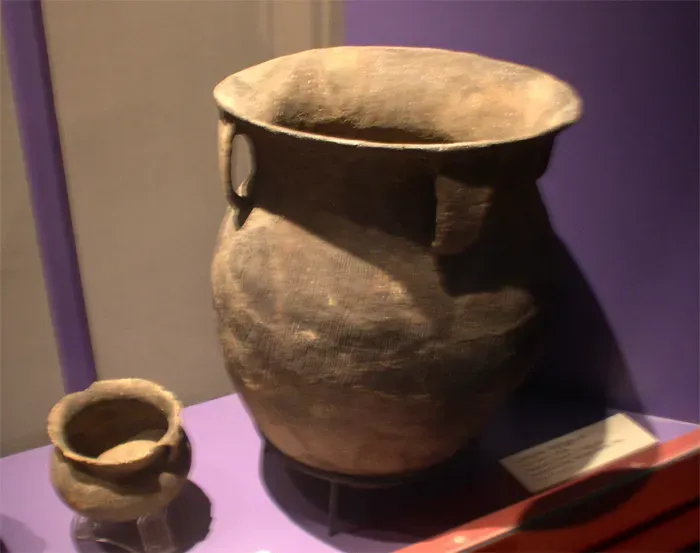
At the very top of the list sit the quiet troublemakers: composite jar-and-metal assemblages cataloged in museum records simply as “unknown purpose.” Ceramic jars, metal inserts, bitumen or resin seals, and sometimes organic residue nobody has ever fully decoded – scattered across collections in the Middle East and beyond. Carefully copy their dimensions and materials, add a plausible ancient liquid like vinegar or wine, and these replicas reliably produce small but measurable voltages.
That repeatability is exactly why the electricity hypothesis refuses to die, even among skeptics. But every serious review slams into the same wall: function. A tiny, unstable current that needs constant maintenance is a nightmare for lighting or industrial work, and there’s no large-scale infrastructure, no standardization, no clear “next step” technology built on top of it. The most responsible conclusion is a maddeningly modest one – some ancient artisans may have accidentally brushed up against electrochemistry, but there’s no solid proof they ever built a sustained electrical culture around it.
At a Glance
- No ancient text from any of these regions or eras ever describes storing or reusing electrical charge.
- Not one site has produced wiring, lamps, or standardized “next step” technology built on top of these jars.
- Residue analysis across multiple artifacts keeps pointing to scrolls, oils, pigments, or ordinary liquids – not electrolytes.
- Modern replicas can generate a weak current, but replication under lab conditions is not the same as historical proof of use.
Strip away the documentaries, the clickbait, and the breathless “they had batteries before us” claims, and you’re left with an uncomfortable, very human truth: the physical evidence is genuinely intriguing, but it’s thin. A handful of these jar-and-metal combinations really can behave like crude cells on a lab bench, yet no reconstruction has ever demonstrated a convincing, historically grounded purpose that fits the wider archaeological record. No lamp systems. No written manuals. No industrial setup. Nothing you’d expect if electricity had actually been a working part of daily life.
My honest take? That’s more interesting than any tidy “ancient power grid” fantasy ever could be. It says less about what the ancients secretly knew and more about how badly we want to see ourselves reflected in their world – and how stubbornly the past keeps refusing to cooperate. So did we miss one, or do you think none of these thirteen deserve the word “battery” at all? Make your case in the comments.