Ireland’s breathtaking coastline is not just a sight to behold; it is a sanctuary for a myriad of bird species that call it home. These delicate ecosystems are teeming with life, vibrant colors, and the melodious calls of birds that flutter above the rugged cliffs and sandy shores. However, these avian inhabitants are facing mounting challenges, from climate change to human interference. At the heart of the solution is the community-led conservation efforts that are gradually transforming the fate of these coastal birds. This article explores the intricate dance between humans and nature, as communities take the lead in preserving the natural heritage of Ireland’s coastal bird species.
The Hidden Gems of Ireland’s Coastline
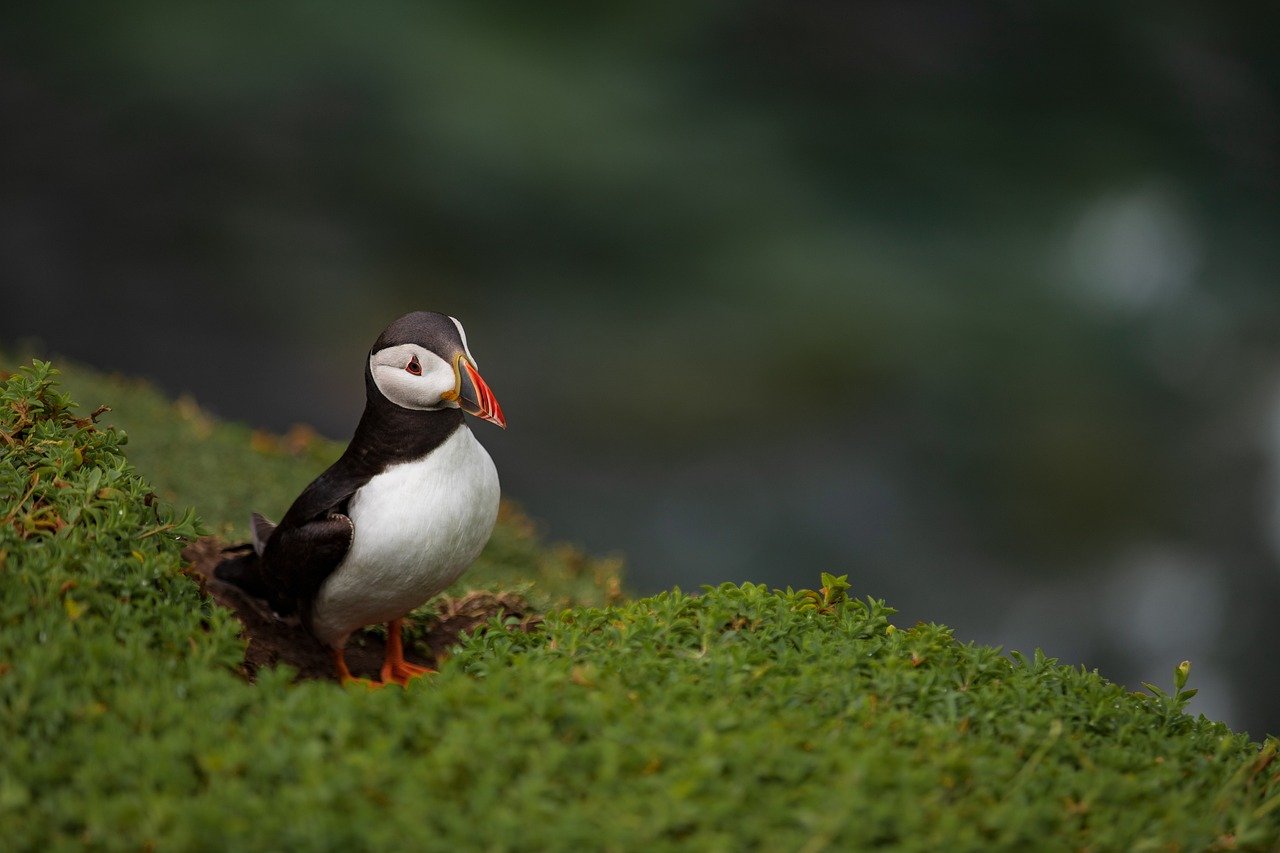
Ireland’s coastline stretches for over 3,000 kilometers, adorned with an array of habitats that serve as ideal nesting grounds for various bird species. From the iconic Atlantic puffins to the graceful Arctic terns, these birds are integral to the coastal ecosystem’s health. The diversity of species found here is astounding, and each has a unique role to play. For example, seabirds like guillemots and razorbills are known for their diving prowess, feeding on fish and maintaining the balance in marine life. Meanwhile, waders such as sandpipers and oystercatchers patrol the shorelines, using their long bills to probe the sand for invertebrates.
Threats to Coastal Bird Populations
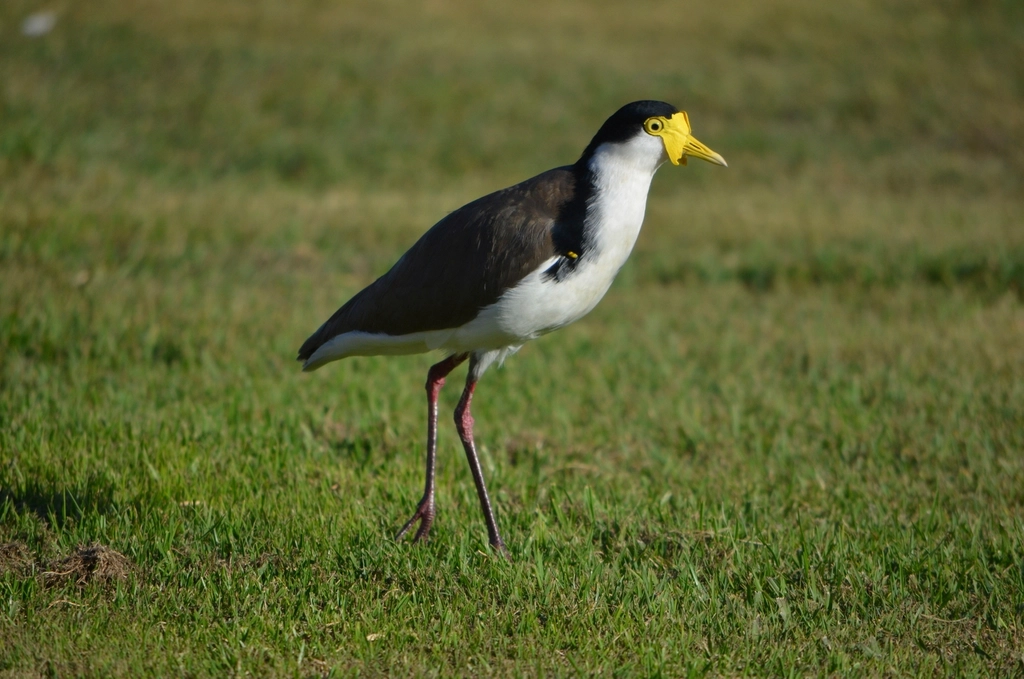
Despite the beauty and diversity, Ireland’s coastal birds are under siege from a myriad of threats. Climate change is perhaps the most pressing, with rising sea levels and unpredictable weather patterns disrupting nesting sites. Human activities, such as coastal development and tourism, also pose significant threats, often leading to habitat loss and disturbance. Additionally, pollution, such as plastic waste and oil spills, can have dire effects on bird populations. The combination of these factors has led to declining numbers in many species, making conservation efforts more crucial than ever.
The Power of Community Involvement
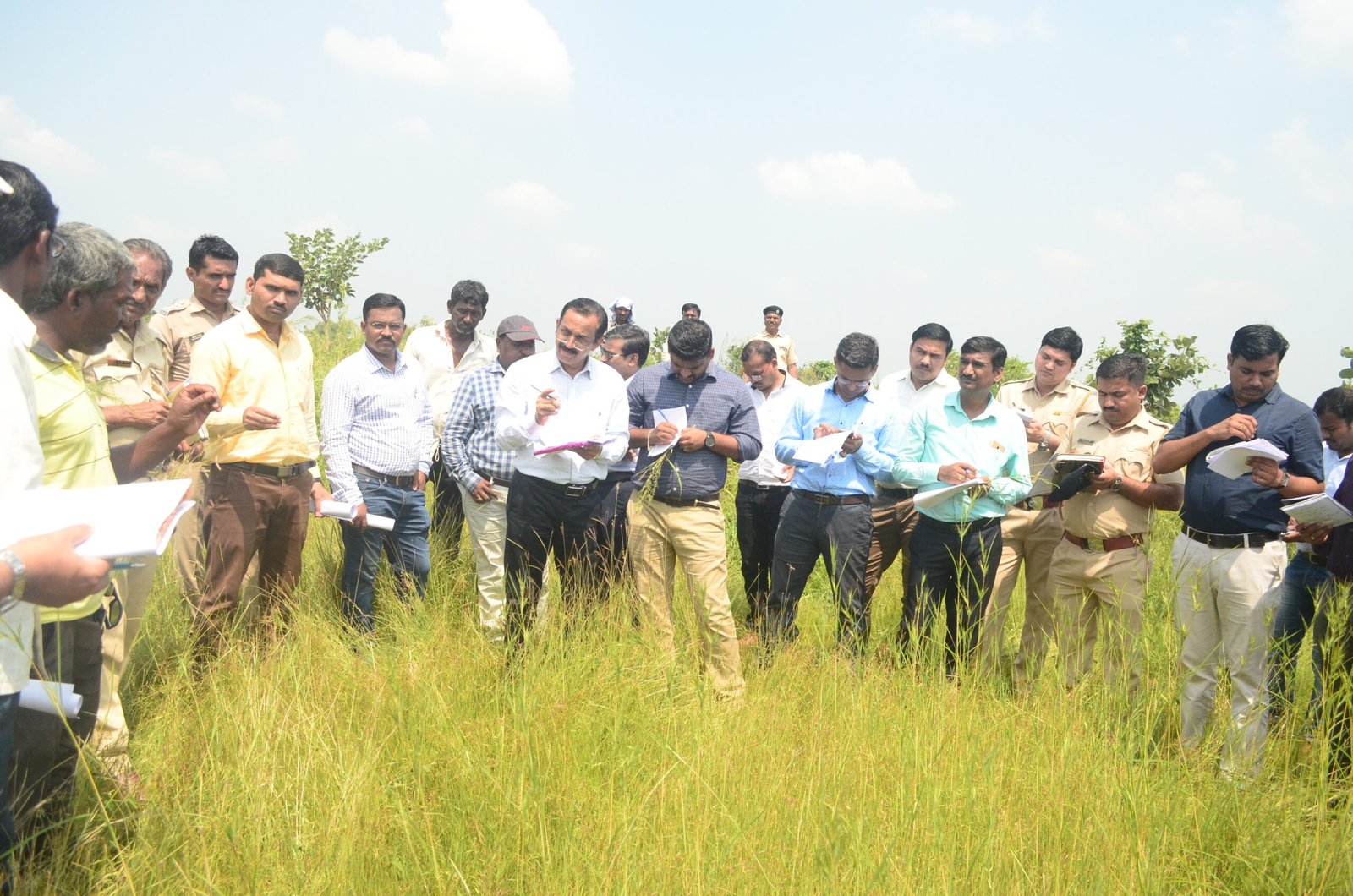
In the face of these challenges, community-led conservation initiatives have emerged as a powerful force for change. Local communities, driven by a deep connection to the land and its wildlife, have taken active roles in protecting coastal bird species. These grassroots movements are often fueled by passion and a shared vision for a sustainable future. By engaging residents in conservation efforts, these projects not only help preserve bird populations but also foster a sense of stewardship and environmental responsibility within the community.
Citizen Science: A New Frontier

One of the most exciting aspects of community-led conservation is the rise of citizen science. This involves everyday people contributing to scientific research by collecting data, monitoring bird populations, and observing changes in the environment. In Ireland, citizen scientists have been instrumental in gathering valuable data on bird populations, migration patterns, and nesting success. Their contributions provide researchers with a wealth of information that would be otherwise difficult to obtain, helping to shape conservation strategies and policies.
Innovative Conservation Strategies
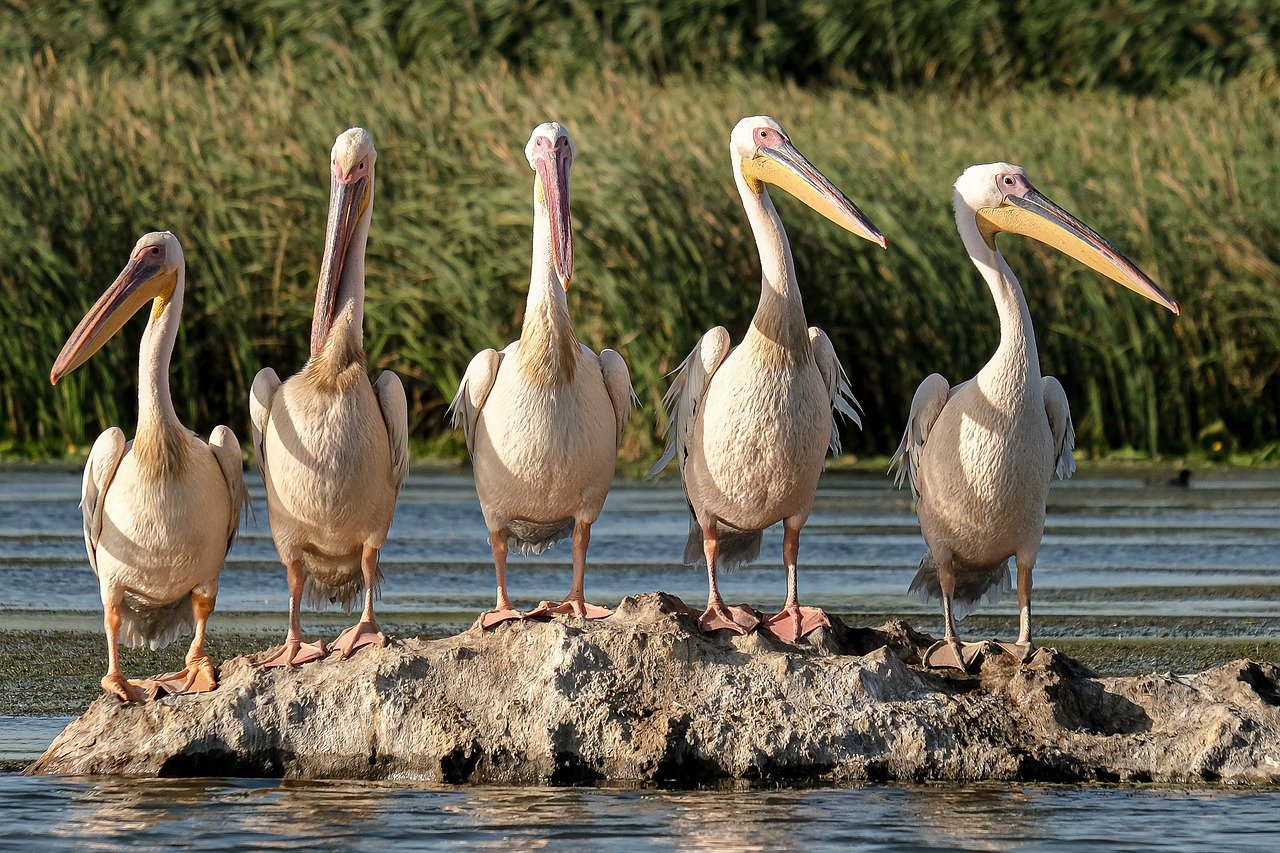
Communities across Ireland are employing innovative strategies to protect and restore coastal bird habitats. Projects such as creating artificial nesting sites, restoring natural habitats, and implementing predator control measures have shown promising results. For instance, some communities have established protected areas where human activities are restricted during critical breeding seasons. These efforts not only safeguard bird populations but also enhance biodiversity and strengthen the resilience of coastal ecosystems.
Education and Awareness: The Key to Change
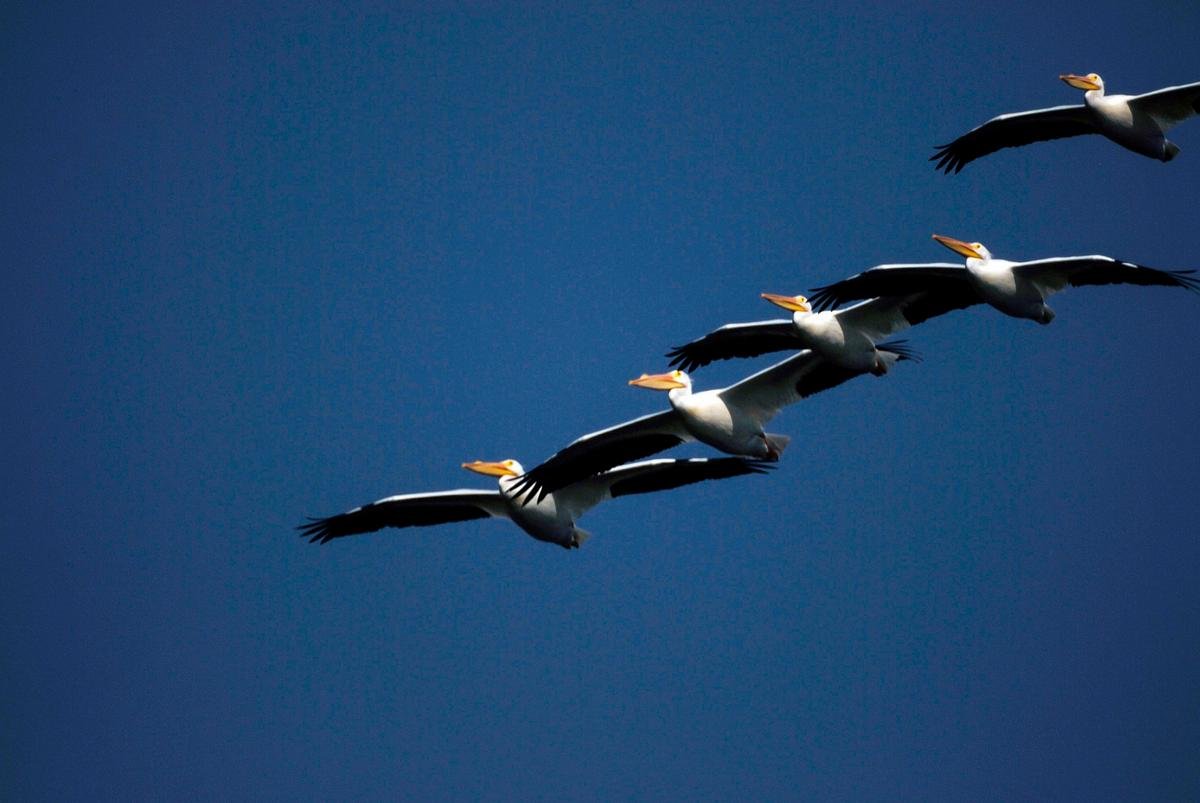
Education and awareness play a pivotal role in community-led conservation. By educating residents and visitors about the importance of coastal birds and their habitats, communities can foster a culture of respect and appreciation for nature. Workshops, guided tours, and educational programs help people understand the intricate relationships between birds, their habitats, and the broader ecosystem. This knowledge empowers individuals to make informed decisions and take action to protect their natural surroundings.
The Role of Technology in Conservation
Technology has become an invaluable tool in conservation efforts, providing communities with innovative ways to monitor and protect bird populations. Drones, for example, are used to survey remote and inaccessible areas, providing high-resolution images and data on nesting sites. GPS tracking devices allow researchers to study migration patterns and habitat use, offering insights into the challenges birds face throughout their journeys. By harnessing technology, communities can enhance their conservation efforts and achieve greater success in protecting coastal bird species.
Collaborative Efforts with NGOs and Government

Community-led conservation efforts are often supported by collaborations with non-governmental organizations (NGOs) and government agencies. These partnerships bring together resources, expertise, and funding, enabling communities to implement large-scale conservation projects. NGOs provide technical support, training, and advocacy, while government agencies can offer legal protection and policy support. By working together, these groups can create comprehensive conservation strategies that benefit both birds and people.
Success Stories: Celebrating Achievements
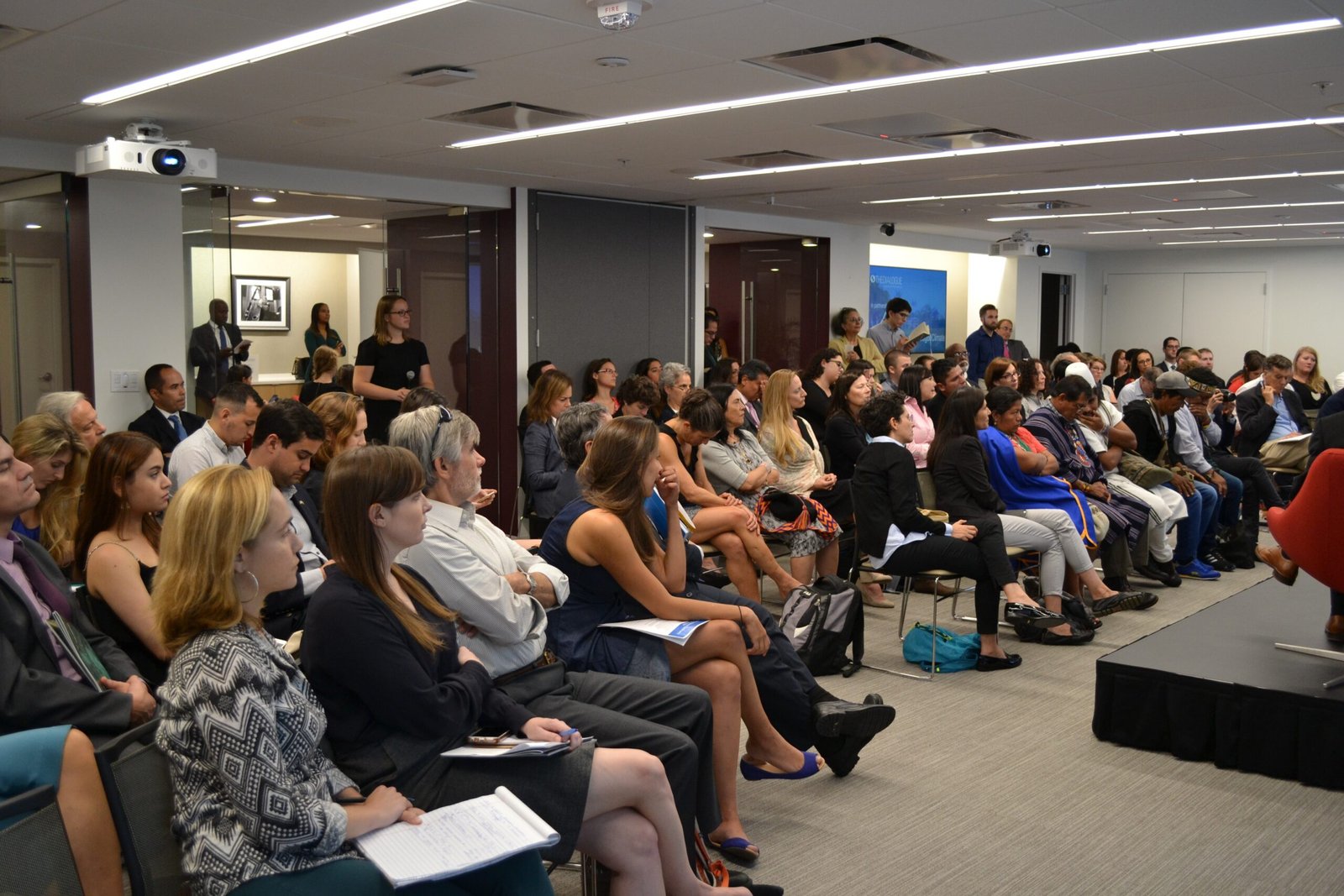
There have been numerous success stories of community-led conservation efforts making a tangible difference in Ireland. For instance, the restoration of certain coastal habitats has led to the return of previously declining bird species, such as the Manx shearwater and the little tern. These achievements serve as powerful examples of what can be accomplished when communities unite for a common cause. They inspire others to take action and demonstrate that positive change is possible when people come together to protect their natural heritage.
A Call to Action for Future Generations

As we look to the future, the importance of community-led conservation cannot be overstated. It is a testament to the power of collective action and the ability of individuals to make a difference. By continuing to engage communities in conservation efforts, we can ensure that Ireland’s coastal bird species thrive for generations to come. Everyone has a role to play, whether through participating in citizen science, supporting conservation projects, or simply spreading awareness. Together, we can create a brighter future for both birds and humans, safeguarding the natural beauty of Ireland’s coasts for years to come.