
The Philippines, a nation of over 7,000 islands, is a treasure trove of biodiversity. Home to a myriad of unique species, it faces the dual challenge of conservation and development. Amidst the lush forests and vibrant reefs, Filipino conservationists are waging a battle to protect the delicate balance of nature. These warriors, often working in the shadows, dedicate their lives to preserving the natural heritage of their homeland. Through their tireless efforts, they inspire hope and action in a world where conservation is more critical than ever.
The Richness of Filipino Biodiversity

The Philippines is often described as a biological hotspot, a title well-earned due to its staggering diversity of flora and fauna. Imagine a place where the air is filled with the calls of exotic birds, and the seas teem with vibrant marine life. This archipelago is home to the Philippine eagle, one of the world’s largest and rarest eagles, and the Tarsier, a tiny primate with eyes larger than its brain. These species, alongside thousands of others, create a tapestry of life that is both intricate and fragile. The diversity found here is not just a point of national pride but a global treasure that requires diligent protection.
The Threats Looming Over Paradise
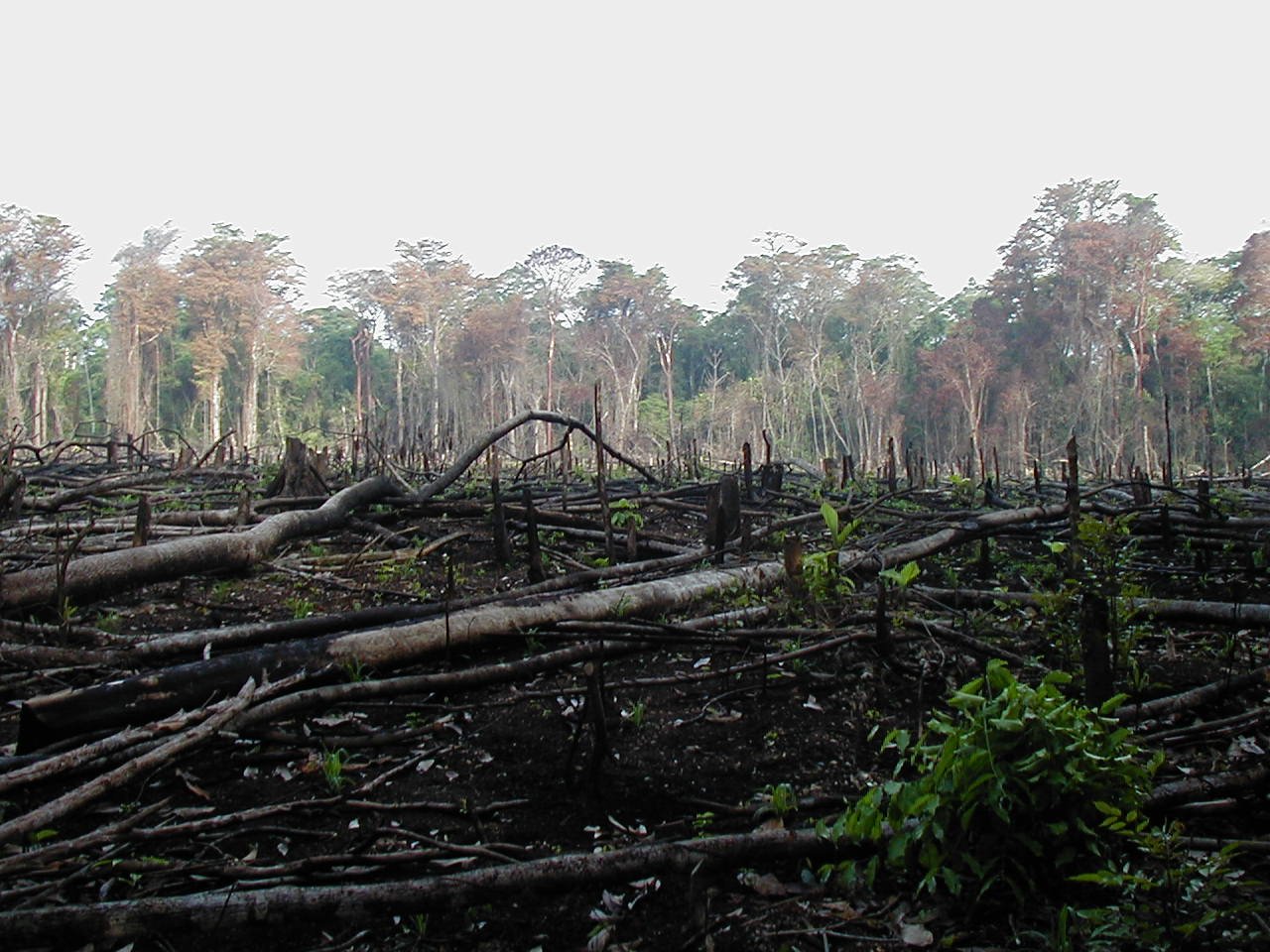
Despite its beauty, the Philippines faces significant environmental challenges. Deforestation, driven by illegal logging and agricultural expansion, threatens the habitats of countless species. Additionally, the country’s rich marine life is at risk from overfishing and destructive practices like dynamite fishing. Climate change exacerbates these threats, leading to more frequent natural disasters that impact both human and animal communities. These challenges create a precarious situation where conservationists must act quickly and decisively to safeguard the future of the country’s natural wonders.
Heroes in the Field: The Filipino Conservationists

In the face of daunting odds, Filipino conservationists emerge as unsung heroes. These individuals work tirelessly, often in remote and challenging environments, to protect the environment. Take, for example, the story of a young biologist who spends months in the jungle tracking the elusive Philippine eagle. Her work not only contributes to the understanding of this majestic bird but also aids in its conservation. These conservationists are driven by a deep love for their country’s natural heritage and a desire to ensure its survival for future generations.
Community Involvement: A Key to Success
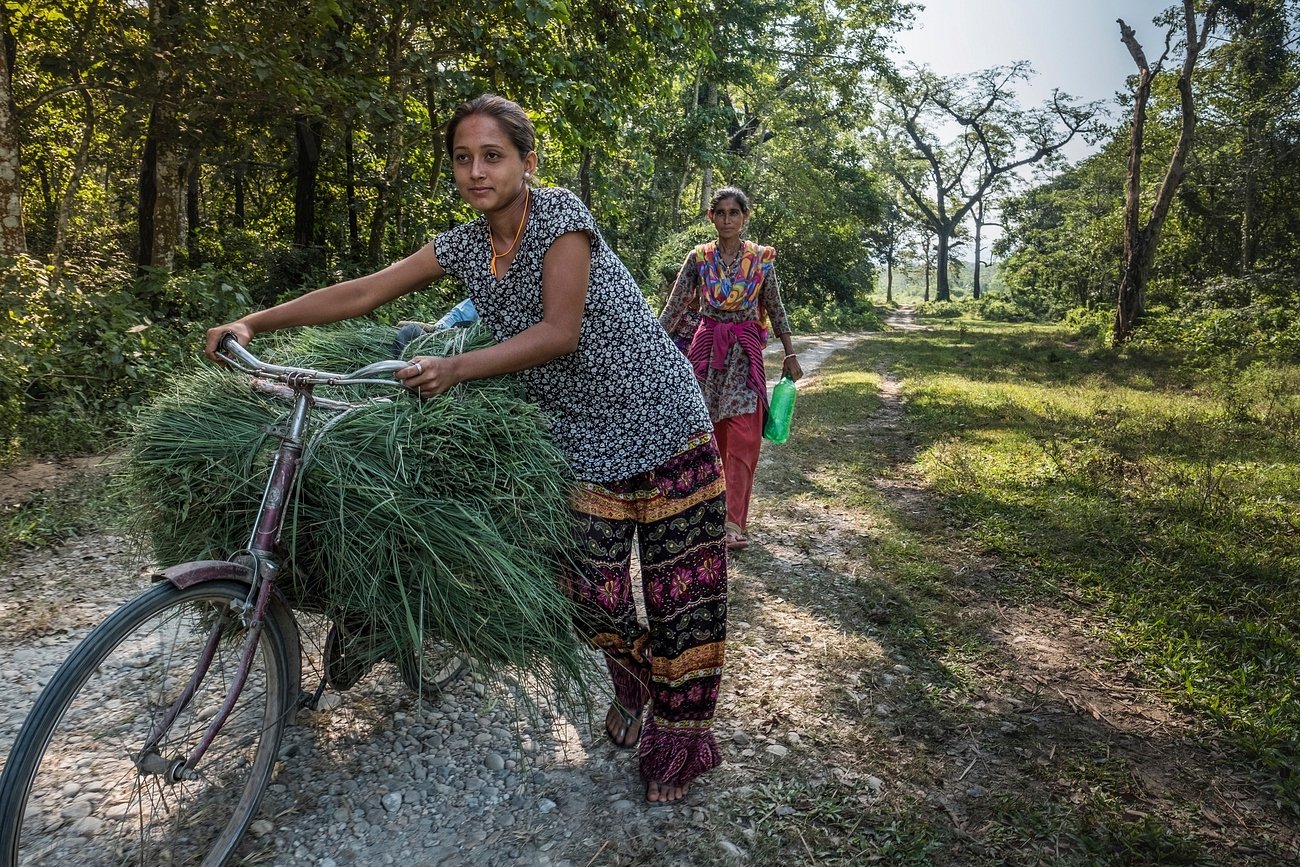
One of the most effective strategies employed by Filipino conservationists is involving local communities in their efforts. By educating and engaging locals, they create a sense of shared responsibility for the environment. For instance, fishermen are taught sustainable practices that allow them to provide for their families while preserving marine ecosystems. This collaborative approach not only enhances conservation efforts but also empowers communities to take pride in their natural surroundings. It is a testament to the power of unity in the face of environmental challenges.
Innovative Approaches to Conservation

Innovation is at the heart of successful conservation efforts in the Philippines. Conservationists are leveraging technology to monitor wildlife populations and track environmental changes. Drone technology, for example, is used to survey hard-to-reach areas, providing valuable data on forest cover and wildlife habitats. Additionally, conservationists are exploring eco-friendly tourism as a means of raising awareness and funds for their efforts. These innovative approaches not only enhance the effectiveness of conservation strategies but also inspire hope for a sustainable future.
The Role of Education in Conservation

Education plays a pivotal role in fostering a culture of conservation. Filipino conservationists invest time and resources in educating the youth about the importance of preserving the environment. Through school programs and community workshops, they instill a sense of stewardship in the younger generation. This educational focus ensures that the torch of conservation is passed on, creating a legacy of environmental responsibility. By empowering the youth with knowledge, these conservationists are planting seeds for a greener future.
Challenges and Sacrifices Faced by Conservationists

The path of a conservationist is fraught with challenges and sacrifices. Many work in isolated locations, far from the comforts of modern life. They face physical dangers from both the environment and, at times, those who oppose their efforts. Despite these hardships, their commitment remains unwavering. The sacrifices they make are a testament to their dedication and love for the natural world. It is a reminder that the fight for conservation is not just a battle but a lifelong commitment.
Success Stories: Celebrating Wins in Conservation

Amidst the struggle, there are stories of success that serve as beacons of hope. The conservation of the Philippine eagle, once on the brink of extinction, is a testament to the power of dedicated efforts. Through habitat protection and breeding programs, the population of this iconic bird has begun to recover. Similarly, marine protected areas have led to the revival of coral reefs and fish populations. These success stories are a source of inspiration, proving that with perseverance, positive change is possible.
Global Implications of Filipino Conservation Efforts
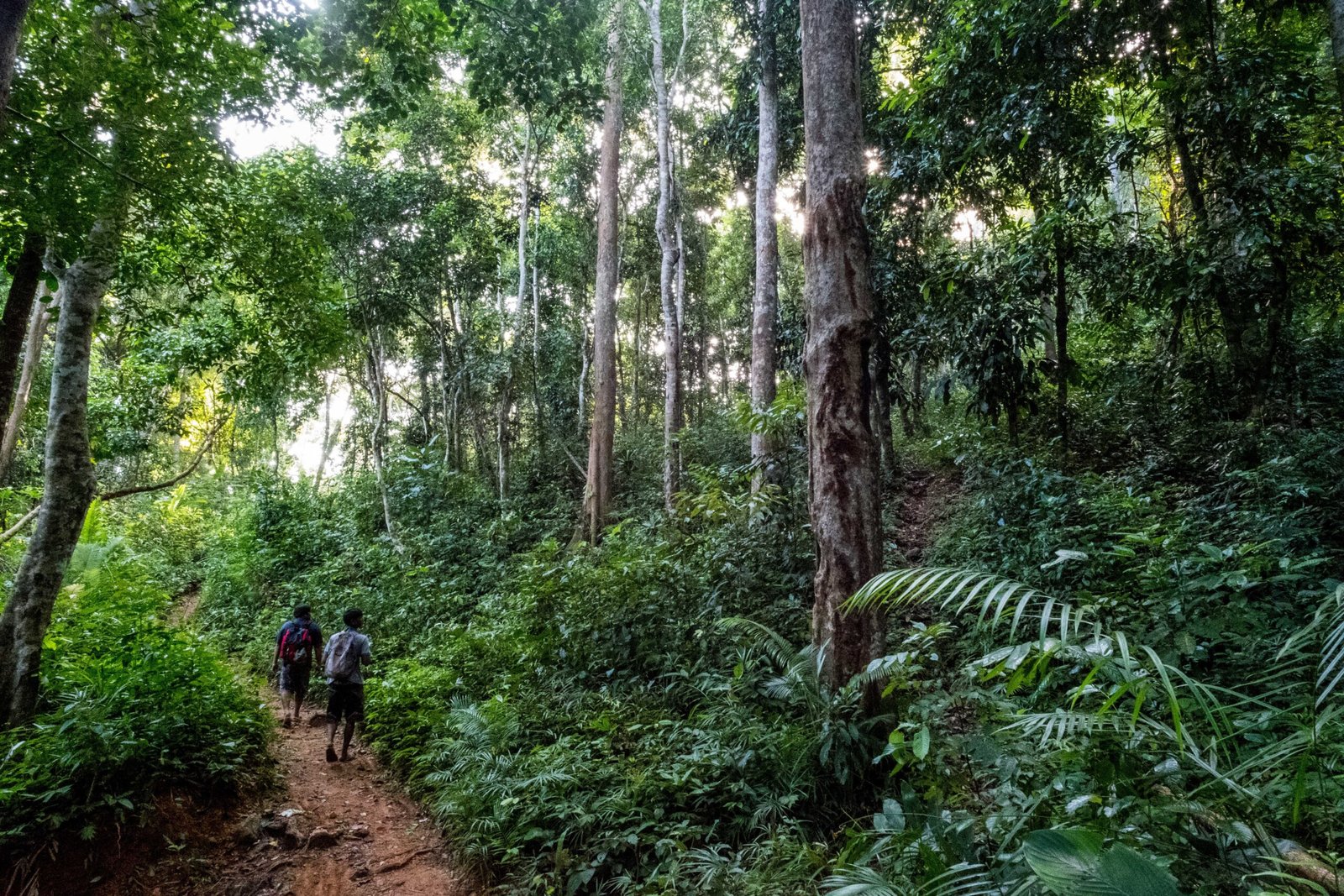
The work of Filipino conservationists has implications that extend beyond national borders. The Philippines’ rich biodiversity is part of the global ecosystem, and its preservation is crucial for maintaining ecological balance. The efforts made here serve as a model for other countries facing similar challenges. By sharing their experiences and successes, Filipino conservationists contribute to global conservation knowledge. Their work underscores the interconnectedness of the natural world and the shared responsibility to protect it.
A Call to Action: The Future of Conservation
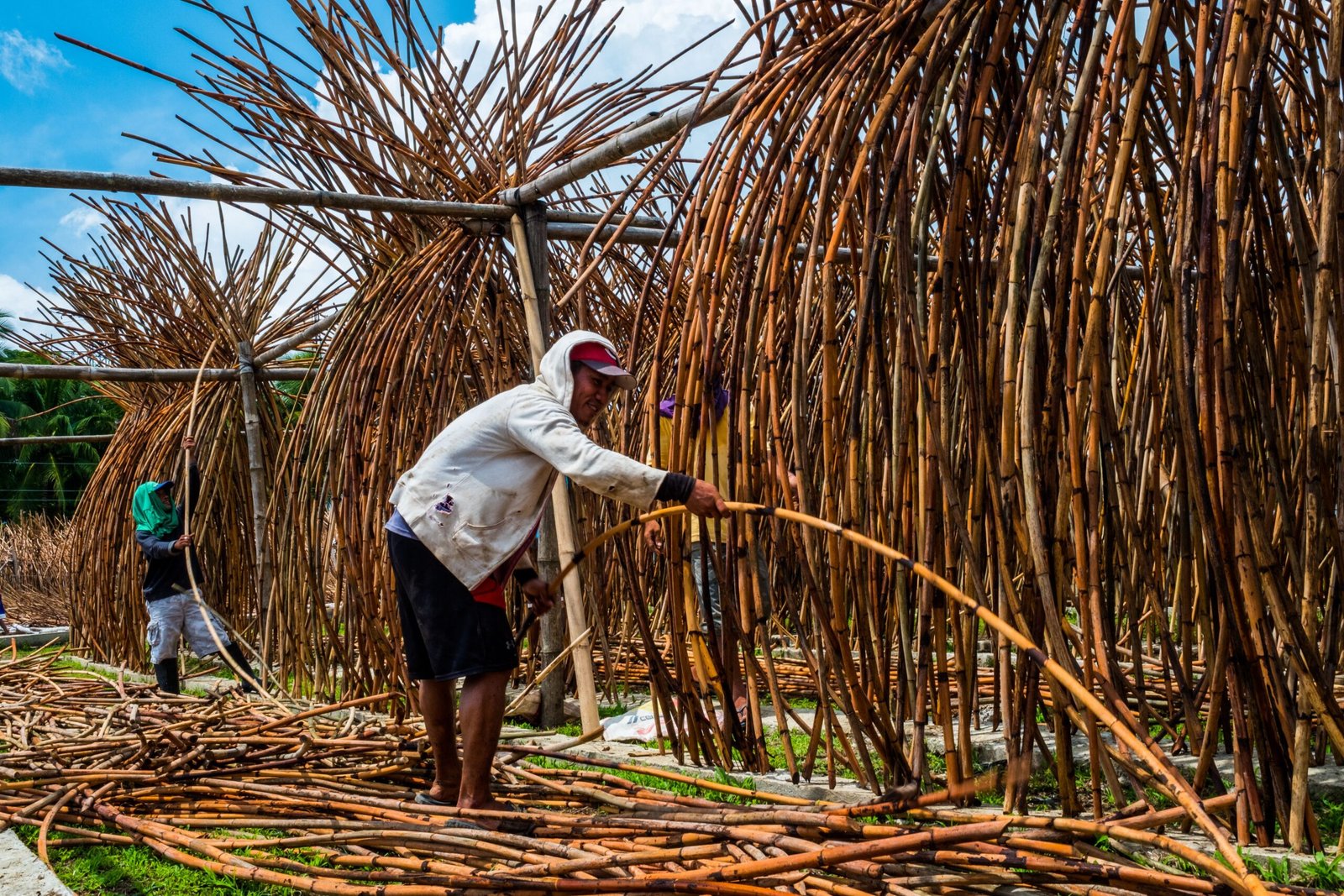
The stories of Filipino conservationists are a call to action for individuals and governments alike. Protecting the environment is not just the responsibility of a few but a collective duty. As these wildlife warriors continue their work, they remind us of the importance of preserving the natural world for future generations. The journey is long and fraught with challenges, but with determination and collaboration, a sustainable future is within reach. Their stories inspire us to take action, to become stewards of the environment, and to join them on the frontlines of conservation.