In the vast tapestry of nature, each species plays a unique role, weaving together the complex ecosystems that sustain life on Earth. However, when a species finds itself in a new environment where it faces no natural predators, it can sometimes wreak havoc, reshaping landscapes and communities in unexpected ways. Invasive species are like uninvited guests at a dinner party, disrupting the balance and leaving a mark long after they’ve arrived. This article delves into 15 such species that have traveled beyond their native lands, leaving indelible impacts on ecosystems worldwide.
1. The Voracious Zebra Mussel
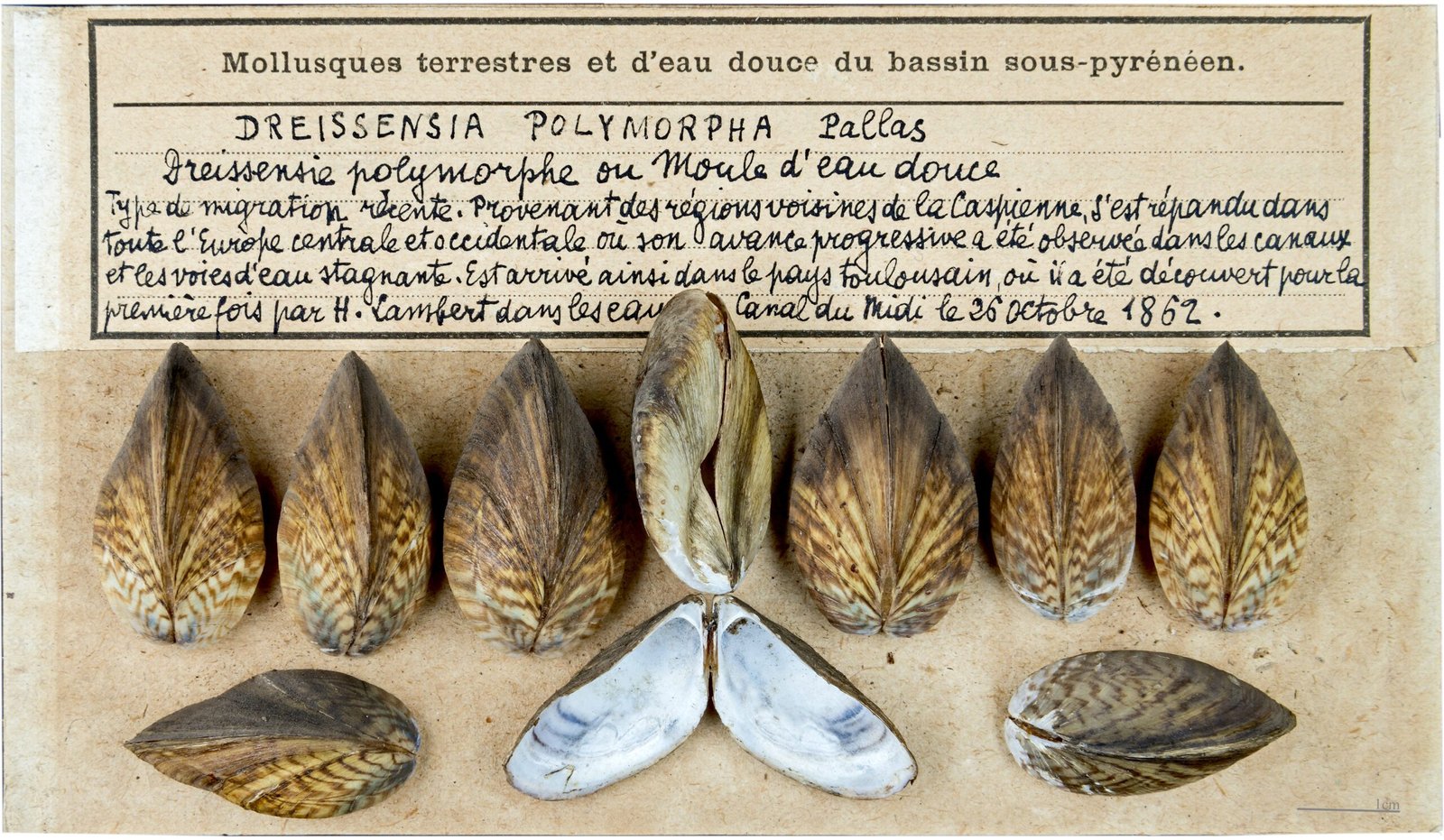
Zebra mussels are small freshwater mollusks that have made a big splash in North American waters. Originally from the lakes of southern Russia, these mussels were inadvertently introduced to the Great Lakes in the 1980s through ballast water from ships. Their ability to reproduce rapidly and attach to hard surfaces has caused significant ecological and economic damage. They clog water intake pipes, outcompete native mussels for food, and alter entire aquatic ecosystems. Imagine a city overrun by tiny invaders, changing the very foundation upon which it stands.
2. The Prolific Asian Carp
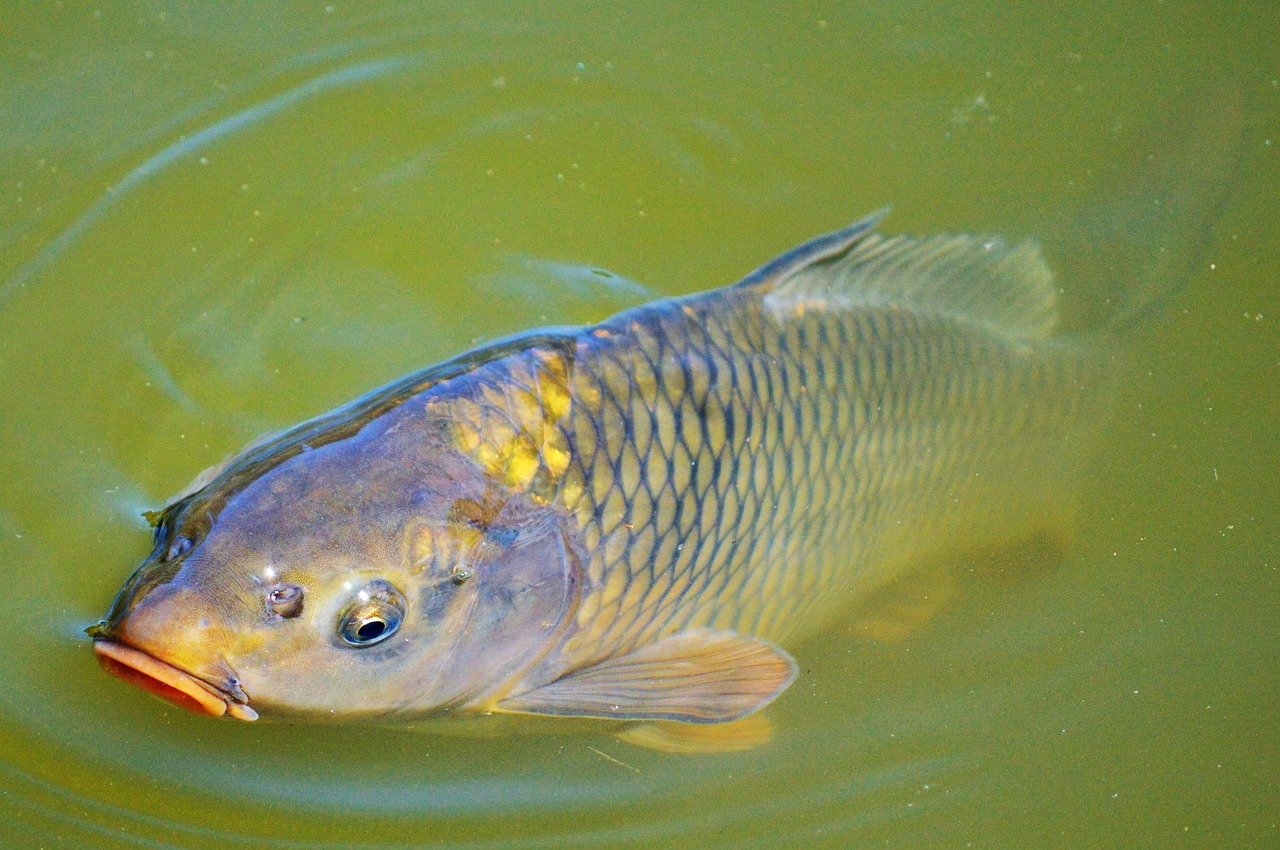
Asian carp, a term that includes several carp species, have become a major concern in the United States. These fish, imported in the 1970s to control algae in aquaculture ponds, have since escaped into the Mississippi River basin. With no natural predators and a diet that includes the plankton vital to native fish, Asian carp can quickly dominate waterways. Their presence threatens the balance of aquatic ecosystems and the livelihoods of local fishermen. Picture a bustling city market where one vendor monopolizes all the resources, leaving others struggling to survive.
3. The Insatiable Feral Hog
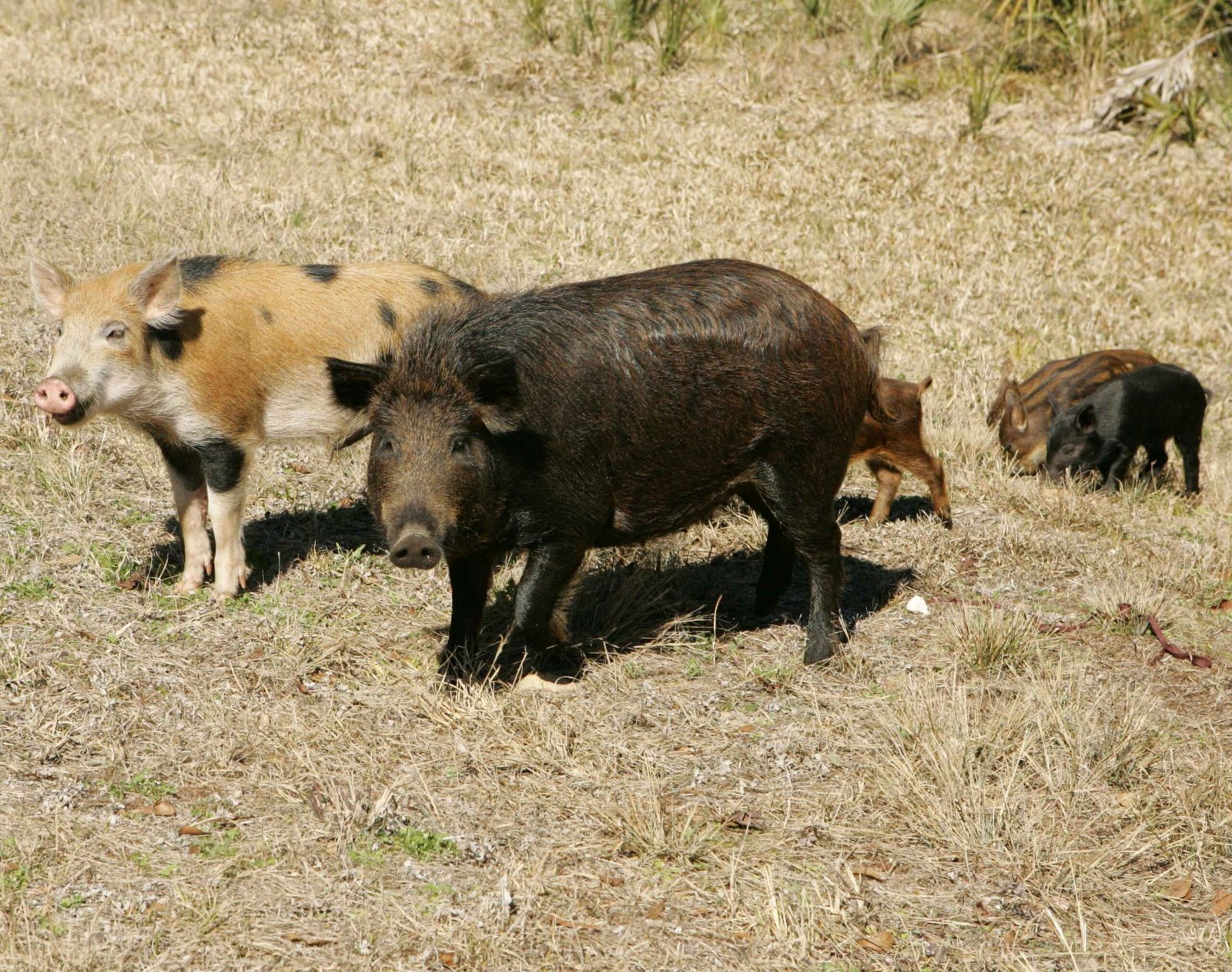
Feral hogs are a prime example of how an invasive species can cause widespread devastation. Descendants of domesticated pigs, they have established populations in many parts of the world, particularly in the southern United States. These adaptable omnivores root through soil, destroying crops and native plant life. Their destructive behavior not only impacts agriculture but also endangers native species and alters habitats. It’s akin to a group of unruly tourists trampling through a delicate garden, leaving chaos in their wake.
4. The Aggressive Cane Toad
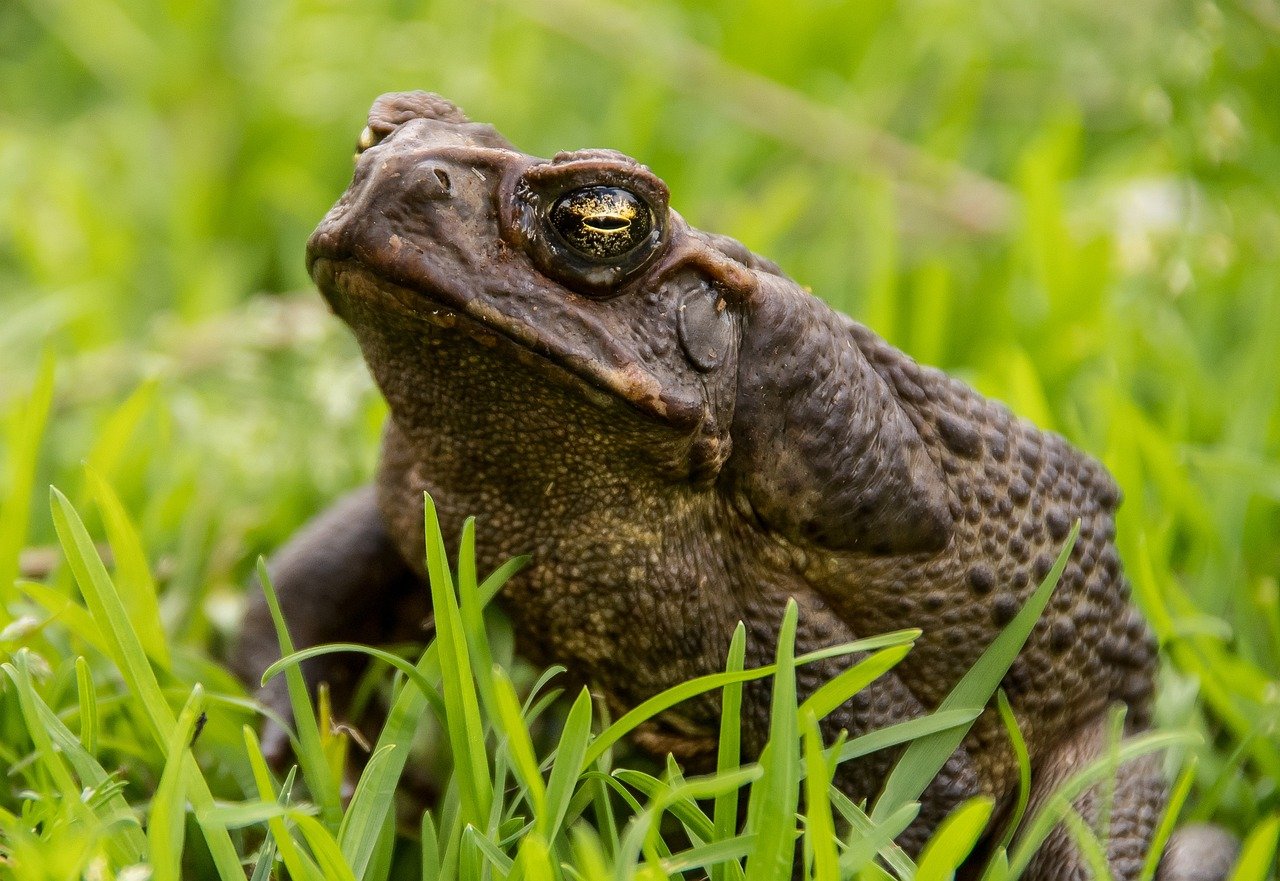
The cane toad, originally introduced to control pests in sugarcane fields, has become a notorious invader in countries like Australia. With no natural predators, they have multiplied rapidly, preying on native wildlife and outcompeting them for resources. Their toxic skin poses a threat to predators, leading to declines in native species. Imagine a well-meaning plan gone awry, where the solution becomes a bigger problem than the original issue.
5. The Domineering Kudzu Vine
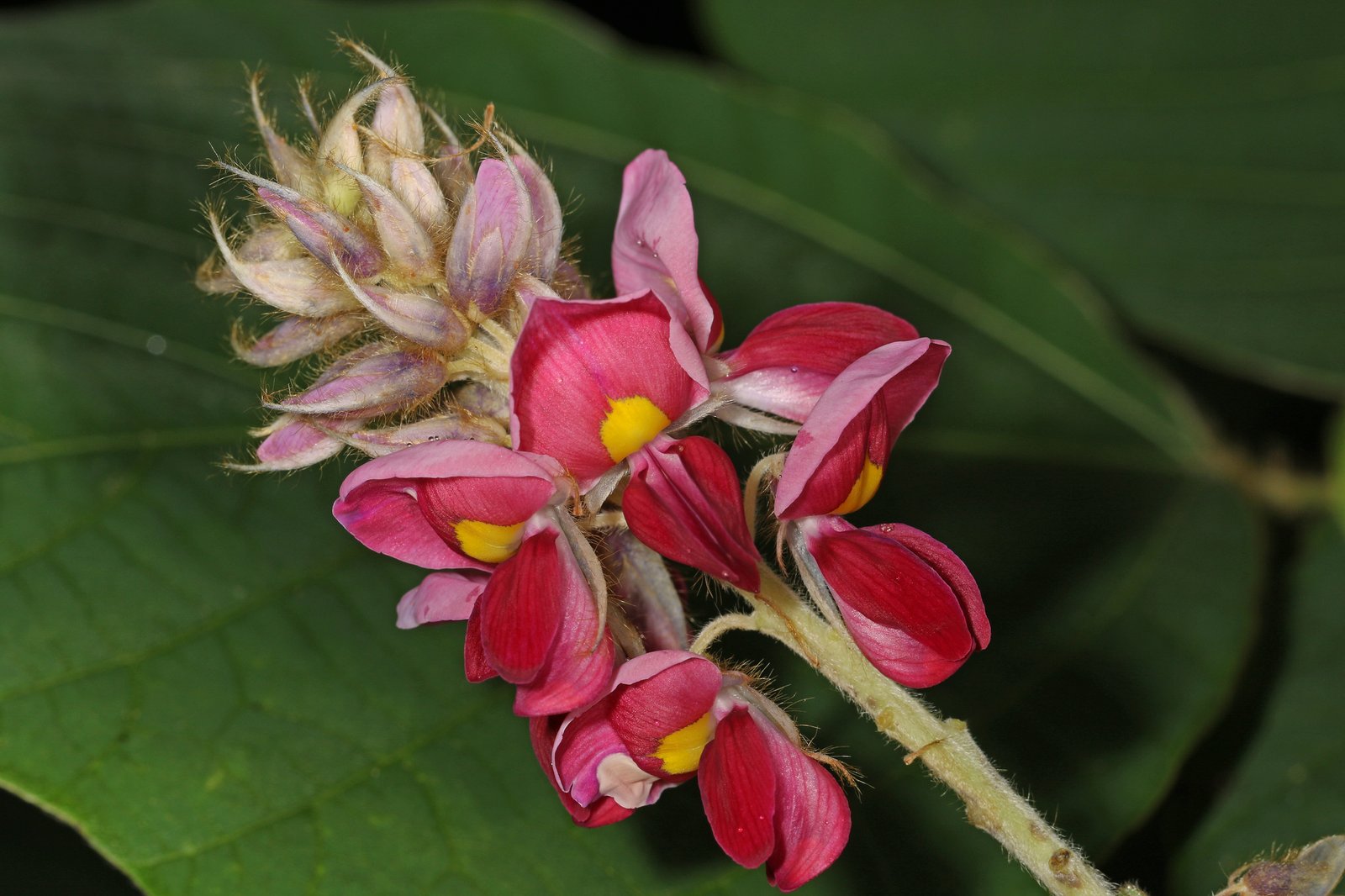
Kudzu, often referred to as “the vine that ate the South,” is a plant that can grow at an astonishing rate of up to a foot per day. Introduced to the United States for erosion control, it quickly spread across the southeastern states. Kudzu smothers native vegetation, outcompetes plants for sunlight, and alters entire landscapes. It’s like an unchecked wildfire, consuming everything in its path and leaving a transformed environment behind.
6. The Invasive Burmese Python
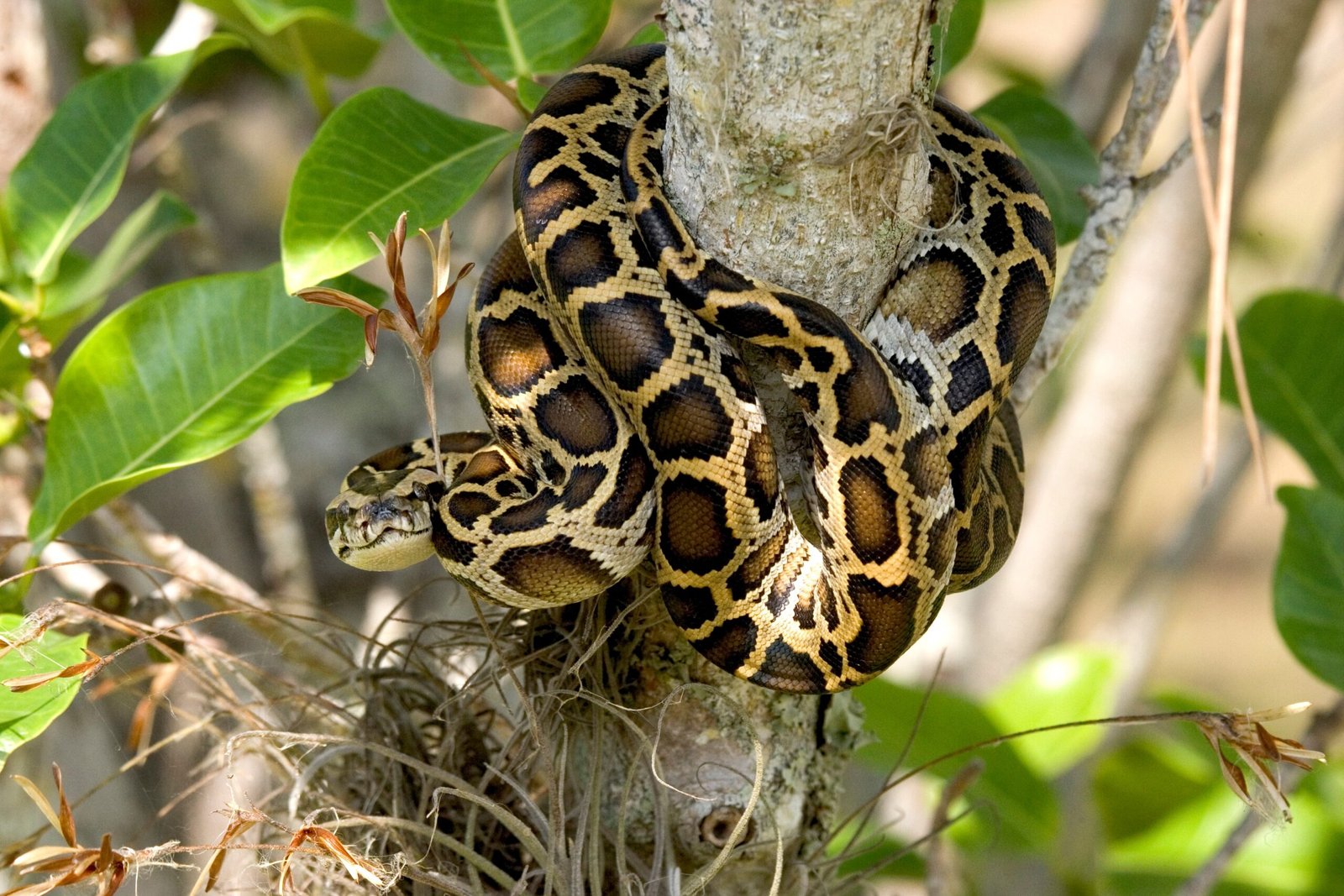
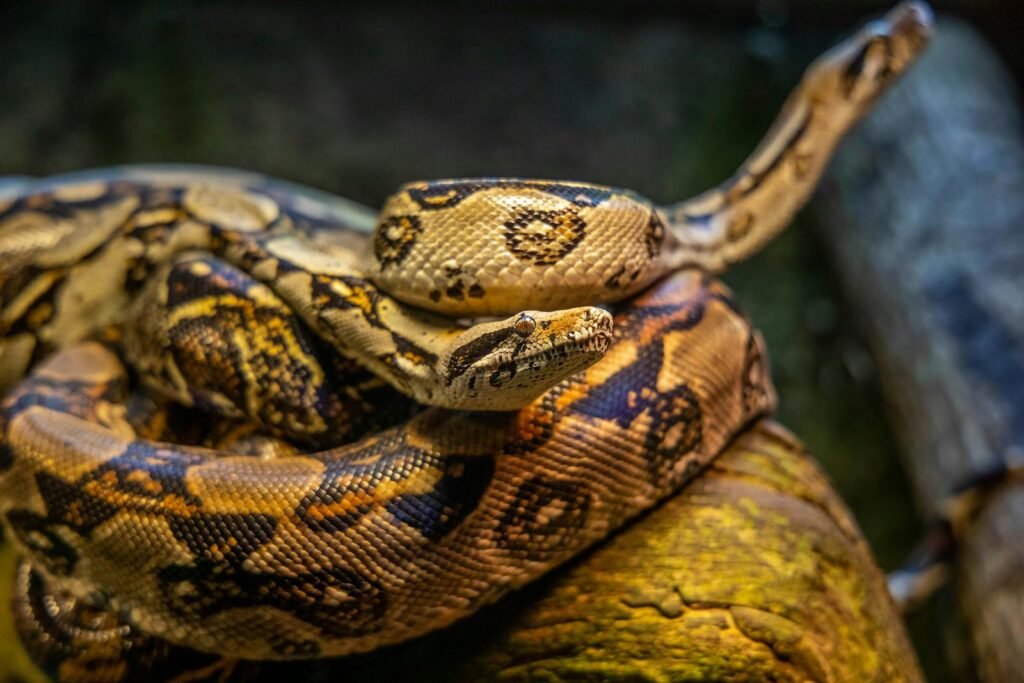
Burmese pythons have slithered their way into the spotlight as one of the most concerning invasive species in the Florida Everglades. Released into the wild by pet owners, these massive snakes have established breeding populations, preying on a wide range of native species. Their presence has led to significant declines in mammals and birds, disrupting the delicate balance of the Everglades ecosystem. Picture a silent predator, stalking through a bustling city, unseen yet leaving a trail of emptiness.
7. The Resilient European Starling
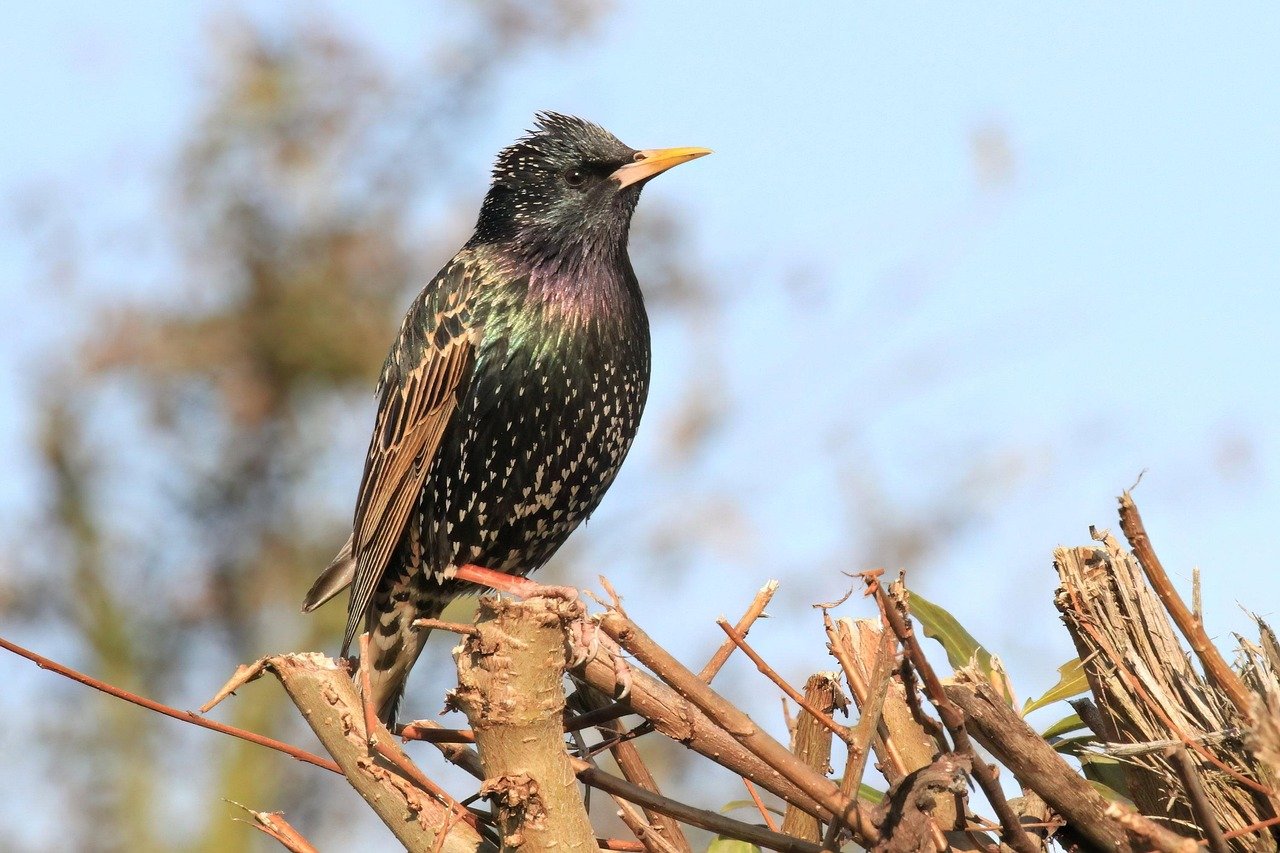
The European starling, introduced to North America by a group of Shakespeare enthusiasts in the 19th century, has become a common sight across the continent. Their adaptability allows them to thrive in a variety of environments, often at the expense of native birds. Starlings compete for nesting sites and food, leading to declines in native populations. It’s like an uninvited band of performers taking over a stage, overshadowing the original acts and altering the show.
8. The Devastating Emerald Ash Borer
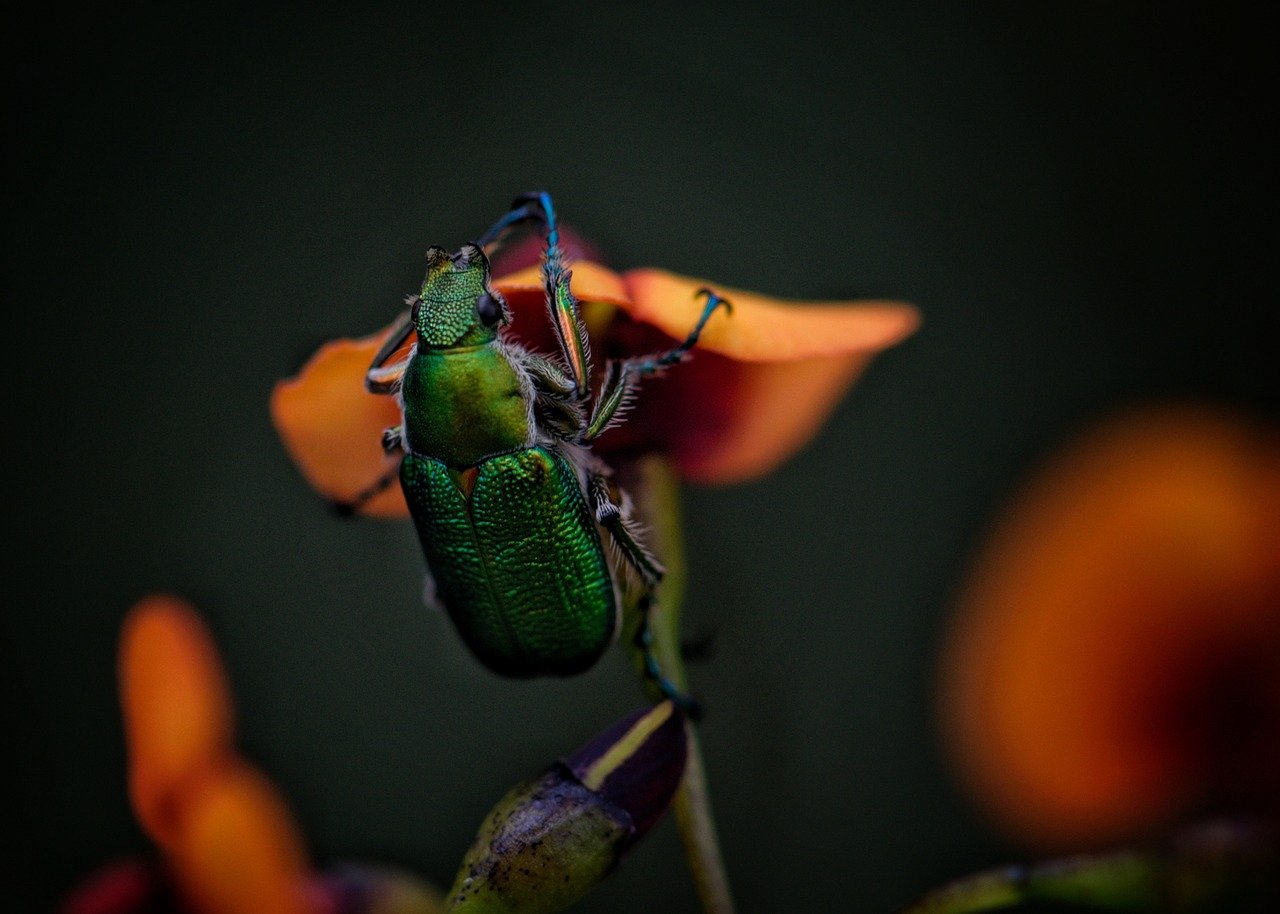
The emerald ash borer is a beetle native to Asia that has decimated ash tree populations in North America since its accidental introduction. Larvae feed on the inner bark of ash trees, disrupting the transport of water and nutrients and ultimately causing tree death. This invasive pest has led to the loss of millions of ash trees, affecting forest ecosystems and urban landscapes alike. Imagine a silent lumberjack, felling trees one by one, leaving a barren forest in his wake.
9. The Rampant Water Hyacinth
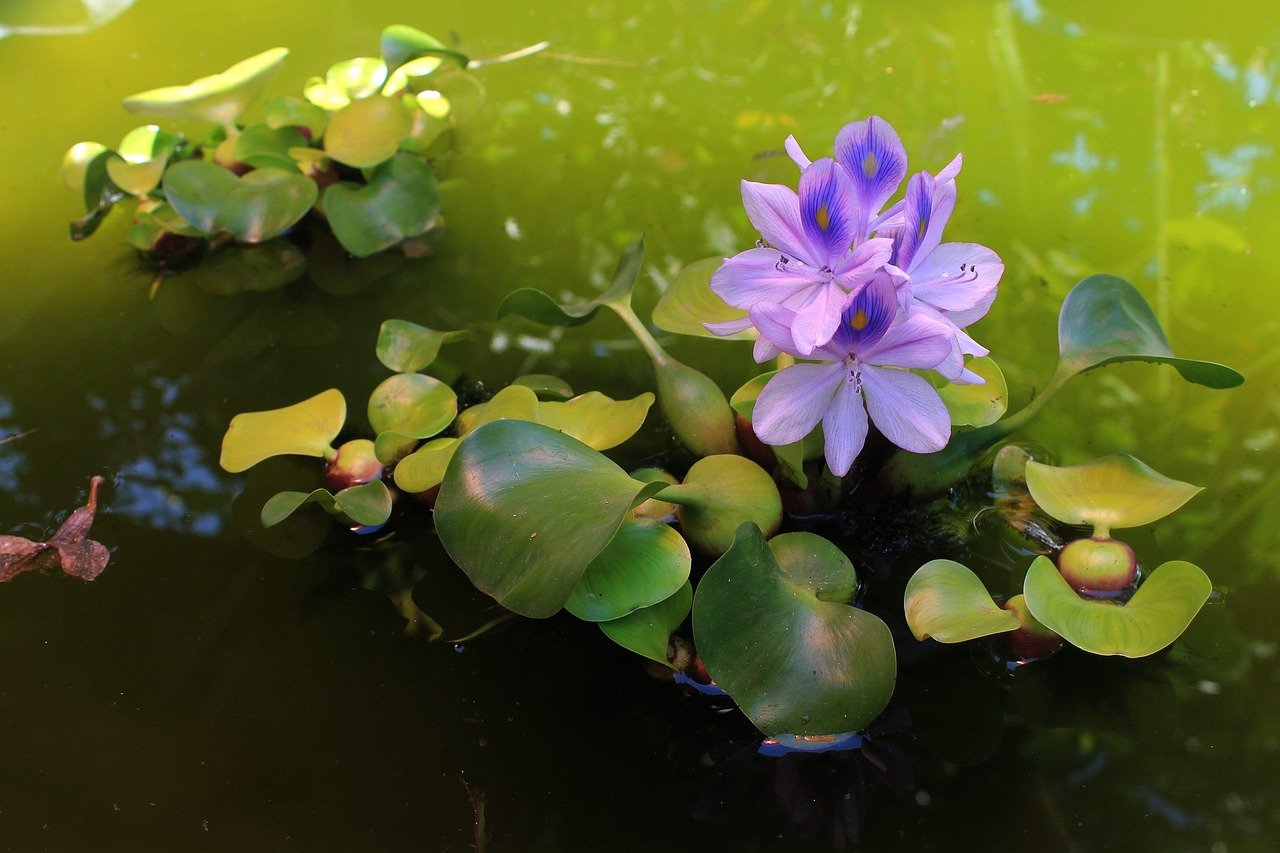
Water hyacinth is a floating aquatic plant that has become a major problem in freshwater ecosystems around the world. Originally from the Amazon basin, it was introduced to various regions for ornamental purposes. The plant’s rapid growth can choke waterways, impede navigation, and deplete oxygen levels in the water, harming aquatic life. It’s akin to a dense fog that envelops a bustling city, stifling movement and altering the environment.
10. The Persistent Brown Marmorated Stink Bug
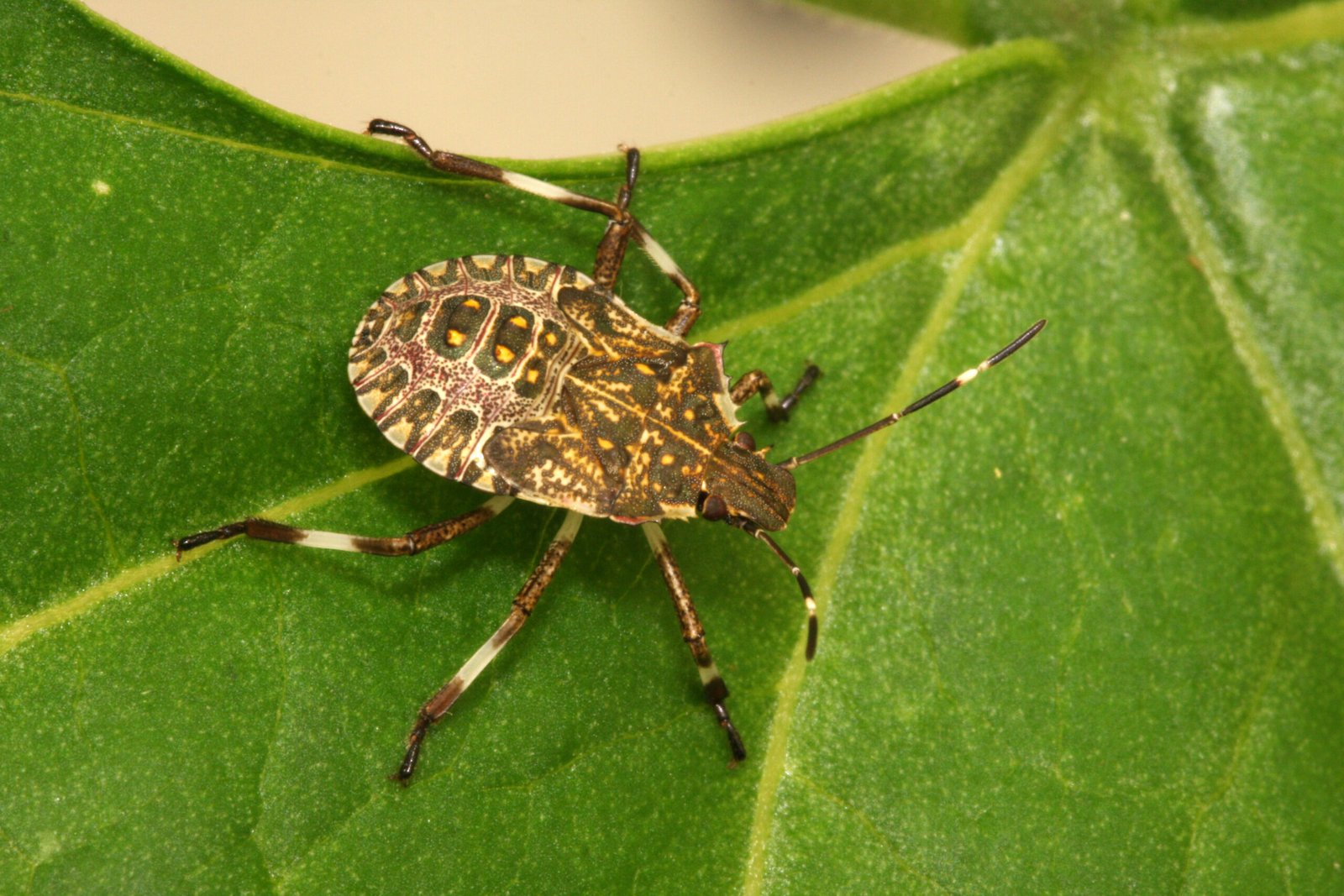
The brown marmorated stink bug is an Asian pest that has found its way into North American homes and crops. Known for its distinctive odor when crushed, this bug feeds on a wide variety of plants, causing significant agricultural damage. It has become a nuisance for homeowners and farmers alike, as its presence can lead to economic losses and disrupted ecosystems. Picture an unwanted houseguest that refuses to leave, causing chaos and discomfort wherever it goes.
11. The Voracious Argentine Ant
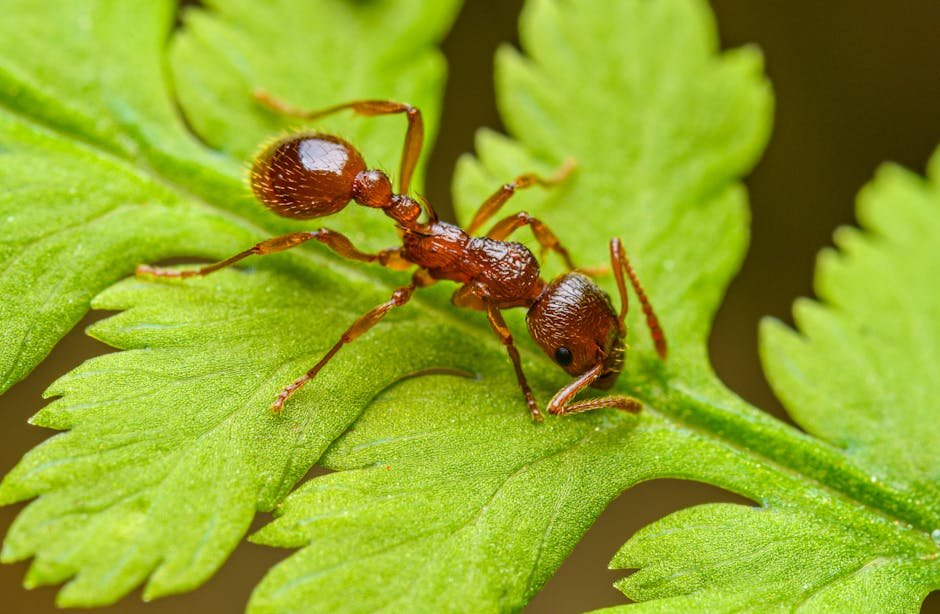
The Argentine ant is a tiny but mighty invader that has established supercolonies in many parts of the world. These ants can outcompete native ant species and disrupt local ecosystems. Their aggressive nature and ability to form massive colonies make them formidable opponents. It’s like a small army, marching through a peaceful village, altering the social structure and dynamics of the community.
12. The Unyielding Japanese Knotweed
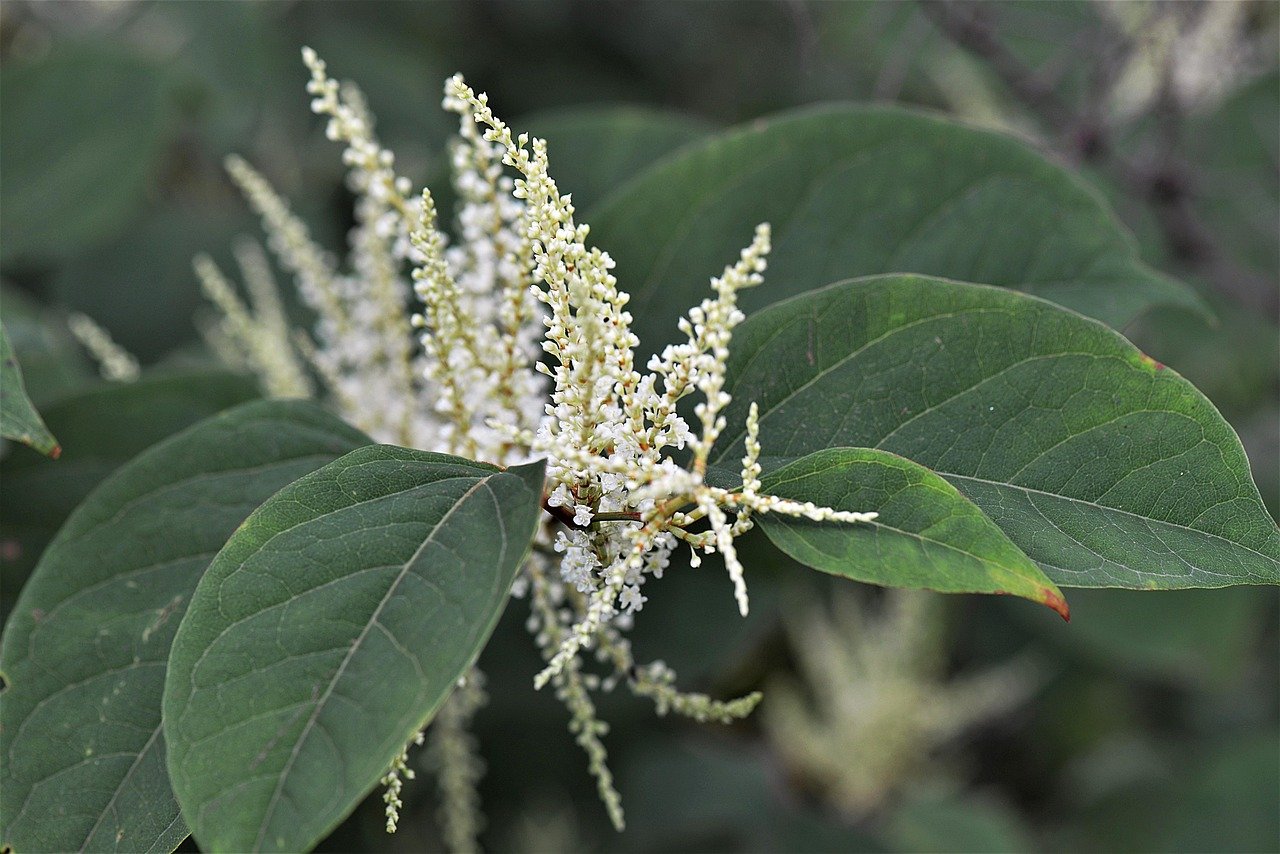
Japanese knotweed is a plant known for its rapid growth and resilience. Introduced as an ornamental plant, it has become notorious for its ability to damage infrastructure and outcompete native vegetation. Its roots can penetrate concrete and asphalt, causing significant structural damage. Imagine a creeping vine that infiltrates a city’s foundations, weakening its very core and altering the landscape.
13. The Relentless Grey Squirrel
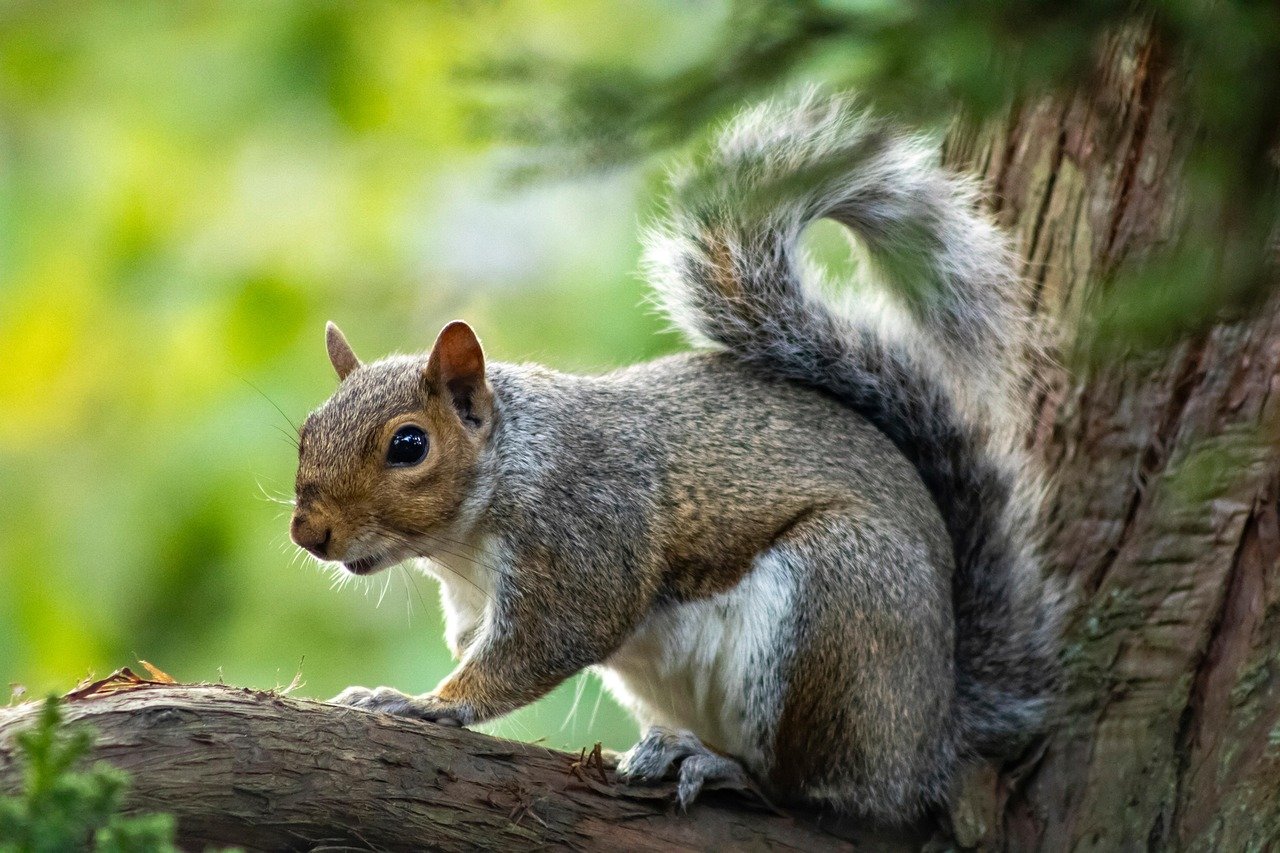
The grey squirrel, introduced to the UK from North America, has become a common sight in British woodlands. Their presence has led to declines in native red squirrel populations due to competition for food and habitat. Grey squirrels also carry a virus that is deadly to red squirrels but harmless to themselves. It’s like an invasive species bringing a hidden threat, altering the balance and dynamics of the ecosystem.
14. The Tenacious Lionfish
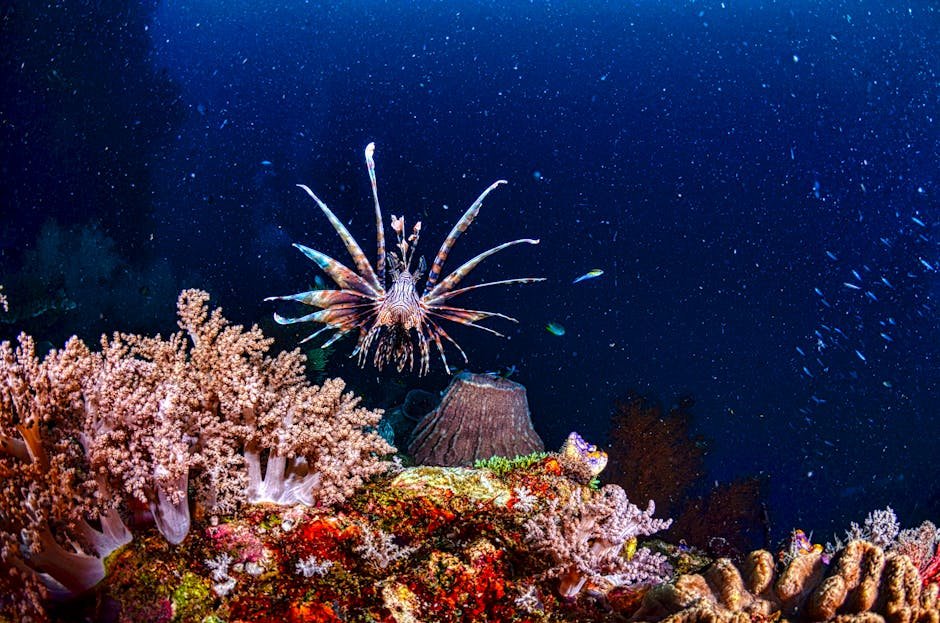
Lionfish, native to the Indo-Pacific, have become a major concern in the Atlantic Ocean and the Caribbean Sea. Their venomous spines deter predators, allowing them to thrive and prey on native fish species. Lionfish can significantly reduce biodiversity, altering coral reef ecosystems and impacting local fisheries. Picture a beautiful but deadly creature, captivating in appearance yet devastating in its impact.
15. The Indomitable House Sparrow
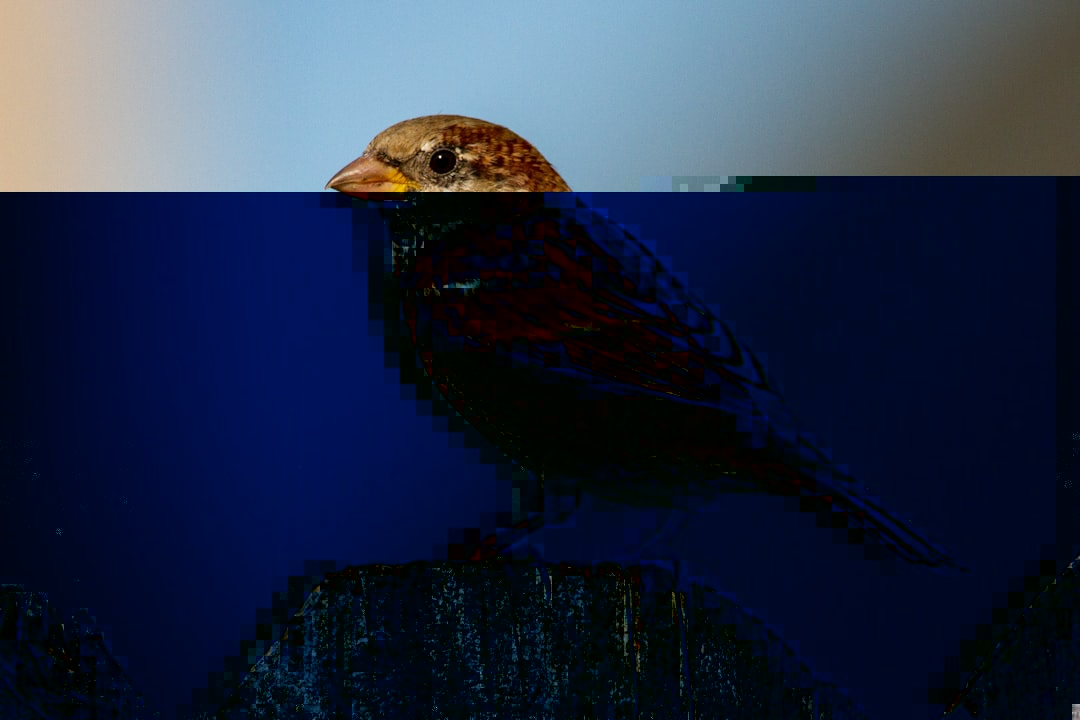
The house sparrow, introduced to many parts of the world, has become one of the most widespread bird species. Their adaptability allows them to thrive in urban and rural environments alike. House sparrows compete with native birds for nesting sites and food, leading to declines in some native species. It’s like an adaptable traveler, making itself at home wherever it goes, often at the expense of the local residents.
Conclusion
Each of these invasive species tells a story of movement and adaptation, highlighting the delicate balance of ecosystems and the profound impact that a single species can have. As we continue to navigate the challenges of a changing world, understanding and managing these invaders become crucial to preserving the natural harmony we cherish.