Venturing into the wild brings the promise of adventure and the allure of nature’s untouched beauty. Yet, hidden within this beauty are creatures that command respect and caution—snakes. Although most snakes are harmless and avoid human contact, some can pose significant dangers. Understanding how to minimize encounters with these reptiles is crucial for anyone exploring their habitats. With the right knowledge, you can safely enjoy the wilderness without fear.
Understand the Snake’s Habitat

Snakes have specific habitat preferences, and knowing these can help you avoid unexpected encounters. Many snakes thrive in warm, humid environments, often found in forests, grasslands, and near water bodies. Identifying these areas allows you to be more vigilant when traversing them. For instance, if you’re hiking in a wooded area after a rainstorm, be extra cautious. Snakes often emerge to bask in the sun or search for prey, making them more visible. Remember, awareness of your surroundings is your first line of defense against surprise encounters.
Wear Protective Clothing

Choosing the right attire can significantly reduce the risk of snake bites. Opt for long pants and high boots made of thick material when exploring snake-prone areas. This clothing acts as a barrier, making it difficult for a snake to penetrate if it strikes. Think of protective clothing as a knight’s armor—a first safeguard against unforeseen dangers. While it might not guarantee complete safety, it reduces the likelihood of injury, allowing you to enjoy your adventure with peace of mind.
Stay on Established Trails

Wandering off the beaten path might seem enticing, but it increases the likelihood of encountering snakes. Established trails are less frequented by these reptiles, as human activity often deters them. By sticking to marked paths, you minimize the risk of stumbling upon a snake hiding in the underbrush. Consider trails as safe zones, where visibility is higher and unexpected surprises are fewer. It’s a simple yet effective strategy to ensure your journey remains both safe and enjoyable.
Be Vigilant and Observant

While traversing snake habitats, maintaining a keen eye on your surroundings is crucial. Snakes often rely on camouflage to blend into their environment, making them difficult to spot. Pay attention to unusual shapes or movements on the ground, especially in areas with dense foliage. Imagine walking through a minefield; each step should be calculated and deliberate. By being observant, you can detect potential threats before they become a problem.
Know the Local Snake Species

Familiarizing yourself with the snakes native to the area you’re exploring can be invaluable. Understanding which species are venomous and their typical behaviors enables more informed decision-making. Knowledge is power, and in this case, it equips you with the ability to react appropriately should you encounter a snake. Consider it akin to studying a map before a journey; it provides vital insights that enhance your safety and confidence in the wild.
Make Noise as You Walk

Snakes are more afraid of you than you are of them. By making noise as you walk, you give them ample warning of your approach. This allows snakes to move away and avoid confrontation. Clap your hands, talk loudly, or shuffle your feet to create vibrations. Think of it as announcing your presence in a crowded room, ensuring everyone knows you’re there. It’s a simple tactic that reduces the probability of surprise encounters.
Avoid Handling or Provoking Snakes

Even if a snake appears calm, it’s essential never to handle or provoke it. Snakes will only attack if they feel threatened, and human interference often triggers this response. Treat every snake encounter with respect and give them space. It’s similar to respecting personal boundaries in human interactions—maintaining distance preserves harmony and safety. By refraining from unnecessary interactions, you ensure both your safety and that of the snake.
Use a Walking Stick

Carrying a walking stick serves multiple purposes beyond support. It can be used to gently probe the ground in front of you, alerting any hidden snakes to your presence. The stick acts as an extension of your arm, providing a buffer zone between you and potential threats. Think of it as an antenna, sensing danger before it becomes imminent. This simple tool can be a lifesaver in snake territory.
Learn First Aid for Snake Bites
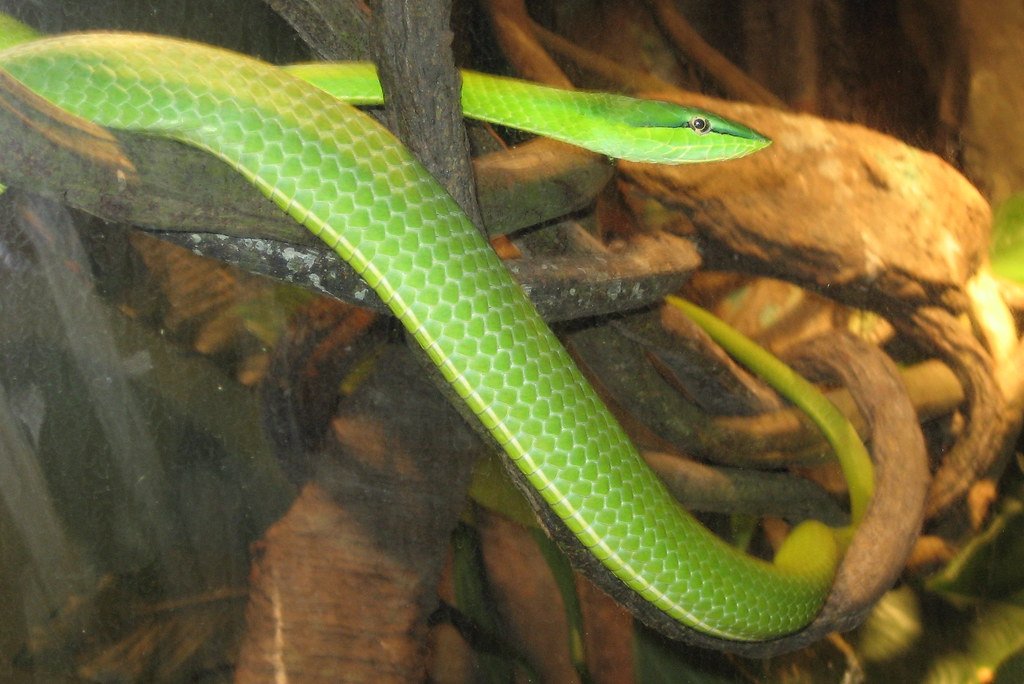
Despite all precautions, accidents can still happen. Knowing basic first aid for snake bites can make a significant difference in an emergency. Familiarize yourself with procedures such as immobilizing the affected limb and keeping the victim calm. Think of it as learning CPR; it’s a skill you hope never to use but is invaluable when needed. Being prepared ensures prompt and effective action, potentially saving lives.
Travel with a Companion
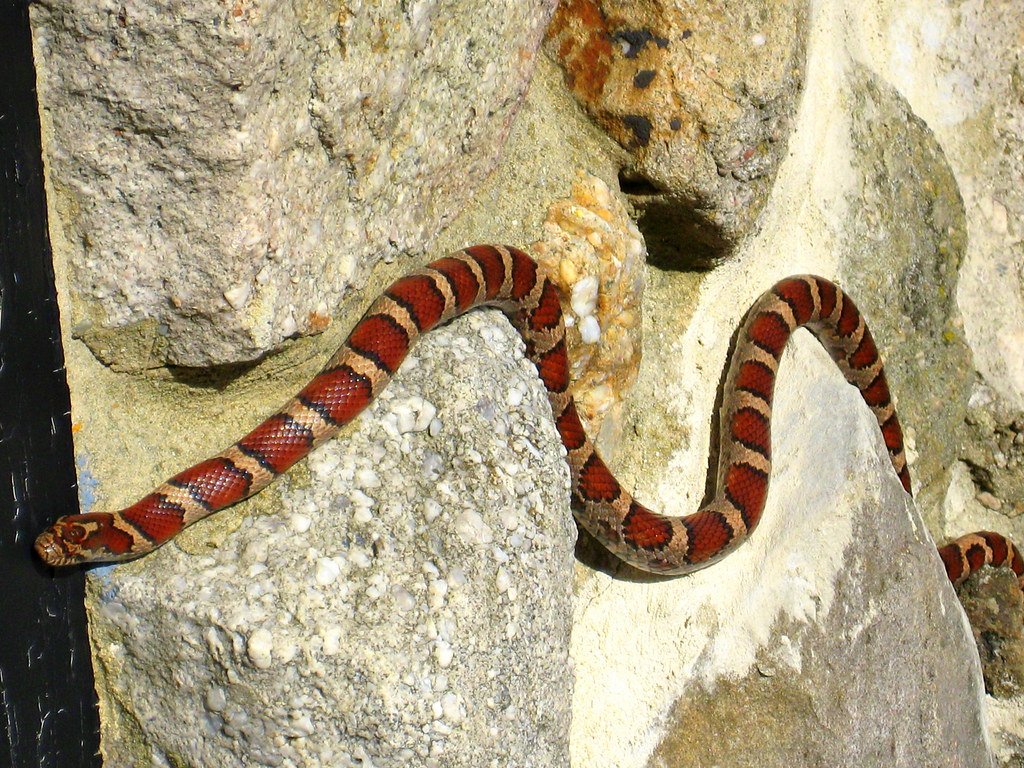
There is strength in numbers, and having a companion can provide additional safety. In the event of a snake encounter or bite, a partner can assist by getting help or administering first aid. It’s akin to having a co-pilot during a flight; they offer support and backup when needed. Sharing the experience also enhances the adventure, providing companionship and shared memories.
In conclusion, while the wild is a domain of wonder and beauty, it demands respect and caution. By understanding snake behavior and taking preventive measures, you can minimize the risk of dangerous encounters. These strategies are not just about avoiding danger but enhancing your overall experience in nature. After all, the wilderness is a treasure trove of experiences waiting to be discovered, and with the right precautions, it can be safely enjoyed by all.