Planting native plants is like setting the perfect dinner table for local wildlife. As humans, we understand the comfort and nutrition of home-cooked meals. Similarly, native plants offer the best sustenance and shelter for regional fauna. Native plants, unlike foreign species, have evolved over millennia alongside local wildlife, forming symbiotic relationships that are crucial for the ecosystem’s health. In this article, we’ll explore how planting native species can bolster wildlife populations, enhance biodiversity, and contribute to a more resilient environment.
The Symbiotic Dance of Evolution
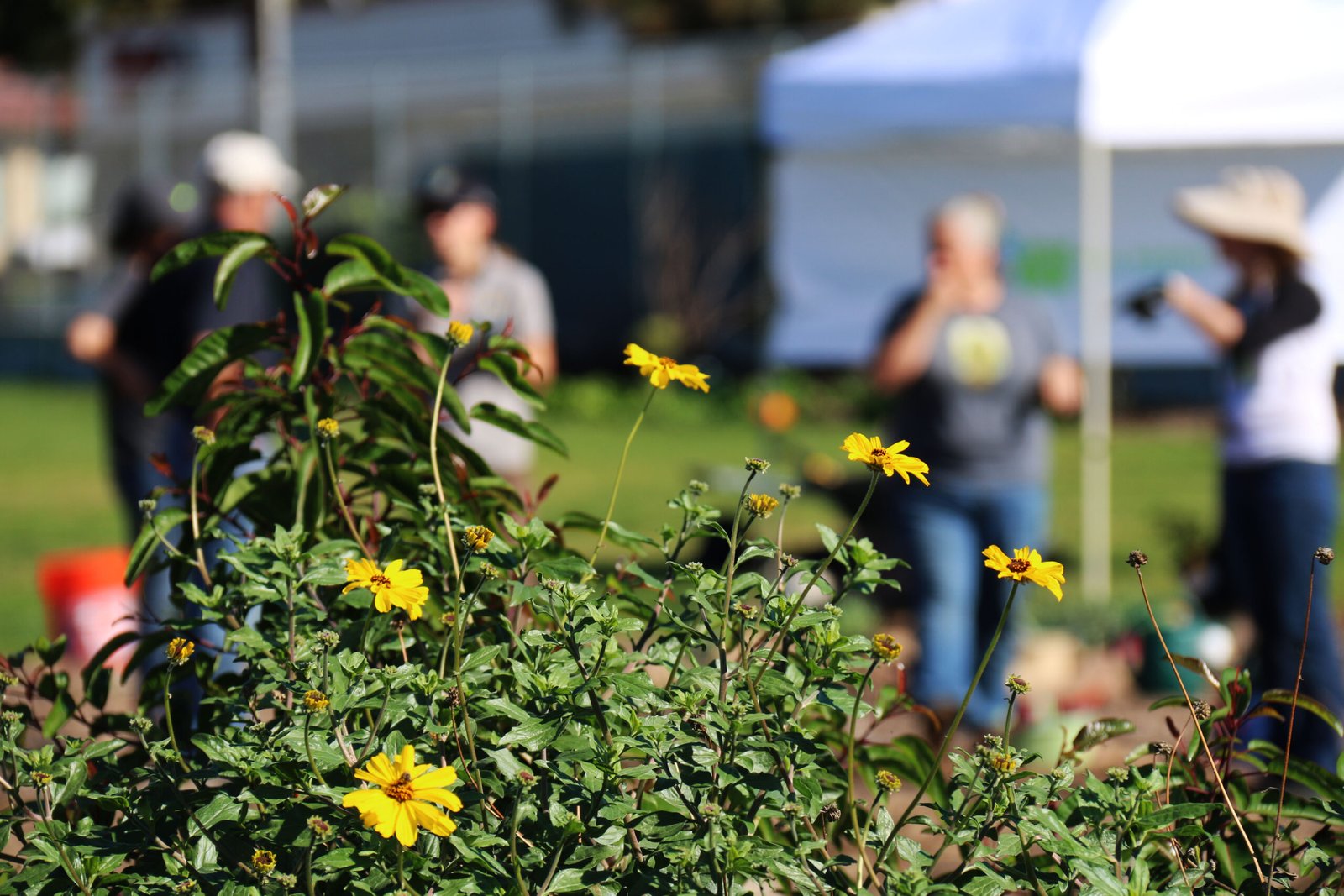
Native plants and local wildlife have a relationship that is akin to a well-rehearsed dance. Over thousands of years, they have evolved together, developing mutual dependencies that are vital for survival. For instance, certain birds rely on native plants for food and nesting materials. Similarly, native insects have adapted to feed on specific plants, many of which are inedible to them. This intricate web of interactions ensures that each species plays a role, maintaining the balance necessary for ecological health.
Food Sources That Fit Like a Glove
Imagine trying to fit a square peg into a round hole. That’s what it can be like for wildlife trying to consume non-native plants. Native plants provide the right kind of nutrition that local animals have evolved to digest. For example, the monarch butterfly relies on native milkweed for feeding and reproduction. Without this, their populations can plummet. When native plants are abundant, they offer a reliable food source that fits perfectly into the dietary needs of local wildlife.
Enhancing Biodiversity Through Native Plantings
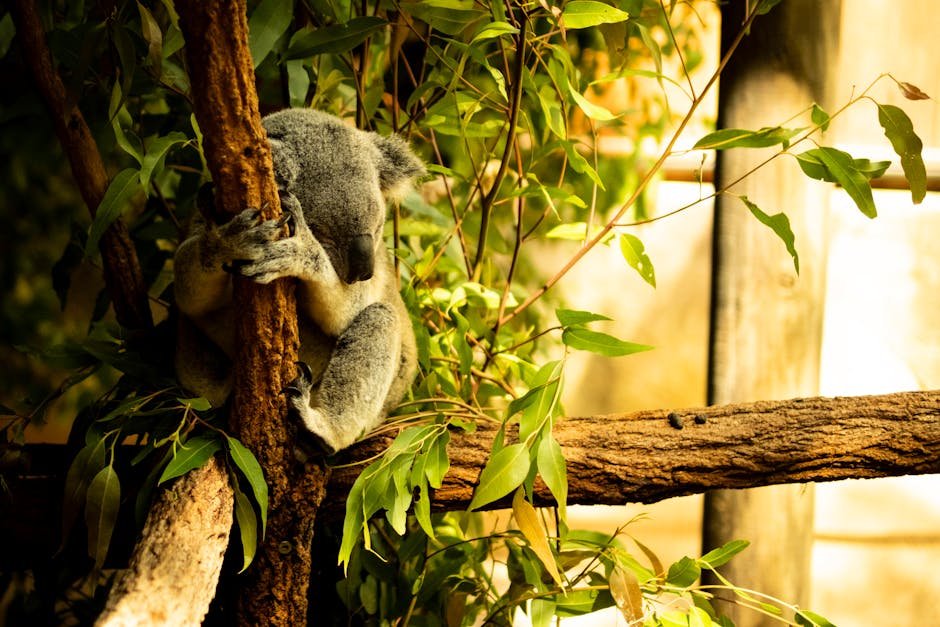
Biodiversity is the thread that holds the fabric of ecosystems together. Native plants contribute significantly to biodiversity by offering diverse habitats and food sources for various species. This diversity attracts a wide range of wildlife, from birds and insects to mammals and reptiles. In areas where native plants thrive, you will likely find a bustling community of life, each species playing its part in a healthy, functioning ecosystem. The more varied the plant life, the richer the animal life it supports.
Combatting Invasive Species
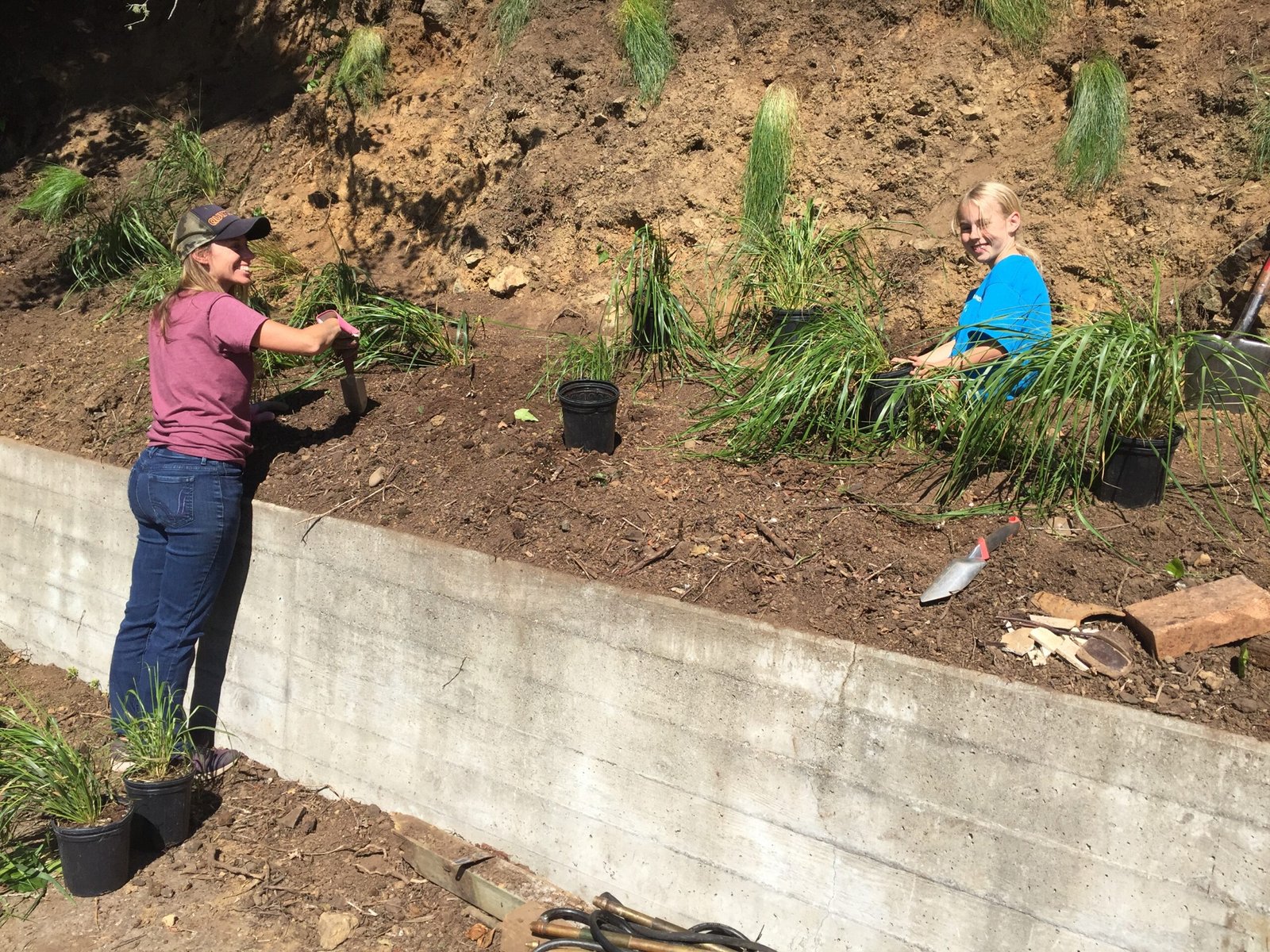
Invasive species are like uninvited guests who disrupt the balance of a party. They often outcompete native plants for resources, leading to a decline in native biodiversity. By planting native species, we can help stem the tide of these invasive intruders. Native plants are better adapted to the local climate and soil conditions, enabling them to hold their own against invasive species. This helps maintain the ecological balance that local wildlife depends on.
Providing Shelter and Habitats
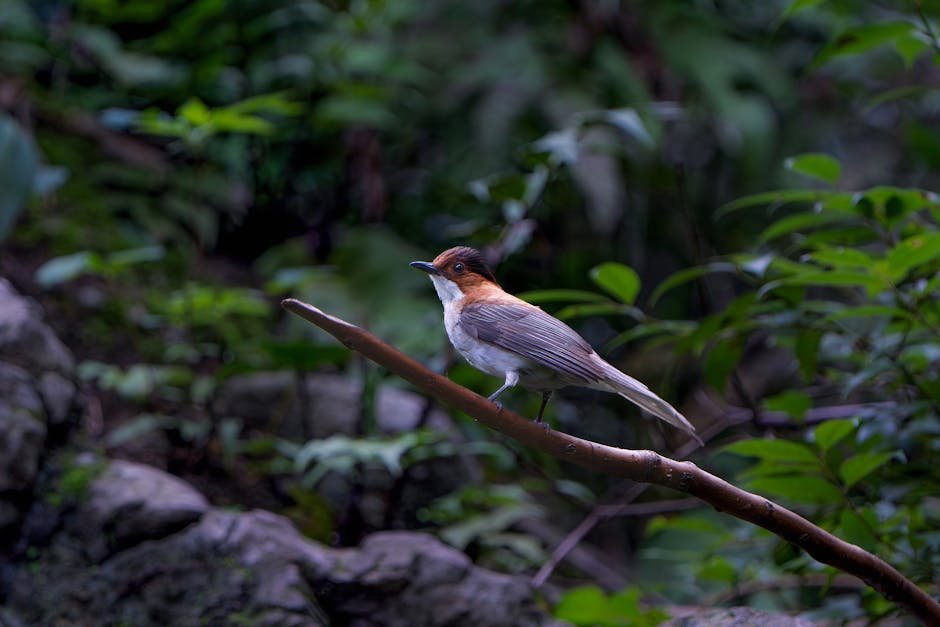
Shelter is as essential to wildlife as food. Native plants offer the perfect habitat for local fauna, providing places to hide from predators, rear young, and escape harsh weather conditions. For instance, native shrubs and trees offer nesting sites for birds, while fallen leaves and twigs create habitat for insects and small mammals. When native plants flourish, they create a complex environment where wildlife can find all the resources they need to thrive.
Supporting Pollinators and Their Vital Role
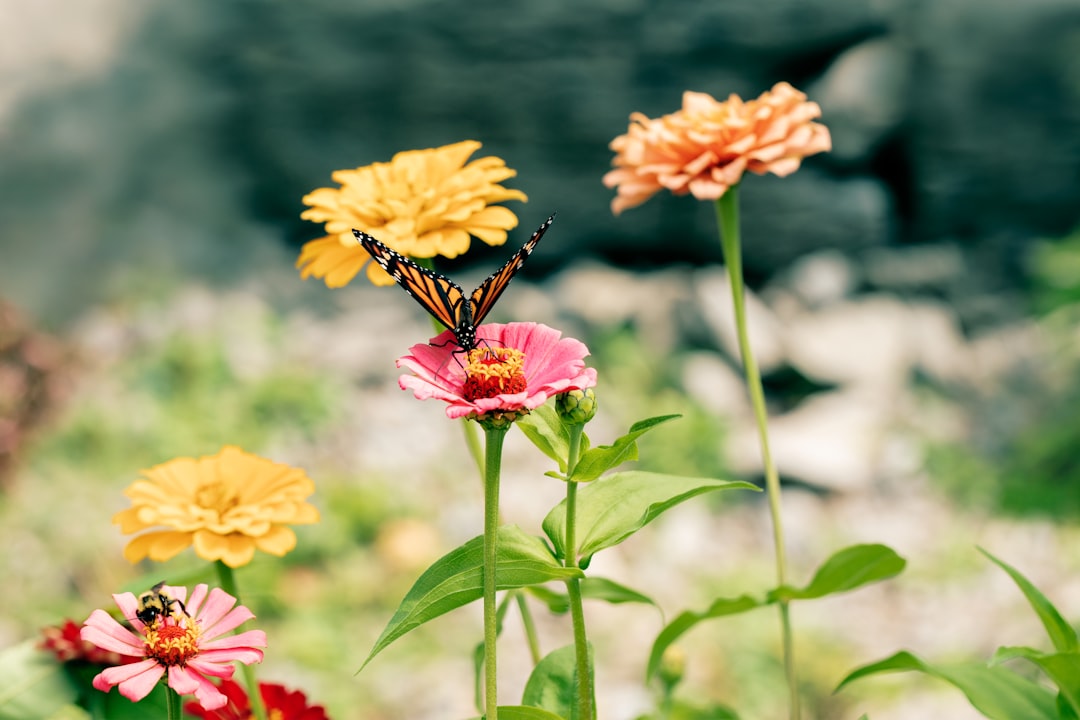
Pollinators such as bees, butterflies, and birds play a crucial role in plant reproduction. Native plants are often the preferred choice for these pollinators, offering the nectar and pollen they need to survive. In turn, pollinators help native plants reproduce, creating a self-sustaining cycle that benefits the entire ecosystem. Without native plants, pollinator populations can dwindle, leading to a cascade of negative effects on the local environment.
Adapting to Climate and Soil Conditions
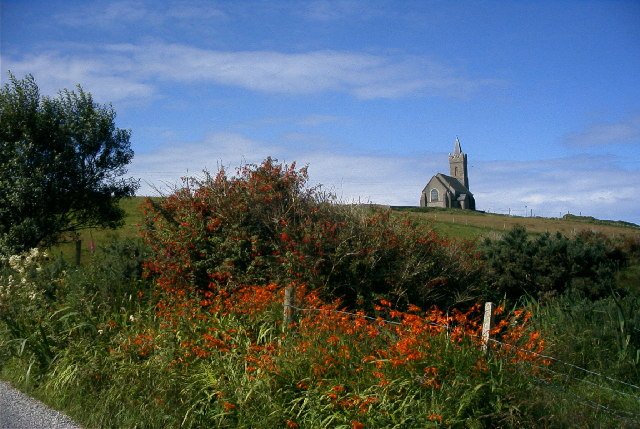
Native plants have spent millennia adapting to the specific climate and soil conditions of their region. This makes them more resilient to local pests, diseases, and weather extremes, unlike non-native plants that may struggle in unfamiliar conditions. As a result, native plants require less water, fertilizer, and pesticides, making them a sustainable choice for gardeners and landscapers. Their resilience also means they can better support wildlife, even in challenging environmental conditions.
Creating a Sense of Place

Native plants help create a sense of place that is unique to each region. They are a living representation of the local ecology, offering a glimpse into the natural history of an area. This sense of place can foster a deeper connection to the land, encouraging people to appreciate and protect their local environment. When we plant native species, we are not just supporting wildlife; we are celebrating the unique character of the landscapes we call home.
Inspiring Community Involvement
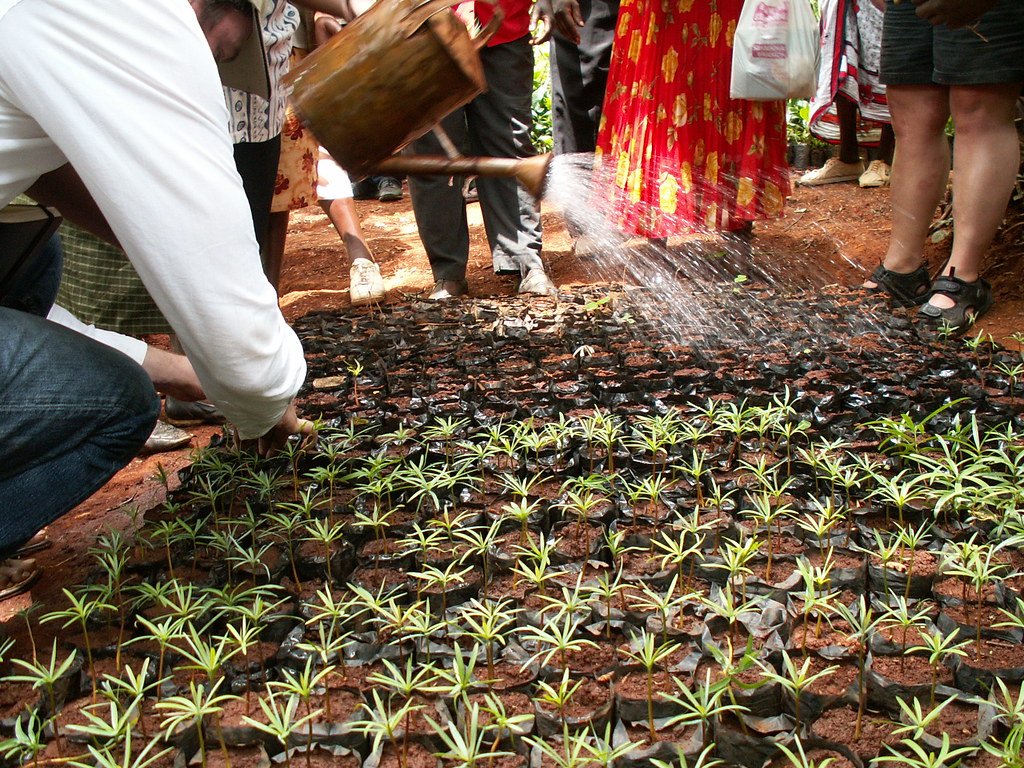
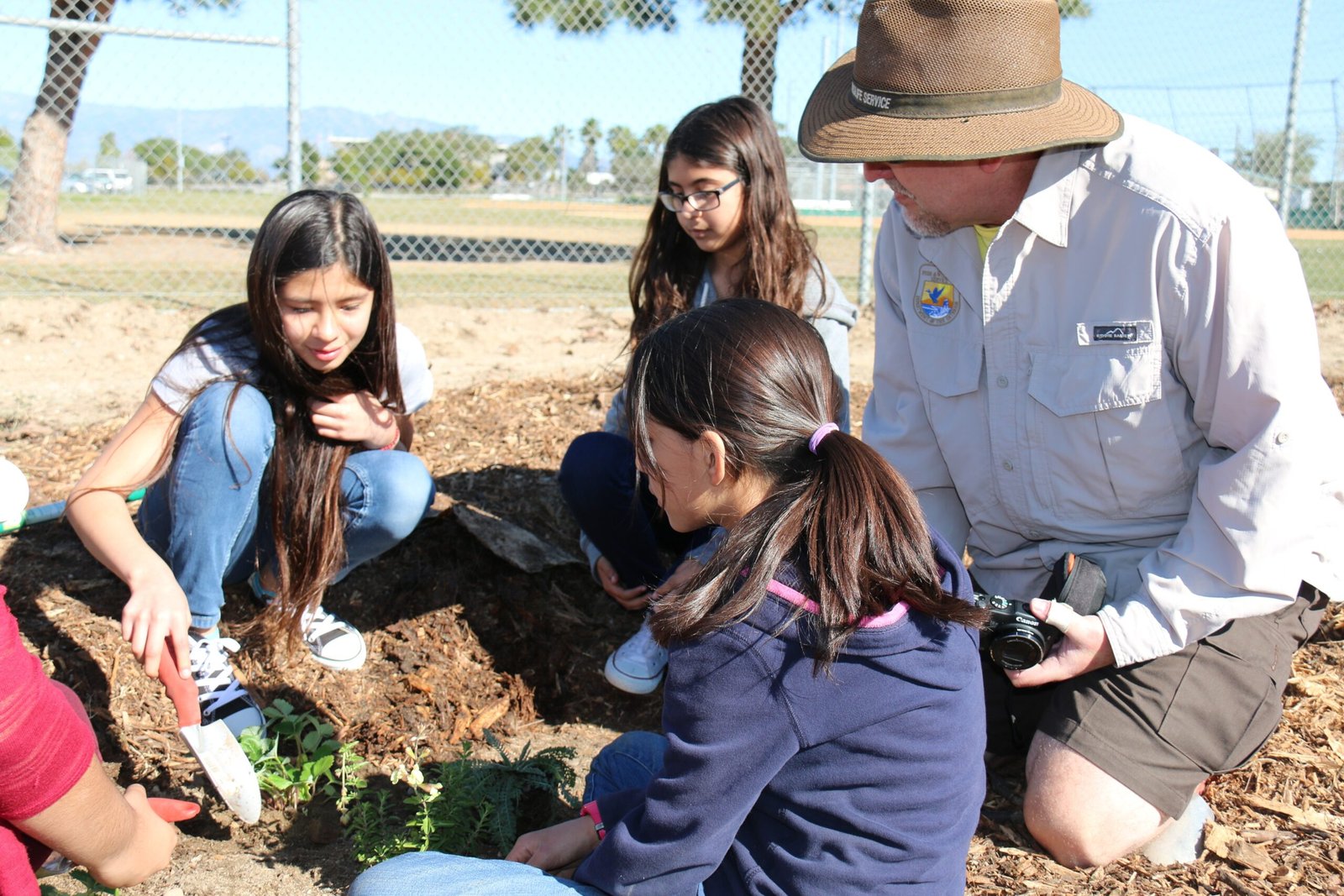
Planting native species can be a communal effort that brings people together. Community gardens, school projects, and local conservation groups often focus on native plantings to educate and involve the public in ecological restoration. These initiatives not only enhance local biodiversity but also foster a sense of stewardship and environmental responsibility. By working together to plant native species, communities can create green spaces that benefit both people and wildlife.
A Call to Action for a Healthier Planet

In a world facing environmental challenges, planting native species is a simple yet powerful action we can take to support local wildlife and ecosystems. By choosing native plants, we contribute to the ecological balance that sustains all life on Earth. As we plant these native species, we are not only helping local wildlife thrive but also taking a meaningful step toward a healthier, more sustainable planet.