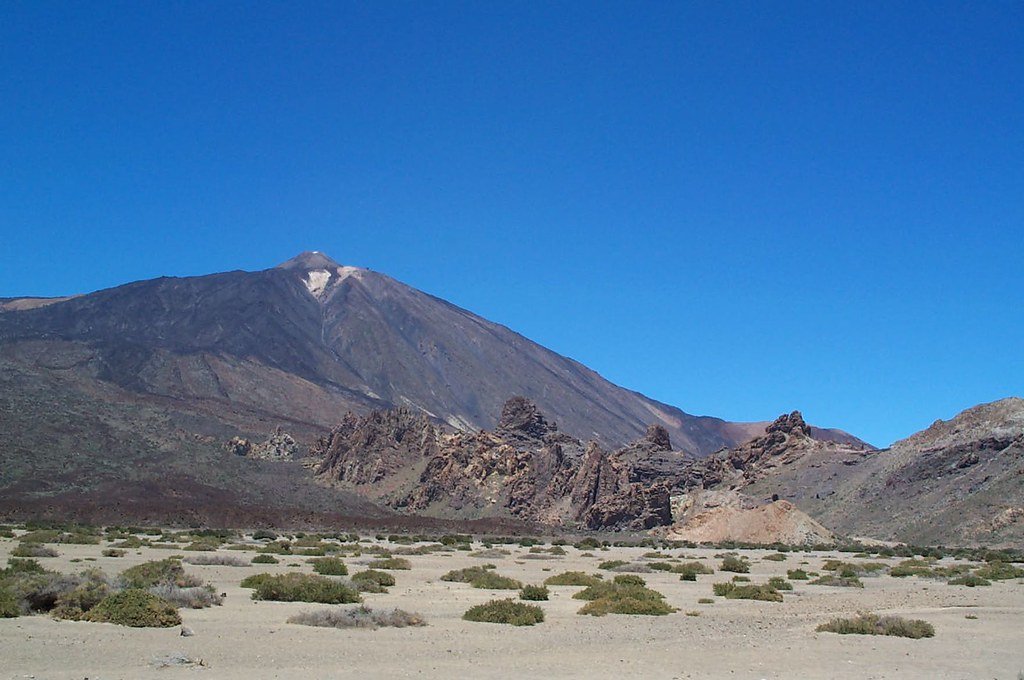

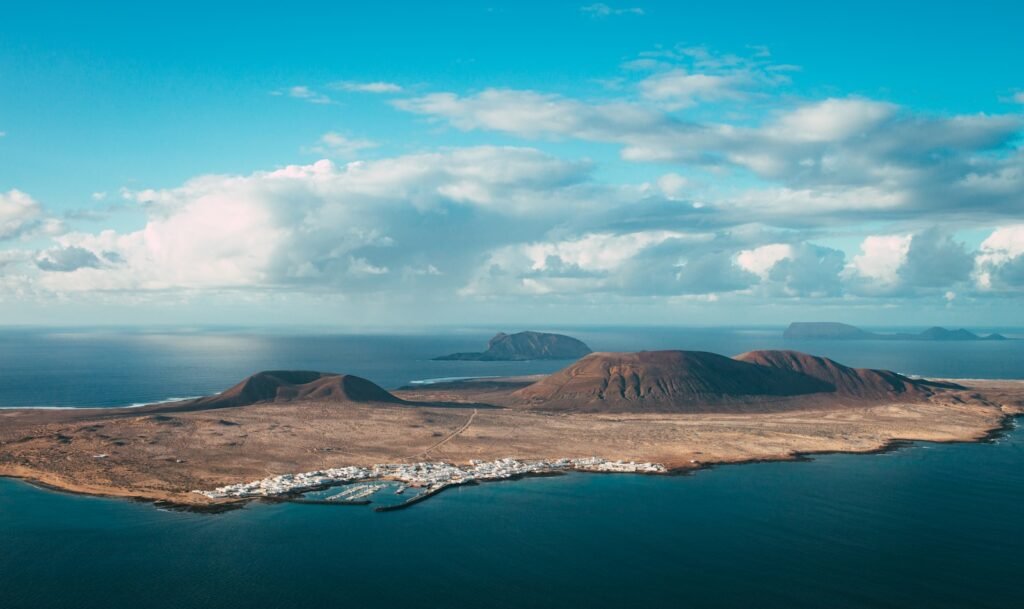
The Canary Islands, a Spanish archipelago located off the northwest coast of Africa, are renowned for their stunning landscapes, dynamic climates, and rich biological diversity. However, beneath their scenic beauty lies a geological foundation created by volcanic activity, shaping these islands into some of Europe’s most extreme environments. This article explores the unique volcanic ecosystems of the Canary Islands and the fascinating life forms that inhabit them.
The Birth of a Volcanic Paradise
The Canary Islands were formed millions of years ago by volcanic eruptions, a process still active today. The islands’ volcanic origin is evident in their dramatic terrain, featuring towering peaks, deep gorges, and expansive lava fields. This geological activity has created a unique environment that poses both challenges and opportunities for life.
Diverse Climates Across the Archipelago
Despite their proximity, the Canary Islands exhibit a remarkable range of climates, from subtropical coastal areas to cooler, wetter highlands. This climatic diversity is partly a result of elevation and exposure to trade winds, creating varied habitats that support an astonishing array of plant and animal life.
Endemic Species: Nature’s Unique Creations
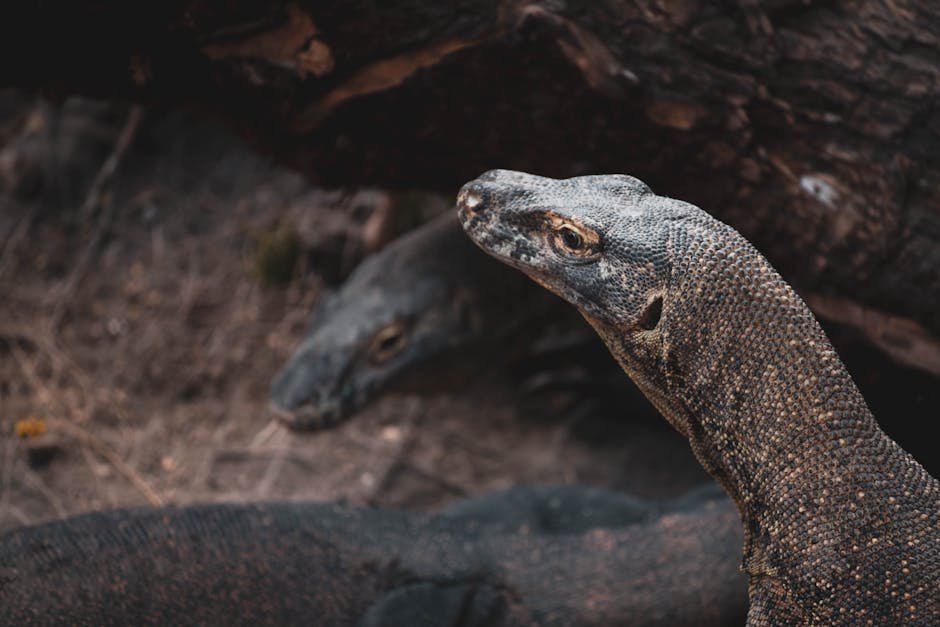
Isolation and varied climatic conditions have led to the evolution of many endemic species on the Canary Islands. These organisms have adapted to the islands’ unique environments, including the iconic Canary Islands dragon tree and the El Hierro giant lizard. Studying these species provides invaluable insights into evolutionary processes.
Volatiles Interactions: Plants and Lava
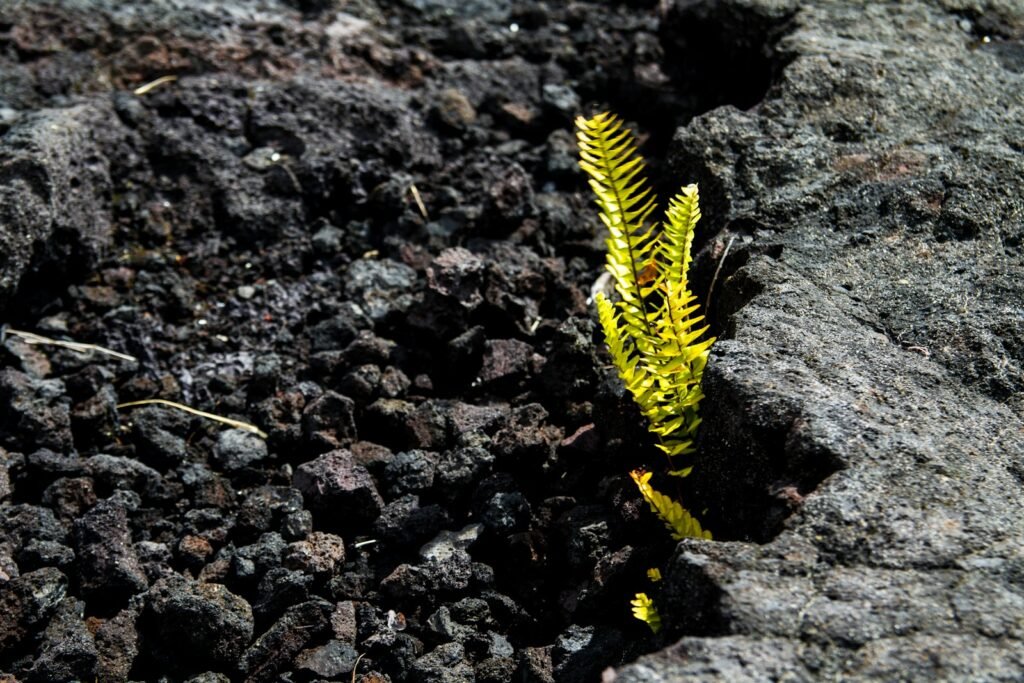
The volcanic landscapes of the Canary Islands are dotted with hardy plants that have adapted to survive in nutrient-poor lava soils. Species like the Canary Island pine have evolved unique mechanisms to cope with this harsh environment, such as deep root systems that stabilize the soil and capture moisture.
The Role of Microhabitats
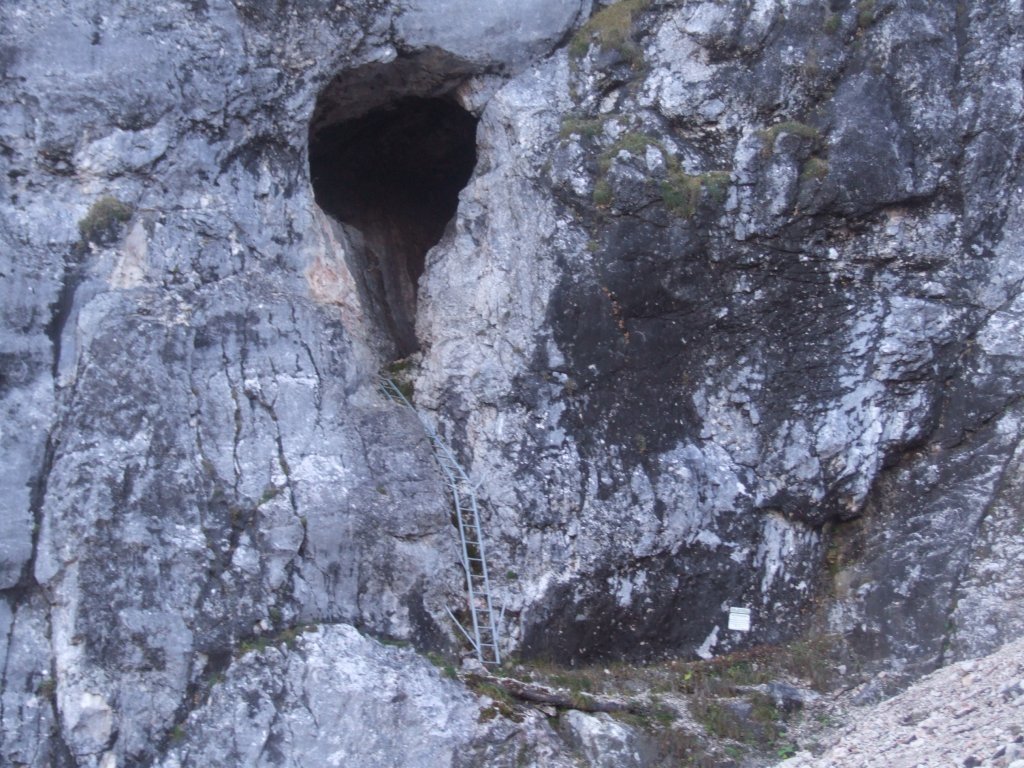
Microhabitats within the volcanic ecosystems, such as caves, fissures, and shaded ravines, provide refuges for numerous species. These niches offer protection from the harsh surface conditions and support diverse communities of insects, reptiles, and small mammals.
Adapting to Volcanic Activity
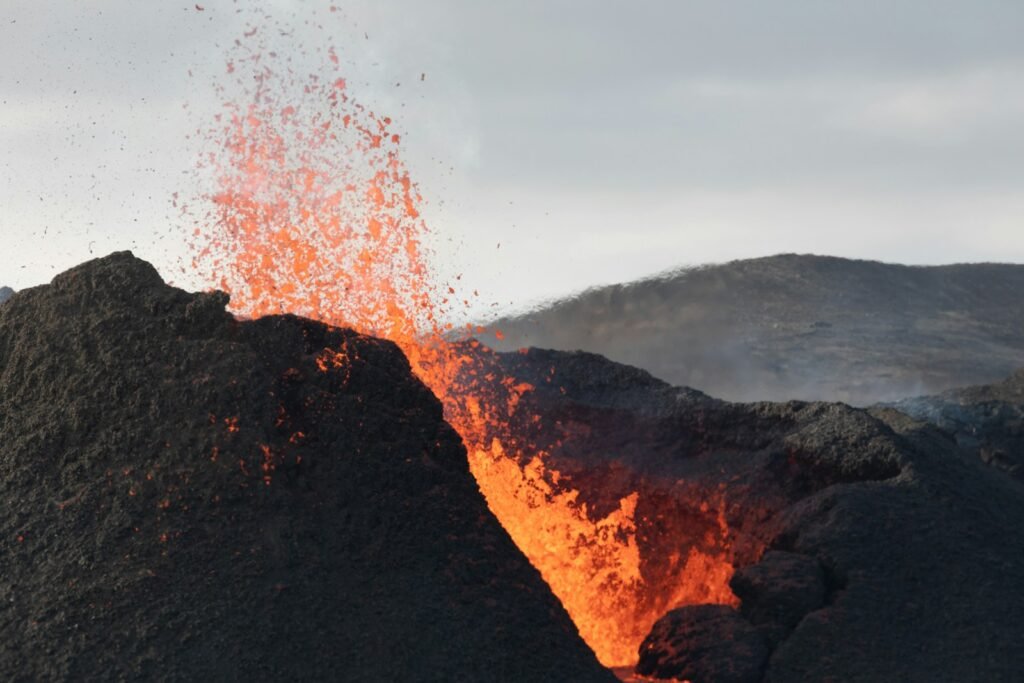
Life on the Canary Islands must often contend with volcanic activity, including eruptions and frequent seismic events. Many species have developed adaptations to these disturbances, such as fire-resistant seeds or behavioral shifts that allow them to survive periods of volcanic unrest.
Marine Ecosystems: Life Beneath the Waves

The islands’ volcanic origins extend beneath the ocean’s surface, where nutrient-rich waters support thriving marine ecosystems. The diverse sea life includes vibrant coral reefs, schools of fish, and marine mammals, making the surrounding waters crucial for biodiversity.
Conservation Challenges and Efforts

Human activity, including tourism and development, poses threats to the Canary Islands’ fragile ecosystems. Efforts to preserve these unique landscapes involve both local and international conservation initiatives, focusing on habitat protection, sustainable tourism, and the restoration of native species.
Research Significance: A Natural Laboratory
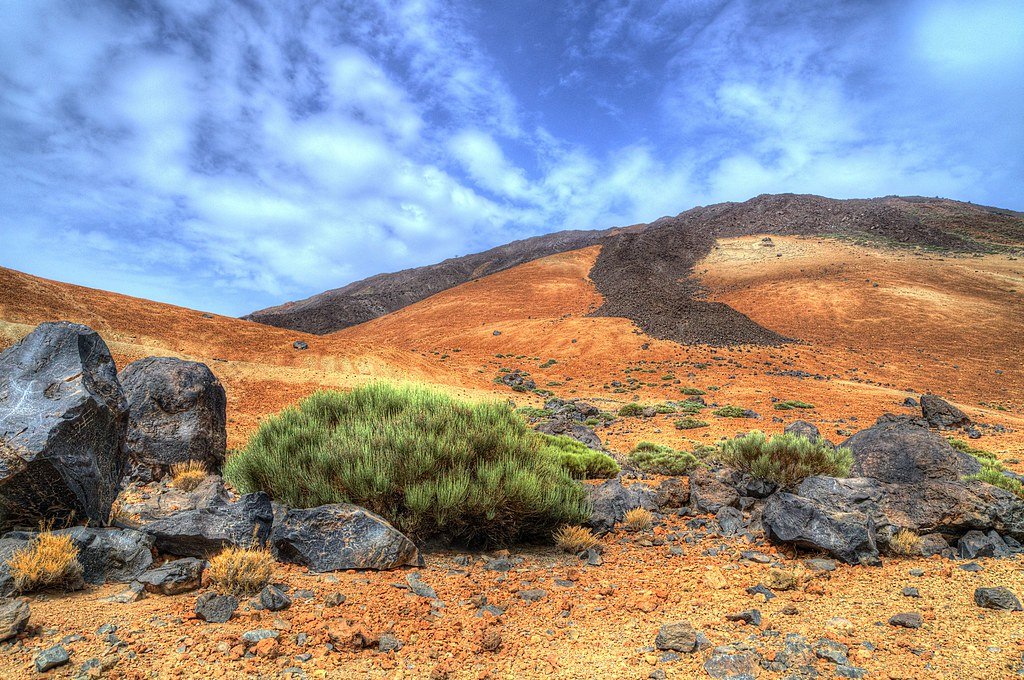
The Canary Islands serve as a natural laboratory for ecological and evolutionary research, offering scientists opportunities to study adaptation, speciation, and resilience in extreme environments. Insights gained here contribute to our broader understanding of life’s ability to thrive under challenging conditions.
Educational and Ecotourism Opportunities
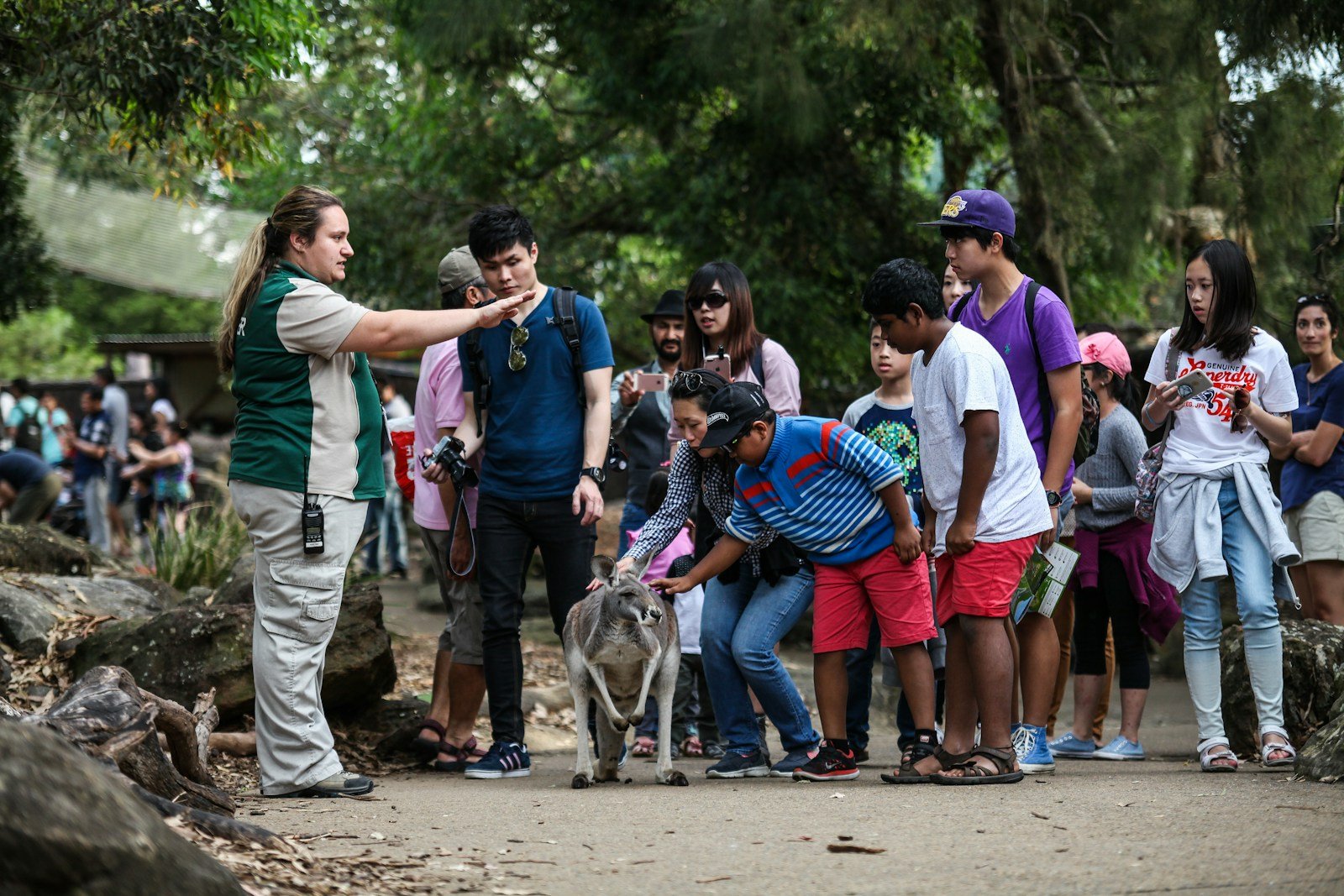
Increasingly, the Canary Islands are becoming a destination for educational and ecotourism experiences. Visitors have the chance to learn about volcanic geology, biodiversity, and conservation efforts while engaging with the islands’ natural beauty in a sustainable way.
The Human Connection: Local Culture and Tradition

The volcanic landscapes and ecosystems of the Canary Islands have shaped local culture and tradition. Indigenous customs, folklore, and agricultural practices have evolved in harmony with the natural environment, reflecting a deep connection between the islands’ inhabitants and their land.
Future Directions for Study

Ongoing research in the Canary Islands promises to uncover more about how life can adapt to extreme environmental conditions. Future studies may reveal new species, assess the impacts of climate change, and inspire novel conservation strategies.
Conclusion: A Testament to Life’s Resilience

The Canary Islands showcase the incredible resilience and adaptability of life in extreme environments. From their volcanic origins to the diverse species that call them home, these islands offer a profound reminder of nature’s ability to endure. Protecting these ecosystems ensures that future generations can continue to learn from and appreciate this remarkable testament to life’s tenacity.