Adelaide, the capital city of South Australia, is working tirelessly to carve a niche for itself as a leader in sustainability. With increasing global awareness about environmental conservation, this city is aligning its strategic priorities to achieve a zero-waste future. But can it truly become the greenest city in Australia? Let’s delve into Adelaide’s inspiring journey towards environmental stewardship, exploring its innovative initiatives, challenges, and future directions.
The Vision for Zero Waste
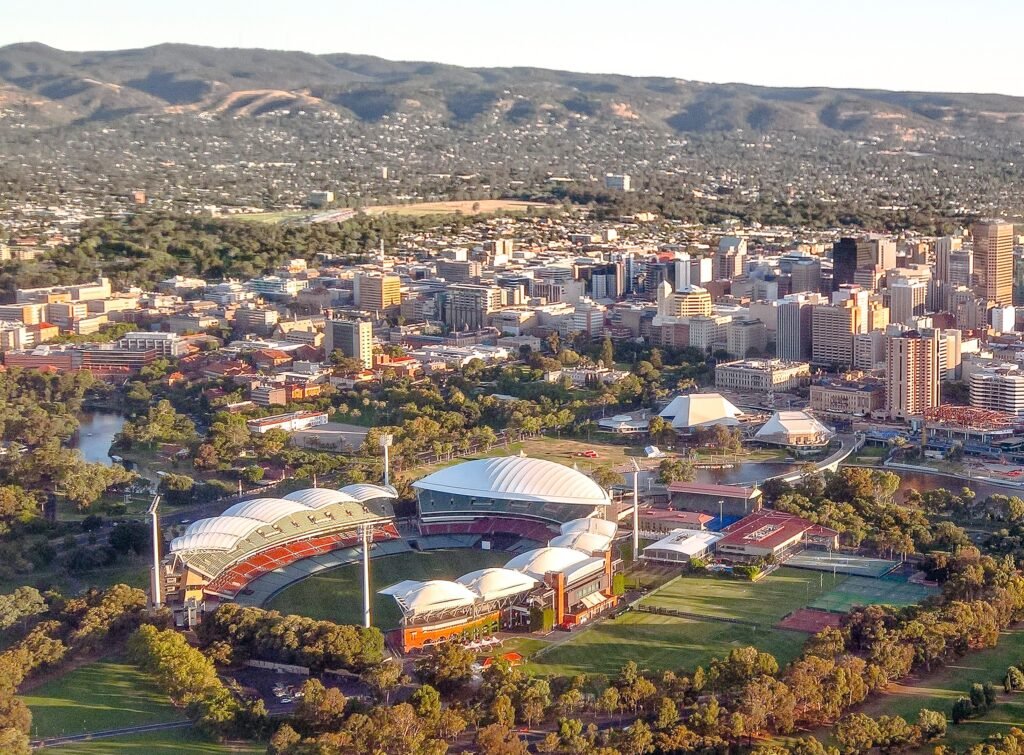
Adelaide has long been at the forefront of environmental initiatives, with its bold vision to achieve a zero-waste status by 2040. This ambitious strategy emphasizes sustainable waste management by reducing waste generation, increasing recycling efforts, and promoting community engagement in conservation practices.
Government Initiatives and Policies
Governmental support is a crucial catalyst for change in Adelaide’s zero-waste ambition. Local and state governments have implemented comprehensive policies to drive waste reduction, including introducing bans on several single-use plastics and increasing investments in recycling infrastructure. Additionally, financial incentives and regulations have been established to encourage both businesses and households to minimize waste production.
Engaging the Community
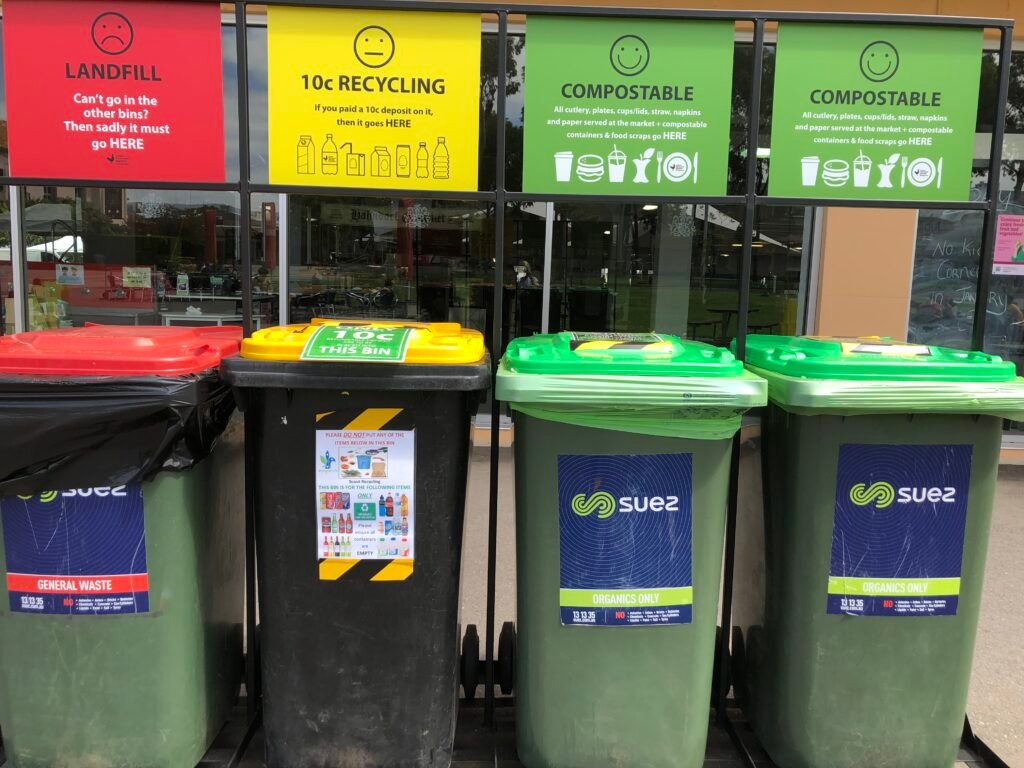
Community engagement is at the heart of Adelaide’s zero-waste commitment. Education campaigns are regularly held to raise awareness about the benefits and importance of waste reduction. Schools, neighborhoods, and local organizations participate actively in waste management initiatives, creating a shared sense of responsibility and empowerment among residents.
Innovative Recycling Practices
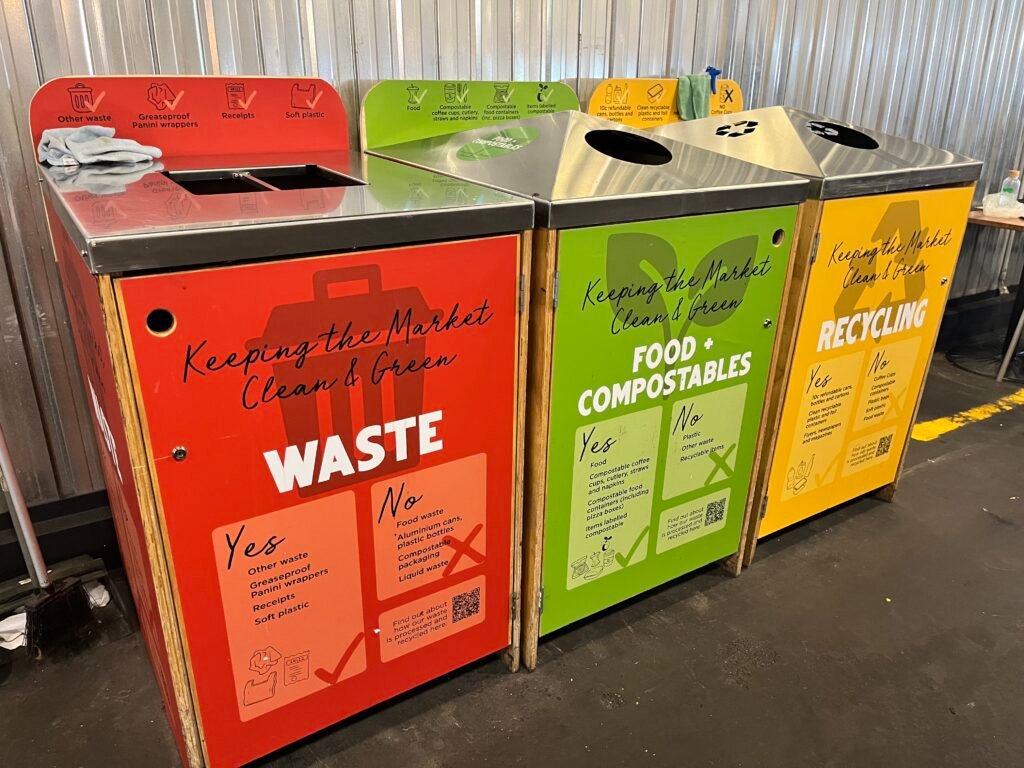
Adelaide has pioneered several innovative recycling programs, including advanced sorting facilities that process an extensive array of materials. Innovations include the Recycling Hub, which allows residents to dispose of hard-to-recycle items like light bulbs and batteries. The city also promotes composting initiatives to manage organic waste efficiently.
Partnerships and Collaborations

Collaboration with businesses, non-profits, and educational institutions plays a significant role in Adelaide’s green mission. Various partnerships aim to develop sustainable solutions and create robust waste management systems. Collaborative efforts with manufacturers and retailers focus on designing products with longer life spans and sustainable packaging.
Challenges on the Path to Zero Waste
Despite the progress, Adelaide faces hurdles in its zero-waste endeavor. These include logistical challenges in managing waste streams effectively and the need for continuous public engagement and behavior change. Financial constraints and technological limitations also present ongoing challenges that require innovative solutions and persistent effort.
The Role of Technology

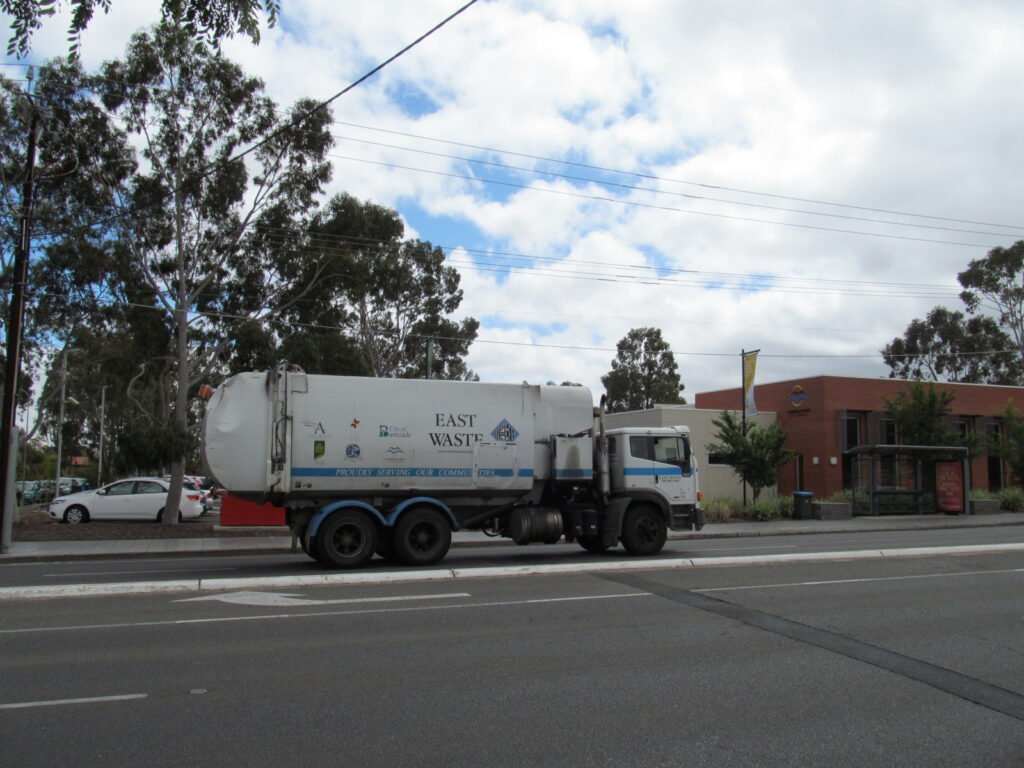
Technology serves as a critical enabler in Adelaide’s sustainability journey. From smart waste bins that optimize collection routes to apps that encourage waste reduction practices, technological integration is essential for tracking and enhancing waste management efficacy. Investment in research and development helps propel Adelaide towards its zero-waste goals.
Adelaide’s Cultural Shift
Beyond policy and technology, Adelaide is seeing a cultural transformation. There is a growing shift in consumer mindset as sustainability becomes integral to the city’s identity. People are increasingly adopting eco-friendly practices in their everyday lives, from minimizing plastic use to supporting local green businesses.
Education and Training Programs

Education remains a cornerstone of Adelaide’s zero-waste initiative. The city offers robust training programs for individuals and businesses to deepen their understanding of sustainable practices. Educational institutions incorporate sustainability education into their curricula, fostering a new generation conscious of environmental stewardship.
Impact on Other Australian Cities

Adelaide’s ambitious zero-waste initiatives serve as an inspiring model for other cities across Australia. By showcasing the benefits of cohesive community efforts and policy-driven action, Adelaide illustrates the potential for significant environmental impact through collective dedication to sustainability.
Looking to the Future
The road ahead for Adelaide involves navigating existing challenges while scaling up successful strategies. Future plans include expanding international partnerships, leveraging research, and adopting more stringent targets to enhance waste management effectiveness. Continued pursuit of innovative technologies and community-driven solutions will be pivotal in achieving a sustainable, zero-waste city.
In conclusion, Adelaide’s push towards a zero-waste future exemplifies a city committed to redefining its environmental impact. While challenges remain, the city’s comprehensive strategy, community engagement, technological innovation, and cultural shift position Adelaide well to potentially become the greenest city in Australia. By fostering a collective commitment to sustainability, Adelaide not only enhances its environmental legacy but also inspires broader change across the nation.