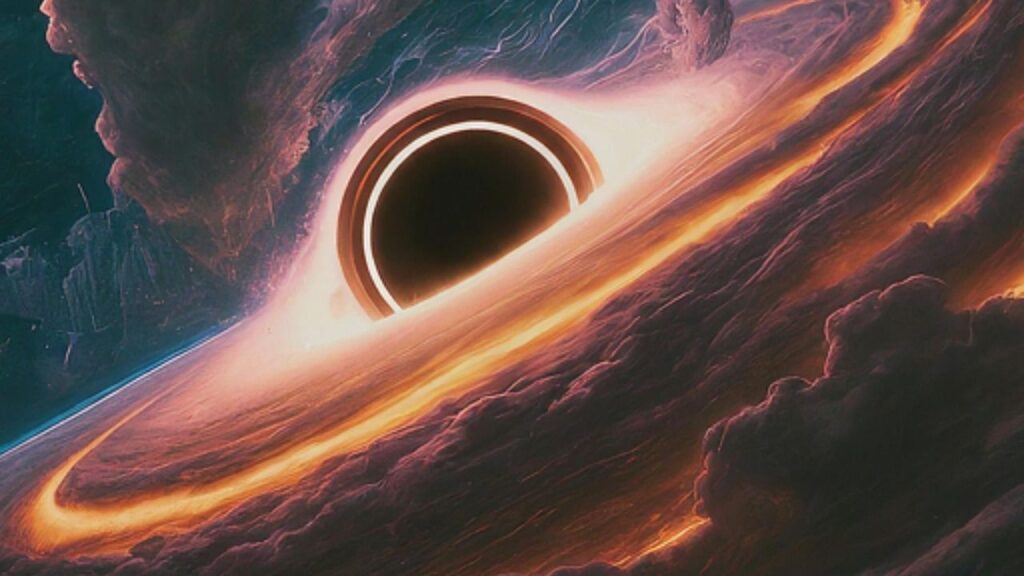

If you picture a black hole as some kind of cosmic vacuum cleaner, sucking things in with a mysterious force, you’re honestly selling reality short. The truth is stranger, sharper, and way more beautiful: black holes do not yank you in like a magnet; instead, they twist the very fabric of space and time so violently that “away” eventually just stops existing as an option. That sounds like philosophical poetry, but it’s really just what Einstein’s equations look like when you push them to the extreme.
In other words, near a black hole, gravity isn’t so much a pull as it is geometry gone wild. The paths that objects follow are as natural and lazy as a ball rolling downhill – except the “hill” is spacetime itself, and every supposedly possible future path starts to bend inward. By the time you cross the event horizon, every direction that you could aim your rockets, fire your thrusters, or even shine a flashlight is, in a very literal sense, pointing deeper in. Let’s unpack how something that sounds like sci‑fi poetry is actually sober physics.
From Force To Geometry: Why General Relativity Replaced The Old Picture
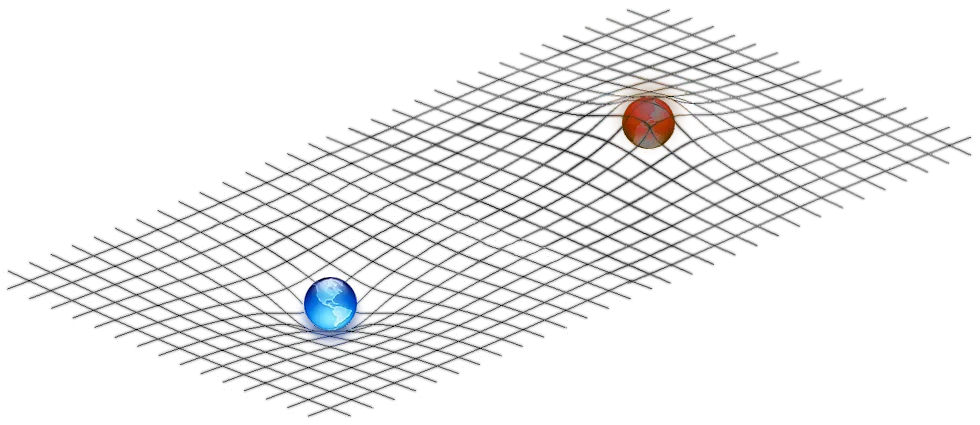
Here’s the first big twist: modern astrophysics does not describe gravity as a force at all. In Newton’s universe, masses tug on each other across empty space, the way magnets attract through air. That picture works well for most everyday situations, but it breaks down when things move very fast, get very dense, or when you start asking annoying questions about how that “pull” travels. Einstein’s general relativity came along and replaced the idea of gravity-as-force with gravity-as-geometry.
In general relativity, matter and energy tell spacetime how to curve, and spacetime tells matter how to move. A planet orbiting a star looks like it’s being pulled in, but in the modern view it’s simply following the straightest possible path – a geodesic – in a curved four-dimensional landscape. This is already a bit of a mind-bender, but black holes take that nice gentle curvature and turn it into the equivalent of a cliff edge, where the geometry itself funnels everything one way.
What A Black Hole Really Is: Not A Thing, But A Region Of No Return
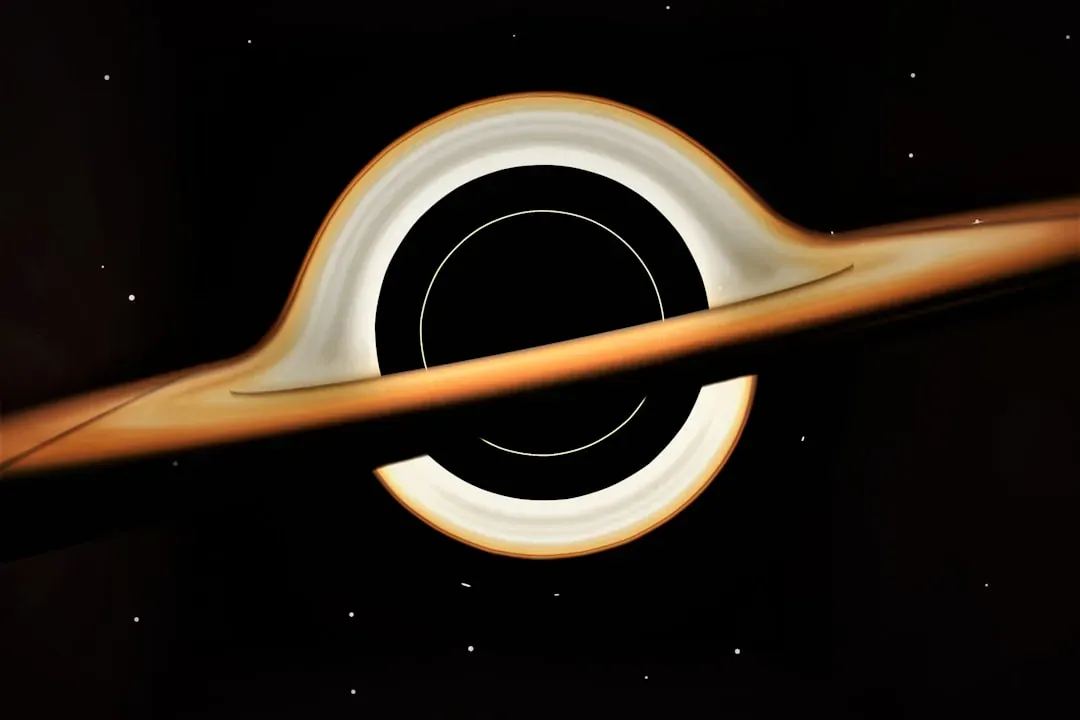
A black hole isn’t exactly an object in the usual sense; it’s more like a region of spacetime with a particular structure. At its core lies a singularity in the classical math – a point (or ring, for spinning holes) where known physics breaks down and densities go to wild extremes. Surrounding that is the event horizon, the famous “point of no return.” Contrary to popular imagination, there’s no physical wall there, no membrane, nothing to collide with as you fall through.
The defining feature of the event horizon is not that gravity becomes infinite, but that all possible future paths for light and matter lie inside it. Outside the horizon, there are paths that lead out and away to the wider universe, so “escape” still makes sense. Cross the horizon, though, and the geometry shifts: every path you could take, no matter how hard you try to resist, leads inevitably toward the interior. You’re not being grabbed; you’re being offered a future where “outward” just doesn’t exist anymore.
Why “Falling In” Is Really Just Following Spacetime’s Shortest Paths
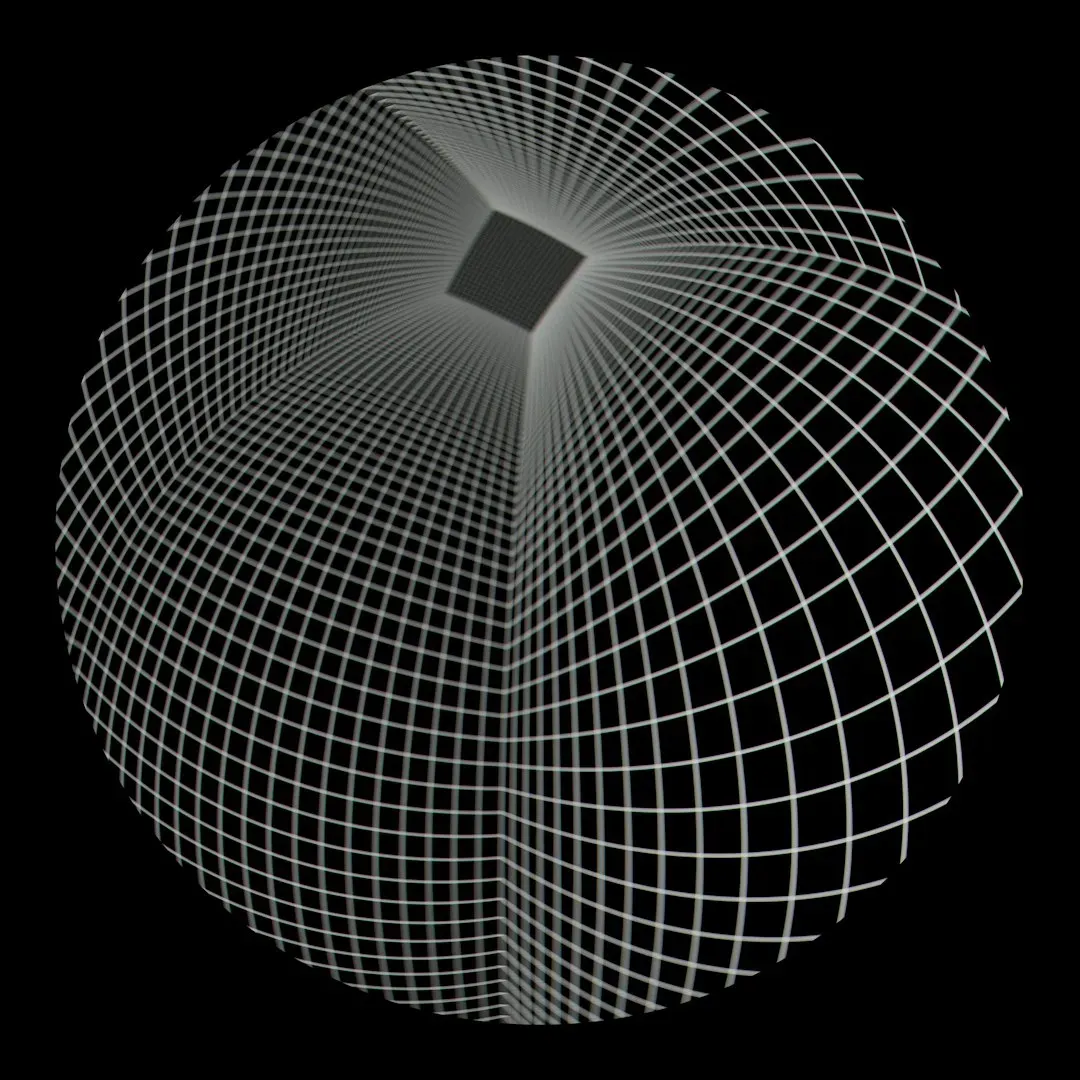
To understand why black holes do not pull in the usual sense, it helps to think like a geometer instead of like a kid with a magnet. In curved spacetime, free-falling objects follow geodesics, the straightest-possible paths given the shape of the universe. In flat space, a geodesic is a straight line. On Earth’s surface, a geodesic is a great circle, like the shortest flight route between two cities. Near a black hole, geodesics are bizarrely warped, but they’re still just “straightest possible” for that distorted geometry.
So when an astronaut or a photon “falls” into a black hole, no extra pull kicks in at the horizon; they’re simply continuing along the path spacetime itself prescribes. From their own point of view, they feel weightless while in free-fall, just like someone in orbit around Earth. The weirdness is not in their experience of a sudden yank, but in how spacetime slices up the possible futures, quietly removing all options that would have led them back out.
Inside The Event Horizon: When Every Direction Becomes “Inward”
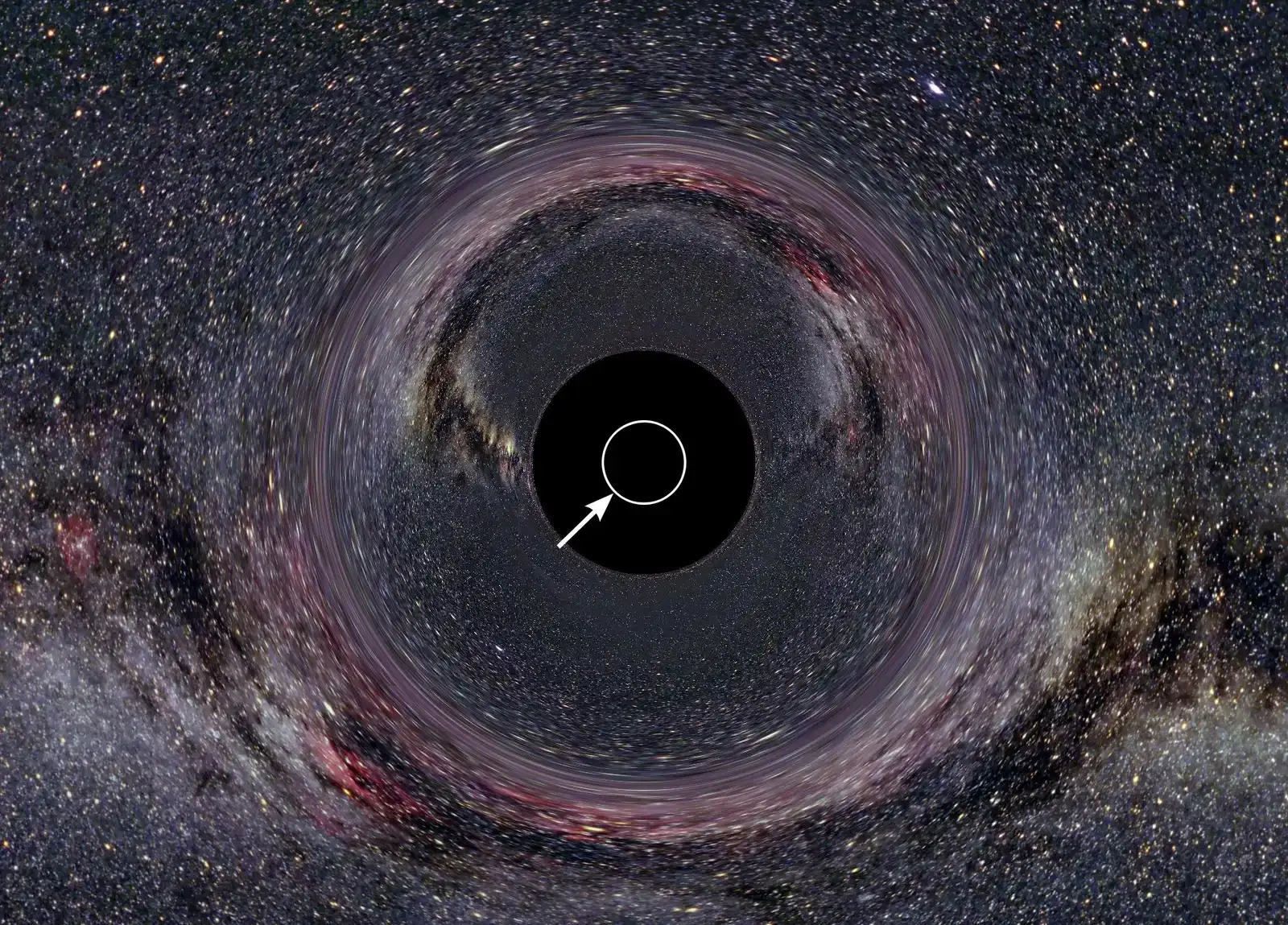
Here’s where things get truly unsettling: inside the event horizon, “inward” and “forward in time” become tangled concepts. In familiar situations, you can at least imagine swimming against a current or climbing back up a hill with enough effort. But within a black hole, the direction pointing toward the central singularity is not just one choice among many; it effectively takes on the role that time usually plays. Moving away from it would be like trying to travel into yesterday. It isn’t just difficult; it’s physically meaningless.
Mathematically, the coordinates that described “distance from the black hole” and “passage of time” swap roles across the horizon in many solutions to Einstein’s equations. Outside, you can choose to move closer or farther away as time ticks on. Inside, what used to be your radial distance becomes the thing that must always decrease, the same way your proper time must always increase. Every rocket burn, every desperate trajectory, every heroic maneuver just moves you inward, the way living another second always moves you into your future.
Why “Trying To Escape” Is Like Trying To Outrun Tomorrow
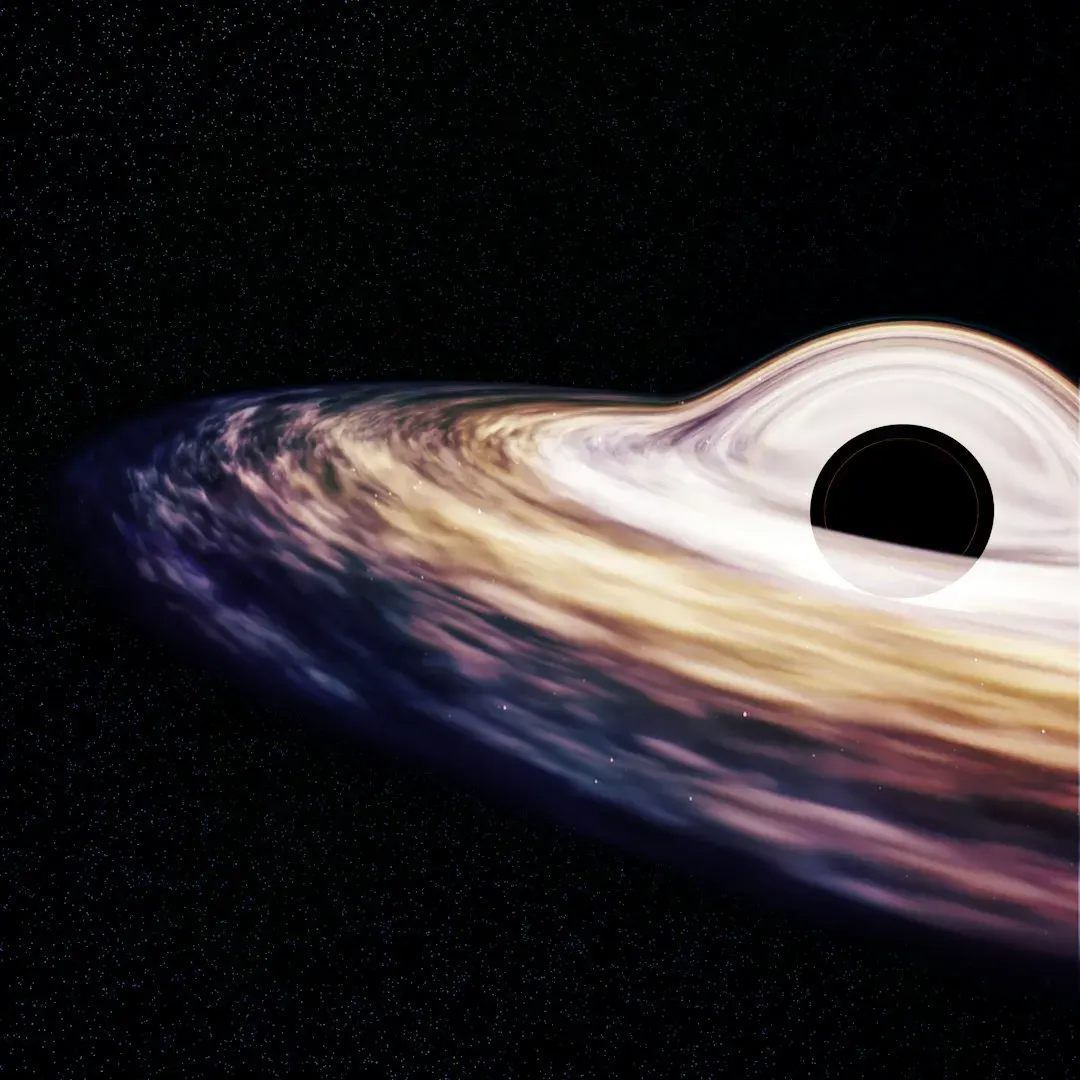
This is the part that clashes hardest with intuition: you can fire engines, point them “outward,” and pour out fuel like there’s no tomorrow – and yet, there really is no path that gets you out once you’re inside. The idea of “away from the black hole” stops being a direction you can actually aim at. It’s not that you lack thrust; it’s that spacetime has been rewired so thoroughly that every road, every alley, every side street feeds the same dead-end cul-de-sac.
A useful analogy is being trapped in a video game world where the level geometry has been hacked: no matter which corridor you choose, the map loops and re-routes you toward the boss room. Inside an event horizon, physics does something similar, but deeper. The equations that govern motion still apply, and your engines still work locally, but all those efforts just reshuffle how you spiral inward. Asking why you cannot move away is a bit like asking why you cannot “move back to last week” even with infinite determination.
From Outside: Why Light Seems Trapped And Time Seems To Freeze
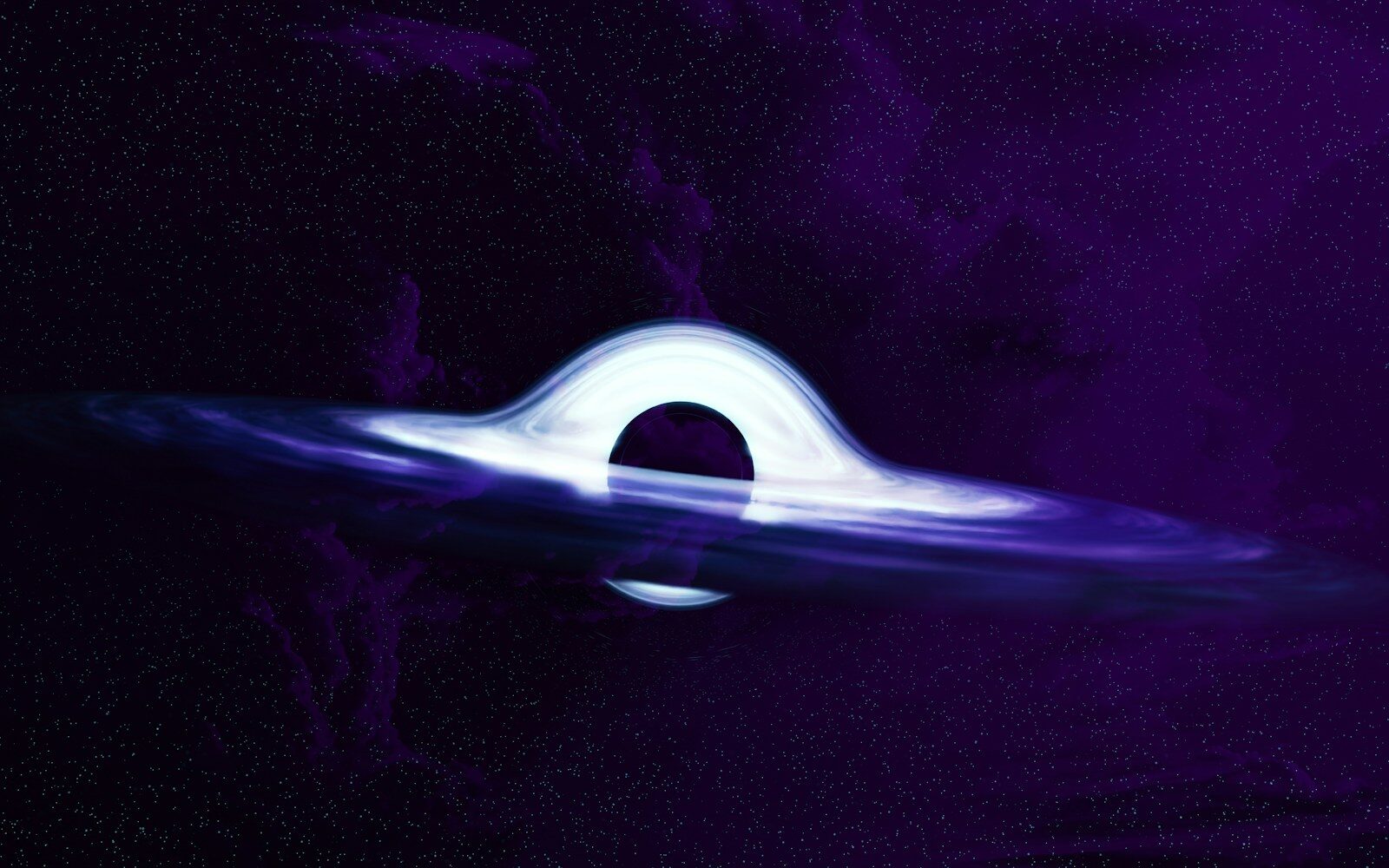
From far away, black holes look like perfect light traps, which is exactly what they are. Light emitted just outside the event horizon can barely fight its way out, climbing an extreme gravitational well and losing energy on the way. Light emitted exactly at the horizon never escapes at all; its future is entirely confined within that dark region. To a distant observer, anything falling in appears to slow down, dim, and redshift, creeping ever more sluggishly toward the horizon without quite crossing.
This “freezing” is not what the in-falling object experiences – for them, they cross the horizon in a finite time and keep going. The apparent standstill is a projection effect, the way our coordinates slice up spacetime and how light signals struggle to reach the outside universe. The same geometry that makes all local directions lead inward inside the horizon also makes outgoing light from just above it take longer and longer to escape. What looks like an object stuck is really an object continuing into a part of spacetime that can no longer send messages back.
Do Black Holes Really “Pull Harder” Than Other Objects? Sort Of, But Not How You Think
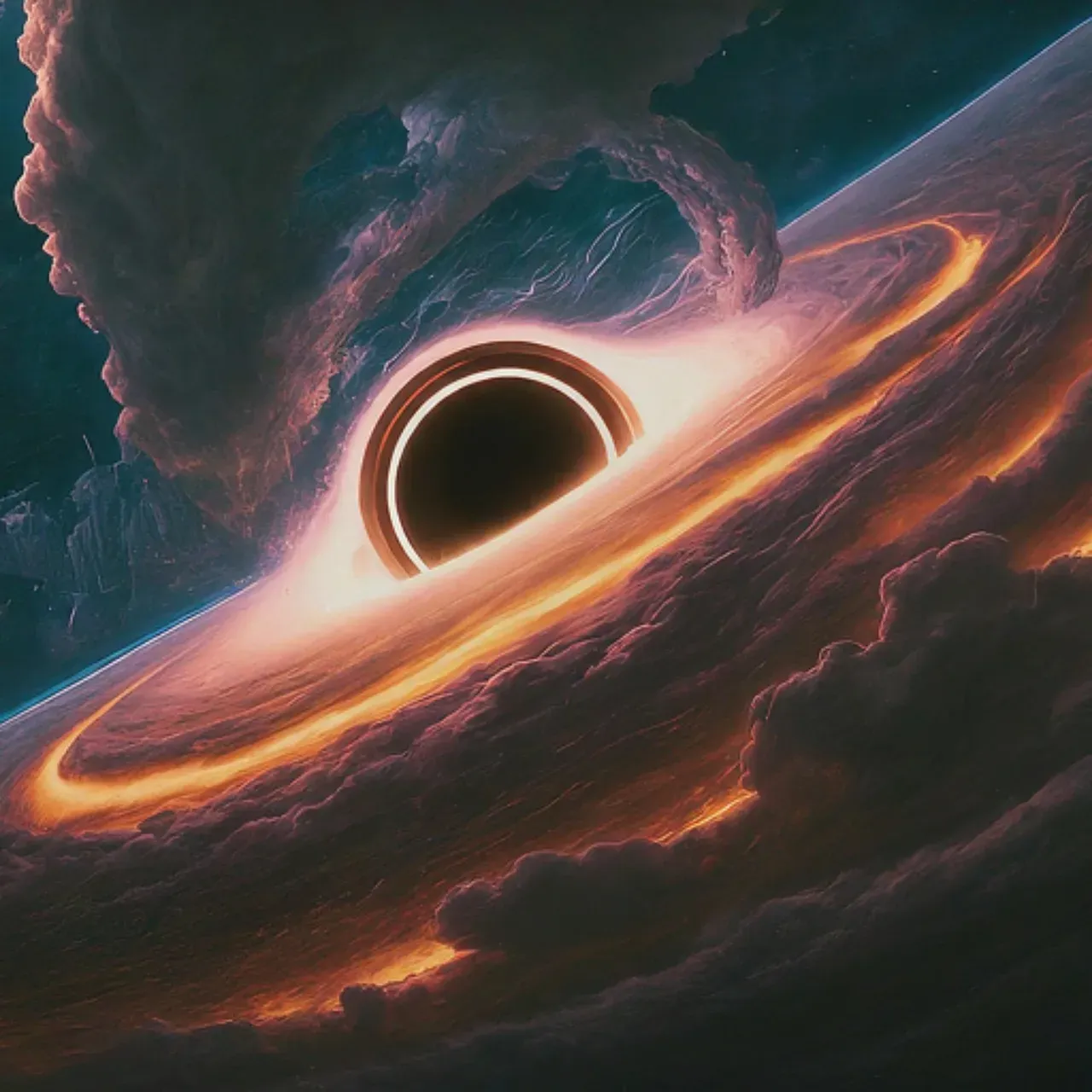
There’s a common claim that black holes have “unimaginably strong gravity,” but that needs a careful unpacking. If you replaced the Sun with a black hole of the exact same mass, Earth’s orbit would barely care; our planet would keep circling in almost the same path. The gravitational field far from the black hole would be essentially the same as that of any other object with equal mass. You would not get sucked in just because a black hole exists out there. The dramatic stuff only happens when you get very close.
What makes black holes extreme is how concentrated their mass is, and how quickly spacetime curvature ramps up as you approach. Near the horizon, tidal forces can become ferocious, stretching and squeezing objects dramatically – the famous “spaghettification” effect for small black holes. But even this is about geometry and gradients, not some extra mysterious pulling substance. Black holes are not breaking the rules of gravity; they are what you get when you push the rules we already know to their absolute, terrifying limit.
Why This View Changes How We Talk About Gravity, Fate, And “Inescapable” Situations
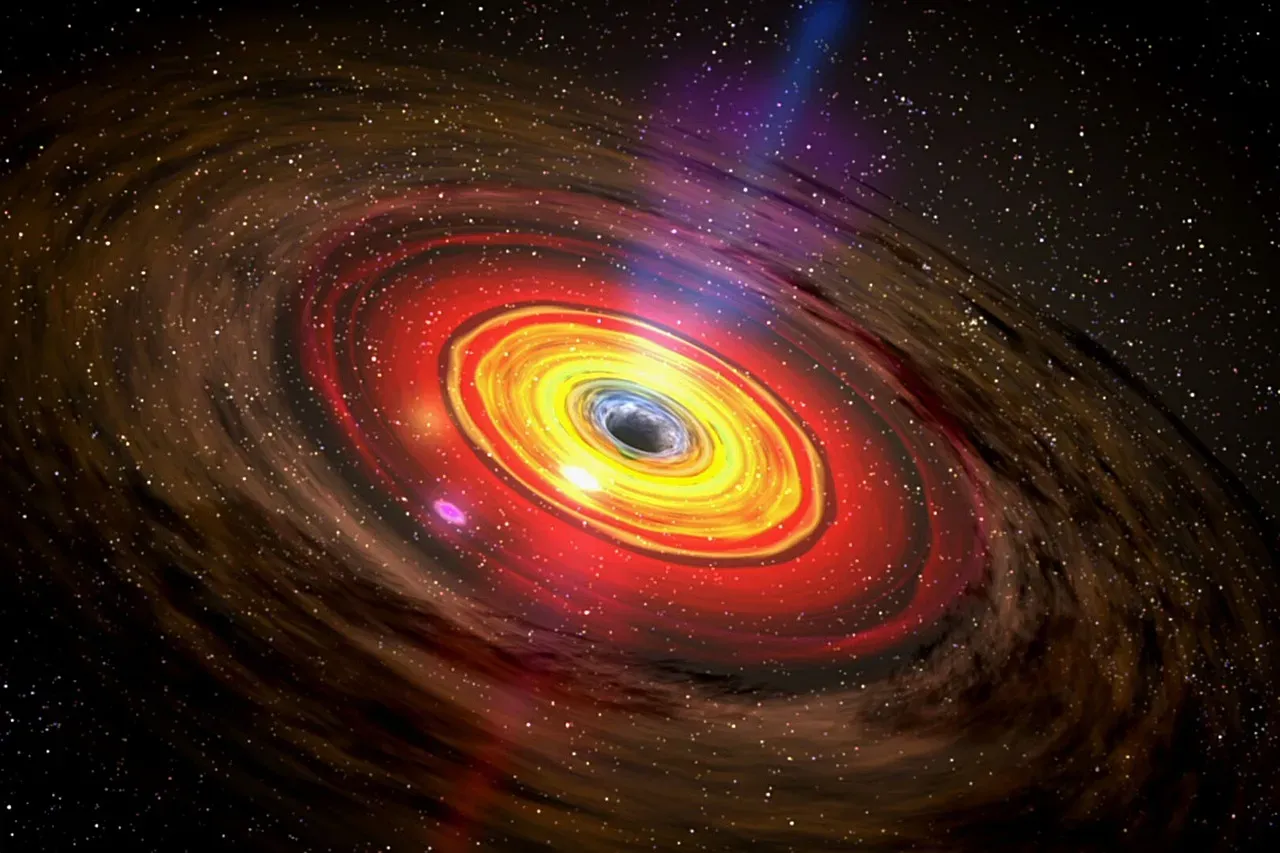
Once you really absorb the idea that black holes curve space and time so intensely that all directions eventually lead inward, it becomes hard not to see the metaphor everywhere. We casually say we’re being “pulled into” a bad habit, a toxic job, or a relationship we know is wrong, as if some outside force is wrestling control away from us. In reality, a lot of those situations are more like poorly shaped landscapes: we build routines and environments that bend our available paths in subtle ways until the easy options all slope downhill in one direction.
The difference with black holes is that, out here in real life, the geometry is not fixed. We can redraw the landscape: seek new information, change social circles, move cities, ask for help. With black holes, interior spacetime is uncompromising; no amount of willpower or clever engineering can restore an “outward” direction after you cross the horizon. I find that both humbling and clarifying. Cosmic inevitability does exist, but it is rare, and that sharp contrast reminds us how much freedom we usually have before we drift too close to our own event horizons.
Conclusion: Black Holes Are Not Hungry Monsters – They Are Broken Maps
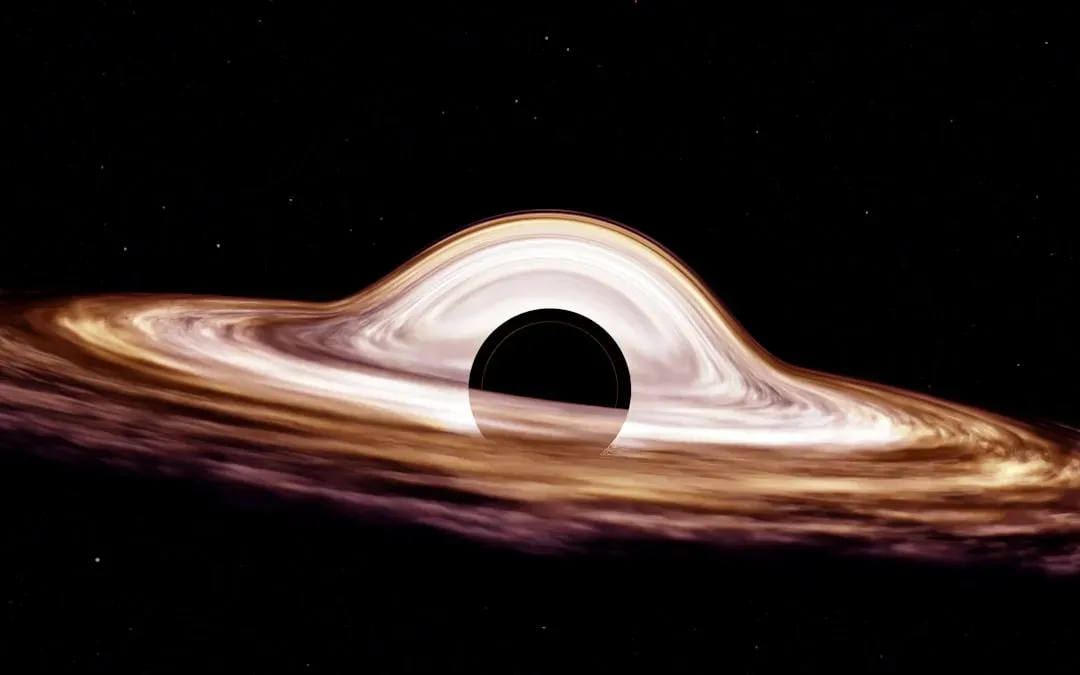
When you strip away the sci‑fi myths, black holes become even more astonishing than the horror stories make them out to be. They are not cosmic mouths greedily pulling matter in with some supernatural suction, but regions where the map of space and time has been so violently rewritten that every road points inward and the very idea of “away” dissolves. That’s not just a neat visual; it’s a hard statement from the most battle-tested theory of gravity we have, one that has survived precise tests from orbiting stars to colliding black holes and the ripples of gravitational waves.
I’ll be honest: I think we should retire the lazy “sucking” language and start talking about black holes the way the math demands – as places where geometry itself goes off the rails. It’s a more accurate story, and a more haunting one. Instead of a monster chasing you down, you have a universe whose rules quietly reshape the game board until escape is no longer a meaningful move. That subtle shift, from being dragged in to simply running out of options, might be the most unsettling lesson astrophysics has to offer. Did you expect gravity to be this weird?
Jan loves Wildlife and Animals and is one of the founders of Animals Around The Globe. He holds an MSc in Finance & Economics and is a passionate PADI Open Water Diver. His favorite animals are Mountain Gorillas, Tigers, and Great White Sharks. He lived in South Africa, Germany, the USA, Ireland, Italy, China, and Australia. Before AATG, Jan worked for Google, Axel Springer, BMW and others.