The Great Barrier Reef, one of the most awe-inspiring natural wonders on our planet, has been under increasing threat due to climate change and human activities. As a crucial part of the marine ecosystem, the reef is vital to the health of our oceans. This article explores the crisis facing the Great Barrier Reef and what dedicated scientists in Queensland are doing to mitigate the damage and preserve this vital ecosystem.
Introduction to the Great Barrier Reef Crisis

The Great Barrier Reef, stretching over 2,300 kilometers along the coast of Queensland, Australia, is the largest coral reef system in the world. It supports a wide array of marine life, from microscopic plankton to majestic whales. However, the reef’s health has been declining rapidly due to rising ocean temperatures, pollution, and acidification, threatening biodiversity and the livelihood of people dependent on its resources.
Understanding Coral Bleaching

Coral bleaching occurs when corals, stressed by changes in conditions such as temperature, light, or nutrients, expel the symbiotic algae living in their tissues. This not only causes the coral to turn white but also jeopardizes their survival, as these algae provide corals with essential nutrients. Episodes of mass bleaching have led scientists to intensify their efforts to reverse this troubling trend.
The Role of Climate Change
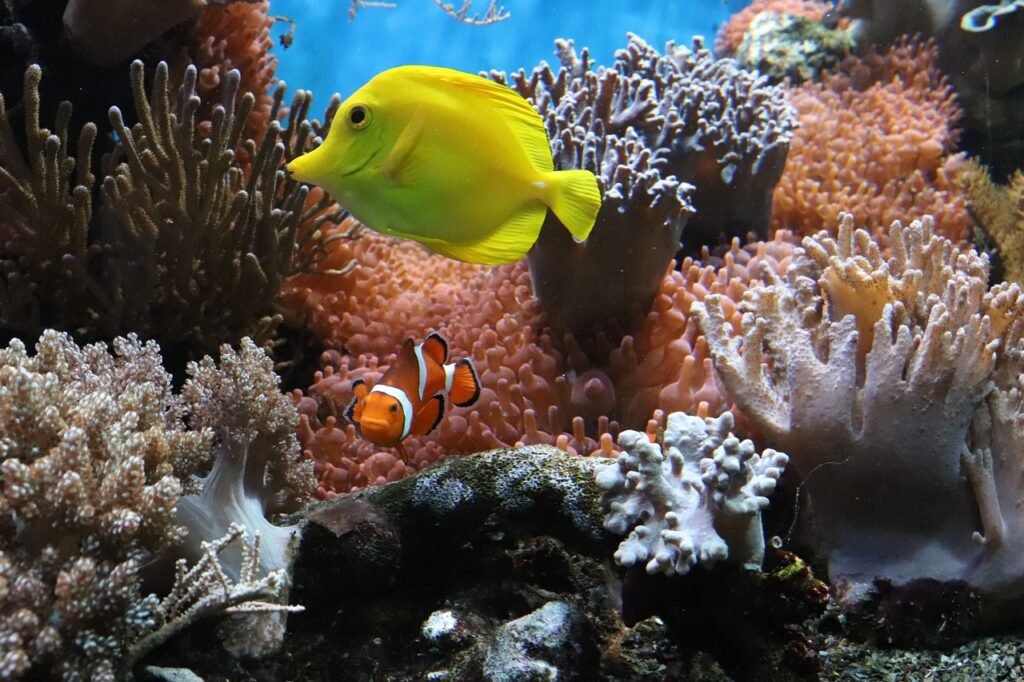
Climate change is a significant driver of the Great Barrier Reef’s troubles. Rising global temperatures have led to more frequent and severe coral bleaching events. Additionally, increased carbon dioxide in the atmosphere results in ocean acidification, further stressing the reef’s delicate ecosystem. These challenges underscore the urgent need for comprehensive strategies to combat the effects of climate change on marine environments.
Scientific Interventions on the Reef

To combat the decline of the reef, Queensland scientists are employing innovative techniques and strategies. One promising approach involves the use of coral nurseries, where scientists grow resilient coral species that can better withstand environmental stressors. Once matured, these corals are transplanted back onto the reef to help restore damaged areas.
Restoration Through Coral Larvae Seeding

Another technique is coral larvae seeding, where scientists collect coral spawn, nurture them to a juvenile stage, and then disperse them over degraded parts of the reef. This seeding process helps boost coral abundance and improves the genetic diversity necessary for a resilient reef ecosystem.
Exploring Genetic Solutions

By studying coral genetics, scientists hope to identify traits that make some corals more resilient to stressors like heat and acidification. Breeding these hardier corals could lead to enhanced resilience across the reef, ensuring a broader swath of the population can survive future environmental changes.
The Role of Citizen Science

Citizen science projects have become integral to monitoring reef health and educating the public about conservation efforts. Projects like CoralWatch engage locals and tourists in collecting valuable data about coral conditions, which aids researchers in making informed decisions about intervention priorities.
Marine Protected Areas: A Haven for Biodiversity
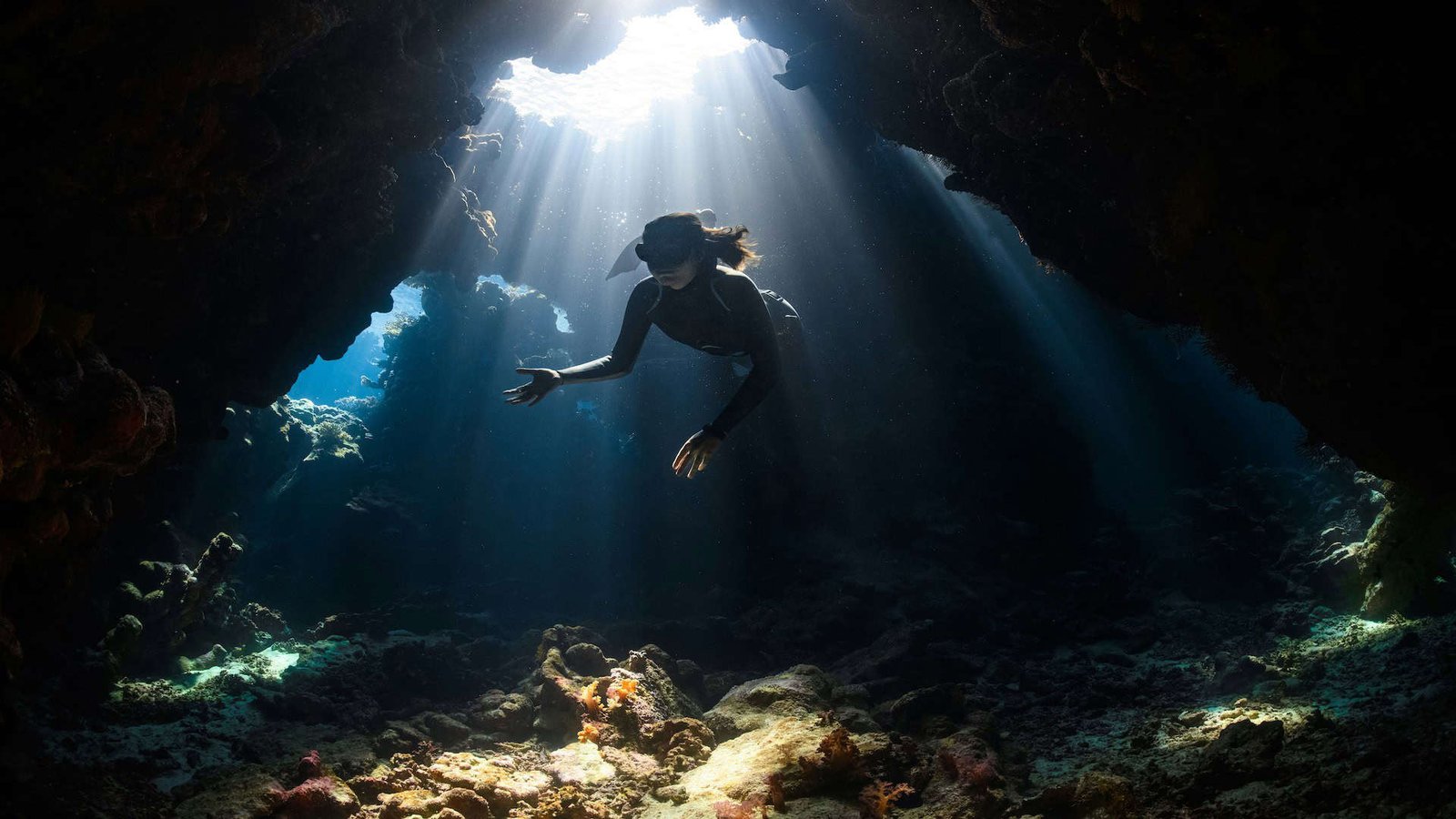
Marine protected areas (MPAs) are regions of the ocean where human activities are more strictly regulated to conserve natural resources. The establishment of MPAs within the Great Barrier Reef allows for the protection of vital ecosystems, helping sustain marine biodiversity and gives the reef time to recover from ongoing external pressures.
International Collaboration Efforts
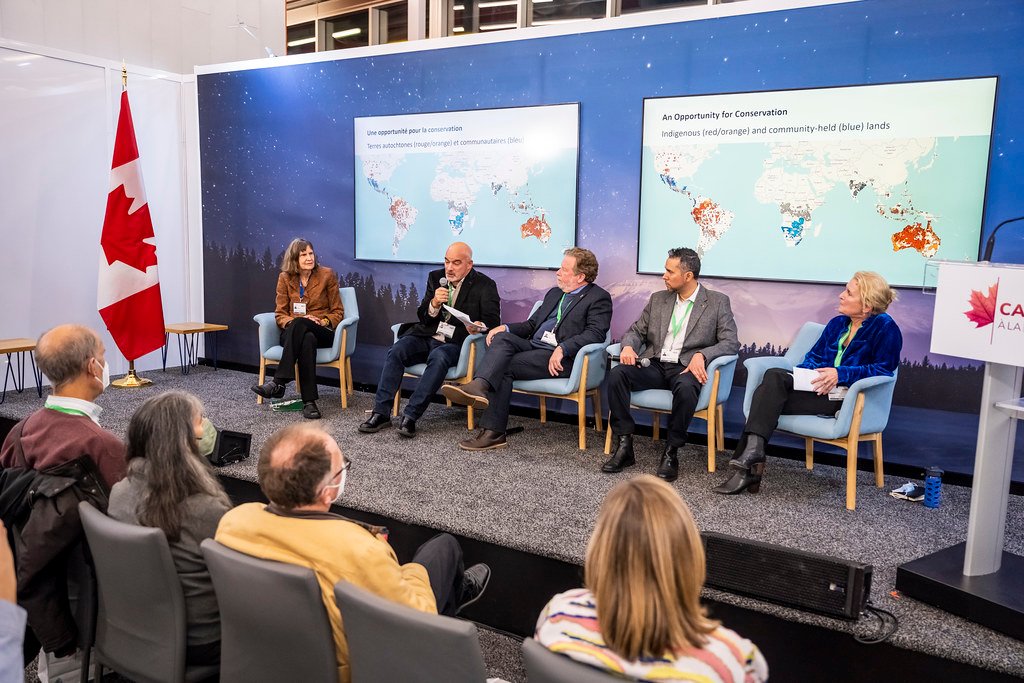
Conservation of the Great Barrier Reef demands international cooperation. Researchers in Queensland collaborate with global partners to share insights and strategies for reef management. This collaboration extends to policy-making, with efforts focused on achieving global emission reductions to mitigate the broader impacts of climate change.
Community Involvement in Conservation

The local communities play a crucial role in conserving the reef. Encouraging sustainable fishing practices and educating residents and tourists about the importance of the reef help foster a conservation-minded community invested in the reef’s health.
Educational Programs and Awareness Campaigns

Numerous educational programs have been launched to increase awareness of the reef’s plight. These programs provide insights into the environmental challenges the reef faces and inspire collective action to protect this natural treasure.
Technological Innovations in Reef Monitoring

Technology plays a pivotal role in reef conservation. Advanced tools like satellite monitoring allow scientists to track changes in reef conditions in real-time. Drones and underwater robotics offer granular data on coral health, guiding targeted restoration efforts.
The Importance of Sustainable Tourism

Sustainable tourism initiatives seek to balance the economic benefits of tourism with environmental responsibilities. By promoting eco-friendly practices, the tourism industry supports conservation efforts and ensures that visitors can continue to experience the reef’s beauty without contributing to its degradation.
The Future of the Great Barrier Reef

While the challenges are significant, the efforts of Queensland’s scientists, in collaboration with international partners and the community, offer hope. The resilience of the reef, combined with human ingenuity, could pave the way for reversing some of the damage and securing a future for this iconic natural wonder.
Conclusion: A Call to Action for Reef Conservation

The Great Barrier Reef’s crisis is a clarion call for collective action to protect and preserve one of Earth’s most stunning ecosystems. Through scientific innovation, international collaboration, and public engagement, there is an opportunity to restore the reef to a state that can be enjoyed by future generations. By prioritizing sustainability and conservation, we take crucial steps toward ensuring the reef’s survival and the long-term health of our planet’s oceans.