In the span of a few short decades, human cities have expanded rapidly, changing landscapes and altering ecosystems altogether. Urbanization has significantly influenced wildlife, often posing severe threats to their survival. As populations rise and cities spread, it is becoming increasingly crucial for us to understand these impacts and explore proactive measures to protect the diverse species that share our planet.
Understanding Urbanization

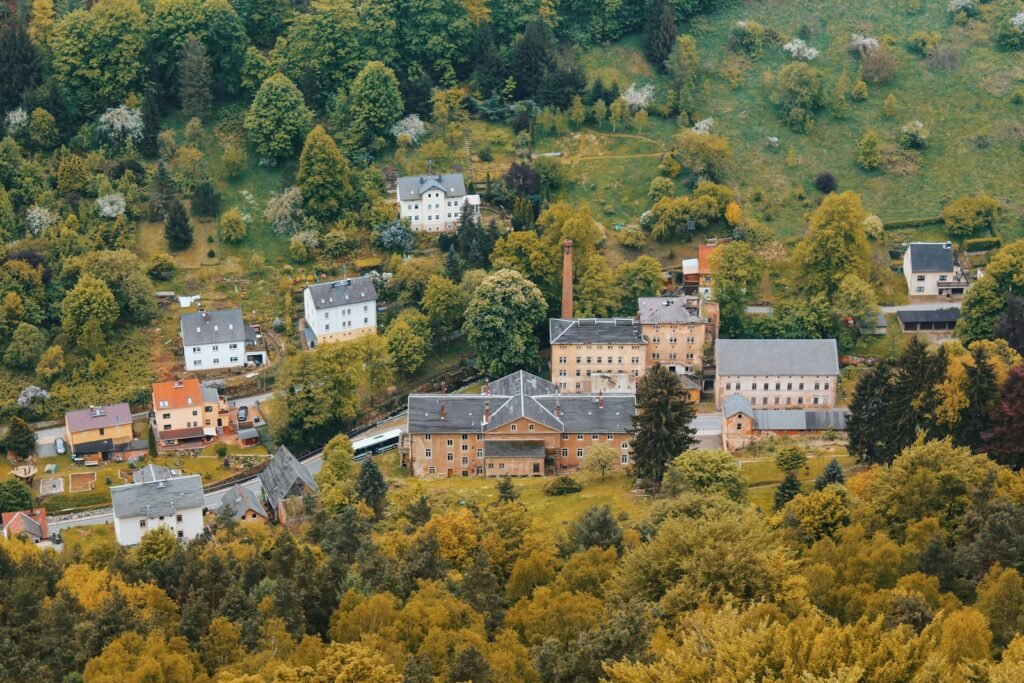
Urbanization refers to the process where large numbers of people move from rural areas to cities. This demographic shift results in the expansion of urban centers, impacting land use and the natural environment. As cities grow, they consume more land, replacing natural habitats with concrete jungles. This transformation not only affects the local wildlife but also has broader implications for ecosystems and biodiversity.
Loss of Habitat
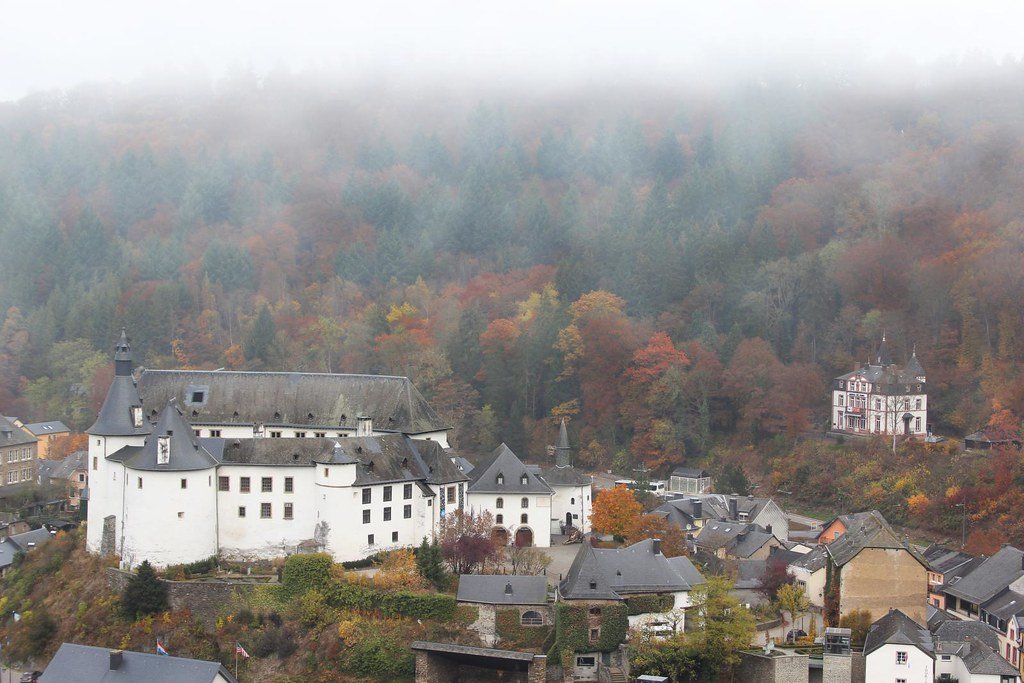
The most immediate impact of urbanization on wildlife is habitat loss. As forests, wetlands, and other ecosystems are replaced by urban infrastructure, animals lose their natural homes. This displacement often leads to decreased populations or even extinction of species unable to adapt to new environments. Habitat fragmentation further isolates animal populations, limiting their access to resources and breeding partners.
Human-Wildlife Conflicts
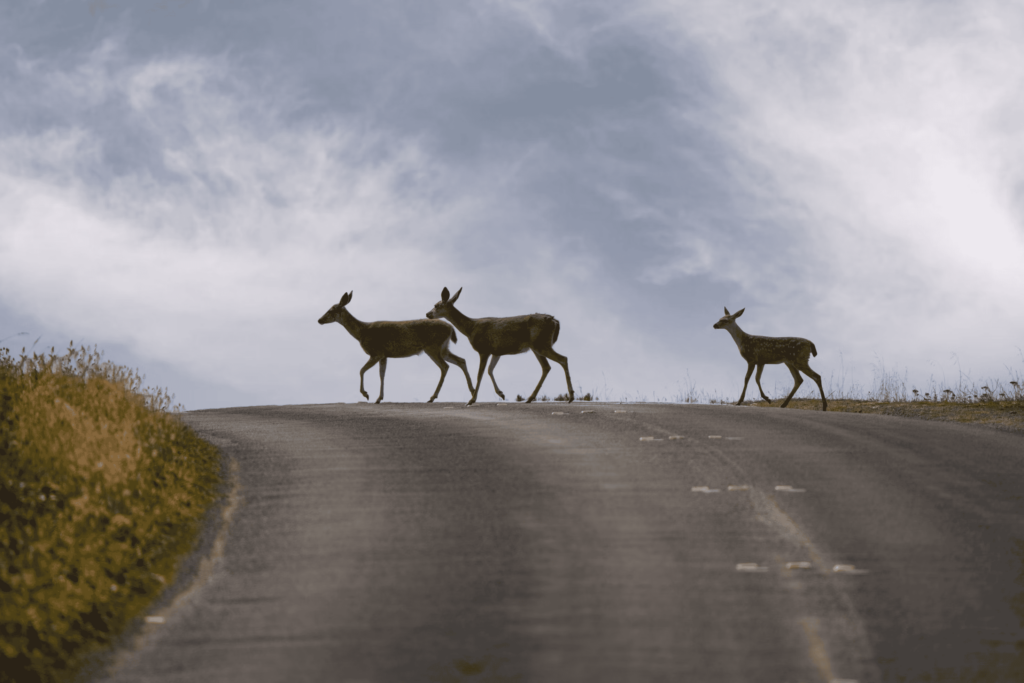
As urban areas expand, encounters between humans and wildlife become more frequent. Animals often wander into cities in search of food and shelter, sometimes resulting in conflicts. For instance, bears rummaging through garbage or deer crossing busy roads can lead to dangerous situations for both animals and humans. These conflicts usually result in harm to the wildlife, highlighting the need for better management and coexistence strategies.
Pollution’s Impact on Wildlife

Urban environments generate significant pollution, affecting air, water, and soil quality. Wildlife exposed to such conditions can suffer from respiratory issues, weakened immune systems, and poisoning. Water pollution, in particular, has devastating effects on aquatic life, disrupting ecosystems and food chains.
Light and Noise Pollution

Urbanization introduces artificial light and noise, which can severely disrupt animal behavior and physiology. Many species rely on natural light cycles for navigation, reproduction, and feeding. Excessive artificial lighting confuses these cycles, affecting animals’ ability to survive. Similarly, urban noise can interfere with animal communication, breeding habits, and increase stress levels in wildlife.
Invasive Species Introduction
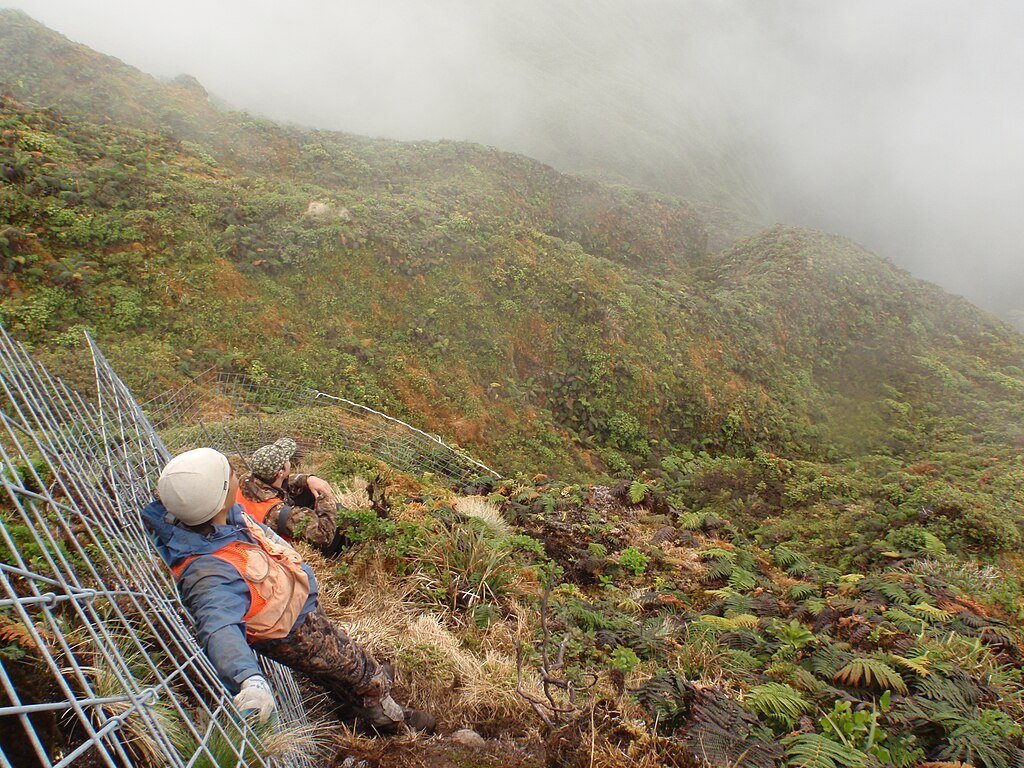
Urbanization often facilitates the spread of invasive species, which can outcompete native wildlife for resources. These non-native species can cause local species to decline or become extinct, further reducing biodiversity. Urban settings with non-native plants and animals can disrupt local ecosystems, making them less resilient to change.
Climate Change and Urban Heat Islands

Cities contribute significantly to climate change, with large amounts of greenhouse gases emitted from vehicles, factories, and buildings. This warming effect is exacerbated by the urban heat island phenomenon, where city temperatures are notably higher than in surrounding rural areas. These environmental changes can alter local conditions, threatening wildlife not adapted to cope with increased heat and changing weather patterns.
What We Can Do: Wildlife-Friendly Urban Planning
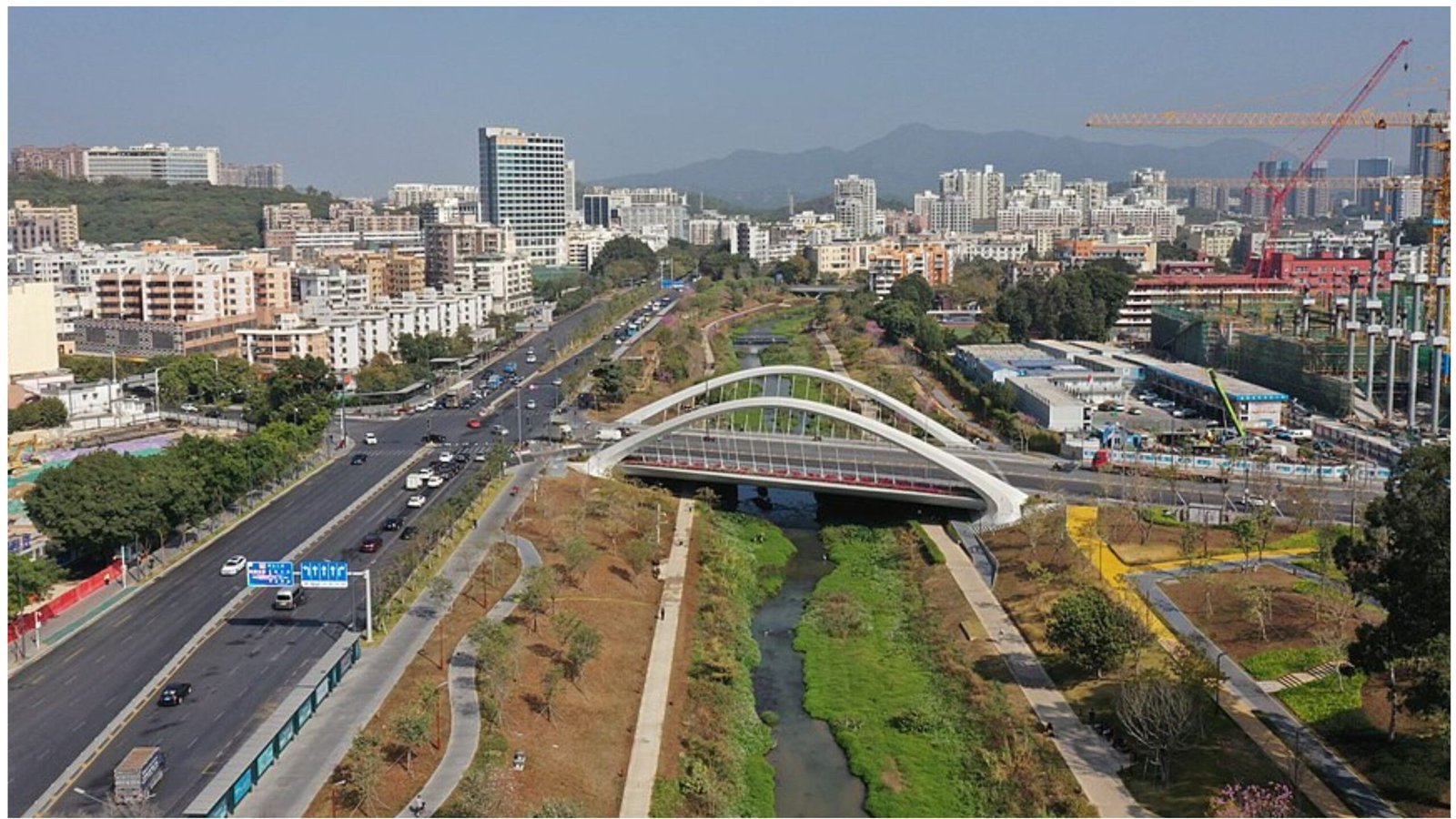
To mitigate the impacts of urbanization on wildlife, cities need to incorporate wildlife-friendly planning. Creating green corridors, parks, and reserves within urban areas can provide essential habitats and migration paths for animals. Incorporating native vegetation into city planning helps support local wildlife, promoting biodiversity even in developed areas.
Community Involvement and Education
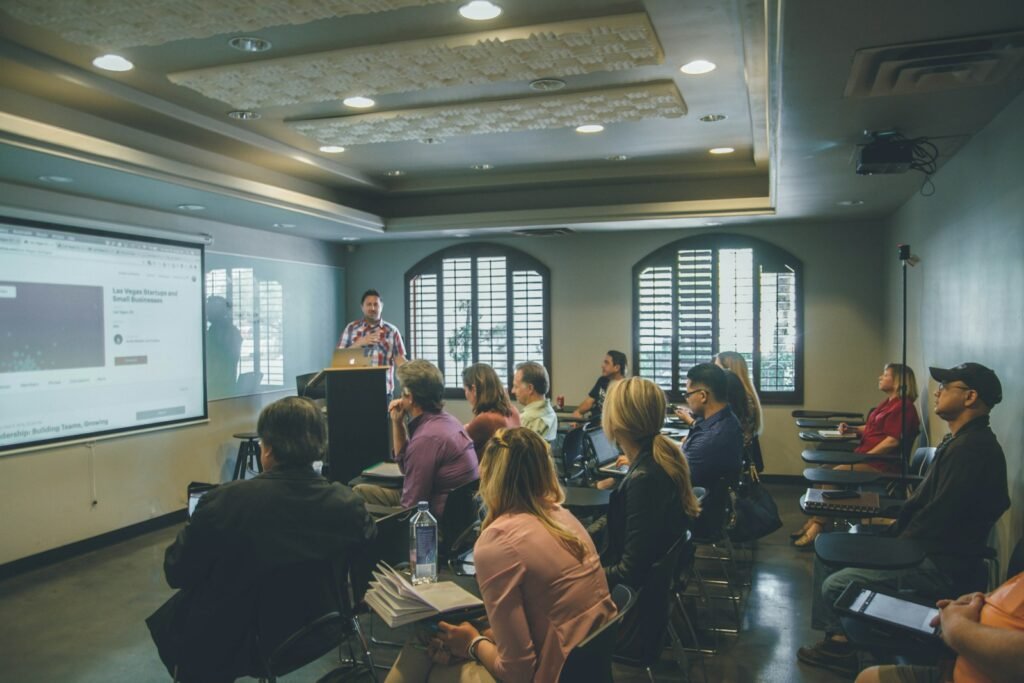
Raising awareness among city dwellers about the importance of wildlife conservation is crucial. Educational programs can highlight ways individuals can contribute, such as supporting local wildlife initiatives or participating in citizen science projects. Empowering communities to take action fosters a collective responsibility for preserving urban biodiversity.
Implementing Pollution Control Measures

Reducing pollution is a critical step in protecting urban wildlife. Cities can implement stricter regulations on emissions and waste, promoting cleaner air and waterways. Encouraging public transportation, cycling, and walking can also reduce the carbon footprint, benefiting both humans and wildlife.
Promoting Coexistence and Conflict Resolution

Developing strategies for human-wildlife coexistence can help reduce conflicts. Installing wildlife crossings, securing waste, and educating the public on how to handle wildlife encounters are practical steps that encourage peaceful coexistence. These measures protect both human and animal communities, fostering a harmonious environment.
Protecting Vulnerable Species

Special attention must be given to species most at risk from urbanization. Conservation efforts focused on protecting endangered species within urban regions can help stabilize their populations. Enacting legal protections and creating conservation areas specific to these species are vital strategies for their survival.
Monitoring and Research

Ongoing research and monitoring are crucial in understanding how urbanization continues to affect wildlife. Data collection and analysis can inform future urban planning, ensuring that development does not come at the expense of biodiversity. Through science and innovation, cities can become leaders in sustainability and wildlife conservation.
Conclusion: A Call to Action
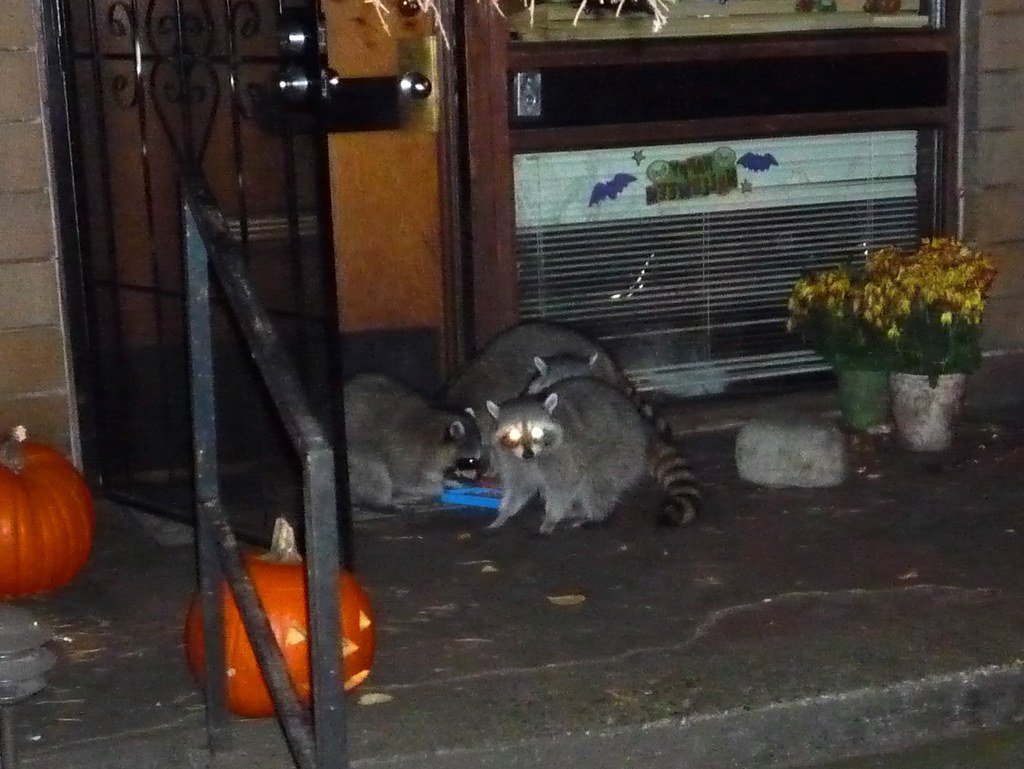
Urbanization doesn’t have to mean the downfall of wildlife. By implementing smart, sustainable practices and fostering community involvement, we can create urban environments where both humans and wildlife thrive. It is through conscious effort and informed action that the balance between development and nature can be achieved, ensuring a rich, biodiverse planet for generations to come.