Dinosaurs, the rulers of prehistoric Earth, knew no bounds when it came to size. From the diminutive to the colossal, these ancient creatures have fascinated scientists and the public alike. Their sheer diversity in size illustrates the adaptability and evolutionary triumphs of these reptiles. In this exploration, we delve into the world of dinosaurs, spotlighting ten remarkable species that represent the extremes of dinosaurian size.
Compsognathus: The Tiny Terror

Considered one of the smallest dinosaurs, Compsognathus was about the size of a chicken. Measuring roughly 3 feet in length, this carnivorous dinosaur preyed on insects and small vertebrates. Despite its small size, Compsognathus was a swift predator, equipped with sharp teeth and agile limbs, likely making it an effective hunter in its prehistoric ecosystem.
Microraptor: The Feathered Flyer
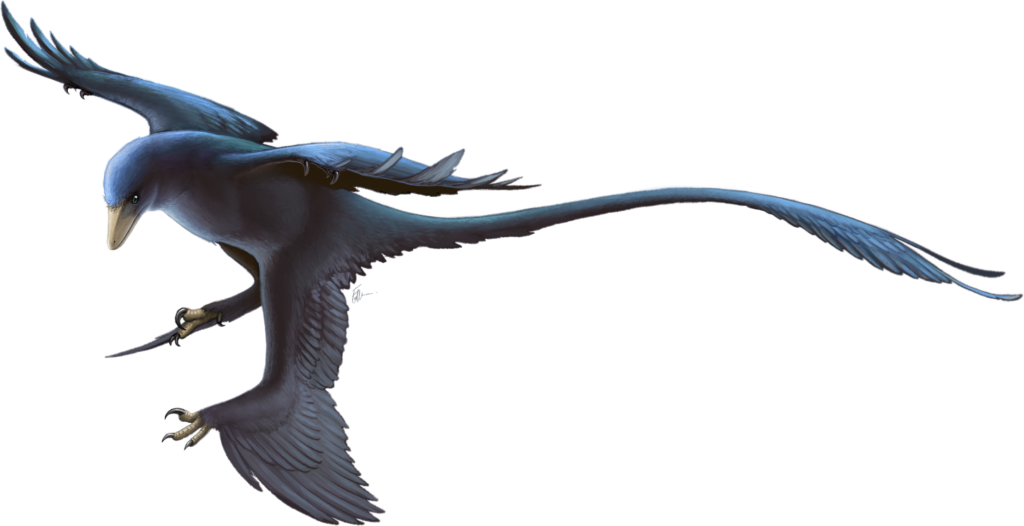
Microraptor is another pint-sized dinosaur, fascinating not just due to its size but also its complexity. Roughly crow-sized, it fascinates scientists with its four-winged body plan. The feathered appendages hint at the evolutionary transition from dinosaurs to birds, offering an exciting glimpse into the past where some dinosaurs experimented with flight.
Raptors of Different Heights

Velociraptor, made famous by Hollywood, was actually only about the size of a turkey. This misconception underscores the diversity within the Dromaeosauridae family, ranging from meter-long specimens to giants like Utahraptor, which could reach lengths of 23 feet. These variations illustrate the adaptive strategies and ecological niches dinosaurs occupied.
Stegosaurus: The Armored Icon

Stegosaurus, one of the most recognizable dinosaurs due to its plated back, was moderate in size compared to other giants. At 30 feet long and up to 15 feet tall, it was still an imposing presence in its time. Its iconic plates were likely used for display, thermoregulation, and defense against predators, demonstrating nature’s creative solutions to survival challenges.
Spinosaurus: The Mysterious Giant

Spinosaurus, one of the largest carnivorous dinosaurs, stretched an impressive 50 to 59 feet long. It stands out not just for its size but also for its possible semi-aquatic lifestyle, suggested by its elongated body and crocodile-like snout. This unique lifestyle challenges previous assumptions that all large carnivorous dinosaurs were strictly terrestrial apex predators.
Brachiosaurus: The Long-Necked Giant

Representing the colossal end of the size spectrum, Brachiosaurus was a massive herbivore that could reach lengths of up to 85 feet. Known for its high-reaching neck, Brachiosaurus likely fed on the tops of tall trees, an ecological niche that only such a giant could exploit. Its structure hints at the vast diversity of ecosystems during the Jurassic period.
Argentinosaurus: Titan of Titanosaurs

Argentinosaurus is often cited as one of the largest dinosaurs to have ever walked the Earth. Estimated to be over 100 feet long and weighing up to 100 tons, this behemoth underscores the astonishing sizes dinosaurs could achieve. Its size symbolizes a pinnacle of evolutionary success during the Cretaceous period.
Tyrannosaurus Rex: The Apex Predator
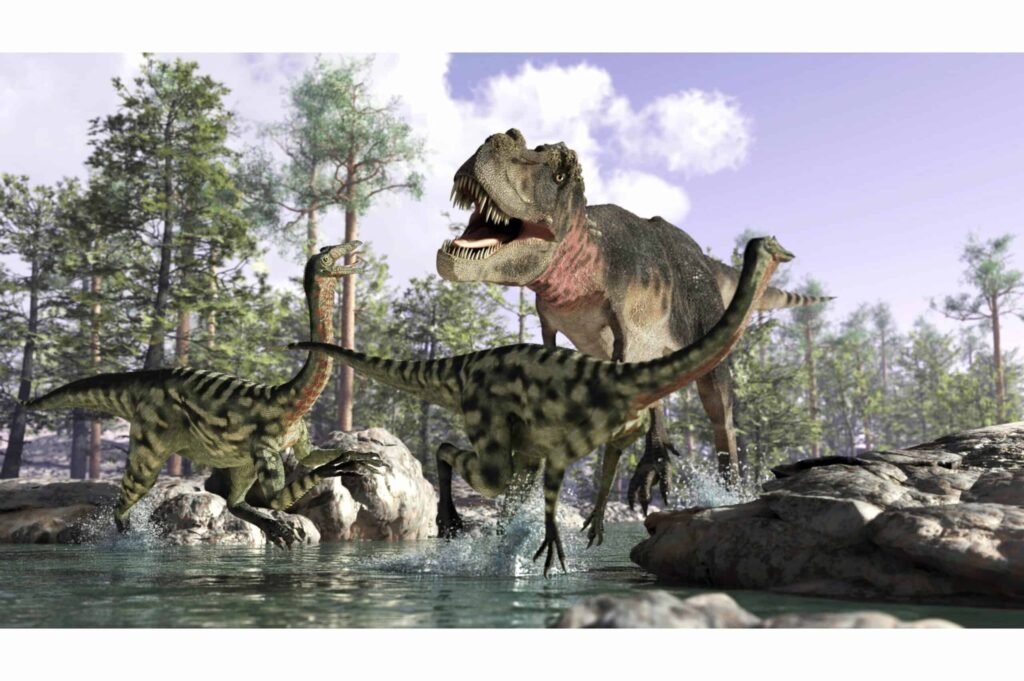
Tyrannosaurus rex, comfortably fitting into the “titanic” category, was a masterful predator of its time. Measuring up to 40 feet in length and weighing approximately 9 tons, T. rex’s formidable bite and keen senses made it an apex predator, capturing both scientific and public imagination as the quintessential dinosaurian predator.
Diplodocus: The Gentle Giant
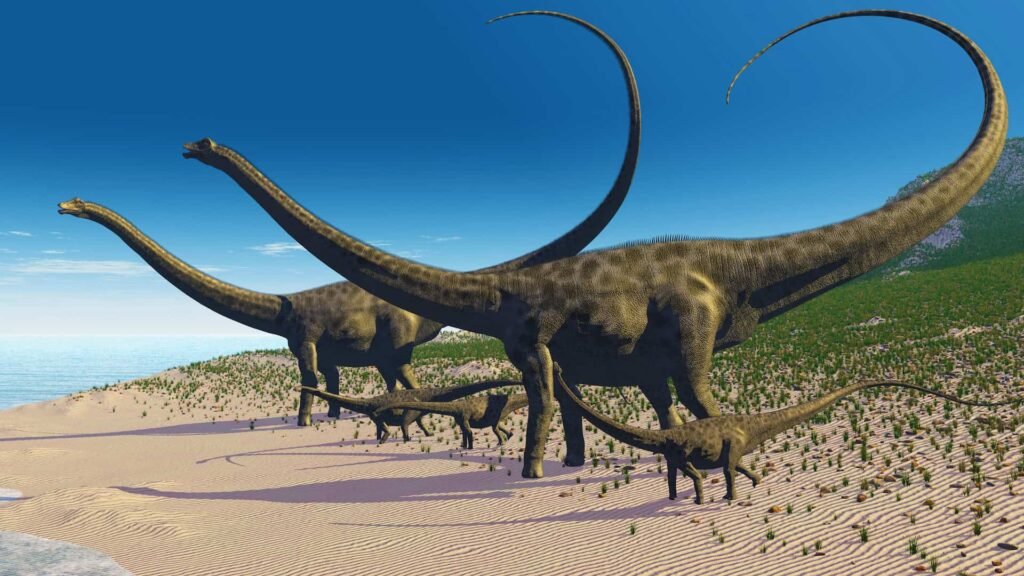
Diplodocus, known for its whip-like tail and astonishing length of up to 90 feet, was a gentle giant browsing vegetation. Its massive size and distinctive, elongated shape made it an elegant figure among the prehistoric landscape, illustrating the varied forms herbivorous dinosaurs could take during the late Jurassic period.
Parvicursor: The Feathered Miniature
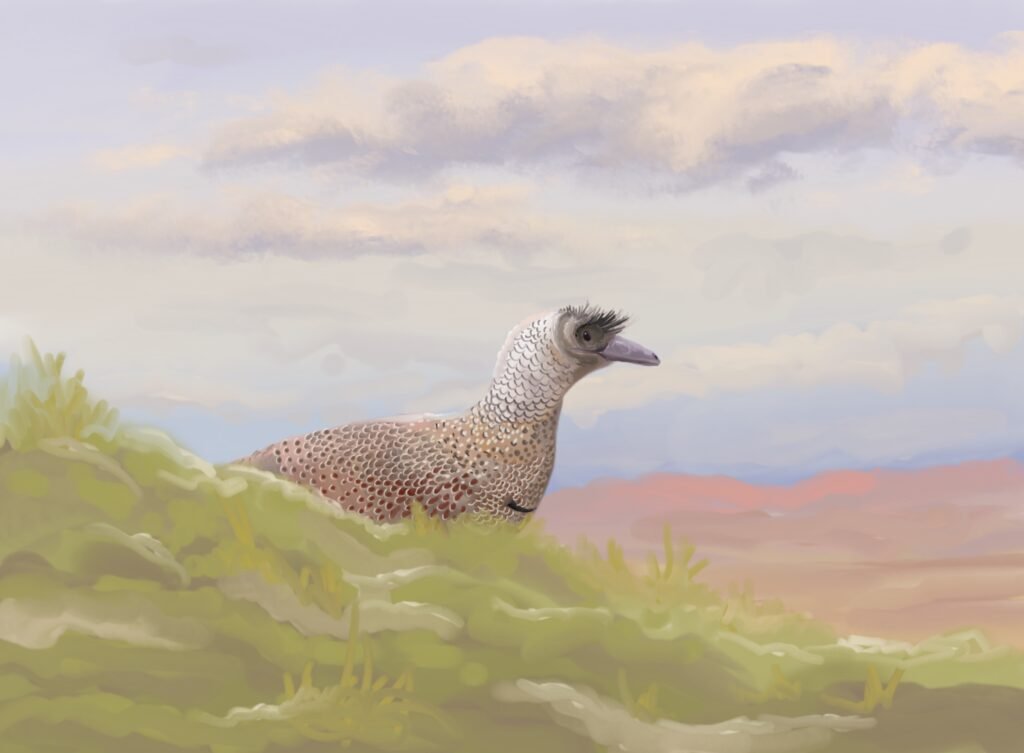
One of the tiniest known dinosaurs, Parvicursor measured just over a foot long. This small size provided advantages in maneuverability and access to different food resources, showing that dinosaurs could thrive in niches where larger species couldn’t. Its existence enriches our understanding of the ecological complexity and diversity among dinosaurs.
In conclusion, the vast range of dinosaur sizes provides a window into their evolutionary success and adaptability. From the tiny yet agile hunters to the titanic herbivores and predators, these extinct creatures dominated the prehistoric landscape through sheer diversity. By studying these extreme examples, we gain a deeper understanding of their ecology and the evolutionary processes that shaped their world. As we continue to explore their fossilized remains, the story of dinosaurs remains ever-illustrative of nature’s capacity for innovation and complexity.