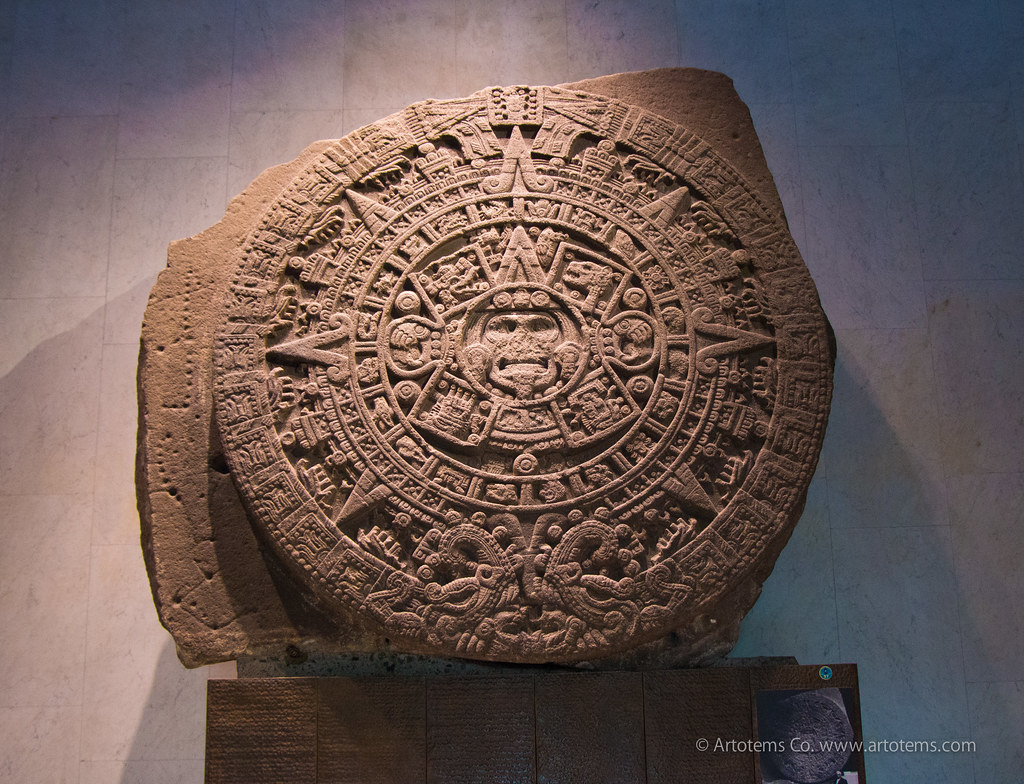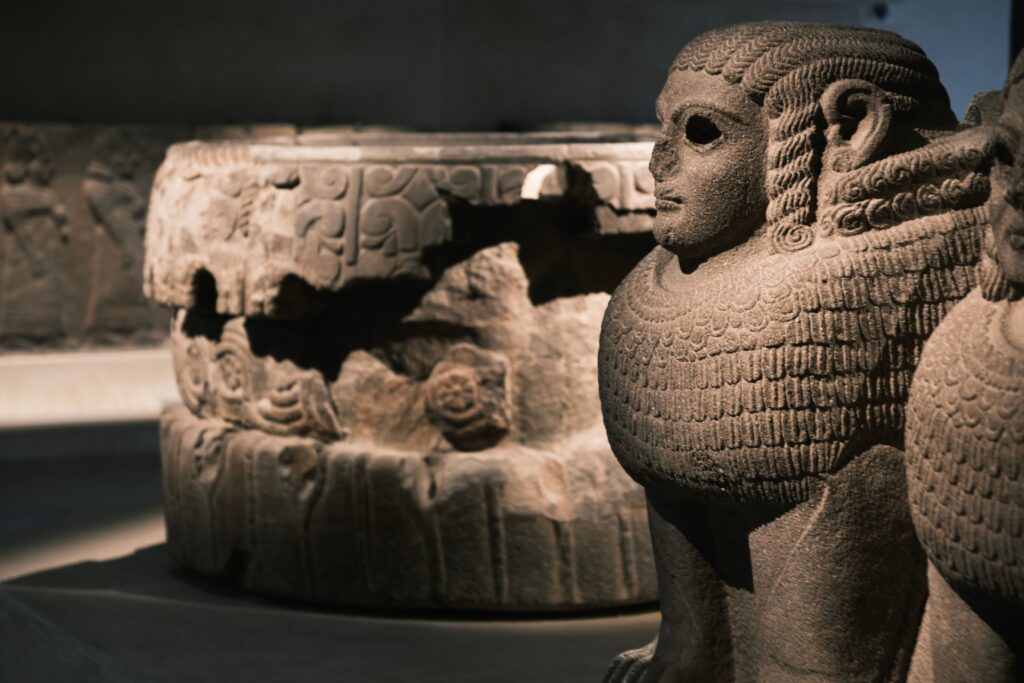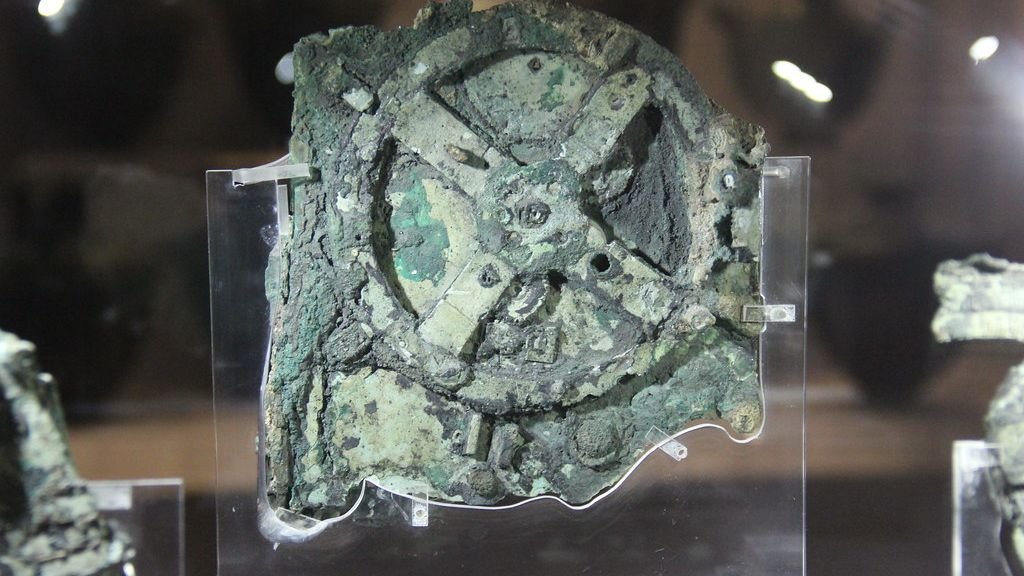
You probably grew up with the idea that history moves in a straight line: people in the past were primitive, and you live at the peak of human progress. Then you stumble on things like thousand‑year‑old stone blocks fitted together with hair‑thin gaps, concrete that outperforms some modern mixes, or a two‑thousand‑year‑old “computer” fished out of the sea, and suddenly that simple story falls apart. When you look closely, you keep finding moments where ancient technology feels strangely out of place, as if someone skipped a few chapters in the usual timeline. In this tour, you’re going to walk through nine civilizations whose skills still unsettle experts today. In each case, you’ll see where the evidence is solid, where it’s thin, and where you have to live with honest uncertainty instead of wild claims. You won’t need aliens or lost super‑cultures to be amazed. Ordinary humans, working with patience, math, and clever engineering, are already more incredible than any conspiracy theory.
Ancient Egypt: Precision Pyramid Builders And Master Engineers

You’ve heard about the pyramids your whole life, but when you actually dive into the technical side, your sense of scale changes fast. The Great Pyramid of Giza is aligned very closely to true north, its base is remarkably level, and millions of limestone blocks were placed with a consistency that would challenge a modern construction crew working without lasers or GPS. You’re not just looking at a pile of stones; you’re looking at a national‑scale logistics project, complete with quarries, transport routes, labor organization, and a shared architectural language that stayed coherent for generations.
The weird part is not that the Egyptians did this, but that they did it so early in complex state history, using copper tools, stone hammers, sledges, ramps, and astronomical observations instead of precision machines. When you factor in their sophisticated surveying, their stone‑cutting techniques, and an internal layout that uses narrow shafts and relieving chambers to distribute weight, the pyramids stop feeling like “big tombs” and start looking more like giant engineering textbooks carved into the desert. You may not buy into any talk of lost technologies, but you do have to accept that these builders pushed the limits of what basic tools and a deep understanding of geometry can do.
Mesopotamia And Babylon: The First Cities, Written Codes, And Astronomical Math
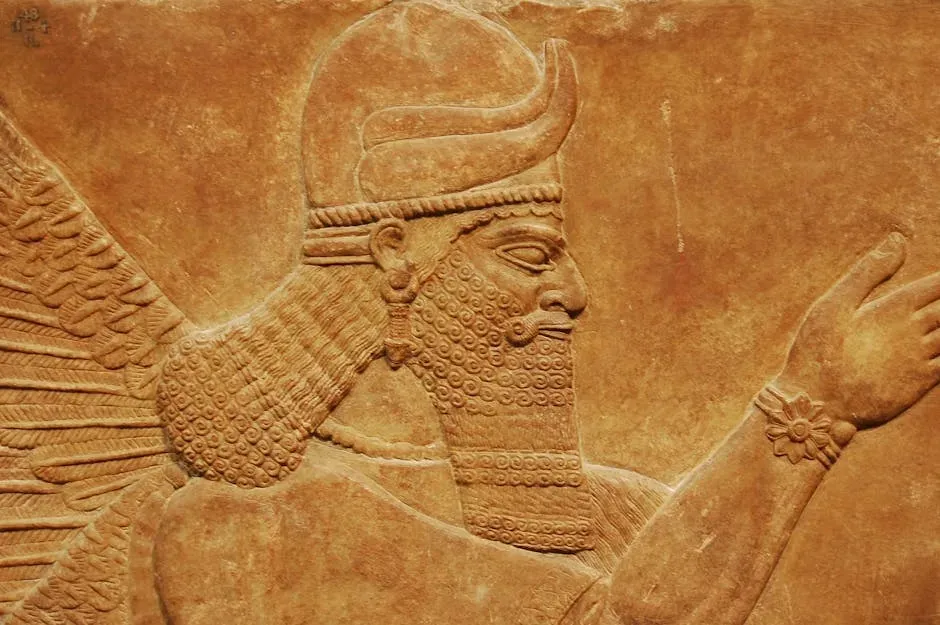
When you step into ancient Mesopotamia, especially the Babylonian world, you’re visiting a place where technology did not just mean tools, it meant systems. Here you see some of the first true cities, supported by complex irrigation networks that turned unpredictable rivers into reliable lifelines. You also see writing emerge as a practical technology: at first to track grain and labor, and then to record contracts, laws, astronomical observations, and mathematical tables. It’s not romantic, but the ability to write down interest rates or boundary agreements is the kind of quiet tech that holds a civilization together.
Babylonian astronomers pushed things even further, turning the night sky into a predictable machine you could calculate and forecast. They used number systems that allowed you to handle fractions and large quantities elegantly, and they compiled long‑term records of planetary motion that later fed into Greek and Islamic science. When you look at clay tablets full of carefully organized numbers, you’re basically watching the early version of a spreadsheet, created thousands of years before electricity. You might not think of scribes with styluses as “high tech,” but the combination of math, record‑keeping, and state planning they built still underpins how you run societies today.
The Indus Valley Civilization: Urban Planning And Plumbing Ahead Of Its Time
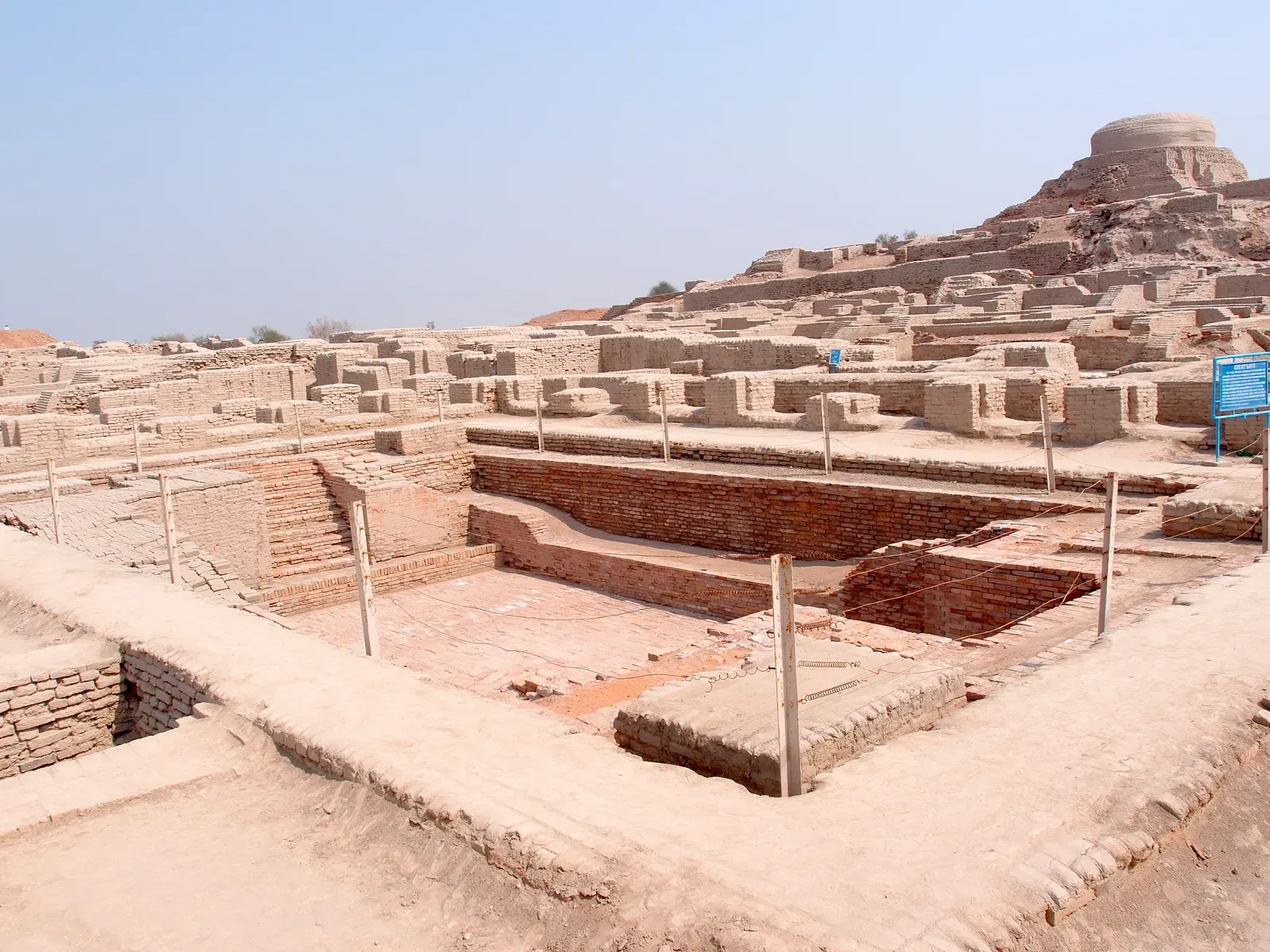
If you want a civilization that feels oddly modern, you go straight to the Indus Valley cities like Mohenjo‑daro and Harappa. You walk through their ruins and find straight, gridded streets, standardized bricks, and buildings planned with a consistency that suggests serious central rules or very strong shared norms. Most striking of all, you find houses that connect to covered drains, soak pits, and sewage systems that run beneath the streets. In some neighborhoods, almost every home seems to have access to some kind of washing or bathing area, linked directly into the drainage network.
What makes it so mysterious is how much you still do not know. Their script remains undeciphered, their power structures are unclear, and you see relatively little in the way of obvious palaces or giant war monuments. Yet they pulled off city planning, water management, and standardized construction on a scale and with a kind of quiet efficiency that many later societies never matched. You’re left with a strange contrast: incredibly advanced practical technology in sanitation and urban design, paired with a social story that is still mostly locked away. It forces you to admit that a civilization can be technically sophisticated without leaving behind the narrative clues you’re used to.
Ancient China: Seismographs, Engineering, And Early High‑Tech Instruments
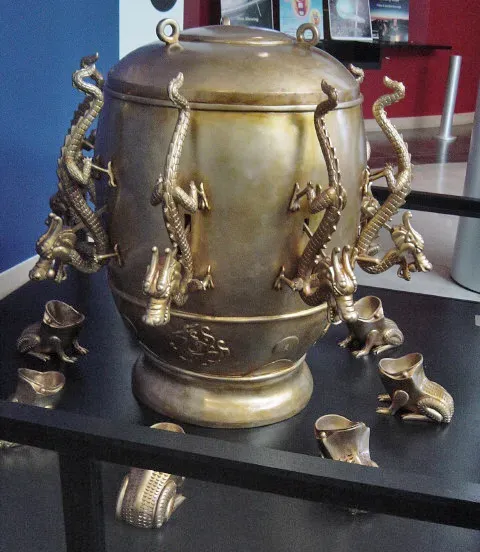
When you think of ancient Chinese technology, you might picture paper, silk, or gunpowder, but the story goes even deeper into devices that almost read like steampunk prototypes. Historical records describe an early seismograph in the Han dynasty that could reportedly detect and indicate the direction of distant earthquakes using a system of internal mechanisms and decorative dragons dropping metal balls. Even if the reconstructions you see today are partly interpretive, you’re dealing with people who thought seriously about measuring invisible forces and turning that into useful, observable output.
On top of that, you see sophisticated iron casting, advanced agricultural tools like improved plows, early versions of navigational instruments, and massive hydraulic works that managed water for farming and flood control. Large projects such as canals and defensive structures demanded surveying, logistics, and materials science that go well beyond simple trial and error. You can stand on a modern dam or look at a satellite image of a canal system and still see the fingerprints of principles first hammered out in early Chinese engineering. It reminds you that “high tech” is not just about gadgets; it is also about the deep, sometimes invisible infrastructure that makes everything else possible.
Classical Greece: The Antikythera Mechanism And Mechanical Genius
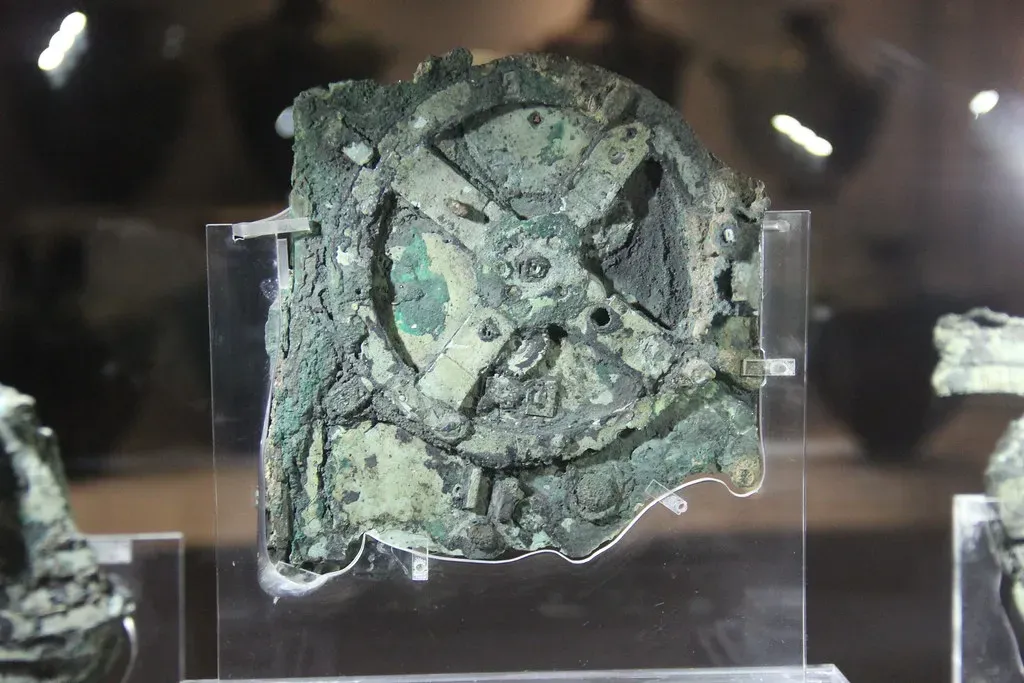
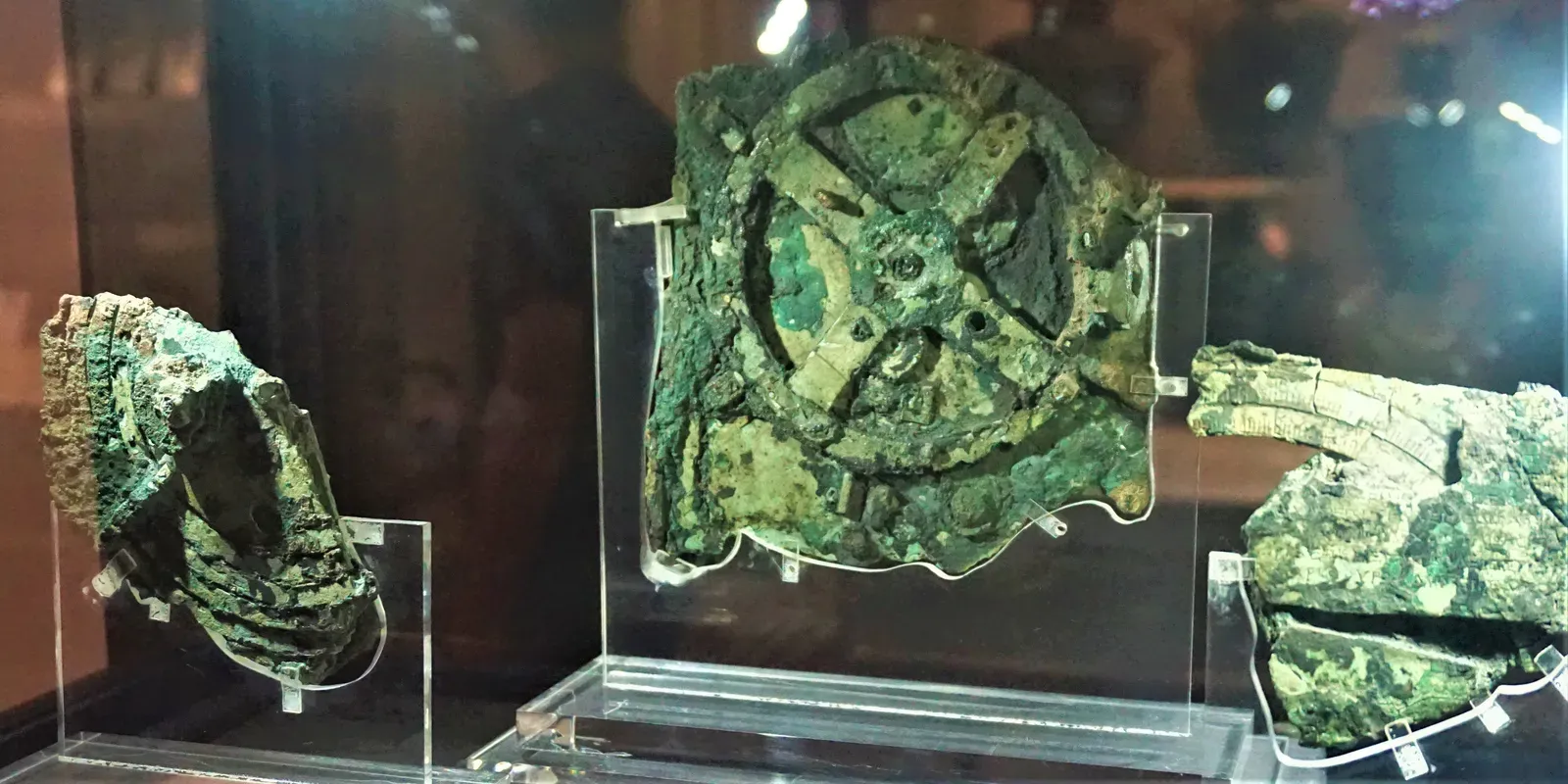
If there’s one single object that shatters your assumptions about ancient technology, it is the Antikythera mechanism from ancient Greece. Pulled from a shipwreck and dated to roughly the second or first century BCE, this corroded lump of bronze turned out to be a gear‑driven device capable of modeling celestial cycles, tracking eclipses, and possibly even indicating athletic games tied to specific calendars. When researchers used imaging techniques to reconstruct its internals, they found dozens of finely cut gears working together like a compact analog computer, centuries before anything comparable appears again in the record.
You can easily underestimate how radical that is. To build such a mechanism, craftspeople needed precise metalworking, complex mathematical models of astronomical motion, and a cultural environment that valued such precision enough to pay for it. And that was on top of a broader Greek toolkit that already included advanced surveying instruments, compound pulleys, water‑raising devices, and carefully engineered war machines. When you picture a Greek philosopher staring at the stars, it helps to also picture instrument‑makers in crowded workshops, grinding, cutting, and fitting components so that abstract theories could literally turn on tiny bronze teeth.
Ancient Rome: Concrete, Megastructures, And Infrastructure That Endures
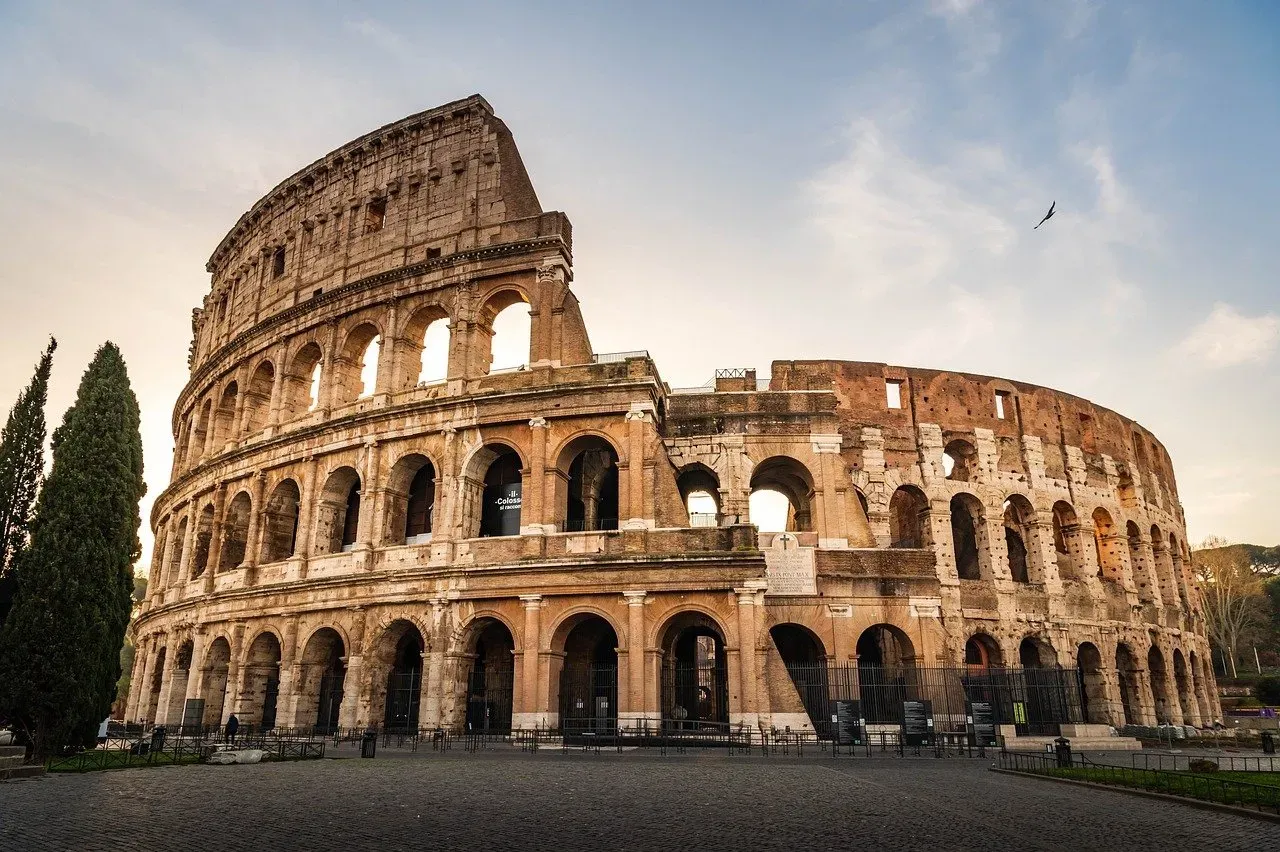
Rome’s genius shows up every time you see a ruin that refuses to behave like a ruin. Roman concrete structures, especially those that used volcanic ash in coastal or long‑lasting mixes, have survived in harsh environments that would chew through many modern concretes in a few decades. The Pantheon’s unreinforced concrete dome, with its carefully graded aggregate and subtle weight‑saving tricks, still stands as one of the most impressive single pieces of engineering on the planet. You’re looking at people who not only discovered a powerful material but learned how to tune it deliberately for different purposes.
Then you add the roads, aqueducts, bridges, and sprawling baths that depended on that material and on a mature understanding of surveying, hydraulics, and standardization. Roman surveyors laid out routes over long distances with a precision that let roads shed water correctly and stay usable for centuries. Aqueducts maintained gentle gradients over many miles, moving water across uneven terrain with patient, cumulative engineering decisions. When you drive on a highway or turn on a faucet today, you are echoing patterns that Roman planners and builders made routine long before computer models existed.
The Nazca Culture Of Peru: Giant Geoglyphs And Landscape‑Scale Design
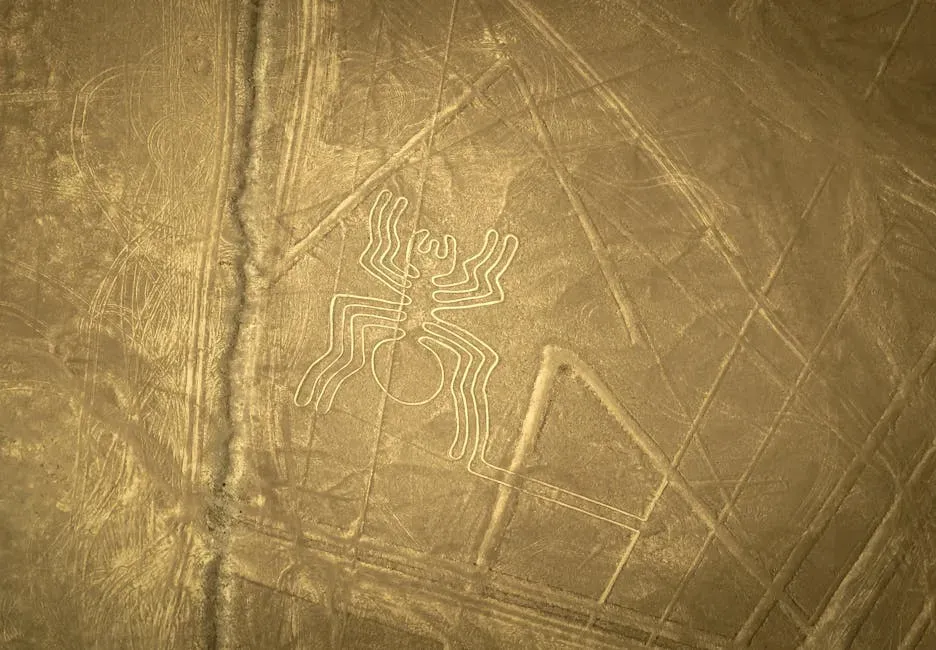
In southern Peru, the Nazca culture left behind one of the most visually shocking forms of ancient “technology”: geoglyphs etched into the desert floor that stretch for hundreds of meters, forming lines, shapes, and stylized animals only fully obvious when you gain altitude. From the ground, many of them look like shallow grooves or paths in a flat, stony plain; from above, they suddenly snap into geometric figures, spirals, trapezoids, and creatures like birds, monkeys, and spiders. You’re confronted with a culture that treated the whole landscape as a kind of canvas or ritual surface, scaled to a point where normal human perspective almost fails.
You do not have to assume aircraft or satellites to explain them, but you do have to credit careful planning, surveying, and a sense of large‑scale design. Simple tools like ropes, stakes, and sightlines from nearby hills can produce straight lines and shapes you could walk along without seeing the full picture. Researchers have tied many of these figures to ritual pathways, water symbolism, and astronomical directions, suggesting a blend of engineering and cosmology rather than pure art. The real mystery for you is not how they did it in a physical sense, but how they consistently coordinated large groups of people to maintain these vast earthworks over generations in such a harsh environment.
Tiwanaku And Puma Punku: High‑Precision Stonework On The Andean Plateau
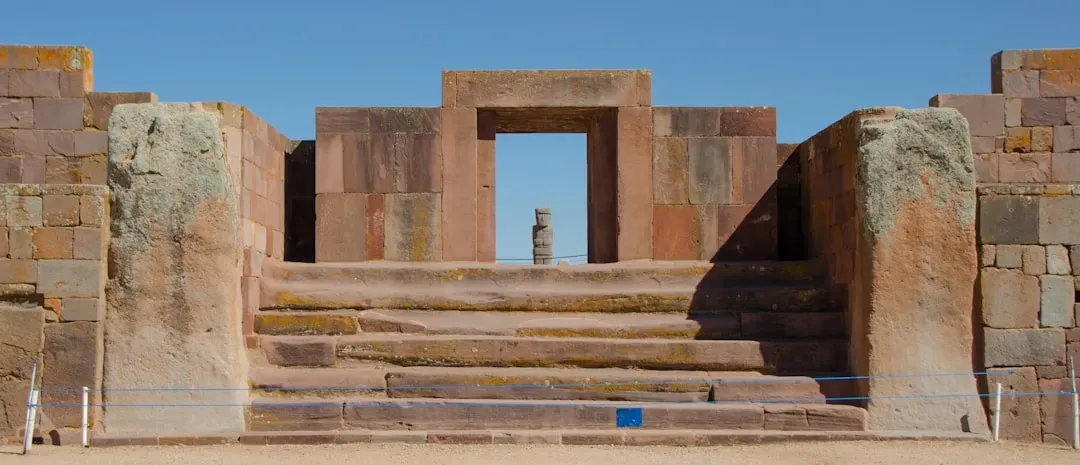
On the high plateau of Bolivia, near Lake Titicaca, the ruins of Tiwanaku and its Puma Punku complex present you with another case where ordinary stone suddenly looks anything but ordinary. Massive blocks are cut with crisp edges, right angles, and interlocking shapes that slot together like modular components. Some stones feature channels, grooves, and repeated patterns that suggest standardized templates rather than one‑off improvisation. When you stand in front of them, especially in photos where modern tools are not in frame, it is easy to feel as if you are looking at machine‑made parts scattered across an open field.
Archaeologists can show you plausible techniques involving pounding stones, abrasives, and patient craftsmanship to explain this precision, and they rightly point out that no advanced metal tools or power equipment have turned up in the digs. Still, the combination of altitude, climate, scale, and repeatable accuracy forces you to adjust your expectations of what a preindustrial society can manage. Tiwanaku also tied this stonework into broader systems of agriculture, ritual, and trade that stretched across the Andes. You are not seeing an isolated anomaly; you are seeing the sharp edge of a whole technological and cultural ecosystem that later collapsed, leaving its hardest pieces as the main witnesses.
Byzantium: Greek Fire And The Art Of Military Chemistry

When the Western Roman Empire fell, the Eastern Empire in Constantinople kept going, evolving into what you know as Byzantium, and it guarded one particular technological secret so fiercely that you still do not fully understand it today. That secret is often called Greek fire, a flammable weapon reportedly capable of burning on water and projected from specialized devices on ships or walls. Historical accounts describe its terrifying effectiveness in naval battles, where enemy vessels could be set ablaze in ways that were extremely hard to counter with normal firefighting methods of the time.
Modern chemists and historians can propose recipes using petroleum distillates, resins, and other ingredients, but the exact formula and delivery system remain uncertain because they were treated as state secrets and never clearly recorded in surviving technical manuals. What you can say confidently is that Byzantine military engineers were mixing practical chemistry, pressure systems, and battlefield tactics into a coherent, deployable technology. In a world without industrial labs, they turned knowledge of flammable materials into a weapon that shaped geopolitical outcomes for centuries. It is a reminder that sometimes the most advanced “technology” in history is not a device you can put in a museum, but a carefully guarded process that dies when the last people who know it are gone.
Conclusion: Rethinking What “Advanced” Really Means
As you step back from these nine civilizations, a pattern starts to emerge that is both humbling and oddly comforting. You see that “advanced technology” is not a straight ladder where each rung neatly replaces the last; instead, it is more like a forest, with branches that grow, wither, and sometimes vanish entirely. The Antikythera mechanism, Indus plumbing, Roman concrete, and Greek fire all show you that very sophisticated solutions can appear, flourish briefly, and then be lost or reinvented much later under different names. That does not mean history is hiding secret super‑civilizations; it means humans everywhere have always been experimenting at the edge of what their tools and knowledge allowed.
For you, the real mystery is not whether ancient people had lasers or electricity, but how much creativity and persistence they squeezed out of wood, stone, bronze, and observation. When you walk through a modern city or scroll past satellite images of the Earth, you are looking at the latest layer of a very old story that started with surveyors watching stars, masons tapping blocks into place, and scribes scratching numbers into clay. Maybe the most useful question you can carry away is this: if they could do that with what they had, what might you be overlooking in your own time that future people will find just as baffling and impressive?