
The annals of paleontology are rich with discoveries that constantly showcase the diversity and complexity of life that once thrived on our planet. One such fascinating discovery is the Rajasaurus, a dinosaur species that inhabited the Indian subcontinent during the Late Cretaceous period. Despite its formidable presence, this “King Lizard” remains largely overshadowed by its more famous contemporaries like the Tyrannosaurus Rex. This article aims to shine a light on this intriguing beast, exploring its history, characteristics, and significance in the vast timeline of Earth’s ancient life.
Discovery in the Heart of India
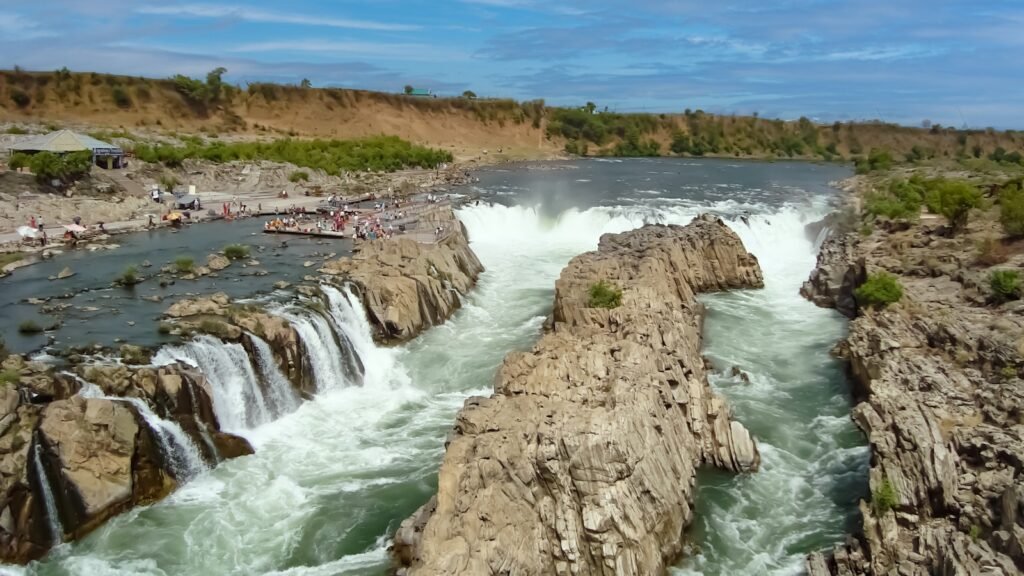
The journey to uncovering Rajasaurus began in the geological formations of the Narmada Valley in western India. It wasn’t until 2003 that this species was identified and classified. The name Rajasaurus narmadensis, translating to “Regal Lizard from the Narmada,” reflects both its majestic stature and the location of its discovery. This identification was a collaborative effort by Indian and American scientists who pieced together the fossilized remains to create a picture of what this dinosaur might have looked like.
Physical Characteristics
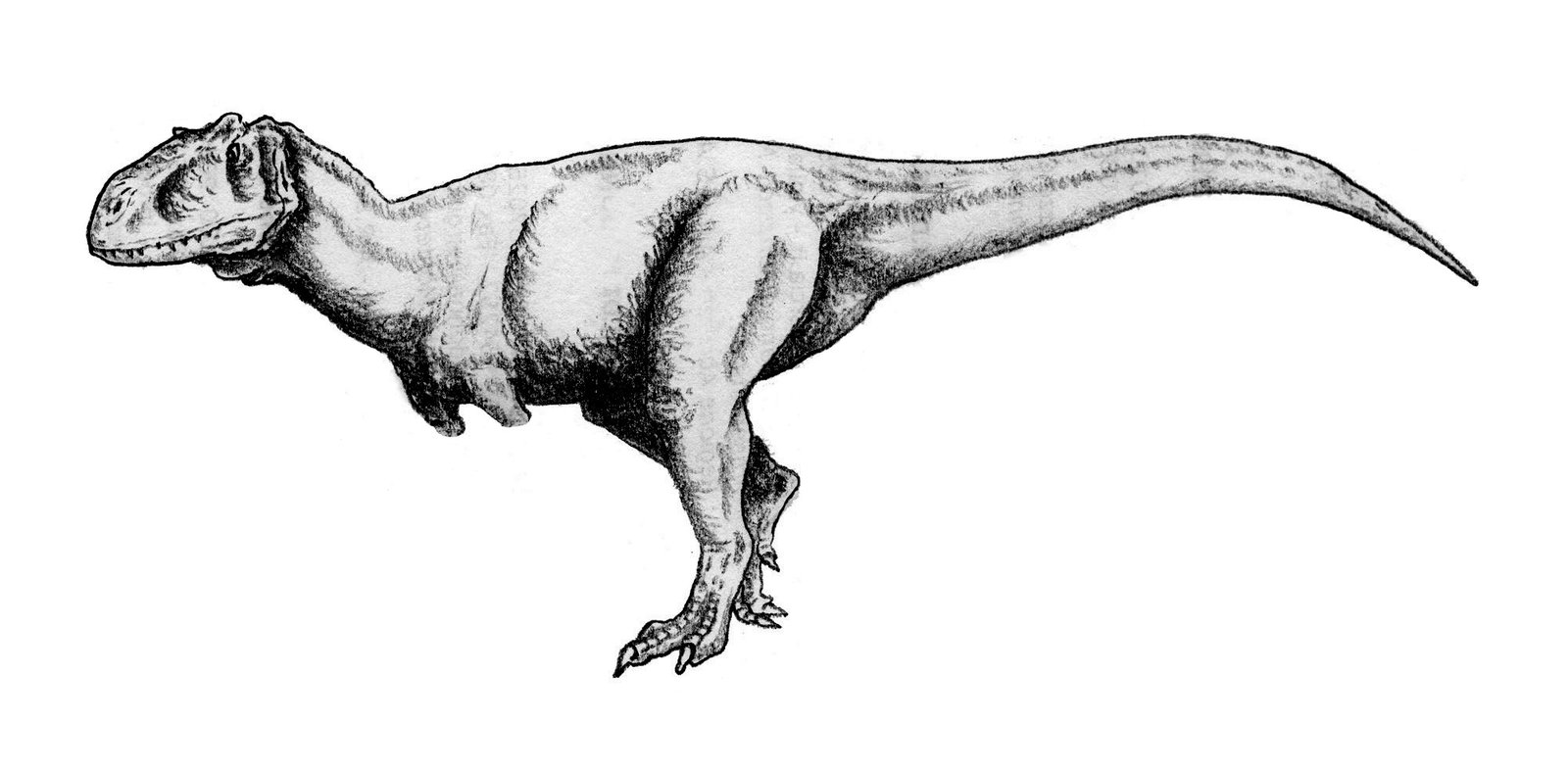
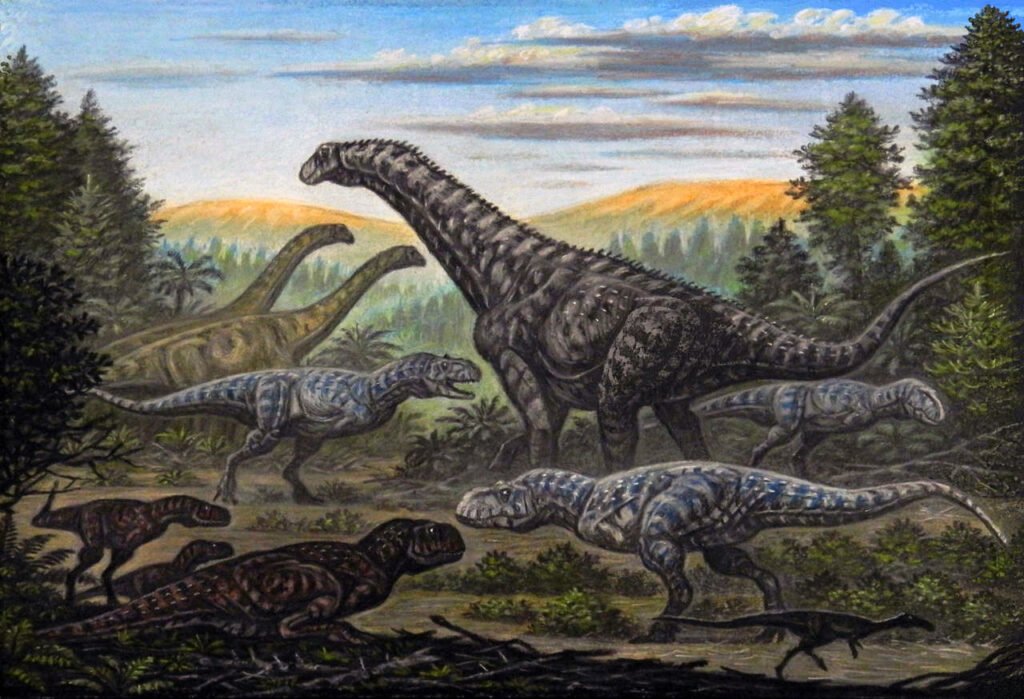
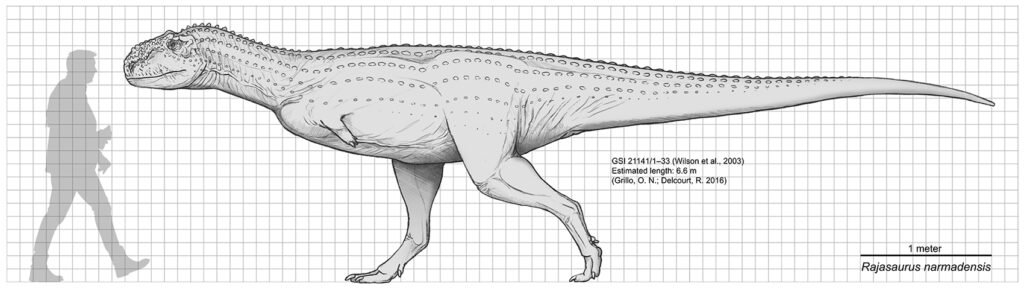
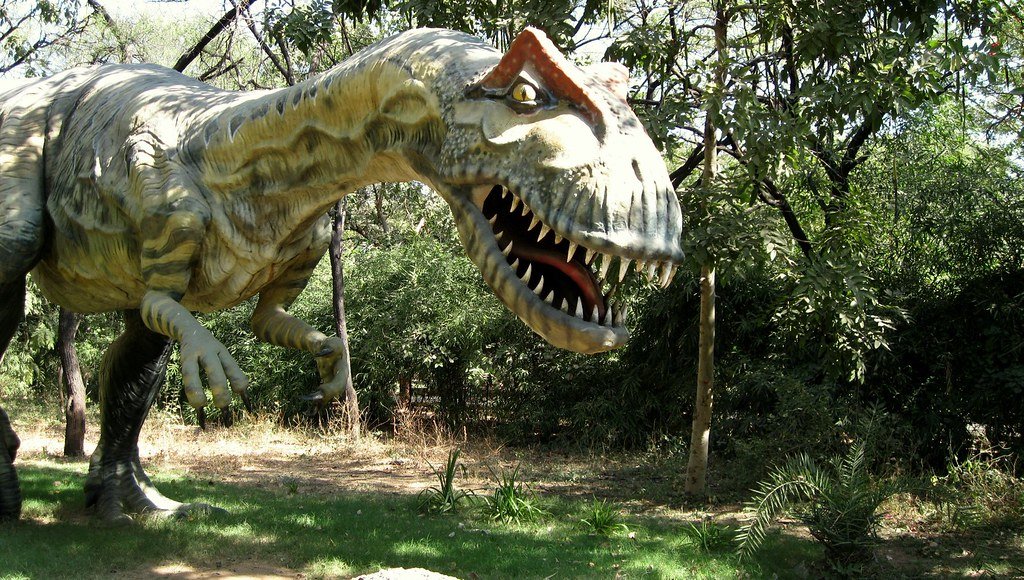
Rajasaurus was a theropod dinosaur, a group characterized by hollow bones and three-toed limbs. This formidable carnivore measured approximately 30 feet in length and stood around eight feet tall at the hips. One of its most distinctive features was a bony crest on its head, which likely served a display purpose, possibly for mating rituals or intimidating rivals. The robust build and strong legs of Rajasaurus suggest it was tailored for both power and agility, critical traits for a predator of its time.
Adaptations and Predatory Behavior
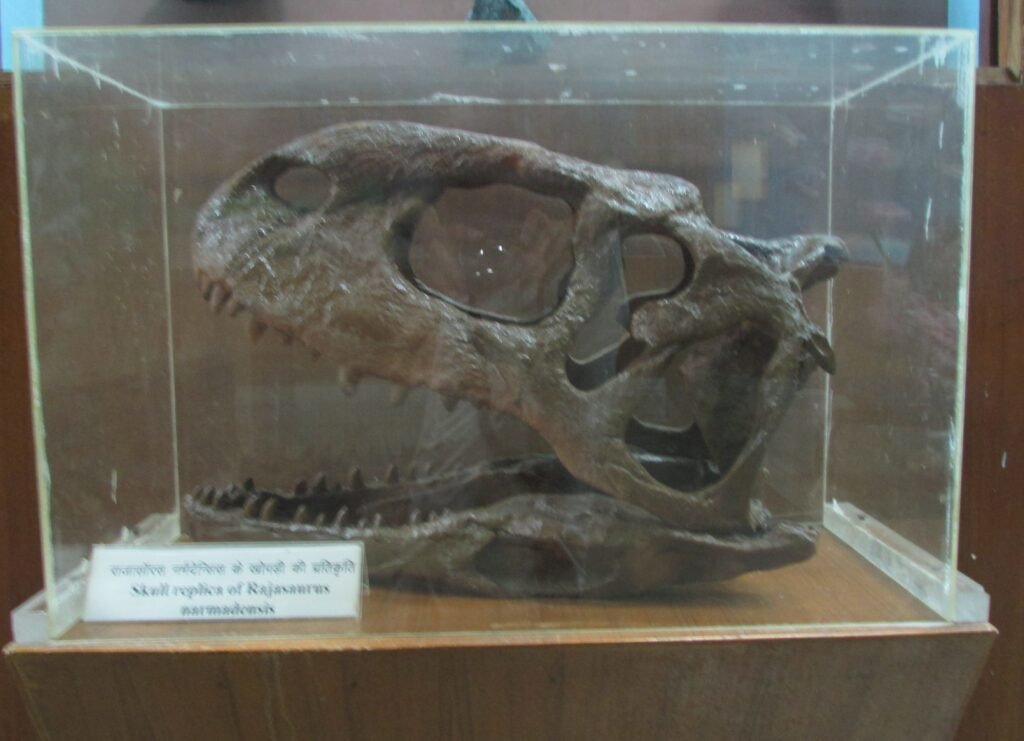
As a carnivorous dinosaur, Rajasaurus equipped itself with an array of evolutionary tools perfect for hunting. Its serrated teeth were designed to slice through flesh, and its strong jaw muscles allowed for a crushing bite. Paleontologists hypothesize that Rajasaurus might have been an ambush predator, relying on the element of surprise to capture its prey. This strategy would have been crucial in the dense, forested ecosystems it likely inhabited.
Habitat and Environment
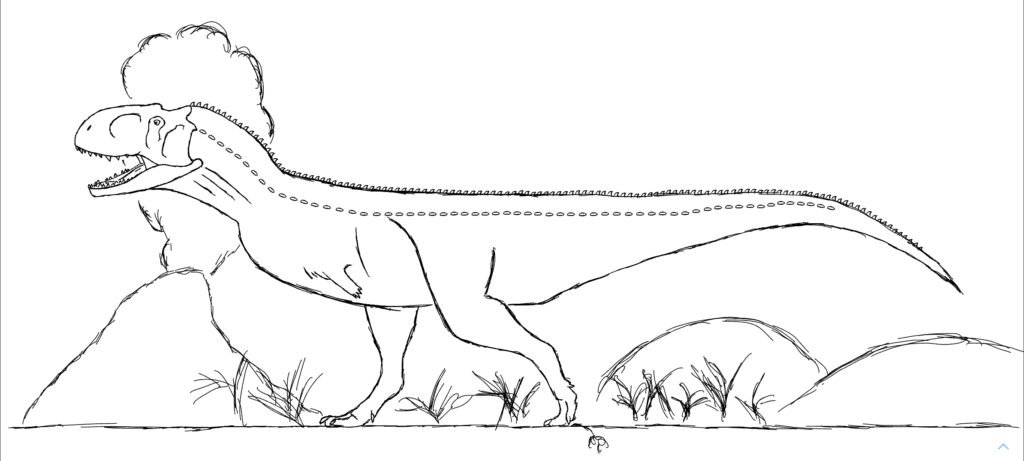
The landscape of ancient India during the time of Rajasaurus was vastly different from today. The subcontinent was an isolated landmass, surrounded by seaways, with a tropical climate made up of lush forests and thriving vegetation. This environment provided a rich array of potential prey species, creating a dynamic ecosystem where Rajasaurus could reign as a top predator.
Significance of Rajasaurus
The discovery of Rajasaurus is more than just a glimpse into the past. It provides critical insights into the evolutionary trajectory of theropods in the Indian subcontinent. Its existence is a testament to the unique evolutionary pathways that can occur in isolated environments. Moreover, it offers paleontologists valuable data to understand the biogeographical history of India, which plays a crucial role in the broader narrative of dinosaur evolution.
Why is Rajasaurus Relatively Unknown?
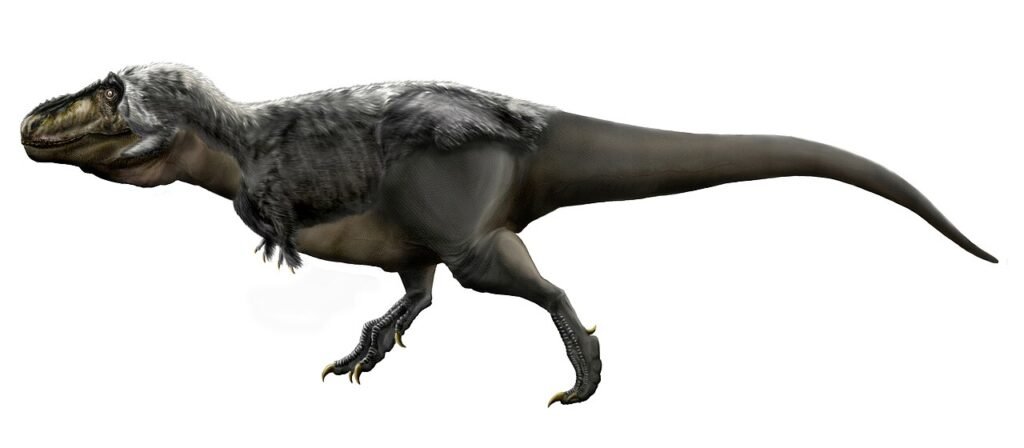
The modest fame of Rajasaurus compared to other dinosaurs like T-Rex might be attributed to several factors, including the late discovery and limited fossil record. While only partial remains have been found, these have been enough to confirm its classification, but not enough to captivate public imagination like more complete sets found elsewhere. Additionally, the exuberant scientific attention often centers on dinosaurs discovered in North America and Europe, overshadowing those found in other regions.
India’s Rich Dinosaur Heritage
While Rajasaurus is a relative newcomer to the list of known dinosaur species, its discovery underscores the rich prehistoric heritage of India. The subcontinent’s sedimentary layers hold a treasure trove of fossils waiting to be unearthed, offering the promise of further revelations about Earth’s evolutionary past. From the mighty Titanosaurus to the small, feathered Shuvuuia, India’s prehistoric record continues to contribute significantly to our understanding of ancient life.
Conclusion: A Regal Beast of the Past

Though it didn’t garner the fame of some of its counterparts, Rajasaurus remains an essential piece of the puzzle in the study of dinosaur evolution. Its discovery enriches our understanding of the biodiversity that once existed on the Indian subcontinent and provides a fascinating glimpse into the lives of the creatures that roamed the Earth millions of years ago. As paleontologists continue to unearth new discoveries, Rajasaurus stands as a reminder of the untold stories hidden beneath our feet, waiting to be uncovered.