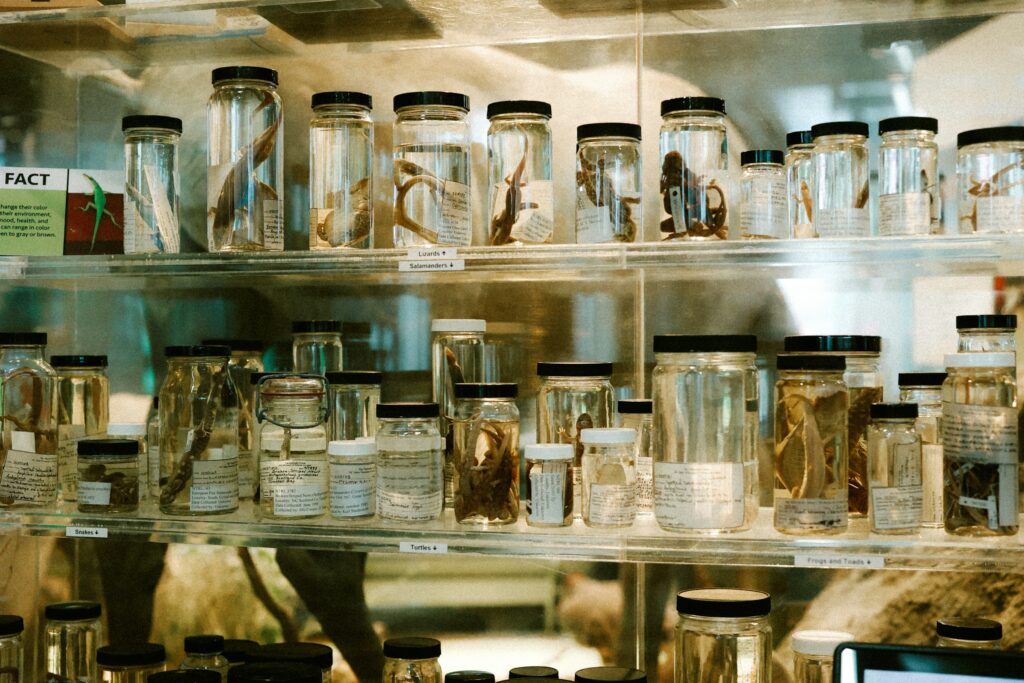
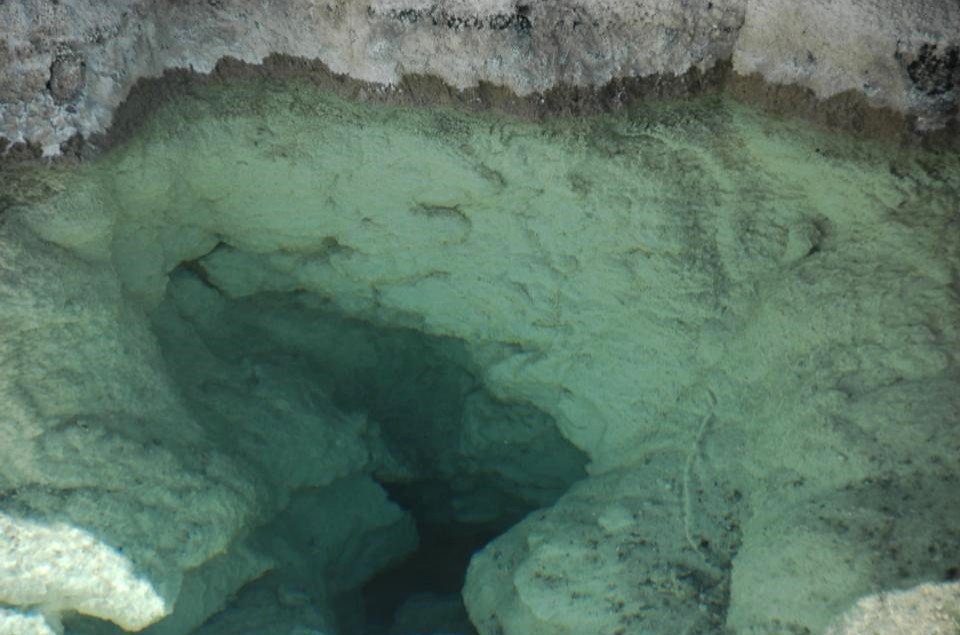
Biodiversity, the intricate web of life that spans our planet, is increasingly under threat. Human activities have accelerated the rate of species extinction, leading to significant loss of biodiversity. This article explores the causes of biodiversity loss and suggests actionable steps we can take to reverse this alarming trend.
Understanding Biodiversity

Biodiversity refers to the variety of life on Earth, encompassing the different species, ecosystems, and genetic variations within these species. It plays a crucial role in maintaining the balance of ecosystems, providing humans with vital services such as clean air, water, and fertile soil. The interconnection between species ensures the resilience and sustainability of natural environments.
Major Causes of Biodiversity Loss

Several factors contribute to the decline in biodiversity. Habitat destruction, primarily due to deforestation, urban development, and agriculture, is a significant driver. Pollution, including plastic waste and chemical runoffs, further degrades natural habitats. Climate change exacerbates these issues by altering habitats and stressing species. Overexploitation through activities like poaching and overfishing also depletes wildlife populations.
Impact of Biodiversity Loss

The decline in biodiversity affects ecosystem functionality and reduces the resilience of natural environments. This can lead to the collapse of ecosystems, affecting food security, increasing vulnerability to natural disasters, and impacting human health. Moreover, it diminishes the planet’s natural beauty and the intrinsic value of species diversity.
Protecting Natural Habitats

One of the most effective ways to conserve biodiversity is through the protection and restoration of natural habitats. Establishing protected areas, such as national parks and wildlife reserves, can help preserve vital ecosystems. Restoration projects aim to rehabilitate degraded landscapes and reintroduce native species, enhancing ecosystem functionality.
Combating Climate Change

Addressing climate change is critical for biodiversity conservation. Global efforts to reduce carbon emissions need to be strengthened. Individual actions, such as reducing energy consumption and supporting renewable energy sources, can contribute to larger environmental benefits. Restoring forests and other carbon sinks plays a dual role in climate mitigation and habitat preservation.
Sustainable Resource Management

Adopting sustainable practices in agriculture, fishing, and forestry can mitigate biodiversity loss. This includes promoting organic farming, implementing sustainable fishing quotas, and adopting logging practices that preserve forest integrity. Consumers can support biodiversity by choosing sustainably sourced products.
Educating and Engaging Communities

Public awareness and education are vital for fostering a culture of conservation. Community engagement programs can empower individuals to take part in conservation efforts and adopt sustainable lifestyles. Educational initiatives in schools and communities can cultivate an appreciation for the natural world and inspire future conservationists.
Supporting Biodiversity Research
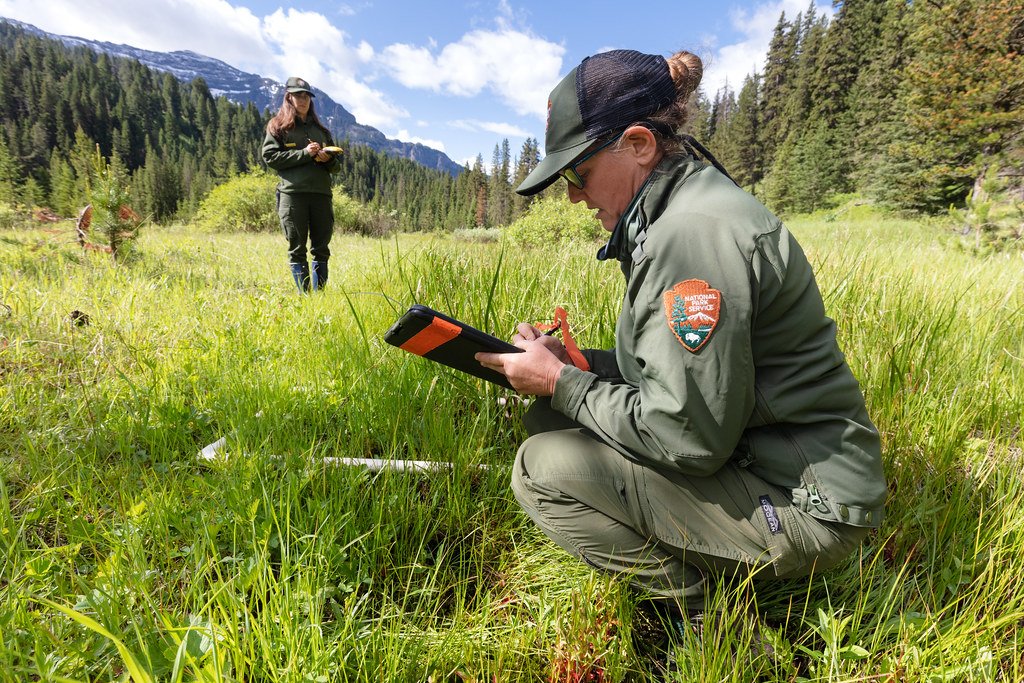
Research plays a critical role in understanding biodiversity and developing effective conservation strategies. Supporting scientific research, especially in areas like taxonomy, ecosystem services, and climate resilience, can inform policy and conservation initiatives. Collaborations between governments, NGOs, and research institutions are essential.
Legislation and Policy Implementation

Effective legal frameworks and robust enforcement are crucial for biodiversity conservation. Governments need to enact and enforce laws that protect endangered species and habitats. International agreements, such as the Convention on Biological Diversity, provide a platform for global cooperation in conservation efforts.
Corporate Responsibility

Businesses have a significant impact on biodiversity and can play an active role in conservation. Companies should integrate biodiversity considerations into their operations and supply chains. Corporate social responsibility (CSR) initiatives can prioritize sustainability and support environmental conservation projects.
Promoting Indigenous and Local Knowledge

Indigenous and local communities often possess valuable ecological knowledge and practices that can contribute to biodiversity conservation. Recognizing and integrating traditional knowledge systems can enhance conservation strategies and ensure the sustainable use of natural resources.
Citizen Science and Technology

Advancements in technology provide new tools for monitoring and protecting biodiversity. Citizen science projects, where volunteers collect and share data on local species, can enhance scientific research. Technologies like satellite imagery and bioacoustics offer valuable insights into ecosystem health and species population trends.
Conclusion: A Collective Effort for the Future
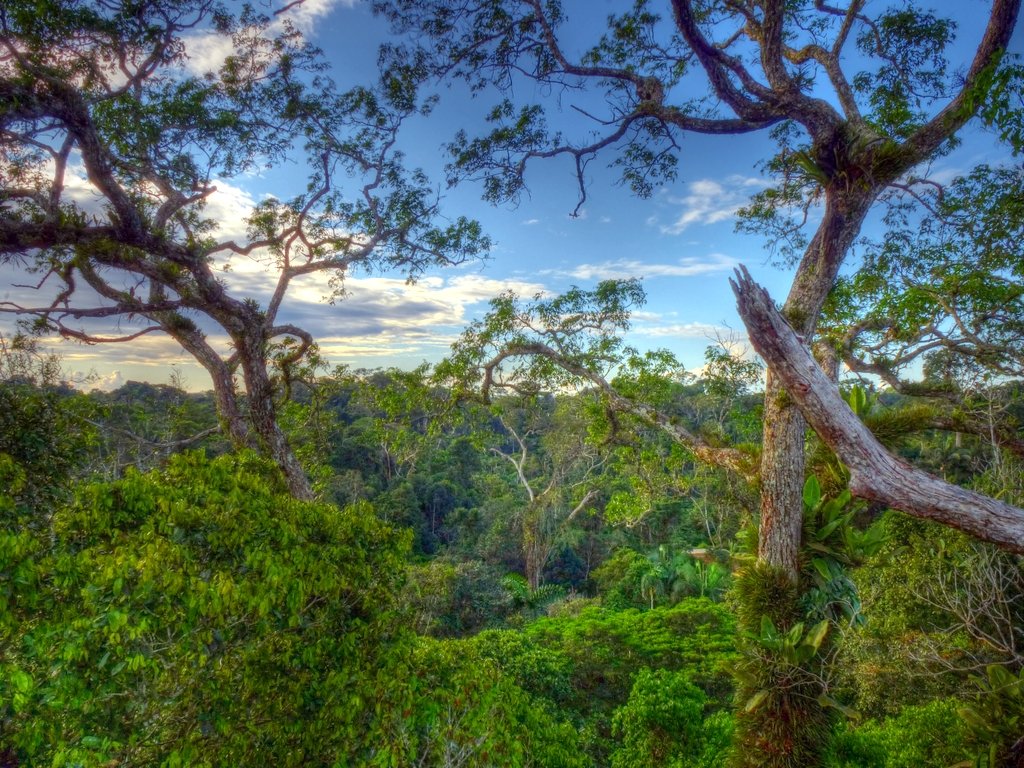
Reversing biodiversity loss requires a concerted effort from individuals, communities, governments, and organizations worldwide. By protecting natural habitats, addressing climate change, and fostering sustainable resource management, we can halt and even reverse the trend of biodiversity loss. By valuing and respecting the natural world, we not only preserve its diversity but also ensure a more resilient and sustainable future for all living beings.