As our planet undergoes dramatic environmental changes, the adaptability of life becomes more crucial than ever. Climate change challenges ecosystems and species, but evolution plays a pivotal role in helping many living organisms survive and thrive despite these upheavals. This article explores how evolution drives adaptation in various species, highlighting both the resilience of life and the urgency of addressing climate change.
Understanding Evolutionary Adaptation

Evolutionary adaptation is the process through which species adjust to their environment over generations. Natural selection, where favorable traits become more common in a population, is a key mechanism of evolution. These traits can be structural, behavioral, or physiological, allowing species to better cope with changes in their habitat. As climate change alters environments, these adaptive traits are critical for survival.
The Impact of Climate Change on Ecosystems

Climate change affects ecosystems worldwide by altering temperatures, precipitation patterns, and sea levels. These changes disrupt habitats, food sources, and migration patterns, forcing species to adapt quickly or face extinction. Understanding these impacts allows scientists to study how evolution may aid in a species’ survival.
Rapid Evolution in Response to Climate Change
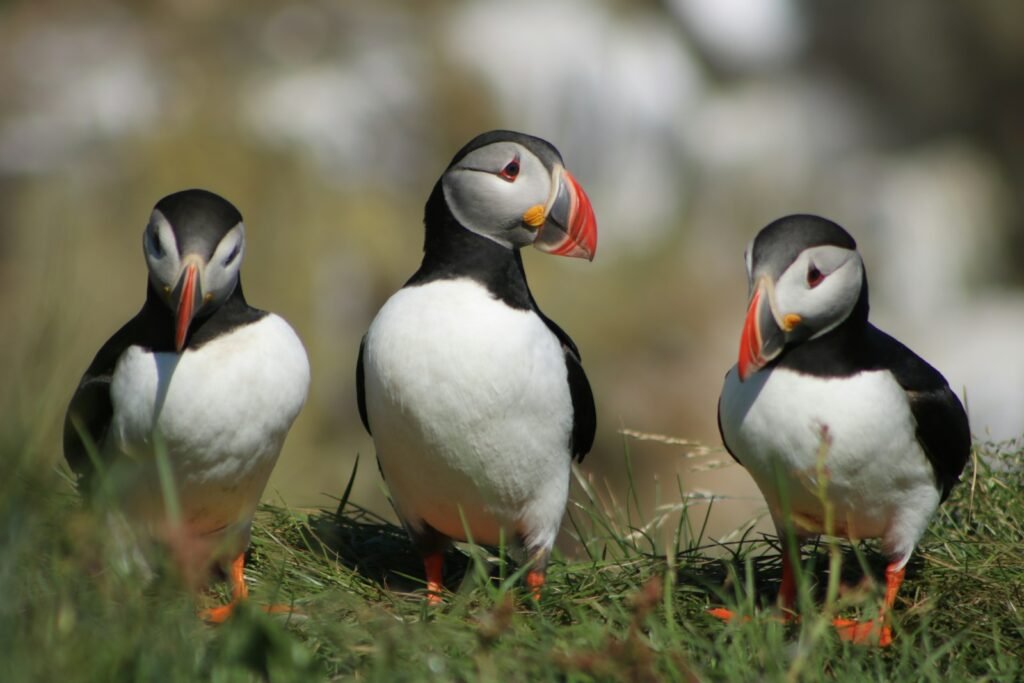
Historically, evolution is perceived as a slow process. However, some species demonstrate rapid evolution when faced with environmental stresses, including those induced by climate change. This accelerated evolution can occur over just a few generations, offering hope for some species. For instance, certain bird populations have developed altered migration patterns to adjust to temperature changes, showcasing rapid evolutionary responses.
Examples of Adaptation in Mammals
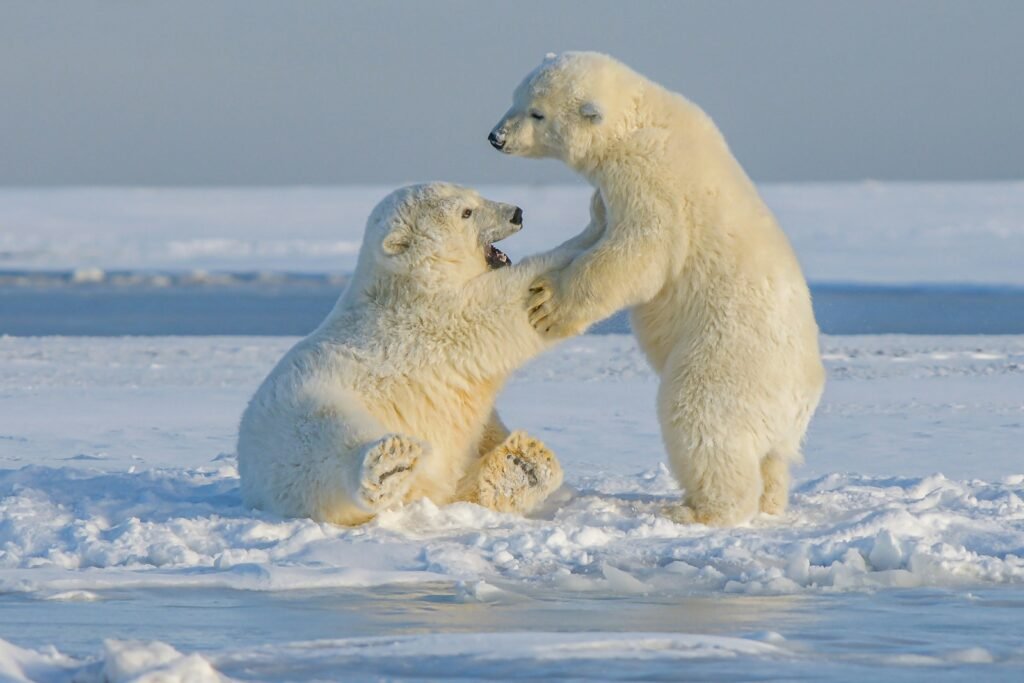
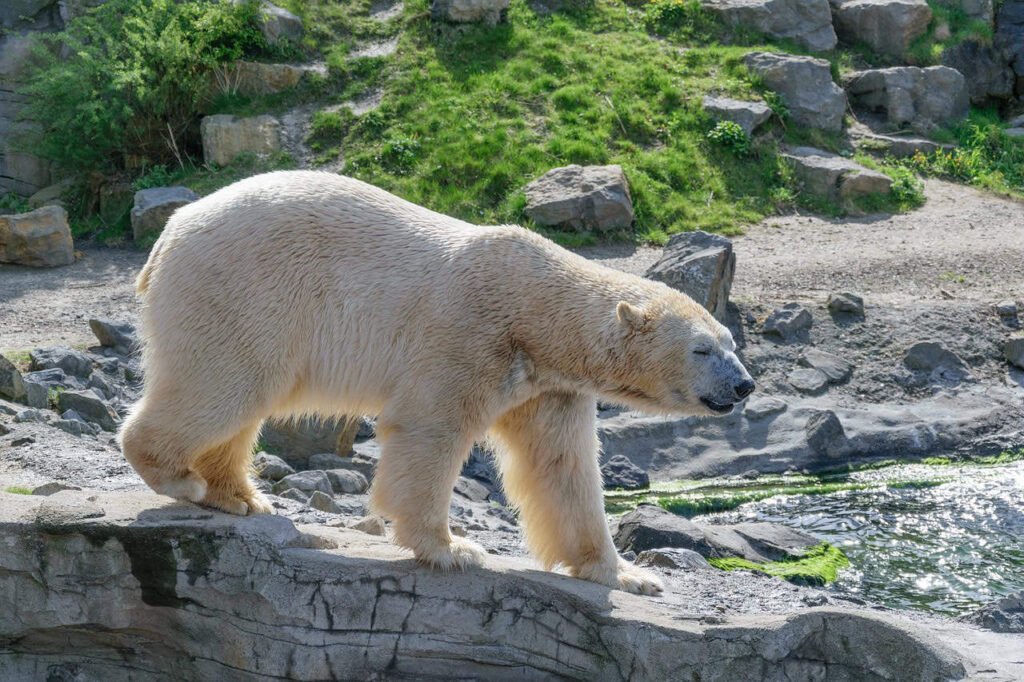
Mammals exhibit numerous adaptations to changing climates. For instance, some Arctic mammals, such as polar bears, are showing shifts in diet and behavior due to diminishing ice habitats. This includes consuming more terrestrial food sources and altering hunting methods, behaviors that indicate evolutionary shifts in response to environmental pressures.
Fish and Water Temperature Tolerance

Aquatic species often face direct challenges from climate change, including increased water temperatures. Some fish species, like the Atlantic cod, are adapting by developing greater heat tolerance. Changes in breeding times and accelerated growth rates also illustrate evolutionary changes, helping them survive in warmer waters.
Insect Adaptations and Resilience

Insects, the most diverse group of organisms, demonstrate extraordinary adaptability. Many butterfly species, for example, have shifted their range northward in response to rising temperatures. This geographical shift is a visible sign of evolutionary adaptation, allowing them to exploit new habitats as older ones become less hospitable.
Plant Evolution and Adaptation

Plants, serving as the foundation of many ecosystems, are also experiencing evolutionary changes. Certain plant species have adapted to drier conditions by developing more efficient water usage capabilities. These adaptations not only help the plants survive but also support the broader ecosystem that relies on them.
Microbial Evolution: The Hidden Adaptation

Microorganisms play a crucial role in nutrient cycling and ecosystem functioning. Warmth-tolerant strains of bacteria and fungi are emerging in various ecosystems, enabling them to sustain their vital roles in changing climates. The rapid reproduction rates of microbes facilitate quick evolutionary responses, showcasing another front of natural adaptation.
Behavioral Adaptations in Birds

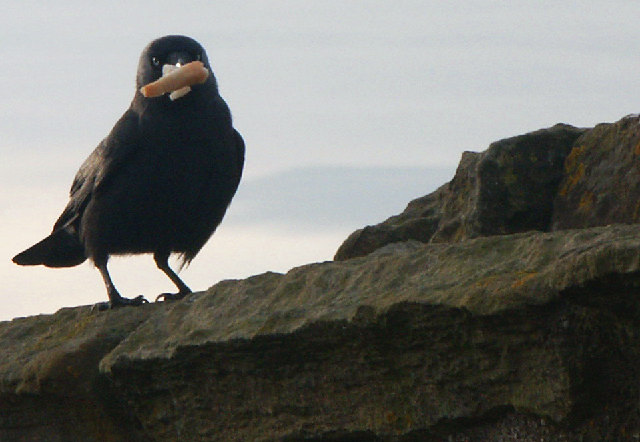
Birds are altering their behaviors in response to climate change, such as changing their breeding and migration timings. These behavioral shifts are critical, as they help birds align with seasonal changes in food availability, demonstrating a form of adaptive evolution that strengthens their survival chances.
The Role of Genetic Variation
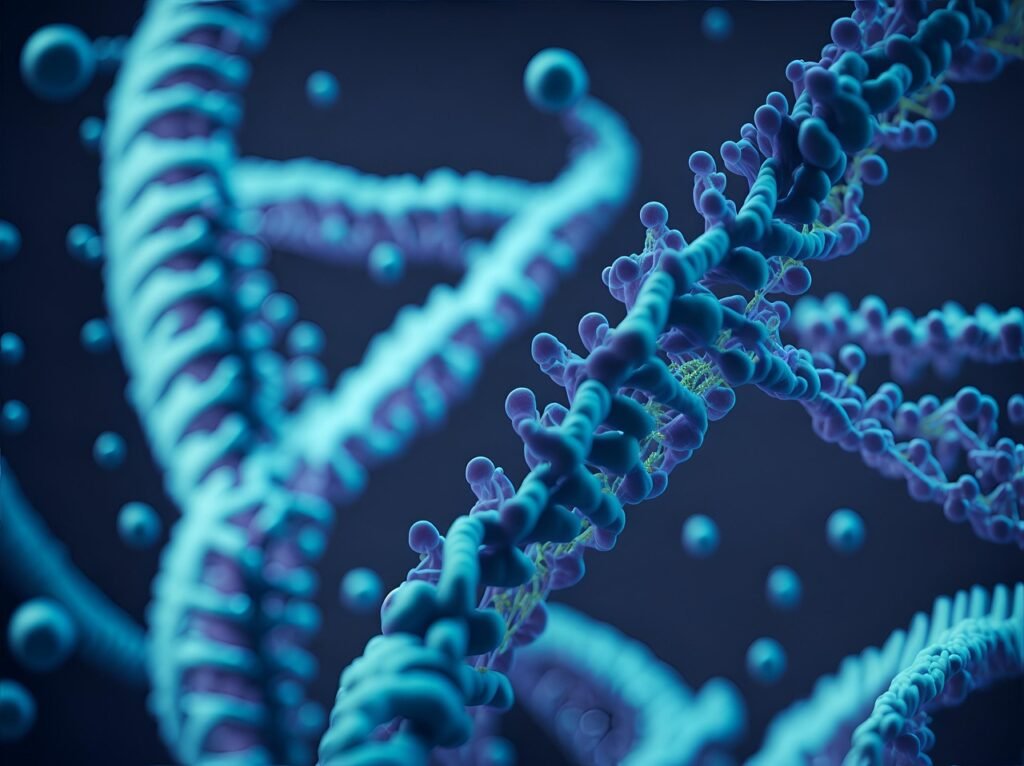
Genetic variation within populations is essential for evolution. High genetic diversity increases a species’ ability to adapt to new environmental conditions. Conservation efforts that focus on maintaining genetic diversity can enhance species’ resilience to climate change, underscoring the importance of preserving biodiversity.
Challenges to Evolutionary Adaptation
Despite the resilience some species exhibit, the rate of current climate change poses significant challenges. Evolutionary adaptation requires time, and rapid environmental changes may outpace the evolutionary processes. Additionally, habitat destruction and fragmentation hinder the natural evolutionary pathways, often exacerbating the risk of extinction for vulnerable species.
The Importance of Conservation Efforts

Protecting habitats and reducing human impact on the environment are critical for facilitating natural evolutionary processes. Conservation efforts aimed at preserving ecosystems, restoring habitats, and mitigating climate change impacts are essential for enabling species to adapt naturally through evolution.
Conclusion: A Call to Action

While evolution provides a pathway for species to adapt to climate change, it operates within constraints imposed by the speed and scale of current environmental changes. The resilience observed in nature is both a testament to the power of evolution and a call to action for conservation and climate mitigation. By understanding and supporting evolutionary processes through proactive efforts, humanity can help uphold the natural world’s ability to support life, including our own, in an ever-changing climate.