Throughout history, humans have drawn inspiration from the natural world to innovate and solve complex problems. Animals, with their astounding adaptations and behaviors, have served as catalysts for many technological advancements. From the flight of birds to the silent glide of fish, nature has subtly and profoundly influenced the development of modern gadgets and technologies.
Biomimicry: The Art of Emulating Nature
Biomimicry, or the design and production of materials, structures, and systems modeled on biological entities and processes, has been at the forefront of technological innovation. This approach reveals the boundless potential of nature-inspired technology to bring about sustainability, efficiency, and new functionalities. By studying animals and their unique adaptations, scientists and engineers create solutions that harmonize with the world around us, often leading to groundbreaking innovations.
Avian Influence on Aerial Technology

Birds have long inspired humans to conquer the skies. The Wright brothers are famously known to have studied the flight of pigeons to develop the first successful airplane. In modern times, birds continue to influence the design of aerial technologies. For example, the design of drones often mimics the flapping wing motion of birds to improve maneuverability and efficiency. Moreover, technologies like morphing wings—mechanisms that change shape in response to air pressure—are directly inspired by the way birds adjust their wing shapes for different flight needs.
Marine Life and Underwater Innovations

The ocean is home to a variety of animals whose unique traits have inspired underwater technology. Sharks, with their streamlined bodies and rough skins, have inspired swimsuits and boat hulls designed to reduce drag, resulting in increased speed and efficiency. Additionally, submarines have adopted the streamlined shapes of marine animals, such as dolphins, to enhance their movement through water. Moreover, the silent and efficient propulsion methods of fish, particularly the oscillating tails of tunas and eels, serve as models for underwater robotics.
Insect Engineering and Robotics
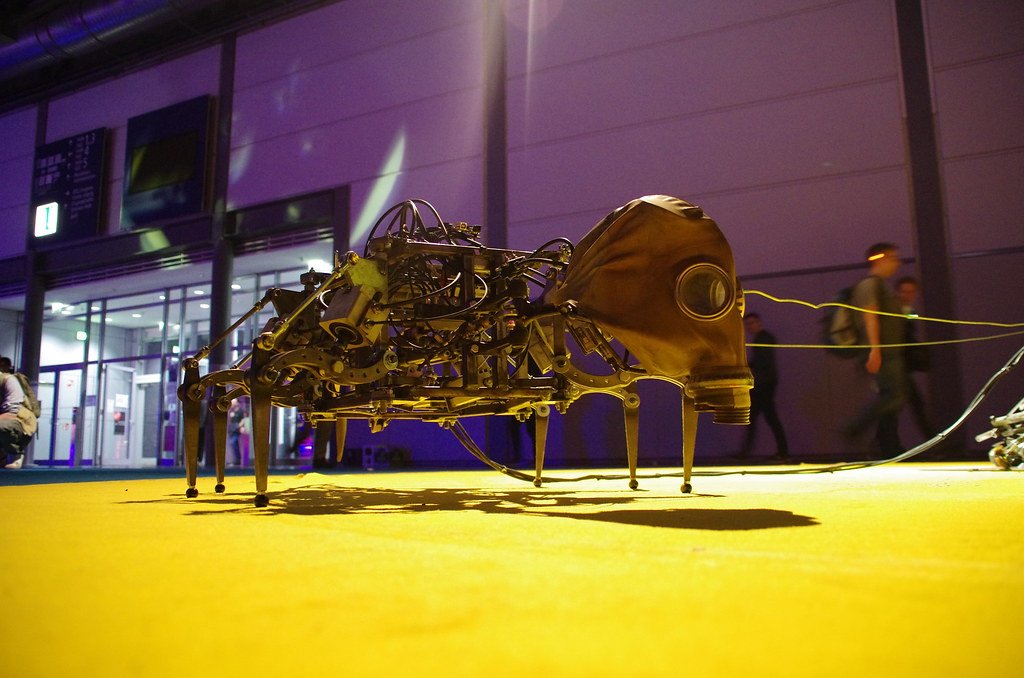
Insects have fascinated researchers due to their complex behaviors and capabilities despite their small size. Robotic engineers often study insects like bees and ants to develop drones and robots that can navigate complex terrains and tasks efficiently. The intricate sensory systems of insects have also inspired advancements in sensors and microelectronics, paving the way for innovations such as miniaturized drones that mimic the flight mechanics of insects.
The Gecko’s Grip: Adhesive Technologies

The ability of the gecko to adhere to and traverse surfaces with ease has inspired numerous adhesive technologies. The secret lies in their footpads, which are covered in microscopic hair-like structures that exploit van der Waals forces, allowing them to stick without leaving residue. Engineers have applied this principle to develop advanced adhesives capable of strong, reversible adhesion in various applications, ranging from everyday use to industrial settings.
Nature-Inspired Materials

Nature has also influenced the development of new materials. The structural strength and flexibility found in spider silk, for example, has inspired the creation of synthetic fibers for use in textiles and medical sutures. The lotus leaf, with its ability to self-clean due to its nanostructured surface, has influenced the creation of self-cleaning surfaces and water-repellent materials. These advancements in material science showcase the important role that animals play in pioneering innovative materials.
Sustainable and Eco-Friendly Designs

By looking at the natural world, technology doesn’t just advance but also becomes more sustainable. Eco-friendly technologies often draw directly from nature’s energy-efficient processes. For example, termite mounds have inspired passive cooling systems in buildings, significantly reducing energy consumption. This concept of biomimetic design can also be seen in architecture that harnesses natural light and airflow, minimizing reliance on artificial resources.
Conclusion

Animals and the ecosystems they inhabit continue to provide a treasure trove of insights into solving human challenges. As we move further into an era of technological proliferation, the lessons learned from nature not only propel us forward but also remind us of the importance of living in harmony with the environment. By continuing to study and emulate the remarkable abilities of the animal kingdom, we can create gadgets and technologies that are not only innovative but also sustainable and attuned to the world we live in.