
You’ve probably seen your share of nature documentaries, but some animals still feel like they were designed by a science fiction writer on a sugar rush. Hidden in oceans, deserts, and even your own neighborhood, there are creatures quietly breaking what you think you know about physics, biology, and survival. As you walk through this list, you’ll meet nine animals whose abilities look flat‑out impossible at first glance. Yet every one of them is real, studied, and backed by solid research. By the end, you may never look at a puddle, a shrimp, or even a tiny frog the same way again.
Mantis Shrimp: Seeing a World Your Eyes Can’t Even Imagine
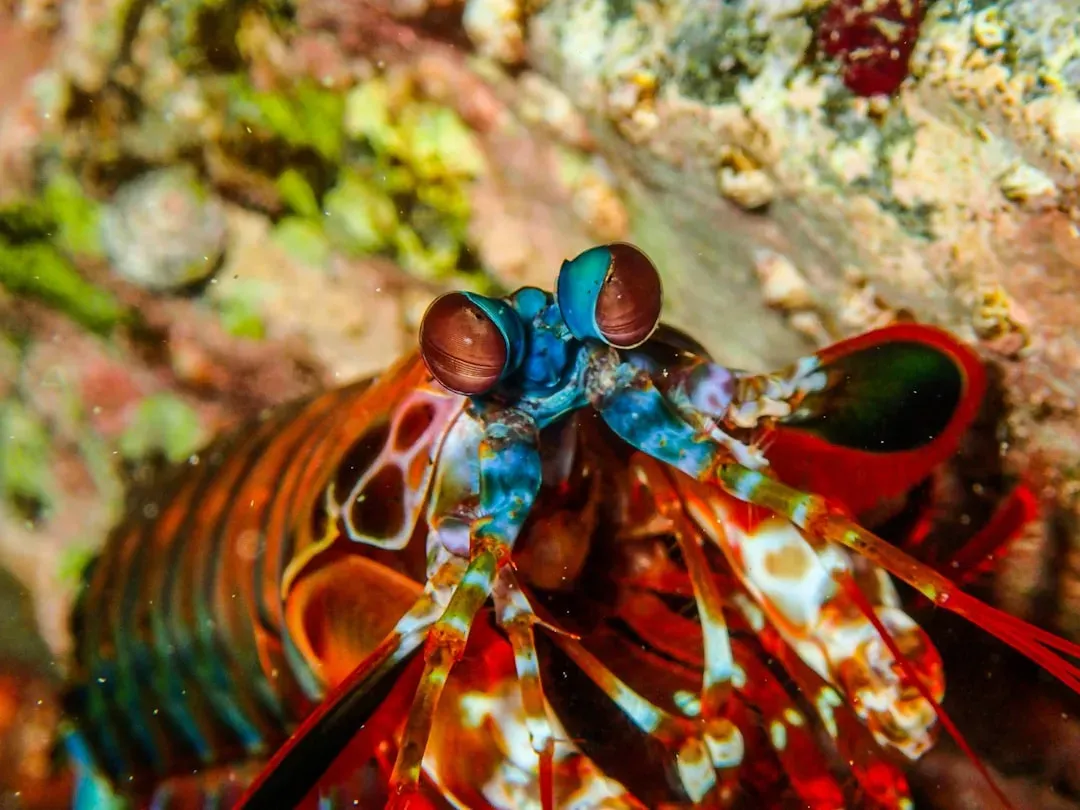
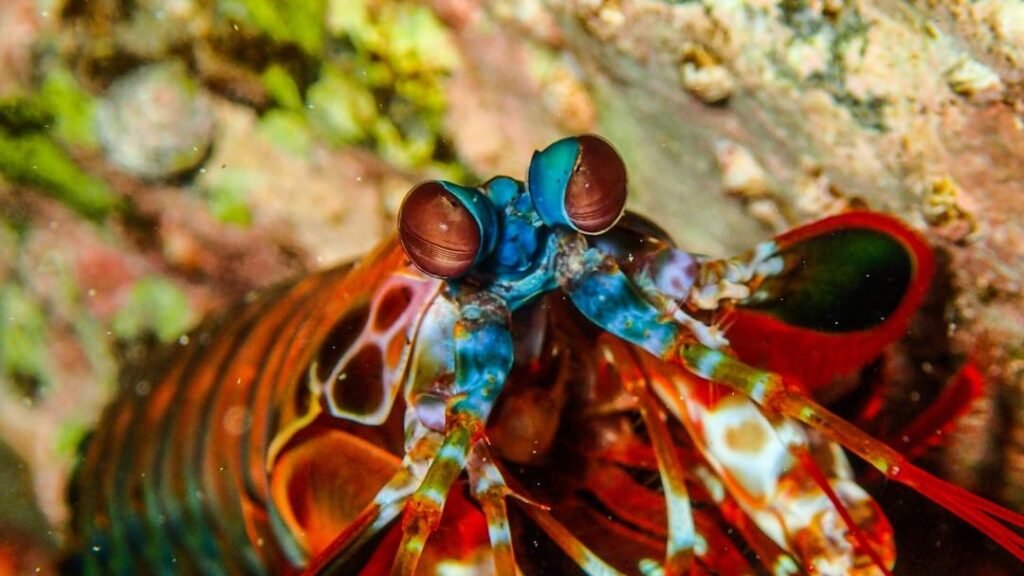
You see reds, greens, and blues; the mantis shrimp looks at you like you’re using a black‑and‑white TV. Where you rely on just three types of color receptors, mantis shrimp can have up to sixteen, letting them detect a wide range of colors from deep ultraviolet all the way into far‑red, plus different kinds of polarized light that are completely invisible to you. Their eyes are so advanced that engineers have used them as inspiration for new kinds of cameras and optical sensors, especially for tasks that need to pick out subtle visual details you’d never spot on your own.
What makes this even stranger is how they process all that information. Instead of doing lots of heavy “color math” in the brain like you do, a mantis shrimp offloads much of the work to the eye itself, using those many receptors almost like preset filters. That means it can rapidly recognize signals on coral reefs – flashes on other shrimp, reflections from prey, or hidden patterns – without needing a big brain. You might think of it like having a built‑in set of designer sunglasses and a scientist’s lab equipment fused directly into its eyeballs.
Pistol Shrimp: Firing a Bubble Hotter Than the Sun’s Surface
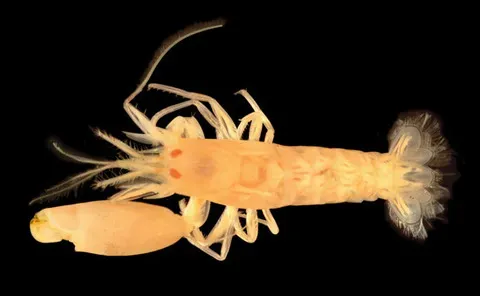
If you ever thought real‑life superpowers had to involve lightning or lasers, you haven’t met the pistol shrimp. This small, unassuming crustacean carries one oversized snapping claw that it can slam shut so fast it creates a high‑speed jet of water. That jet instantly forms a collapsing bubble, a physics phenomenon called cavitation, which produces a shock wave, a deafening underwater “gunshot,” and a tiny point of extreme heat close to or above the temperature of the sun’s surface. All of this happens in a fraction of a second, and the shrimp uses it to stun or kill prey nearby.
To you, the snap might just sound like a click, but under the water it can reach well over two hundred decibels, easily one of the loudest natural sounds in the ocean relative to the animal’s size. In that instant, the collapsing bubble can even emit a brief flash of light, a kind of tiny underwater “sonoluminescence.” It’s as if this shrimp carries a microscopic cannon powered entirely by fluid dynamics and timing, showing you that sometimes brute strength is nothing compared with clever engineering wrapped in a tiny exoskeleton.
Tardigrades: The Nearly Indestructible “Water Bears”
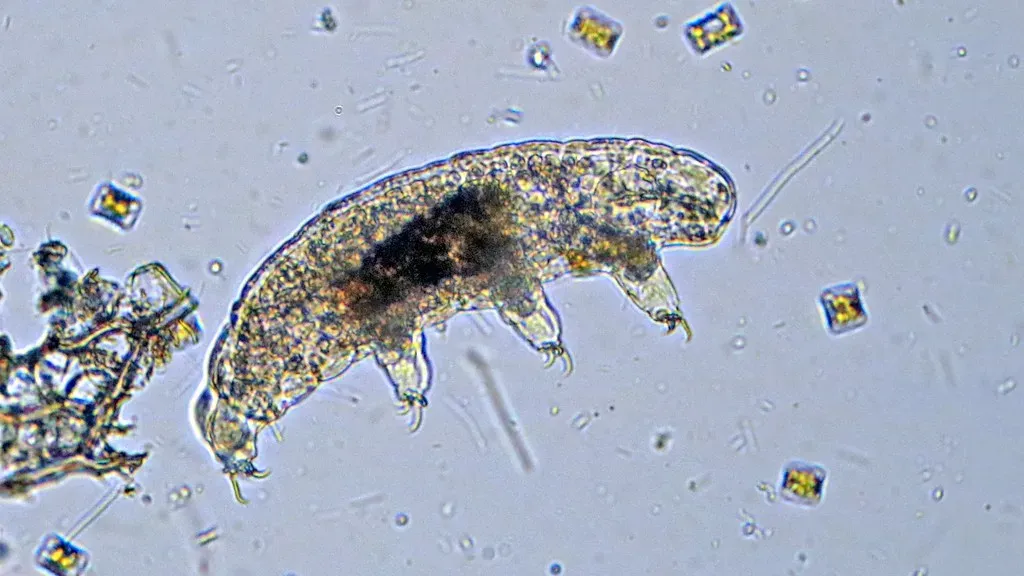
When you picture toughness, you might think of a lion or a shark, but the real heavyweight champion is less than a millimeter long and looks like a chubby, eight‑legged sausage under a microscope. Tardigrades, often called water bears, are famous for surviving conditions that would instantly kill almost any other animal you know. They can endure being dried out for years, frozen to temperatures close to absolute zero, heated to more than the boiling point of water, blasted with radiation far beyond what a human could tolerate, and even exposed to the vacuum of space.
The secret behind this sci‑fi level durability lies in how their bodies shut down. When the environment turns deadly – no water, extreme heat, or deep cold – a tardigrade curls into a tiny, shriveled state called a “tun.” In that form, it replaces much of its internal water with special molecules and proteins that protect its cells, almost like turning its insides into a glassy shield. Then, when conditions improve, it simply rehydrates and comes back to life, as if someone hit an invisible pause button on its biology. It’s hard not to feel slightly fragile by comparison.
Axolotl: The Salamander That Regrows Body Parts Like It’s Nothing
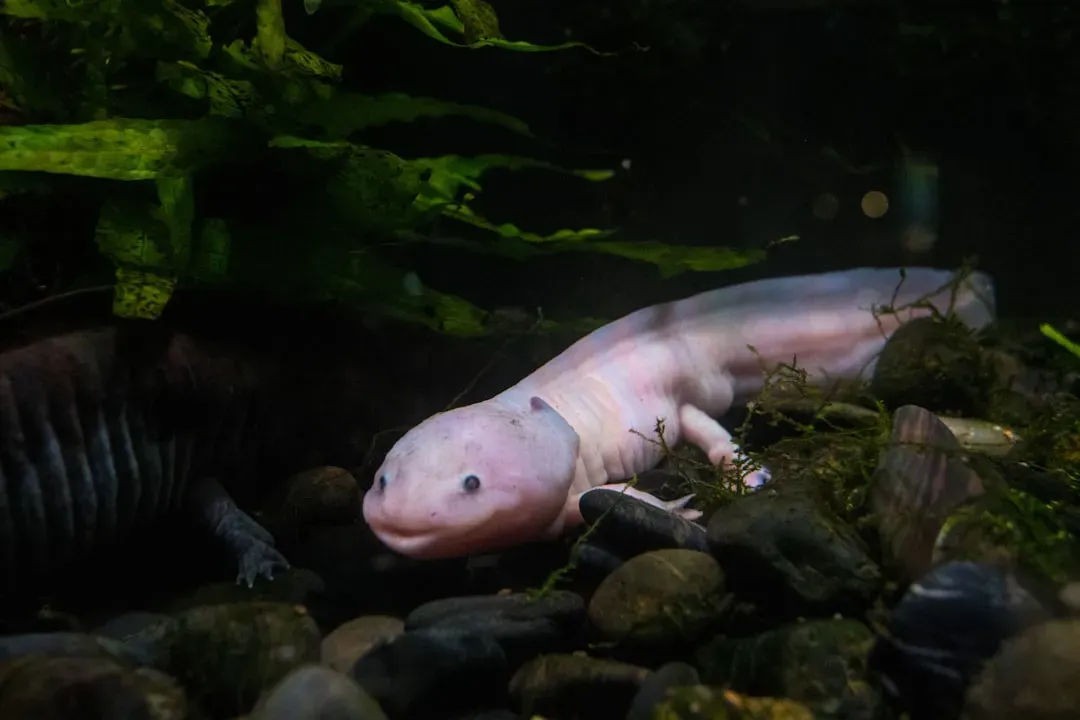
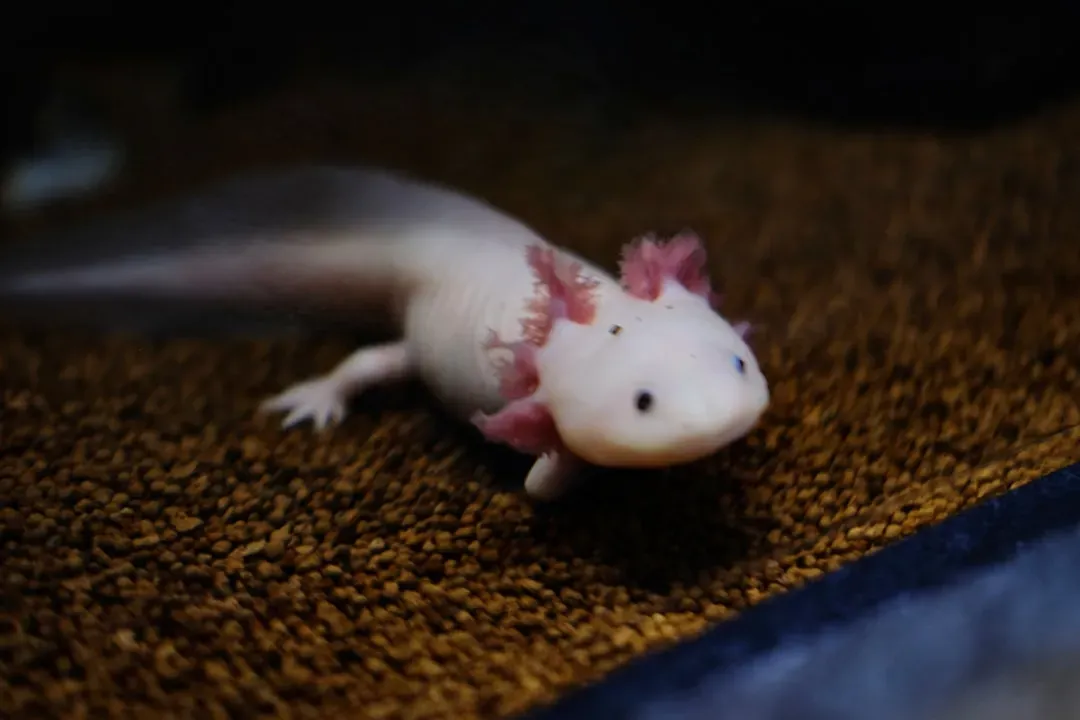
If you lose a fingertip, you’re left with a scar. If an axolotl loses a limb, it just grows a new one, complete with bones, muscles, nerves, and skin, often without any scar tissue at all. You’re looking at one of the most impressive regenerators in the animal kingdom. Scientists have watched axolotls regrow not only legs but also parts of their tail, heart, jaw, spinal cord, and even pieces of the brain. Instead of sealing damage with permanent scars, their bodies rewind development and rebuild the missing structures from the ground up.
For you, what makes axolotls so fascinating is how closely their biology can mirror your own, while still doing something your body refuses to do. When one is injured, its cells near the wound revert to a more flexible, stem‑like state, forming a structure called a blastema that then reorganizes into a perfect new limb. Researchers study axolotls because unlocking their secrets could one day help humans repair spinal cord injuries, regrow damaged organs, or minimize scarring. In a way, this goofy‑looking salamander sitting in a tank might be quietly holding clues to the future of human medicine.
Bombardier Beetle: A Living Chemical Reactor in Your Backyard
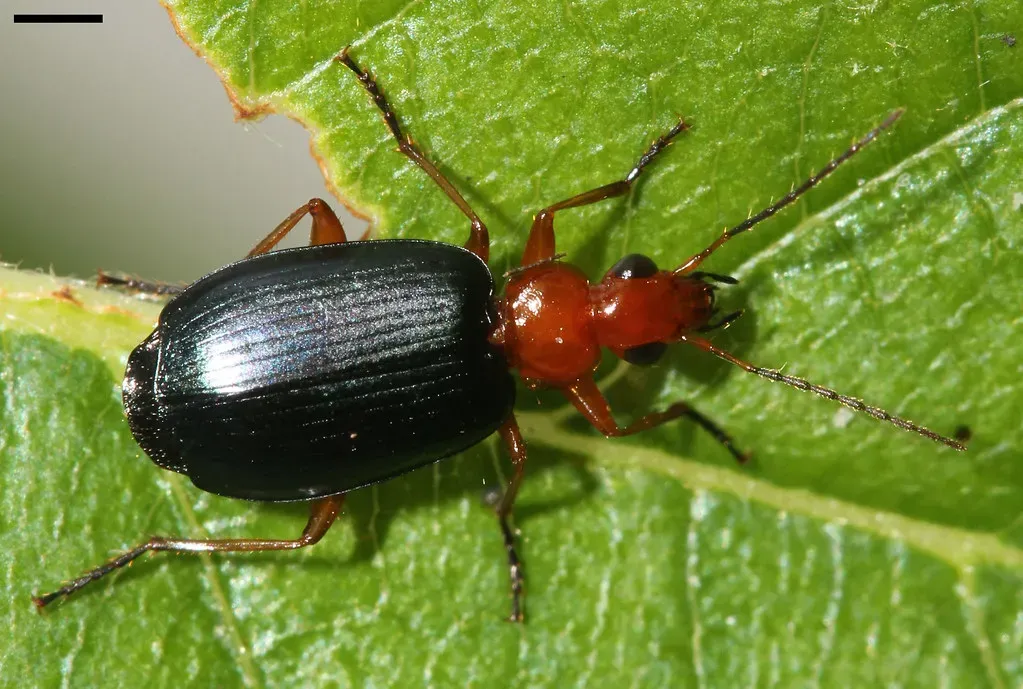
Imagine if, every time you felt threatened, you could fire a boiling, noxious chemical spray from your rear end with pinpoint accuracy. That is more or less the bombardier beetle’s defensive strategy, and it works spectacularly well. Inside its abdomen, this beetle stores two separate chemical compounds – typically hydrogen peroxide and certain aromatic chemicals – in different reservoirs. When danger appears, it mixes them in a specialized reaction chamber along with enzymes that trigger a rapid, exothermic reaction.
The result is a hot, irritating spray that can reach near‑boiling temperatures and is ejected in rapid pulses, allowing the beetle to aim short bursts rather than just releasing one big cloud. To you, it might look like a tiny insect steam engine firing off controlled explosions at will. What makes this ability feel impossible is the precision: the beetle manages to handle reactive chemicals and explosive reactions inside its own body without blowing itself up, something that would challenge even a careful chemist in a lab coat.
Leafcutter Ants: Tiny Farmers Running Underground Super‑Farms
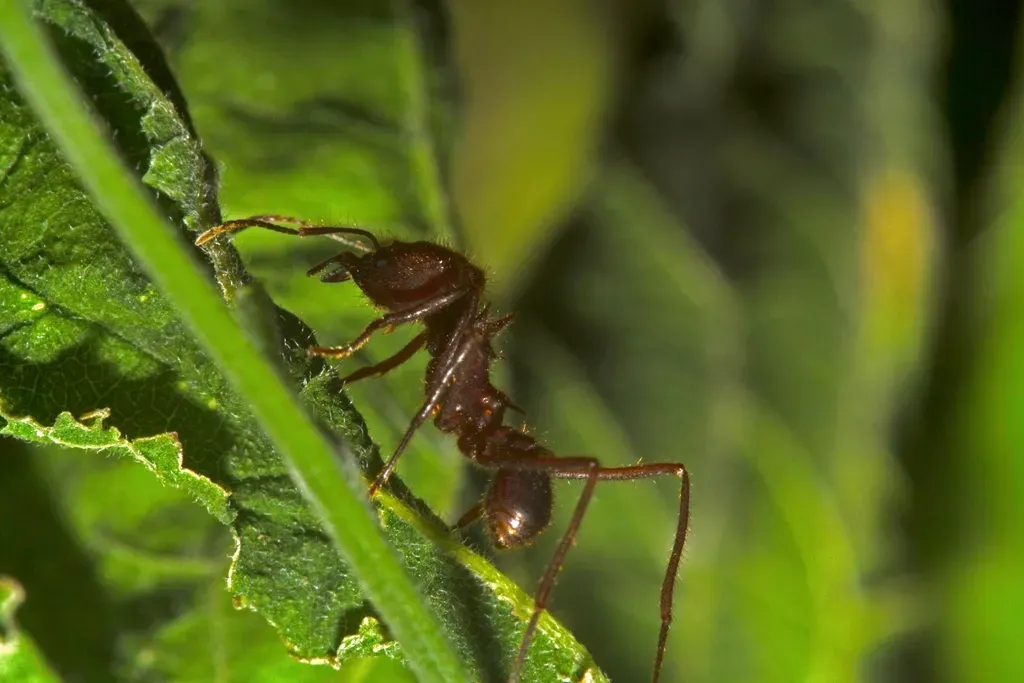
When you see a line of ants carrying bits of leaves, it’s easy to assume they’re gathering food. Leafcutter ants are doing something far more sophisticated: they’re farming. Those leaves are not for them to eat directly. Instead, they carry them back to elaborate underground nests, chew them into pulp, and use that as a substrate to grow a specialized fungus that actually serves as their main food source. You’re basically watching agriculture on a miniature scale, run by insects that have been perfecting it long before humans ever planted crops.
Inside their colonies, different castes of ants handle distinct tasks: some cut and transport leaves, others tend the fungal gardens, and tiny workers ride on larger ants to defend them from parasitic flies. They even use antimicrobial secretions and mutualistic bacteria to protect their fungus from pests and competing molds, a bit like you using pesticides and probiotics to protect crops. When you realize that their underground farms can stretch for many chambers and support millions of individuals, it becomes hard to shake the feeling that you’re looking at a parallel version of civilization built on six legs.
Electric Eel: Generating Enough Voltage to Knock You Flat
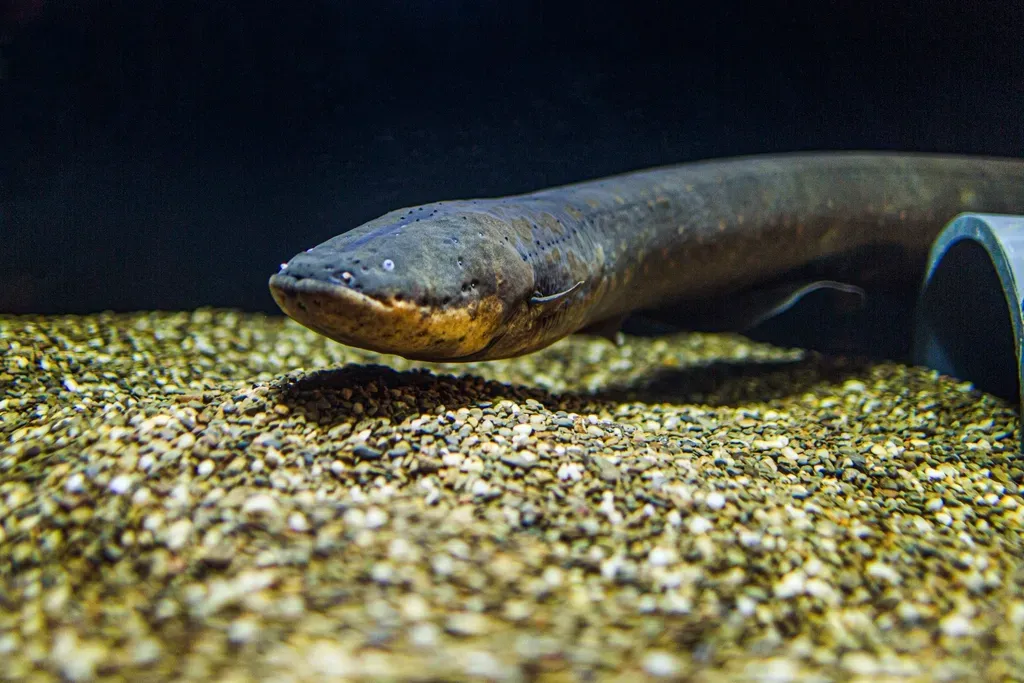
You think of electricity as something that comes from wires and outlets, but the electric eel carries its own high‑voltage power supply under its skin. Despite the name, it’s actually a type of knifefish, and most of its long body is packed with specialized cells called electrocytes. When the eel wants to strike, it lines up these cells and fires them in sync, creating an electric discharge that can reach hundreds of volts – strong enough to stun prey, deter predators, and, in some cases, seriously jolt a full‑grown human.
What makes this even more uncanny is how precisely the eel uses its electric field. At low levels, it sends out weak pulses to sense its environment in murky water, almost like a living radar system mapping nearby objects. When it detects something edible, it can ramp up to high‑voltage bursts that cause involuntary muscle contractions in its victim, making escape nearly impossible. You might rely on gadgets and batteries for your power, but this fish quietly reminds you that nature has been experimenting with built‑in bioelectric weapons and sensors for millions of years.
Lyrebird: The Master Impressionist of the Forest
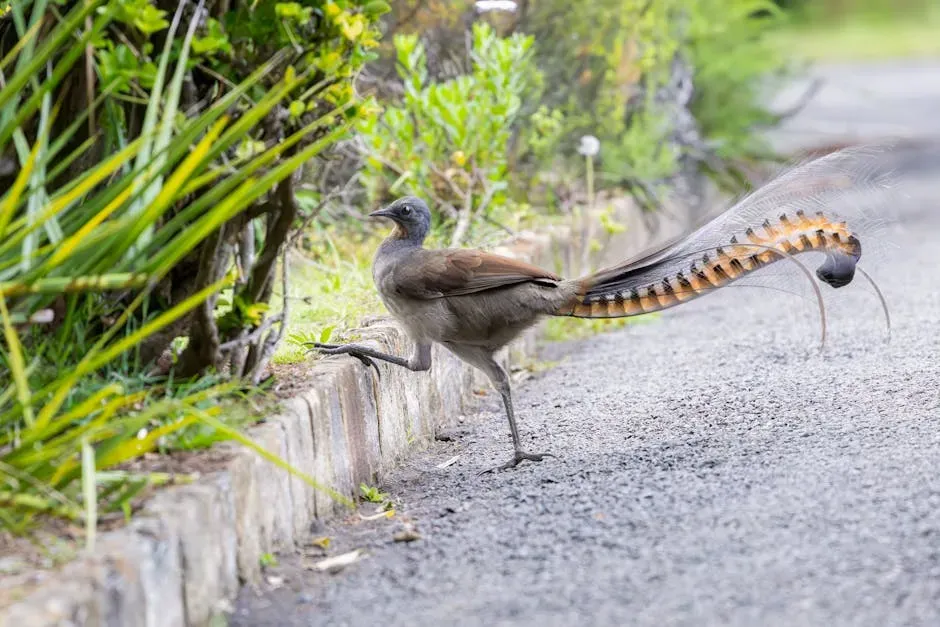
If you’ve ever struggled to mimic a friend’s accent, the lyrebird will make you feel like an amateur. Native to Australia, this bird is famous for its almost eerie ability to imitate sounds it hears in its environment with jaw‑dropping accuracy. You’ll hear it copy other bird calls, yes – but also camera shutters, car alarms, chainsaws, human voices, and even the click and whir of mechanical equipment in some cases. Its vocal organ, the syrinx, is so finely controlled that it can weave multiple layers of sound together in a single performance.
To you, this turns the forest into something of a living soundboard whenever a lyrebird is nearby. During courtship, males fold these borrowed noises into complex songs while fanning their ornate tail feathers, creating a show that is as much about sound design as it is about visual display. It’s not just mimicry for fun; copying the local soundscape may help them stand out to mates or communicate effectively in noisy habitats. When you hear a lyrebird in full flow, you realize that culture and creativity are not uniquely human – sometimes they’re hiding in a bird perched quietly on a branch.
Glass Frogs: Transparent Bodies That Hide in Plain Sight
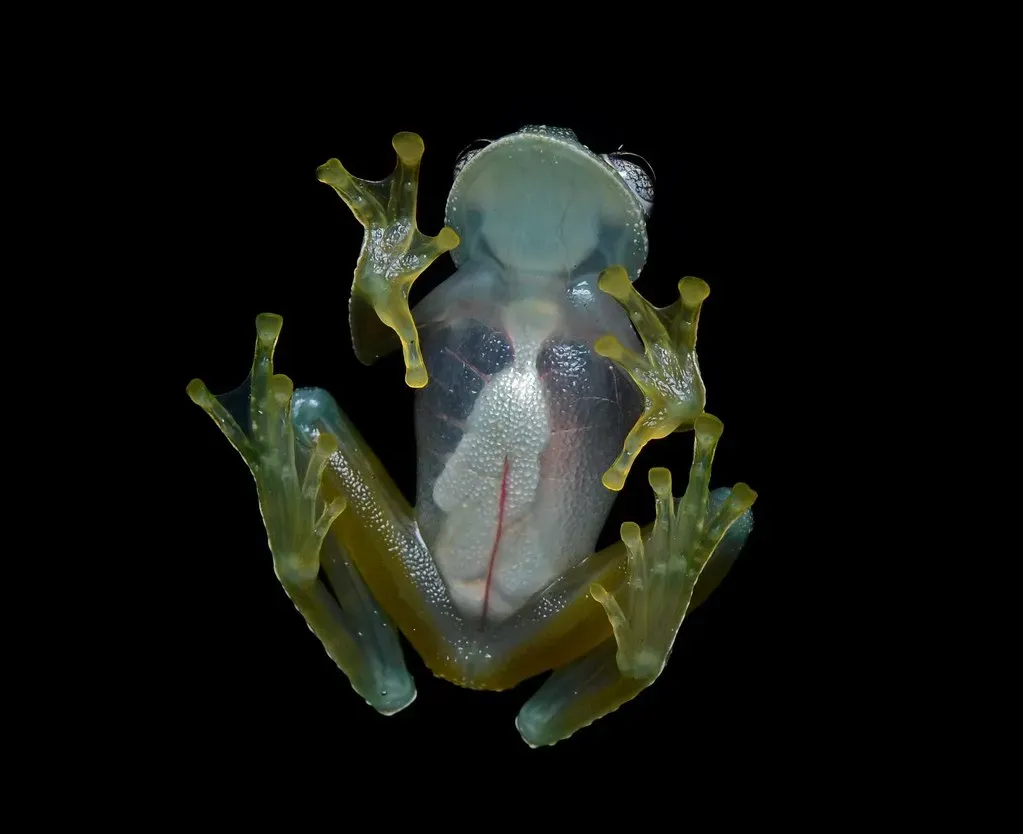
At first glance, a glass frog looks like a small, bright green tree frog perched on a leaf. Then you glance at its underside and your brain does a double take. Many species have skin on their belly that is so transparent you can see internal organs, including the heart and digestive tract, through it. Some even shift how blood is distributed in their body while resting, reducing the visibility of red blood cells and making themselves even more translucent. To your eyes, it can feel like looking at a living biology diagram made flesh.
This transparency may seem like a party trick, but it gives the frog a powerful form of camouflage. When it rests on the underside of a leaf, the see‑through belly helps blur the edges of its body, blending more smoothly into the surrounding greenery and confusing predators that rely on sharp outlines. In effect, it’s using invisibility through clever optics rather than pure color matching. For you, the idea that an animal can hide not by painting itself but by literally letting the background show through is one of those moments when nature feels a step ahead of your imagination.
Conclusion: A Planet Full of Everyday Superpowers
When you put all these animals side by side – the mantis shrimp’s alien vision, the pistol shrimp’s shock‑wave cannon, the tardigrade’s pause‑button survival, the axolotl’s regrowth, the beetle’s chemical weaponry, the ants’ farming, the eel’s electricity, the lyrebird’s mimicry, and the glass frog’s transparency – you start to see a pattern. Nature is constantly pushing biological systems right up to the edge of what seems possible, then quietly stepping over that line. You go about your day assuming the rules are fixed, but these creatures show you how many loopholes life has already found.
The wildest part is that you’ve only scratched the surface; countless species are still out there, doing things you have yet to discover or fully understand. Maybe the next time you look at a pond, a patch of forest, or even a clump of moss, you’ll wonder what hidden superpower is quietly operating just out of sight. If this is what you can see with a bit of curiosity and a microscope, imagine what else is waiting under the radar – what other “impossible” abilities do you think are still hiding in plain view?