If you have ever stared at a crumbling stone wall or an old photograph of a ruined temple and felt that strange shiver of awe, you already know the pull of ancient mysteries. Some places go beyond ordinary ruins: they seem to laugh at your modern assumptions about technology, astronomy, and even what people were supposed to be capable of thousands of years ago.
In these nine sites, you are not just looking at old rocks. You are staring at engineering puzzles, cosmic alignments, and cultural leaps that still keep professional archaeologists arguing today. As you move through them in your mind, try to picture real people with simple tools pulling off feats that would challenge crews armed with cranes and computers now. You might walk away with a new respect for the past – and with more questions than answers.
Göbekli Tepe, Turkey: The Temple That Should Not Exist
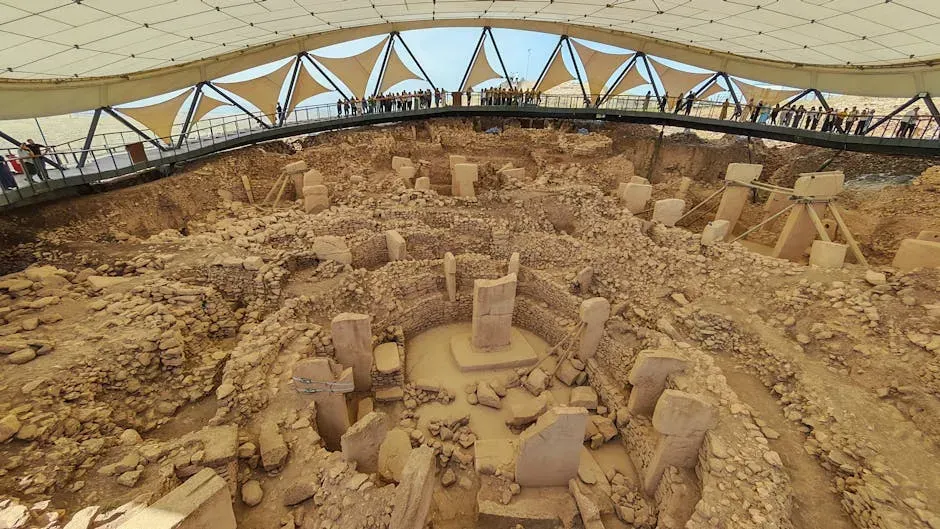
You are used to hearing that agriculture came first and big temples came later, but Göbekli Tepe flips that story on its head. On a hill in southeastern Turkey, you find massive circular enclosures filled with T-shaped stone pillars, some more than five meters high, carved 11,000 to 12,000 years ago – long before cities, metal, or pottery were supposed to exist. Archaeologists describe it as one of the oldest known monumental ritual complexes on Earth, older than Stonehenge by several thousand years and older than the pyramids by even more. ([en.wikipedia.org](https://en.wikipedia.org/wiki/G%C3%B6bekli_Tepe?utm_source=openai))
When you walk through the photos or reconstructions, what hits you is not just the age, but the ambition. The pillars are decorated with foxes, snakes, wild boars, birds, and abstract symbols, suggesting you are looking at a sophisticated symbolic world, not a bunch of aimless hunter-gatherers. The real mystery is why a largely mobile society would invest this much labor into a fixed sacred site – and then deliberately bury it under tons of earth. You are left with the unsettling possibility that complex religion and large-scale cooperation may have come before farming, not after, which quietly rewrites the story you were probably taught in school. ([en.wikipedia.org](https://en.wikipedia.org/wiki/Megalith?utm_source=openai))
The Nazca Lines, Peru: Messages Written Across a Desert
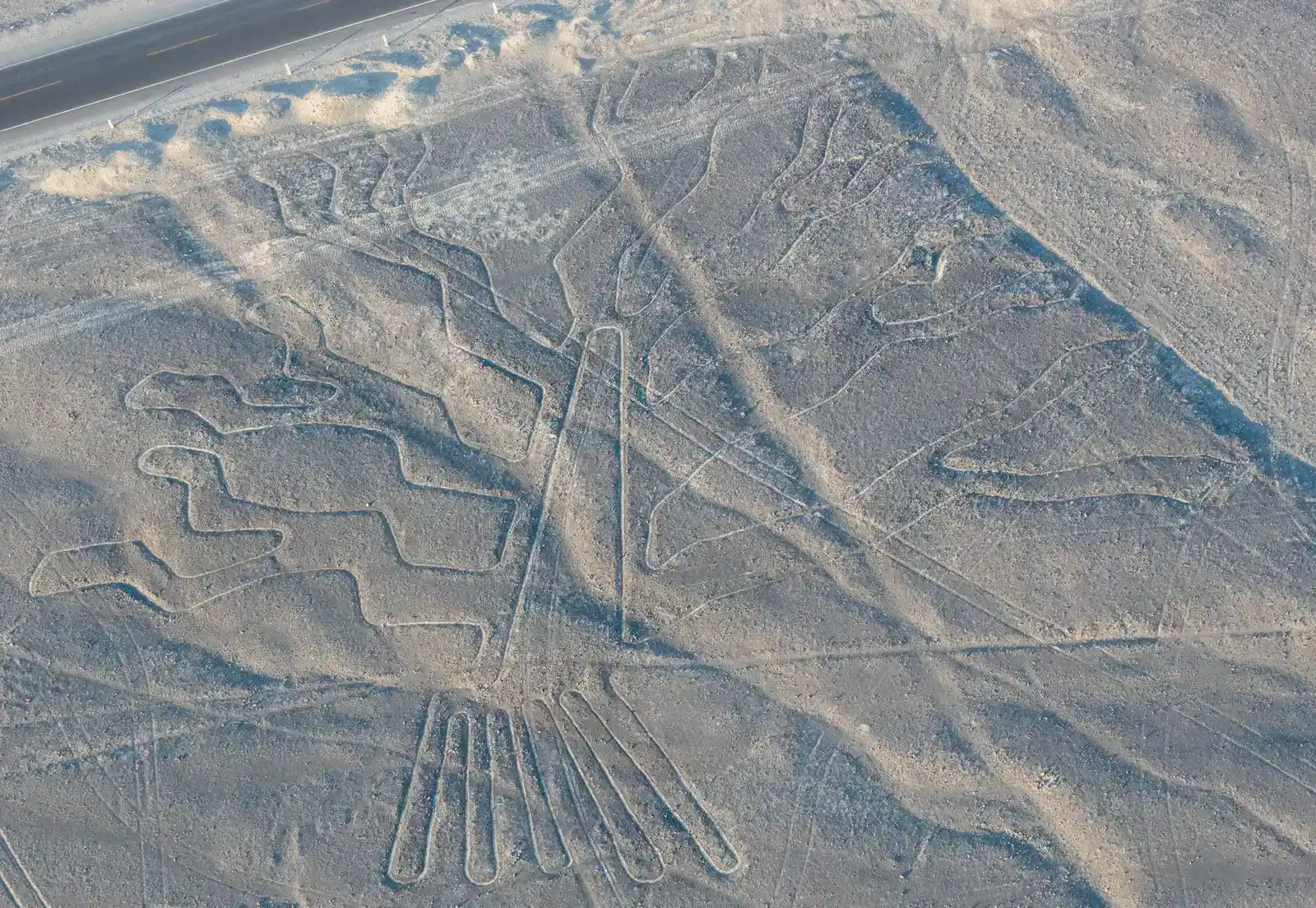
Imagine flying over a barren Peruvian desert and realizing that the ground below you is covered in giant drawings – a hummingbird, a monkey, a spider, long ruler-straight lines and geometric shapes stretching for miles. From the ground, you would hardly notice more than shallow grooves in the soil, but from above you suddenly see an entire landscape turned into a canvas about 1,500 to 2,000 years ago. Archaeologists know the Nazca people removed the dark surface stones to expose the lighter soil underneath, but the exact reasons these geoglyphs were created remain debated. ([en.wikipedia.org](https://en.wikipedia.org/wiki/Nazca_lines?utm_source=openai))
Some researchers argue that you are seeing ritual pathways related to water and fertility; others emphasize astronomical alignments, or complex ceremonial routes used in processions. You also encounter fringe ideas about ancient astronauts, but those ignore how well the lines fit into local religious practices and Andean traditions. What really gets you is the combination of precision and scale: straight lines running across hills and valleys, figures as long as a modern skyscraper is tall, all laid out without drones, GPS, or satellites. As you trace them in your mind, you feel how much of the Nazca worldview has simply vanished, leaving the desert like an enormous open-air riddle. ([en.wikipedia.org](https://en.wikipedia.org/wiki/Ancient_astronauts?utm_source=openai))
Great Pyramid of Giza, Egypt: Engineering on an Impossible Scale

You have probably seen the Great Pyramid in pictures so many times that your brain almost tunes it out, but the details still punch through when you look closely. Built more than 4,500 years ago for Pharaoh Khufu, it originally stood about 146 meters (around 480 feet) tall, made from several million limestone and granite blocks, some weighing dozens of tons. Even today, assembling such a project would demand serious planning, machinery, and logistics; imagining it done with copper tools, sledges, and human muscle makes you pause. ([nationalgeographic.com](https://www.nationalgeographic.com/premium/article/ancient-sites-built-by-aliens?utm_source=openai))
Egyptologists have developed solid working models for quarrying, transport, and ramp systems, so you are not forced to reach for aliens or lost super-technologies. Yet, when you stand at the base and look up, you still face open questions: which exact construction techniques were used at each stage, how labor was organized over decades, and how the inner chambers and narrow shafts were surveyed so precisely. The mystery is not that the pyramid is impossible; it is that your own civilization, with all its machines, struggles to match that level of long-term coordination and precision on a project that enormous. ([timesofindia.indiatimes.com](https://timesofindia.indiatimes.com/etimes/trending/unsolved-for-centuries-5-ancient-mysteries-that-defy-explanation/articleshow/114101717.cms?utm_source=openai))
Stonehenge, England: A Stone Circle Tuned to the Sky
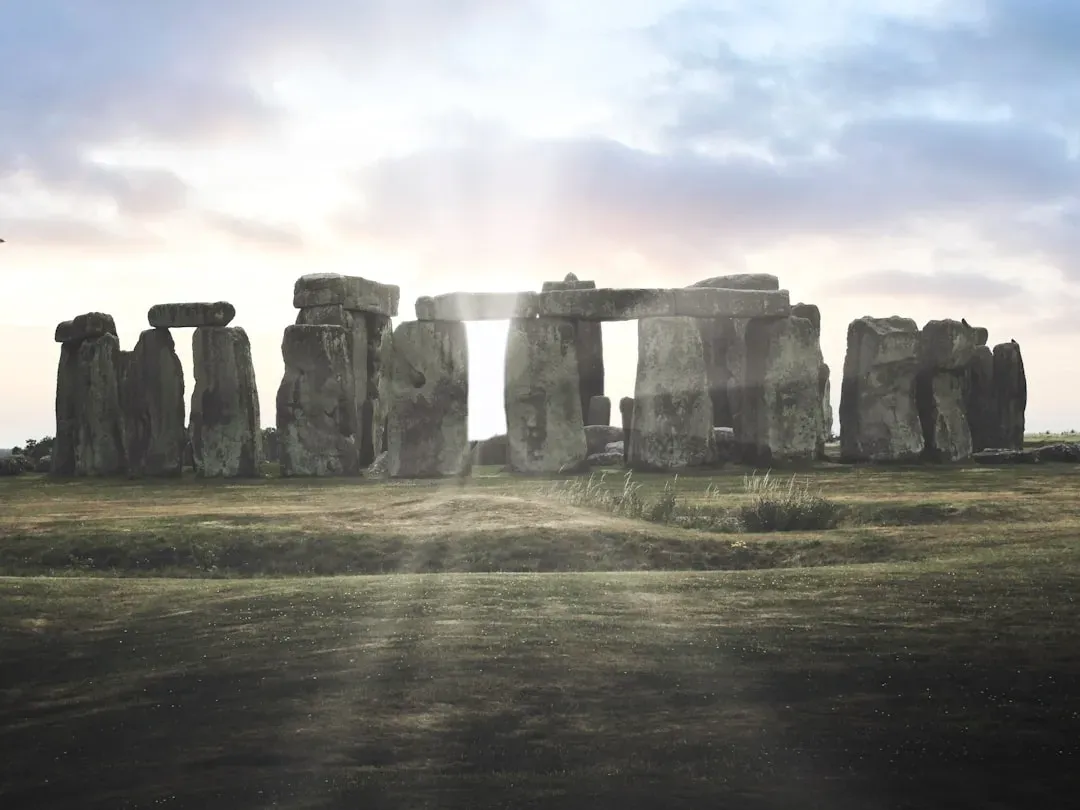
When you picture Stonehenge, you probably see a tourist-packed stone circle in southern England, but if you strip away the crowds, you are left with a very strange accomplishment. Around 4,500 to 5,000 years ago, people hauled multi-ton stones from quarries, some over 200 kilometers away, and arranged them in a carefully designed circle with lintels balanced on top. These were Neolithic and early Bronze Age communities without wheels or metal tools as you know them, yet they pulled off what looks like a giant architectural puzzle in the middle of an open plain. ([worldatlas.com](https://www.worldatlas.com/ancient-world/9-mysterious-ancient-discoveries-scientists-can-t-explain-2026.html?utm_source=openai))
Archaeologists broadly agree that you are dealing with a ceremonial and burial complex deeply tied to seasonal cycles. The layout famously aligns with the summer solstice sunrise and winter solstice sunset, turning the circle into a kind of cosmic stage for rituals that stitched together time, death, and community. The part that still nags at you is not whether they could move the stones – they clearly did – but how many generations could stay committed to a project that took centuries of redesigns and additions. You are confronted with a mindset that treated the landscape as a living calendar, where architecture and astronomy blur into a single act of devotion. ([historycooperative.org](https://historycooperative.org/ancient-mysteries/?utm_source=openai))
Sacsayhuamán, Peru: Walls That Lock Like Stone Lego
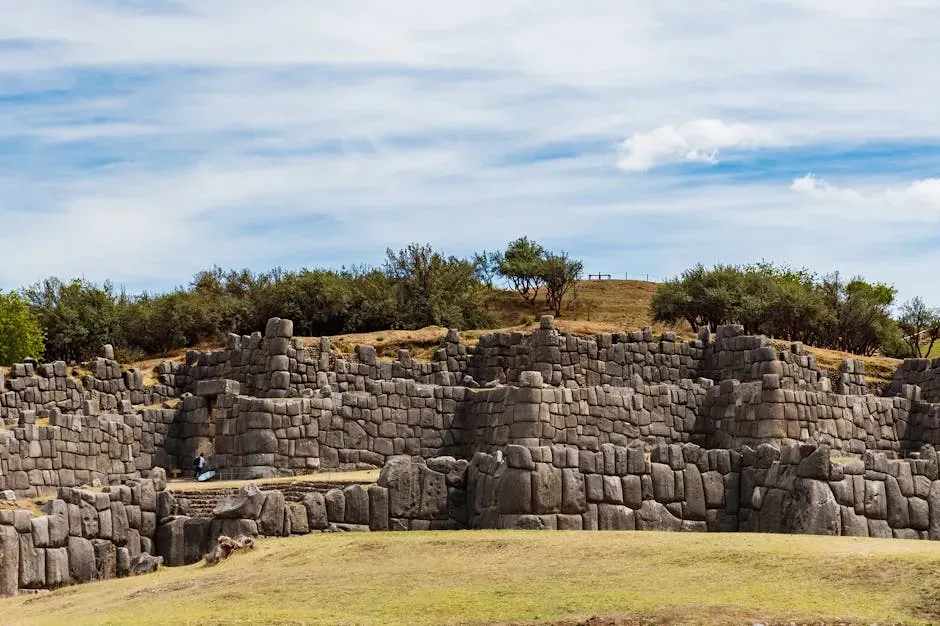
Above the city of Cusco in Peru, you find Sacsayhuamán, a fortress-temple complex built by the Inca that feels like a deliberate dare to future engineers. Enormous polygonal stones – some weighing tens of tons – are cut and fitted so tightly that you are often told you cannot slip a piece of paper between them. Instead of straight blocks, you see irregular, multi-sided shapes interlocked in a way that disperses seismic energy, which is part of why the walls have withstood earthquakes that toppled later colonial buildings. ([timesofindia.indiatimes.com](https://timesofindia.indiatimes.com/etimes/trending/unsolved-for-centuries-5-ancient-mysteries-that-defy-explanation/articleshow/114101717.cms?utm_source=openai))
Researchers can show you quarries, ramps, and techniques for levering and smoothing stone, so you do not need to assume magic or lost laser tools. Still, as you trace the zigzagging defensive walls and the massive terraces, you cannot help wondering how Inca builders planned each joint so precisely without modern surveys or computer modeling. You are also looking at just the surviving fragments; much of the complex was dismantled for building stone after the Spanish conquest. That means you are trying to solve a structural puzzle with many pieces missing, which makes the surviving parts feel even more like an intentional showcase of skill. ([timesofindia.indiatimes.com](https://timesofindia.indiatimes.com/etimes/trending/unsolved-for-centuries-5-ancient-mysteries-that-defy-explanation/articleshow/114101717.cms?utm_source=openai))
Yonaguni Monument, Japan: Nature, Humans, or Both?
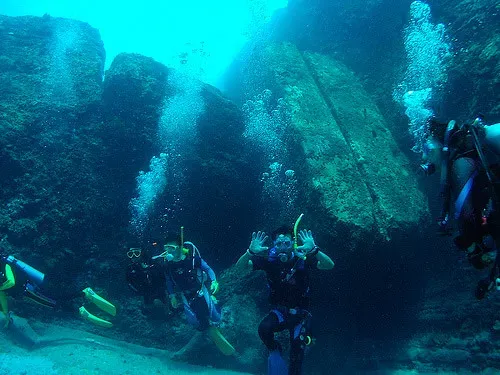
Off the coast of Yonaguni Island in Japan, you can dive down and suddenly find yourself gliding past terraces, sharp-edged platforms, and what look like steps carved into submerged sandstone. Some divers swear you are seeing a sunken man-made structure – perhaps a lost city – while many geologists argue you are looking at natural formations shaped by fractures and erosion. The real tension for you is that the site looks uncannily architectural, with right angles, flat planes, and features that appear like roads or plazas when viewed from certain angles. ([listoften.com](https://listoften.com/mysterious-ancient-structures-defy-explanation/?utm_source=openai))
Because the site is underwater, direct excavation is limited and dating is tricky, which leaves you living in a gray zone of interpretation. You might lean toward natural formation enhanced by some human modification, much like how people in many cultures shaped existing rocks into sacred sites. Or you might be drawn to the idea of a deliberately built complex that was drowned as sea levels rose after the last Ice Age. Either way, you are reminded that your brain loves patterns and architecture, and it will happily turn a weathered cliff into a temple if you let it – so part of the mystery here is not just the rock, but how you are wired to see it. ([listoften.com](https://listoften.com/mysterious-ancient-structures-defy-explanation/?utm_source=openai))
Newgrange, Ireland: A Stone Passageway Aligned With Light
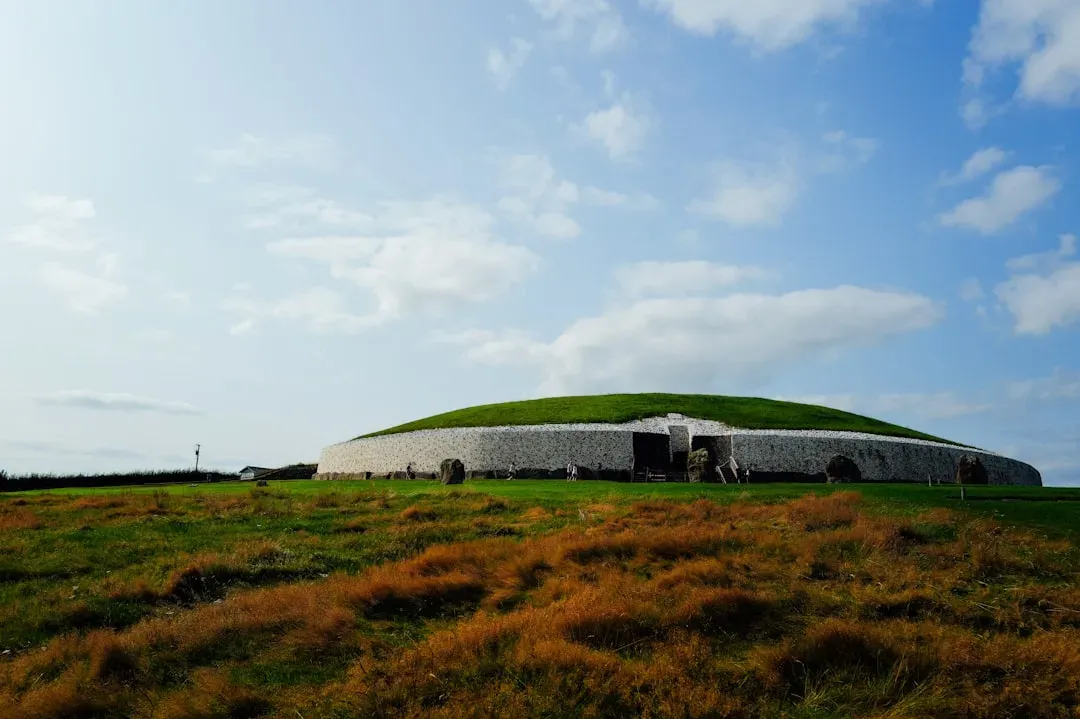
When you step into Newgrange in Ireland, you are entering a monument that is older than both Stonehenge and the Great Pyramid, built around 3200 BCE. From the outside, it looks like a grassy mound ringed with large stones, but inside you follow a narrow stone passage that leads to a central chamber lined with beautifully carved spirals and geometric patterns. The real magic comes at the winter solstice, when the rising sun sends a beam of light through a special roof-box above the entrance and illuminates the chamber for a few precious minutes. ([listoften.com](https://listoften.com/mysterious-ancient-structures-defy-explanation/?utm_source=openai))
You can easily imagine modern engineers pulling this off with modeling software, but here you are dealing with Neolithic builders using simple tools and careful sky-watching. Archaeologists agree that you are looking at a tomb combined with a solar-aligned ritual space, but they still debate the fuller symbolic meaning of the designs and alignments. To you, Newgrange feels like a stone machine for hope: during the darkest days of the year, light pierces the womb-like interior, linking death and rebirth in a way that people across thousands of years can still feel in their bones. The fact that this timing is so precise shows just how seriously your ancestors took the dance between earth and sky. ([listoften.com](https://listoften.com/mysterious-ancient-structures-defy-explanation/?utm_source=openai))
Antikythera Mechanism, Greece: A Clockwork Sky From Antiquity
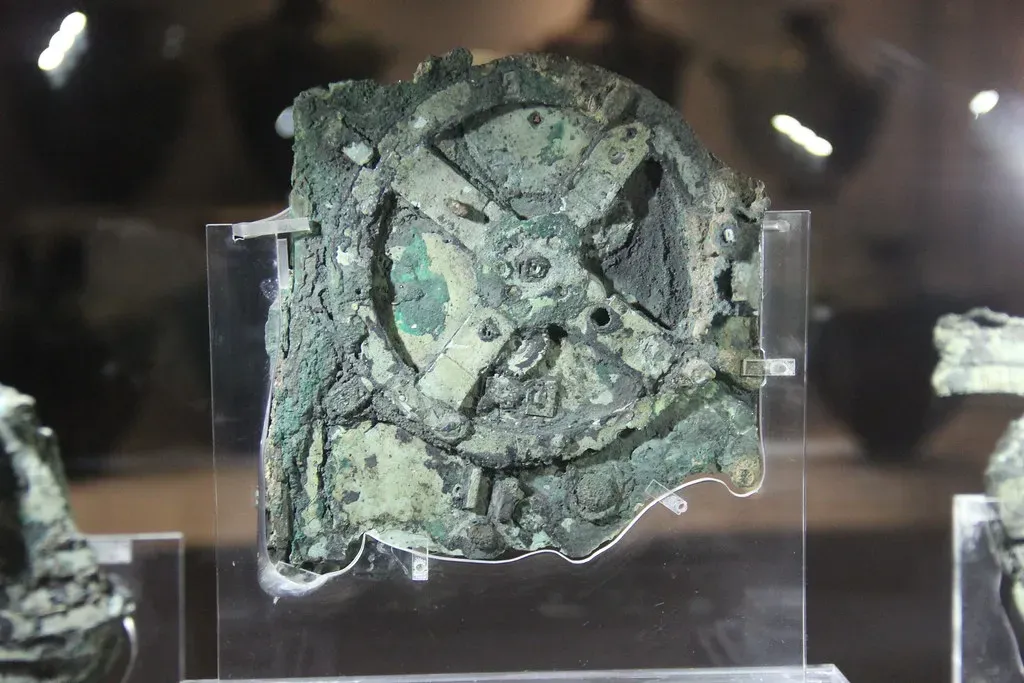
While many mysterious sites tower over you, the Antikythera mechanism fits in your hands and still manages to feel more unsettling than most ruins. Recovered from a shipwreck off the Greek island of Antikythera, this corroded lump of bronze turned out, under X-ray and CT scans, to be a complex gear-driven device from around the second or first century BCE. When you look at reconstructions, you are effectively looking at an ancient analog computer that could model the motions of the sun, moon, and possibly planets, predict eclipses, and track calendars using a sophisticated system of gears. ([timesofindia.indiatimes.com](https://timesofindia.indiatimes.com/etimes/trending/unsolved-for-centuries-5-ancient-mysteries-that-defy-explanation/articleshow/114101717.cms?utm_source=openai))
What baffles you is not just that somebody could build such a thing in the ancient Mediterranean; it is that you have only one surviving example, hinting at an entire tradition of precision craftsmanship and scientific thinking that largely vanished. Historians can connect it loosely to Hellenistic astronomy and workshops in places like Rhodes or Alexandria, but no clear lineage of similar devices has been found. That leaves you wondering how much high-level knowledge can appear, flourish in a small circle of experts, sail on a single ship – and then sink, literally and metaphorically, for nearly two thousand years before you notice it again. ([timesofindia.indiatimes.com](https://timesofindia.indiatimes.com/etimes/trending/unsolved-for-centuries-5-ancient-mysteries-that-defy-explanation/articleshow/114101717.cms?utm_source=openai))
Nan Madol, Micronesia: A Coral City on the Sea
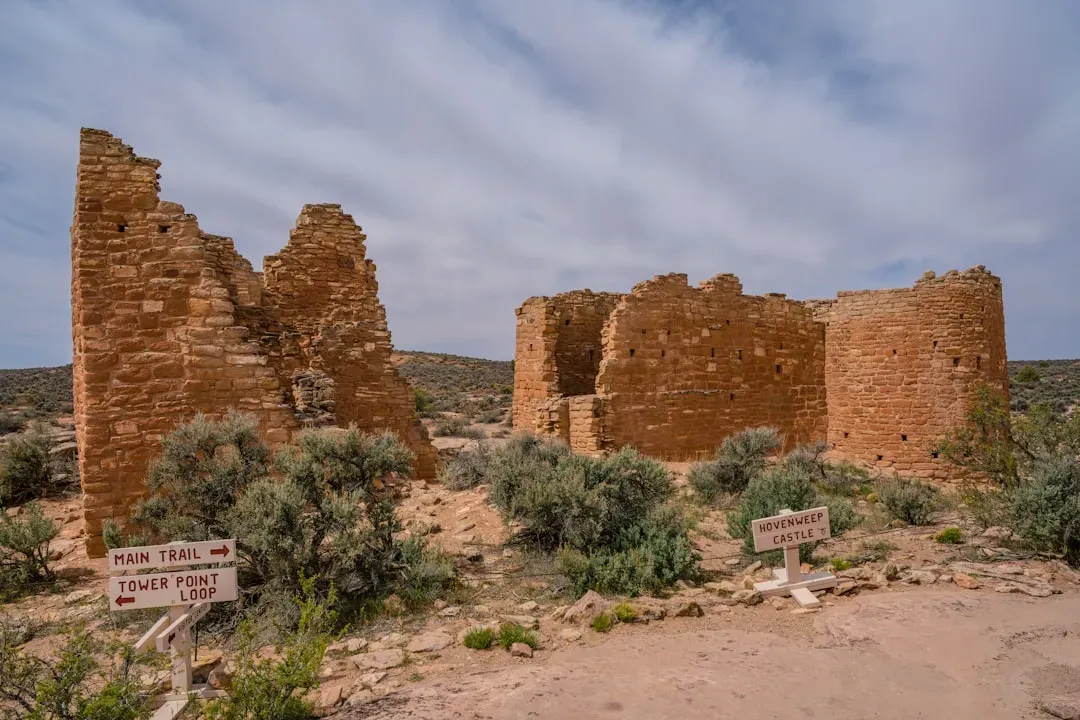
On the island of Pohnpei in Micronesia, you find Nan Madol, a ruined city built atop a network of artificial islets separated by tidal canals. Walking through it feels like wandering through a drowned fantasy novel: long walls and platforms made of prismatic basalt columns stacked like giant logs, giving the whole place an eerie, otherworldly geometry. Construction began roughly a thousand years ago, but you are still left asking how islanders moved and arranged such heavy stone with the resources available to them. ([idyllicpursuit.com](https://www.idyllicpursuit.com/14-ancient-ruins-around-the-world-that-defy-explanation/?utm_source=openai))
Local oral histories connect Nan Madol with powerful rulers and ritual specialists, and archaeologists see evidence of a political and ceremonial center for the Saudeleur dynasty. Yet details of exactly how stones were transported, how labor was organized, and why the city was eventually abandoned remain unsettled. For you, Nan Madol’s mystery is amplified by its setting: waves lap against the basalt walls, mangroves creep into old courtyards, and the whole place feels like it is slowly being reclaimed. You are reminded that rise and fall are normal states for human societies – even those ambitious enough to build a stone Venice in the middle of the Pacific. ([idyllicpursuit.com](https://www.idyllicpursuit.com/14-ancient-ruins-around-the-world-that-defy-explanation/?utm_source=openai))
Conclusion: Mystery as a Mirror for Your Imagination
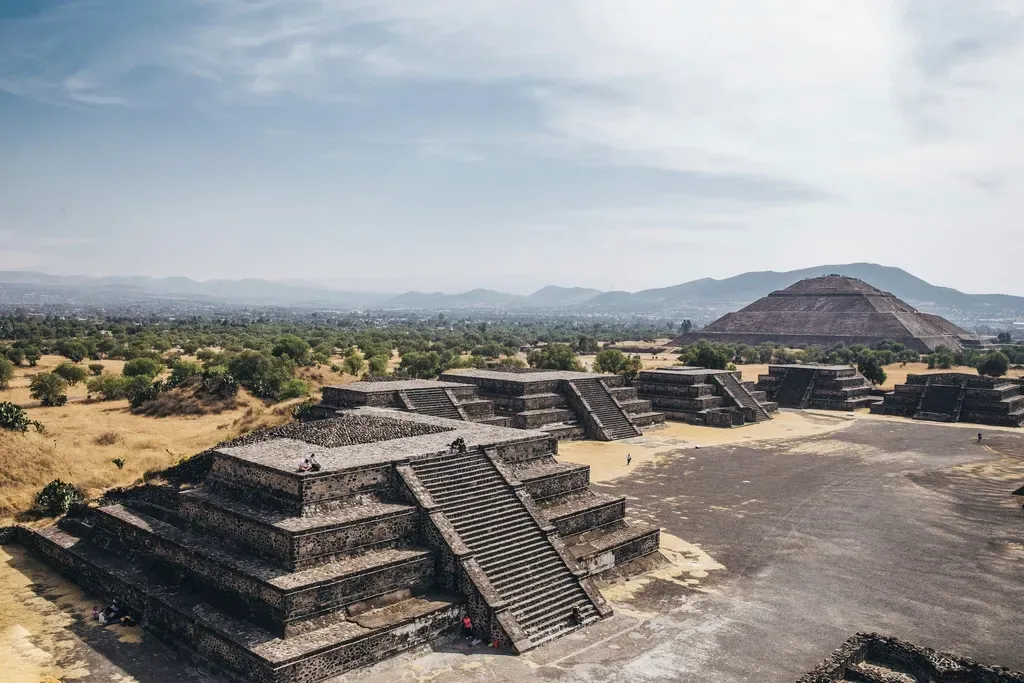
As you move from desert geoglyphs to underwater terraces, from sun-tracking tombs to clockwork computers, a pattern slowly emerges. The real shock is not that any one site is impossible; it is that your ancestors, using tools and social structures you might casually label primitive, invested generations of effort into projects that we still struggle to fully understand. You are not just confronted with technical puzzles, but with utterly different ways of thinking about time, death, power, and the cosmos.
When you let that sink in, these places stop being mere curiosities and start feeling like provocations. They push you to question easy narratives of linear progress and to admit that whole chapters of human ingenuity have been lost, misread, or quietly buried. Maybe the best way to honor that mystery is not by reaching for wild explanations, but by staying honestly curious, humble, and open to changing your mind as new evidence appears. Standing in front of these ruins – whether in person or in your imagination – you have to ask yourself: if this is what the past could do, what might you still be underestimating today?