Some places on Earth seem to swallow entire cultures. People arrive, build cities, carve temples, trade, worship, raise children… and then, at some point, they simply stop. The stones remain, but the lives behind them vanish from the record in a way that feels almost rude, like someone hanging up the phone mid-sentence. We can offer theories about climate, war, or economics, but in a surprising number of cases, there’s still no single, tidy answer.
What fascinates me most is that these places are not obscure corners of the map. They sit on fertile plains, busy trade routes, or strategic mountain passes where you’d expect humanity to cling on forever. Yet time after time, civilisations walked away and never really came back in the same way. Let’s walk through nine such locations where people thrived, then quietly exited stage left, leaving behind more questions than explanations.
Catalhoyuk, Turkey: The Neolithic “Proto-City” That Just Faded Out
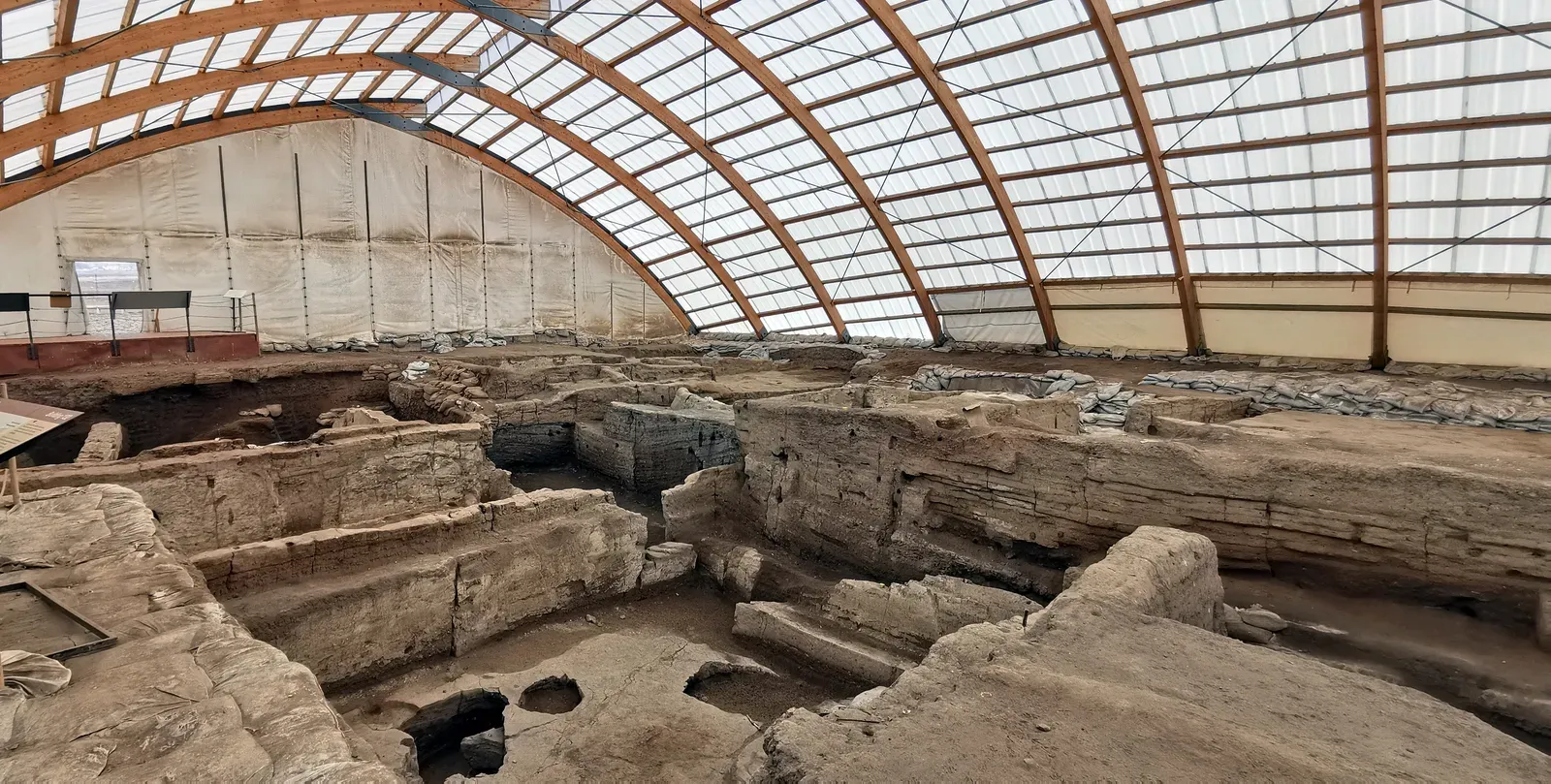
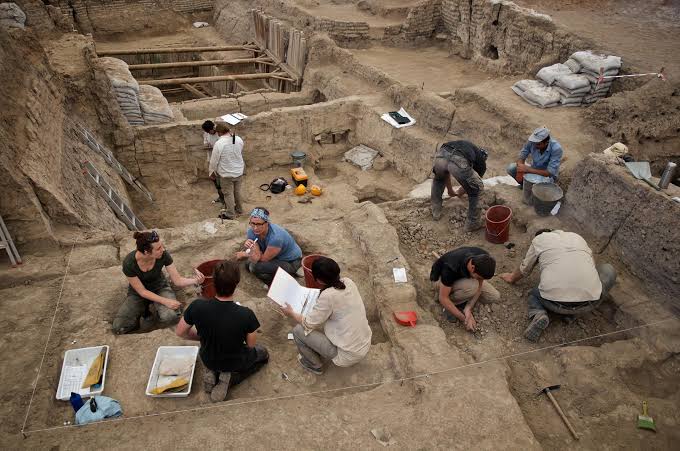
Catalhoyuk in central Turkey is one of the earliest large settlements we know of, a dense Neolithic town where people entered their homes through the roof and streets barely existed. For roughly two millennia, families lived cheek by jowl in mudbrick houses, painting walls, burying their dead under the floors, and shaping a surprisingly complex community for such an early date. Then, around the middle of the sixth millennium BCE, that buzzing hive just… dwindled.
Archaeologists can point to gradual changes: shifting house styles, environmental pressures on the local wetlands, maybe social tensions as population peaked. But there’s no dramatic destruction layer, no mass graves, no obvious invader. Instead, people seem to have slowly thinned out and moved elsewhere, abandoning a way of life that had defined generations. It is like watching a once‑crowded apartment block where, over decades, more windows go dark until one day you realize no light comes on at all.
Çatalhöyük’s Mysterious Cousin: The Deserted Towns of the Uruk Expansion
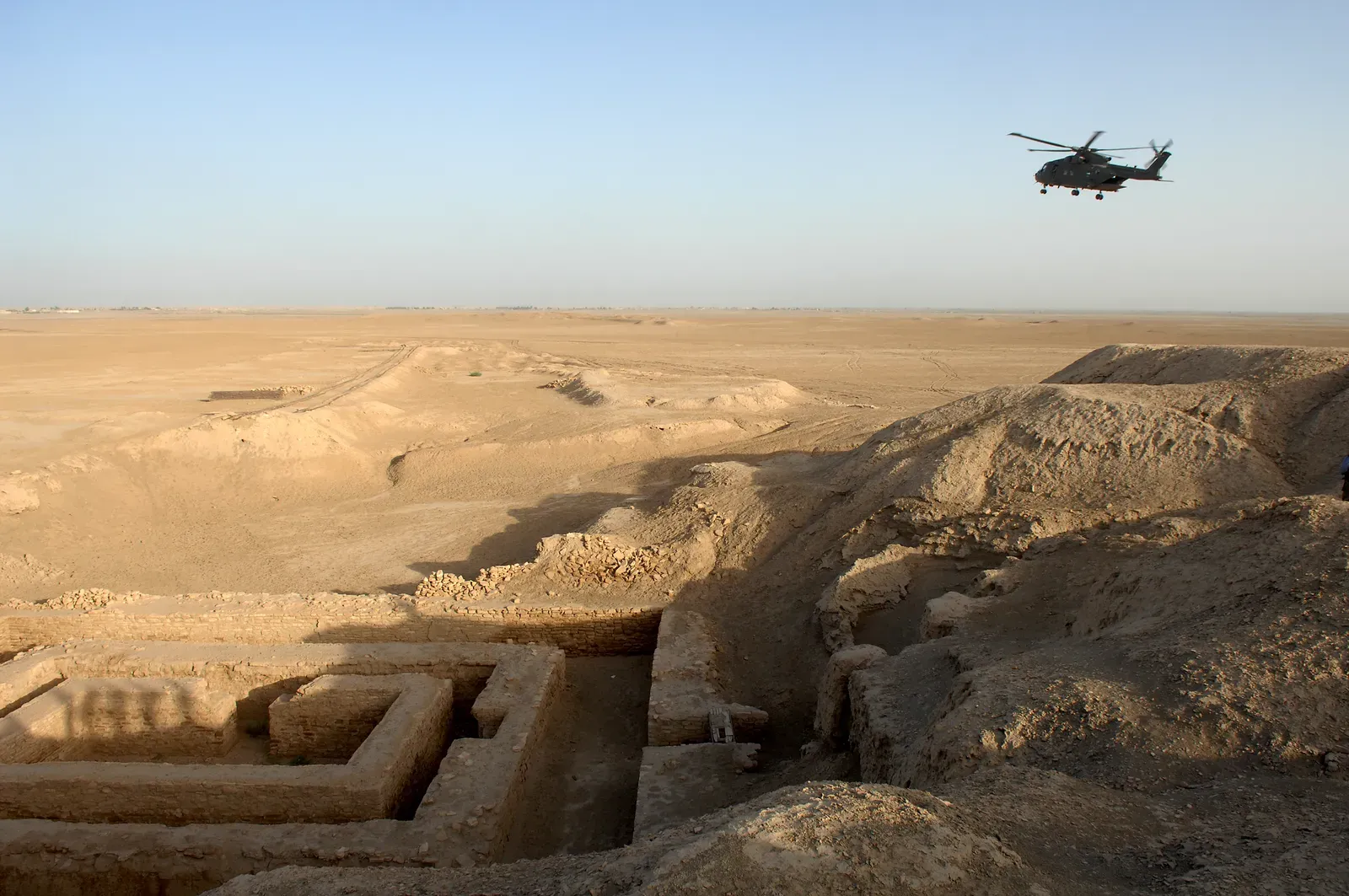
During the Uruk period in Mesopotamia, early urban culture spread outward from what is now southern Iraq into surrounding regions, leaving behind outposts that look like colonial-era company towns. These satellite settlements, in places like southeastern Turkey and western Iran, adopted writing, monumental buildings, and Mesopotamian-style goods, creating a network of early “globalized” hubs. Then, in a surprisingly short span, many of them were simply abandoned.
There is no single smoking gun. Some researchers suspect that trade networks reorganized, making these frontier towns economically pointless. Others point to possible conflicts with local groups or internal political shifts back in the Mesopotamian heartland that cut off support. What we do not see is a neat trail explaining why communities that had invested so much in sophisticated architecture and imported luxuries walked away. It feels a bit like a boomtown during a gold rush that suddenly runs dry, except nobody left a diary saying why they packed the carts.
Teotihuacan, Mexico: The City of the Gods That Emptied Itself
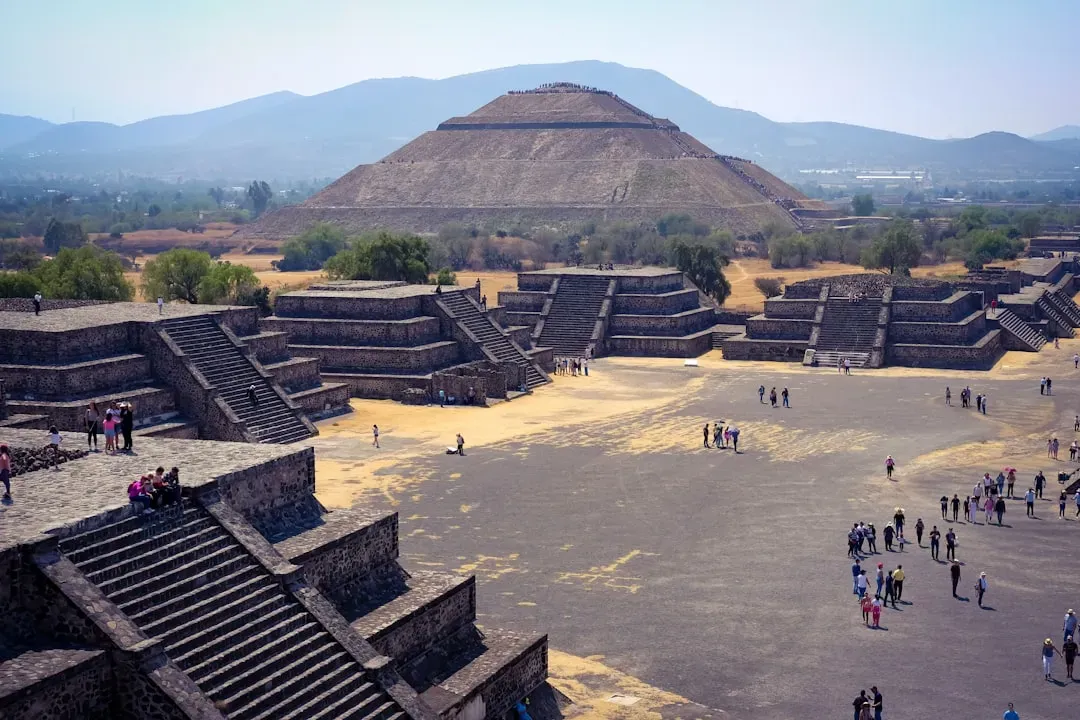
Teotihuacan, just outside modern Mexico City, was once home to tens of thousands, maybe more, with wide avenues, massive pyramids, and neighborhoods linked to long-distance trade. For centuries it was the heavyweight power of Central Mexico, influencing art, religion, and politics across the region. Then, around the sixth century CE, large parts of the city’s core were burned, the political system collapsed, and over time the population melted away.
Scholars argue over what triggered the unraveling: drought, volcanic events, internal revolt, or some toxic combination. There is evidence of deliberate burning of elite compounds, hinting that angry residents may have turned on their rulers. But even if that’s true, it doesn’t fully explain why the city eventually ceased to be a major population center instead of reorganizing under new leadership. The greatest irony is that later cultures treated Teotihuacan as a sacred ancestral city, yet even they did not seem to know exactly why its original inhabitants were gone.
Mohenjo-daro, Pakistan: The Great City of the Indus That Quietly Emptied
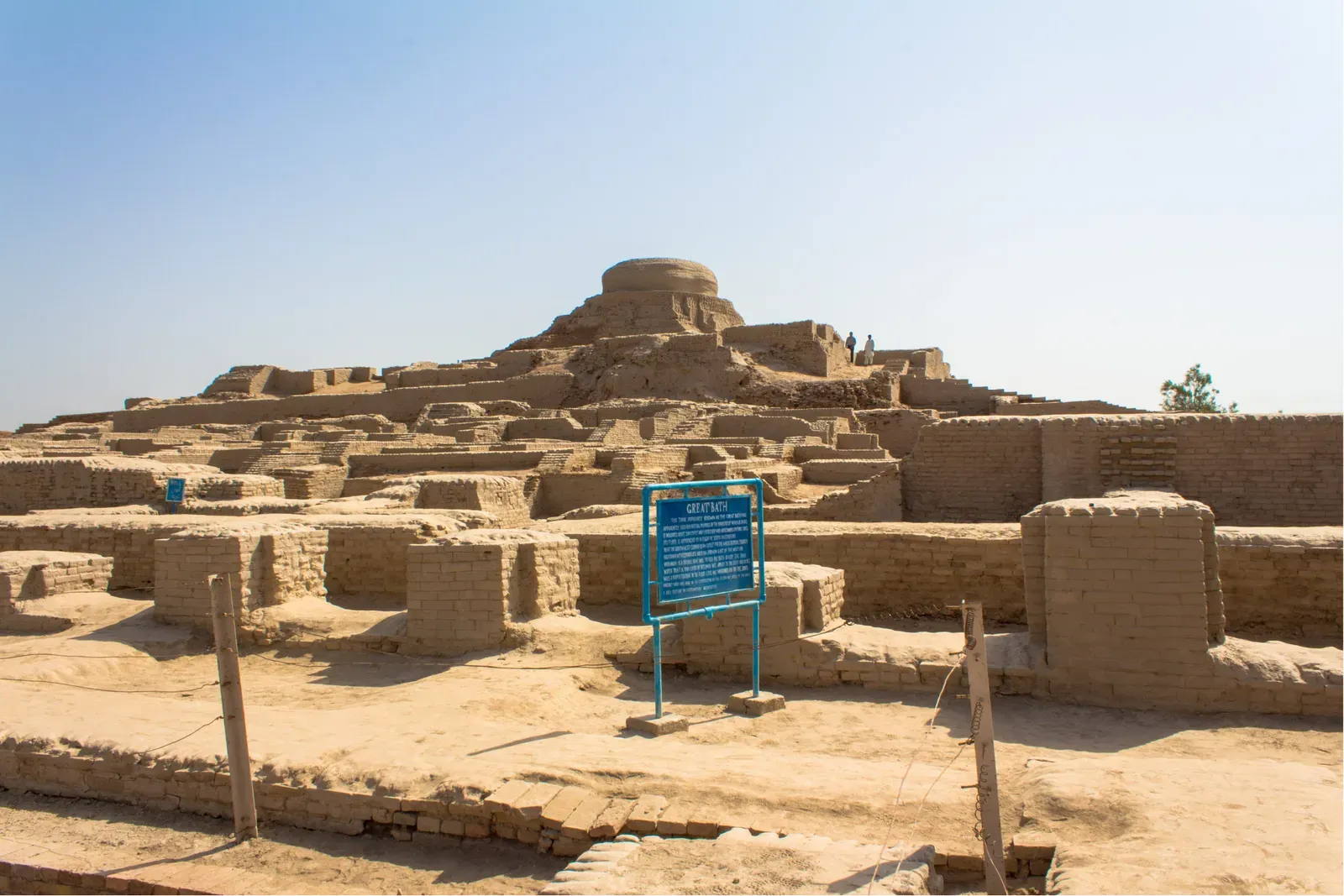
Mohenjo-daro, in today’s Sindh province of Pakistan, was one of the crown jewels of the Indus Valley Civilization. It boasted sophisticated drainage, standardized bricks, and an orderly grid layout that would put many later cities to shame. Unlike the dramatic palaces and temples of Mesopotamia or Egypt, its power seems to have been more civic than showy, which only adds to the sense of an everyday, lived-in city at its height.
Yet by the end of the second millennium BCE, Mohenjo-daro and many other Indus cities were abandoned or drastically reduced. Older explanations blamed invading warriors or river changes, but newer work suggests a mix of factors: environmental shifts, strain on agriculture, and possibly political fragmentation. The frustrating part is that the Indus script remains undeciphered, so we do not have local records explaining what went wrong. A city that once hummed with organised life faded, leaving us with streets and drains but almost no narrative voice.
Angkor, Cambodia: A Megacity Swallowed by the Forest
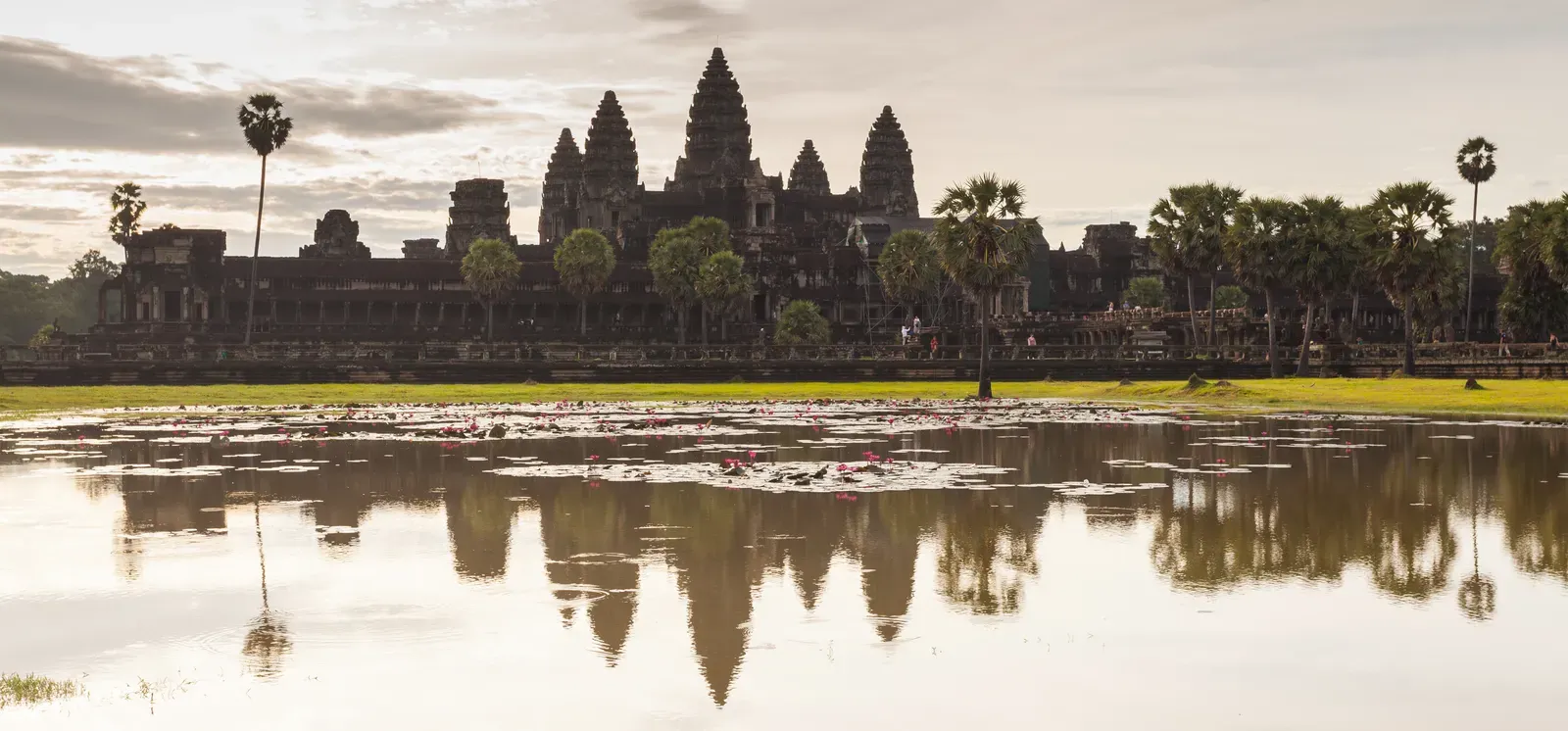
Angkor was more than just a temple complex; it was the core of a sprawling urban system with canals, reservoirs, and suburbs stretching over a vast area. At its height under the Khmer Empire, rulers presided over monumental stone temples like Angkor Wat while ordinary people lived in wooden houses now vanished from view. For centuries, it thrived on a sophisticated water-management system that harnessed monsoon rains and fed rice fields.
Then, between the fourteenth and fifteenth centuries, Angkor’s population declined, and the royal capital shifted further south. Climatic evidence suggests severe swings between drought and intense monsoon, which may have overwhelmed the hydraulic network. There were also pressures from neighboring powers and internal political shifts. Still, instead of a clean-cut catastrophe, what we see is a long, messy process of relocation and depopulation, until visitors centuries later encountered massive stone towers rising eerily out of dense jungle, as if a whole world had quietly stepped away.
Great Zimbabwe, Zimbabwe: A Stone-Walled Capital Left Standing Alone
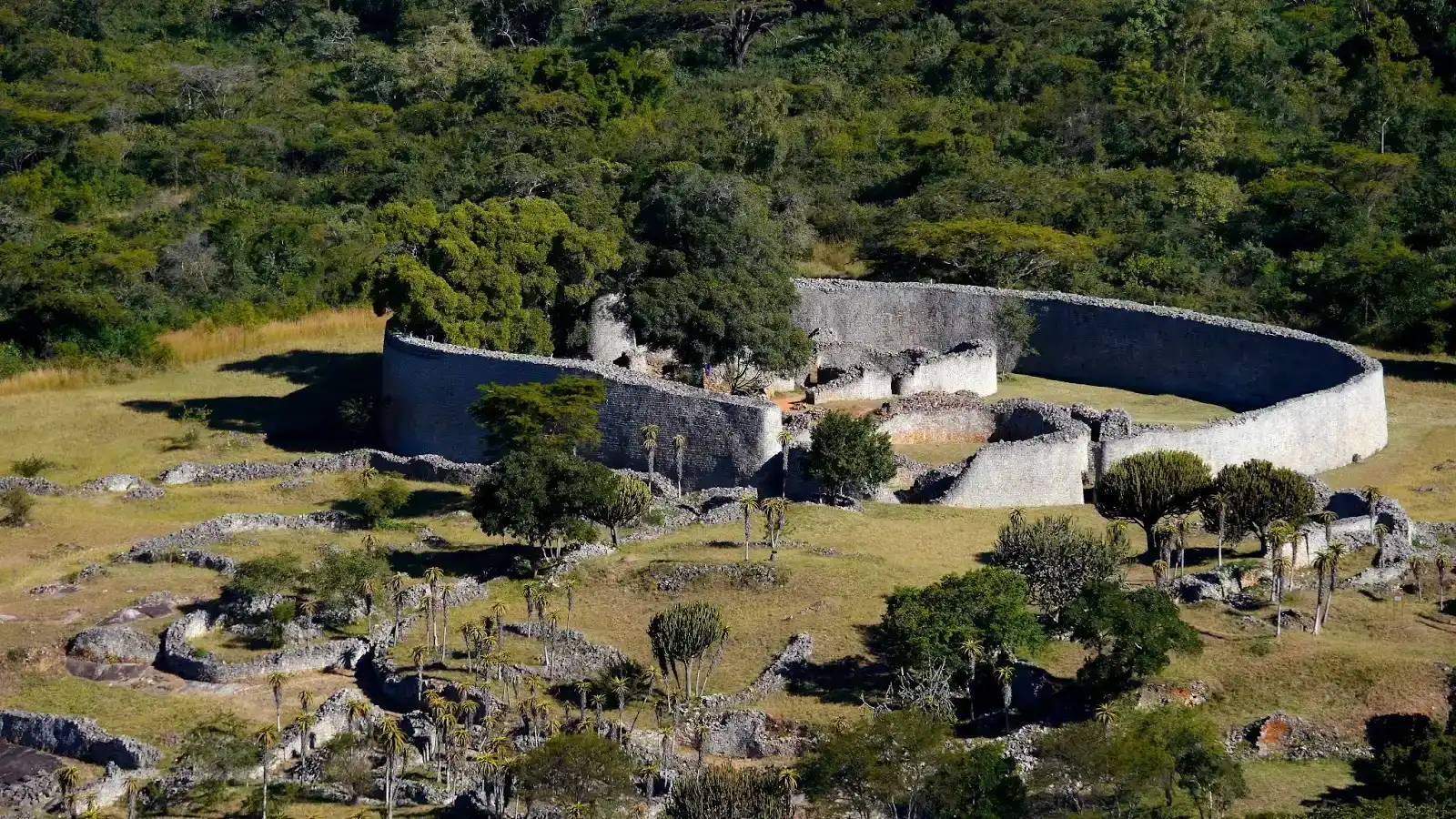
Great Zimbabwe, with its soaring dry-stone walls and enigmatic conical tower, once sat at the heart of a wealthy kingdom trading gold and ivory to the Indian Ocean coast. At its peak between the thirteenth and fifteenth centuries, it likely housed thousands of people and served as a political and religious center for a powerful elite. The architecture is distinctive enough that when European colonisers first saw it, they refused to believe local Africans could have built it – which tells us more about colonial prejudice than about the site itself.
By the sixteenth century, Great Zimbabwe had been largely abandoned, its political functions shifted to other centers. Some theories point to overgrazing, depletion of nearby resources, or changes in trade routes that made its location less profitable. Others look at internal rivalries and splinter states taking power elsewhere. The truth is probably a mix, but what remains striking is that such an impressive, labor-intensive capital was not continuously occupied or repurposed. Instead, the stone enclosures stood empty, inviting generations of myths and speculation.
Mesa Verde, USA: Cliff Palaces Deserted by the Ancestral Puebloans
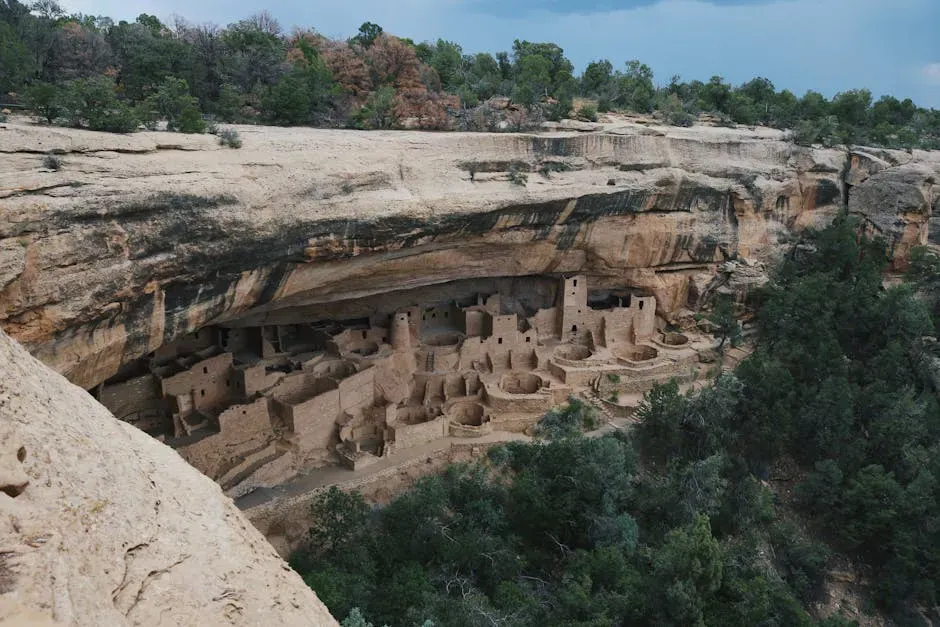
The cliff dwellings of Mesa Verde in Colorado look like something from a fantasy film: multi-story stone villages tucked into natural alcoves, overlooking canyons. For several centuries, Ancestral Puebloan communities built and expanded these settlements, farming the mesa tops and using the cliff architecture for shelter and ceremony. Then, in the late thirteenth century, they left the region altogether, relocating south and east into what is now New Mexico and Arizona.
Tree-ring data and other evidence point to prolonged droughts and possible social stress, including conflict and food insecurity. Yet the departure was not a panicked flight; people took their belongings and traditions with them, continuing their cultural story elsewhere. From a modern perspective, it feels strange that such striking stone villages were not resettled later on, especially given their defensive advantages. Instead, they remained emptied-out shells, so evocative that when you stand there today, you can almost hear the echoes of conversations that stopped without a recorded farewell.
Heracleion and Eastern Mediterranean Port Cities Swallowed by the Sea

Off the coast of modern Egypt, the submerged remains of the city often called Heracleion (or Thonis-Heracleion) tell the story of a once-busy port that effectively vanished from the historical landscape. In antiquity, it was a vital gateway between Egypt and the Mediterranean world, full of temples, warehouses, and ships. Over time, however, geological subsidence, rising waters, and catastrophic events like earthquakes and sudden collapses transformed solid ground into seafloor.
Ancient texts remembered the city vaguely, but its exact whereabouts and reasons for disappearance became muddled until underwater archaeology rediscovered it in recent decades. This pattern is not unique: other ancient ports around the eastern Mediterranean show traces of repeated occupation and eventual abandonment as shorelines shifted or harbors silted up. People likely made rational decisions to move to safer or more functional locations, but to us, the image of entire cities sunk below the waves feeds a more haunting narrative of places literally erased from everyday life.
Poverty Point and the Vanished Earthwork Builders of North America
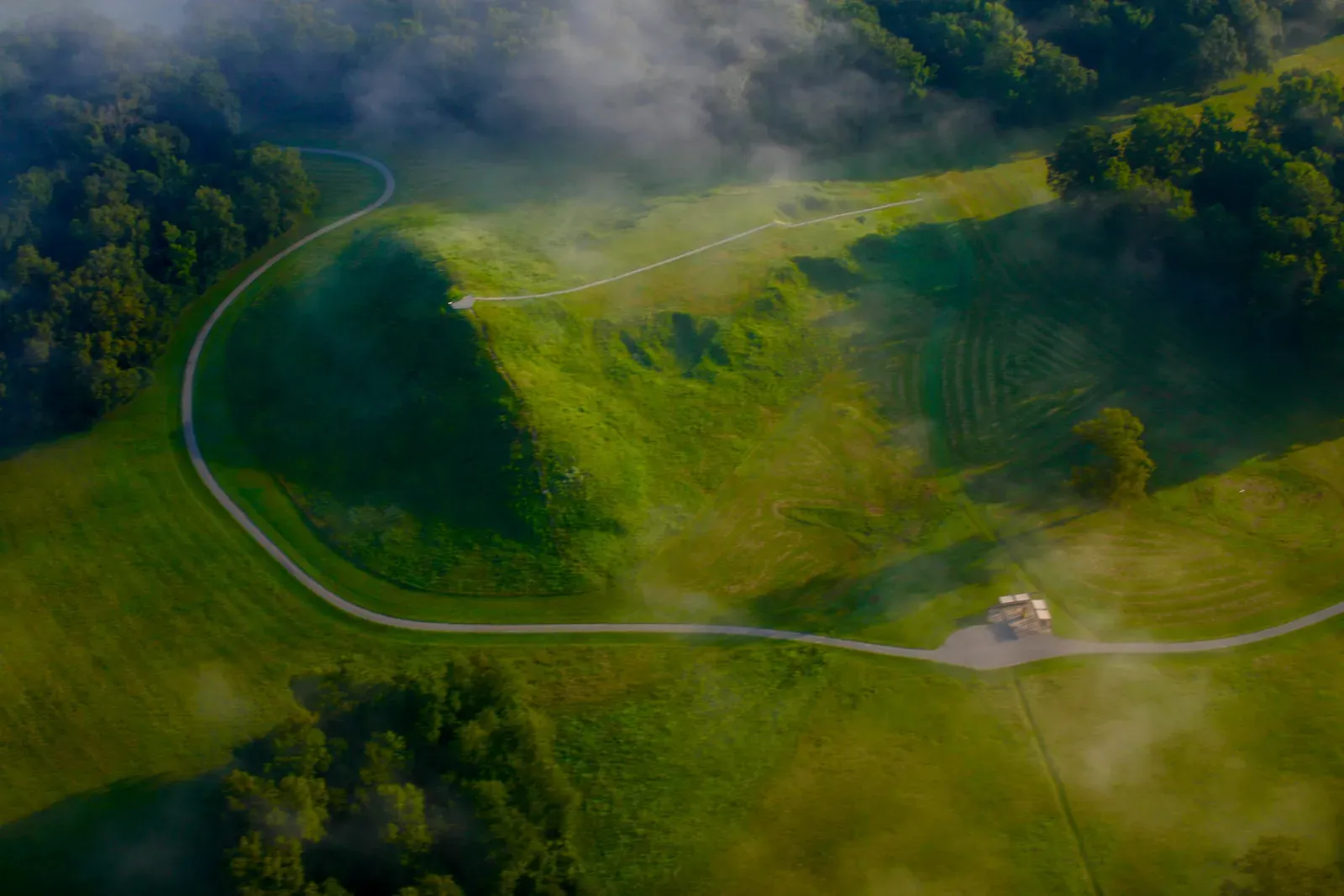
In what is now northeastern Louisiana lies Poverty Point, an enormous earthwork complex built by hunter‑gatherer communities more than three thousand years ago. Massive concentric ridges, mounds shaped like birds, and evidence of long-distance trade in stone tools suggest a level of social organisation that defies stereotypes about small-scale foragers. For a time, this was clearly a major center of gathering, ceremony, and exchange.
Then, after a few centuries of use, large-scale building and occupation stopped. There is no strong evidence of conquest or disaster; rather, people simply stopped constructing new mounds and organizing big gatherings here. Climate shifts, changing river patterns, or evolving social and religious practices may have nudged communities toward different places and priorities. What lingers is the unsettling sense that an entire regional focus of life and meaning was deliberately let go, leaving geometrically precise earthworks that modern visitors struggle to interpret.
Conclusion: When Staying Put Is Stranger Than Walking Away
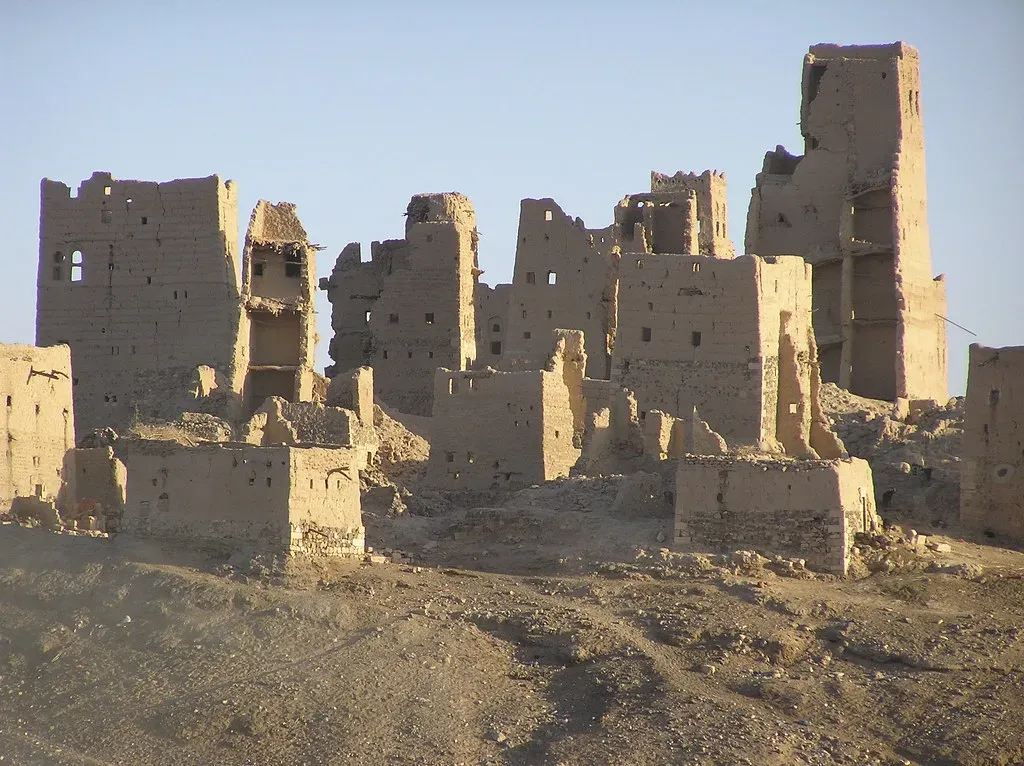
Looking across these nine places, a pattern emerges that is both sobering and oddly comforting: leaving is normal. Civilisations are not trees; they are more like flocks, willing to shift when conditions, beliefs, or opportunities change. We crave a single dramatic explanation – an invasion, a mega-drought, a lost technology – because it feels more satisfying than the messy reality of gradual decline, complicated trade realignments, and quiet decisions made around unrecorded fires.
My own view is that the real mystery is not why people leave, but why we expect them to stay forever. Cities and kingdoms feel permanent only because our lives are short; stretch the timeline, and almost every place becomes a phase rather than a destiny. These abandoned centers are mirrors: they remind us that our own skyscrapers and data centers might one day be puzzling ruins in a landscape shaped by choices we cannot yet imagine. When future archaeologists stand in the empty shells of our great hubs, what stories will they tell themselves about why we finally walked away?