Most people picture Yellowstone as a postcard of Old Faithful erupting against a blue sky, but that’s only the tip of a very hot, very mysterious iceberg. Beneath the boardwalks and camera flashes lies a hidden world of boiling water, toxic gases, and shifting rock that quietly shapes everything we see on the surface. Once you discover what’s happening out of sight, the park stops being just pretty scenery and starts feeling more like a living, breathing planet engine.
I still remember the first time I saw a small, nameless steam vent off a side trail and learned it was connected to a vast underground system that scientists are still trying to map. It was like finding a trapdoor in an old house and realizing there’s a whole basement nobody talks about. Yellowstone’s unseen geothermal world is exactly that: a deep, unpredictable basement under one of the most loved parks on Earth, humming away whether we’re paying attention or not.
1. Yellowstone’s “Supervolcano” Is Really a Giant Hidden Heat Engine
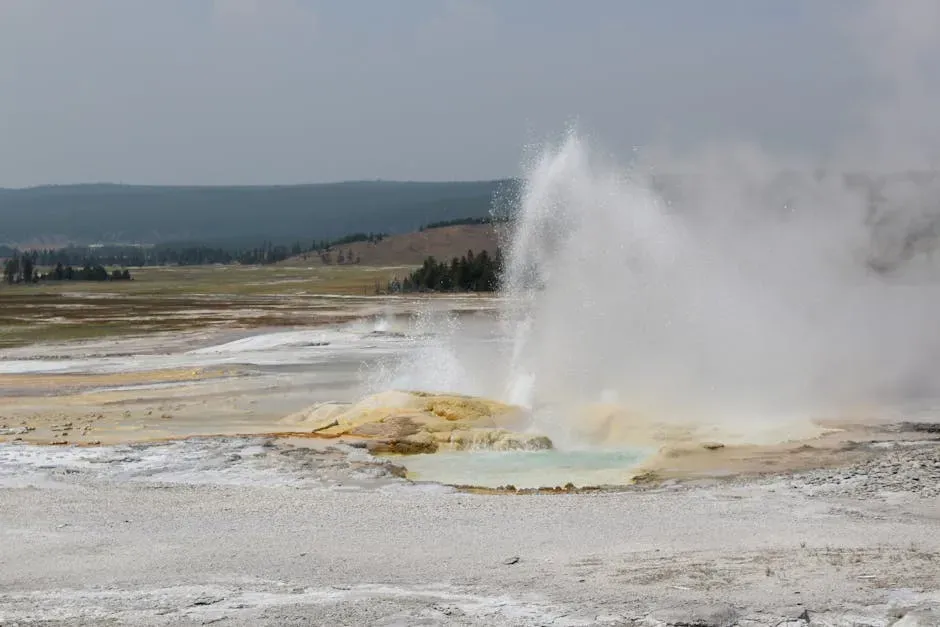
It sounds dramatic to call Yellowstone a supervolcano, but underneath the forests and rivers is a massive heat source that drives everything from geysers to mud pots. At depth, a large magma body and hot, partially molten rock slowly leak heat upward, like a giant burner under a pot. The landscape we hike through is basically the lid of that pot, cracked in places where steam, water, and gases can escape. You don’t see the magma, but you see evidence of it in every hot spring and puff of steam.
Researchers using seismic imaging and other techniques have mapped out this underground system and found that a lot of it isn’t fully molten; it’s more like a crystal-rich, hot sponge. That detail matters because it means Yellowstone isn’t just sitting there ready to blow at any moment, despite all the dramatic headlines. Instead, the geothermal features we love are a kind of slow-release valve for Earth’s internal heat. When you watch a quiet hot pool ripple, you’re looking at the softest expression of one of the planet’s wildest forces.
2. Most Hydrothermal Activity Is Completely Hidden Underground
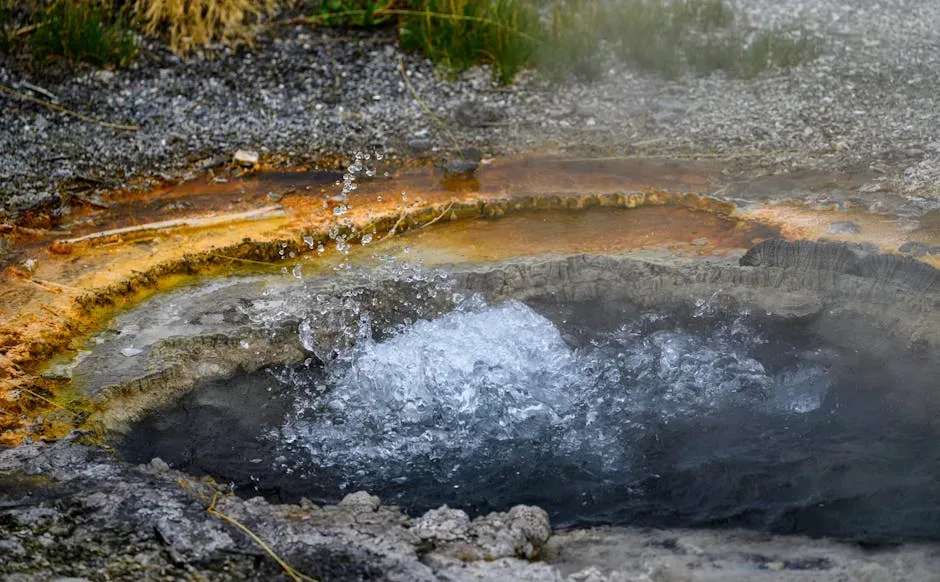
We tend to think of Yellowstone’s geothermal system as the things we can see: the colorful pools, the famous eruptions, the steaming ground. But scientists estimate that only a fraction of the hydrothermal plumbing actually breaks the surface. The rest is buried in rock, sediment, and fractures, where hot water and steam circulate in a complex, shifting maze. Imagine a city where only a few manholes are open, and everything else is happening in tunnels you never see.
By listening to tiny earthquakes and measuring how the ground conducts electricity and heat, researchers have traced out underground pathways of superheated water that never form a geyser or hot spring at the surface. Some of these unseen channels can transport hot fluids for long distances before they quietly cool down. That means the steaming pool beside a boardwalk might be connected to a heat source miles away, and you’d never know from just looking. The visible features are like scattered windows into a much larger, hidden system.
3. Hydrothermal Explosions Have Blasted Out Craters You’d Never Notice
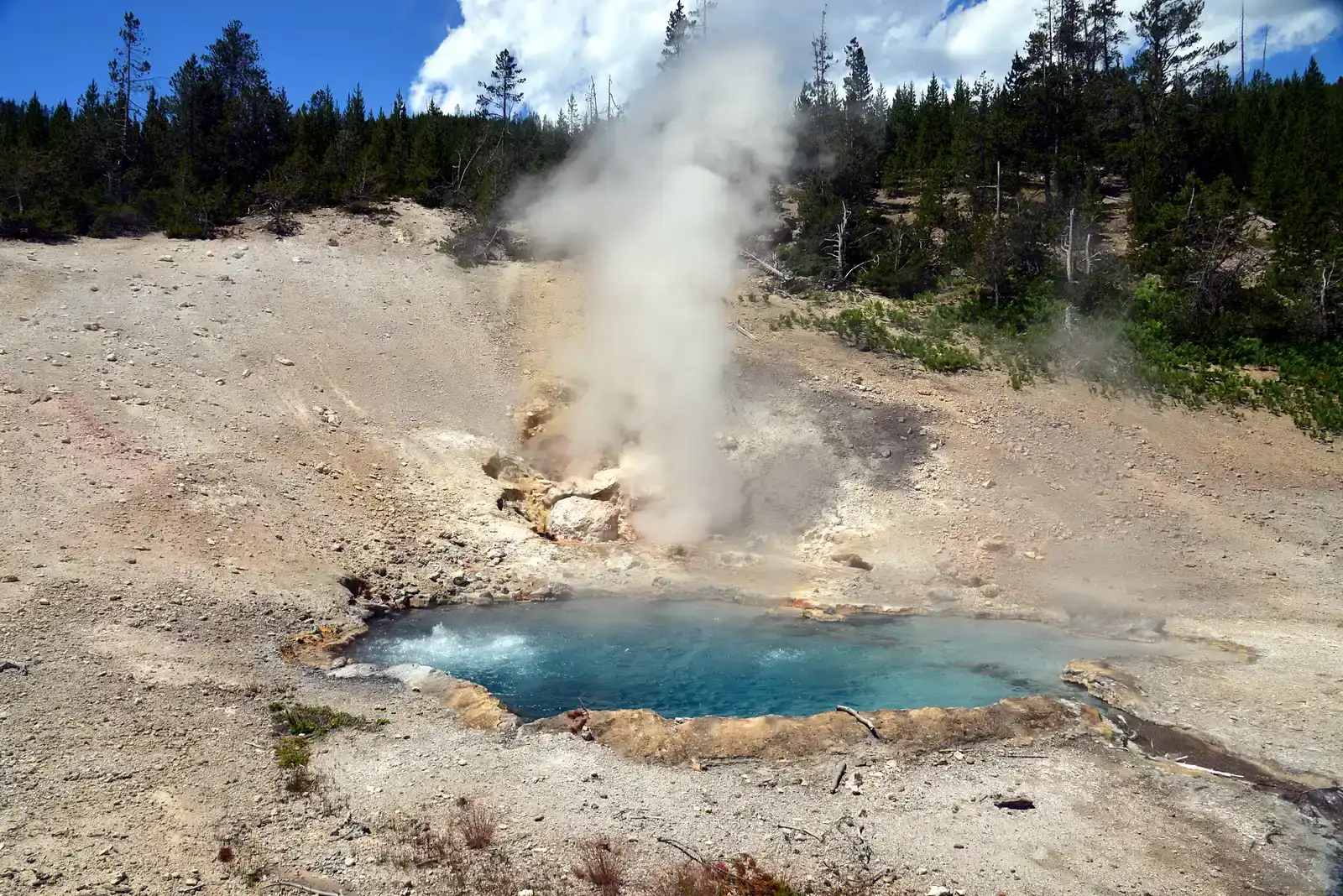
Yellowstone is famous for lava and ash in the distant past, but some of the most surprising scars in the park are from powerful hydrothermal explosions. These happen when water trapped underground suddenly flashes into steam, building intense pressure that breaks rock and throws it out in an instant. Instead of glowing lava, you get violent blasts of rock, mud, and steam. Many of these events have happened since the last major volcanic eruption and leave behind shallow craters that can be hard to recognize if you don’t know what to look for.
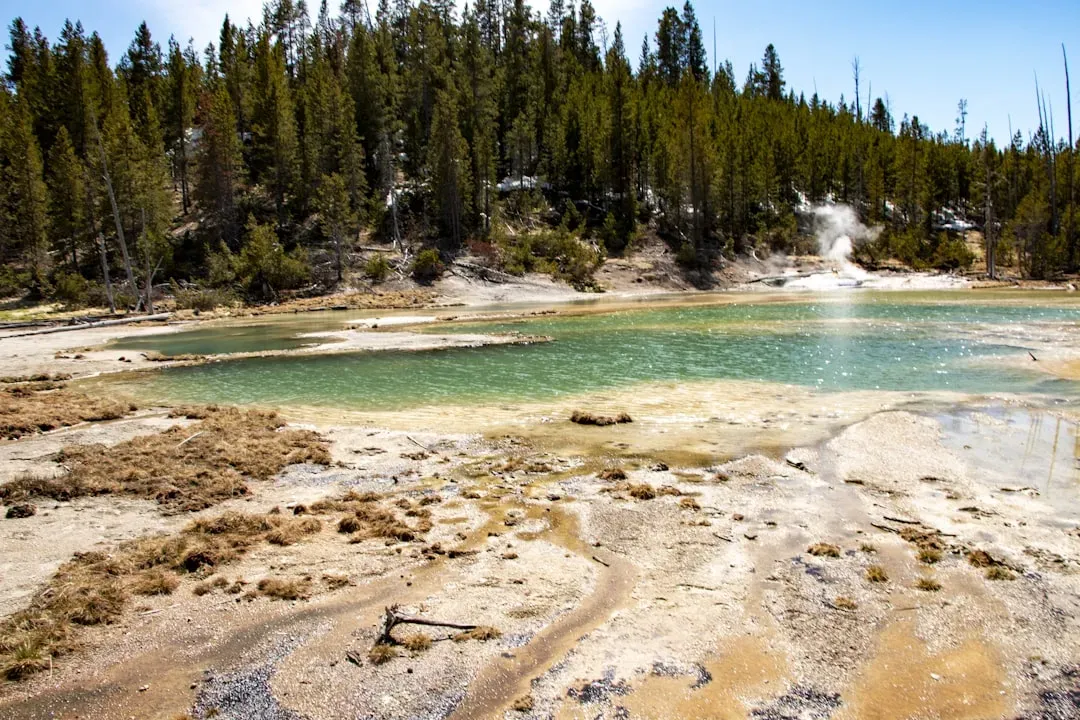
Some lakes, marshy areas, and oddly circular depressions in the landscape are actually old explosion craters. They don’t advertise their dramatic history; they just sit there quietly with trees and water filling them in over time. Scientists study these features because they’re a reminder that Yellowstone’s geothermal system isn’t always gentle or predictable. Most visitors walk right past these subtle scars without any idea that the calm scene in front of them was once a violent blast zone driven by unseen steam pressure beneath their feet.
4. The Ground Is Constantly Breathing, Rising, and Sinking
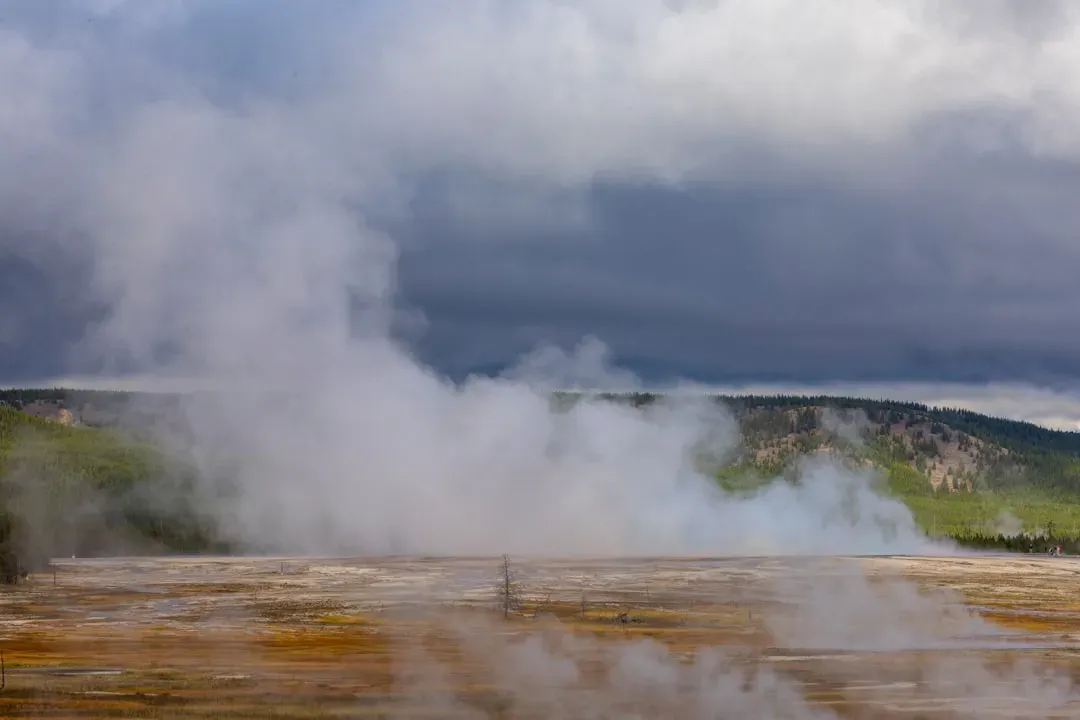
Yellowstone’s surface looks solid and ancient, but it’s actually moving more than most people realize. Sensitive instruments show that the ground in parts of the park can slowly rise or sink over years as fluids and pressure shift below. It’s like the park is taking very slow, very deep breaths. When hot water and gases accumulate, the ground may gently bulge upward; when they escape or redistribute, it can settle back down again.
These changes are usually measured in centimeters over time, so you won’t see a hill appear overnight, but over a decade the differences can be surprisingly noticeable in the data. This slow flexing is driven by the same forces that feed geysers and hot springs, and tracking it helps scientists understand where fluids are moving below the surface. To walk across a meadow in Yellowstone is to step on a living, shifting skin, even if that motion is far too subtle for your body to feel.
5. Microorganisms Color Hot Springs in Ways Your Eyes Can’t Fully See
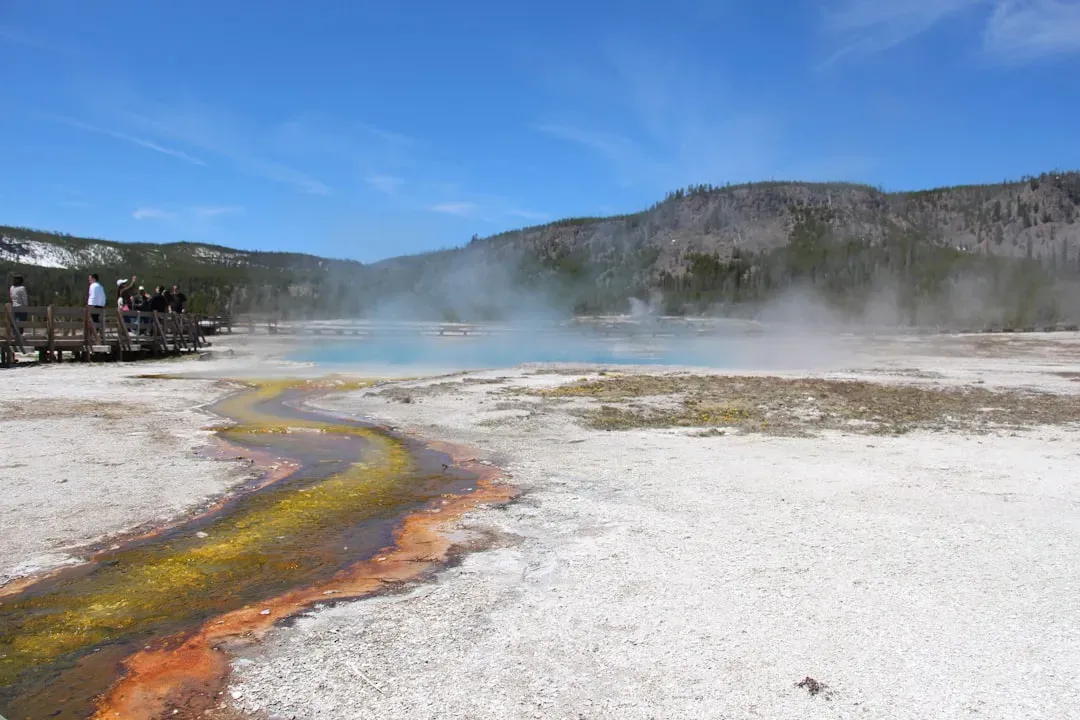
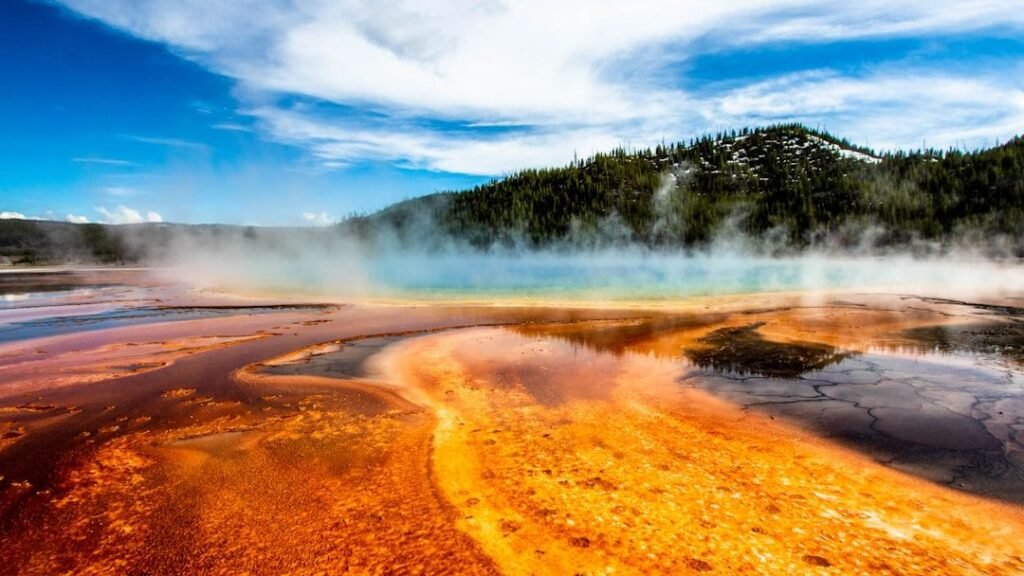
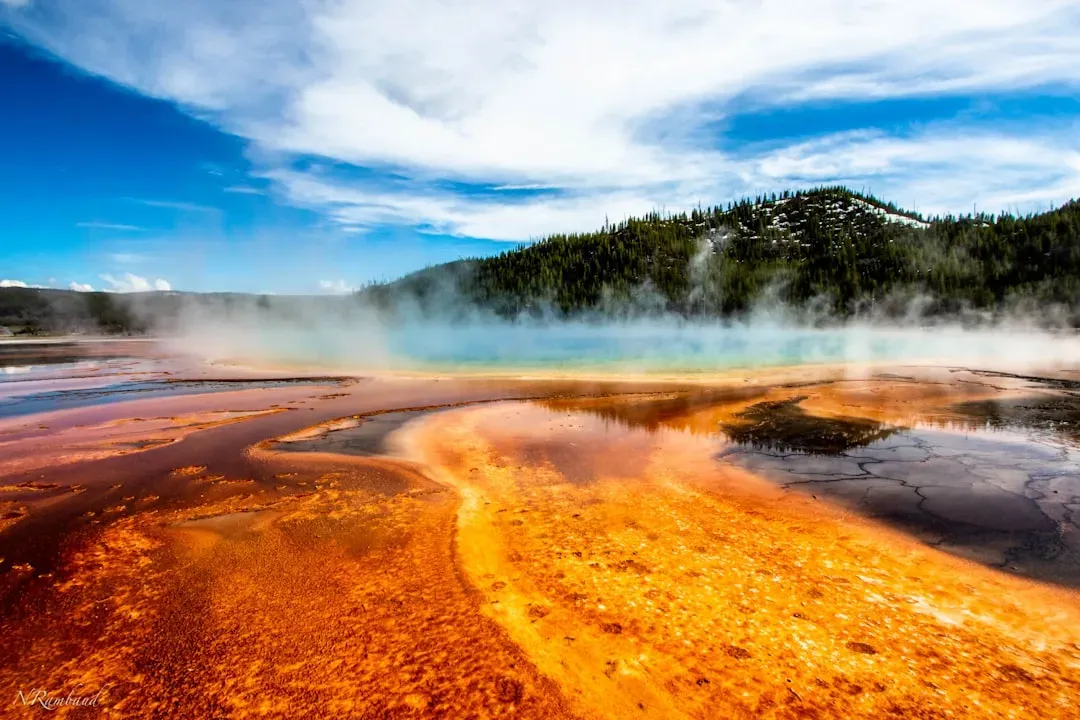
Those stunning rings of yellow, orange, and green around hot pools are not just minerals; they’re living communities of microorganisms that thrive in extreme conditions. Different species prefer different temperatures and chemical environments, so their colors trace out subtle gradients of heat and water chemistry. To your eyes, it’s just beautiful color, but to a scientist, it’s a living temperature map drawn by microbes. Some of these organisms can survive in conditions that would be instantly deadly to humans.
What’s wild is that many of the most interesting microbes in Yellowstone aren’t even visible as distinct colors. They live in sub-surface layers, tiny films on rocks, or depths of springs where light barely reaches. Their existence has already led to major advances in fields like molecular biology and biotechnology, all from organisms quietly doing their thing in scalding water. When you lean over a railing to admire a bright pool, you’re looking at just the surface of an invisible empire of life that has adapted to heat and chemistry most of us can barely imagine.
6. Hidden Gas Emissions Quietly Shape Air and Water Chemistry
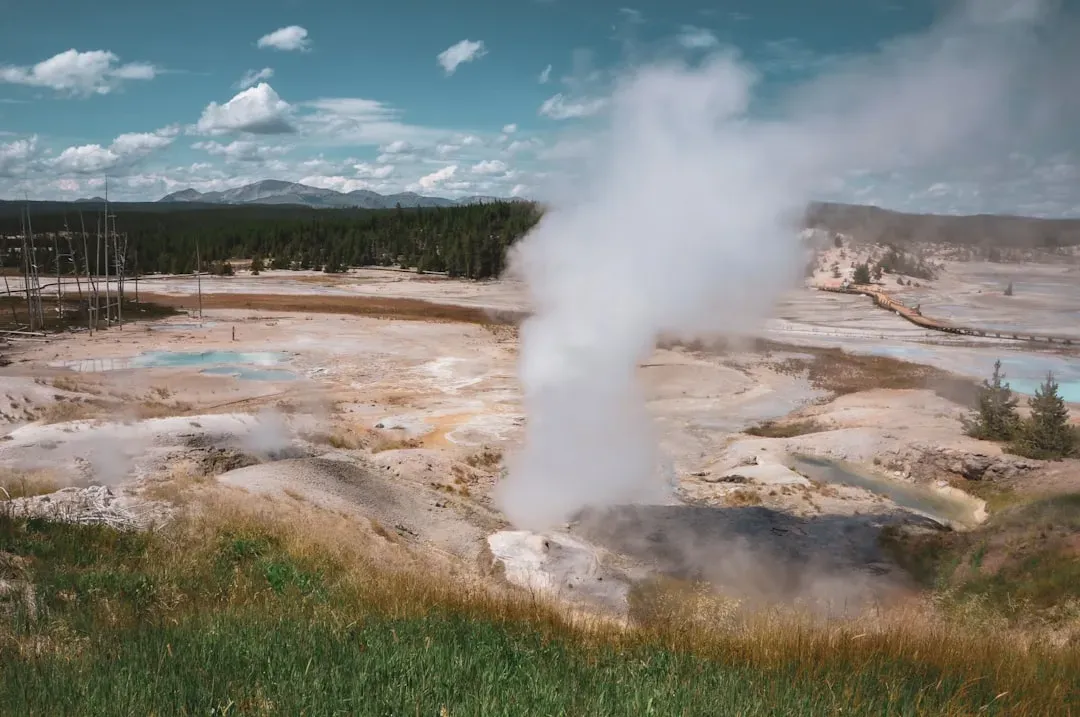
We tend to notice steam and bubbling water, but gases are one of the most important and least obvious parts of Yellowstone’s geothermal system. Carbon dioxide, hydrogen sulfide, and other gases rise from depth and escape into the air and water, often from places with no dramatic visible feature. Some of these gases can be hazardous in high concentrations, especially in low-lying areas where they can collect. That’s one reason some spots in the park are off-limits or closely monitored, even if they look calm.
Gas measurements help scientists track what’s happening below the surface, because changes in gas composition or volume can signal shifts in the hydrothermal or magmatic system. These emissions also influence the chemistry of streams and soils around vents and springs, subtly changing which plants and microbes can survive there. So while visitors snap photos of geysers, an invisible river of gas is constantly flowing from the underground world to the atmosphere, carrying clues about Yellowstone’s internal workings that most people never notice.
7. New Thermal Areas Can Appear Where There Were None Before
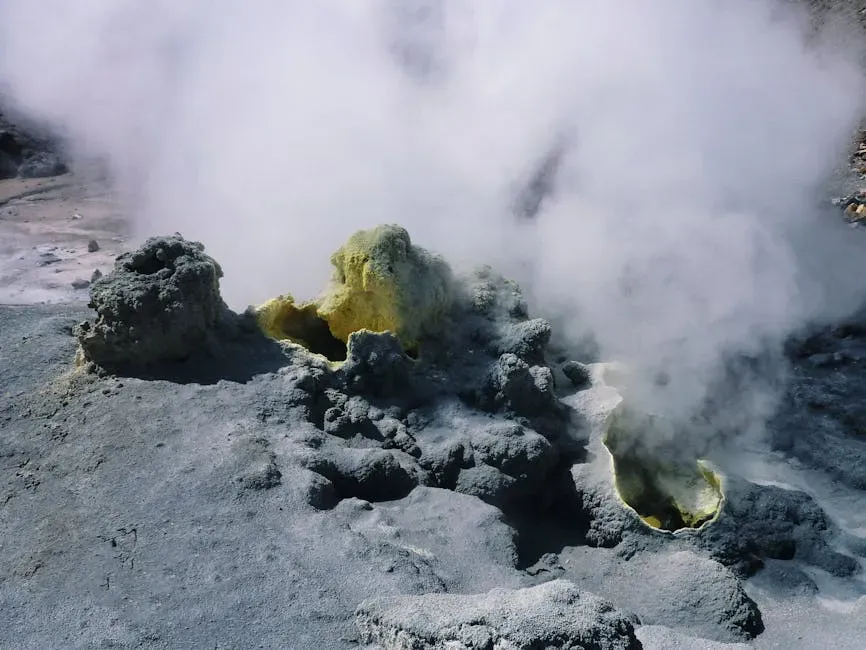
One of the most unsettling and fascinating things about Yellowstone is that new hot spots can appear with little warning. Over the years, previously stable ground has suddenly warmed, dead trees have started to steam, and new vents have opened where there was nothing noticeable before. These changes are usually local and modest, but they’re powerful reminders that the hydrothermal system is dynamic. The underground plumbing can reroute itself, opening new pathways for hot fluids and closing old ones.
Scientists track these emerging thermal areas using satellite data, temperature measurements, and field surveys. It’s a bit like watching a city’s underground pipes spring leaks in new places as old pipes clog or change flow. For visitors, it means the map of Yellowstone’s hot spots isn’t fixed; the park you walk through today is not exactly the same geothermal landscape someone saw a few decades ago. That slow but steady reshaping gives the park a sense of living time, as if the ground is quietly editing its own story.
8. The Deep Hydrothermal System Helps Relieve Pressure on the Volcano
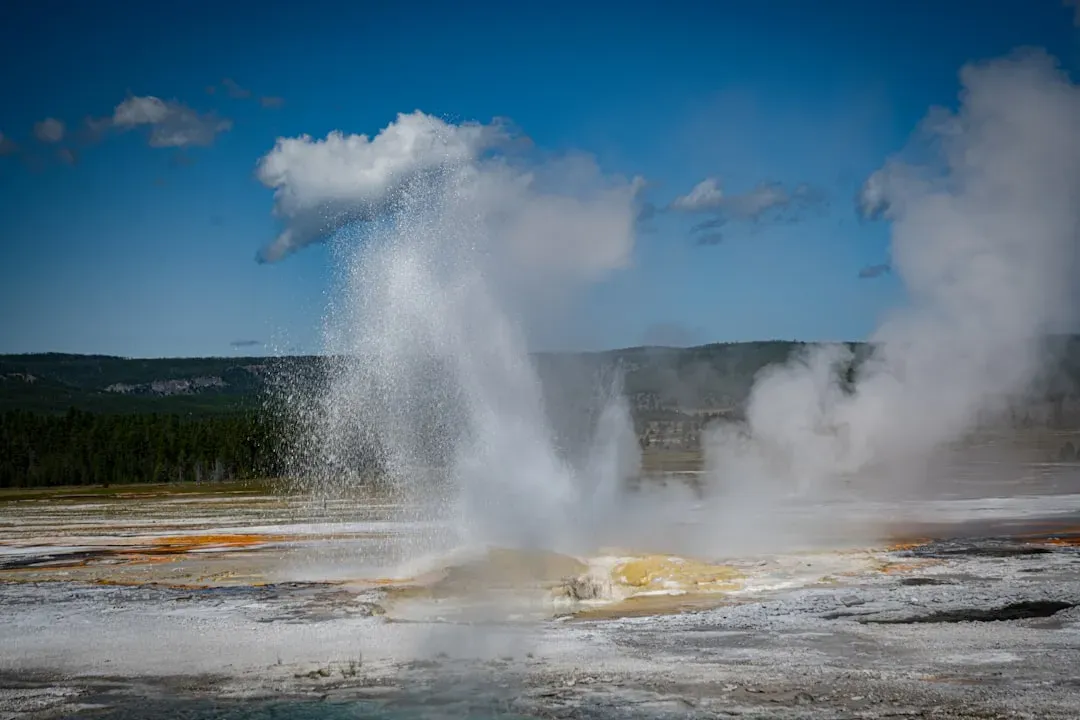
There’s a strange comfort in knowing that Yellowstone’s splashing geysers and steaming vents are not just pretty shows but also part of a pressure relief system. As heat and gases move upward through cracks and fractures, they escape gradually instead of building unchecked below. That flow of fluids can help prevent extreme pressure from accumulating in the crust, much like tiny leaks in a pressure cooker lid. It doesn’t mean big eruptions are impossible, but it does mean the system has outlets that constantly bleed off energy.
Researchers see Yellowstone’s interconnected network of fractures, hot water, and steam as a complex safety valve that evolves over time. In a sense, every small fumarole and quiet hot pool is participating in this slow-release process. It turns the idea of the park from a sleeping monster into something more nuanced: a restless, self-venting system that is continually adjusting and balancing its own internal pressures. That perspective doesn’t erase risk, but it does offer a more grounded, less sensational way to understand the unseen forces at work.
9. Our Best Tools Still Can’t Fully Map the Underground Maze
With all our modern technology, you might assume scientists have a clear picture of Yellowstone’s entire geothermal network. The truth is more humbling. Seismic imaging, satellite data, ground deformation studies, and chemical analyses give us pieces of the puzzle, but the full three-dimensional map of hot water, steam, and rock remains incomplete. The system is too deep, too complex, and always changing. It’s like trying to map a constantly shifting ant colony buried under a forest using only vibrations and surface clues.
That uncertainty is not a failure; it’s a sign of how intricate the natural system really is. It also explains why responsible scientists speak carefully about predictions, especially around future eruptions or major changes. We know a lot more than we did a few decades ago, but Yellowstone still keeps its deepest secrets to itself. In a world where we often think we can measure and control everything, there’s something oddly reassuring about a place that resists being fully known, no matter how many instruments we point at it.
Conclusion: A Familiar Park with an Unfamiliar Depth
Once you understand Yellowstone’s unseen geothermal world, the park stops being just a collection of famous viewpoints and starts feeling like the visible skin of a vast, hidden organism. The quiet craters, subtle ground movements, invisible gases, and microscopic life all tell pieces of the same story: this landscape is alive with slow, powerful processes we mostly never see. For me, that makes even a simple walk on a boardwalk feel different, like stepping carefully across the lid of an enormous, ancient machine that is still very much switched on.
And maybe that’s the real magic of Yellowstone’s geothermal wonders: they remind us that the planet is still building, breaking, and reinventing itself beneath our feet, whether we’re watching or not. The park is beautiful on the surface, but its true character lives in the hidden heat and quiet motions below. Next time you see a wisp of steam drifting across a meadow, will you think of it as just fog, or as a tiny whisper from the deep engine of the Earth?