

You almost never get a completely “out of the blue” health disaster. Your body is annoyingly good at warning you; the problem is that you’re usually busy, stressed, or used to feeling “off,” so you shrug off the early signals. Then three days later, you land in the emergency room wondering how it escalated so fast. When you start paying close attention, you realize your body often starts whispering roughly seventy‑two hours before things really fall apart.
This does not mean you can predict the exact timing of a heart attack, infection, or other emergency like a clock. Biology is messy and individual. But there are patterns: certain clusters of symptoms that often show up in the day or two before a serious flare of illness, severe dehydration, sepsis, heart trouble, or a dangerous blood sugar swing. If you know what to look for, you give yourself a crucial window to seek help early instead of hoping it just “goes away.”
1. Sudden, Unrelenting Fatigue That Feels Different From Your Normal Tired

You know what your “usual tired” feels like after a long week: you rest, you recover, you move on. The kind of fatigue that often shows up before a major physical crisis feels different in your bones. You might wake up after a full night’s sleep and still feel like you never slept at all, or you hit a wall in the afternoon so hard it actually scares you. Walking across the room may feel like hiking up a mountain, and simple tasks like showering or making coffee suddenly seem overwhelming.
This kind of exhaustion does not improve with a nap, a coffee, or a quiet evening. Instead, it may get worse over twenty‑four to seventy‑two hours. You could notice that your usual workouts become impossible, or you find yourself choosing to sit down whenever you can because standing feels like too much work. That type of dramatic, unexplained drop in energy can be an early warning sign of serious infection, major blood loss, heart problems, or a brewing metabolic crisis, and it deserves medical attention, not just “pushing through.”
2. Subtle Chest Discomfort, Not Always “Pain,” That Keeps Coming Back

When you picture a heart crisis, you probably imagine crushing, dramatic chest pain. In reality, your body often starts with smaller, sneakier hints hours or days before a major event. You might feel a vague pressure, tightness, or heaviness in your chest that you can’t quite explain. Sometimes it feels like stubborn heartburn, a band wrapped around your chest, or a weird fullness when you lie down. You may notice it more with exertion and less at rest, or it might come and go without an obvious pattern.
If this discomfort starts appearing out of nowhere, especially if you also feel short of breath, unusually tired, sweaty, nauseated, or lightheaded, your body may be warning you that your heart or lungs are in trouble. The dangerous trap is telling yourself it’s just indigestion or stress and waiting to see if it disappears. When a new chest sensation keeps returning over a day or two, you should treat it as a red flag that needs urgent evaluation, even if it is not the movie-style, dramatic pain you expected.
3. Breathing That Feels “Off” Even When You’re Not Doing Much

Breathing is one of those things you only notice when it starts to feel wrong. In the day or two before a major physical crisis, one of the most important signals your body can send is subtle, escalating shortness of breath. You might feel unusually winded after climbing a single flight of stairs, talking on the phone, or walking from your car to your front door. Sometimes you feel like you cannot fully “fill” your lungs, or you find yourself taking frequent deep breaths or sighs to feel satisfied.
As hours go by, you might start waking up at night feeling breathless, propping yourself up on pillows to breathe easier, or noticing a tightness in your chest that wasn’t there before. This can be a sign of heart failure, a lung infection, a blood clot, severe anemia, or even a dangerous allergic reaction, depending on what else is going on. If your breathing changes noticeably, especially if it worsens over twenty‑four to seventy‑two hours, you should not wait to see if it clears up on its own. Breathing is one of the body’s non‑negotiable systems; when it starts complaining, you listen.
4. A Fever That Creeps In, Plus Chills, Confusion, or Feeling “Not Right”

A mild fever by itself is not always an emergency; your body uses it as a tool to fight infections all the time. But when a fever shows up with other worrying changes, it can be your body’s early alarm that a serious infection is gaining ground. You might first notice that you feel strangely cold and shivery or, the opposite, like you are burning up from the inside even in a cool room. Over the next day or two, you may swing between chills and sweats, waking up with damp sheets or finding that you cannot get comfortable temperature‑wise.
What makes this especially dangerous is when the fever links up with signs that your brain or circulation is struggling. You might feel confused, unusually drowsy, weak, or “out of it,” or you notice rapid breathing, a racing heart, or very low energy. Sometimes you feel a strong sense that something is just deeply wrong in your body, beyond a simple cold or flu. These can all be early signs of sepsis or another serious inflammatory crisis, and they can emerge in the crucial seventy‑two hours before things escalate. If a new fever appears alongside these red flags, you need medical help, not just another over‑the‑counter pill.
5. Rapid Heartbeat, Palpitations, or Irregular Pulse You Can Actually Feel
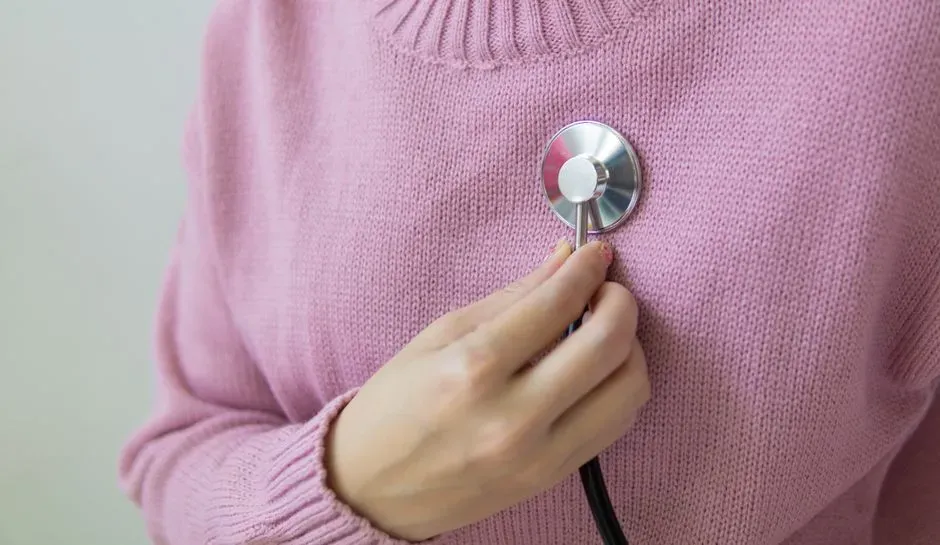
Most of the time you do not feel your heartbeat at all; it quietly does its job and you go about your day. But in the run‑up to a serious physical event, your heart may start calling attention to itself. You might notice your heart racing for no clear reason, pounding hard in your chest, fluttering, skipping beats, or beating in a strangely irregular pattern. Sometimes you feel it in your throat or neck, or you become suddenly aware of your pulse in your wrists or temples.
What makes this particularly concerning is when it comes with dizziness, chest discomfort, shortness of breath, or near‑fainting spells. In some people, abnormal heart rhythms or severe dehydration can silently worsen over hours or days before a major collapse. If you suddenly find yourself needing to sit down because your heart feels out of control, or you feel like you might pass out, your body is not being dramatic; it is asking for help. Learning how your normal pulse feels when you are calm can make it easier to recognize when something shifts from “weird but brief” into “urgent and unsafe.”
6. New or Worsening Swelling in Your Legs, Feet, Abdomen, or Face

Swelling can seem harmless at first, especially if you have been on your feet or sitting for long stretches. But a sudden or rapidly worsening puffiness in your ankles, feet, calves, belly, or even around your eyes can be an early sign that your heart, kidneys, or circulation are under serious stress. You might first notice that your socks leave deeper marks than usual, your shoes feel tighter, or your rings are harder to remove. Over the next day or two, the swelling may become more obvious and uncomfortable.
You might press your finger into your skin and see an indentation that stays for a few seconds, or you notice your weight creeping up over a very short time even though your eating hasn’t changed much. Swelling like this can mean your body is holding onto fluid instead of moving it properly, and that can precede heart failure episodes, kidney crises, blood clots, or serious liver problems. If the swelling is new, one‑sided, painful, or accompanied by shortness of breath or chest discomfort, you should treat it as a loud warning, not a cosmetic annoyance.
7. Intense, Persistent Thirst and Very Little Urine Output

When your body is heading toward a major dehydration or kidney crisis, it starts sending clear signals long before your blood pressure crashes. One of the biggest ones is a fierce, unshakeable thirst that does not match your usual habits. You may suddenly find yourself drinking far more water than normal, waking up at night desperate for a drink, or craving fluids constantly. At the same time, your mouth might feel dry, your lips cracked, and your tongue sticky, even right after you drink.
The other half of this picture is what happens when you go to the bathroom. You might notice that you are urinating far less often, that your urine is much darker than usual, or that it has a strong, unusual smell. In people with diabetes or other chronic conditions, this pattern can be a serious red flag for an impending blood sugar crisis or kidney trouble over the next day or two. If extreme thirst, low urine output, and unusual fatigue or confusion all show up together, you should not wait to see if “drinking more water” fixes it; your body is telling you something bigger is wrong.
8. Sudden Changes in Mental State: Confusion, Agitation, or Unusual Calm

Before a major physical crisis, your brain often starts to show that something in your body is off long before you collapse. You might feel unusually foggy, have trouble following conversations, or struggle to focus on simple tasks you normally handle without thinking. Maybe you get lost driving a familiar route, forget what you were just doing, or find it strangely hard to make even small decisions. Sometimes you notice that people around you keep asking if you are okay because you seem “different” or “out of it.”
On the flip side, you might also become oddly irritable, agitated, or restless for no clear reason, or, in some cases, strangely calm and detached when you would normally be worried. Sudden mental changes like these can be early signs of infection, low oxygen, stroke, severe metabolic problems, or a brewing sepsis picture, and they may appear in the crucial hours to a couple of days before a dramatic decline. If you or someone close to you seems mentally off in a way that is new, persistent, and hard to explain, it is safer to assume the body is waving a red flag than to write it off as a “bad mood.”
9. New, Severe, or Unusual Pain That Escalates Instead of Easing

Pain is one of the clearest languages your body speaks, but it is also one you may have learned to ignore if you live with chronic aches. The danger comes when a new kind of pain shows up, or a familiar pain suddenly changes in a way that feels alarming. You might develop a severe headache that feels different from your usual ones, a sharp pain in your abdomen that keeps intensifying, or a deep ache in your back or side that makes you instinctively hold your breath. Sometimes the pain is not the worst you have ever felt, but it is steady, persistent, and refuses to respond to your usual remedies.
Another red flag is when pain becomes linked to other symptoms over a day or two: abdominal pain paired with vomiting and a swollen belly, back pain with fever and burning urination, leg pain with swelling and warmth, or headache with confusion or vision changes. When pain escalates or spreads instead of easing over the next twenty‑four to seventy‑two hours, your body is not asking you to toughen up; it is begging you to pay attention. Treat new or dramatically different pain, especially if it worsens or combines with other warning signs, as a possible pre‑crisis signal, not just an inconvenience.
Conclusion: Listening to the Quiet Warnings Before the Storm

Your body rarely betrays you without warning; it usually spends hours or days trying to get your attention first. Sudden, crushing emergencies often have quieter prequels: strange fatigue, odd chest sensations, labored breathing, creeping fevers, racing hearts, swelling, extreme thirst, mental fog, or escalating pain. On their own, each sign can have many explanations, some harmless. But when they are new, intense, or worsening over twenty‑four to seventy‑two hours, they form a pattern you cannot afford to ignore.
The real skill is not in diagnosing yourself but in noticing when your normal baseline has shifted and refusing to brush it off. You do not need to panic every time something feels off, but you do need to respect your own internal alarms and ask for help early instead of waiting until you are in full crisis. Learning to listen to your body is not about becoming paranoid; it is about giving yourself a fighting chance to act before things spiral. Looking back, would you rather say you overreacted a little, or that you wished you had taken that strange feeling more seriously?