If you think you handle extremes because you once walked in winter without a coat or survived a heat wave without air conditioning, animals would probably laugh at you if they could. Across the planet, from crushing ocean depths to sun-scorched deserts and icy polar wastelands, creatures have quietly evolved survival tricks so wild they almost sound like science fiction. Yet for them, these strange abilities are just the everyday rules of staying alive.
As you read through these adaptations, you’ll notice something humbling: many animals do not just endure harsh conditions, they actually depend on them. Their bodies, behaviors, and even blood chemistry are tuned like custom-made survival gear you could never buy in a store. By the time you reach the last one, you may start to see your own everyday environment as surprisingly gentle – and realize that life, in all its forms, is a lot tougher and more inventive than you ever gave it credit for.
1. Tardigrades: The Near-Indestructible Microscopic “Bears”
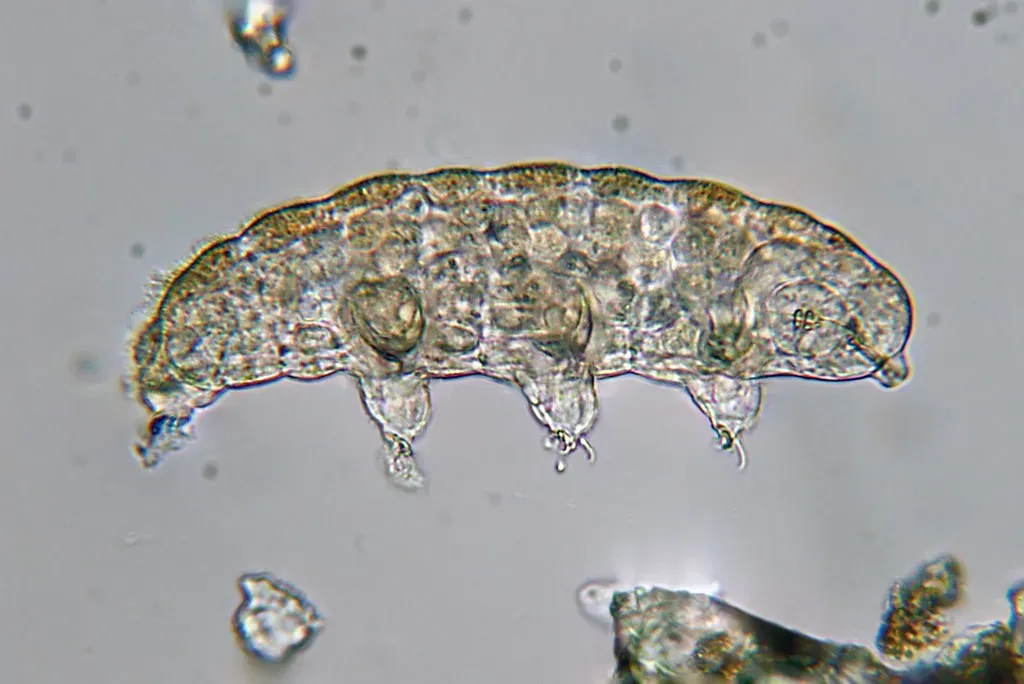
You might never see a tardigrade with your naked eye, but if you could, you’d be looking at one of the toughest creatures on Earth. When conditions get dangerously dry, cold, or oxygen-poor, tardigrades basically press a self-destruct pause button on normal life. They curl into a dried-out ball called a tun, shut down most of their metabolism, and wait – sometimes for years – for better conditions to return. When water shows up again, they rehydrate and get back to business as if nothing happened.
What makes this even more astonishing is how far you can push them. In their tun state, tardigrades have survived extreme cold close to absolute zero, scorching heat, huge doses of radiation, and even the vacuum of space. You, on the other hand, start getting into trouble if your body temperature drifts just a few degrees from normal. Thinking about this contrast, you can almost imagine tardigrades as tiny, living time capsules, able to ride out disasters that would erase almost everything else.
2. Polar Bears: Masters of Arctic Cold and Darkness
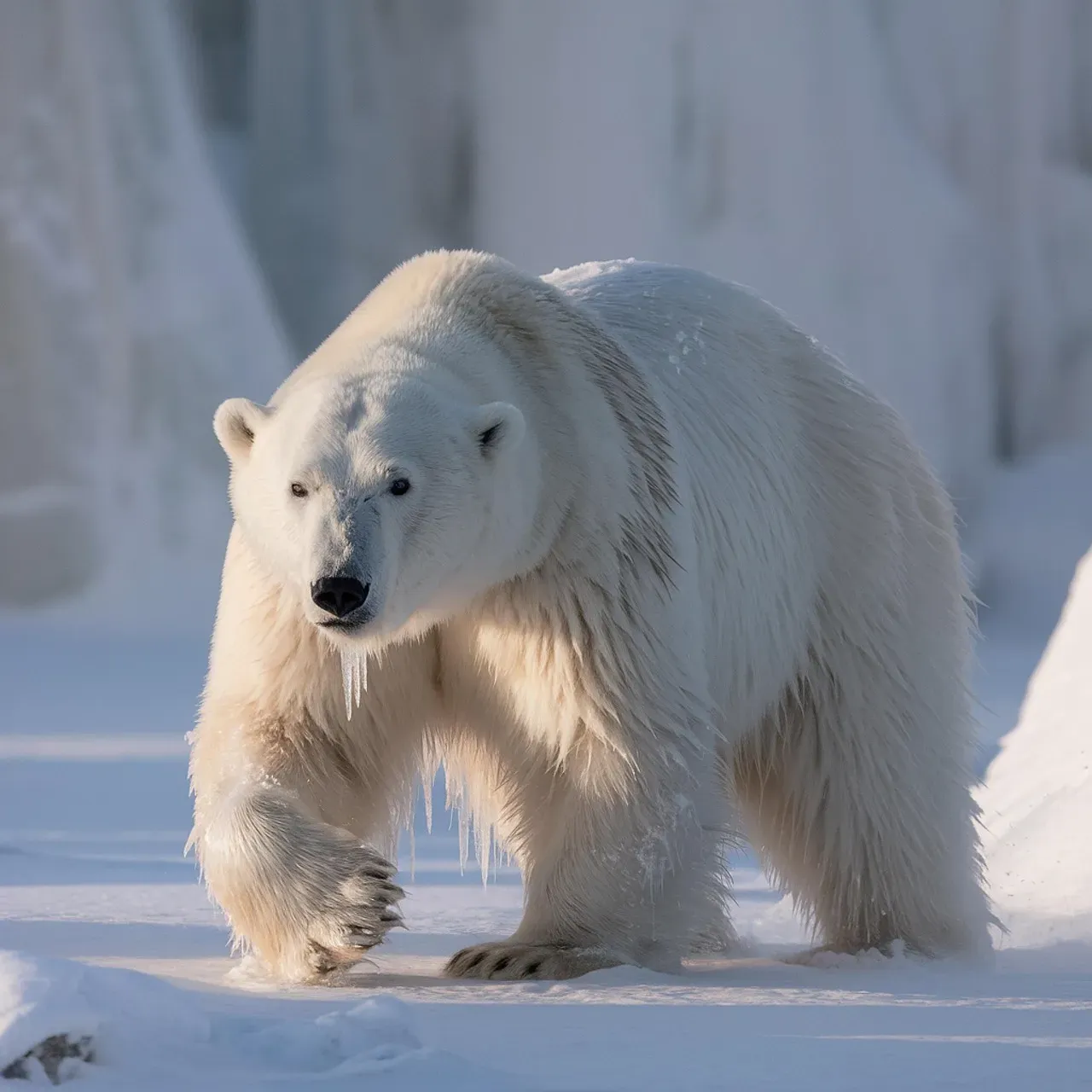
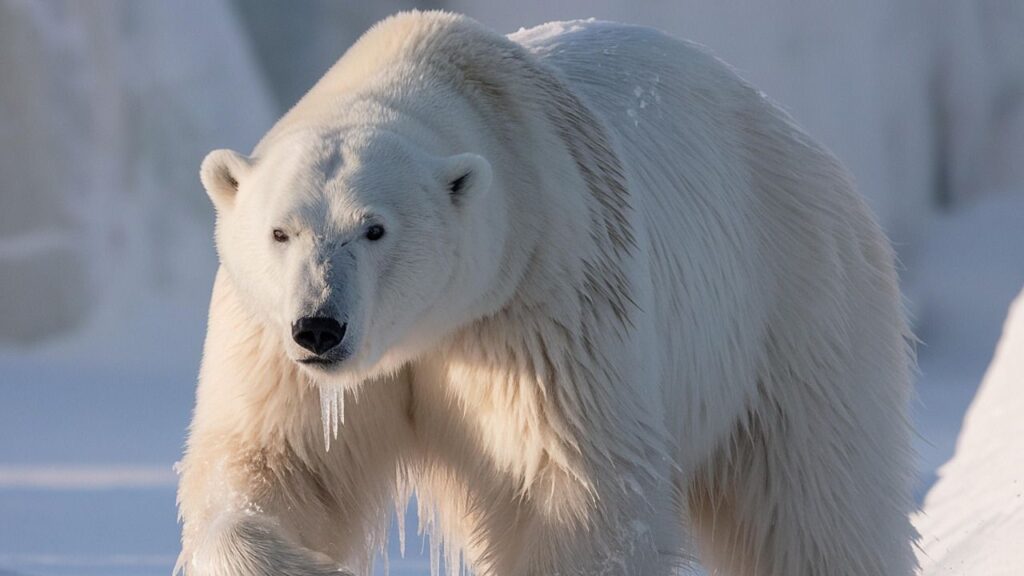
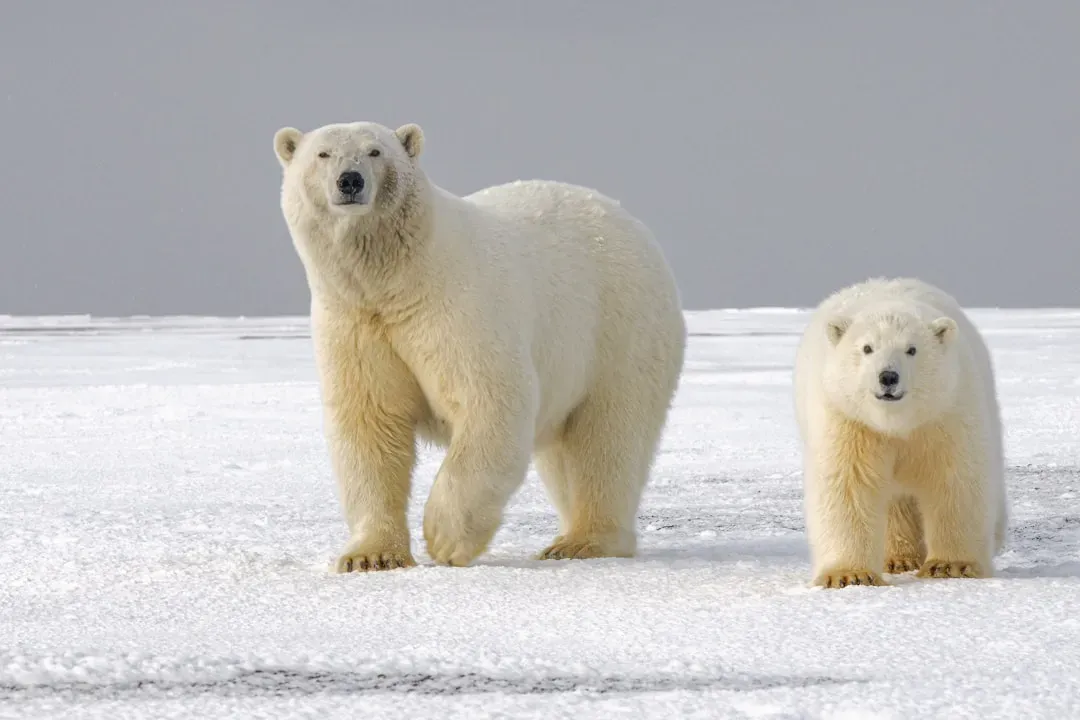
When you picture brutal cold, you might think of shivering in a thin jacket on a windy day. A polar bear’s reality is far beyond that, yet it moves through Arctic ice and subfreezing air as if wrapped in a luxury parka. Its thick fur traps pockets of air, and there’s a dense layer of fat underneath the skin that acts like a high-end insulation system. Interestingly, the bear’s skin is actually dark, which helps absorb heat from the weak Arctic sun, while its fur appears white to blend into the snowy landscape.
On top of that, polar bears have a metabolism that lets them use fat as a powerful energy reserve when food is scarce. They can go for long stretches with limited meals, especially when sea ice melts and hunting opportunities change. Their huge, wide paws spread out like built-in snowshoes so they do not sink into the snow and can swim long distances in cold water. When you compare your winter gear to a polar bear’s natural equipment, you realize just how far evolution can go to turn one of the harshest places on Earth into home.
3. Camels: Desert Survival Specialists With Built-In Water Management
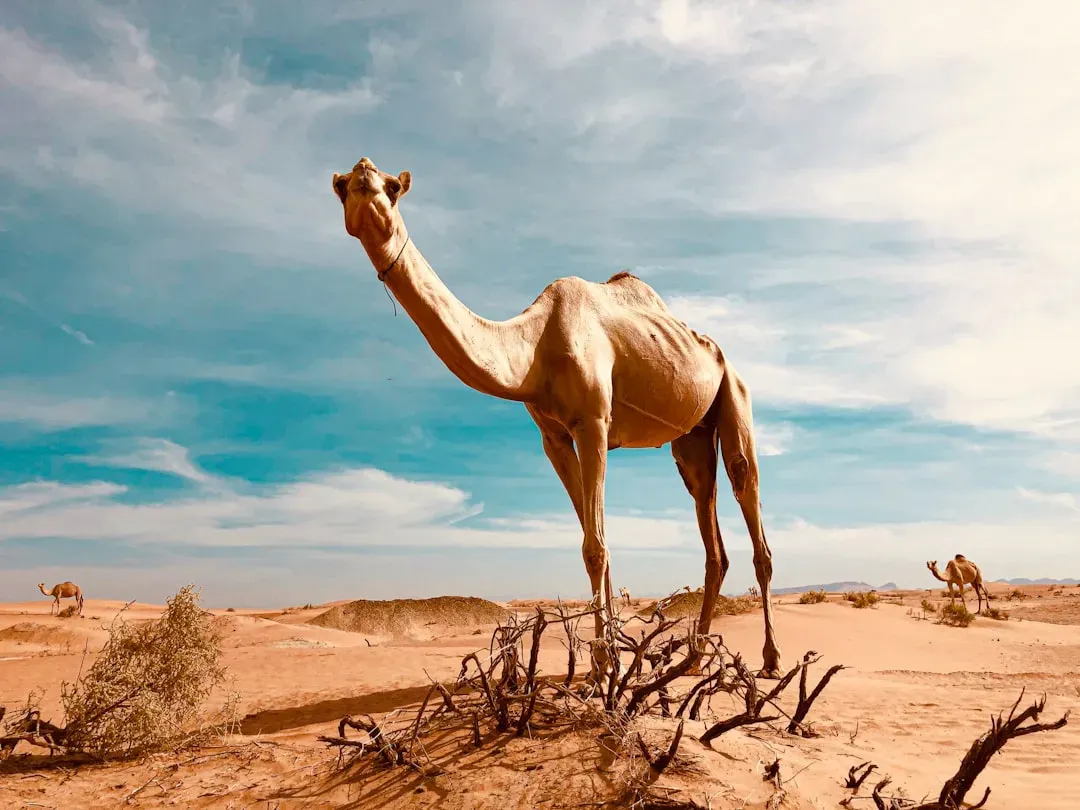
If you’ve ever complained about being thirsty on a hot day, picture a camel plodding across a desert where daytime temperatures soar and shade is almost nonexistent. Camels do not store water in their humps like people often say; instead, those humps are packed with fat. This fat can be converted into energy and water as the camel’s body breaks it down. Their blood cells are uniquely shaped and flexible, which means they can handle significant dehydration and still keep circulating efficiently.
Camels also push the limits of what you might think a mammal’s body temperature can do. Their internal temperature can swing over a wider range than yours without causing damage, which means they sweat less and waste less water. Even their nostrils are like mini recycling systems, capturing moisture from exhaled air and keeping it in the body. When you put all of this together, you see a creature that doesn’t just survive the desert; it’s so well-tuned to dryness and heat that constant comfort in cooler climates might actually be a disadvantage.
4. Antarctic Fish With “Antifreeze” Blood
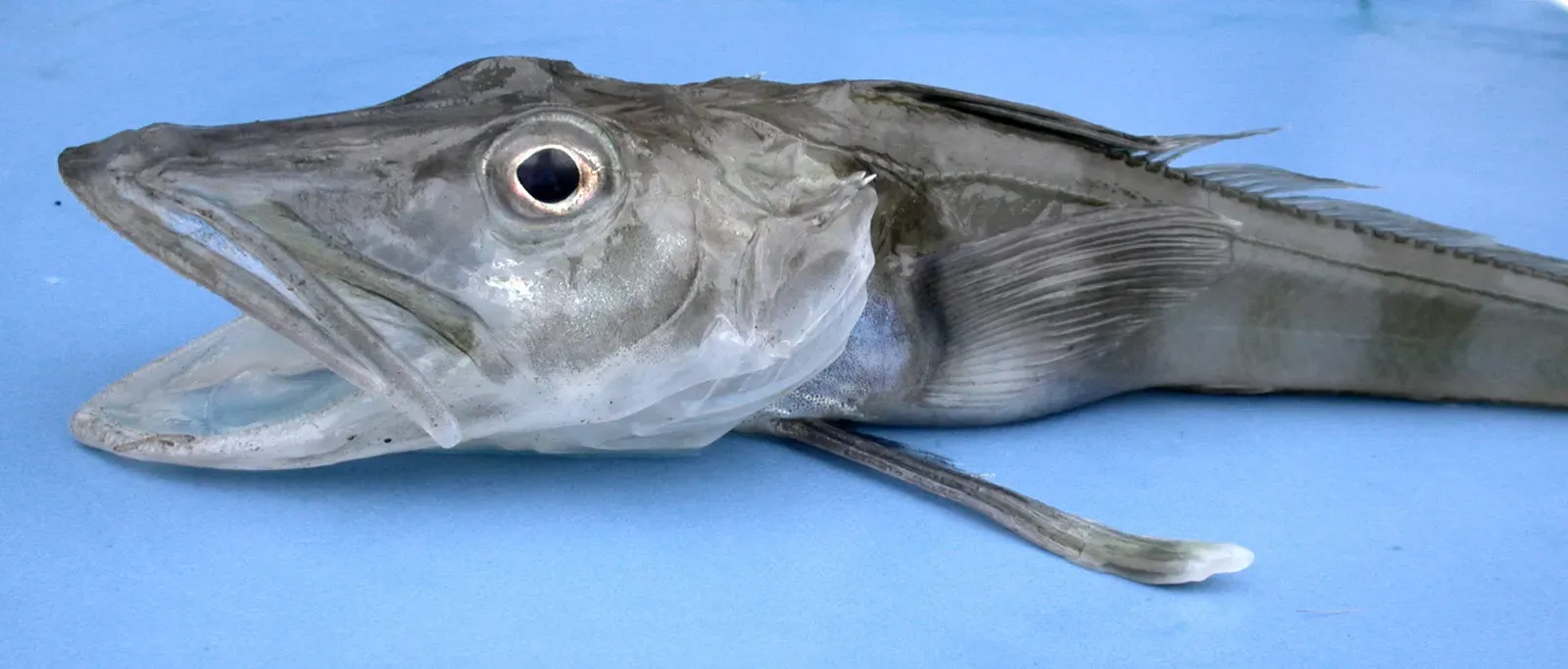
Imagine jumping into icy seawater so cold it can sit below the normal freezing point of freshwater without turning to solid ice. For most fish, that would be a death sentence as ice crystals would start forming inside their bodies. Certain Antarctic fish, like the notothenioids, get around this problem with special antifreeze proteins in their blood and body fluids. These proteins latch onto forming ice crystals and stop them from growing, which helps the fish stay alive in temperatures that would freeze you solid.
Because of this adaptation, these fish can live in waters that hover around the freezing point of seawater, where competitors and predators that lack these proteins would not stand a chance. Their slow metabolism also matches the cold, allowing them to function with less energy. When you think about it, it’s like their entire circulatory system was quietly redesigned to operate like a car engine fitted with the perfect cold-weather antifreeze mixture. You depend on technology to keep a car running in winter; these fish carry their solution in every drop of their blood.
5. Alpine Plants and Pikas: High-Altitude Oxygen and Cold Experts
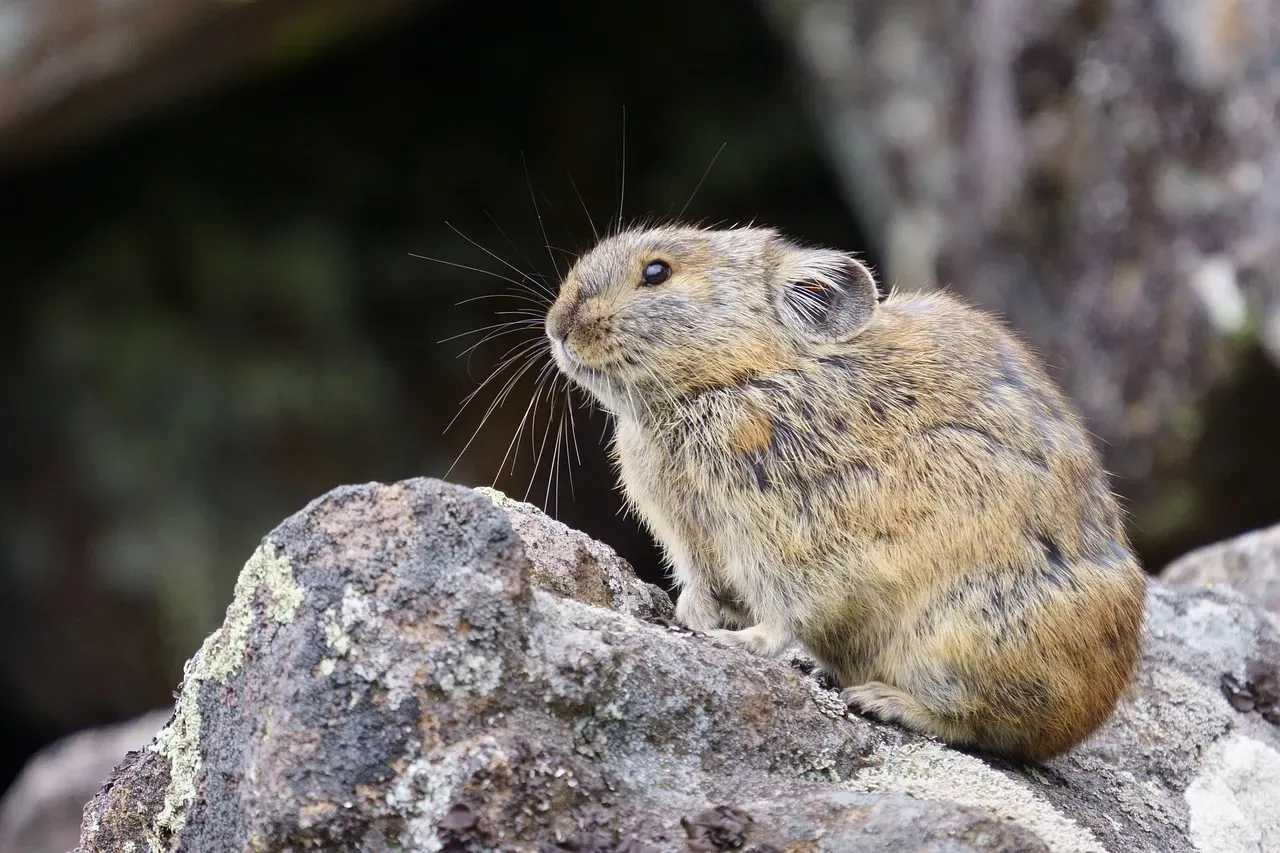
When you hike up a mountain and start to feel short of breath, you are getting just a tiny taste of what low oxygen feels like. Many animals and plants that live high in the mountains never come down, yet they manage just fine. Small mammals like pikas, for example, have blood and lung structures that are more efficient at capturing oxygen in thin air. Their bodies are compact, which helps reduce heat loss, and they stash grasses and plants in little “haypiles” to dry and store as winter food, basically running their own mountain pantry.
High-altitude plants, on the other hand, grow low to the ground and may have hairy or waxy leaves that trap warmth and reduce water loss in the thin, dry air. Their growing season is short, so many are programmed to flower quickly once conditions allow. You might see a rocky, wind-blasted slope and assume nothing can thrive there, but these species have quietly turned that harsh setting into a workable niche. Standing on a ridge catching your breath, you’re the fragile visitor; they are the true long-term residents.
6. Deep-Sea Creatures: Life Under Crushing Pressure and Eternal Night
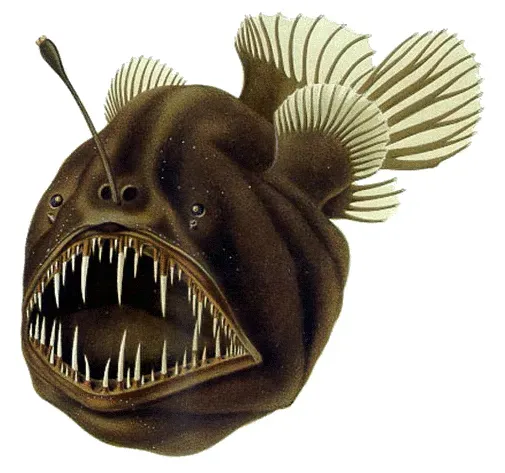
Picture yourself sinking thousands of meters below the ocean surface, where sunlight never reaches and pressure would easily crush a human-built submarine if it were not reinforced. Down there, deep-sea animals have bodies that seem delicate and gelatinous but are actually perfectly tuned to enormous pressure. Many of them lack gas-filled spaces, like swim bladders, that would collapse under such force. Instead, their tissues and cellular structures are built to function normally when squeezed by tons of water overhead.
Because light is almost nonexistent, these animals often rely on bioluminescence – producing light from chemical reactions within their bodies – to communicate, hunt, or hide. Some have oversized eyes to pick up the faintest glimmers, while others are nearly blind and depend on other senses. Food is scarce, so metabolisms tend to be slow, and many creatures are opportunistic feeders, grabbing whatever drifts down from above. When you realize how utterly alien these conditions are to you, it feels as if you are peeking into a different world entirely, yet it is part of the same planet you walk on every day.
7. Desert Lizards and Insects: Heat-Dodging and Water-Saving Tricks
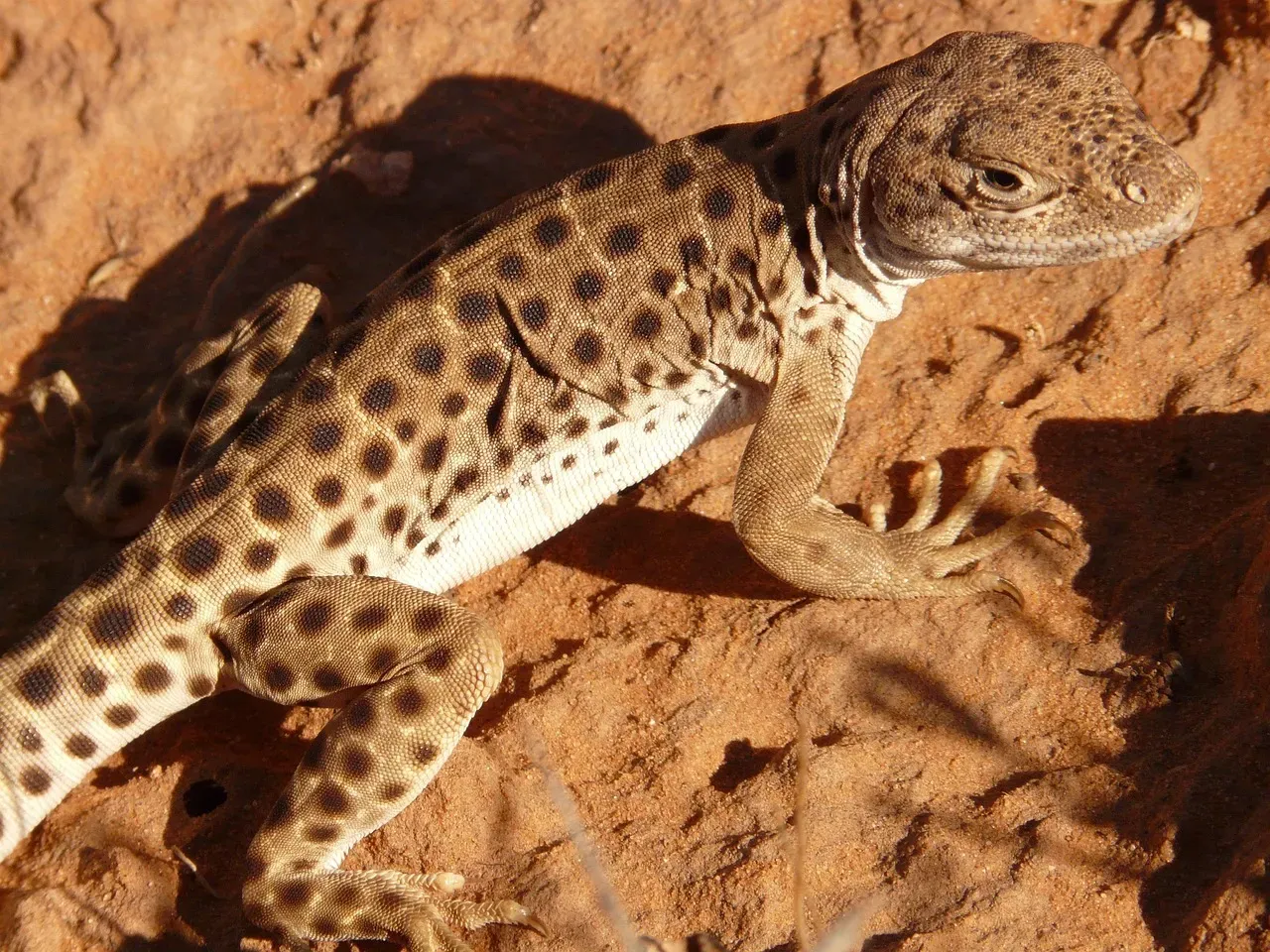
Think about standing barefoot on hot sand at the beach and how quickly you scramble for shade. Many desert lizards and insects spend their entire lives navigating surfaces that can be far hotter than anything you’d tolerate. Some small lizards move quickly in short bursts and hold their bodies slightly off the ground, lifting their feet in shifts so no single limb gets toasted for too long. Others are active mainly at cooler times of day, hiding in burrows or under rocks when the sun is most punishing.
Desert insects often push water conservation to the extreme. Certain beetles can collect moisture from fog or dew on their bodies and channel it toward their mouths. Many species have waxy coatings or tightly sealed body surfaces to reduce water loss. Even their waste is often highly concentrated to avoid throwing away valuable fluids. If you imagine trying to live without a constant supply of drinking water, air conditioning, or shade, these strategies start to feel like advanced survival lessons you never knew you needed.
8. Wood Frogs: Freezing Solid and Coming Back to Life
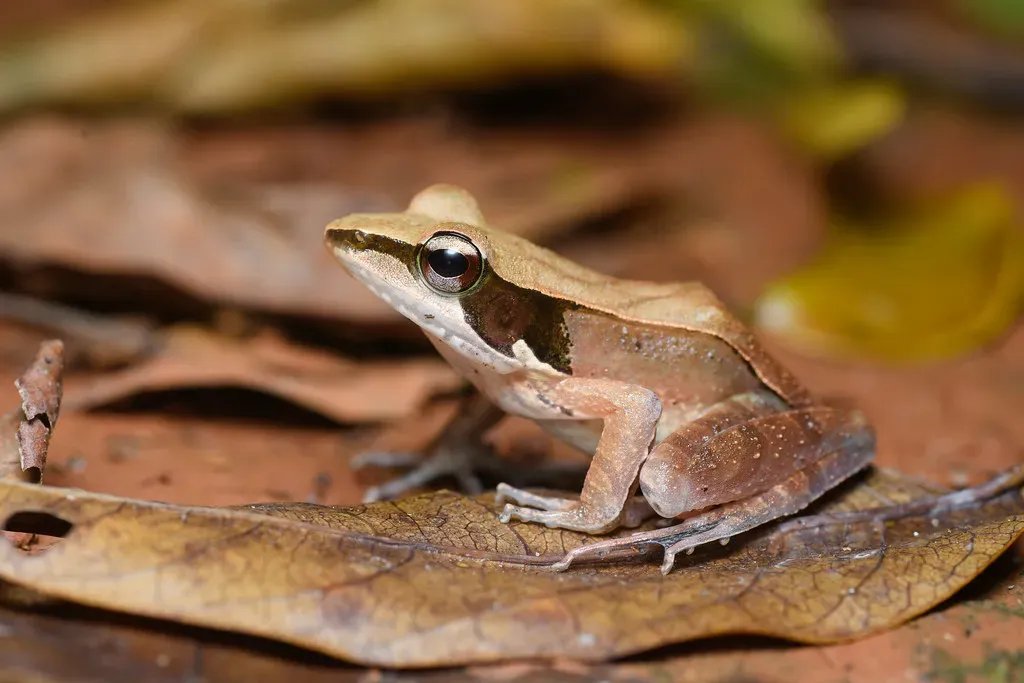
When winter hits hard where you live, you might worry about frozen pipes or icy roads. Some frogs, like the wood frog in North America, take freezing to another level. During the coldest months, these frogs can actually let a large part of their body water freeze. Their heart may stop beating and they become completely immobile, buried under leaves or soil. It sounds like death, but it is more like a carefully controlled shutdown.
The secret is in how they manage ice and sugars. Before freezing fully, they flood their tissues with compounds like glucose that act kind of like natural antifreeze and protect cells from damage. Ice forms mostly outside the cells rather than inside, which is crucial because internal ice crystals can shred delicate structures. When spring warmth returns, the frog thaws, its heart starts beating again, and it hops off as though nothing unusual happened. For you, a frozen body is a medical emergency; for this frog, it is simply the strategy that gets it safely through another winter.
9. Desert Plants and Succulents: Turning Dryness Into an Advantage
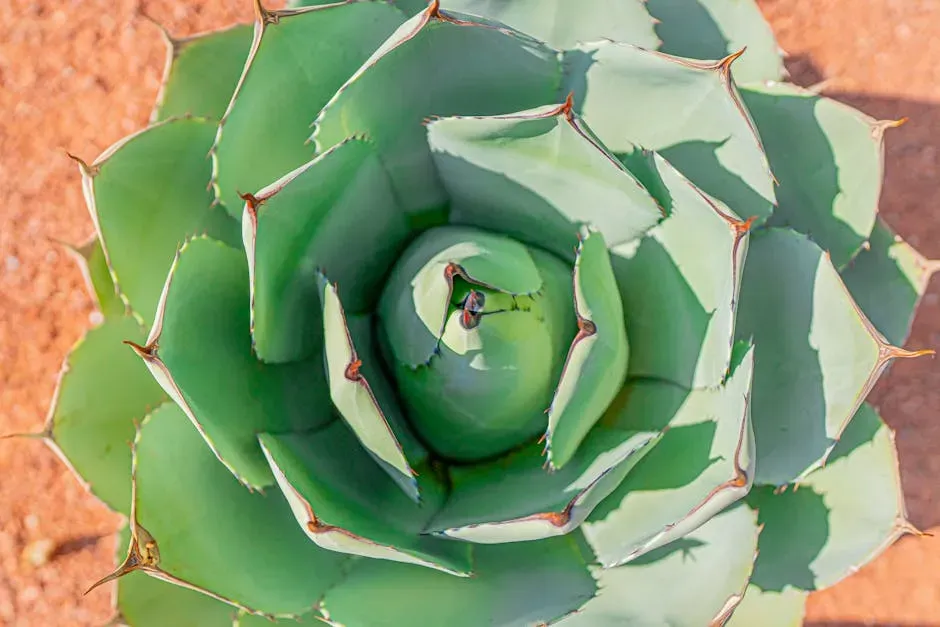
If you’ve ever tried keeping a houseplant alive and accidentally killed it by forgetting to water it, desert succulents might feel like a completely different kind of life form. Plants like cacti and many succulents are designed to make the most of rare rain and then stretch that water through long dry spells. They store water in thick stems or leaves, and many have shallow but wide-spreading root systems that grab every drop of moisture that falls. Their outer surfaces are often waxy or covered in spines, which help reduce water loss and provide some shade.
Inside, these plants often use a special timing trick for photosynthesis, opening tiny pores in their surfaces mainly at night. This reduces the amount of water they lose compared to doing it in the daytime heat. Some of them even rely on unusual patterns of growth, staying small and compact to limit exposure. When you look at a cactus next time, you might see more than a prickly ornament; you’re seeing a carefully engineered water tank and survival machine, thriving in a place where many other plants would shrivel and disappear.
Conclusion: Rethinking What “Extreme” Really Means
By the time you’ve walked through these nine adaptations, your idea of what counts as extreme starts to shift. You see animals and plants that treat deadly cold, blistering heat, crushing pressure, and bone-dry air not as accidents to endure, but as predictable conditions they’ve elegantly prepared for over countless generations. While you worry about a slight change in weather or a missed meal, they have built entire life strategies around conditions that would wipe you out in minutes or hours.
What makes this especially powerful is the reminder that life on Earth is not fragile in the simple way you might assume; it is both vulnerable and incredibly inventive. Each adaptation is like a quiet proof that there is no single “normal” environment – only places where species have or have not yet evolved the right tools. Next time you feel the wind bite your face or the sun burn your skin, you might wonder: if you were an animal in that habitat, what radical adaptation would you need to truly call it home?